
Learn the crucial Dutch traffic law regarding intersections: you may only enter if you can exit without causing a blockage. This rule, often tested in the CBR theory exams, is key to preventing traffic jams and ensuring safety. Understanding this principle is vital for any driver preparing for their Dutch license.
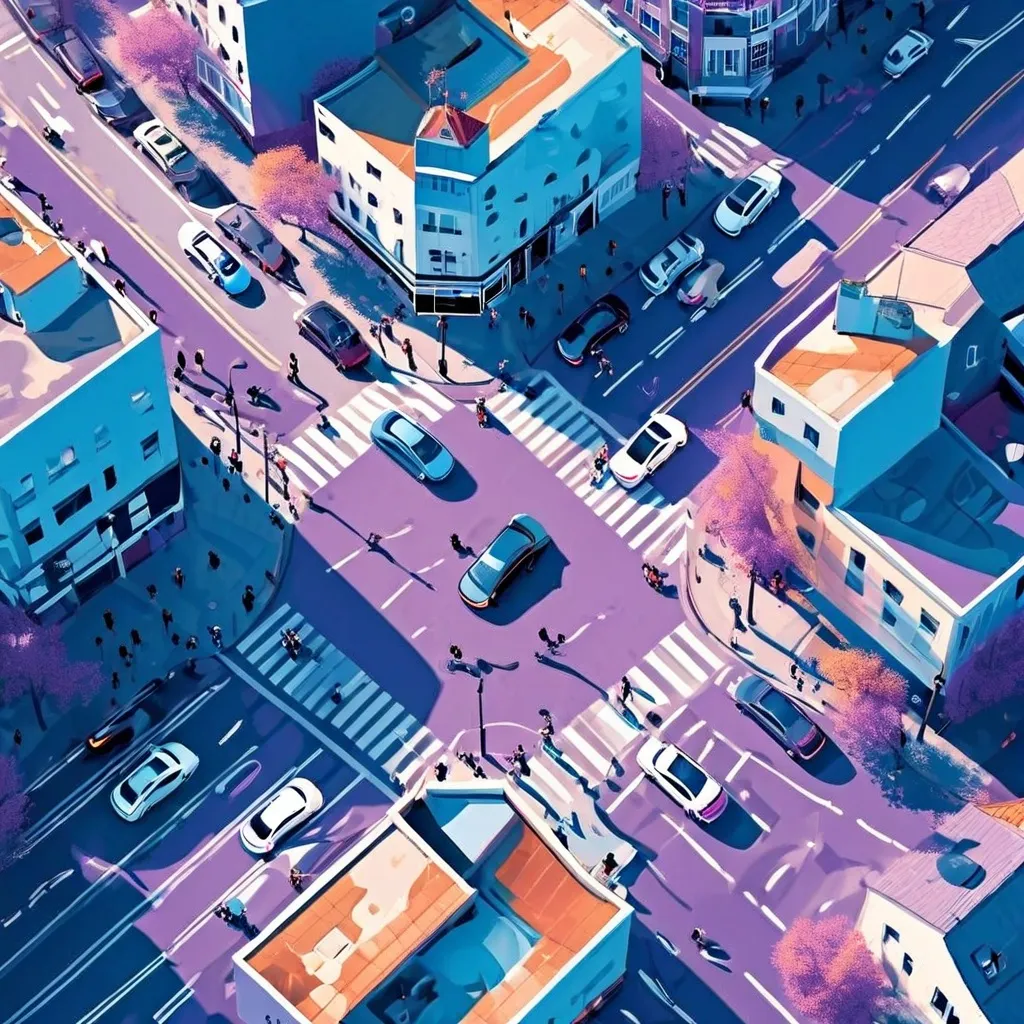
Article content overview
Navigating Dutch intersections safely and legally is a crucial aspect of obtaining your driving license. A fundamental rule, often tested in the CBR theory exam, dictates that you must never enter an intersection unless you can immediately clear it. This principle is vital for preventing traffic gridlock, commonly referred to as "blocking the box," and ensuring smooth, safe traffic flow on Dutch roads. Understanding this concept is not just about passing your exam; it's about responsible driving and contributing to a more efficient transport system for everyone.
The core of safe intersection management in the Netherlands is the understanding that you must not enter an intersection if there is a possibility you will be forced to stop inside it, thereby blocking other traffic. This applies even if you have a green traffic light. The goal is to maintain clear passage through intersections at all times, preventing the chain reaction of delays that leads to gridlock. This rule is universally applicable across different types of intersections, including junctions and level crossings, although specific priority rules may vary.
It's important to differentiate between an intersection and a crossing. While at an intersection you can generally change direction (turn left or right), at a crossing, you are typically only permitted to drive straight through. Regardless of the design, the rule about not blocking the area remains paramount. This principle is a cornerstone of the Dutch traffic code, designed to keep traffic moving and prevent the significant disruptions caused by congested junctions.
The fundamental condition for entering any intersection, junction, or crossing in the Netherlands is the certainty that you can immediately exit it. This means observing the traffic situation on the other side of the intersection before you commit to entering. If the traffic ahead of you is stationary or moving slowly, and you cannot be sure you will clear the intersection promptly, you must wait. This waiting period should occur before the intersection, not within it.
This principle is particularly relevant during peak hours or when approaching busy road networks. Learners might be tempted to proceed on a green light, but the CBR theory exam frequently tests the understanding that a green light does not grant unconditional entry into a congested intersection. You must always assess the immediate exit path and be prepared to stop if necessary.
While the general rule is to avoid entering if you cannot clear, there are specific scenarios where a temporary stop within an intersection is permitted, primarily to facilitate turns and improve traffic flow. If you are turning left and oncoming traffic on the same road is also approaching, or if you need to yield to traffic from an intersecting road, you may be allowed to enter the intersection and wait for an opportunity to complete your manoeuvre. This is explicitly allowed if there is sufficient space to position your vehicle without obstructing other traffic, such as a wide central reservation or a designated waiting area.
The key caveat to this exception is that it must not cause any hinder or danger to other road users. This means you must always be aware of the space required by larger vehicles, such as lorries and buses, which need more room when turning. The objective is always to facilitate smooth traffic flow, not to create new obstacles. If in doubt, it is always safer to wait before the intersection.
Understanding the terminology used by the CBR is vital for exam success. While often used interchangeably in casual conversation, the Dutch traffic code distinguishes between different types of road layouts where paths converge.
The critical rule of not blocking applies to all these scenarios, but the presence of specific traffic control devices or signs can modify priority rules. For instance, at a level crossing, a train or tram always has priority, meaning you must never enter if one is approaching or if you cannot clear the crossing before it arrives.
The CBR theory exam places significant emphasis on understanding and applying intersection rules, particularly concerning congestion and priority. You will encounter questions that present scenarios where you must decide whether it is safe and legal to enter an intersection, often under conditions that could lead to gridlock. These questions are designed to assess your ability to anticipate traffic flow and your adherence to the 'do not block the box' principle.
Common question formats include:
Understanding the nuances of 'voorsorteren' is also crucial. You may be asked about the conditions under which you can enter an intersection to wait for a left turn. Answering incorrectly here could indicate a misunderstanding of safe intersection behaviour.
The "do not block the box" rule is more than just a regulation; it's a proactive measure to ensure the efficiency and safety of the Dutch road network. By diligently assessing the situation before entering any intersection, you contribute to preventing the widespread traffic jams that can occur when even a few drivers fail to adhere to this principle. This awareness is a hallmark of a competent and responsible driver.
Remember that the goal is not simply to get to your destination as quickly as possible, but to do so safely and legally, without negatively impacting other road users. The principles taught for passing your theory exam are directly applicable to everyday driving, fostering a culture of respect and order on the roads.
The Dutch 'do not block the box' rule prohibits entering any intersection unless you can immediately clear it, even on green. While the general principle is strict avoidance of stopping within intersections, an exception called 'voorsorteren' permits temporary positioning for turning when sufficient space exists without obstructing other traffic. The CBR exam frequently tests whether you understand that green lights do not override congestion, and tests nuanced scenarios involving left turns and yielding. Understanding the distinction between intersections (where turning is permitted), crossings (straight-through only), and level crossings is essential for both exam success and safe driving.
A short set of high-value points that capture the most important ideas from this article.
Never enter a Dutch intersection unless you can immediately exit it, even with a green light
Green traffic lights do not grant unconditional entry into a congested intersection
The 'voorsorteren' exception allows temporary positioning within an intersection only when turning and space permits without obstructing others
This rule applies universally to intersections, junctions, crossings, and level crossings
Responsible adherence prevents chain-reaction gridlock affecting all road users
Enter only if certain you can clear; otherwise wait before the intersection boundary
Voorsorteren is permitted only when turning left/right and sufficient space exists to avoid blocking through traffic
At level crossings, rail vehicles always have absolute priority
A crossing only permits straight-through movement; an intersection allows turning
The goal is smooth traffic flow, not personal speed or convenience
Assuming a green light automatically means you can proceed, regardless of congestion ahead
Entering an intersection to turn when there is insufficient space, blocking perpendicular traffic
Confusing intersections with crossings, leading to incorrect assumptions about permitted movements
Failing to account for larger vehicles needing extra space when turning
Misunderstanding voorsorteren as a blanket right rather than a conditional exception
Article content overview
A short set of high-value points that capture the most important ideas from this article.
Never enter a Dutch intersection unless you can immediately exit it, even with a green light
Green traffic lights do not grant unconditional entry into a congested intersection
The 'voorsorteren' exception allows temporary positioning within an intersection only when turning and space permits without obstructing others
This rule applies universally to intersections, junctions, crossings, and level crossings
Responsible adherence prevents chain-reaction gridlock affecting all road users
Enter only if certain you can clear; otherwise wait before the intersection boundary
Voorsorteren is permitted only when turning left/right and sufficient space exists to avoid blocking through traffic
At level crossings, rail vehicles always have absolute priority
A crossing only permits straight-through movement; an intersection allows turning
The goal is smooth traffic flow, not personal speed or convenience
Assuming a green light automatically means you can proceed, regardless of congestion ahead
Entering an intersection to turn when there is insufficient space, blocking perpendicular traffic
Confusing intersections with crossings, leading to incorrect assumptions about permitted movements
Failing to account for larger vehicles needing extra space when turning
Misunderstanding voorsorteren as a blanket right rather than a conditional exception
Explore related topics, search based questions, and concepts that learners often look up when studying Dutch Intersection Gridlock and Block-the-Box Rules. These themes reflect real search intent and help you understand how this topic connects to wider driving theory knowledge in the Netherlands.
Start your targeted search now to explore a vast library of official Dutch driving theory articles and guides. Reinforce your understanding of specific traffic rules or road signs to ensure you are fully prepared for your upcoming CBR theory exam. Discover comprehensive explanations tailored for success.