
The BSN is a vital personal identifier in the Netherlands, and your driving licence serves as a primary identity document. Learning to identify the BSN on the back of your card ensures you can provide accurate information when required by official authorities or during administrative procedures. This guide helps you distinguish between your BSN and your driver's licence number to avoid confusion in official settings.
Article content overview
When you obtain your driving licence in the Netherlands, you receive more than just a permit to operate a vehicle; you acquire an official government-issued identity document. One of the most critical pieces of information printed on this card is your Burgerservicenummer (BSN), or Citizen Service Number. Knowing exactly where to find this identifier is essential for administrative processes, such as registering with a driving school, scheduling your theory exam with the CBR, or providing identification to the police during a traffic stop.
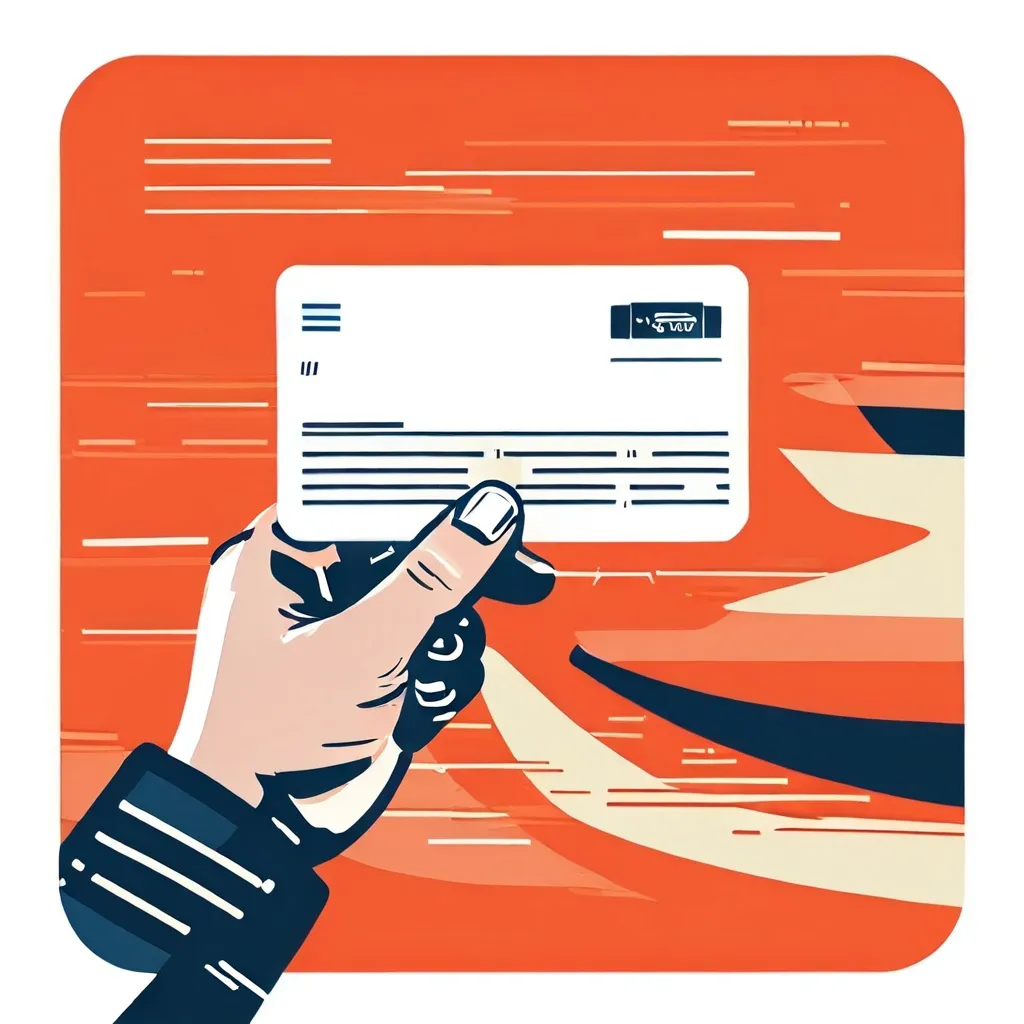
The physical layout of the modern, credit-card-sized Dutch driving licence is standardized across the country. To locate your BSN, you must look at the back of the card. In the upper left corner, you will see a series of digits positioned before a forward slash (/). This specific sequence is your unique Citizen Service Number.
The number immediately following that forward slash is your actual driver's licence number, which is distinct from your BSN. It is a common point of confusion for new residents and learners to mistake the two, so always ensure you are reading the correct sequence of numbers when filling out official forms or application portals for your CBR theory exam.
Your BSN serves as your primary identifier within the Dutch government's digital and physical databases. When you register with the Rijksdienst voor het Wegverkeer (RDW) or interact with the Centraal Bureau Rijvaardigheidsbewijzen (CBR), this number links your identity to your driving records, test results, and medical certificates.
Because the driving licence acts as a valid form of ID, you are legally required to present the original, undamaged document to authorized persons, such as police officers, whenever you are operating a vehicle. If you cannot produce your valid licence, you risk a fine. Furthermore, because your BSN is displayed on the card, your driving licence is highly sensitive from a privacy perspective. You should keep the physical card secure at all times and avoid sharing it unnecessarily to protect yourself against identity fraud.
Never share a photograph of your driving licence online or with unverified parties. Because your BSN and personal details are clearly visible on the card, this information can be misused for identity theft if it falls into the wrong hands.
While both numbers are essential for your status as a driver in the Netherlands, they serve different functions. The BSN is tied to your status as a resident in the Basisregistratie Personen (BRP), while the driver's licence number is specific to your authorization to operate a motor vehicle.
| Identifier | Location | Primary Purpose |
|---|---|---|
| BSN | Back (Upper Left, before slash) | Official identity verification and government records. |
| Licence Number | Back (Upper Left, after slash) | Tracking your specific driving privileges and status. |
A unique personal identifier assigned to everyone registered in the Dutch population register, used for all contact with the Dutch government and administrative services.
As an expat or new driver, it is important to remember that your licence is only valid for the categories for which you have passed the relevant exams. Whether you are driving a car (Category B) or a motorcycle, the document remains your legal proof of competency. Ensure that your licence is always in good condition; if the card is damaged or the text is illegible, it may no longer be considered a valid form of ID, and you would need to apply for a replacement via your local municipality.
This article teaches you exactly where to locate your BSN on the back of your Dutch driving licence card and clearly distinguishes it from your driving licence number. Understanding this distinction prevents errors when completing official applications with CBR or RDW. The content also emphasises the privacy risks of sharing your licence publicly, since the BSN is visible on the card. Finally, it reinforces that your driving licence is a legal identity document that must remain undamaged and secure at all times.
A short set of high-value points that capture the most important ideas from this article.
Your BSN (Burgerservicenummer) is printed on the back of your Dutch driving licence in the upper left corner, positioned before the forward slash.
The sequence after the forward slash is your driving licence number, not your BSN—these serve completely different purposes.
Your BSN links your identity to government records at RDW and CBR, including your test results and driving history.
Your driving licence is a valid official identity document in the Netherlands and must be presented in original, undamaged condition when requested by authorities.
Never share photos of your driving licence online, as the visible BSN and personal details can be exploited for identity fraud.
BSN appears on the back of the card before the slash; the driving licence number appears after the slash.
Both numbers are in the upper left corner of the licence card, so read carefully to identify the correct sequence.
The BSN is tied to your resident status in the BRP (Basisregistratie Personen), while the licence number is specific to your driving privileges.
A damaged or illegible licence may no longer be accepted as a valid form of ID.
Keep your physical driving licence secure at all times to protect your personal data.
Reading the wrong sequence of digits and confusing the driving licence number with the BSN when filling out CBR exam applications.
Photographing and sharing the driving licence online, inadvertently exposing the BSN to identity thieves.
Assuming a scratched or worn licence is still valid for identification purposes—it may not be accepted by authorities.
Providing only the BSN when the driving licence number is specifically requested on official forms.
Believing both numbers serve the same administrative function, when in fact they track different records.
Article content overview
A short set of high-value points that capture the most important ideas from this article.
Your BSN (Burgerservicenummer) is printed on the back of your Dutch driving licence in the upper left corner, positioned before the forward slash.
The sequence after the forward slash is your driving licence number, not your BSN—these serve completely different purposes.
Your BSN links your identity to government records at RDW and CBR, including your test results and driving history.
Your driving licence is a valid official identity document in the Netherlands and must be presented in original, undamaged condition when requested by authorities.
Never share photos of your driving licence online, as the visible BSN and personal details can be exploited for identity fraud.
BSN appears on the back of the card before the slash; the driving licence number appears after the slash.
Both numbers are in the upper left corner of the licence card, so read carefully to identify the correct sequence.
The BSN is tied to your resident status in the BRP (Basisregistratie Personen), while the licence number is specific to your driving privileges.
A damaged or illegible licence may no longer be accepted as a valid form of ID.
Keep your physical driving licence secure at all times to protect your personal data.
Reading the wrong sequence of digits and confusing the driving licence number with the BSN when filling out CBR exam applications.
Photographing and sharing the driving licence online, inadvertently exposing the BSN to identity thieves.
Assuming a scratched or worn licence is still valid for identification purposes—it may not be accepted by authorities.
Providing only the BSN when the driving licence number is specifically requested on official forms.
Believing both numbers serve the same administrative function, when in fact they track different records.
Explore related topics, search based questions, and concepts that learners often look up when studying Locating BSN on Dutch Licence. These themes reflect real search intent and help you understand how this topic connects to wider driving theory knowledge in the Netherlands.
Find clear and practical answers to common questions learners often have about Locating BSN on Dutch Licence. This section helps explain difficult points, remove confusion, and reinforce the key driving theory concepts that matter for learners in the Netherlands.
You can find your BSN on the back side of your driving licence card, positioned in the upper left corner, appearing before the slash symbol.
No, they are different numbers. Your BSN is the personal identifier before the slash on the back of the card, while the driving licence number is located after the slash.
Yes, because the driving licence includes your BSN and personal details, it is widely accepted as a valid form of identification in the Netherlands.
Since your driving licence contains your BSN, it is a sensitive personal document. Keeping it secure helps prevent identity theft and ensures you always have your valid credentials when stopped by the police.
Start your targeted search now to explore a vast library of official Dutch driving theory articles and guides. Reinforce your understanding of specific traffic rules or road signs to ensure you are fully prepared for your upcoming CBR theory exam. Discover comprehensive explanations tailored for success.