
The Dutch T driving licence is specifically for agricultural and forestry tractors, as well as certain motor vehicles with limited speed. This article breaks down exactly what you need to know about this licence category, including when it's required for work-related vehicles and the general scope of its applicability. Understanding the T licence ensures compliance with Dutch traffic legislation and safe operation of specialised machinery.
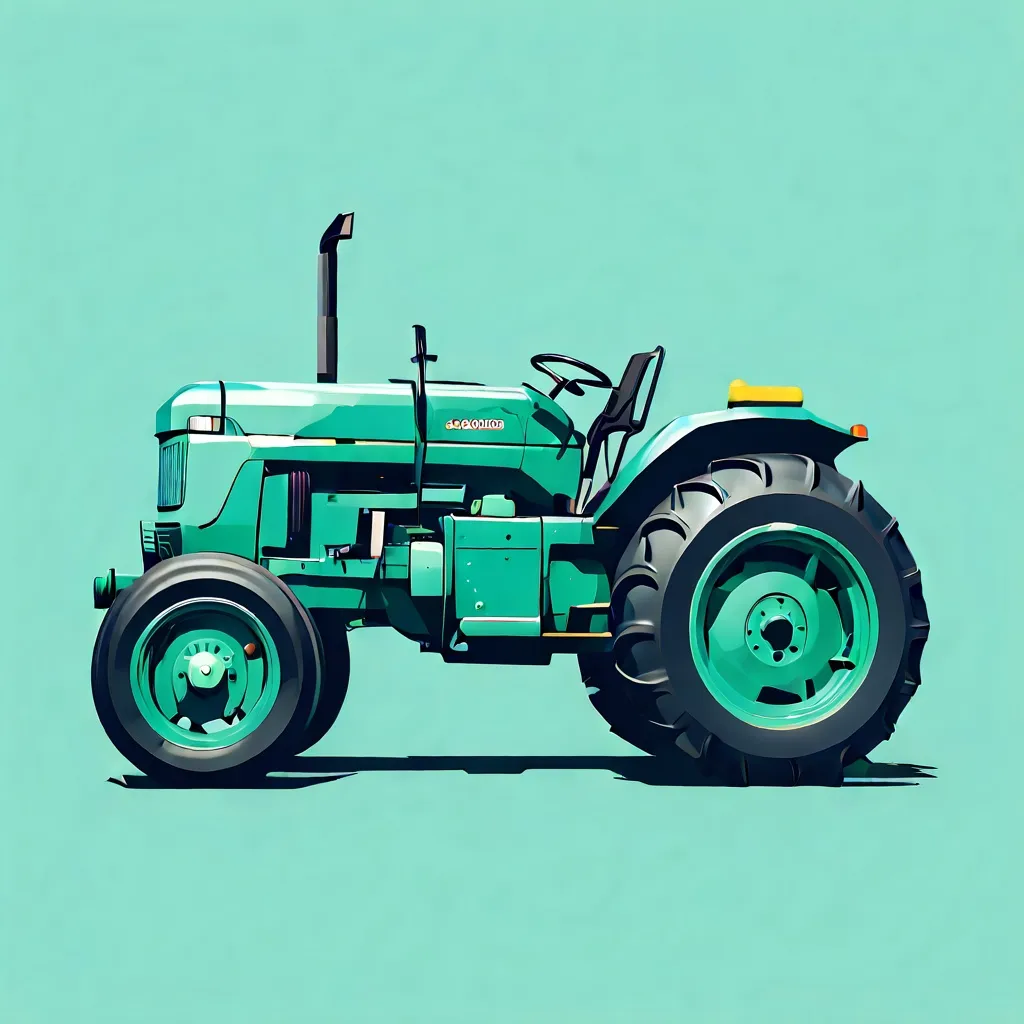
Article content overview
Understanding the specific requirements for different driving licence categories is fundamental to legally and safely operating vehicles in the Netherlands. For those looking to operate agricultural machinery, forestry tractors, or certain types of mobile machines, obtaining a T driving licence is often a necessity. This licence category is distinct from standard car or truck licences and is designed to cover a specific range of vehicles used in work environments. This article will delve into the scope of the T category driving licence, when it is required, and important considerations for its use, ensuring you are well-prepared for the Dutch theory exam and compliant on the road.
The Dutch T driving licence is specifically designated for the operation of agricultural or forestry tractors, as well as motor vehicles with limited speed and certain mobile machines. This category is crucial for individuals whose work involves operating such machinery on public roads, whether on farms, construction sites, or for municipal services. It's important to note that the T licence covers a broad spectrum of vehicles beyond just traditional farm tractors, encompassing those designed for specific operational tasks. Failing to possess the correct licence for the vehicle you are operating can lead to significant penalties, making a thorough understanding of these rules paramount for anyone involved in these sectors.
The T driving licence category in the Netherlands primarily governs the use of agricultural and forestry tractors. However, its remit extends further to include motor vehicles with limited speed and certain mobile machines that meet specific criteria. These vehicles are often found performing tasks such as roadworks, maintenance, or specific industrial functions. The legislation aims to ensure that operators of these potentially heavy or slow-moving vehicles have the necessary knowledge of traffic rules and safe operating practices to coexist with other road users, particularly on public roads where their operational speeds may differ significantly from typical traffic.
The definition of vehicles covered by the T licence is important. It includes agricultural and forestry tractors, but also other motor vehicles that are specially designed for specific purposes and may have speed limitations. These can include vehicles like wide sweepers, certain types of forklifts used in road maintenance or logistics, excavators, and other machinery used in construction or civil engineering projects. Understanding the precise definition is key, as not all such machines automatically require a T licence; specific dimensions, intended use, and towing capabilities can influence the licence requirement.
A T driving licence is generally required when operating an agricultural or forestry tractor, or a motor vehicle with limited speed, on public roads. This requirement often applies even if the vehicle is primarily used for work purposes and not for general transportation. The key factor is the use of public roads, which brings these vehicles under traffic regulations. This includes travelling between different work sites, accessing fields from storage locations, or moving along public thoroughfares as part of a job, such as street sweeping or snow removal.
There are, however, specific exemptions. For instance, agricultural and forestry tractors, or mobile machinery, do not require a tractor driving license if they meet three distinct criteria: they are not wider than 130 centimetres (including any front-mounted interchangeable parts), they are used for specific tasks like forklift operations, mowing, weed control, sweeping, snow clearing, combating slippery conditions, or collecting dog waste, and crucially, they are not capable of towing a trailer or interchangeable machine. This means smaller, lighter, and more specialised machines, especially those with limited road presence and functionality, may fall outside the T licence mandate.
The range of vehicles that fall under the T licence umbrella is quite diverse. Agricultural tractors used for farming are the most obvious example. Forestry tractors, used for logging and woodland management, are also covered. Beyond these, the T licence is relevant for a variety of mobile machines and vehicles with limited speed. This includes certain types of municipal vehicles, such as wide sweepers used for street cleaning, or specialised vehicles used in road maintenance.
Vehicles used as forklifts for industrial or logistics purposes might also require a T licence, particularly if they are used on public roads. Similarly, excavators and other heavy machinery, when operated on public roads to move between work sites, typically fall under the T licence requirements. It is essential to consult the specific dimensions and capabilities of these machines, as well as their intended use, to definitively determine if a T licence is mandatory. The principle is that if a vehicle is powered and intended for work on public roads, and it fits the description of a tractor, motor vehicle with limited speed, or mobile machine, then the T licence is likely applicable.
As mentioned, there are specific circumstances where a T driving licence is not required for operating tractors or mobile machinery. The most pertinent exemption relates to smaller, more specialised vehicles. If a vehicle is no wider than 130 cm (including any front-mounted attachments), is designed for tasks like mowing, sweeping, snow removal, or operates as a forklift, and cannot tow a trailer or interchangeable machine, then a T licence is typically not necessary. This allows for the operation of many smaller maintenance vehicles without the formal licence, acknowledging their limited impact on general traffic.
Furthermore, the rules around foreign driving licences can sometimes provide an alternative. For instance, holders of a valid category C driving licence issued in another country are permitted to drive tractors, mobile machinery, or MMBS (older category for mobile agricultural and construction vehicles) in the Netherlands. Similarly, specific national licences, like a German category T or a Belgian category G licence, are recognised. There is also a temporary tolerance for holders of a Belgian category B driving licence born before October 1, 1982. These individuals are exempt until December 31, 2025, provided they possess a valid Belgian category B licence, after which a Belgian category G licence will be required.
Operating tractors and mobile machines for work purposes in the Netherlands brings specific responsibilities and adherence to traffic laws. The T licence is not just about passing an exam; it signifies that you understand the unique challenges of operating slower, larger, or more specialised vehicles in mixed traffic environments. This includes understanding your vehicle's visibility, braking capabilities, turning radius, and how to signal your intentions clearly to other road users.
When driving a tractor or mobile machine for work, always be aware of your speed, which is often significantly lower than other vehicles. According to Article 22a of the Dutch traffic regulations, the maximum speed for agricultural and forestry tractors, motor vehicles with limited speed, and mobile machines, whether or not with a trailer, is generally set at 25 km per hour, unless a lower speed limit applies. This slow speed necessitates careful road positioning, often favouring the right side of the carriageway, and being mindful of overtaking opportunities for faster traffic, where safe to do so.
For those moving to the Netherlands or planning to drive these types of vehicles with a foreign licence, understanding international recognition is key. While some driving licences are easily exchanged or recognised, this is not always the case for specialised categories like the tractor licence. International agreements regarding moped and tractor licences are often limited, meaning that a tractor licence from one country may not be automatically recognised in another.
As noted, certain foreign licences can permit driving tractors and mobile machines in the Netherlands. A valid category C licence from another country provides this permission. Additionally, specific national licences from neighbouring countries, like the German T or Belgian G categories, are recognised. The temporary exemption for certain Belgian drivers born before October 1, 1982, highlights the nuances that can exist, often due to historical licensing practices. It is always advisable to check with the RDW (Netherlands Vehicle Authority) or the CBR (Central Bureau for Driving যানবাহন) for the most current and specific information regarding foreign licence validity.
To obtain a T driving licence in the Netherlands, you must first pass the theory exam administered by the CBR. This exam tests your knowledge of traffic rules, road signs, and safe driving behaviour as it pertains to agricultural and forestry tractors, motor vehicles with limited speed, and mobile machines. The questions are designed to assess your understanding of the specific regulations that apply to these vehicles, which often differ from those for cars.
Key topics covered include right-of-way rules in various situations, appropriate speed limits, safe distances, the correct use of lights and signals, and understanding specific traffic signs relevant to agricultural and forestry vehicles. For instance, understanding signs that indicate designated lanes for tractors or signs that warn of agricultural traffic on the road is crucial. The exam will also cover the specific technical aspects of operating these machines, such as their stopping distances and visibility limitations.
A common pitfall for T licence candidates is assuming the rules are identical to those for car driving. While many general traffic principles apply, there are significant differences. For example, the speed regulations for tractors are much lower, and their manoeuvrability and visibility can be considerably different. Questions might focus on situations where a slow-moving tractor could cause a hazard if not operated correctly, or how to safely navigate junctions when you are the slower vehicle.
Another area to pay close attention to is the specific exemptions mentioned earlier. Exam questions may present scenarios involving vehicles that appear to be tractors or mobile machines, but do not meet the criteria for requiring a T licence. Your ability to discern these nuances based on dimensions, towing capabilities, and intended use will be tested. Always read the question carefully and consider all the details provided in the scenario before selecting your answer. Understanding the definition of a "motor vehicle with limited speed" versus a "tractor" can be critical in distinguishing between licence requirements.
After successfully passing the theory exam, the next step towards obtaining your T driving licence is the practical driving test, also conducted by the CBR. This test evaluates your ability to operate the specific type of vehicle safely and competently in real-world traffic conditions. You will be assessed on your vehicle control, your adherence to traffic rules, and your understanding of how to operate the vehicle in different road and traffic environments, including urban areas, rural roads, and potentially on unpaved surfaces if relevant to the vehicle type.
The practical test will also assess your awareness of other road users, particularly how you manage interactions with faster or more vulnerable road users like cyclists and pedestrians. Your ability to manoeuvre the vehicle safely, including parking, reversing, and making turns, will be observed. Successfully completing both the theory and practical components is essential for obtaining your Dutch T driving licence, allowing you to legally and safely operate agricultural and mobile machinery on public roads.
The Dutch T driving licence is required for operating agricultural and forestry tractors, motor vehicles with limited speed (max 45 km/h), and certain mobile machines on public roads, with a typical maximum speed of 25 km/h for these vehicles. Specific exemptions apply for narrow vehicles (≤130 cm) used for tasks like mowing or sweeping that cannot tow trailers. Several foreign licences are recognised, and holders of a Category C licence from another country may drive these vehicles in the Netherlands. Preparing for the CBR theory exam requires understanding vehicle definitions, speed rules, exemptions, and traffic signs specific to agricultural and mobile machinery, distinct from standard car licence preparation.
A short set of high-value points that capture the most important ideas from this article.
The T driving licence covers agricultural/forestry tractors, motor vehicles limited to 45 km/h, and certain mobile machines when operated on public roads.
Vehicles not wider than 130 cm, designed for specific tasks (mowing, sweeping, snow removal), and unable to tow trailers may be exempt from needing a T licence.
Agricultural tractors, mobile machines, and motor vehicles with limited speed are generally restricted to a maximum of 25 km/h on public roads.
Certain foreign licences (such as Category C from another country, German Category T, or Belgian Category G) are recognised for driving tractors and mobile machines in the Netherlands.
Understanding the distinction between a tractor, a motor vehicle with limited speed, and a mobile machine is essential for correctly determining licence requirements.
Exemption criteria: width ≤ 130 cm (including attachments), specific work tasks only, and no trailer-towing capability.
Agricultural tractor maximum design speed: 40 km/h; motor vehicle with limited speed maximum: 45 km/h.
Maximum general speed for these vehicles on public roads: 25 km/h unless a lower limit applies.
Foreign Category C licence holders can legally drive tractors and mobile machines in the Netherlands.
Candidates must pass the CBR theory exam specifically for Category T, which is separate from the Category B car theory exam.
Assuming all tractors and mobile machines require a T licence without checking the exemption criteria regarding width and towing capability.
Confusing the T category with standard car licence rules, particularly regarding speed limits and vehicle dimensions.
Overlooking that a vehicle's intended purpose (work tasks vs. transport) and design speed affect whether it falls under T licence requirements.
Failing to read exam scenarios carefully when questions involve vehicles that appear similar but differ in dimensions, towing capability, or design speed.
Assuming a foreign tractor licence is automatically recognised in the Netherlands without checking specific agreements or the December 31, 2025 deadline for certain Belgian drivers.
Article content overview
A short set of high-value points that capture the most important ideas from this article.
The T driving licence covers agricultural/forestry tractors, motor vehicles limited to 45 km/h, and certain mobile machines when operated on public roads.
Vehicles not wider than 130 cm, designed for specific tasks (mowing, sweeping, snow removal), and unable to tow trailers may be exempt from needing a T licence.
Agricultural tractors, mobile machines, and motor vehicles with limited speed are generally restricted to a maximum of 25 km/h on public roads.
Certain foreign licences (such as Category C from another country, German Category T, or Belgian Category G) are recognised for driving tractors and mobile machines in the Netherlands.
Understanding the distinction between a tractor, a motor vehicle with limited speed, and a mobile machine is essential for correctly determining licence requirements.
Exemption criteria: width ≤ 130 cm (including attachments), specific work tasks only, and no trailer-towing capability.
Agricultural tractor maximum design speed: 40 km/h; motor vehicle with limited speed maximum: 45 km/h.
Maximum general speed for these vehicles on public roads: 25 km/h unless a lower limit applies.
Foreign Category C licence holders can legally drive tractors and mobile machines in the Netherlands.
Candidates must pass the CBR theory exam specifically for Category T, which is separate from the Category B car theory exam.
Assuming all tractors and mobile machines require a T licence without checking the exemption criteria regarding width and towing capability.
Confusing the T category with standard car licence rules, particularly regarding speed limits and vehicle dimensions.
Overlooking that a vehicle's intended purpose (work tasks vs. transport) and design speed affect whether it falls under T licence requirements.
Failing to read exam scenarios carefully when questions involve vehicles that appear similar but differ in dimensions, towing capability, or design speed.
Assuming a foreign tractor licence is automatically recognised in the Netherlands without checking specific agreements or the December 31, 2025 deadline for certain Belgian drivers.
Explore related topics, search based questions, and concepts that learners often look up when studying NL Tractor (T) Licence. These themes reflect real search intent and help you understand how this topic connects to wider driving theory knowledge in the Netherlands.
Find clear and practical answers to common questions learners often have about NL Tractor (T) Licence. This section helps explain difficult points, remove confusion, and reinforce the key driving theory concepts that matter for learners in the Netherlands.
A T driving licence is required for agricultural or forestry tractors, and motor vehicles with a limited speed that operate on public roads. This can include certain types of road trains, vehicles used for roadworks like wide sweepers, forklifts, and excavators, depending on their specifications.
Yes, a T licence is not required for agricultural/forestry tractors or mobile machinery if they are not wider than 130 cm, are used for specific tasks (mowing, sweeping, etc.), and cannot tow a trailer. Smaller sweepers, mowers, and forklifts may also fall under these exceptions.
A valid category C driving licence from another country, a German category T licence, or a Belgian category G licence generally permit you to drive tractors and mobile machinery in the Netherlands. There are also specific, time-limited exemptions for holders of a Belgian category B licence born before October 1, 1982, until December 31, 2025.
Generally, the maximum speed for agricultural tractors, motor vehicles with limited speed, and mobile machines, with or without a trailer, is set at 25 km per hour, unless a lower speed limit applies.
The T driving licence is essentially the successor to the MMBS (Motorvoertuig met Beperkte Snelheid) category. It covers many of the same vehicles, including agricultural tractors and mobile machines, but with updated regulations and requirements.
Start your targeted search now to explore a vast library of official Dutch driving theory articles and guides. Reinforce your understanding of specific traffic rules or road signs to ensure you are fully prepared for your upcoming CBR theory exam. Discover comprehensive explanations tailored for success.