Prepare for real-world incidents and the Irish Driver Theory Test with this practice set. Learn the crucial steps for learner and novice drivers dealing with collisions and emergencies, including scene management, contacting 999/112, first aid basics, and legal duties. Master RSA-approved safety protocols and avoid common mistakes to drive safely in Ireland and pass your exam.
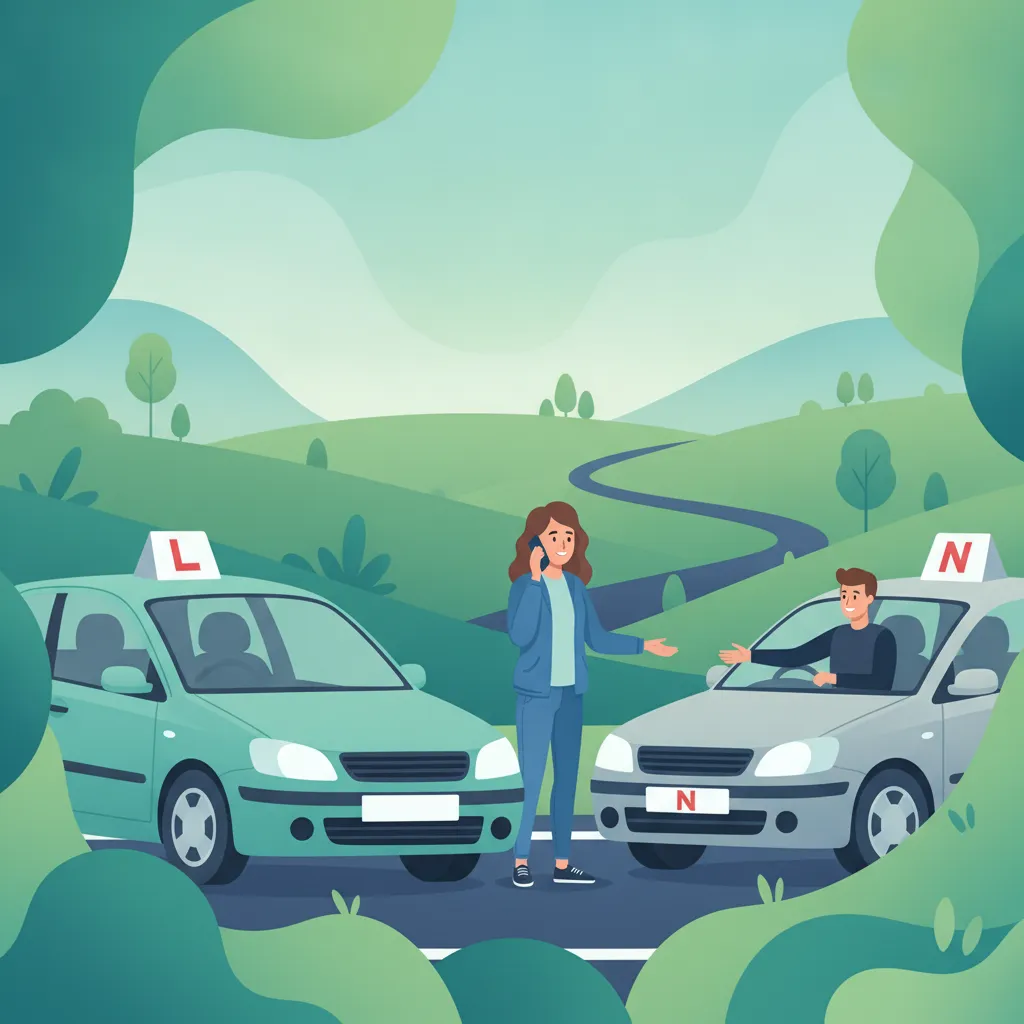
Prepare for potential collisions and emergencies on Irish roads with this focused revision set. Master essential actions, understand legal obligations, and practice using the 999/112 emergency number. This theory test revision covers vital knowledge for learner drivers aiming for exam success.
This set covers critical actions required after a collision or in an emergency on Irish roads. It focuses on scene safety, correct emergency calls (999/112), basic first aid, and the legal requirements for exchanging details, tailored for L plate and N plate drivers preparing for their Irish driving theory and practical tests.
Preview sample questions from the Collisions & Emergencies practice set to see how they help you prepare for the driving theory exam in Ireland.
Learners choose Collisions & Emergencies to improve accuracy and understanding of key exam themes in Ireland. It offers realistic driving theory questions and targeted revision for effective preparation.
Find answers to the most common queries learners have when practising Collisions & Emergencies, including how questions match the official theory exam in Ireland, how scoring works, and how this practice improves exam readiness.
Your immediate priorities are to stop safely, switch off your engine, turn on your hazard warning lights, and ensure your safety and the safety of others, then assess for injuries and call 999/112 if needed. Always apply the RSA rule first, slow down early, observe all relevant road users, and only proceed when the manoeuvre involving the collision scene is lawful and safe.
Use your hazard warning lights and place a warning triangle (if available and safe to do so) at least 45 metres behind your vehicle on the same side of the road. On motorways or dual carriageways, ensure you are in a safe position before attempting to place a triangle.
You must exchange your name, address, insurance details, and vehicle registration with anyone involved, including drivers, property owners, and any Gardaí present.
As an L plate driver, you have the same legal responsibilities as any other driver. Additionally, ensure your accompanying driver is also aware of the situation and can assist if appropriate, but remember the legal duties are yours. All actions must be lawful and safe as per RSA rules.
Always call 999 or 112 if anyone is injured, if there's significant damage, if the road is blocked, or if you suspect a serious offence has occurred. When making the call, ensure you provide clear and concise information about the location and nature of the emergency.
You should know how to check for responsiveness, breathing, and severe bleeding, and how to safely position an injured person if necessary, without moving them unnecessarily. Prioritise keeping yourself and the injured person safe until professional help arrives.
By completing Collisions & Emergencies, you will gain stronger rule knowledge, faster recognition of signs and situations, better decision making in traffic scenarios, and increased accuracy on exam style questions used in Ireland. These outcomes directly support higher scoring exam performance.
Expand your revision by exploring practice sets related to collision response and emergency actions. This targeted approach reinforces key Irish traffic rules and hazard awareness for effective Driver Theory Test preparation.

Master Critical Responses: Be Prepared for Any Road Emergency in Ireland.
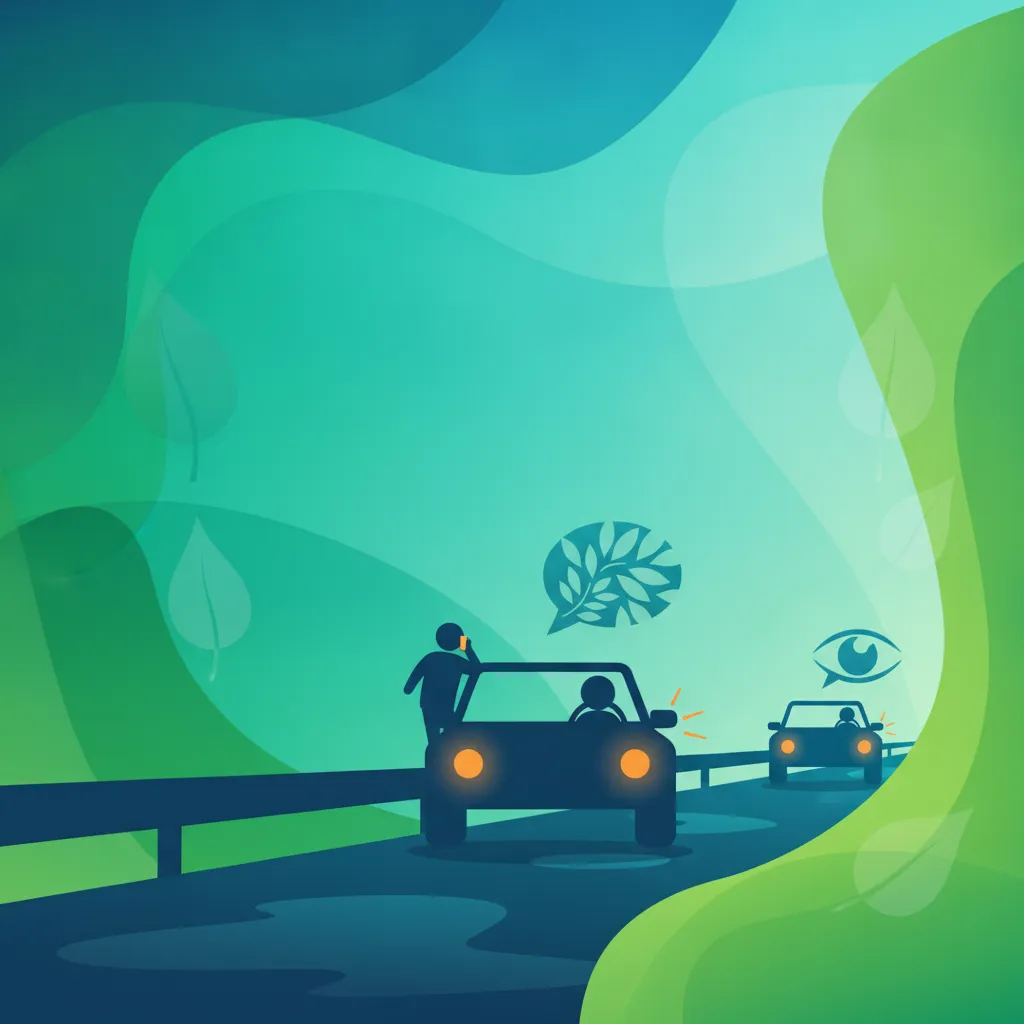
Mastering Critical Decisions in Irish Road Emergencies for Your DTT
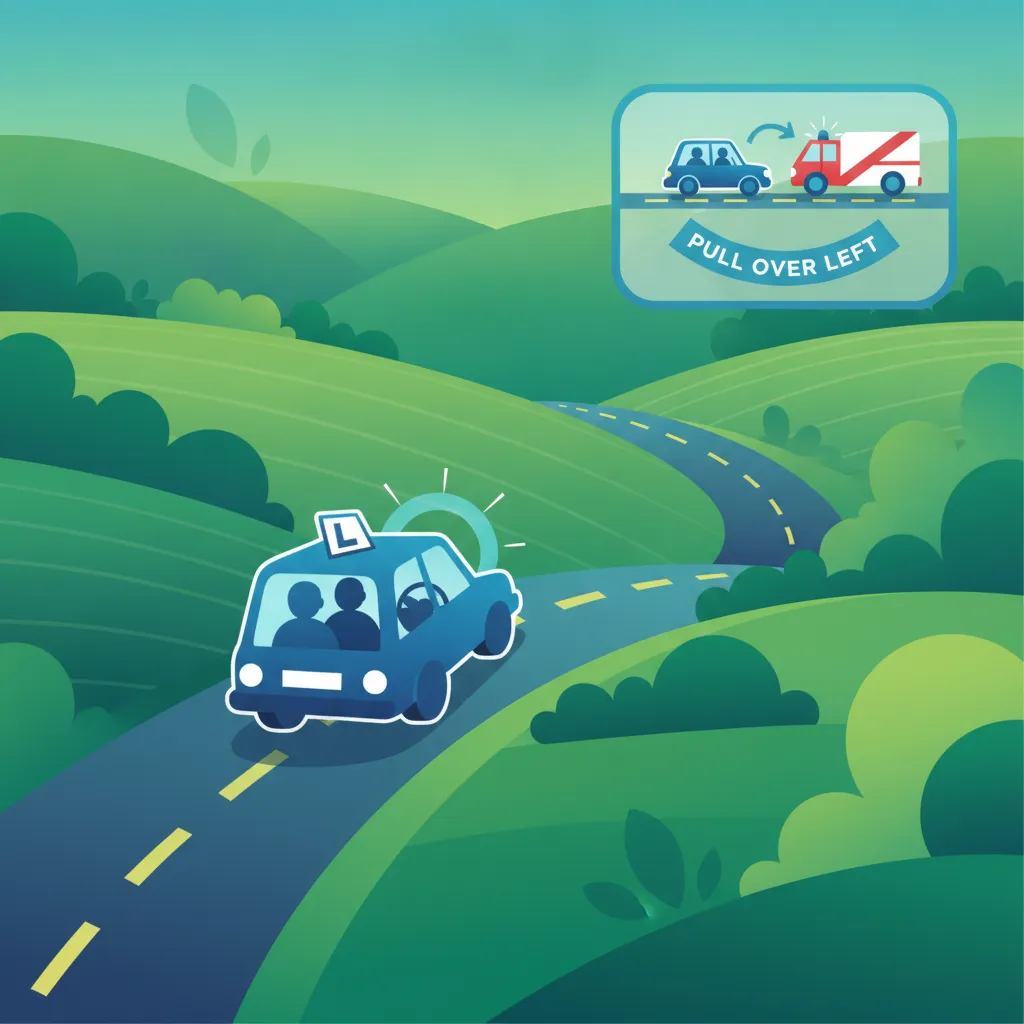
Master safe reactions to emergency vehicles and avoid critical mistakes on Irish roads.
Master the Road: Navigate Challenges as an Irish Learner or Novice Driver
Master Learner & Novice Driver Risks to Avoid Penalty Points in Ireland
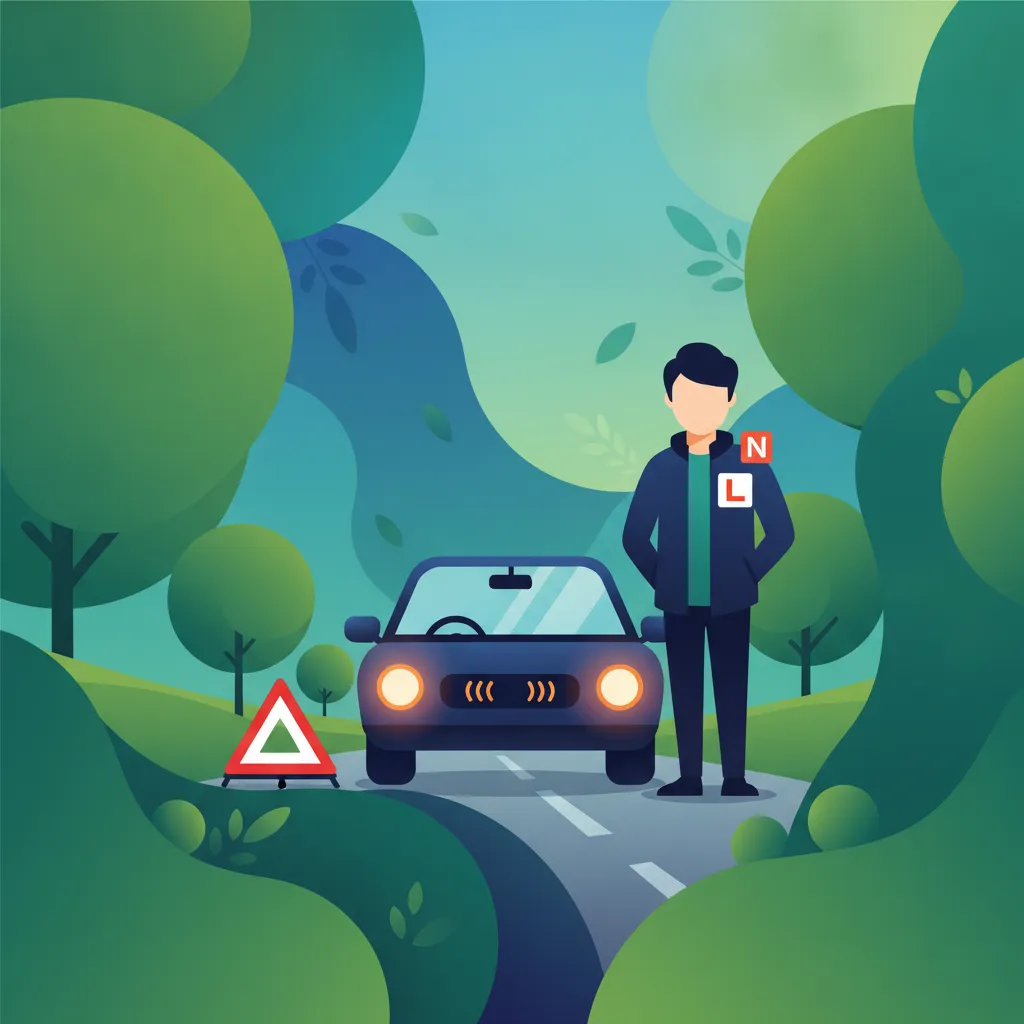
Navigate Rural Road Breakdowns Safely: Essential for Your Irish Driving Theory Test.
Questions in Collisions & Emergencies
Exam focused questionss
Collisions & Emergencies offers quick, focused exam style practice to boost your Irish knowledge for the driving theory exam in Ireland.
Collisions & Emergencies helps learners in Ireland with clear explanations and targeted Irish practice to improve essential driving theory topics.
This set is ideal for learner and novice drivers in Ireland, especially those with L plates or N plates, who need to understand their responsibilities during collisions and emergencies. It addresses common misconceptions and practical test mistakes related to scene safety, first aid, and official procedures, ensuring you're ready for the Driver Theory Test.
Explore more topics for the Irish driving theory exam in Ireland.
Dive into specific areas of the Irish Driver Theory Test by selecting a practice category. Strengthen your knowledge of road signs, traffic regulations, or hazard perception. Choosing a category allows you to refine your focus and enhance your preparedness for the official RSA exam.
Explore Practice Categories