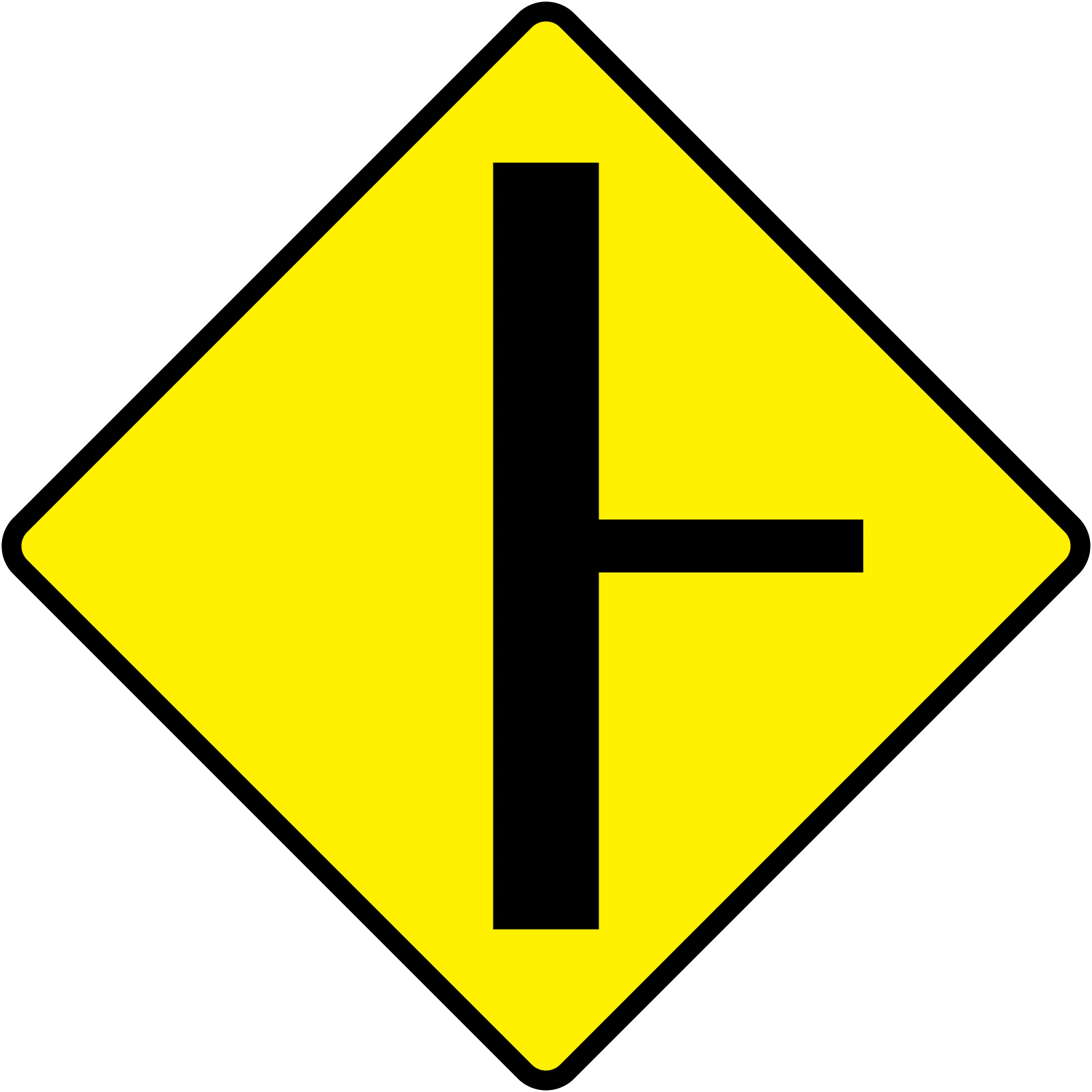
The W-002L road sign is a diamond-shaped warning sign with a yellow background that alerts you to a side road joining from the left ahead. Its purpose is to give you ample time to anticipate this potential hazard. When you see this sign, you should reduce your speed, increase your observation of both the road ahead and the junction, and be ready to yield, stop, or adjust your position if traffic emerges from the side road.
This W-002L warning sign signals an upcoming side road joining from the left, requiring immediate attention to hazard awareness and defensive driving techniques. Mastering road sign meaning and traffic sign explanation is crucial for your Irish Driver Theory Test preparation and safe navigation.
Irish warning signs are generally diamond-shaped and use a yellow background with a black symbol or wording. This sign draws attention to side Road - Left, so the driver can anticipate the risk before reaching it. In a theory-test context, the correct response is normally to slow down, increase observation, and be ready to yield, stop, or change position if the hazard develops.
Side Road - Left warns that this hazard, road layout, or traffic condition may appear ahead. The sign gives drivers time to reduce speed, improve observation, and prepare for a controlled response.
Get clear, practical answers to the most common questions about the W-002L - Side Road - Left road sign. Learn how the sign works, what rules it represents, and how it affects real driving situations. This FAQ strengthens your understanding and supports accurate decision making for the Irish driving theory exam in Ireland.
The W-002L sign is a warning sign indicating that a side road will join the main road from the left. It serves to alert you to a potential traffic conflict point, giving you time to prepare for vehicles that might emerge.
When you see the W-002L sign, you should immediately reduce your speed and increase your scanning of the road ahead and to your left. Be prepared to yield to any traffic coming from the side road, as they may not see you or may be entering the road without yielding to you.
No, the 'Side Road - Left' sign itself does not automatically require you to stop. However, you must be prepared to stop if a vehicle emerges from the side road and you are not able to proceed safely without causing them to stop or swerve. Always prioritise yielding to traffic from the side road if necessary.
A common mistake is not slowing down sufficiently or failing to increase observation on the side road. Some learners might assume they have priority, which is incorrect. The theory test expects you to demonstrate hazard awareness and prepare to yield, not to proceed as if the side road wasn't there.
You should not overtake or change lanes when approaching an area where a side road joins from the left, especially if it could impede your view of the junction or the view of emerging traffic. Prioritise safety and be ready to react to potential traffic from the side road.
A clear reference image of the W-002L - Side Road - Left road sign used in Ireland.
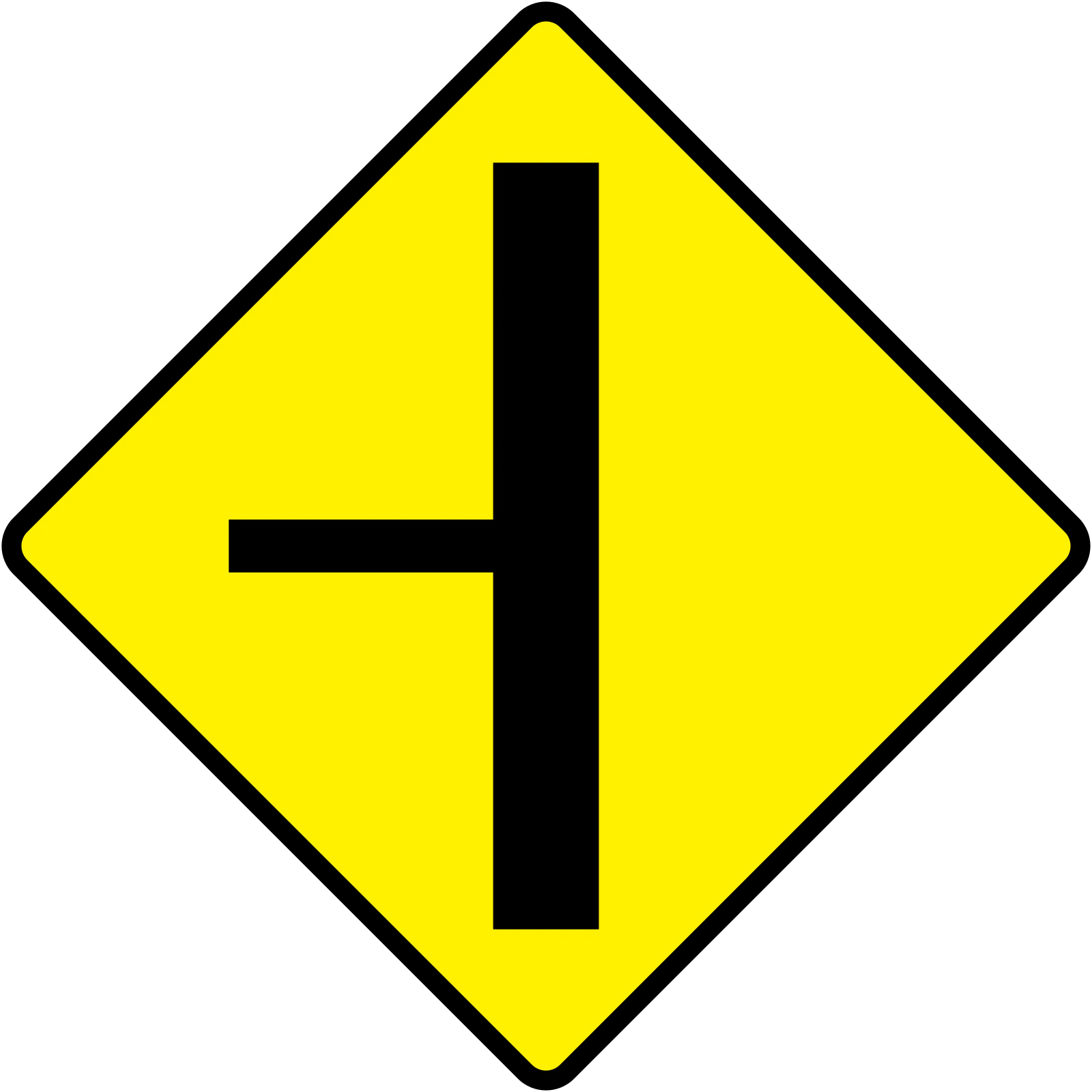
The W-002L - Side Road - Left road sign may also be known by these alternative names or terms.
The W-002L - Side Road - Left road sign is part of the Warning Signs category, which groups together signs with similar rules and functions.
Reviewing signs like 'Side Road - Left' alongside similar traffic sign examples sharpens your recall. This focused theory test revision aids in distinguishing key differences, crucial for effective sign recognition and fewer exam errors.
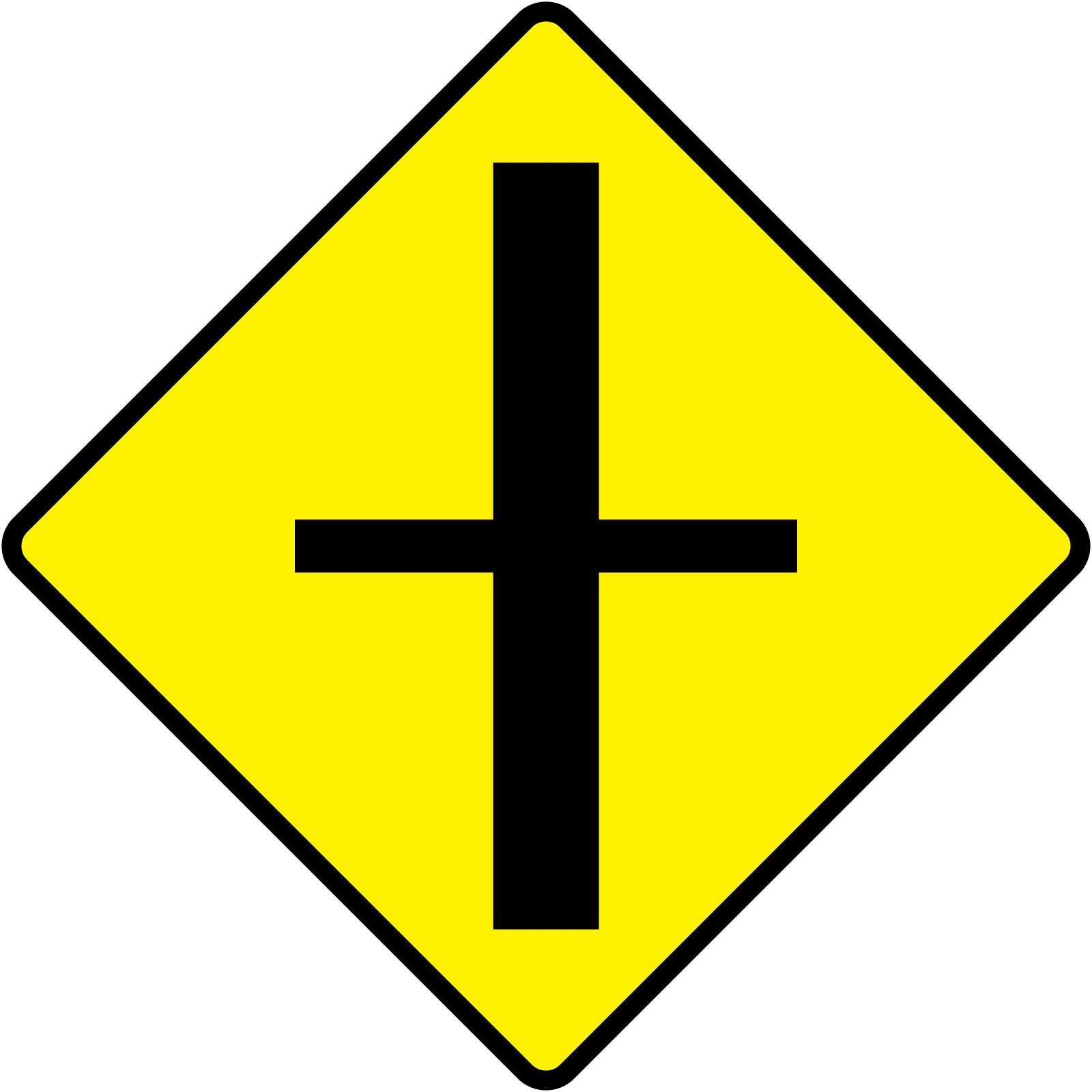
Prepare for Crossroads with the W-001 Warning Sign
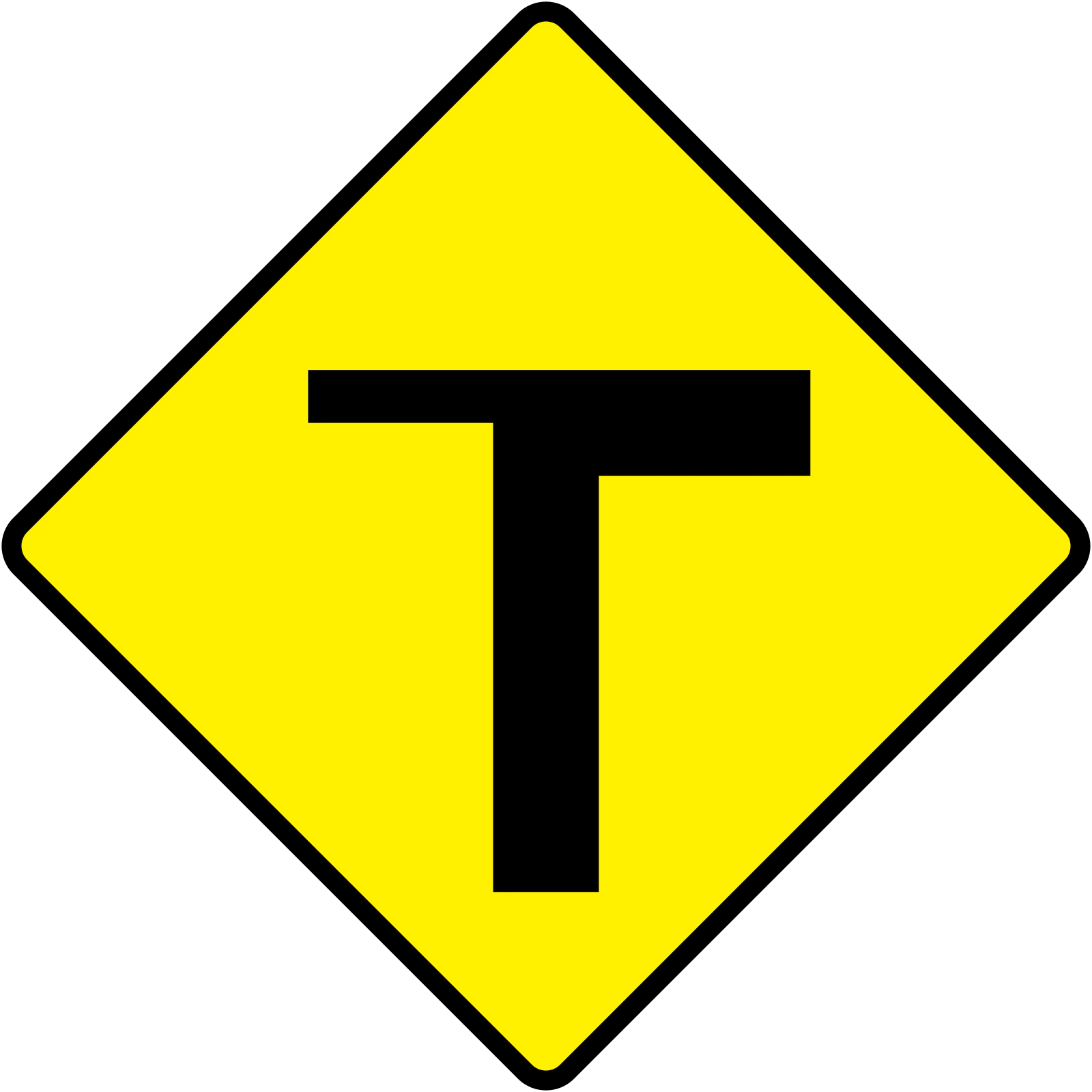
Prepare for T - Junction (type 1) - Left ahead
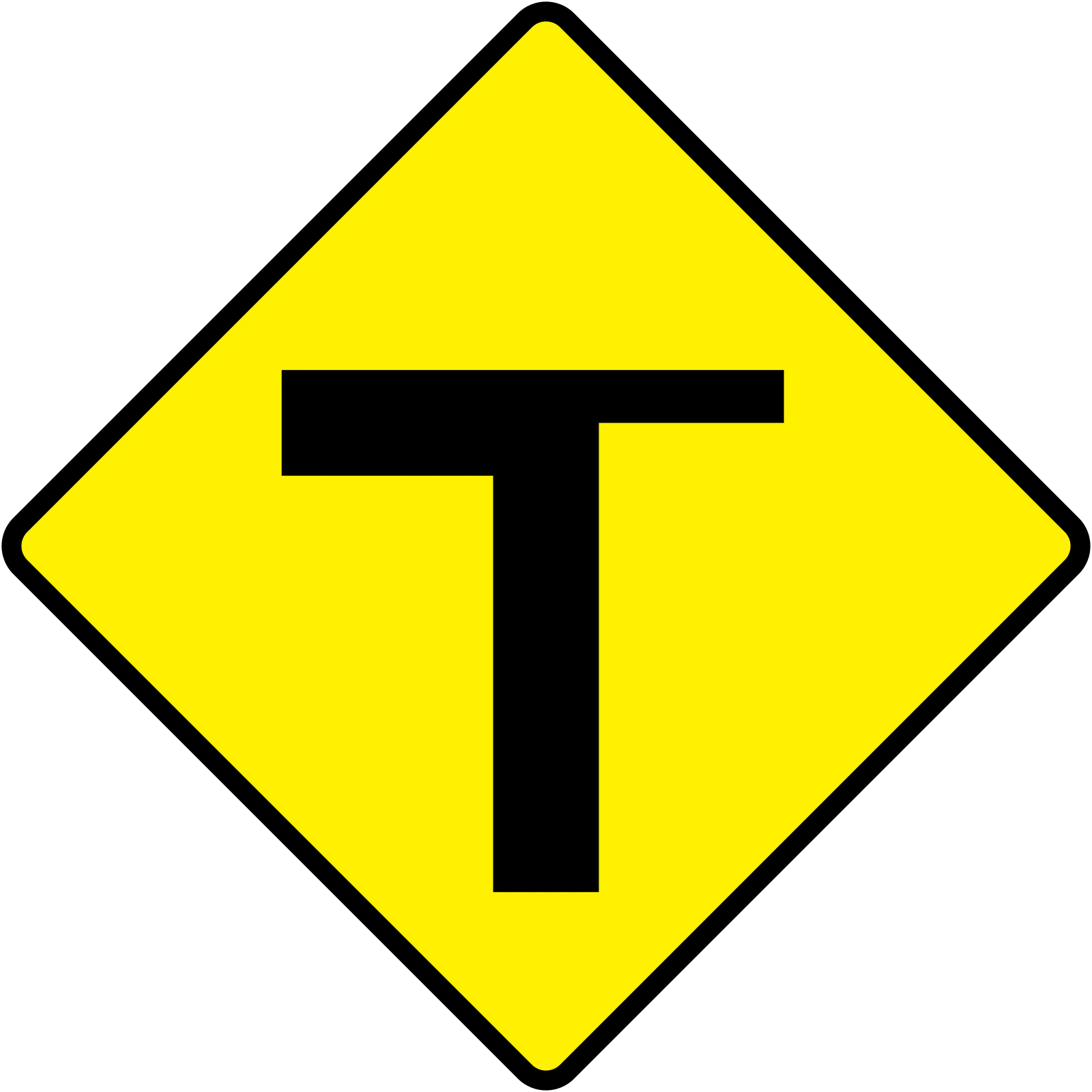
Prepare for a T-Junction on your right with this warning sign.
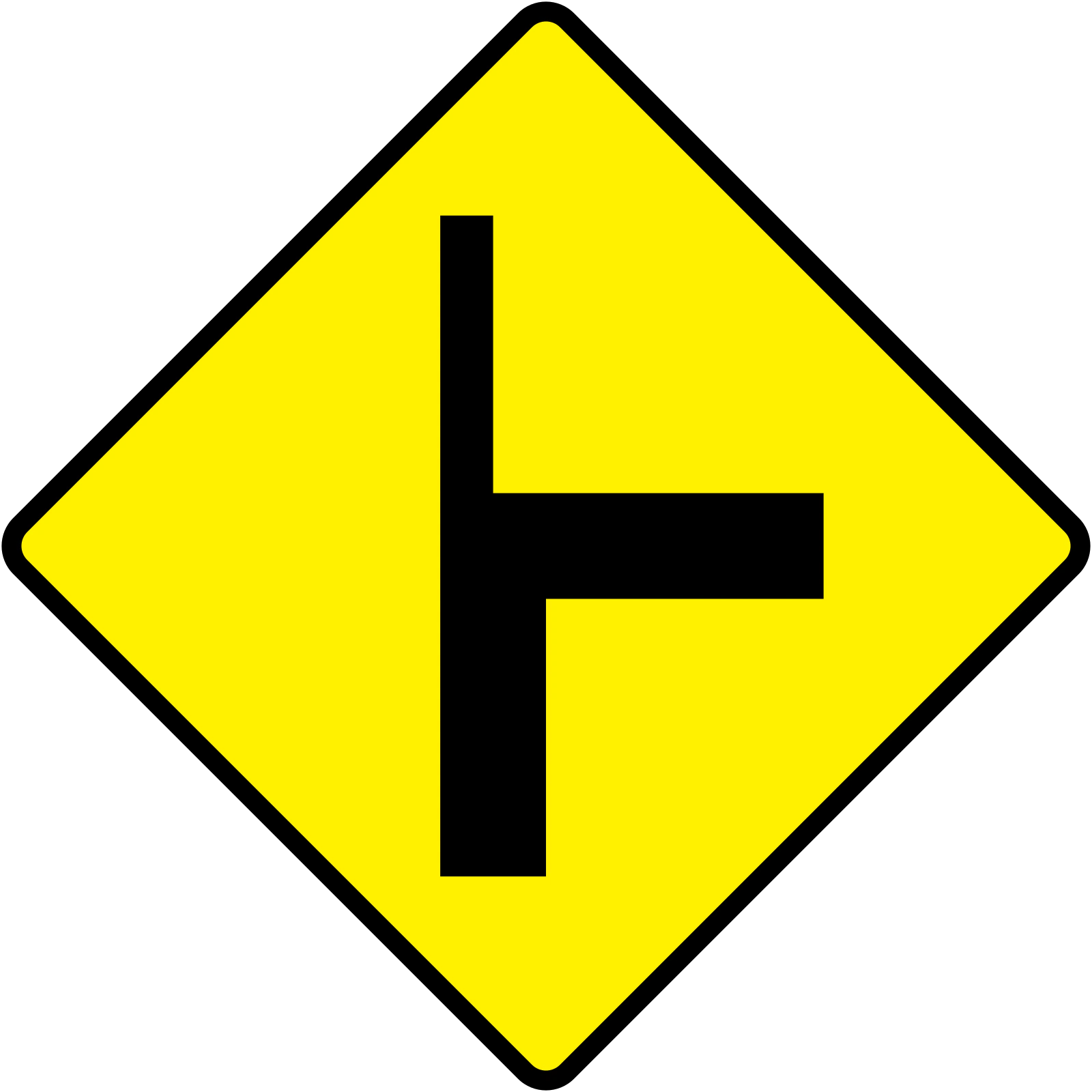
Prepare for a T-Junction to your left with this warning sign.
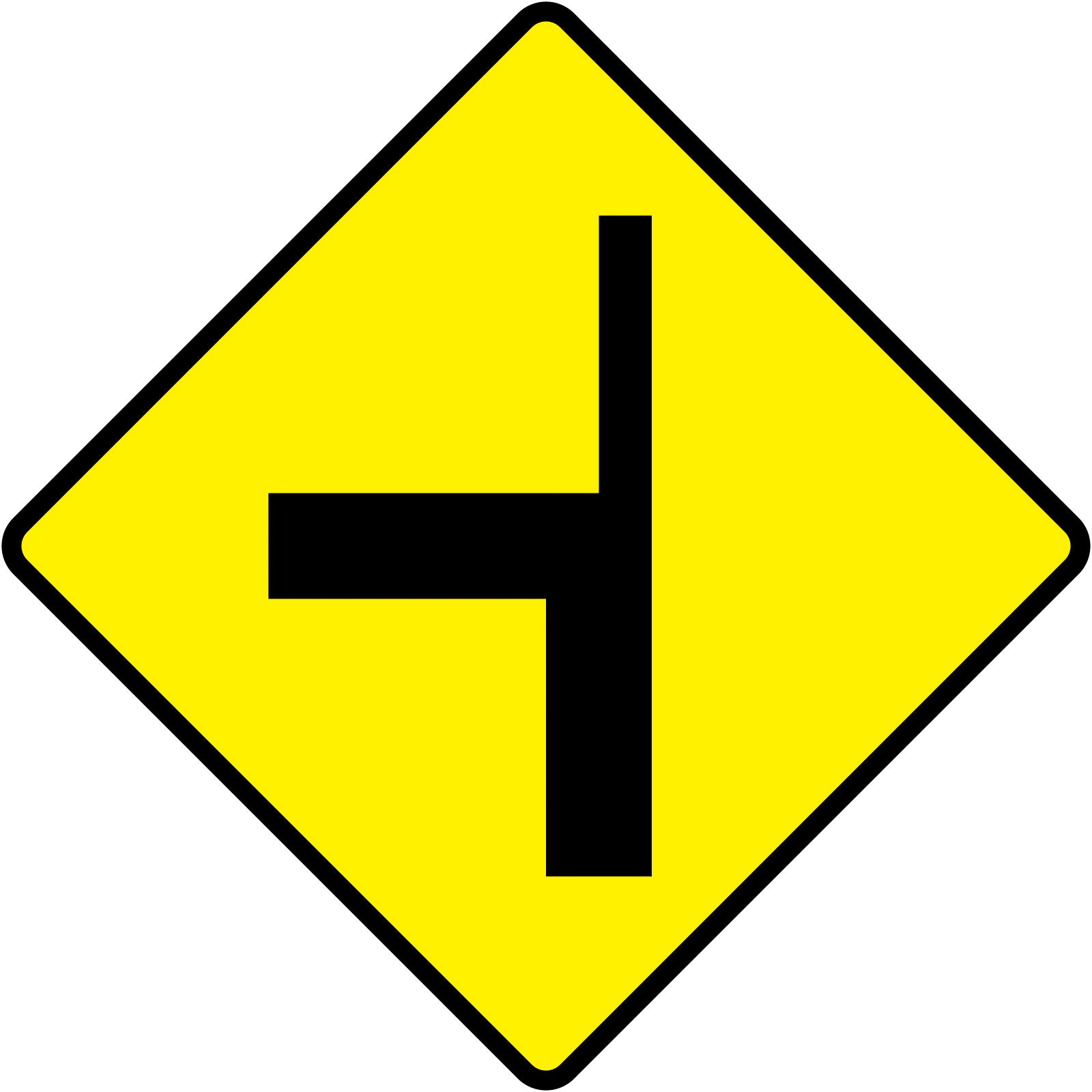
Prepare for a T-Junction ahead with the 'Junction (Type 2) - Right' warning sign.
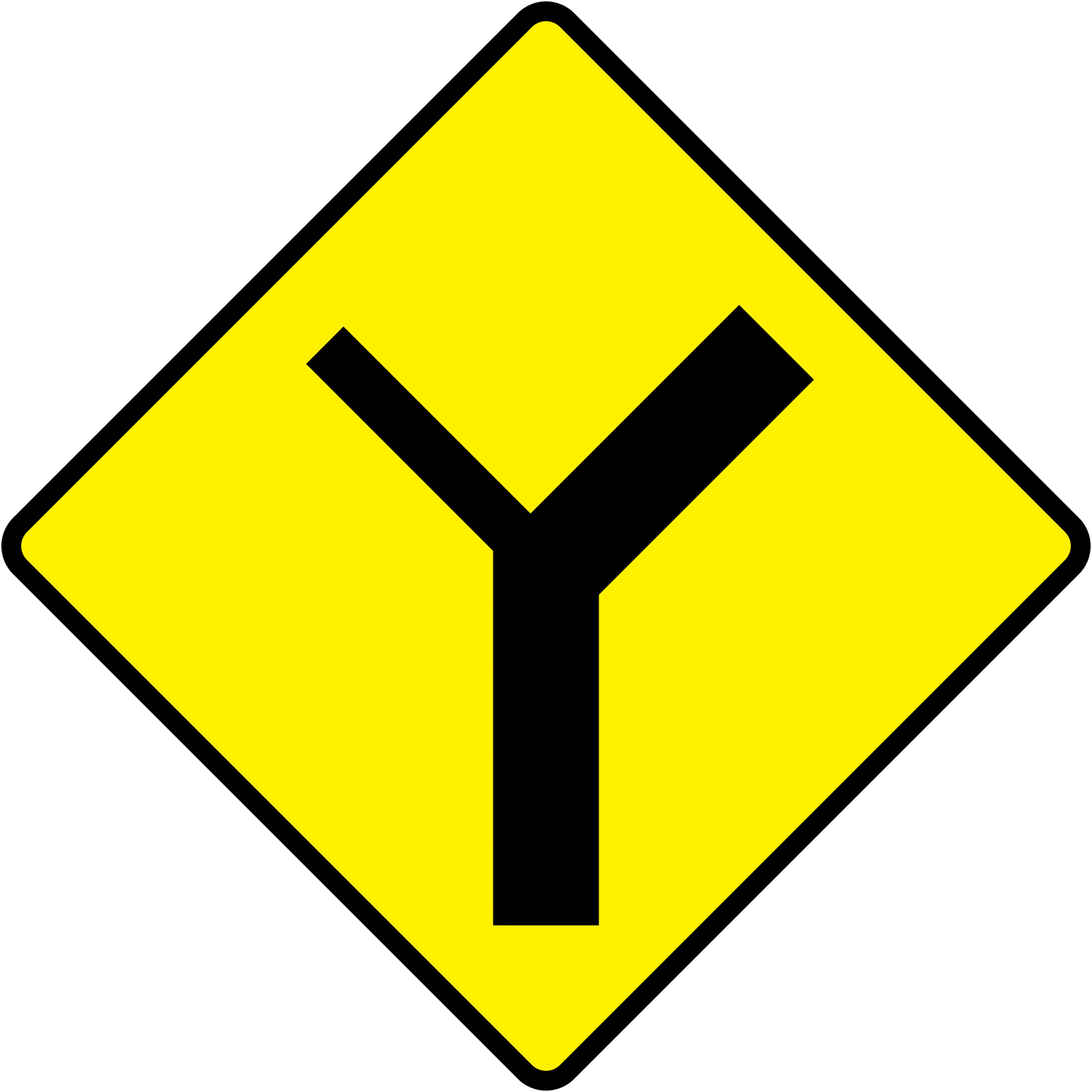
Prepare for a Y-Junction ahead with the Left Warning Sign (W-005L)
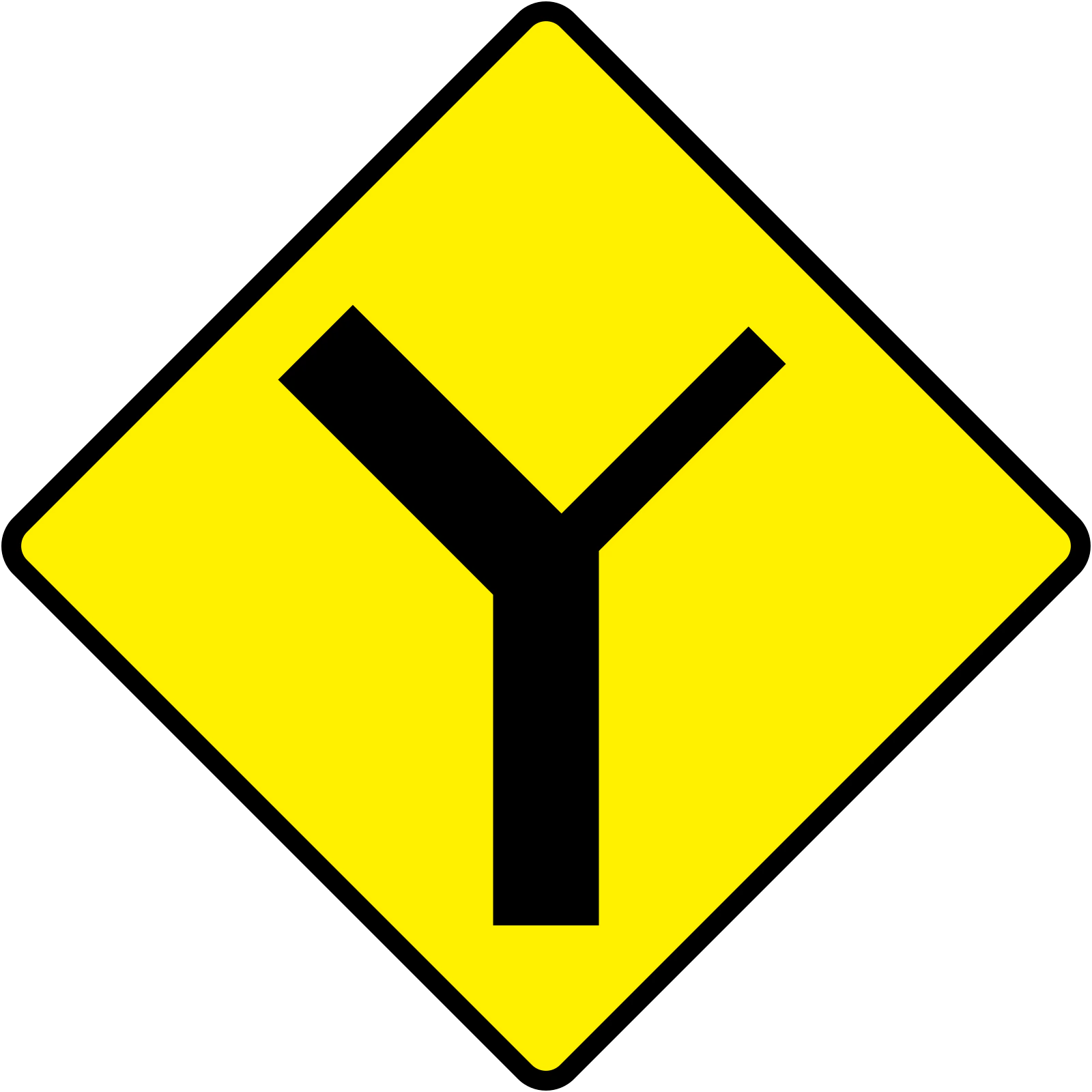
Prepare for a Y-shaped Junction ahead with the W-005R warning sign.
Learn to interpret essential traffic signs and markings by exploring related Road Safety Authority guidelines and practical theory test scenarios. Linking visual recognition to active road usage ensures you are fully prepared for your official exam.
Master undivided attention for safer Irish roads and a successful Driver Theory Test.
Master essential visibility rules for a safe drive and to pass your Irish theory test.
Preparing for the Irish Driver Theory Test requires a thorough understanding of official road safety regulations and traffic laws. This article explains how to effectively organize your study time, prioritize the Rules of the Road, and avoid common pitfalls associated with outdated, unofficial study materials. You will learn how to align your preparation with the official RSA standards to ensure you are fully ready for your test day.
Delivery vans are a common sight in Irish towns, but they can significantly reduce your visibility and create unexpected dangers. This article will equip you with the knowledge to anticipate these hazards, understand how parked or moving vans can block your view of pedestrians, cyclists, or other vehicles, and apply essential defensive driving strategies to navigate these situations safely. Mastering this aspect of hazard awareness is vital for your theory test preparation and everyday driving.
Irish warning signs are generally diamond-shaped and use a yellow background with a black symbol or wording. This sign draws attention to crossroads (major Road) Ahead, so the driver can anticipate the risk before reaching it. In a theory-test context, the correct response is normally to slow down, increase observation, and be ready to yield, stop, or change position if the hazard develops.
Irish warning signs are generally diamond-shaped and use a yellow background with a black symbol or wording. This sign draws attention to t Junction (major Road) Ahead, so the driver can anticipate the risk before reaching it. In a theory-test context, the correct response is normally to slow down, increase observation, and be ready to yield, stop, or change position if the hazard develops.
After reviewing all Irish road signs, strengthen your knowledge further by exploring specific categories or taking dedicated practice questions. This targeted approach helps solidify your recognition and recall skills, ensuring you are fully prepared for the visual sections of your Driver Theory Test.
All Irish Road Signs List