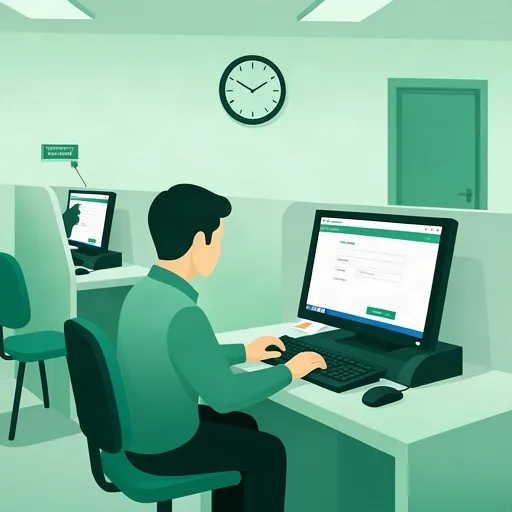
The CBR is upgrading its digital infrastructure to ensure a future-proof testing environment for all candidates. While the core knowledge and traffic rules required for your exam remain exactly the same, understanding the new registration process with the afnamecode and the integrated timing structure will help you navigate your test day with confidence. This overview explains how to prepare for these administrative updates as they are rolled out to test centers nationwide.
Article content overview
If you are planning to take your Dutch driving theory exam in 2026, you may have heard that the Centraal Bureau Rijvaardigheidsbewijzen (CBR) is rolling out a new, modernized administrative system. It is natural to feel a bit of test-day anxiety when hearing about software updates, but it is important to clarify that this change is purely procedural. The core traffic legislation, the structure of the 50-question exam, and the requirement to correctly answer at least 44 questions remain exactly as they were. This update is designed to ensure a more robust and future-proof digital environment for all candidates across the Netherlands.
The transition to the new system, referred to as the Central Administration System (CAS), will take place in phases between April 2026 and mid-August 2026. While the underlying test content remains identical, the registration process and the way you interact with the system on test day will see a few practical shifts. By familiarizing yourself with these changes now, you can keep your focus entirely on your study material and traffic safety knowledge.
One of the most significant changes you will encounter is the introduction of the afnamecode. This test code is a vital piece of information that will replace some of the older, manual registration steps at the self-check-in kiosks. When you receive your booking confirmation from the CBR, ensure you locate this code, as you will need it to identify your specific exam session upon arrival at the test center.
On the day of your exam, the registration process is designed to be streamlined. You will still need your valid proof of identity and your booking confirmation, but the introduction of the afnamecode facilitates a smoother check-in process. Because this system is being rolled out across 20 locations nationwide, including a specialized technical integration at the Schelluinen location starting in April 2026, it is highly recommended to check the official CBR website for any location-specific updates if your exam date falls during the transition window.
A common source of stress during the theory exam is time management. In the previous system, introductory or practice questions were often presented as separate items outside the main exam timer. Under the new 2026 system, these practice questions are now fully integrated into the total exam time. This means that once your exam officially begins, the clock is ticking for the entirety of the session.
Because the timer includes the time spent on these introductory practice components, it is essential to manage your pacing from the very first screen. The exam continues to test your insight and knowledge using a variety of formats, including multiple-choice, Yes/No questions, hotspots, and drag-and-drop scenarios. Since the content itself has not changed, the best way to prepare is to practice under conditions that mimic the real exam environment, ensuring you are comfortable with the flow of the questions.
Despite the shift in the digital infrastructure, the rules of the road in the Netherlands remain constant. Whether you are dealing with priority at an unmarked intersection, identifying road signs, or understanding hazard perception, the material you have studied is exactly what you will be tested on. The CBR's move to a new system is intended to improve reliability, not to introduce new traffic rules or trickier questions.
If you have specific concerns regarding your appointment during the transition period, the CBR customer service line at 088 227 29 00 remains the best resource for direct assistance. Remember that your focus should remain on the content of the Dutch traffic laws and your ability to apply them safely in real-world scenarios.
The 2026 CBR theory exam transition introduces a new Central Administration System (CAS) while keeping the actual exam content and pass requirements identical. The most critical change is the mandatory afnamecode required for kiosk check-in, which candidates must locate in their booking confirmation. Time management has shifted because practice questions are now integrated into the total exam timer rather than separate. Candidates should arrive early with original ID, secure belongings, and verify their specific test center's status during the April–August 2026 rollout period. Since traffic legislation and exam structure remain unchanged, preparation should continue focusing on Dutch road rules and hazard perception.
A short set of high-value points that capture the most important ideas from this article.
The CBR exam content and pass requirements (44/50 questions) remain unchanged in 2026 despite the administrative software update.
The new afnamecode is mandatory for check-in at self-service kiosks and must be obtained from your CBR booking confirmation.
Practice questions are now integrated into the total exam time, so manage your pacing from the very first screen.
Arrive at least 15 minutes early, bring valid original ID, and secure all personal belongings before entering the exam room.
The CAS rollout occurs in phases from April to mid-August 2026 across 20 locations nationwide.
Your DigiD is needed to log into Mijn CBR to book your exam and obtain the afnamecode.
The pass mark stays at 44 correct answers out of 50 questions across all vehicle categories.
Your theory exam result remains valid for 18 months towards your practical test.
Hazard perception questions are part of the 50-question format alongside multiple-choice, Yes/No, hotspots, and drag-and-drop items.
Location-specific updates may apply during the transition window, so check the official CBR website before your exam date.
Assuming practice questions at the start do not count against the exam timer, leading to poor time management.
Arriving without the afnamecode or with a copy instead of an original valid identity document.
Not checking for location-specific updates during the phased rollout period (April–August 2026).
Leaving preparation until after the transition period thinking content will change, when only administrative procedures have updated.
Forgetting to store phones and bags in provided lockers before entering the exam room.
Article content overview
A short set of high-value points that capture the most important ideas from this article.
The CBR exam content and pass requirements (44/50 questions) remain unchanged in 2026 despite the administrative software update.
The new afnamecode is mandatory for check-in at self-service kiosks and must be obtained from your CBR booking confirmation.
Practice questions are now integrated into the total exam time, so manage your pacing from the very first screen.
Arrive at least 15 minutes early, bring valid original ID, and secure all personal belongings before entering the exam room.
The CAS rollout occurs in phases from April to mid-August 2026 across 20 locations nationwide.
Your DigiD is needed to log into Mijn CBR to book your exam and obtain the afnamecode.
The pass mark stays at 44 correct answers out of 50 questions across all vehicle categories.
Your theory exam result remains valid for 18 months towards your practical test.
Hazard perception questions are part of the 50-question format alongside multiple-choice, Yes/No, hotspots, and drag-and-drop items.
Location-specific updates may apply during the transition window, so check the official CBR website before your exam date.
Assuming practice questions at the start do not count against the exam timer, leading to poor time management.
Arriving without the afnamecode or with a copy instead of an original valid identity document.
Not checking for location-specific updates during the phased rollout period (April–August 2026).
Leaving preparation until after the transition period thinking content will change, when only administrative procedures have updated.
Forgetting to store phones and bags in provided lockers before entering the exam room.
Explore related topics, search based questions, and concepts that learners often look up when studying New 2026 CBR Exam Procedures. These themes reflect real search intent and help you understand how this topic connects to wider driving theory knowledge in the Netherlands.
Find clear and practical answers to common questions learners often have about New 2026 CBR Exam Procedures. This section helps explain difficult points, remove confusion, and reinforce the key driving theory concepts that matter for learners in the Netherlands.
No. The traffic rules, hazard perception questions, and overall exam content remain exactly the same. The upgrade is strictly to the administrative software used to host the test.
The afnamecode is a new test code that replaces older registration methods at the self-check-in kiosks. You will use this code to sign in at the test center on the day of your exam.
Practice questions are now integrated into the total exam time rather than being separate items outside the timer. This means your total session time accounts for all parts of the test.
No, the transition is a phased rollout starting in April 2026 at the Schelluinen location and expanding across all test centers by mid-August 2026.
If you have specific concerns regarding your booking during the transition period, you can contact the official CBR customer service at 088 227 29 00.
Start your targeted search now to explore a vast library of official Dutch driving theory articles and guides. Reinforce your understanding of specific traffic rules or road signs to ensure you are fully prepared for your upcoming CBR theory exam. Discover comprehensive explanations tailored for success.