
As the Netherlands increasingly adopts 30 km/h zones as the standard in residential areas, understanding the legal and practical implications is vital for every driver. This guide covers how to recognize these zones through both signage and infrastructure design, helping you navigate urban environments safely. You will learn the importance of adjusting your speed based on road context, a key competency tested in the official CBR theory examination.
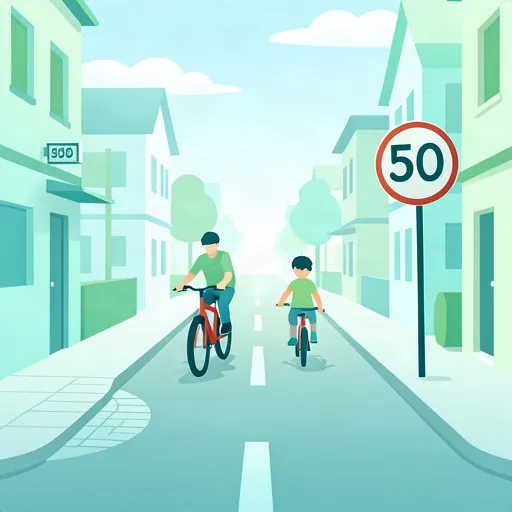
Article content overview
In the Dutch traffic landscape, the regulation of speed is a fundamental aspect of both safety and urban planning. As municipalities across the Netherlands transition from the traditional 50 km/h standard to 30 km/h in residential areas, understanding the legal and physical implications of these zones has become a core competency for every learner driver. This shift is not merely about lowering the number on a sign; it represents a comprehensive approach to creating livable, safe streets where pedestrians, cyclists, and motorists share the space effectively.
Recognizing a 30 km/h zone is a critical skill for the CBR theory exam. While signage is the primary indicator, the Dutch infrastructure often uses physical cues to reinforce these limits. A 30 km/h zone typically begins with a specific sign that informs you of the legal requirement, and it concludes where a sign indicates the end of the zone. However, seasoned drivers and attentive students should also look for "double white speed-zone lines" painted across the road, which act as a visual boundary for these areas.
When you encounter these markings, you are legally required to limit your speed to 30 km/h. It is important to remember that these zones are often designed with physical "traffic calming" measures, such as narrowed lanes, speed bumps, or raised intersections, intended to make driving faster than the limit feel uncomfortable or physically impossible.
A common trap in the CBR theory exam involves distinguishing between the maximum legal speed and the safe speed. Even if a road is designated as a 30 km/h zone, the law expects you to adapt your driving to the specific context. If the road is narrow, crowded with cyclists, or blocked by parked cars, the safe speed may be significantly lower than the legal maximum.
You are the responsible party for your vehicle's speed. Relying solely on the maximum allowed limit is dangerous in situations where visibility is obscured or when children are playing near the roadway. The theory exam often tests this by presenting scenarios where a driver must slow down well below the posted limit to ensure safety.
The design of a 30 km/h zone is deeply connected to the concept of spatial equity and community safety. As emphasized by initiatives from Veilig Verkeer Nederland (VVN), safe streets are the result of collaboration between municipal planners, local residents, and drivers. Road layouts are increasingly being redesigned to "naturally" enforce lower speeds. This includes the use of textures on the road surface or deliberate changes in the path of the road to keep traffic speeds at the intended level.
When driving in these areas, you should be proactive rather than reactive. By anticipating that a residential street may have unexpected obstacles or pedestrians, you minimize the risk of accidents. This proactive behavior is a recurring theme in the Dutch theory exam, emphasizing that safety is a shared responsibility.
To excel in your theory exam, you must memorize the standard speed limits for different road types. Confusion between these limits is a leading cause of errors. The following table provides a quick reference for the standard maximum speeds applicable in the Netherlands.
| Road Type | Maximum Speed |
|---|---|
| Woonerf (Residential Yard) | 15 km/h (Stapvoets) |
| 30 km/h Zone | 30 km/h |
| Built-up Area (Bebouwde kom) | 50 km/h |
| Outside Built-up Area | 80 km/h |
| Motorway (Autosnelweg) | 120 km/h |
Understanding 30 km/h zones requires recognizing both official signage and physical road markings like double white lines that mark zone boundaries. The critical distinction to master is between the legal maximum speed and the safe speed, which may be considerably lower depending on conditions. These zones are designed with traffic calming features and often operate on priority-from-the-right rules at intersections. Speed limits vary by road type from 15 km/h in a Woonerf to 120 km/h on motorways, and local signs can modify any standard limit. For the CBR exam, focus on zone identification methods, the safe speed definition, and the specific procedures for entering and navigating these areas.
A short set of high-value points that capture the most important ideas from this article.
30 km/h zones are identified by specific signs and reinforced by double white speed-zone lines painted across the road surface
The maximum legal speed and the safe speed are different concepts; you must always drive at a speed allowing you to stop within your visible distance
30 km/h zones use physical traffic calming measures like speed bumps and narrowed lanes to naturally enforce lower speeds
Priority in these zones often defaults to 'priority from the right' at unmarked intersections
Local signage always overrides standard speed limits regardless of road type
Speed limits: Woonerf (15 km/h), 30 km/h zone, Built-up area (50 km/h), Outside built-up (80 km/h), Motorway (120 km/h)
Double white speed-zone lines mark the boundary of a 30 km/h zone in addition to official signs
Safe speed means being able to stop within the distance you can clearly see, accounting for conditions and vulnerable users
In 30 km/h zones, pedestrians and cyclists share space more closely, requiring heightened anticipation
Always check for local signs as they can modify any standard speed limit for that specific road
Assuming the posted speed limit is always the appropriate speed for the current conditions
Ignoring double white lines as zone boundary indicators and only watching for signs
Failing to reduce speed further when visibility is limited or pedestrians are present
Confusing Woonerf rules (15 km/h, pedestrians have priority) with 30 km/h zone rules
Not anticipating priority-from-the-right at unmarked intersections within residential zones
Article content overview
A short set of high-value points that capture the most important ideas from this article.
30 km/h zones are identified by specific signs and reinforced by double white speed-zone lines painted across the road surface
The maximum legal speed and the safe speed are different concepts; you must always drive at a speed allowing you to stop within your visible distance
30 km/h zones use physical traffic calming measures like speed bumps and narrowed lanes to naturally enforce lower speeds
Priority in these zones often defaults to 'priority from the right' at unmarked intersections
Local signage always overrides standard speed limits regardless of road type
Speed limits: Woonerf (15 km/h), 30 km/h zone, Built-up area (50 km/h), Outside built-up (80 km/h), Motorway (120 km/h)
Double white speed-zone lines mark the boundary of a 30 km/h zone in addition to official signs
Safe speed means being able to stop within the distance you can clearly see, accounting for conditions and vulnerable users
In 30 km/h zones, pedestrians and cyclists share space more closely, requiring heightened anticipation
Always check for local signs as they can modify any standard speed limit for that specific road
Assuming the posted speed limit is always the appropriate speed for the current conditions
Ignoring double white lines as zone boundary indicators and only watching for signs
Failing to reduce speed further when visibility is limited or pedestrians are present
Confusing Woonerf rules (15 km/h, pedestrians have priority) with 30 km/h zone rules
Not anticipating priority-from-the-right at unmarked intersections within residential zones
Explore related topics, search based questions, and concepts that learners often look up when studying Understanding 30 km/h Zones. These themes reflect real search intent and help you understand how this topic connects to wider driving theory knowledge in the Netherlands.
Find clear and practical answers to common questions learners often have about Understanding 30 km/h Zones. This section helps explain difficult points, remove confusion, and reinforce the key driving theory concepts that matter for learners in the Netherlands.
The default speed limit in a designated 30 km/h zone is 30 km/h. Unless otherwise indicated, urban areas often have a 50 km/h limit, but 30 km/h is becoming the standard for residential streets.
While signs usually indicate the start and end of a zone, the Netherlands also uses physical road design elements and double white speed-zone lines to signal the transition into a lower-speed area.
Yes. Even if the limit is 30 km/h, you are legally responsible for adjusting your speed to the actual conditions, such as narrow streets, bends, or the presence of pedestrians and cyclists.
Start your targeted search now to explore a vast library of official Dutch driving theory articles and guides. Reinforce your understanding of specific traffic rules or road signs to ensure you are fully prepared for your upcoming CBR theory exam. Discover comprehensive explanations tailored for success.