
This B2 traffic sign, a yellow diamond with a black diagonal stripe, signifies the end of a priority road. Once you see this sign, you are no longer automatically entitled to priority at upcoming intersections. This means standard Dutch traffic rules resume, including the rule that you must generally yield to traffic coming from the right. You should therefore prepare to slow down and yield as you approach the next junction.
Understanding the B2 'End of Priority Road' sign meaning is vital for safe driving in the Netherlands, as it signals a change in priority situations and requires immediate adjustment to standard Dutch traffic rules. Mastering this road sign interpretation is crucial for your driving licence theory exam preparation, ensuring you correctly navigate intersections and comply with CBR standards.
A yellow diamond with a black diagonal stripe indicates the end of a priority road. From this point onward, standard rules such as priority from the right or any posted yield or stop signs apply. It warns drivers to reduce speed, scan more carefully for crossing traffic and prepare to yield where necessary.
This sign indicates that the priority status of your road ends at this point. Beyond it, you no longer have automatic right of way at intersections and must again rely on normal priority rules or any new signs and markings you encounter.
Get clear, practical answers to the most common questions about the B2 - End of Priority Road road sign. Learn how the sign works, what rules it represents, and how it affects real driving situations. This FAQ strengthens your understanding and supports accurate decision making for the Dutch driving theory exam in the Netherlands.
The B2 sign indicates that the road you are on is no longer a priority road. Any priority you previously had at junctions has now ended. From this point onwards, normal traffic rules apply, which in the Netherlands typically means you must give way to traffic on your right.
When you see the B2 sign, you must anticipate that your priority has ended. Be ready to slow down and prepare to yield to other traffic, especially those coming from side roads or roads to your right, at the upcoming intersection. Always check for new traffic signs like yield (RVV-C) or stop (RVV-B) signs as well.
You will often find the B2 'End of Priority Road' sign placed just before you enter a built-up area, or before junctions where priority rules change back to the standard Dutch 'priority to the right' rule. It serves as a warning that the automatic right of way is over.
A common mistake is assuming you still have priority after seeing the B2 sign, or not slowing down sufficiently before the next junction. Learners might forget that the sign cancels priority and continue assuming they have right of way, which is incorrect and a common trap in the theory test.
No, the B2 sign itself does not require you to stop. It signals the end of your priority. You must be prepared to yield according to normal traffic rules, which usually means giving way to traffic from the right. You only need to stop if there is a stop sign or if required by traffic conditions to avoid a collision.
A clear reference image of the B2 - End of Priority Road road sign used in the Netherlands.

The B2 - End of Priority Road road sign may also be known by these alternative names or terms.
The B2 - End of Priority Road road sign is part of the Priority Signs (B) category, which groups together signs with similar rules and functions.
Comparing signs like the 'End of Priority Road' (B2) with other priority signs sharpens your recognition skills and memory for the Dutch theory test. Studying these similar road signs side-by-side aids in avoiding common errors during your exam preparation.
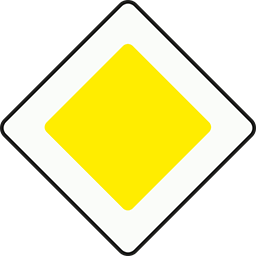
The B1 Priority Road sign means you have the right of way.

You have priority at the upcoming intersection!

The B4 sign means traffic from the left must yield at this intersection.

You have priority at this intersection where a side road joins from the right.

Master the B6 Give Way Sign: Your Key to Safe Junction Navigation

B7: Always stop completely and yield at this sign.
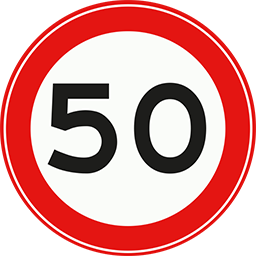
Maximum Speed (A1) Sign: Know Your Limits on Dutch Roads
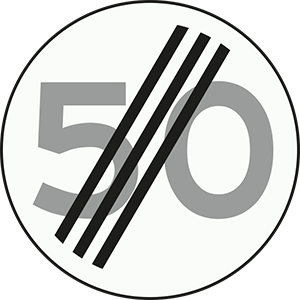
The A2 sign signals the end of a previously posted maximum speed limit.
Improve your recognition of official Dutch traffic signs by exploring related theory modules and complex priority scenario studies. These linked resources bridge the gap between visual identification and applying traffic rules correctly for your CBR exam.
While your Dutch A licence grants you broad motorcycle riding privileges, there are several legal obligations you must fulfil. This article explores the necessary insurance, registration, helmet, and vehicle condition requirements for A licence holders. Staying informed about these rules ensures you ride legally and safely in the Netherlands and prevents common errors on the theory exam.
Master Railway Crossing Safety for Your Dutch Driving Exam
Unravel the complexities of offset junctions and nail every priority question.
Being involved in a car accident is stressful, but understanding your legal duties in the Netherlands is essential for both immediate safety and long-term legal standing. This article explains the mandatory actions you must take, such as stopping at the scene, offering assistance to anyone injured, and reporting the incident correctly, all of which are important for safe driving practices and the CBR theory exam.
The J14 tram crossing warning sign is used in streets and intersections where tram tracks intersect or run across the normal traffic flow. It reminds drivers that trams cannot swerve and need a much longer distance to stop, so cutting in front of them is highly dangerous. Tracks may also be slippery in wet conditions and can trap narrow wheels. Approach calmly, follow lane markings and traffic lights, and never stop on the rails.
The stop sign is a red octagon with the word STOP and is used where extra safety is needed, for example at blind junctions, busy priority roads, or railway crossings. Unlike a yield sign, it always requires a full stop, even when you see no traffic. You stop at the line, check carefully for vehicles, cyclists, and pedestrians, then yield to them before entering, crossing, or turning onto the main road.
After reviewing the full list of Dutch road signs, deepen your understanding by exploring signs organized by category or practicing with targeted questions. This systematic approach ensures you fully grasp every sign's meaning and application, preparing you thoroughly for your CBR driving theory exam.
View All Dutch Road Signs