This Dutch B4 road sign, also known as 'Priority Intersection – Side Road Left', indicates you are on the main road and have priority. Traffic approaching from the side road on your left must yield to you. Always stay alert, as priority applies only at this specific junction; be prepared for further intersections or changes in priority.
This sign, known as B4, indicates that traffic from the left must yield to you at the upcoming intersection. Proper understanding of this road sign meaning is crucial for safe navigation and is a key topic in theory test revision.
On this sign, the thick black line indicates your priority road, while a thin line from the left shows a side road that must yield. It marks a single intersection where your direction keeps priority and the left side road must wait. The diagram helps you anticipate how vehicles may enter and where potential conflicts can arise.
This sign warns that you are approaching an intersection where your road remains the priority road and a side road joins from the left. You have right of way at this junction, but you must still monitor traffic from all directions and adjust your speed if others fail to yield properly.
Get clear, practical answers to the most common questions about the B4 - Priority Intersection – Side Road Left road sign. Learn how the sign works, what rules it represents, and how it affects real driving situations. This FAQ strengthens your understanding and supports accurate decision making for the Dutch driving theory exam in the Netherlands.
The B4 sign means you are on the priority road and traffic from the side road joining from the left must give way to you. You can proceed through the intersection without stopping, provided it is safe to do so. Always be aware of other road users.
While you have priority, it's wise to reduce your speed as you approach the intersection. This gives you more time to react to any unexpected actions from drivers on the side road who may not yield correctly. Safe driving practice dictates caution even with right of way.
A common trap is assuming priority extends beyond the immediate junction. Learners might also forget to check for vehicles already on the main road when they are on the side road. Ensure you understand that this sign only grants priority at this specific point.
Yes, you can turn left or right at an intersection marked with the B4 sign, as long as you have priority. However, you must still do so cautiously. If you are turning, especially right, be mindful of pedestrians or cyclists who might be crossing.
If traffic from the left fails to yield, you must be prepared to stop or take evasive action to avoid a collision. Even though you have priority according to the B4 sign, safety always comes first. Never assume other drivers will follow the rules.
A clear reference image of the B4 - Priority Intersection – Side Road Left road sign used in the Netherlands.

The B4 - Priority Intersection – Side Road Left road sign may also be known by these alternative names or terms.
The B4 - Priority Intersection – Side Road Left road sign is part of the Priority Signs (B) category, which groups together signs with similar rules and functions.
Comparing this Priority Intersection sign with similar Dutch traffic signs helps solidify your understanding and reduces confusion. Effective traffic sign comparison and revision are key for mastering the theory test.
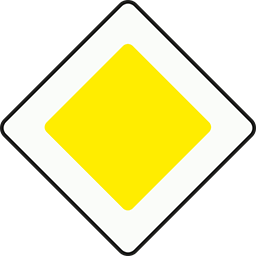
The B1 Priority Road sign means you have the right of way.

The B2 sign marks the end of your priority on the road.

You have priority at the upcoming intersection!

You have priority at this intersection where a side road joins from the right.

Master the B6 Give Way Sign: Your Key to Safe Junction Navigation

B7: Always stop completely and yield at this sign.
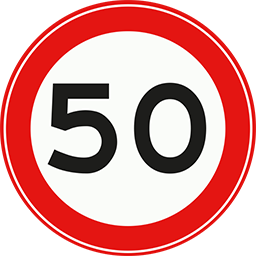
Maximum Speed (A1) Sign: Know Your Limits on Dutch Roads
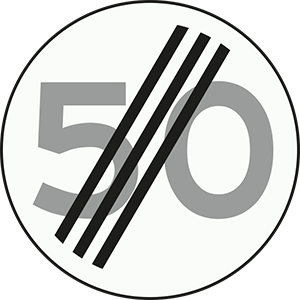
The A2 sign signals the end of a previously posted maximum speed limit.
Improve your recognition of official Dutch traffic signs by exploring related theory modules and complex priority scenario studies. These linked resources bridge the gap between visual identification and applying traffic rules correctly for your CBR exam.
Transitioning to a full Category A motorcycle licence in the Netherlands involves specific age thresholds and waiting periods, especially when upgrading from an A2 licence. This guide explains these requirements and the associated exam procedures at the CBR, ensuring you are fully prepared for the progression steps necessary for unrestricted motorcycle riding.
Being involved in a car accident is stressful, but understanding your legal duties in the Netherlands is essential for both immediate safety and long-term legal standing. This article explains the mandatory actions you must take, such as stopping at the scene, offering assistance to anyone injured, and reporting the incident correctly, all of which are important for safe driving practices and the CBR theory exam.
Master pedestrian priority to navigate Dutch intersections safely and pass your CBR exam.
Master high-speed emergency stops and advanced braking techniques on your motorcycle.
The sign shows a thick black line as the priority road and a thin line from the right representing the side road that must yield. It refers to a specific upcoming intersection where your direction has priority over traffic joining from the right. After that junction, normal rules or further priority signs determine any next situations.
D1 is a blue mandatory direction sign that marks the presence of a roundabout and prescribes the circulation direction. All drivers must follow the arrow and drive counterclockwise around the central island instead of turning in the usual manner at a junction. It is typically placed at each entry and works together with yield signs, shark-tooth markings, and lane arrows to organize priority, lane use, and safe traffic flow.
After reviewing the full list of Dutch road signs, deepen your understanding by exploring signs organized by category or practicing with targeted questions. This systematic approach ensures you fully grasp every sign's meaning and application, preparing you thoroughly for your CBR driving theory exam.
View All Dutch Road Signs