
The B3 'Priority Intersection' sign indicates that your road has the right of way at the next junction. Drivers on your road will see a thick line representing their path, while thinner lines show the intersecting roads from which other traffic is joining. This sign confirms you do not need to yield to traffic from the side roads at that specific intersection. Be sure to always confirm that other drivers are indeed yielding, and remember that this priority typically ends immediately after the junction.
Mastering the meaning of the B3 'Priority Intersection' sign is crucial for navigating Dutch roads safely and confidently. This explanation will clarify its specific application and help you prepare for your theory test revision.
The sign displays a thick black line representing the priority road and thinner lines representing side roads that must yield. It announces a single upcoming intersection where you have right of way compared with the other directions shown. After passing through that junction, normal rules or other posted priority signs determine who has priority.
This sign shows that at the next intersection, the road you are on has priority over the other roads shown in the diagram. It applies only to that specific junction, so you should approach with confidence yet still be prepared for other drivers who might misjudge or ignore the priority.
Get clear, practical answers to the most common questions about the B3 - Priority Intersection road sign. Learn how the sign works, what rules it represents, and how it affects real driving situations. This FAQ strengthens your understanding and supports accurate decision making for the Dutch driving theory exam in the Netherlands.
The B3 sign means that traffic on your road has priority at the upcoming intersection. You have the right of way, and vehicles on the joining roads must yield to you. This is an information sign that clarifies priority at a specific junction.
When you see the B3 'Priority Intersection' sign, you can proceed through the intersection without yielding to traffic from the side roads. However, always maintain a moderate speed and be prepared for unexpected behaviour from other road users who might not yield. After the intersection, normal priority rules apply again.
No, the B3 sign only grants you priority at the specific intersection shown or immediately ahead. It is not a continuous priority road sign. Once you have passed the junction, you must revert to the standard right-hand priority rules unless otherwise indicated by other signs.
A common trap is assuming the priority continues beyond the intersection. The B3 sign's effect is limited to that single junction. Another mistake is failing to check for potentially unaware drivers; always be prepared to react, even when you have priority.
Yes, it is prohibited to assume your priority continues beyond the intersection. It's also forbidden to enter the intersection without ensuring other traffic is yielding, or to fail to check for vehicles on the non-priority roads.
A clear reference image of the B3 - Priority Intersection road sign used in the Netherlands.

The B3 - Priority Intersection road sign may also be known by these alternative names or terms.
The B3 - Priority Intersection road sign is part of the Priority Signs (B) category, which groups together signs with similar rules and functions.
Master Dutch road signs by studying related signs side-by-side. Comparing signs like the Priority Intersection (B3) with similar priority indicators aids in rapid recognition and reduces confusion during your theory test revision. This traffic sign comparison is key to remembering distinctions for exam preparation.
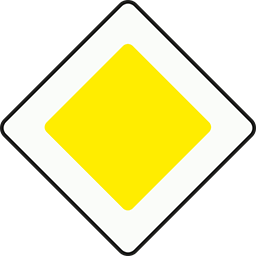
The B1 Priority Road sign means you have the right of way.

The B2 sign marks the end of your priority on the road.

The B4 sign means traffic from the left must yield at this intersection.

You have priority at this intersection where a side road joins from the right.

Master the B6 Give Way Sign: Your Key to Safe Junction Navigation

B7: Always stop completely and yield at this sign.
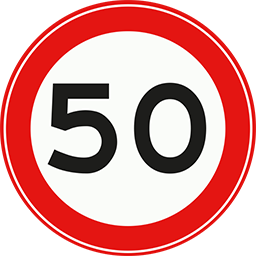
Maximum Speed (A1) Sign: Know Your Limits on Dutch Roads
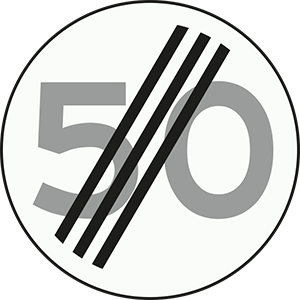
The A2 sign signals the end of a previously posted maximum speed limit.
Improve your recognition of official Dutch traffic signs by exploring related theory modules and complex priority scenario studies. These linked resources bridge the gap between visual identification and applying traffic rules correctly for your CBR exam.
Being involved in a car accident is stressful, but understanding your legal duties in the Netherlands is essential for both immediate safety and long-term legal standing. This article explains the mandatory actions you must take, such as stopping at the scene, offering assistance to anyone injured, and reporting the incident correctly, all of which are important for safe driving practices and the CBR theory exam.
Master Dutch Intersection Warning Signs: Drive Safely and Pass Your CBR Exam.
Understanding the correct sequence of actions after an accident is a core requirement for passing your AM licence theory exam. This guide explains how to secure an accident scene, when to call emergency services, and how to properly exchange information to remain compliant with the Dutch Road Traffic Act. You will learn the difference between managing your own safety and your legal responsibilities toward other road users.
Know Your Duties: What to Do After a Road Accident in the Netherlands
D6 is a blue mandatory direction sign that allows two options only: straight ahead or right turn. The two arrows on the sign show the permitted movements, and all other directions, such as left turns or U-turns, are forbidden while the restriction applies. It is typically placed on the approach to intersections with multiple lanes so that traffic can be sorted early and conflicts with opposing or crossing streams are reduced.
The yield sign is an inverted white triangle with a red border that indicates a mandatory duty to give priority. It warns that the road ahead is not a priority road and that cross traffic may continue without slowing. You approach at a reduced speed, observe shark teeth markings on the road, and be ready to stop before the line so that other vehicles, cyclists, and pedestrians can pass first.
After reviewing the full list of Dutch road signs, deepen your understanding by exploring signs organized by category or practicing with targeted questions. This systematic approach ensures you fully grasp every sign's meaning and application, preparing you thoroughly for your CBR driving theory exam.
View All Dutch Road Signs