
This lesson establishes the fundamental ethical and legal duties required for all motorcycle riders in Portugal. By understanding your responsibilities under the Código da Estrada, you will not only prepare for the theoretical exam but also develop the mindset of a safe and respectful road user. This is a vital foundation for your progression through category A1, A2, and A licensing.

Lesson content overview
Riding a motorcycle offers a unique sense of freedom and exhilaration, but it comes with significant responsibilities. Beyond mastering vehicle control and understanding traffic signs, a fundamental aspect of motorcycling involves internalizing a strong sense of ethical conduct and fulfilling specific rider obligations. This lesson delves into the moral and legal duties that motorcyclists owe to themselves, other road users, the environment, and the broader community. Embracing these principles is not merely about avoiding penalties; it is about cultivating a respectful, safe, and socially responsible approach to sharing Portuguese roads.
Ethical conduct in motorcycling extends beyond simply adhering to the letter of the law. It encompasses a broader commitment to safety, respect, and environmental responsibility, forming the bedrock of a positive road safety culture. This ethical dimension is crucial for minimizing accident risks, promoting harmonious coexistence among diverse road users, and earning respect within the community. It reflects a social contract where every participant agrees to act responsibly to ensure collective safety and maintain an orderly traffic flow.
Behavioral standards for road users that prioritize safety, mutual respect, and responsibility towards all participants and the environment. It encompasses both legal duties and moral obligations.
This approach balances individual freedom with communal responsibility, contributing significantly to the sustainability and acceptance of motorcycling as a mode of transport on Portuguese roads. A rider who consistently demonstrates ethical conduct is predictable, trustworthy, and contributes positively to the overall road environment.
There are four core principles that underpin a motorcyclist's ethical and legal obligations. Internalizing these principles is vital for becoming a competent and responsible rider in Portugal.
The paramount responsibility of any motorcyclist is to operate their vehicle in a manner that minimizes risk to themselves and all other road users. This principle aims to prevent accidents caused by negligence, recklessness, or inattention. It requires constant vigilance and a proactive approach to potential hazards.
Practically, this means consistently assessing risks before executing maneuvers such as overtaking, maintaining appropriate and safe following distances, and actively avoiding distractions while riding. It also involves adhering strictly to posted speed limits and adapting speed to prevailing road and traffic conditions, even if one possesses high riding skill.
Motorcyclists also bear a responsibility to minimize their environmental impact. This involves adopting riding habits and maintenance practices that contribute to environmental sustainability by reducing emissions, mitigating noise pollution, and optimizing fuel consumption.
To fulfill this, riders should strive for optimal, steady speeds, avoid excessive or abrupt acceleration and deceleration, and ensure their motorcycle is properly maintained. Regular engine tuning, timely oil changes, and correct tire pressures all contribute to fuel efficiency and lower emissions. Unnecessary engine idling, particularly in urban areas, should also be avoided to reduce both emissions and noise.
Practicing courteous and considerate behavior towards all other road users is fundamental to ethical motorcycling. This principle acknowledges the rights and vulnerabilities of everyone on the road, from pedestrians and cyclists to drivers of larger vehicles. It aims to foster mutual respect and prevent road rage or confrontations.
This involves using turn signals appropriately and well in advance of a maneuver, giving way when legally required or when it promotes smoother traffic flow, and avoiding aggressive or sudden lane changes that can startle other drivers. Special care must always be taken around vulnerable road users such as children, the elderly, pedestrians, and cyclists, recognizing their limited protection and potential unpredictability.
Beyond ethical considerations, motorcyclists have specific statutory duties mandated by Portuguese traffic law, the Código da Estrada. These legal obligations are non-negotiable and are designed to ensure basic safety standards and legal compliance, thereby avoiding penalties and contributing to overall road order.
Key legal requirements include always wearing an approved helmet, ensuring the motorcycle is equipped with proper lighting and functioning mirrors, and adhering to all traffic signs and signals. Riders must also ensure they carry all necessary documentation and that their motorcycle is roadworthy and properly insured.
Operating a motorcycle safely on Portuguese roads demands continuous vigilance and a deep understanding of risk. This isn't just about personal safety; it's about protecting every individual who shares the road.
Risk assessment involves constantly evaluating potential hazards before making any maneuvers. This includes considering road conditions, weather, traffic density, and the actions of other drivers. For instance, before overtaking, a motorcyclist must assess not only the clear distance ahead but also the potential for oncoming traffic or sudden actions by the vehicle being overtaken.
Predictive riding is the ability to anticipate the actions of other road users based on their behavior, vehicle position, and road context. This means looking beyond the vehicle directly in front, scanning intersections, and being prepared for unexpected turns or stops. For example, if a car ahead is indicating a turn, a predictive rider will slow down and position themselves to allow the turn, even if they have right-of-way.
To embody safety responsibility, motorcyclists must:
Always assume you are invisible to other drivers. Actively work to make yourself seen and anticipate that others might not have seen you.
A frequent misunderstanding is the belief that high riding skill alone negates the need for adhering to speed limits or safe distances. While skill is important, it cannot override the laws of physics or the unpredictability of other road users. Riding within limits ensures a safety margin for everyone.
Motorcycling, like all forms of transport, has an environmental footprint. Responsible riders in Portugal strive to minimize this impact through conscious choices and practices.
Fuel efficiency is achieved by adopting a smooth riding style. This means:
Emission reduction goes hand-in-hand with fuel efficiency and proper vehicle maintenance. A well-tuned engine burns fuel more completely, leading to fewer harmful emissions. Regular maintenance checks, including air filter replacements, spark plug checks, and oil changes, are crucial.
The direct and indirect effects of motorcycle operation on fuel consumption, greenhouse gas emissions, noise pollution, and resource depletion.
Portuguese law prohibits unnecessary idling of engines, contributing to both air quality and noise reduction. Excessive engine noise, often resulting from modified exhausts or aggressive revving, is a form of pollution that can significantly disturb residential areas and draw negative attention to the motorcycling community. Responsible riders ensure their motorcycles comply with legal noise limits.
Some riders might assume that the environmental impact of a single motorcycle is negligible compared to cars. However, cumulatively, the choices of many riders can have a significant effect. Furthermore, older motorcycles or those that are poorly maintained can produce disproportionately higher emissions. Embracing sustainable practices is a collective responsibility.
Respectful interaction is the cornerstone of safe road sharing. Motorcyclists, being more vulnerable, benefit greatly from fostering a climate of mutual respect.
Courtesy involves active participation in creating a smooth and predictable traffic flow. This includes:
Responsibility means recognizing and respecting the rights of all road users, particularly the most vulnerable.
When riding through urban traffic or congested areas, motorcyclists must exercise particular care:
The practice of riding a motorcycle between lanes of stopped or slow-moving traffic, or between vehicles moving in the same direction.
In Portugal, lane splitting is generally prohibited. While it might be common practice in some other countries or contexts, doing so on Portuguese roads is considered an illegal and dangerous maneuver, increasing collision risk and potentially leading to fines. Riders must use designated lanes and wait for safe opportunities to advance.
A common misconception is that motorcyclists, due to their smaller size, have an inherent right to occupy any available space, or that they are entitled to weave through traffic. This can lead to dangerous situations and friction with other drivers. Respectful riding means waiting patiently for safe opportunities, just like other road users.
Compliance with the Código da Estrada (Portuguese Road Code) is mandatory for all motorcyclists. These laws are designed to safeguard lives and maintain order on public roads.
The most critical legal obligation for motorcyclists is the use of approved protective gear.
Motorcycles must also be equipped with certain functional safety features:
It is a common misunderstanding to believe that protective gear, especially a helmet, is optional for short rides or at low speeds. The risk of injury exists in any collision, regardless of distance or initial speed. Riding without required protective gear not only results in legal penalties but also drastically increases the severity of potential injuries.
Equipment designed to minimize injury to a motorcyclist in the event of a crash, including helmets, gloves, jackets, trousers, and boots.
Adhering to specific regulations detailed in the Código da Estrada is fundamental for ethical and safe motorcycling in Portugal.
| Regulation | Statement | Applicability | Legal Status | Rationale |
|---|---|---|---|---|
| Mandatory Helmet Use | Riders and passengers must wear an approved, properly fastened helmet at all times while riding. | All public roads and riding situations. | Mandatory | Crucial for preventing severe head injuries in accidents. |
| Use of Direction Indicators | The rider must use appropriate representative signal devices (turn indicators) when changing lanes, turning, or overtaking. | Any maneuver involving a change in direction or lane. | Mandatory | Informs other road users of intended actions, reducing collision risk. |
| Prohibition of Lane Splitting | Riders must not ride between rows of stopped or moving vehicles in the same lane or between lanes. | All urban traffic and congested situations. | Mandatory | Prevents dangerous and unpredictable maneuvers that lead to accidents. |
| Use of Headlamp | Headlights must be on from sunset to sunrise, and during any period of reduced visibility (fog, heavy rain). | Nighttime, poor weather, or low light conditions. | Mandatory | Ensures the motorcycle is visible to other road users, both oncoming and from behind. |
| Riding with Adequate Fuel | Riders should ensure their motorcycle has sufficient fuel for the planned journey. | All journeys, part of responsible trip planning. | Recommended (but running out of fuel can cause hazardous situations leading to fines) | Prevents sudden engine shutdown, which can cause loss of control and obstruct traffic. |
| Respect for Vulnerable Users | Riders must exercise extra care and reduce speed when in the vicinity of pedestrians, cyclists, children, and elderly individuals. | All situations, particularly near schools, parks, and pedestrian crossings. | Mandatory | Protects those who are less protected and more unpredictable, reducing severe injury risk. |
| Noise Limitation | Motorcycles must not produce excessive noise that exceeds legal limits established by regulations. | All urban and residential areas, generally anywhere public. | Mandatory | Reduces disturbance to communities and complies with environmental regulations on noise pollution. |
Understanding common mistakes helps motorcyclists proactively avoid them, enhancing safety and compliance on Portuguese roads.
Ethical and safe riding also involves dynamically adapting behavior based on varying conditions. A responsible motorcyclist always adjusts their riding style to the specific context.
The choices a motorcyclist makes on the road have direct and tangible consequences. Understanding these cause-and-effect relationships reinforces the importance of ethical conduct.
These scenarios illustrate how ethical conduct and legal obligations translate into real-world riding decisions.
For any individual seeking a Motorcycle Licence Theory in Portugal, a deep understanding of Rider Obligations and Ethical Conduct is paramount. Motorcyclists have a multifaceted duty that extends beyond mere legal compliance, encompassing:
Prohibited actions, such as lane splitting in Portugal, riding without mandatory protective gear, or producing excessive noise, carry both legal penalties and significant safety risks. Furthermore, a responsible rider constantly adapts their behavior based on contextual variations like weather, light conditions, road type, vehicle load, and the presence of vulnerable road users.
By internalizing these principles, Portuguese motorcyclists contribute to a safer, more predictable, and harmonious road environment for everyone, enhancing their own safety and the public perception of motorcycling.
Explore all units and lessons included in this driving theory course.
Lesson content overview
Explore all units and lessons included in this driving theory course.
Explore search topics learners often look for when studying Rider Obligations and Ethical Conduct. These topics reflect common questions about road rules, driving situations, safety guidance, and lesson level theory preparation for learners in Portugal.
Browse additional driving theory lessons that cover connected traffic rules, road signs, and common driving situations related to this topic. Improve your understanding of how different rules interact across everyday traffic scenarios.
Explore the specific legal duties motorcyclists must adhere to in Portugal, as defined by the Código da Estrada. Understand mandatory gear, vehicle requirements, and compliance to ensure safe and legal riding.

This lesson provides an overview of the legal obligations regarding equipment and documentation for motorcycles in Portugal. It highlights mandatory items like helmets and lights, registration requirements, insurance obligations, and periodic inspections. The consequences of non-compliance, including fines and penalties, are also discussed to ensure riders understand all regulations.
This lesson details the fundamental legal obligations every driver must follow under the Código da Estrada. It covers adherence to speed limits, traffic signals, and road signs, as well as the mandatory use of safety equipment like seatbelts and child restraints. The content also emphasizes the importance of maintaining driver attentiveness and the strict prohibition of using mobile phones while driving.
This lesson explores regulatory signs that impose mandatory actions or prohibitions, detailing their implications for motorcyclists. It covers signs such as stop, give-way, speed limits, and no overtaking zones, ensuring riders understand and comply with these regulations. Particular attention is given to restrictions that may specifically affect motorcycles in different road environments.
This lesson focuses on the specifics of riding on motorways, covering speed management, lane discipline, and safe entry and exit strategies. Riders will learn how to choose appropriate lanes, maintain safe following distances at high speeds, and execute overtaking safely. The impact of wind and understanding Portuguese motorway signage are also addressed.

This lesson examines the meaning of various road surface markings and lane dividers, explaining how they guide motorcycle positioning. It distinguishes between solid and broken lines, the significance of lane width, and legal considerations for lane use. Emphasis is placed on maintaining appropriate lane discipline and positioning to ensure visibility and reduce conflict.

This lesson examines the hierarchy of road users defined by Portuguese law, emphasizing the right-of-way principles that apply to motorcycles. It covers priority at intersections, the rules governing roundabouts, and how motorcyclists must act upon these regulations when sharing space with larger vehicles. Understanding these priority rules is vital for avoiding conflicts and reducing accident risk.
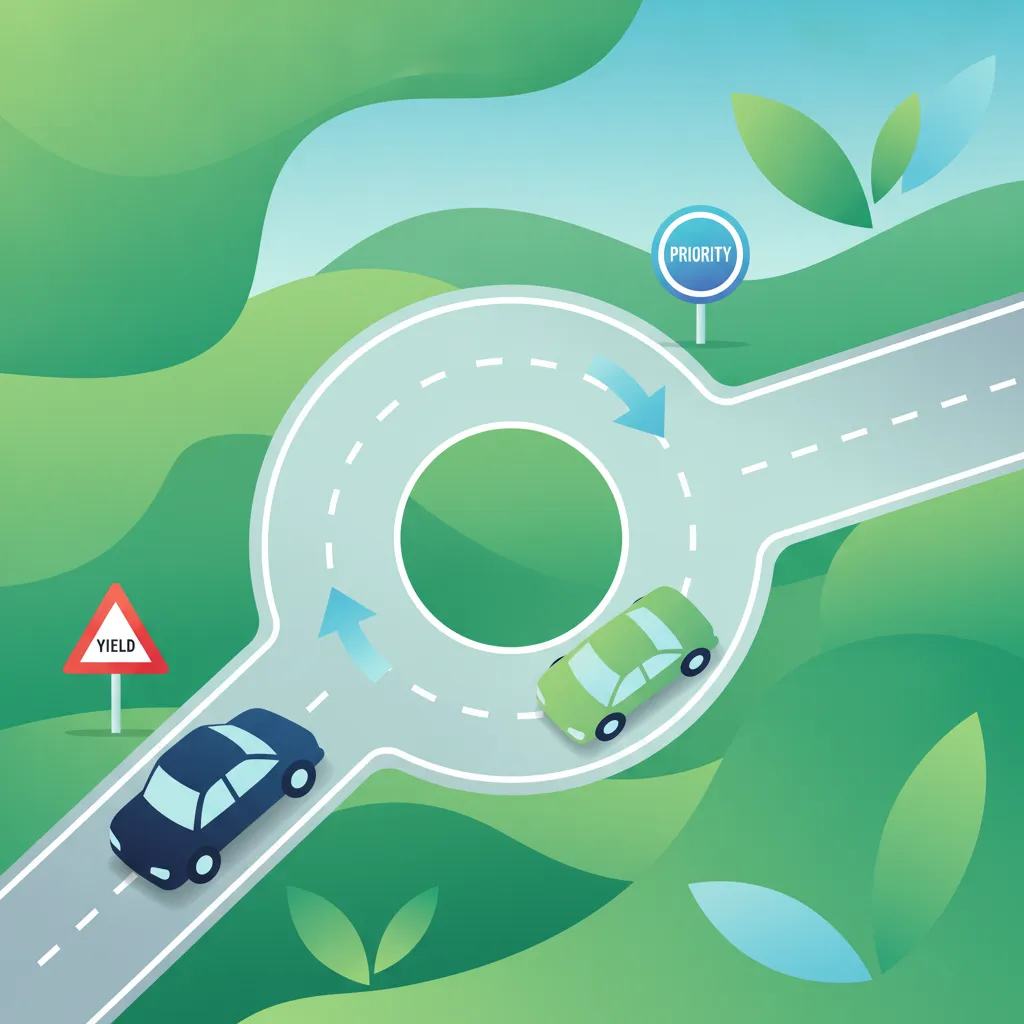
This lesson delves into the specific priority rules governing intersections and roundabouts in Portugal. It clarifies the hierarchy of signs such as stop and give-way, as well as the rules for entering and navigating roundabouts. Motorcyclists will learn how to position themselves correctly for exits and yield appropriately to ensure safe negotiation of these common traffic features.

This lesson details the steps for performing safe overtaking maneuvers, focusing on judgment, speed differential, and signaling. It covers assessing safe distances, using mirrors, and selecting appropriate lanes for overtaking. Guidelines for overtaking in various traffic conditions are provided to ensure riders can execute this maneuver safely and legally.

Focusing on roundabouts, this lesson teaches riders how to correctly enter, circulate, and exit these traffic features. It covers lane selection based on the intended exit, maintaining appropriate speed, and using signals to indicate intentions. The lesson also addresses the importance of yielding to circulating traffic and positioning oneself safely to avoid collisions.
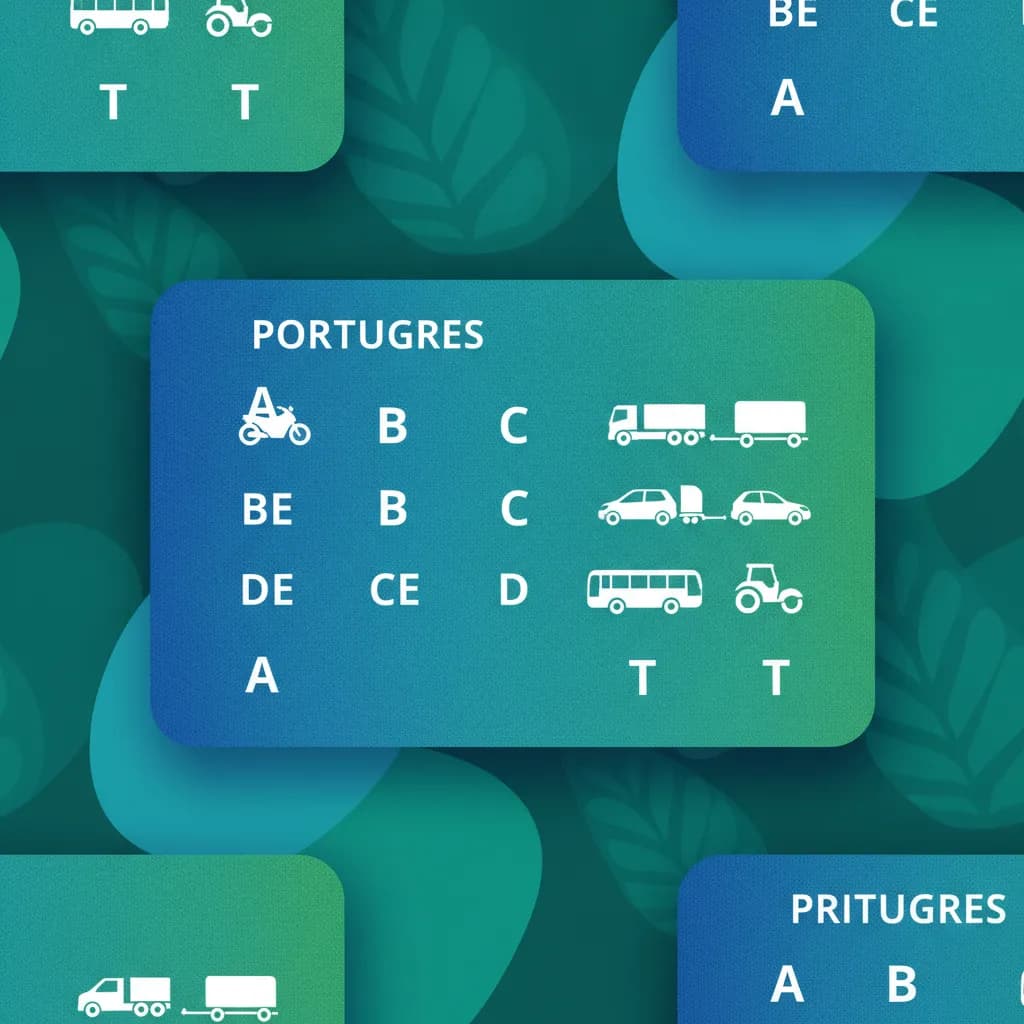
This lesson delineates the structure of the Portuguese traffic code as it pertains to motorcycles, detailing the criteria for each licence category. It explains the age thresholds, compulsory training components, and technical specifications of vehicles allowed under A1, A2, and full Category A. The content also clarifies the administrative steps for obtaining a licence, providing a comprehensive overview of the legal pathway.
Understand the ethical dimension of motorcycling beyond traffic rules. Learn about responsible riding practices, environmental impact, and fostering harmonious coexistence with all road users in Portugal.

This lesson addresses the ethical and social aspects of operating a moped or light quadricycle. It encourages riders to adopt a responsible attitude that contributes positively to the road safety culture through courteous and respectful behavior. The content also touches upon the rider's role in minimizing environmental impact and promoting safe coexistence with all other road users.
This lesson examines the hierarchy of road users defined by Portuguese law, emphasizing the right-of-way principles that apply to motorcycles. It covers priority at intersections, the rules governing roundabouts, and how motorcyclists must act upon these regulations when sharing space with larger vehicles. Understanding these priority rules is vital for avoiding conflicts and reducing accident risk.
This lesson provides an overview of the legal obligations regarding equipment and documentation for motorcycles in Portugal. It highlights mandatory items like helmets and lights, registration requirements, insurance obligations, and periodic inspections. The consequences of non-compliance, including fines and penalties, are also discussed to ensure riders understand all regulations.
This lesson explores regulatory signs that impose mandatory actions or prohibitions, detailing their implications for motorcyclists. It covers signs such as stop, give-way, speed limits, and no overtaking zones, ensuring riders understand and comply with these regulations. Particular attention is given to restrictions that may specifically affect motorcycles in different road environments.

This lesson explores the various types of pedestrian crossings found in Portuguese urban areas, such as zebra crossings. It emphasizes the rider’s responsibility to yield to pedestrians, the importance of reducing speed, and maintaining a safe passing distance. Strategies for anticipating pedestrian behavior and ensuring visibility are discussed to prevent incidents.

Focusing on social dynamics, this lesson addresses how peer pressure and overconfidence can lead to unsafe riding decisions. It explores the psychological aspects of group riding and the tendency to take unnecessary risks in social settings. Riders are guided on assertive decision-making and resisting unsafe group dynamics to prioritize safety.

This lesson provides a comprehensive overview of helmet standards applicable in Portugal, focusing on ECE certification and helmet types. It details correct fitting procedures, the importance of a secure retention system, and the role of the visor in protection. Guidance on post-accident helmet inspection and recommended replacement intervals is also addressed.
This lesson focuses on the specifics of riding on motorways, covering speed management, lane discipline, and safe entry and exit strategies. Riders will learn how to choose appropriate lanes, maintain safe following distances at high speeds, and execute overtaking safely. The impact of wind and understanding Portuguese motorway signage are also addressed.

This lesson emphasizes the development of defensive riding strategies through continuous risk assessment and situational awareness. It teaches techniques for scanning the environment, maintaining safe following distances, and anticipating potential hazards. The importance of a proactive riding attitude and creating safety margins is highlighted to promote a habit of anticipatory riding.
This lesson examines the meaning of various road surface markings and lane dividers, explaining how they guide motorcycle positioning. It distinguishes between solid and broken lines, the significance of lane width, and legal considerations for lane use. Emphasis is placed on maintaining appropriate lane discipline and positioning to ensure visibility and reduce conflict.
Find clear answers to common questions learners have about Rider Obligations and Ethical Conduct. Learn how the lesson is structured, which driving theory objectives it supports, and how it fits into the overall learning path of units and curriculum progression in Portugal. These explanations help you understand key concepts, lesson flow, and exam focused study goals.
The exam assesses more than just rules; it tests your ability to make safe and responsible decisions. Ethical conduct ensures that riders act predictably and respectfully, which is essential for reducing accident risks on Portuguese roads.
Yes. Regardless of the motorcycle category, all riders are bound by the same general principles of the Código da Estrada, focusing on mutual respect, awareness, and safe interaction with other road users.
Efficient riding, such as avoiding unnecessary acceleration and maintaining steady speeds, is encouraged as part of environmental responsibility and helps in managing vehicle control, which indirectly supports safety standards defined by the IMT.
Many riders fail to prioritize the safety and space of other road users, particularly vulnerable groups like cyclists or pedestrians. Understanding your responsibility to these users is a key part of both the legal framework and the theory exam.
Utilize the powerful search tool to refine your Portuguese driving theory practice. Pinpoint questions related to specific traffic laws, road signs, or complex scenarios from the Código da Estrada. Begin targeted revision now to boost your understanding and confidently approach your IMT driving exam.