
Master the rules and best practices for encountering pedestrians, cyclists, motorcyclists, and other vulnerable road users on Portuguese roads. Prepare thoroughly for your theory exam by understanding how to anticipate their actions and ensure their safety, as mandated by the IMT.
Develop the necessary defensive driving skills to safely navigate urban streets and rural roads when encountering vulnerable groups in accordance with the Código da Estrada. Gain a comprehensive understanding of IMT priority rules and safety standards required to pass your theory exam with confidence.
Electric scooters and similar mobility devices are increasingly common on Portuguese roads, presenting unique challenges for both their riders and motorists. This guide breaks down the specific regulations defined in the Código da Estrada, focusing on technical compliance and the defensive driving behaviors necessary to safely anticipate these users at intersections and roundabouts.
Mastering the rules regarding electric bicycles is a key component of your Portuguese driving theory exam preparation, as they are considered vulnerable road users under the law. This guide breaks down the legal definition of a 'velocipede', the critical 25 km/h limit for motor assistance, and your responsibilities as a driver when sharing the road with cyclists. You will learn how to maintain safety, respect priority, and avoid common legal pitfalls that frequently appear in IMT testing scenarios.
In Portugal, electric scooters are strictly classified as velocípedes, provided they meet specific technical criteria established by the Código da Estrada. This guide explains how these regulations work, the importance of adhering to power and speed limits, and why safety practices—though not always legally mandatory—are critical for road users. Mastering these definitions will help you correctly categorize micromobility devices during your theory examination.
Explore essential Portuguese traffic rules and guidance for safely interacting with pedestrians, cyclists, and motorcyclists. Master these crucial driving theory topics and IMT exam preparation points to ensure compliance and safety on all roads.
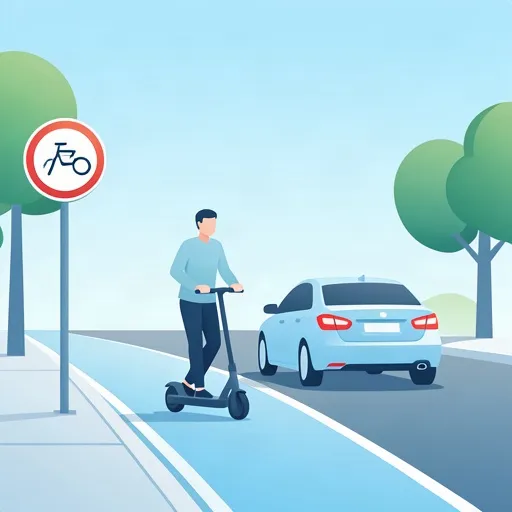
Electric scooters and similar mobility devices are increasingly common on Portuguese roads, presenting unique challenges for both their riders and motorists. This guide breaks down the specific regulations defined in the Código da Estrada, focusing on technical compliance and the defensive driving behaviors necessary to safely anticipate these users at intersections and roundabouts.
Updated on Oct 2, 2026
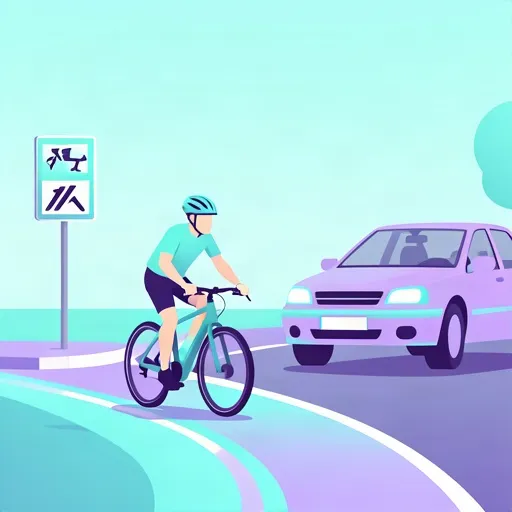
Mastering the rules regarding electric bicycles is a key component of your Portuguese driving theory exam preparation, as they are considered vulnerable road users under the law. This guide breaks down the legal definition of a 'velocipede', the critical 25 km/h limit for motor assistance, and your responsibilities as a driver when sharing the road with cyclists. You will learn how to maintain safety, respect priority, and avoid common legal pitfalls that frequently appear in IMT testing scenarios.
Updated on Sep 22, 2026

In Portugal, electric scooters are strictly classified as velocípedes, provided they meet specific technical criteria established by the Código da Estrada. This guide explains how these regulations work, the importance of adhering to power and speed limits, and why safety practices—though not always legally mandatory—are critical for road users. Mastering these definitions will help you correctly categorize micromobility devices during your theory examination.
Updated on Aug 28, 2026

Drivers in Portugal face strict legal obligations when approaching pedestrian crossings to ensure the safety of vulnerable road users. This guide explains when you must stop, how to safely approach marked zones, and the serious consequences of failing to yield. Learning these rules is essential for both your IMT theory exam and for developing defensive driving habits in urban environments.
Updated on Aug 26, 2026

Learners must understand that in Portugal, the duty of care extends beyond simply respecting marked crossings. This guide examines how to anticipate the unpredictable movements of children, the elderly, and tourists in high-risk zones, ensuring you are prepared for both the IMT exam scenarios and real-world urban driving challenges.
Updated on Aug 26, 2026

Understanding how to safely approach pedestrian crossings and school zones is a fundamental part of the Portuguese theory exam. This guide details the specific duty of care required when encountering vulnerable road users, helping you identify the speed reductions and observation requirements essential for the IMT test. You will learn the correct legal actions to take at crossings to ensure both your compliance with the law and your success on the test.
Updated on Aug 26, 2026

Understanding how to interact safely with cyclists and motorcyclists is a fundamental requirement for passing your theory exam and becoming a competent driver in Portugal. This guide explains your legal duties when turning, the importance of respecting cycle paths, and how to spot two-wheeled vehicles in busy urban environments. These principles are essential for hazard perception and overall road safety.
Updated on Aug 21, 2026

Learn your legal obligations under the Portuguese Highway Code when sharing the road with pedestrians, cyclists, and people with reduced mobility. This guide clarifies the priority rules at crossings, the requirement for safe lateral distance, and the caution needed when navigating around school zones and bus stops to ensure you are fully prepared for your driving test.
Updated on Aug 21, 2026

Rising interior temperatures in parked vehicles can cause life-threatening heatstroke in minutes, making it a critical safety issue for all drivers in Portugal. This guide outlines why you must never leave dependents unattended in a vehicle and how to prepare for safe summer travel in line with IMT safety recommendations. You will learn the facts behind heat buildup and the essential precautions every driver must take to ensure passenger safety.
Updated on Jul 28, 2026

Understanding how to correctly share the road with cyclists is a critical part of the Portuguese theory exam and real-world safety. This guide covers the specific requirements of the Código da Estrada, including the 1.5-meter clearance rule and why driver patience is mandatory in situations where visibility or space is compromised. You will learn to identify when to hold back to protect vulnerable road users, helping you pass your IMT theory test with confidence.
Updated on Jul 16, 2026

Opening a car door without checking for approaching cyclists can lead to serious accidents and legal consequences in Portugal. This article introduces the Dutch Reach, a simple yet effective technique to ensure you always check for cyclists and other traffic before opening your door. Understanding this method is vital for safe driving and for demonstrating hazard awareness expected in the Portuguese theory exam.
Updated on Jun 20, 2026

Learn how to prevent dangerous 'dooring' incidents in Portugal, a common hazard for cyclists and motorcyclists caused by improperly opened car doors. This article details the 'Dutch Reach' method, a simple yet highly effective technique to ensure you check for traffic before opening your vehicle door, crucial for passing your IMT theory exam and ensuring safety on Portuguese roads.
Updated on Jun 20, 2026

As electric vehicles become more common on Portuguese roads, their quiet operation presents unique hazards for pedestrians and cyclists. This article will guide you through the specific rules and safe driving behaviours mandated by the IMT for handling these silent vehicles. Learn how to anticipate and mitigate risks, ensuring you are prepared for both the theory exam and real-world driving scenarios.
Updated on Jun 11, 2026

When driving through Portuguese residential streets, particularly past parked vehicles, maintaining a reduced speed and a safe lateral distance is paramount. This article delves into why this defensive driving approach is crucial, focusing on the potential dangers posed by vulnerable road users like children emerging from between cars or opening doors. Understanding these nuances is key to passing your IMT theory exam and driving more safely in urban Portugal.
Updated on Jun 11, 2026

Learn critical strategies for car drivers in Portugal to effectively spot and avoid collisions with motorcycles. This guide addresses why motorcycles are often unseen, focusing on intersection dangers, blind spots, and the importance of rider visibility according to the Código da Estrada. Sharpen your awareness to pass your IMT theory test and drive more safely.
Updated on Jun 11, 2026

Motorcyclists are inherently less visible to other road users, a crucial factor often tested in the Portuguese driving theory exam. This article delves into the challenges posed by blind spots from a car driver's perspective and highlights the essential maneuvers like mirror checks and shoulder checks that prevent accidents. Mastering these concepts is vital for safe driving and for succeeding in your theory test administered by the IMT.
Updated on Jun 11, 2026

Learn the essential rules for driving around schools in Portugal, a topic frequently tested by the IMT. This article covers speed limits, unpredictable child behaviour, and the increased duty of care required during drop-off and pick-up times. Preparing for these scenarios is vital for passing your theory exam and ensuring the safety of vulnerable road users.
Updated on Jun 11, 2026

Navigating Portugal's 'Zona Escolar' requires heightened awareness and adherence to specific rules to ensure the safety of vulnerable road users. This article covers the critical signs you'll encounter, the importance of drastically reducing your speed, and how to manage the increased hazards. Preparing for your IMT theory exam means understanding these vital safety procedures for school zones.
Updated on Jun 11, 2026

While Portuguese law mandates helmet use for motorcyclists, this article explores the additional protective gear that significantly boosts rider safety. Learn about the benefits of wearing specialised jackets, gloves, trousers, and boots to mitigate injuries in various riding conditions on Portugal's diverse road network. This knowledge is crucial for both passing your theory test and ensuring safe motorcycle operation.
Updated on Jun 10, 2026

Navigate the essential legal requirements for motorcycle helmets in Portugal as tested by the Instituto da Mobilidade e dos Transportes (IMT). This article breaks down the rules regarding approved helmet standards, proper usage, and obligations for both riders and passengers, ensuring you are fully prepared for your theory test.
Updated on Jun 10, 2026
Discover other categories connected to Vulnerable Road Users PT. These sections help you explore additional topics, expand your understanding of driving theory in Portuguese, and build a more complete picture of the rules and situations tested during the exam.
Find answers to common questions learners ask about Vulnerable Road Users PT. This section helps clarify difficult concepts, highlight critical exam information, and support your preparation for the Portuguese driving theory exam in Portugal.
In Portugal, pedestrians generally have priority at designated pedestrian crossings (passadeiras). Drivers must always be prepared to stop, especially in urban areas, school zones, and residential areas, and yield to pedestrians crossing or about to cross.
When overtaking cyclists in Portugal, you must maintain a safe lateral distance, which is at least 1.5 meters. If the road is narrow or traffic is heavy, wait until it is safe to pass, ensuring you do not endanger the cyclist or other traffic.
Motorcycles are smaller, can blend in with traffic more easily, and have less presence than cars. Drivers in Portugal must actively look for motorcycles, check blind spots carefully, and be aware of their presence, especially at junctions and when changing lanes.
Children and elderly pedestrians may be less predictable and slower-moving. Drivers in Portugal should exercise extra caution in areas frequented by them, such as near schools, parks, and residential areas. Be prepared for sudden movements and reduce speed significantly.
The IMT theory exam in Portugal includes questions on interacting with vulnerable road users. You will be tested on priority rules, safe distances, speed adjustments, and identifying potential hazards related to pedestrians, cyclists, and motorcyclists.
Ready to deepen your understanding of Portuguese road law and prepare for your IMT driving exam? Browse through our carefully organized article categories to focus on specific areas like traffic signs, vehicle maneuvers, or priority rules. Build a robust knowledge base for confident driving.
Explore Article Categories