
Navigate Portugal's roads confidently by mastering the rules on stopping, parking, and loading. This section clarifies essential regulations from the Código da Estrada, helping you understand permitted locations, restrictions, and common pitfalls to avoid during your IMT theory test preparation.
Master the critical distinctions between paragem and estacionamento to navigate Portuguese roads and pass your IMT theory test with confidence. These guides clarify permitted zones, loading restrictions, and legal requirements to ensure you avoid common fines and exam errors.
Mastering the rules regarding parking spaces designated for persons with reduced mobility is a key component of the Portuguese theory exam. This guide details the mandatory use of the blue parking permit, the specific legal obligations for drivers, and the significant penalties associated with occupying these spaces without proper authorization.
Parking in a space designated for persons with reduced mobility without a valid permit is a serious violation of the Portuguese Highway Code, known as the Código da Estrada. This guide explains why these spaces are protected, the importance of displaying the correct permit, and the legal repercussions of misuse. Mastering these rules is essential for passing the IMT theory exam and ensuring accessibility for those who need it most.
Prepare thoroughly for the Portuguese IMT driving test by mastering the nuances of parallel, perpendicular, and angled parking. This purely text-based guide breaks down the essential steps and considerations for each maneuver, ensuring you understand the requirements for safe and successful execution. Focus on these techniques to build confidence and pass your practical exam.
Master essential Portuguese regulations for stopping, parking, and loading, covering permitted zones and restrictions from the Código da Estrada. Prepare effectively for your IMT theory test with clear guidance on these crucial traffic rules.
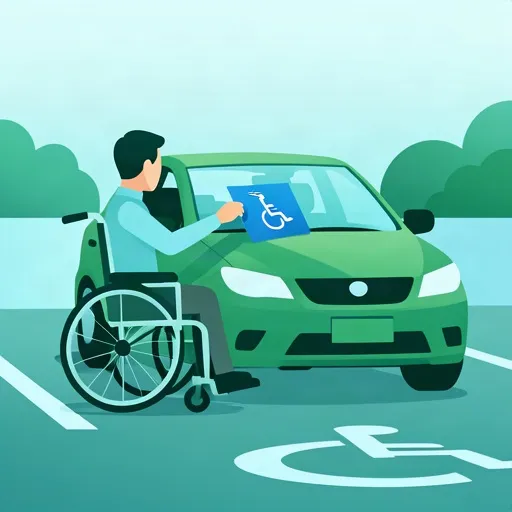
Mastering the rules regarding parking spaces designated for persons with reduced mobility is a key component of the Portuguese theory exam. This guide details the mandatory use of the blue parking permit, the specific legal obligations for drivers, and the significant penalties associated with occupying these spaces without proper authorization.
Updated on Sep 25, 2026
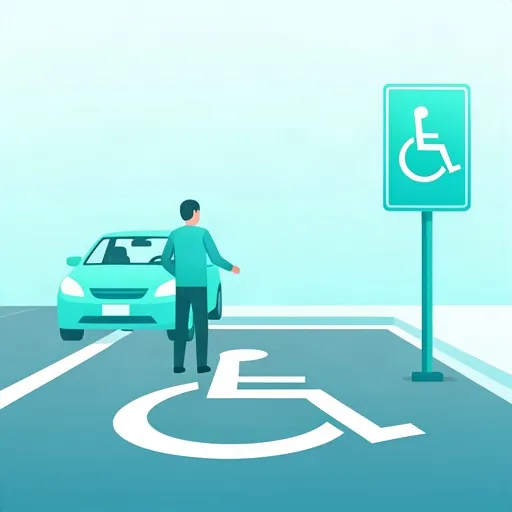
Parking in a space designated for persons with reduced mobility without a valid permit is a serious violation of the Portuguese Highway Code, known as the Código da Estrada. This guide explains why these spaces are protected, the importance of displaying the correct permit, and the legal repercussions of misuse. Mastering these rules is essential for passing the IMT theory exam and ensuring accessibility for those who need it most.
Updated on Sep 25, 2026

Prepare thoroughly for the Portuguese IMT driving test by mastering the nuances of parallel, perpendicular, and angled parking. This purely text-based guide breaks down the essential steps and considerations for each maneuver, ensuring you understand the requirements for safe and successful execution. Focus on these techniques to build confidence and pass your practical exam.
Updated on Jun 11, 2026

Commercial drivers in Portugal must navigate specific rules for designated loading and unloading zones. This article clarifies time restrictions, operational requirements, and compliance with IMT regulations as outlined in the Código da Estrada, ensuring you understand your responsibilities and how to use these vital urban areas effectively.
Updated on Jun 11, 2026

Private drivers in Portugal often encounter designated loading and unloading zones, typically marked for commercial use during specific hours. This article details the legal framework, potential fines for misuse, and the specific regulations from the Código da Estrada that apply to private vehicles entering these areas. Mastering this topic is essential for passing your Portuguese driving theory exam and for safe, compliant driving.
Updated on Jun 11, 2026

Learn the precise technique for parallel parking, a frequently tested manoeuvre on the Portuguese driving license practical exam. This guide provides text-based, step-by-step instructions and key reference points, ensuring you can confidently execute 'estacionamento paralelo' and avoid common mistakes that could lead to failure.
Updated on Jun 11, 2026

Learn the precise steps for performing 'estacionamento paralelo' (parallel parking) in Portugal, a critical skill for the practical driving exam. This guide focuses on the techniques and reference points required by IMT standards, helping you to confidently maneuver into tight parking spaces. Understanding these manoeuvres is essential for both passing your test and driving safely in Portuguese urban environments.
Updated on Jun 11, 2026

Learn the intricacies of parking in Portugal's major cities, including resident permit systems such as Lisbon's EMEL and paid parking zones in Porto and Coimbra. This guide clarifies how to obtain permits and understand meter regulations, essential knowledge for both residents and learners preparing for the Portuguese theory driving exam.
Updated on Jun 11, 2026

Navigating urban parking in Portugal can be complex; this guide breaks down metered parking zones, resident-only areas, and the role of municipal regulations like EMEL. Understanding how these systems work and how to comply is vital for your Portuguese driving theory exam and safe driving practice. Learn the rules to park legally and avoid costly penalties.
Updated on Jun 11, 2026
Discover other categories connected to Stopping & Parking Rules Portugal. These sections help you explore additional topics, expand your understanding of driving theory in Portuguese, and build a more complete picture of the rules and situations tested during the exam.
Find answers to common questions learners ask about Stopping & Parking Rules Portugal. This section helps clarify difficult concepts, highlight critical exam information, and support your preparation for the Portuguese driving theory exam in Portugal.
In Portugal, 'paragem' refers to a brief stop necessary due to traffic conditions (like traffic lights or congestion) or to allow passengers to embark/disembark. 'Estacionamento' is when you leave your vehicle unattended or stop for longer than necessary for immediate passenger/good movement.
Stopping is generally prohibited on pedestrian crossings ('passadeiras'), at intersections, on bridges, in tunnels, on slopes, on narrow roads, in front of driveways, near bus stops or taxi ranks, and in places that obstruct traffic or visibility.
Parking is prohibited in locations where stopping is prohibited, as well as on cycle lanes, in disabled parking bays without a permit, next to other vehicles parked on the roadside (double parking), or in any way that creates danger or obstructs traffic flow.
Look for road signs (sinais de regulamentação) and road markings. Blue signs often indicate paid parking zones, while signs with a red border and blue background often indicate prohibitions. Pay attention to any supplementary plates indicating specific times or conditions.
Loading and unloading typically follow parking rules but may have specific time restrictions or designated zones. Always ensure your vehicle does not obstruct traffic, pedestrians, or cyclists. In some areas, specific signs will indicate 'carga e descarga' times and locations.
Ready to deepen your understanding of Portuguese road law and prepare for your IMT driving exam? Browse through our carefully organized article categories to focus on specific areas like traffic signs, vehicle maneuvers, or priority rules. Build a robust knowledge base for confident driving.
Explore Article Categories