
This section covers prohibitory signs, those essential red-bordered circles that tell you what you absolutely cannot do. Understanding these signs is crucial for both passing your theory exam and ensuring safety on the road. We’ll break down exactly what is forbidden, who it affects, and the critical importance of knowing where these restrictions begin and end to avoid dangerous situations.
An explanation of how Prohibitory Signs road signs apply in real traffic situations in Portugal. Learn where these signs are typically placed, what drivers are expected to do when they appear, and how correct reactions help you stay safe, avoid fines, and succeed in your Portuguese driving theory exam.
Prohibitory signs are frequently encountered in diverse traffic situations, acting as clear directives on what is not allowed. You'll see 'no entry' signs (C1) at the start of one-way streets or roads where entry is restricted. Signs like 'no overtaking' (C14a) or 'no overtaking by heavy vehicles' (C14b) are common on stretches of road where visibility is poor or traffic is heavy. Speed limits (C13) are ubiquitous, appearing in urban areas, near schools, or on specific road sections to manage traffic flow and safety. Parking restrictions, such as 'no parking' (C15) or 'no stopping and parking' (C16), are used in busy town centres, near junctions, or on narrow roads to keep traffic moving and ensure visibility. Other signs might prohibit specific vehicle types, such as heavy goods vehicles (C3b), vehicles with trailers (C3n), or even pedestrians (C3l) on certain roads like highways or cycle paths. It is vital to recognise these signs immediately and adjust your driving behaviour accordingly, as violating them can lead to fines, accidents, and serious risks.
An overview of the key learning outcomes when studying the Prohibitory Signs road sign category. Understand the main concepts, sign meanings, and traffic situations covered here so you can recognise patterns, answer theory questions more confidently, and build a solid foundation for safe driving in Portugal.
Study Portugal's prohibitory signs to understand what actions are banned, such as entry, overtaking, or parking. Recognizing these crucial traffic signs is key for your theory test revision, helping you comply with the Código da Estrada and navigate safely.

Understand the C1 'Sentido Proibido' (No Entry) Road Sign

The C2 'Trânsito proibido' Sign: No Entry In Either Direction

C3a Sign: Access Prohibited for Cars with Trailers in Portugal

Understand the C3b Sign: Prohibition of Heavy Goods Vehicles

Understand the C3c Sign: Prohibiting Goods Vehicle Traffic

C3d Road Sign: Goods Vehicles Over a Specific Weight Are Prohibited

Learn the C3e 'No Entry for Simple Motorcycles' Road Sign in Portugal

Understand the C3f Road Sign: No Mopeds Allowed Ahead

C3g: 'No Pedestrian Traffic' - Keep this road clear for pedestrians.

The C3h sign prohibits agricultural vehicles from entering this road.

C3i Sign: No Entry for Animal-Drawn Vehicles

The C3j Sign Prohibits Handcarts, Directing You to an Alternative Route

C3l Sign: Pedestrians Prohibited Ahead

Prohibitory Signs: C3m - No Entry for Horse Riders

The C3n sign prohibits vehicles with trailers from entering.

The C3o sign prohibits vehicles with two or more axle trailers from entering.

Portuguese C3p Sign: No Entry for Vehicles Transporting Dangerous Goods

C3q Sign: Prohibits Vehicles Transporting Flammable or Explosive Goods

Understand the C3r Sign: Traffic Prohibited for Vehicles Carrying Polluting Goods
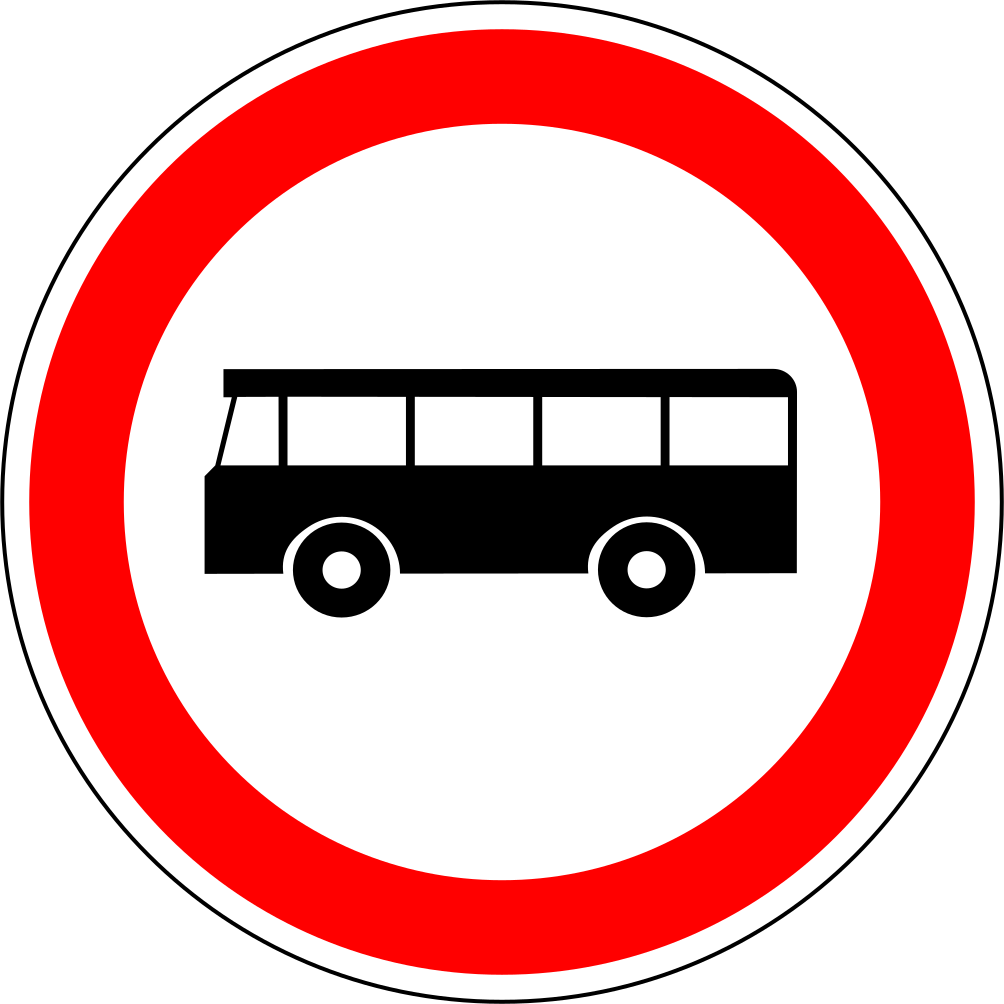
The C3s sign indicates a specific prohibition you must adhere to.

C4a: No Entry for Cars and Motorcycles

Understand the C4b Sign: No Entry for Goods Vehicles and Vehicles with Trailers in Portugal

C4c Road Sign: Prohibiting Entry for Cars, Motorcycles, and Animal-Drawn Vehicles

Understanding the C4d Sign: No Goods Vehicles or Animal-Drawn Vehicles Allowed
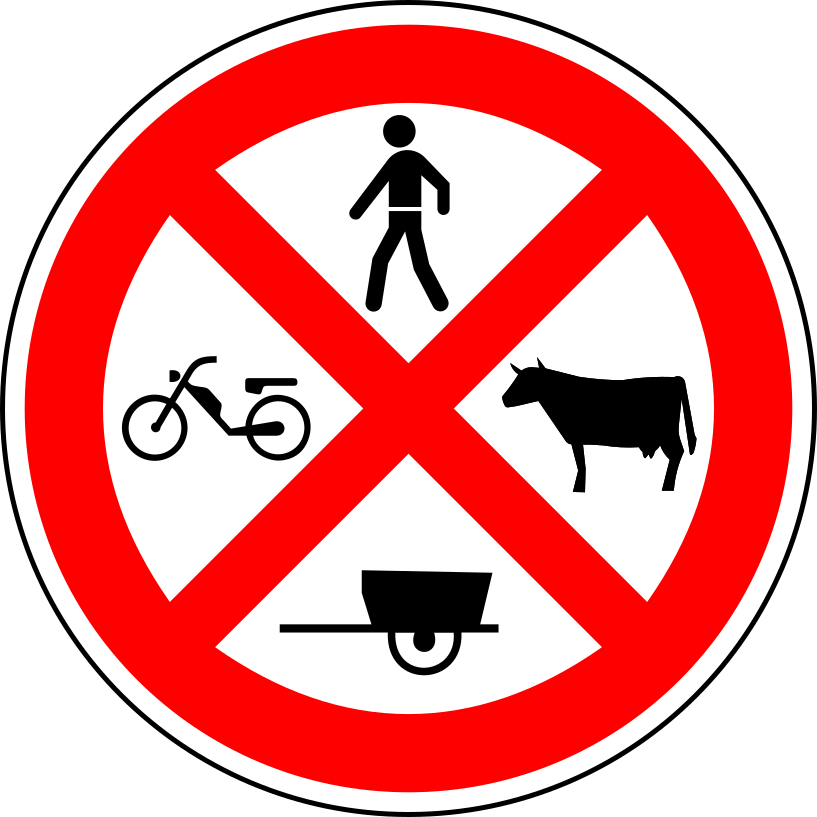
C4e Sign: Prohibits Pedestrians, Animals, and Specific Vehicles from Entry

C4f Road Sign: No Entry for Two-Wheeled Vehicles
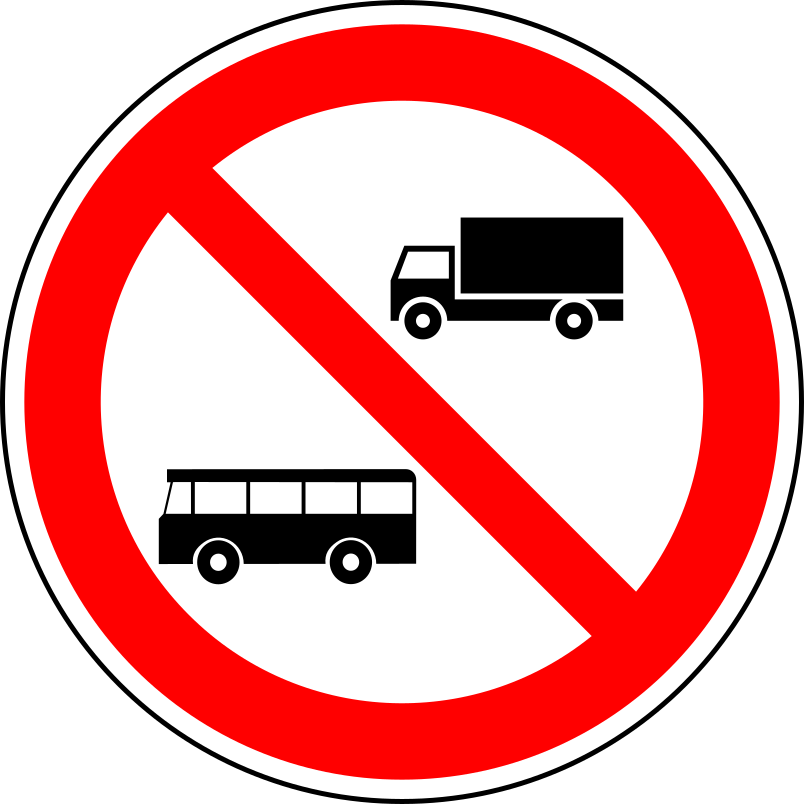
The C4g Sign: Understanding Portugal's Prohibitory Road Signs

Understand the C5 Sign: Prohibiting Vehicles by Axle Weight

C6 Road Sign: Restriction on Vehicle Weight Ahead

C7 Sign: No Entry for Vehicles Exceeding a Certain Length

Prohibitory Sign C8: Width Restriction Ahead

What does the C9 'No Vehicles Over Height Limit' road sign mean?

C10: Maintain Minimum Distance from Vehicle Ahead

No Right Turn Ahead: Understanding Portugal's C11a Prohibition Sign

Understand the C11b 'No Left Turn' Road Sign in Portugal

C12 Sign: No U-Turns Allowed Ahead

Obey the Maximum Speed Limit Indicated by the C13 Sign

The C14a 'No Overtaking' Sign Means You Must Not Overtake Most Vehicles
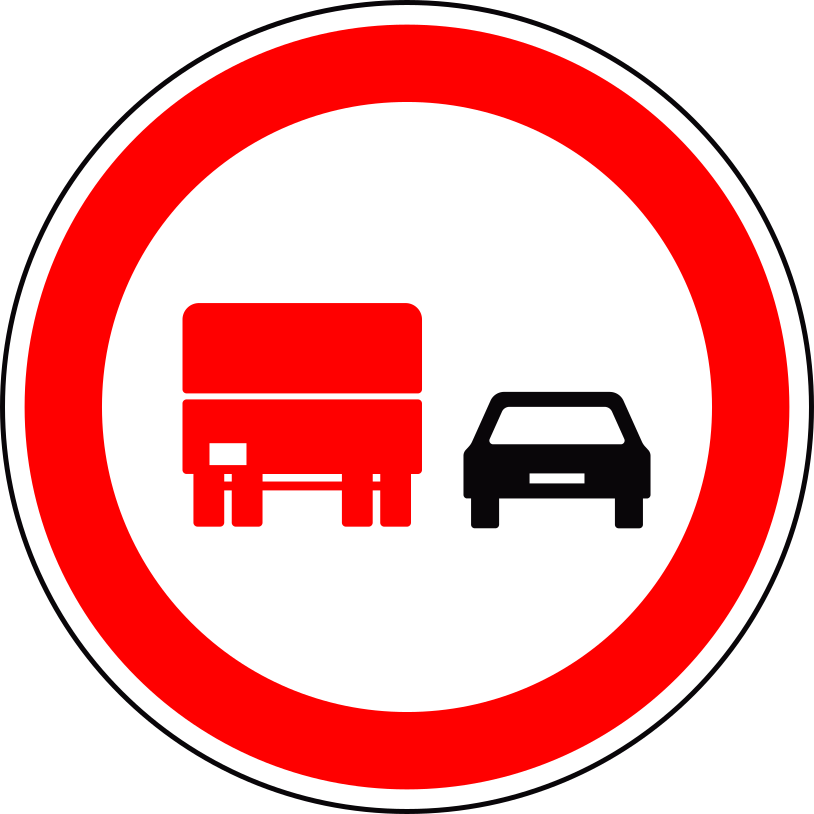
Learn the C14b Road Sign: No Overtaking for Heavy Vehicles

C14c Sign: No Overtaking for Motorcycles and Mopeds

Understand the C15 'Estacionamento Proibido' (No Parking) Road Sign

C16: 'No Stopping and Parking' – A Permanent Prohibition Sign

C17: Understand the 'No Sound Signals' Prohibition Sign in Portugal

C18: Mandatory Stop at Customs Post Ahead

C19 'Other Mandatory Stops' Road Sign: Obey All Specific Instructions

C20a: Signalling the End of All Previously Imposed Driving Prohibitions

End of Speed Limit: What You Can Do Now

The C20c sign signals the end of the no overtaking restriction.

C20d: The End of No Overtaking Restriction for Heavy Vehicles

C20e: End of No Overtaking Restriction for Motorcycles and Mopeds

Understand and obey the C20g prohibition road sign in Portugal.

You've Passed the 'No Stopping or Parking' Zone: The C21 Sign

C22: Sound the Horn Restriction Ends Here
Clear answers to common questions about the Prohibitory Signs road sign category. Use this FAQ to review tricky rules, understand how these signs appear in exam scenarios, and remove confusion that often leads to mistakes in the Portuguese driving theory exam in Portugal.
Prohibitory signs, usually circular with a red border, indicate what is forbidden for drivers, vehicles, or specific maneuvers. Mandatory signs, often circular but typically blue, tell you what you must do, such as following a specific direction or using certain lanes. It’s crucial to distinguish between what you 'must not' do (prohibitory) and what you 'must' do (mandatory).
No, typically not. Prohibitory signs often specify the type of vehicle affected. A sign like 'Trânsito proibido a automóveis pesados' (C3b) specifically bans heavy vehicles. Your car, if it's a standard passenger vehicle, would usually be permitted unless another sign indicates otherwise. Always check the symbol or accompanying text to see exactly which category of vehicle or action is prohibited.
Prohibitions generally end when you reach a sign indicating the end of that specific restriction. For example, 'Fim da limitação de velocidade' (C20b) cancels a previous speed limit, and 'Fim da proibição de ultrapassar' (C20c) lifts an overtaking ban. If no end sign is present, the prohibition often applies until the next junction or until you enter a built-up area, depending on the specific sign and local regulations. Pay attention to these 'end of prohibition' signs (Group C20).
Yes, several. One common trap is misinterpreting the scope of a prohibition – for example, assuming a ban on heavy vehicles applies to all vehicles. Another is not knowing when a restriction ends. Exams might also present scenarios with multiple signs, testing your ability to prioritise and apply the correct rule. For instance, a speed limit sign combined with a 'no overtaking' sign requires careful consideration of both restrictions simultaneously. Always read the question and examine all signs presented carefully.
A red circle with a diagonal red bar across it typically signifies the end of a prohibition. For example, a sign with a red circle and a diagonal red bar over a car symbol might indicate the end of the prohibition for cars. More commonly, specific signs like C20a, C20b, C20c, etc., indicate the end of specific bans like all previous prohibitions, speed limits, or overtaking bans.
Deepen your understanding of Portuguese road signs by exploring each category. This structured approach helps reinforce knowledge of specific sign types and their implications on the road, crucial for effective preparation for the IMT driving theory exam. Systematically review sign groups.
Browse Road Sign Categories