
This lesson explores the vital human factors of riding, focusing on physical condition, fatigue management, and the effects of medication. It is a critical component of your A1, A2, and A training, ensuring you are equipped to make safe, informed decisions on the road. Understanding these elements is essential for maintaining focus and reacting effectively during your theoretical exam.

Lesson content overview
The journey to becoming a safe and competent motorcyclist in Portugal, as covered in the Motorcycle Licence Theory: Comprehensive Portuguese Road Safety and Practical Riding Knowledge curriculum, extends beyond understanding road signs and mastering control. A critical, often underestimated, aspect of riding safety is the rider's own physical and mental state. This lesson delves into the human factors that profoundly influence riding safety: your physical condition, the insidious effects of fatigue, and the impact of medications and other substances.
Ensuring you are fit, alert, and unimpaired is paramount. These elements directly affect your perception, reaction time, decision-making, and overall ability to handle a motorcycle effectively and safely on Portuguese roads. A robust understanding and proactive management of these factors are essential for every rider, regardless of experience.
Your physical condition forms the foundation of safe motorcycle operation. Riding a motorcycle demands a unique blend of sensory acuity, motor coordination, and physical endurance. Any deficiency in these areas can significantly elevate the risk of accidents.
Maintaining an optimal state of health is not merely a recommendation; it is a fundamental requirement for all motorcyclists. Regular health assessments and self-awareness regarding your physical capabilities are crucial components of responsible riding. Overlooking minor health issues or temporary impairments can have serious consequences on the road.
Vision is arguably the most critical sense for safe riding. Clear, sharp vision allows you to accurately perceive hazards, read road signs, judge distances, and react appropriately to changing traffic conditions. Portuguese law, like most national traffic codes, mandates specific vision standards for obtaining and retaining a motorcycle licence.
This includes minimum visual acuity, adequate peripheral vision, and the ability to distinguish colors for traffic signals and signs. Riders with corrective lenses (glasses or contacts) must wear them whenever riding. Regular eye examinations are vital to ensure your vision meets the necessary standards, especially as you age or if you notice any changes.
While vision is primary, hearing plays a supportive role in situational awareness. The ability to hear approaching vehicles, emergency sirens, or even unusual engine noises can provide early warnings of potential hazards. Although motorcycle helmets reduce ambient noise, a rider's underlying hearing ability is still important.
Sensory acuity extends beyond just vision and hearing. It encompasses your overall awareness of your surroundings and your ability to process information quickly. Conditions that impair your sensory input can delay your reaction time, which is critical when navigating dynamic traffic environments.
Motorcycle riding is a physically demanding activity that requires excellent coordination, sufficient muscular strength, and sustained endurance. You need strength to operate brakes, clutch, and throttle precisely, and to manage the motorcycle's weight and balance, especially during low-speed maneuvers or in windy conditions. Good coordination ensures smooth control inputs, preventing sudden, unstable movements.
Long rides, particularly on challenging terrain or in adverse weather, can lead to physical fatigue, reducing your ability to control the motorcycle effectively. Maintaining a baseline level of cardiovascular fitness and muscular strength can significantly reduce the onset of physical fatigue, helping you stay in control throughout your journey.
Certain chronic medical conditions can affect your ability to ride safely. These might include diabetes, epilepsy, heart conditions, or severe joint problems. Portuguese licensing authorities require riders to disclose any medical conditions that could potentially impair their riding capabilities.
Depending on the condition, specific restrictions might be imposed, or a periodic medical assessment may be required. It is crucial to manage these conditions effectively with your doctor and understand how they might impact your riding. Never assume that a minor or well-managed condition is irrelevant; always consult medical professionals and licensing authorities if in doubt.
Failure to disclose medical conditions that could affect your riding ability to the licensing authorities can lead to the invalidation of your licence and serious legal consequences in the event of an accident.
Fatigue is a physiological state of reduced mental and physical performance that can be as dangerous as, or even more dangerous than, alcohol impairment. It results from prolonged activity, insufficient rest, or sleep deprivation, severely compromising a rider's ability to react, concentrate, and make sound decisions. For motorcyclists, whose safety margin is often smaller, fatigue management is not just advisable, it is a matter of survival.
Rider fatigue is more than just feeling tired; it is a profound decline in cognitive and motor functions. It manifests as a reduction in vigilance, slower information processing, impaired judgment, and decreased physical coordination. Fatigue can affect anyone, regardless of riding experience, and its effects accumulate over time.
A physiological state characterized by reduced mental and physical performance, resulting from prolonged activity, insufficient rest, or sleep deprivation, which impairs riding ability.
Learning to identify the early warning signs of fatigue in yourself is critical. Ignoring these cues can lead to severe impairment and increased accident risk. Common signs include:
The effects of fatigue on motorcycle performance are wide-ranging and dangerous. Studies show that cognitive performance declines significantly after even two hours of continuous activity without a break. Reaction times can increase by up to 30% when a rider is fatigued, transforming a potential near-miss into an actual collision.
Fatigue impairs your ability to:
Proactive fatigue management is essential for any long ride. It involves planning, self-awareness, and disciplined adherence to rest protocols.
Plan Your Route with Rest Stops: Before embarking on a long journey, identify suitable rest areas, petrol stations, or cafes along your route. Aim to stop every 1.5 to 2 hours or after approximately 100-150 km of continuous riding, depending on road conditions and your personal endurance.
Take Quality Breaks: A short stop is not enough. During your break, get off the motorcycle, walk around to stretch your muscles, hydrate with water, and consider a light snack. A 15-20 minute break is usually sufficient to refresh your mind and body. If you are very tired, a power nap (20-30 minutes) can be highly effective, but avoid napping for too long as it can lead to grogginess.
Ensure Adequate Sleep: The most effective way to combat fatigue is sufficient sleep. Always start a long journey well-rested, having had at least 7-8 hours of quality sleep the night before.
Avoid Riding During Peak Fatigue Times: Be particularly cautious during the "circadian rhythm dip," which typically occurs in the early afternoon (13:00-15:00) and especially during the early morning hours (02:00-06:00). These are times when your body naturally wants to sleep, and fatigue effects are amplified.
Hydrate and Nourish Appropriately: Dehydration and hunger can exacerbate fatigue. Drink plenty of water before and during your ride, and eat balanced meals. Avoid heavy, greasy foods that can make you feel sluggish, and limit excessive caffeine, which provides only temporary alertness and does not replace rest.
Caffeine and energy drinks can offer a temporary boost in alertness, but they do not eliminate the underlying fatigue. Relying on them instead of proper rest is dangerous, as the fatigue will eventually catch up, often with a sudden and severe impact.
Your body's natural sleep-wake cycle, known as the circadian rhythm, significantly influences your alertness levels. You are naturally most alert during daylight hours and least alert during the deep night, regardless of how much sleep you've had. Riding during your body's natural "downtime," particularly between midnight and 6:00 AM, increases your susceptibility to fatigue, even if you feel relatively rested. This is why night riding requires extra vigilance and shorter riding stints.
Beyond physical condition and fatigue, various substances—from prescription drugs to alcohol—can profoundly impair your ability to ride a motorcycle safely. It is critical to understand how these substances affect your cognitive and motor functions and to adhere strictly to legal and medical guidelines.
Many medications, even those available over-the-counter, can have side effects that compromise riding safety. These effects can include:
Always read medication labels carefully for warnings about operating machinery or driving. If in doubt, consult your doctor or pharmacist about how a specific drug might affect your riding performance.
Several categories of medications are known to affect riding ability:
Any drug—prescription, over-the-counter, or recreational—that can alter cognitive or motor functions, potentially diminishing a rider's ability to operate a motorcycle safely.
Riding under the influence of alcohol or drugs is strictly prohibited by Portuguese law and carries severe penalties, including heavy fines, licence suspension, and even imprisonment. The legal blood alcohol concentration (BAC) limit for motorcyclists in Portugal is generally lower than for other vehicle categories, reflecting the increased risk associated with motorcycle operation.
Any amount of alcohol or illicit drugs can impair your judgment, coordination, and reaction time, making safe riding impossible. Certain prescribed medications, particularly psychotropic drugs or strong analgesics, are also forbidden if they impair your ability to drive. Always check with your doctor and the police if you are unsure about the legality of riding while on specific medication.
To ensure safety when taking any medication:
Portuguese road safety legislation, the Código da Estrada, sets clear requirements for motorcyclists regarding physical fitness and conduct under the influence of substances. Adherence to these laws is non-negotiable for obtaining and maintaining a motorcycle licence.
To obtain a motorcycle licence (categories A1, A2, or A) in Portugal, you must undergo a medical examination to certify your physical and mental fitness. This examination assesses various aspects of your health, including vision acuity, hearing, cardiovascular health, and the absence of conditions like uncontrolled epilepsy or severe diabetes that could impair riding safety. Periodic medical checks may be required, especially for older riders or those with specific health conditions.
As previously noted, riding under the influence of alcohol is strictly prohibited. The legal blood alcohol concentration (BAC) limit for motorcyclists in Portugal is typically set at a lower threshold than for other drivers, often 0.05% (0.5 grams per litre of blood), and for newly qualified drivers or professional drivers, it can be even lower (e.g., 0.02% or 0.2 g/l). Any reading above this limit can lead to severe penalties. The safest approach is always to consume no alcohol before riding.
For professional motorcyclists, such as those involved in courier services or deliveries, Portuguese law, aligning with European regulations, mandates specific rest periods. These regulations are designed to combat chronic fatigue and ensure professional riders remain alert. Typically, this involves a minimum of 11 consecutive hours of rest per 24-hour period, and strict limits on maximum driving times (e.g., 9 hours per day, with specific weekly limits).
Riders have a legal obligation to inform the Institute of Mobility and Terrestrial Transport (IMT) or other relevant licensing authorities of any significant health changes that could impact their ability to ride safely. This includes new medical diagnoses (e.g., epilepsy, severe vision loss, certain heart conditions) or the onset of conditions requiring medication that might impair riding. Failure to disclose such changes can result in legal repercussions and potentially invalidate your licence.
Understanding the theoretical aspects of physical condition, fatigue, and medication is only part of the equation. Applying this knowledge in real-world riding scenarios is what truly enhances safety.
Description: You are planning a 400 km motorcycle trip across Portugal, from Lisbon to Porto, with a friend. You intend to ride the entire distance in one day.
Correct Action: Before starting, research the route and identify suitable rest stops approximately every 100-150 km or every 1.5 to 2 hours of riding. Plan for at least two substantial breaks (20-30 minutes each) to stretch, hydrate, and clear your head. If you feel tired at any point, pull over immediately and rest. Consider an overnight stop if you anticipate delays or adverse conditions.
Incorrect Action: Starting the trip without planned breaks, believing you can "push through" any fatigue. Ignoring early signs of tiredness like yawning or drifting, and continuing to ride in hopes of reaching your destination faster. This significantly increases the risk of an accident due to impaired reaction times and judgment.
Description: You suffer from seasonal allergies and need to take an antihistamine before a planned afternoon ride through the city.
Correct Action: Check the medication packaging for warnings about drowsiness or operating machinery. Consult your pharmacist or doctor about non-drowsy alternatives suitable for riding. If the medication causes drowsiness, postpone your ride until the effects have worn off or arrange alternative transport.
Incorrect Action: Assuming all over-the-counter allergy medications are safe for riding without checking the label. Taking a sedative antihistamine and riding immediately, potentially experiencing delayed reactions to sudden urban hazards or losing concentration in dense traffic.
Description: You've had a demanding 10-hour workday and decide to take your motorcycle home late in the evening.
Correct Action: Honestly assess your fatigue level before getting on the motorcycle. If you feel tired, irritable, or have any signs of fatigue, prioritize safety. Consider taking public transport, arranging a lift, or waiting until the next morning if feasible. If you must ride, take a short power nap or a strong coffee break before starting, and plan a slower, more cautious route.
Incorrect Action: Ignoring feelings of exhaustion and pushing yourself to ride home. The combination of post-work fatigue and the natural circadian dip during late evening/early morning makes this a high-risk situation, dramatically increasing the chance of reduced reaction time, lane departure, or micro-sleeps.
The scientific basis for these warnings is robust: cognitive performance diminishes significantly with prolonged activity and sleep deprivation. Reaction times can be compromised, and the ability to process complex information slows down. Psychologically, many riders underestimate their own fatigue, especially for familiar or seemingly short trips, leading to a false sense of security. The risk is not merely additive; the combined effect of fatigue, a minor health issue, and even a mild medication can exponentially increase the probability of an accident. Being proactive, self-aware, and disciplined in managing these human factors is a hallmark of a truly safe and responsible motorcyclist.
Explore all units and lessons included in this driving theory course.
Lesson content overview
Explore all units and lessons included in this driving theory course.
Explore search topics learners often look for when studying Physical Condition, Fatigue Management, and Medication. These topics reflect common questions about road rules, driving situations, safety guidance, and lesson level theory preparation for learners in Portugal.
Browse additional driving theory lessons that cover connected traffic rules, road signs, and common driving situations related to this topic. Improve your understanding of how different rules interact across everyday traffic scenarios.
Understand the critical influence of your physical state, fatigue levels, and medication side effects on motorcycle riding performance and reaction times according to Portuguese driving theory.

This lesson examines how alcohol, drugs, and fatigue impair riding ability. It details legal blood alcohol limits in Portugal, the physiological effects of intoxication, and how substances alter perception and reaction time. Fatigue symptoms and their impact on concentration are also discussed, emphasizing the legal and safety consequences of impaired riding.

Night riding presents unique visual challenges and increased fatigue. This lesson covers proper headlight usage, including high and low beam settings, along with the importance of reflective gear for visibility. It also addresses eye fatigue, glare from oncoming lights, and strategies for managing rider alertness and speed to navigate safely at night.

This lesson examines how various weather conditions like wind, heat, and sun glare affect motorcycle handling and rider comfort. It provides guidance on coping with crosswinds, managing heat stress, and mitigating glare from a low sun. Strategies for maintaining visibility and rider alertness under these challenging conditions are discussed in detail.

This lesson provides a stark and factual account of how alcohol and drugs impair the skills necessary for safe riding. It explains the effects on reaction time, coordination, judgment, and vision. The content clearly states the legal blood alcohol concentration (BAC) limits in Portugal and the severe legal penalties for riding while under the influence of any impairing substance.

This lesson highlights the serious danger of driving while fatigued, which can be as impairing as alcohol. It teaches drivers to recognize the early warning signs of tiredness, such as yawning, heavy eyelids, and difficulty concentrating. The importance of proper journey planning, including scheduling regular rest breaks, is emphasized as the primary strategy for preventing fatigue-related accidents.

This lesson focuses on the specifics of riding on motorways, covering speed management, lane discipline, and safe entry and exit strategies. Riders will learn how to choose appropriate lanes, maintain safe following distances at high speeds, and execute overtaking safely. The impact of wind and understanding Portuguese motorway signage are also addressed.

This lesson emphasizes the development of defensive riding strategies through continuous risk assessment and situational awareness. It teaches techniques for scanning the environment, maintaining safe following distances, and anticipating potential hazards. The importance of a proactive riding attitude and creating safety margins is highlighted to promote a habit of anticipatory riding.

This lesson focuses on the psychological aspects of safe riding, helping riders recognize and manage high-risk behaviors. It discusses the dangers of distraction, particularly from mobile phones, and the influence of peer pressure and overconfidence. The content encourages the development of a mature risk assessment mindset and emphasizes the importance of riding only when physically and mentally fit.

This lesson focuses on adapting riding techniques for rainy conditions and wet road surfaces. It covers the increased risk of hydroplaning, the need for longer braking distances, and adjustments to cornering and throttle control. Riders are advised on how to handle water accumulation and where to position themselves to maintain stability in wet conditions.

Focusing on social dynamics, this lesson addresses how peer pressure and overconfidence can lead to unsafe riding decisions. It explores the psychological aspects of group riding and the tendency to take unnecessary risks in social settings. Riders are guided on assertive decision-making and resisting unsafe group dynamics to prioritize safety.
Learn essential strategies for combating rider fatigue, recognizing its signs, and understanding the severe legal and safety implications of alcohol and medication while riding in Portugal.
This lesson examines how alcohol, drugs, and fatigue impair riding ability. It details legal blood alcohol limits in Portugal, the physiological effects of intoxication, and how substances alter perception and reaction time. Fatigue symptoms and their impact on concentration are also discussed, emphasizing the legal and safety consequences of impaired riding.
This lesson provides a stark and factual account of how alcohol and drugs impair the skills necessary for safe riding. It explains the effects on reaction time, coordination, judgment, and vision. The content clearly states the legal blood alcohol concentration (BAC) limits in Portugal and the severe legal penalties for riding while under the influence of any impairing substance.
Night riding presents unique visual challenges and increased fatigue. This lesson covers proper headlight usage, including high and low beam settings, along with the importance of reflective gear for visibility. It also addresses eye fatigue, glare from oncoming lights, and strategies for managing rider alertness and speed to navigate safely at night.
This lesson highlights the serious danger of driving while fatigued, which can be as impairing as alcohol. It teaches drivers to recognize the early warning signs of tiredness, such as yawning, heavy eyelids, and difficulty concentrating. The importance of proper journey planning, including scheduling regular rest breaks, is emphasized as the primary strategy for preventing fatigue-related accidents.
This lesson focuses on the psychological aspects of safe riding, helping riders recognize and manage high-risk behaviors. It discusses the dangers of distraction, particularly from mobile phones, and the influence of peer pressure and overconfidence. The content encourages the development of a mature risk assessment mindset and emphasizes the importance of riding only when physically and mentally fit.
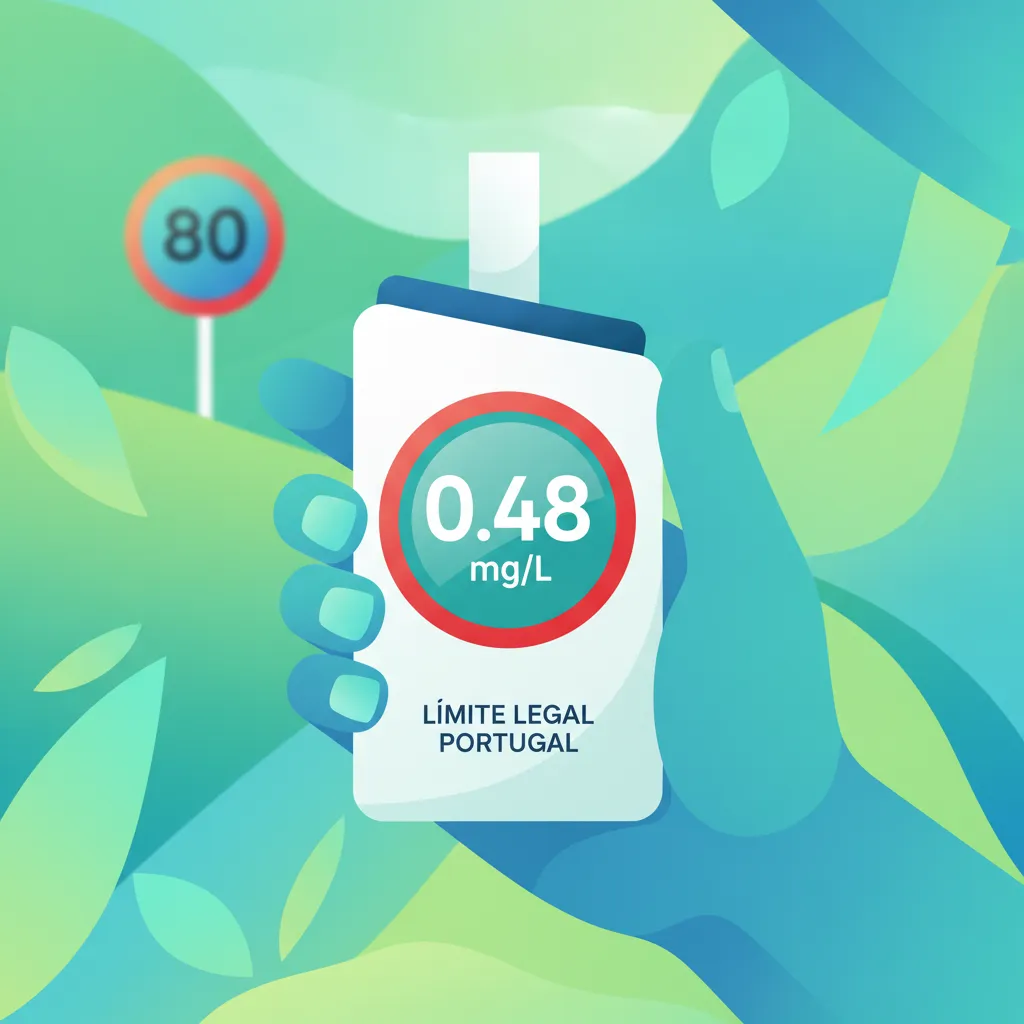
This lesson explains the specific blood alcohol concentration (BAC) limits for different categories of drivers in Portugal. It details how alcohol consumption impairs critical driving skills such as coordination, reaction time, and judgement. The lesson also describes the methods of enforcement, including breathalyzer tests, and the severe legal penalties for driving under the influence.
This lesson emphasizes the development of defensive riding strategies through continuous risk assessment and situational awareness. It teaches techniques for scanning the environment, maintaining safe following distances, and anticipating potential hazards. The importance of a proactive riding attitude and creating safety margins is highlighted to promote a habit of anticipatory riding.
This lesson examines how various weather conditions like wind, heat, and sun glare affect motorcycle handling and rider comfort. It provides guidance on coping with crosswinds, managing heat stress, and mitigating glare from a low sun. Strategies for maintaining visibility and rider alertness under these challenging conditions are discussed in detail.

This lesson addresses the serious risks of driving while fatigued, distracted, or stressed. It teaches drivers to recognize the early warning signs and explains the legal regulations regarding driving hours and rest periods. The content offers practical strategies for managing stress and minimizing distractions to maintain focus on the driving task.
This lesson focuses on the specifics of riding on motorways, covering speed management, lane discipline, and safe entry and exit strategies. Riders will learn how to choose appropriate lanes, maintain safe following distances at high speeds, and execute overtaking safely. The impact of wind and understanding Portuguese motorway signage are also addressed.
Find clear answers to common questions learners have about Physical Condition, Fatigue Management, and Medication. Learn how the lesson is structured, which driving theory objectives it supports, and how it fits into the overall learning path of units and curriculum progression in Portugal. These explanations help you understand key concepts, lesson flow, and exam focused study goals.
The exam often tests your ability to recognize dangerous states of mind. You must identify that fatigue significantly delays reaction times and impairs judgment, making it a critical risk that every rider is responsible for managing.
Yes. If a medication affects your ability to react or focus, you are legally responsible for not operating a vehicle. The theory exam may ask you to identify symptoms or warnings on medication labels.
While it may provide a temporary boost, it is not a substitute for rest. The lesson emphasizes that genuine rest is the only effective way to mitigate fatigue; relying on stimulants is a common pitfall in safety discussions.
It is covered in the theoretical exam as part of the human factor and road safety principles. Understanding this helps you make safer decisions, which directly impacts your performance and safety awareness in all riding categories.
Utilize the powerful search tool to refine your Portuguese driving theory practice. Pinpoint questions related to specific traffic laws, road signs, or complex scenarios from the Código da Estrada. Begin targeted revision now to boost your understanding and confidently approach your IMT driving exam.