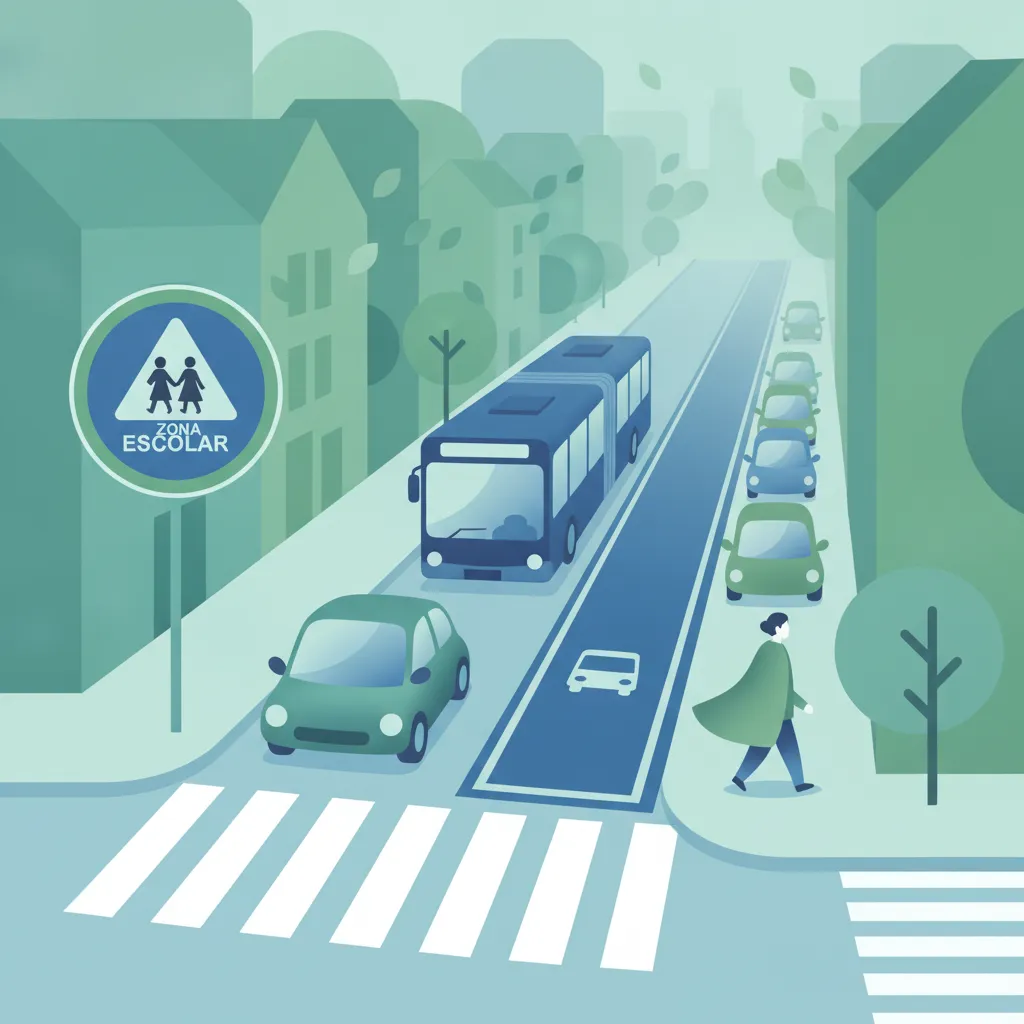
This lesson guides you through navigating specialized urban environments like school zones, bus lanes, and residential streets. As part of our comprehensive motorcycle theory curriculum, you will learn how to adjust your riding for pedestrian safety and legal compliance in these high-traffic areas.
Lesson content overview
This lesson, part of your Motorcycle Licence Theory course, focuses on understanding and safely navigating specific urban environments where unique traffic regulations apply. Within busy cities and towns, special zones are designated to protect vulnerable road users, enhance public transport efficiency, and maintain the quality of life in residential neighborhoods. As a motorcyclist, recognizing these areas and adapting your riding style is paramount for your safety and the safety of others.
We will explore the specific rules, signage, and behavioral adjustments required in School Areas (Zona Escolar), Bus Lanes (Faixa de Trânsito Prioritário), and Residential Streets (Rua Residencial). Mastering these concepts is crucial for confidently passing your theoretical exam and becoming a responsible, competent rider on Portuguese roads.
Familiarity with basic road signs, markings, general speed limits, and priority rules is helpful before delving into these specialized zones.
School zones are areas surrounding educational institutions, meticulously designated to ensure the safety of children and pedestrians. These zones demand exceptional vigilance and adherence to specific traffic laws from all road users, particularly motorcyclists, due to the unpredictable nature of children's movements.
School areas, known as Zona Escolar, are clearly marked by distinctive signage and often supplemented with specific road markings. The most common indicator is a triangular warning sign depicting children, alerting drivers to the potential presence of young pedestrians. This sign typically precedes the actual school entrance or crossing. Additionally, you may encounter speed limit signs specifically for the school zone, flashing amber lights during active school hours, and distinct pedestrian crossing markings.
One of the most critical rules in a school zone is the mandatory reduction of speed. While general urban speed limits might be higher, school zones almost universally enforce a lower maximum speed, typically 30 km/h. This reduced limit is not merely a suggestion; it is a legal requirement designed to provide motorcyclists with more reaction time to unexpected situations, such as a child darting into the road, and to significantly decrease the severity of injuries in the event of a collision.
It is imperative to begin decelerating well before entering the marked zone to smoothly reach the posted speed limit. Abrupt braking can be dangerous, especially on a motorcycle, and can startle other road users.
Within Zona Escolar, pedestrians, especially children, are granted heightened priority. Motorcyclists must be prepared to yield to pedestrians at any designated crossing within the school zone. This means coming to a complete stop if necessary, allowing children to cross safely, and only proceeding when the path is clear. Even outside marked crossings, extreme caution is advised, as children may not always use designated areas.
Overtaking is strictly prohibited within the boundaries of a school zone. This rule is in place to prevent tragic accidents, as an overtaking vehicle may obstruct a rider's view of a crossing child or reduce the escape path for a pedestrian.
Common mistakes by motorcyclists in school zones include failing to reduce speed adequately, neglecting to stop for crossing pedestrians, or attempting an overtaking maneuver. To ride safely, constantly scan the environment for children, school buses, and crossing guards. Be prepared for sudden stops and unexpected movements. Your heightened awareness and responsible riding protect the most vulnerable road users.
Bus lanes, known in Portuguese as Faixa de Trânsito Prioritário or Bus Lane, are vital components of urban traffic management. They are dedicated lanes designed to give priority to public transport vehicles, ensuring their efficient movement and adherence to schedules. Understanding their rules is crucial for motorcyclists to avoid fines and contribute to smooth urban traffic flow.
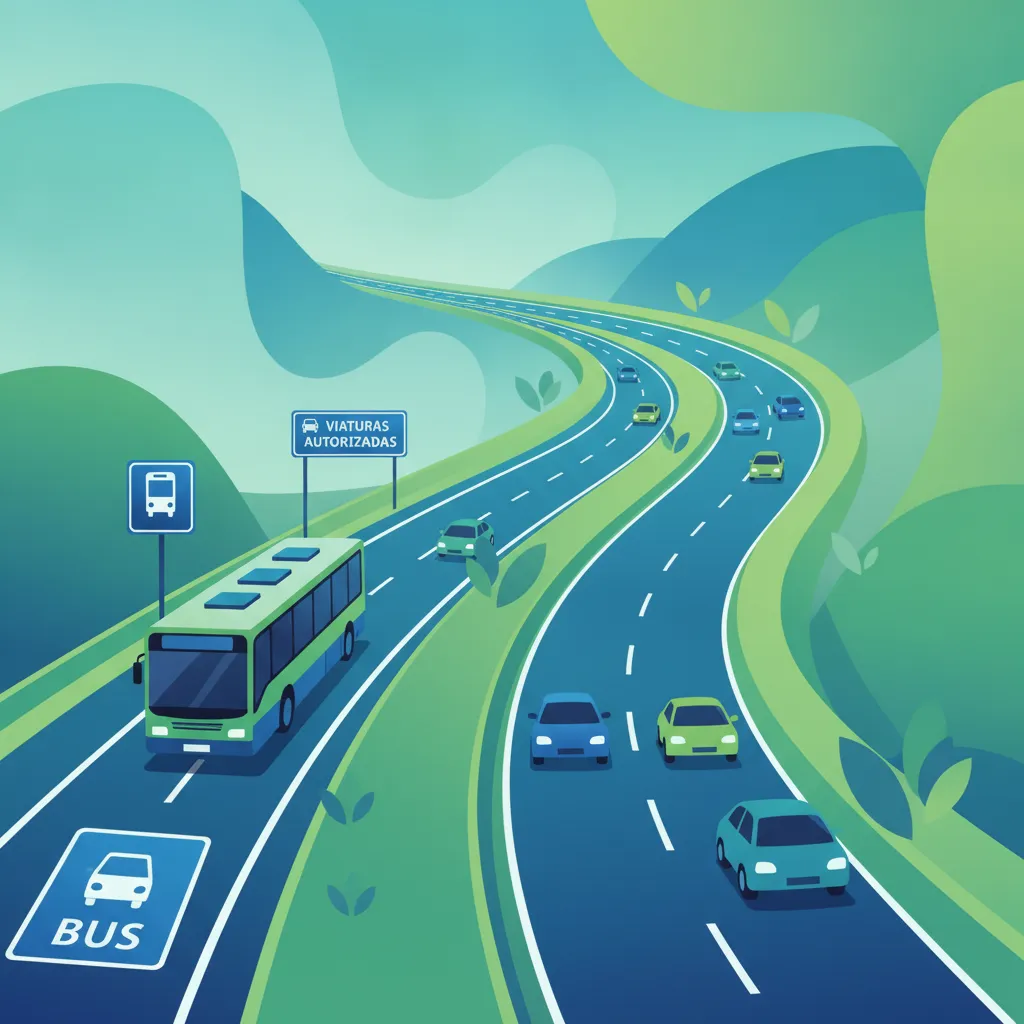
Bus lanes are clearly identifiable by specific signage and road markings. The most common sign is a blue circular sign featuring a white bus icon, often accompanied by the text "BUS" or an arrow indicating the lane. On the road surface, the word "BUS" may be painted repeatedly, and the lane itself might be demarcated by a continuous white line, sometimes thicker than standard lane lines, or even a different color asphalt.
Bus lanes can be broadly categorized into two types:
It is critical for motorcyclists to carefully observe all signage. Assuming a bus lane is mixed-use without explicit indication can lead to significant penalties.
The golden rule for motorcyclists regarding bus lanes is: Do not enter an exclusive bus lane. Violating this rule obstructs public transport, can cause dangerous situations, and results in fines. Overtaking within a bus lane is also prohibited, even if you were somehow permitted to temporarily enter it (e.g., to make an immediate turn where marked).
Only enter a bus lane if the accompanying signage explicitly states that motorcycles are permitted (e.g., through an additional pictogram). Always check for both the main bus lane sign and any supplementary panels.
Common violations include using a bus lane to bypass traffic congestion or treating it as an auxiliary lane. Always stay in the standard traffic lanes unless explicitly authorized to enter the bus lane for a specific purpose, such as turning, and only if indicated by signs and road markings.
Residential streets, or Rua Residencial, are roadways primarily serving local traffic within residential neighborhoods. These areas are designed for quiet, low-speed environments, where residents, including children and the elderly, frequently move between homes, driveways, and local amenities. As such, special rules and increased vigilance are required.
Residential streets are typically characterized by narrower roadways, the presence of parked cars, frequent driveways, and a higher likelihood of encountering pedestrians, children playing, or elderly residents. Speed limits are significantly reduced in these zones, often to 30 km/h, to ensure the safety of vulnerable road users and to maintain a peaceful environment. Some residential areas may be designated as Zona de Coexistência (Coexistence Zones) or Zona de Velocidade Reduzida (Reduced Speed Zones), with even stricter rules.
Many residential streets incorporate traffic calming devices to naturally enforce lower speeds. These can include:
Overtaking is often prohibited in residential streets, particularly where visibility is limited by parked cars, curves, or traffic calming devices. Always look for "no overtaking" signs. Even in the absence of such a sign, it is generally unsafe and ill-advised to overtake in these environments due to the inherent risks associated with high pedestrian activity and limited sightlines.
In residential areas, motorcyclists must grant increased priority to pedestrians. At marked crossings, yielding is mandatory. However, even without explicit markings, drivers are expected to be highly vigilant for pedestrians stepping off sidewalks or emerging from between parked cars. Be particularly cautious at driveways, as residents may enter or exit suddenly. Children playing near the street demand constant attention and readiness to stop instantly.
To ride safely in residential streets:
Adhering to the rules in special urban zones is not just about safety; it is also a legal obligation. The Portuguese Highway Code (Código da Estrada) specifies penalties for violations, ranging from fines to points on your license, and in severe cases, even suspension of driving privileges.
| Regulation | Statement | Applicability | Legal Status | Rationale |
|---|---|---|---|---|
| School Area Speed Limit | Reduce speed to the posted limit (often 30 km/h) when entering a school zone. | When road signs indicate a school zone (e.g., triangular sign with children). | Mandatory | Enhances safety for children and pedestrians. |
| Yield to Pedestrians in School Areas | Give way to pedestrians at designated crossings within the school zone. | At marked pedestrian crossings in school areas. | Mandatory | Pedestrians have legal right-of-way; children are vulnerable. |
| Overtaking Prohibition in School Areas | No overtaking is allowed within the boundaries of a school zone. | In demarcated school areas. | Mandatory | Reduces collision risk, especially for children crossing. |
| Bus Lane Entry Restriction | Do not enter a bus lane unless explicitly designated as mixed-use and motorcycles are permitted. | From start to end of a bus lane (signaled by blue bus lane signs). | Mandatory | Ensures public transport priority and safety. |
| Overtaking in Bus Lanes | Overtaking is prohibited within exclusive bus lanes. | Exclusive bus lanes only. | Mandatory | Maintains flow and safety for public transport. |
| Residential Street Speed Limit | Reduce speed to the posted limit (often 30 km/h) when entering a residential street. | Upon entry into a residential area marked with appropriate signs. | Mandatory | Protects residents and promotes quiet environments. |
| Overtaking Prohibition in Residential Streets | No overtaking where prohibited by signs or where visibility is limited. | Residential zones with specific signage or traffic calming. | Mandatory | Reduces risk of collisions in narrow, high-activity streets. |
| Pedestrian Priority in Residential Streets | Yield to pedestrians at marked crossings and driveways within residential streets. | At all marked pedestrian crossings in residential areas. | Mandatory | Enhances safety for pedestrians in residential zones. |
These regulations are designed to minimize risks for vulnerable road users and ensure the efficient and safe flow of traffic in specific urban contexts. Non-compliance not only risks penalties but significantly increases the likelihood of accidents.
Riding in special urban zones isn't always straightforward. Various conditional factors can influence how you should apply these rules, demanding even greater caution and adaptive riding.
Adverse weather conditions like rain, fog, or low light significantly reduce visibility and tire grip. In school zones, bus lanes, and residential streets, this means:
Some special zones, particularly school areas, may have time-dependent restrictions. For instance, a reduced speed limit of 30 km/h might only be enforced during school hours (e.g., 07:00-18:00 on weekdays). Look for supplementary signs that indicate these time frames. Outside these hours, the general urban speed limit typically applies, but vigilance should still remain high.
Some special zones might combine multiple rules or have nuanced signage. For example, a bus lane might become a mixed-use lane only at certain times of the day, or a residential street might have specific speed limits only in certain segments. Pay close attention to all road signs, supplementary panels, and lane markings (e.g., solid versus dashed lines for bus lanes) to fully understand the applicable rules.
Understanding the "why" behind these regulations helps foster a more responsible and defensive riding approach.
Successfully navigating special urban zones as a motorcyclist requires a combination of knowledge, vigilance, and adherence to specific regulations. By understanding the unique characteristics of school areas, bus lanes, and residential streets, you can significantly enhance your safety and contribute to the overall harmony of urban traffic. Always remember that these zones are designed with a specific purpose – to protect, to facilitate, and to maintain quality of life. Your compliance with their rules is a direct reflection of your responsibility as a rider within the Motorcycle Licence Theory framework.
Practice anticipating hazards, scanning for vulnerable users, and adjusting your speed smoothly. These skills are invaluable for safe urban riding.
Explore all units and lessons included in this driving theory course.
Lesson content overview
Explore all units and lessons included in this driving theory course.
Explore search topics learners often look for when studying Special Zones: School Areas, Bus Lanes, and Residential Streets. These topics reflect common questions about road rules, driving situations, safety guidance, and lesson level theory preparation for learners in Portugal.
Browse additional driving theory lessons that cover connected traffic rules, road signs, and common driving situations related to this topic. Improve your understanding of how different rules interact across everyday traffic scenarios.
Understand the specific traffic rules, speed limits, and potential risks for motorcyclists in Portuguese special urban zones including school areas, bus lanes, and residential streets. Essential driving theory for safe urban navigation.
Urban traffic presents unique challenges such as high density, frequent stops, and limited lane availability. This lesson discusses appropriate lane usage, the legal status of lane filtering, and strategies for navigating stop-and-go traffic. Riders will learn how to select lanes based on traffic flow and maintain visibility while riding through congested city streets.
This lesson explains the purpose and rules of reserved lanes, such as those designated for buses, taxis, or cyclists. It covers how to identify these lanes through signage and road markings, and details the specific times they may be in operation. Drivers will learn when they are permitted to enter these lanes and the penalties for unauthorized use.
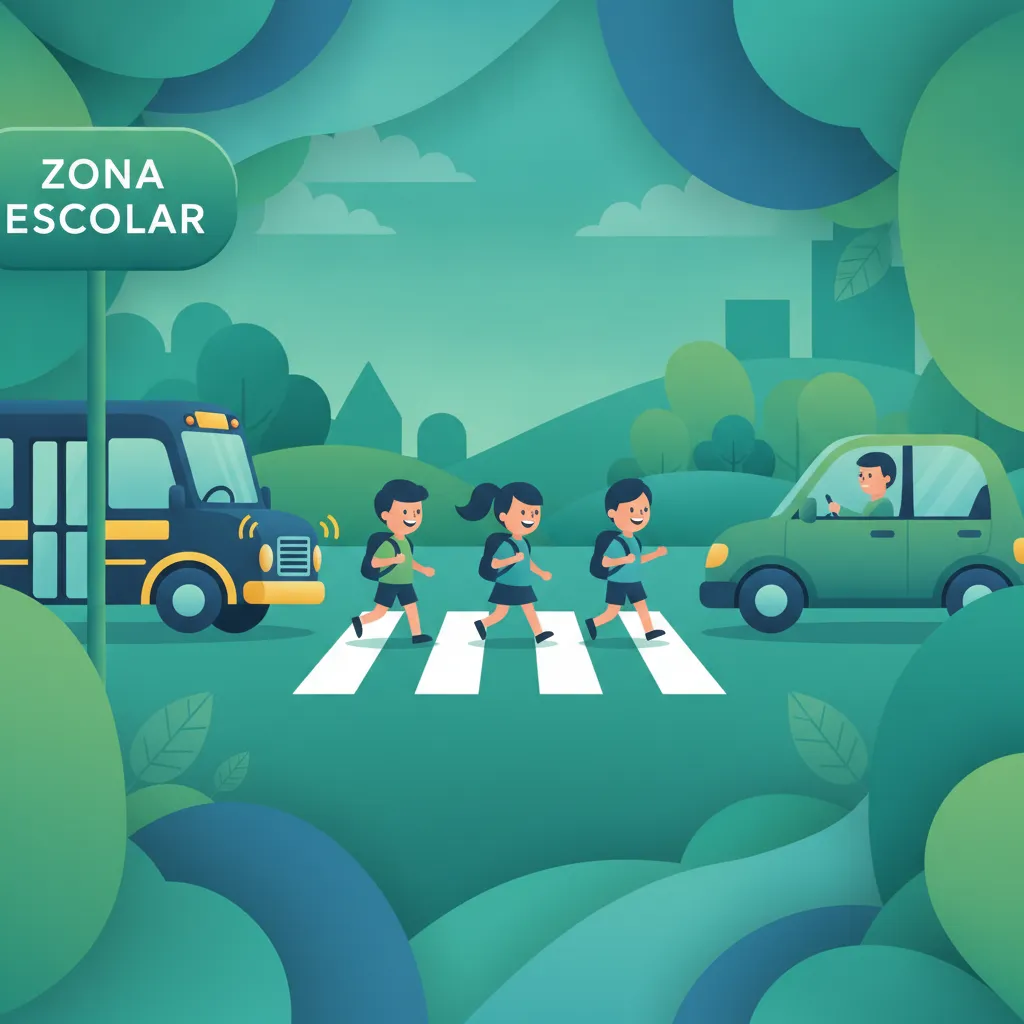
This lesson details the special precautions drivers must take when navigating school zones. It highlights the reduced speed limits that are often in effect during specific hours and the importance of being vigilant for children crossing the road. The content also covers the rules for stopping for school buses when their lights are flashing, to ensure the safety of boarding and alighting students.
This lesson focuses on the specifics of riding on motorways, covering speed management, lane discipline, and safe entry and exit strategies. Riders will learn how to choose appropriate lanes, maintain safe following distances at high speeds, and execute overtaking safely. The impact of wind and understanding Portuguese motorway signage are also addressed.

This lesson provides a detailed overview of the legal requirements and safe driving practices for school zones and pedestrian crossings. It covers mandatory speed limits, the meaning of various signs and signals, and the importance of yielding to pedestrians. The content stresses heightened awareness due to the unpredictable nature of children's behavior near roads.
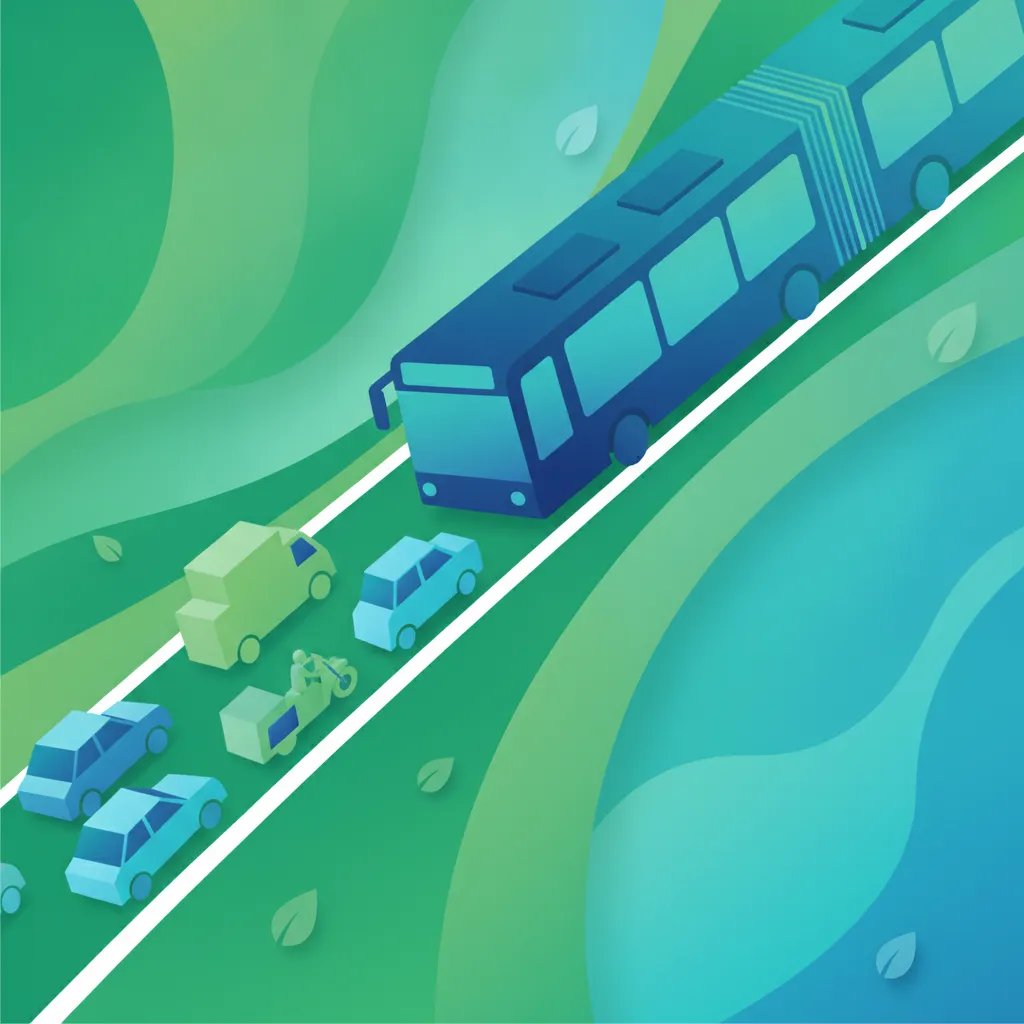
This lesson explains the regulations governing the use of dedicated bus lanes, including operational hours and priority rules at junctions. It clarifies which other vehicles may use these lanes and under what circumstances. The content also discusses traffic signal priority systems and the legal implications of improper bus lane usage.
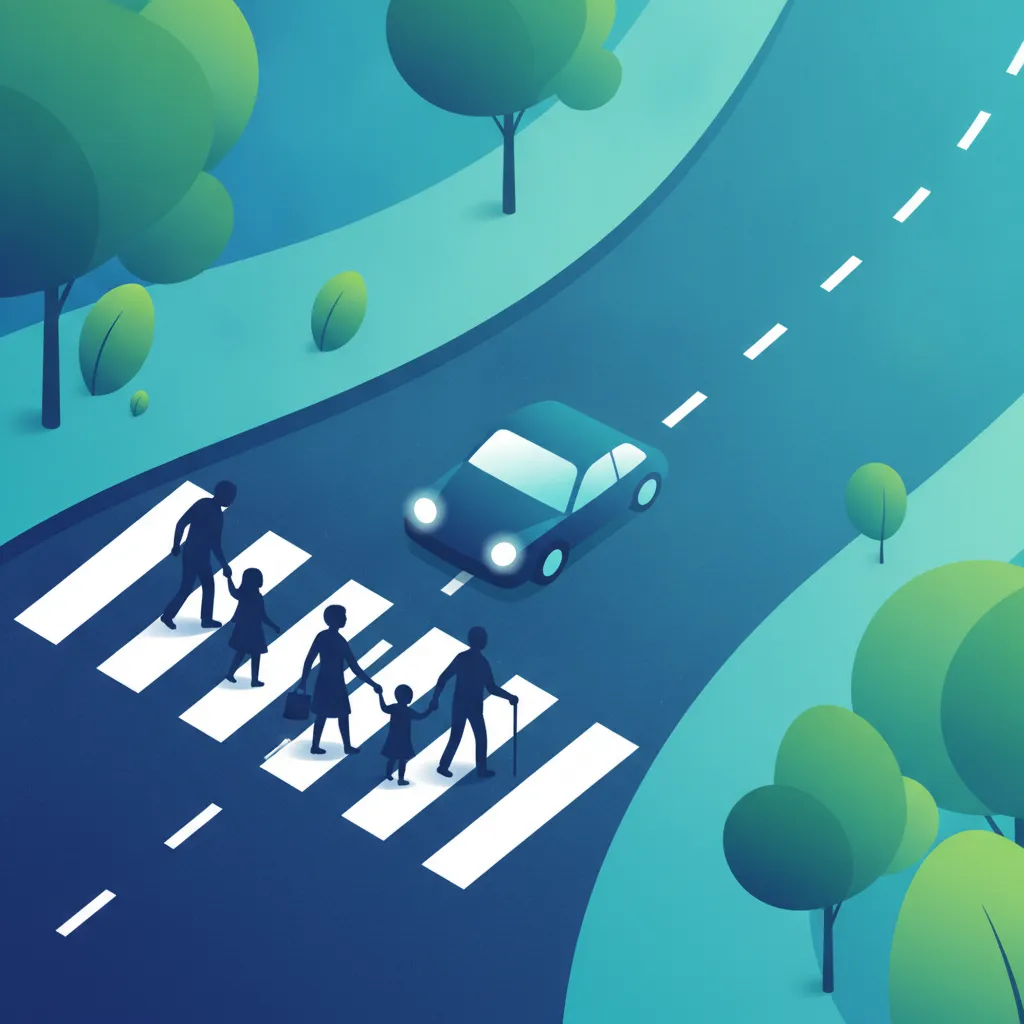
This lesson explores the various types of pedestrian crossings found in Portuguese urban areas, such as zebra crossings. It emphasizes the rider’s responsibility to yield to pedestrians, the importance of reducing speed, and maintaining a safe passing distance. Strategies for anticipating pedestrian behavior and ensuring visibility are discussed to prevent incidents.
This lesson explains the unique set of rules that apply to motorway driving to facilitate safe, high-speed travel. It covers the correct procedure for entering and exiting the motorway, principles of lane discipline (keeping left unless overtaking), and the rules for safe overtaking. The lesson also clarifies the proper use of the hard shoulder or emergency lane for genuine emergencies only.
This lesson delves into the specific priority rules governing intersections and roundabouts in Portugal. It clarifies the hierarchy of signs such as stop and give-way, as well as the rules for entering and navigating roundabouts. Motorcyclists will learn how to position themselves correctly for exits and yield appropriately to ensure safe negotiation of these common traffic features.
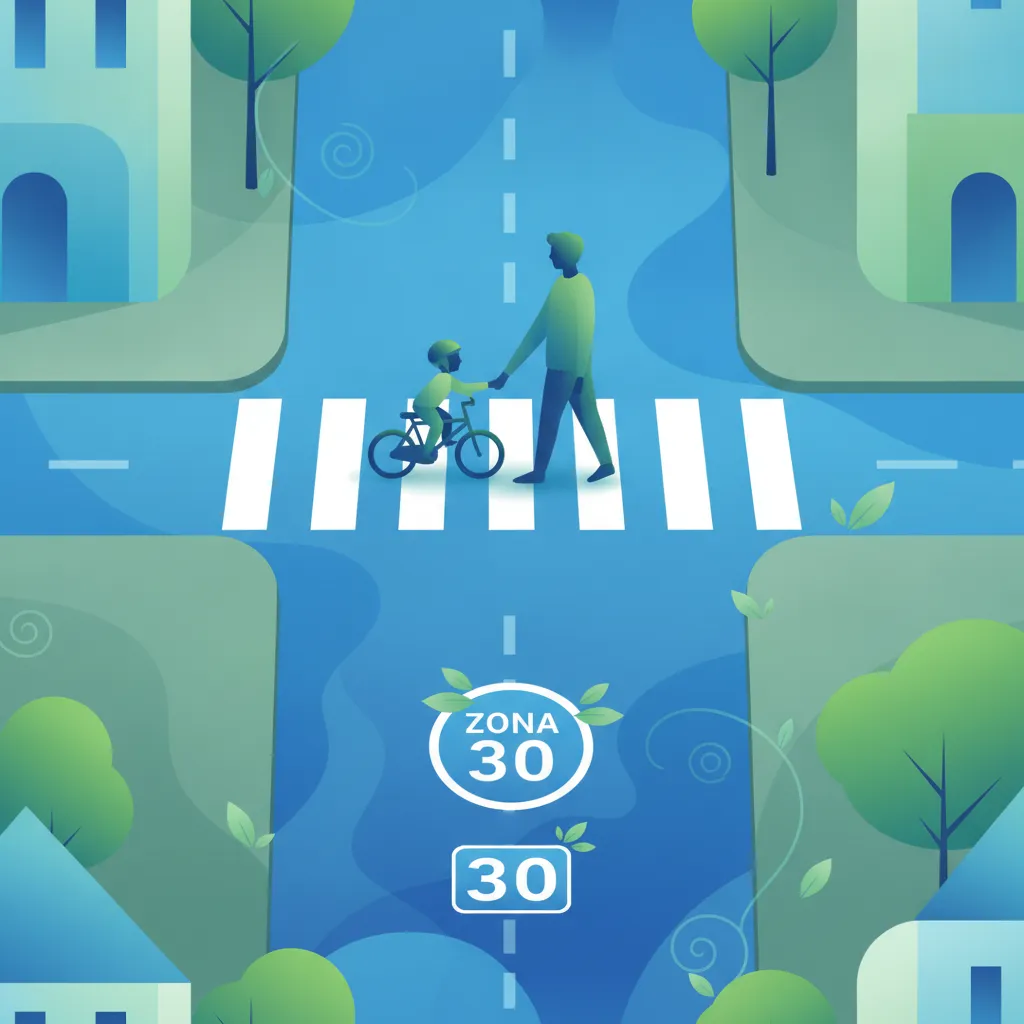
This lesson highlights road markings specifically designed to enhance the safety of vulnerable road users. It focuses on pedestrian crossings (zebra crossings), markings indicating school zones, and symbols for bicycle lanes or shared routes. The content stresses the heightened duty of care and specific actions, such as yielding or stopping, that drivers must take in these designated areas.
Explore how traffic dynamics change in special urban zones like school areas and residential streets, with a focus on protecting vulnerable road users and ensuring safe interactions. Essential Portuguese driving theory.
This lesson details the special precautions drivers must take when navigating school zones. It highlights the reduced speed limits that are often in effect during specific hours and the importance of being vigilant for children crossing the road. The content also covers the rules for stopping for school buses when their lights are flashing, to ensure the safety of boarding and alighting students.
This lesson provides a detailed overview of the legal requirements and safe driving practices for school zones and pedestrian crossings. It covers mandatory speed limits, the meaning of various signs and signals, and the importance of yielding to pedestrians. The content stresses heightened awareness due to the unpredictable nature of children's behavior near roads.

This lesson explores the characteristics that define vulnerable road users, including children, the elderly, and cyclists. It explains how their physical and cognitive limitations can lead to unpredictable behavior on the road. The content focuses on developing a proactive mindset to identify and mitigate risks associated with these groups.
This lesson focuses on the heightened duty of care professional drivers have towards vulnerable road users. It covers common conflict points, such as junctions and roundabouts, and teaches techniques for anticipating the actions of pedestrians, cyclists, and motorcyclists. Giving extra space and being prepared to stop are key themes.

This lesson addresses the specific challenges of driving alongside motorcyclists and large vehicles such as trucks and buses. It highlights the reduced visibility of motorcyclists and the extensive blind spots (no-zones) around heavy vehicles. Drivers will learn to provide extra space, anticipate wide turns, and adjust for factors like spray and wind turbulence.
This lesson explores the various types of pedestrian crossings found in Portuguese urban areas, such as zebra crossings. It emphasizes the rider’s responsibility to yield to pedestrians, the importance of reducing speed, and maintaining a safe passing distance. Strategies for anticipating pedestrian behavior and ensuring visibility are discussed to prevent incidents.
This lesson highlights road markings specifically designed to enhance the safety of vulnerable road users. It focuses on pedestrian crossings (zebra crossings), markings indicating school zones, and symbols for bicycle lanes or shared routes. The content stresses the heightened duty of care and specific actions, such as yielding or stopping, that drivers must take in these designated areas.
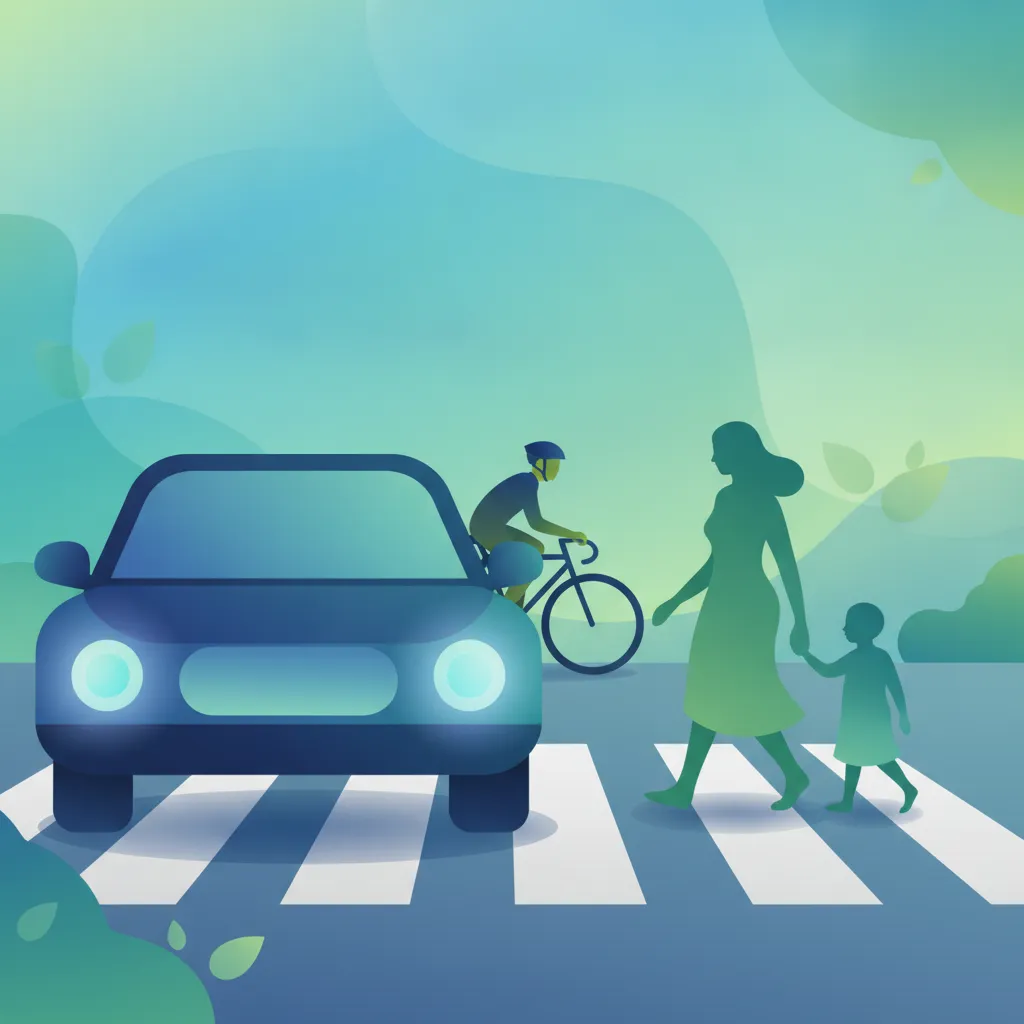
This lesson addresses the heightened risk of interaction with pedestrians and cyclists around bus stops. It explains right-of-way regulations and the importance of vigilance, particularly when turning or pulling away from the curb. The content provides strategies for anticipating the actions of vulnerable road users to prevent conflicts.
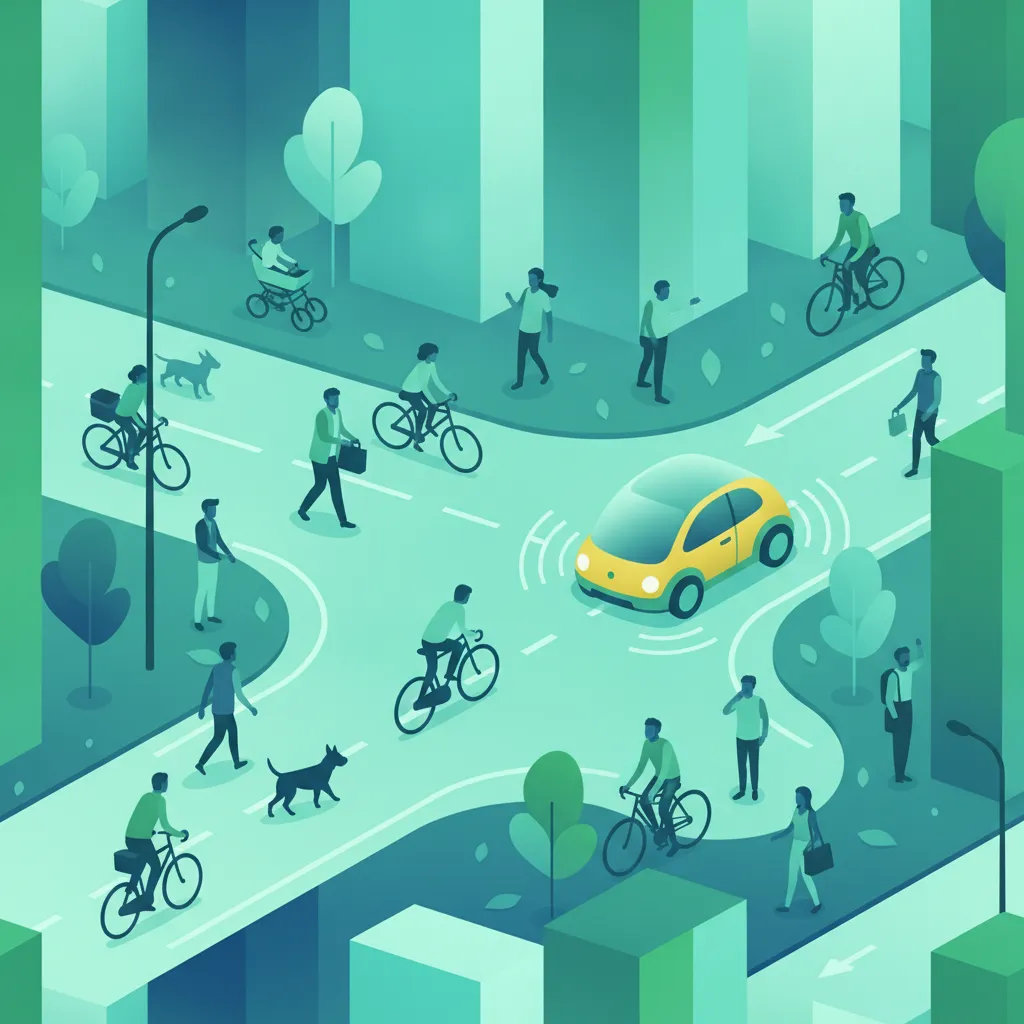
This lesson focuses on the critical skill of managing speed within complex urban settings. It explains that driving at the speed limit is not always the safest option and teaches riders how to adjust their speed based on traffic density, pedestrian activity, and visibility. The content reinforces the principle of always being able to stop safely within the distance you can see to be clear.
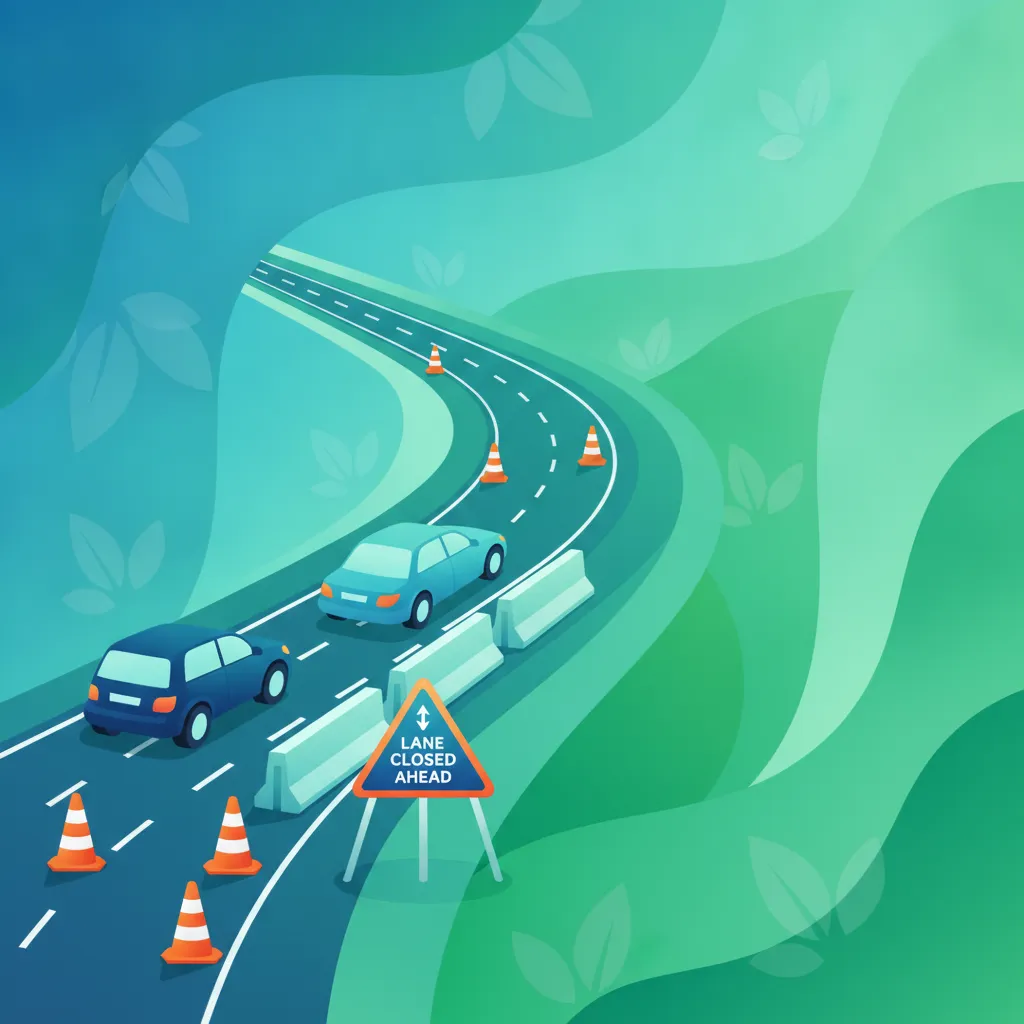
This lesson provides guidance for driving safely through areas of roadworks, where normal road layouts are altered. It stresses the importance of obeying all temporary signage, including reduced speed limits and lane guidance, to protect both drivers and road workers. Drivers will learn to anticipate sudden stops, narrowed lanes, and be aware of potential surface hazards within the construction zone.
Find clear answers to common questions learners have about Special Zones: School Areas, Bus Lanes, and Residential Streets. Learn how the lesson is structured, which driving theory objectives it supports, and how it fits into the overall learning path of units and curriculum progression in Portugal. These explanations help you understand key concepts, lesson flow, and exam focused study goals.
General rule is that bus lanes are reserved for public transport vehicles. However, if a road sign specifically indicates that motorcycles are permitted, you may use it. Always look for the 'except motorcycles' sub-plate on bus lane signs.
While the Code of the Road sets general speed limits, school zones often have specific signage requiring reduced speeds. You must always adhere to the specific speed indicated by a regulatory sign if one is present.
Residential streets are high-risk areas due to limited visibility and potential for children or pets entering the road. Always ride at a speed that allows you to stop instantly and keep your fingers on the brake levers in preparation for hazards.
The exam uses image-based scenarios where you must identify the correct lane position or speed based on the signs visible in the scene. Understanding the priority rules associated with these zones is key to passing.
Utilize the powerful search tool to refine your Portuguese driving theory practice. Pinpoint questions related to specific traffic laws, road signs, or complex scenarios from the Código da Estrada. Begin targeted revision now to boost your understanding and confidently approach your IMT driving exam.