
This lesson explores the psychological factors that influence rider behavior, specifically focusing on how peer pressure and overconfidence affect your safety. It is a critical part of your theory training, helping you align your real-world riding choices with the defensive principles required by the Código da Estrada.

Lesson content overview
In the complex world of motorcycling, skill and knowledge are paramount, but psychological and social factors can significantly influence a rider's decision-making. This comprehensive lesson, part of your Motorcycle Licence Theory: Comprehensive Portuguese Road Safety and Practical Riding Knowledge course, delves into how peer pressure and overconfidence can subtly or overtly lead to unsafe riding choices. By understanding these powerful influences, riders can cultivate assertive, self-aware decision-making habits that consistently prioritize safety over social conformity or inflated self-belief.
Successful navigation of these challenges requires a solid foundation in basic road rules, rider responsibilities, and risk assessment skills, as covered in earlier modules. This lesson builds upon that knowledge, empowering you to maintain control not only of your motorcycle but also of your judgment.
Peer pressure is a pervasive social phenomenon where individuals are influenced by a group to alter their behaviour, often conforming to group expectations. While it can manifest positively, in the context of motorcycling, it frequently leads to risky behaviours that jeopardize safety. When riding in a group, the desire to fit in, impress others, or simply keep up can override a rider's better judgment, pushing them towards actions that deviate from safe and legal practices.
The social influence exerted by a group that motivates an individual to change their behaviour, often towards conformity with group norms or expectations.
The implications of peer pressure on the road are profound. It can encourage riders to exceed speed limits, perform dangerous stunts, or disregard traffic rules they would normally follow when riding solo. Recognizing when group influence is encouraging unsafe practices is the first critical step towards making independent, safety-oriented decisions. Cultivating self-awareness allows riders to identify these pressures and consciously choose a safer path, even if it means momentarily departing from the group's actions.
Overconfidence is an inflated belief in one's riding abilities, knowledge, or the performance capabilities of their motorcycle. This psychological bias often causes riders to underestimate risks, leading to a false sense of security. An overconfident rider might ignore essential safety checks, misjudge stopping distances, or attempt maneuvers beyond their actual skill level.
An excessive belief in one's own riding abilities, knowledge, or vehicle performance, often resulting in an underestimation of real risks and an overestimation of personal handling capabilities.
The consequences of overconfidence can be severe, leading to reckless behaviour, diminished reaction times, and a significantly increased likelihood of accidents. It may manifest as attempting to take corners at excessive speeds, performing hazardous overtakes, or riding aggressively in challenging conditions. A crucial aspect of becoming a safe and competent rider is developing realistic confidence, which involves accurately assessing one's skills and limitations, as well as the capabilities of their machine, under various road and environmental conditions.
Assertive decision-making is the cornerstone of safe motorcycling, especially when confronted with social pressure or personal overestimation. It is the ability to make independent, safety-focused choices that align with legal requirements and best practices, even when these choices conflict with group dynamics or an urge to take risks. This skill empowers riders to prioritize their own safety and the safety of others on the road.
The ability to make independent, safety-focused decisions confidently, even when faced with social pressure, group expectations, or personal overestimation of abilities.
Developing assertiveness means having the confidence to refuse unsafe group behaviours, such as speeding or illegal overtaking, without fear of judgment or exclusion. It involves communicating your decision clearly and respectfully, ensuring that your actions are driven by a commitment to safety rather than a desire for social conformity. This level of self-regulation and situational awareness is vital for all riders, particularly when riding in groups where collective energy can sometimes overshadow individual responsibility.
When riders travel together, a unique set of group riding dynamics comes into play, influencing collective behaviour, speed, and positioning. While group rides can be enjoyable, they introduce complexities that require heightened awareness and adherence to safety principles.
One common challenge is the herd mentality, where riders follow the lead of others without independent assessment of the situation. This can lead to all members of a group adopting unsafe speeds or maneuvers simply because the lead rider initiated them. Another aspect is speed matching, where riders adjust their speed to maintain group cohesion, potentially encouraging faster riding than is safe or legal for the prevailing conditions.
For instance, a group might collectively decide to ride at 70 km/h through a residential area with a 50 km/h speed limit because the lead rider is maintaining that pace. This collective adherence to an unsafe speed is a direct result of group dynamics overriding individual judgment. It is imperative that every rider in a group adheres to speed limits and adapts their speed based on road conditions, traffic density, and personal comfort levels, regardless of the group's pace. Common mistakes include ignoring speed limits to keep up or riding too close to maintain formation, both of which increase risk.
Riding a motorcycle involves a continuous tension between adhering to social expectations within a group and strictly conforming to the Código da Estrada (Portuguese Road Code) and established safety standards. Legal conformity dictates that all road users must follow traffic signs, speed limits, and safety protocols without exception. Conversely, social conformity can pressure a rider to adapt their behaviour to align with group norms, even if those norms are unsafe or illegal.
For example, a rider might feel compelled to take a shortcut through a prohibited area or disregard a stop sign because their peers are doing so. Prioritizing group expectations over legal requirements is a common mistake that can lead to fines, demerit points, and, most importantly, serious accidents. Always remember that your legal obligations as a rider supersede any informal group rules or pressures. Your responsibility is to yourself and other road users, not to conforming to potentially unsafe group behaviours.
Confidence is essential for safe riding, but its calibration is critical. Realistic confidence means accurately acknowledging your true skill level and understanding your personal limits, as well as the limitations of your motorcycle. This self-awareness allows you to make informed decisions about what maneuvers you can safely execute and under what conditions.
In contrast, inflated confidence, or overconfidence, involves overestimating your abilities. This can lead to attempting maneuvers beyond your skill level, such as executing complex overtakes in heavy traffic or pushing the limits of grip on unfamiliar roads. A rider with inflated confidence might believe they can handle any situation, regardless of their experience. This can lead to an increase in risky behaviour, a reduction in the attention paid to potential hazards, and a higher likelihood of accidents.
Regularly practice fundamental riding skills in controlled environments and gradually challenge yourself. This builds genuine skill and self-awareness, leading to realistic confidence rather than dangerous overconfidence.
Constantly seeking to improve your riding skills is commendable, but believing that skill automatically improves with risky behaviour is a dangerous fallacy. True improvement comes from disciplined practice, continuous learning, and an honest assessment of your performance, not from reckless acts.
Understanding how traffic rules apply in group riding scenarios is crucial for maintaining safety and preventing conflicts with other road users. Two primary considerations are lane discipline and space management.
Lane discipline involves maintaining appropriate lane positions within a group while adhering to the legal requirements for lane usage. Riders must understand that even in a staggered formation, they are still considered to be within their designated lane. They must not obstruct other traffic or occupy more than one lane. Space management is equally important, requiring sufficient distance between riders to allow for safe stopping, maneuvering, and reaction to sudden hazards.
A common mistake in group riding is for riders to ride side-by-side in the same lane, which is illegal in Portugal and significantly reduces maneuverability for both riders. Another issue can be a group formation that effectively blocks multiple lanes, creating frustration and potential hazards for other vehicles. Riders must always respect legal requirements for lane usage and ensure their group formation does not impede the flow of traffic or compromise safety.
Adhering to the Código da Estrada (Portuguese Road Code) is non-negotiable for all riders, especially when operating in a group where collective behaviour can sometimes lead to infringements.
All riders, individually and as part of a group, must strictly adhere to posted speed limits. These limits are established based on road design, traffic density, and safety considerations. Group cohesion should never be an excuse to exceed them. For example, if a group is riding through an urban area with a 30 km/h limit, every rider must maintain that speed, even if the lead rider attempts to go faster. Failure to do so incurs fines and increases accident risk.
Motorcyclists must stay within their designated lane unless they are performing a safe and legal overtaking maneuver or taking an exit. Riding side-by-side in a single lane is prohibited as it obstructs traffic and reduces critical reaction space. When riding in a staggered formation, each rider is still considered to be within their lane, maintaining adequate space from the rider in front and to their side.
Overtaking must always be performed safely, within marked lanes, and without endangering other road users. This means checking mirrors, blind spots, signaling, and ensuring there is ample clear distance to complete the maneuver. Attempting to overtake as a group, or weaving between lanes, is illegal and highly dangerous. Each rider must perform overtakes independently and responsibly.
The Código da Estrada strictly prohibits performing risky maneuvers, stunts, or any behaviours that jeopardize personal and public safety on public roads. This includes wheelies, stoppies, excessive speed, or riding through red lights. Such actions are not only illegal but also demonstrate a complete disregard for safety.
At intersections, roundabouts, and pedestrian crossings, riders must always respect right-of-way rules and priority signs. Yielding to pedestrians or stopping at a stop sign is mandatory, regardless of whether the rest of your group proceeds illegally. Prioritizing group momentum over established priority rules is a common cause of serious collisions.
Before any ride, especially a group ride that might involve shared luggage, riders must ensure their motorcycle is in good mechanical condition and not overloaded. Exceeding the vehicle's load limit can severely compromise handling, braking, and stability, increasing the risk of an accident.
Operating a motorcycle under the influence of alcohol or psychoactive substances is strictly prohibited by Portuguese law. Impairment significantly reduces reaction times, judgment, and coordination, making safe riding impossible. Riders must never consume alcohol or drugs before or during a ride, and should encourage their peers to do the same.
Understanding common violations linked to peer pressure and overconfidence is crucial for prevention.
Why Wrong: This directly violates posted speed limits and exponentially increases the risk of accidents. Reaction times diminish, and stopping distances increase. Correct Behavior: Always adjust your speed to the legal limit and prevailing conditions. If the group's pace is unsafe, temporarily leave the formation or communicate your decision to ride at a safe speed. Consequence: Fines, demerit points, increased accident likelihood, and potential injury.
Why Wrong: This blocks traffic, violates Portuguese lane discipline rules, and drastically reduces maneuverability for both riders, making evasive action difficult. Correct Behavior: Ride in a single-file or a staggered formation, ensuring adequate spacing both longitudinally and laterally. Consequence: Fines, danger to yourself and other road users, and potential collisions.
Why Wrong: Overtaking as a group is often uncoordinated and can lead to multiple riders simultaneously occupying unsafe positions, increasing collision risk. It typically violates regulations that require safe and clear overtaking. Correct Behavior: Each rider must perform overtaking maneuvers individually, assessing the situation, checking for clear visibility, and ensuring sufficient distance. Consequence: Fines, danger of serious accidents, and potential criminal charges for reckless driving.
Why Wrong: Disregarding priority rules at intersections or crossings creates a high collision risk with other vehicles or pedestrians who have the right of way. Correct Behavior: Always stop and yield according to signs and traffic flow, irrespective of the group's actions. Your safety is paramount. Consequence: Accident risk, heavy fines, demerit points, and potential liability.
Why Wrong: Such actions are illegal in Portugal and endanger the rider, passengers, and all other road users. They indicate a severe lack of judgment and respect for traffic laws. Correct Behavior: Reserve stunts for closed courses or private property. On public roads, adhere strictly to traffic laws and safe riding practices. Consequence: Heavy fines, vehicle seizure, potential criminal charges, and serious injury.
Why Wrong: Overconfidence in vehicle control or a reluctance to break formation in adverse weather reduces reaction time and increases the risk of losing control. Correct Behavior: Reduce speed significantly, increase following distances, and loosen formation. If conditions are too dangerous, consider stopping or leaving the group temporarily. Consequence: Higher risk of hydroplaning, skidding, loss of control, and accidents.
The influence of peer pressure and overconfidence can be amplified or mitigated by external conditions. Safe decision-making requires adapting your riding style accordingly.
The choices you make on a motorcycle are heavily influenced by psychological factors, not just your physical skill.
Applying theoretical knowledge to practical scenarios is vital for developing sound judgment.
Setting: A group of five motorcyclists are riding through a residential area in Porto with a posted speed limit of 30 km/h. The lead rider consistently pushes the speed to 45 km/h, expecting the others to keep up. Relevant Rule: Speed limits must be respected in all situations (mandatory). Correct Behavior: A rider maintains the legal speed of 30 km/h, signaling their intention to the group leader if necessary, and accepting that they might temporarily fall behind. Their priority is adhering to the Código da Estrada and ensuring safety. Incorrect Behavior: All riders accelerate to 45 km/h to maintain group formation, disregarding the safety of residents and the risk of a fine. Explanation: Exceeding speed limits in residential areas significantly increases the risk of collision, particularly with vulnerable road users. Group cohesion should never override legal and safety requirements.
Setting: You are riding with a group on a two-lane rural road (one lane in each direction) with moderate traffic. The rider in front of you attempts a risky overtake on a blind curve, expecting you to follow quickly. Relevant Rule: Overtaking rules must be followed (mandatory); safe overtaking requires clear visibility and sufficient distance. Correct Behavior: You assess the situation independently, recognize the danger of the blind curve, and wait for a safe, clear stretch of road with full visibility before executing any overtaking maneuver, if at all. You do not follow the lead of the reckless rider. Incorrect Behavior: You feel pressured to quickly follow the lead rider, attempting to overtake on the blind curve despite the obvious danger. Explanation: Overconfidence, especially when influenced by peer behaviour, can lead to extremely dangerous overtaking decisions. Each rider must perform their own risk assessment.
Setting: During a stop at a scenic viewpoint on a public road, one rider in your group suggests doing a "wheelie" across the car park for a photo opportunity. Relevant Rule: Prohibition of dangerous stunts and behaviours (mandatory) on public roads. Correct Behavior: You and other responsible riders politely decline, reminding the group that such maneuvers are illegal and unsafe on public roads, suggesting perhaps finding a closed, private area for such activities if desired. Incorrect Behavior: You yield to the pressure and perform a wheelie, risking loss of control, injury, and legal penalties. Explanation: Performing stunts on public roads is not only illegal but also endangers yourself and others. Assertive decision-making means refusing to participate in unsafe activities, even when encouraged by peers.
Setting: Your group embarks on a long journey, but halfway through, heavy rain begins, drastically reducing visibility and road grip. The group leader, seemingly unconcerned, maintains a high speed and tight formation. Relevant Rule: Riders must adjust speed and following distance based on weather conditions (mandatory). Correct Behavior: You immediately reduce your speed, significantly increase your following distance, and activate your dipped beam headlight. You communicate to the group (if possible) or simply ride at a pace that ensures your safety, potentially letting the faster group pull ahead if they refuse to slow down. Incorrect Behavior: You continue at the prior speed and maintain a tight formation, hoping to keep up with the group, despite the increased risk of hydroplaning or losing control. Explanation: Poor weather necessitates a complete adjustment of riding behaviour. Overconfidence or peer pressure to maintain a pace unsafe for conditions drastically increases accident risk. Personal safety must always take precedence.
Navigating the road safely requires more than just technical skill; it demands a strong psychological foundation to resist negative influences. Riders must:
By embracing these principles, you will become a more confident, responsible, and ultimately, a safer rider on Portuguese roads, capable of making sound judgments under any circumstances.
Explore all units and lessons included in this driving theory course.
Lesson content overview
Explore all units and lessons included in this driving theory course.
Explore search topics learners often look for when studying Peer Pressure, Overconfidence, and Safe Decision-Making. These topics reflect common questions about road rules, driving situations, safety guidance, and lesson level theory preparation for learners in Portugal.
Browse additional driving theory lessons that cover connected traffic rules, road signs, and common driving situations related to this topic. Improve your understanding of how different rules interact across everyday traffic scenarios.
Explore how social dynamics like peer pressure and overconfidence impact rider decisions in Portugal. Learn strategies for assertive decision-making to maintain safety and adhere to Portuguese traffic laws, even in group riding scenarios.
This lesson focuses on the psychological aspects of safe riding, helping riders recognize and manage high-risk behaviors. It discusses the dangers of distraction, particularly from mobile phones, and the influence of peer pressure and overconfidence. The content encourages the development of a mature risk assessment mindset and emphasizes the importance of riding only when physically and mentally fit.

This lesson emphasizes the development of defensive riding strategies through continuous risk assessment and situational awareness. It teaches techniques for scanning the environment, maintaining safe following distances, and anticipating potential hazards. The importance of a proactive riding attitude and creating safety margins is highlighted to promote a habit of anticipatory riding.

This lesson identifies and corrects prevalent myths and misunderstandings among new riders, such as incorrect beliefs about lane filtering or priority. It discusses the dangers of assuming visibility or overestimating braking capabilities, highlighting critical rider errors. By addressing these misconceptions, learners can recognize and avoid common mistakes, fostering a mindset of safety awareness.

This lesson addresses the ethical and social aspects of operating a moped or light quadricycle. It encourages riders to adopt a responsible attitude that contributes positively to the road safety culture through courteous and respectful behavior. The content also touches upon the rider's role in minimizing environmental impact and promoting safe coexistence with all other road users.

This lesson examines how various weather conditions like wind, heat, and sun glare affect motorcycle handling and rider comfort. It provides guidance on coping with crosswinds, managing heat stress, and mitigating glare from a low sun. Strategies for maintaining visibility and rider alertness under these challenging conditions are discussed in detail.

This lesson addresses the human factors influencing riding safety, focusing on the rider’s physical condition, fatigue, and medication effects. It outlines signs of rider fatigue, recommended rest periods, and proper hydration and nutrition strategies. The content also discusses how certain medications can affect reaction times and coordination, providing critical safety guidance.
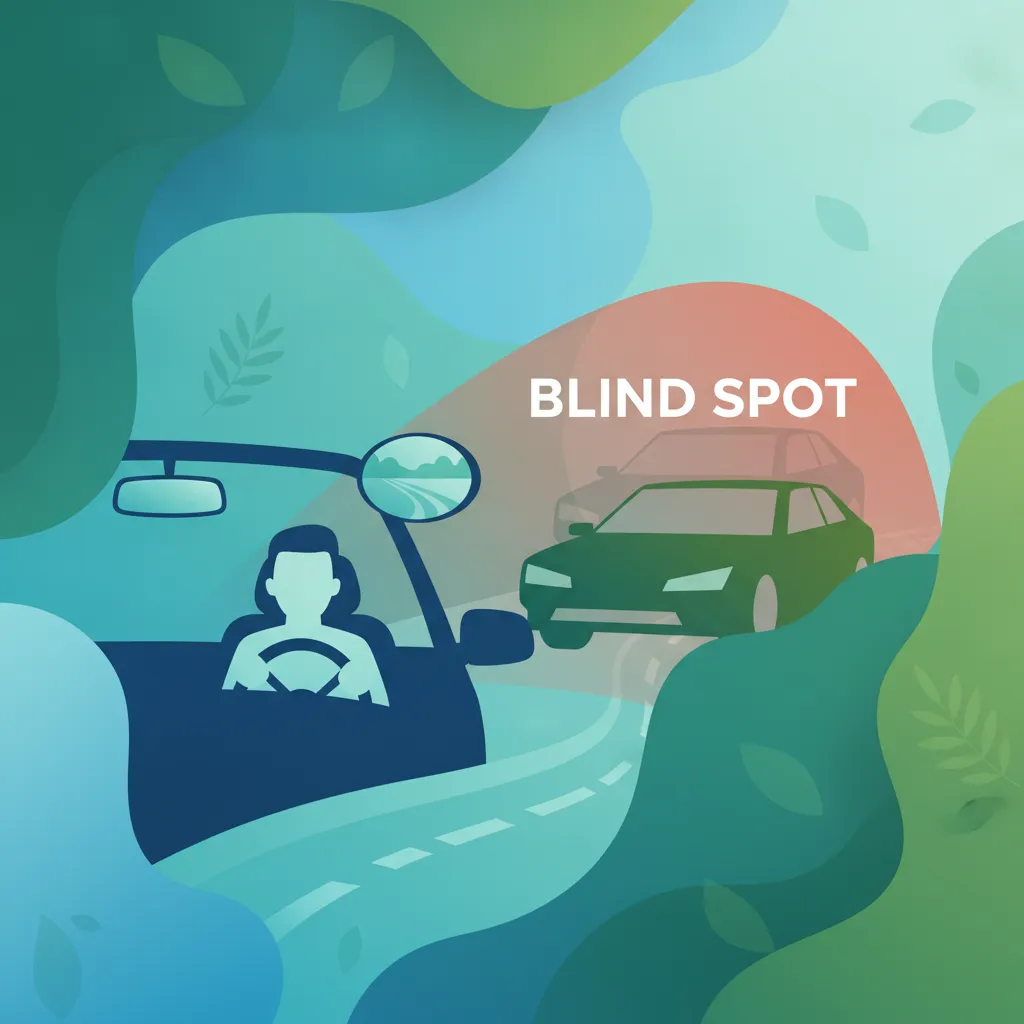
Focusing on blind spots, this lesson explains the areas where riders may become invisible to drivers of larger vehicles. It discusses how to assess and avoid these zones, especially during overtaking or when riding alongside other vehicles. Techniques for positioning oneself safely and ensuring visibility to other drivers are provided to reduce collision risk.

Focusing on the ethical dimension of riding, this lesson outlines the core duties motorcyclists owe to other road users and the environment. It highlights the necessity of maintaining safe riding habits, minimizing environmental impact through efficient riding, and adhering to traffic etiquette. Internalizing these responsibilities fosters a respectful and socially responsible approach to road sharing.
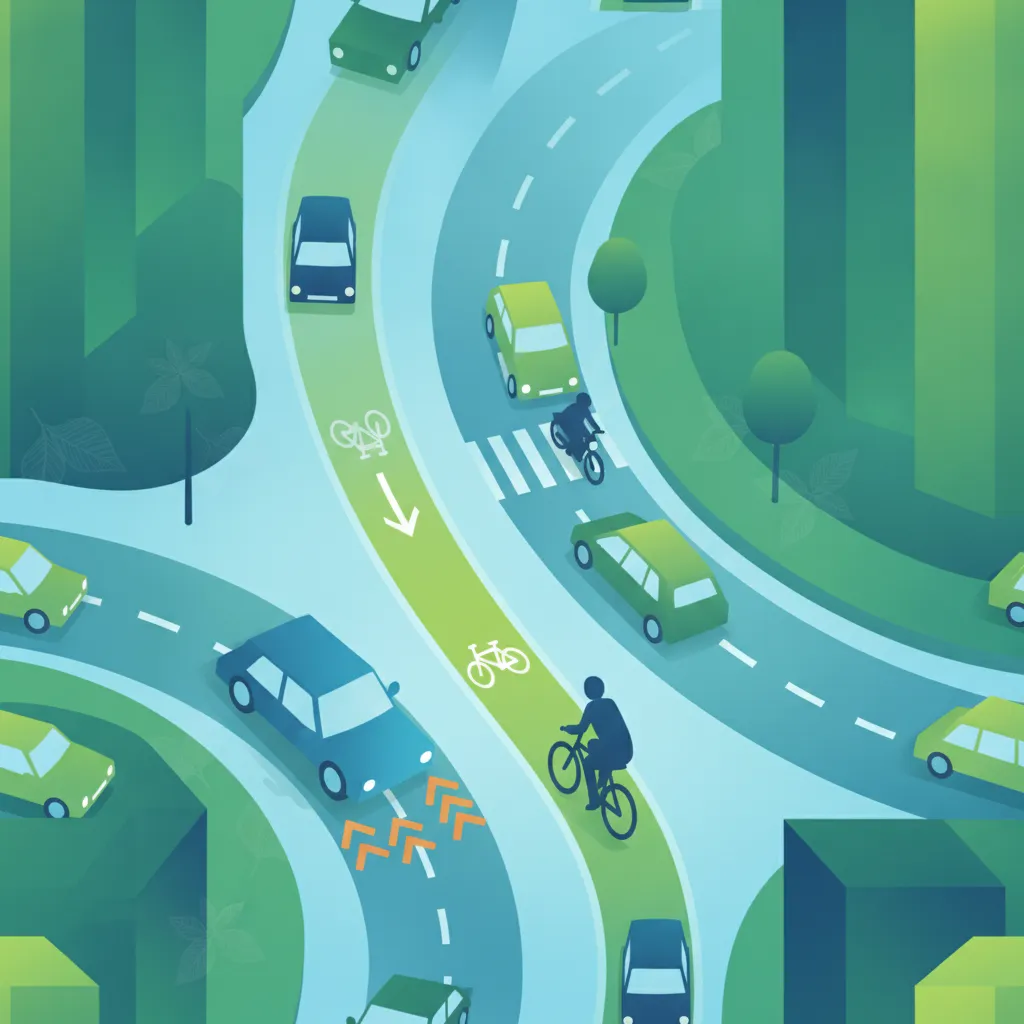
Urban traffic presents unique challenges such as high density, frequent stops, and limited lane availability. This lesson discusses appropriate lane usage, the legal status of lane filtering, and strategies for navigating stop-and-go traffic. Riders will learn how to select lanes based on traffic flow and maintain visibility while riding through congested city streets.

This lesson examines how alcohol, drugs, and fatigue impair riding ability. It details legal blood alcohol limits in Portugal, the physiological effects of intoxication, and how substances alter perception and reaction time. Fatigue symptoms and their impact on concentration are also discussed, emphasizing the legal and safety consequences of impaired riding.
Understand the critical differences between adhering to Portugal's Código da Estrada and conforming to group riding expectations. Learn how to prioritize legal obligations and safe practices over potentially risky group behaviours.
Focusing on the ethical dimension of riding, this lesson outlines the core duties motorcyclists owe to other road users and the environment. It highlights the necessity of maintaining safe riding habits, minimizing environmental impact through efficient riding, and adhering to traffic etiquette. Internalizing these responsibilities fosters a respectful and socially responsible approach to road sharing.
This lesson addresses the ethical and social aspects of operating a moped or light quadricycle. It encourages riders to adopt a responsible attitude that contributes positively to the road safety culture through courteous and respectful behavior. The content also touches upon the rider's role in minimizing environmental impact and promoting safe coexistence with all other road users.

This lesson examines the hierarchy of road users defined by Portuguese law, emphasizing the right-of-way principles that apply to motorcycles. It covers priority at intersections, the rules governing roundabouts, and how motorcyclists must act upon these regulations when sharing space with larger vehicles. Understanding these priority rules is vital for avoiding conflicts and reducing accident risk.

This lesson examines the meaning of various road surface markings and lane dividers, explaining how they guide motorcycle positioning. It distinguishes between solid and broken lines, the significance of lane width, and legal considerations for lane use. Emphasis is placed on maintaining appropriate lane discipline and positioning to ensure visibility and reduce conflict.
This lesson focuses on the specifics of riding on motorways, covering speed management, lane discipline, and safe entry and exit strategies. Riders will learn how to choose appropriate lanes, maintain safe following distances at high speeds, and execute overtaking safely. The impact of wind and understanding Portuguese motorway signage are also addressed.
This lesson emphasizes the development of defensive riding strategies through continuous risk assessment and situational awareness. It teaches techniques for scanning the environment, maintaining safe following distances, and anticipating potential hazards. The importance of a proactive riding attitude and creating safety margins is highlighted to promote a habit of anticipatory riding.
This lesson explores regulatory signs that impose mandatory actions or prohibitions, detailing their implications for motorcyclists. It covers signs such as stop, give-way, speed limits, and no overtaking zones, ensuring riders understand and comply with these regulations. Particular attention is given to restrictions that may specifically affect motorcycles in different road environments.
This lesson focuses on the psychological aspects of safe riding, helping riders recognize and manage high-risk behaviors. It discusses the dangers of distraction, particularly from mobile phones, and the influence of peer pressure and overconfidence. The content encourages the development of a mature risk assessment mindset and emphasizes the importance of riding only when physically and mentally fit.

This lesson focuses on riding safely on two-way roads and narrow lanes where space is limited. It emphasizes maintaining lane discipline, using the road edge when appropriate, and anticipating oncoming traffic. Techniques for safe passing, speed control, and positioning to maximize visibility and minimize collision risk are provided.

This lesson explores the various types of pedestrian crossings found in Portuguese urban areas, such as zebra crossings. It emphasizes the rider’s responsibility to yield to pedestrians, the importance of reducing speed, and maintaining a safe passing distance. Strategies for anticipating pedestrian behavior and ensuring visibility are discussed to prevent incidents.
Find clear answers to common questions learners have about Peer Pressure, Overconfidence, and Safe Decision-Making. Learn how the lesson is structured, which driving theory objectives it supports, and how it fits into the overall learning path of units and curriculum progression in Portugal. These explanations help you understand key concepts, lesson flow, and exam focused study goals.
Peer pressure often leads riders to mimic the risky behavior of others, such as speeding, aggressive overtaking, or ignoring traffic signs, to fit in or prove skill. Recognizing this is crucial for the theory exam as it directly impacts your ability to assess hazards correctly.
Overconfidence often stems from a lack of experience. You can mitigate this by sticking strictly to the rules of the Código da Estrada, continuously practicing defensive riding, and acknowledging that your skill level is still developing. Never assume you have mastered the road.
Yes, the Portuguese theory exam includes questions related to the human factors of driving, including attitude, social responsibility, and how personal mental states influence your actions on the road, which is why this lesson is vital.
Safety must always be your priority. If the group's behavior creates an unsafe environment, you should assertively choose to adjust your speed, maintain a safe distance, or detach from the group entirely to prioritize your own life and compliance with traffic laws.
Utilize the powerful search tool to refine your Portuguese driving theory practice. Pinpoint questions related to specific traffic laws, road signs, or complex scenarios from the Código da Estrada. Begin targeted revision now to boost your understanding and confidently approach your IMT driving exam.