
Logo
Portuguese Driving Theory Courses

Lesson 5 of the AM Licence Basics and Small Vehicle Responsibility unit

Portuguese Driving Theory AM: Ethical Riding and Social Responsibility

This lesson explores the vital role of empathy and social responsibility in operating a moped or light quadricycle in Portugal. It builds on your understanding of vehicle operation to ensure you contribute to a positive and safe traffic environment for all users. By mastering these principles, you will be well-prepared for behavioral questions on your official IMT theory exam.
road safetyAM theorydefensive ridingroad behaviorPortugal driving
Portuguese Driving Theory AM: Ethical Riding and Social Responsibility

Lesson content overview

Portuguese Driving Theory AM

Ethical Riding and Social Responsibility for Category AM Drivers in Portugal

Operating a moped or light quadricycle, while offering freedom and convenience, comes with significant responsibilities that extend beyond simply obeying traffic laws. Ethical riding involves adopting a mindset that prioritizes safety, respect, and environmental consciousness, contributing positively to the overall road safety culture in Portugal. This lesson explores the moral, social, and environmental duties of every Category AM rider, encouraging a responsible attitude that benefits everyone on the road.

Ethical riding is a commitment to conscientious behavior that goes beyond the minimum legal requirements. It's about making choices that enhance safety, foster cooperation, and minimize negative impacts on others and the environment. For Category AM operators, understanding this broader role is crucial for preventing accidents, promoting harmonious coexistence with diverse road users, and protecting public health and the environment. This foundational understanding ties into various aspects of driving theory, from vehicle maintenance to understanding complex traffic situations.

The Power of Courtesy: Fostering Harmony and Safety in Traffic

Courteous behavior on the road involves voluntary actions that demonstrate consideration for other road users, ultimately improving traffic harmony and safety. While not always legally mandated, these actions reduce conflict, enhance predictability, and encourage cooperation among all participants. Practicing courtesy means actively looking for opportunities to make the road safer and more pleasant for everyone.

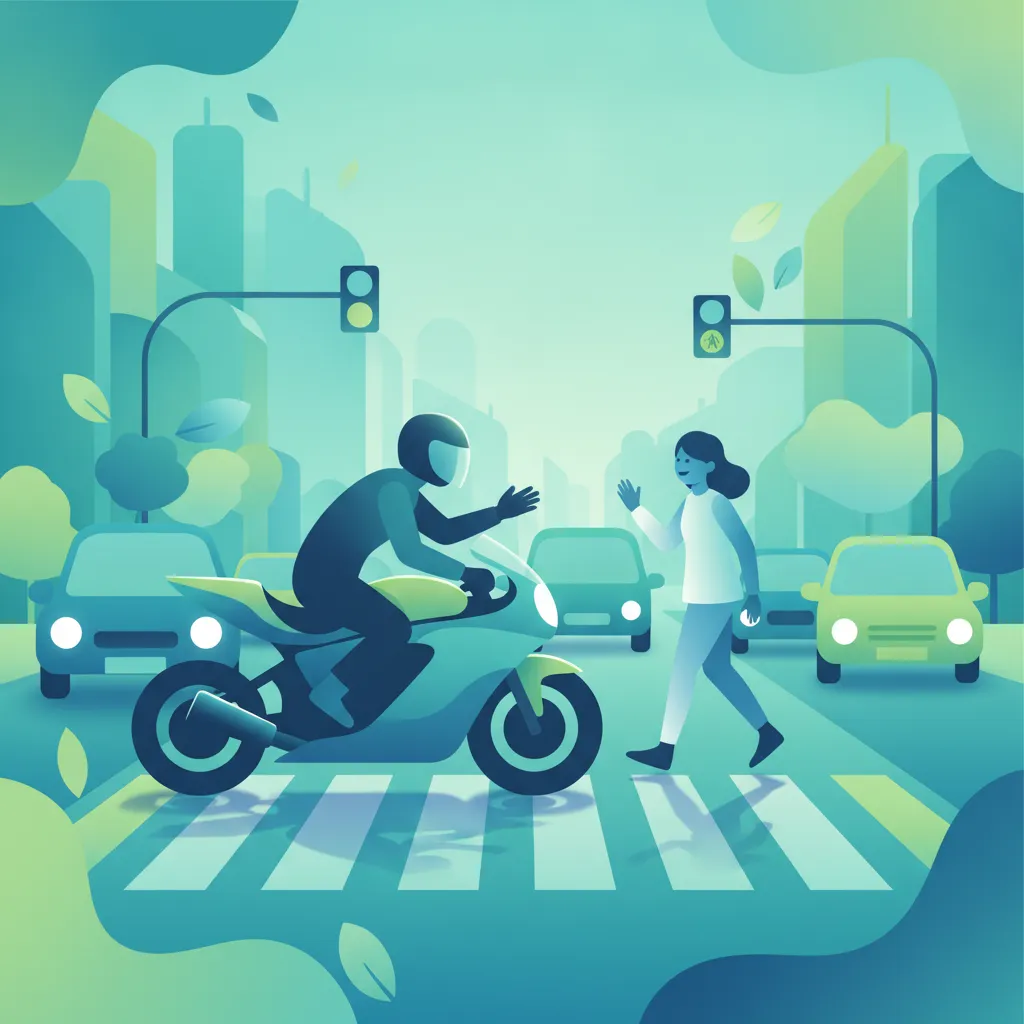
Common courteous actions include yielding the right of way voluntarily even when you technically have priority, allowing other road users to merge into traffic or cross safely, and clearly signaling your intentions well in advance. For example, slowing down to allow a pedestrian to finish crossing the street before proceeding, or giving way at a lane merge even if you aren't legally required to, are excellent demonstrations of courtesy.

Tip

Always use appropriate signals for your intentions, even when you think no one is around. This habit reinforces safe behavior and helps prevent unexpected movements.

A common misunderstanding is viewing courtesy as optional or secondary to legal rights. However, courtesy often acts as a preventative measure, de-escalating potentially dangerous situations. By exceeding minimum legal requirements for safety and cooperation, you contribute to a more predictable and safer traffic environment, reducing the likelihood of conflicts and collisions.

Protecting the Vulnerable: Special Considerations for Pedestrians and Cyclists

Among all road users, some are inherently more vulnerable due to their lack of physical protection. Pedestrians, cyclists, and children fall into this category, and Category AM riders have a heightened responsibility to ensure their safety. Recognizing and accommodating their needs is a cornerstone of ethical riding.

This means maintaining additional distance when passing cyclists, being extra vigilant around pedestrian crossings, and reducing speed significantly in areas where children might be present, such as near schools or playgrounds. While legal requirements, such as stopping for pedestrians who have stepped onto a crossing, are mandatory, ethical riding extends beyond these minimums.

When overtaking cyclists, for instance, the Portuguese road code mandates a minimum safe distance. This distance is crucial because cyclists are exposed and can be easily affected by wind gusts from passing vehicles or sudden movements.

Warning

Never assume a legal distance is sufficient in all circumstances. Adjust your speed and distance based on factors like weather, road conditions, and the cyclist's apparent stability.

Similarly, always check your blind spots thoroughly before turning or changing lanes, as cyclists and pedestrians can easily be overlooked. Stopping at pedestrian crossings even when a pedestrian is just approaching, rather than waiting for them to step onto the crossing, demonstrates proactive respect. Children, with their unpredictable movements, demand even greater caution, requiring significantly reduced speeds and heightened alertness in residential zones.

Environmental Stewardship: Minimizing Your Moped's Impact

The environmental impact of vehicles, including mopeds and light quadricycles, is a growing concern. As a Category AM rider, you have a role in environmental stewardship by adopting practices that reduce emissions, minimize noise pollution, and promote efficient fuel use. These actions contribute to cleaner air, quieter communities, and overall public health.

Practical steps include avoiding unnecessary idling, especially in urban or residential areas, as idling wastes fuel and releases pollutants without moving the vehicle. Regularly maintaining your vehicle, ensuring proper tire pressure, and using eco-friendly riding techniques like smooth acceleration and braking, all contribute to lower fuel consumption and reduced emissions.

Tip

Riding at moderate, consistent speeds is often more fuel-efficient than frequent acceleration and braking. Plan your routes to avoid heavy traffic and minimize stop-and-go situations.

Many riders mistakenly believe that mopeds have an insignificant environmental impact or that only electric vehicles are truly eco-friendly. However, every internal combustion engine, regardless of size, contributes to air and noise pollution. By conscientiously maintaining your vehicle and adopting efficient riding habits, you play an important part in achieving national sustainability targets and improving local air quality. Avoiding loud engine revving, particularly in quiet zones, also significantly reduces noise disturbance in communities.

Community Responsibility: Building a Positive Road Safety Culture

Individual driving behavior has a ripple effect, influencing societal attitudes toward road safety and sustainability. This is your community responsibility: understanding that your personal actions on the road reflect on and impact the wider society. By acting responsibly, you not only ensure your own safety but also foster a positive perception of Category AM riders and encourage safe habits among your peers.

This responsibility extends to promoting safe riding habits among friends and family, and even discreetly discouraging dangerous behavior you might witness. For example, consistently wearing your helmet and protective gear, even for short trips, sets a positive example. Refraining from risky overtaking maneuvers in residential areas or avoiding loud engine noise shows respect for community peace and safety.

A common misunderstanding is that personal responsibility ends with legal compliance. However, ethical riding encourages you to be an ambassador for road safety. Overlooking the power of peer influence or believing that your actions only affect yourself misses the broader impact you can have on creating a safer and more considerate road environment for everyone in Portugal.

While ethical riding encourages going beyond the minimum, it is fundamentally built upon a strong understanding and strict adherence to the Portuguese road code. Legal obligations provide the framework for safe coexistence, and ethical best practices elevate that framework to a higher standard of care and consideration.

For Category AM riders, this means not only knowing but consistently applying rules such as:

  • Right of Way: Always respecting traffic signs and priority rules at intersections.
  • Safe Distances: Maintaining appropriate following distances from other vehicles and ensuring adequate lateral clearance, especially when overtaking cyclists (the minimum 1.5 meters rule is critical).
  • Signaling: Clearly indicating all turns, lane changes, and stops well in advance.
  • Vehicle Condition: Ensuring your moped or light quadricycle is always in roadworthy condition, with functional lights, brakes, and tires. This is not just a legal requirement but an ethical one for the safety of yourself and others.
Definition

Minimum Safe Distance

The smallest gap a rider must maintain, both longitudinally (following distance) and laterally (when overtaking), to allow for safe maneuvering and braking without endangering other road users.

Ethical best practices often involve voluntarily yielding the right of way when safe and practical, even if not legally required, to avoid potential conflicts or promote smoother traffic flow. For example, allowing another driver to merge into your lane during heavy traffic, even if they technically don't have priority, can prevent congestion and frustration.

Avoiding Pitfalls: Common Unethical Behaviors and Their Consequences

Understanding what constitutes unethical or dangerous behavior is as important as knowing best practices. Ignoring ethical principles often leads to common violations with serious consequences for safety, legal standing, and public perception.

Some prevalent unethical actions include:

  1. Aggressive Overtaking: Cutting off other vehicles, especially cyclists, without leaving proper distance. This significantly increases the risk of collision and can lead to severe legal penalties.
  2. Failure to Yield: Not stopping for pedestrians at designated crossings when they have the right of way. This is a direct legal violation and a major cause of pedestrian accidents.
  3. Excessive Noise: Revving the engine loudly in residential areas or unnecessarily. While not always a direct traffic violation, it constitutes noise pollution and shows disrespect for the community.
  4. Neglecting Signals: Failing to use turn signals for lane changes or turns. This makes your intentions unpredictable and greatly increases the risk of collisions with other road users.
  5. Overloading the Vehicle: Exceeding the permissible weight limit for your moped or light quadricycle. This compromises handling, braking efficiency, and vehicle stability, leading to safety hazards and potential fines.
  6. Poor Vehicle Maintenance: Riding with worn tires, faulty brakes, or non-functional lights. This is a legal non-compliance and a direct threat to safety.
  7. Disrespecting Vulnerable Users' Space: Not providing adequate clearance or passing too closely to pedestrians or cyclists. This can cause fear, loss of balance for cyclists, and potential injury.
  8. Riding Under Influence (RUI): Operating a vehicle under the influence of alcohol or drugs. This severely impairs judgment, reaction time, and coordination, leading to severe penalties, accidents, and endangerment of lives.
  9. Improper Waste Disposal: Littering or discarding waste while riding. This contributes to environmental damage and can result in fines.

Each of these actions demonstrates a lack of ethical consideration and can have severe repercussions, from legal fines and license points to serious injuries or fatalities.

Adapting Your Ethics: Contextual Variations for Responsible Riding

Ethical riding is not static; it must adapt to dynamic road conditions and environmental factors. Your commitment to safety and responsibility should guide your decisions in various scenarios, requiring adjustments to your behavior beyond standard rules.

  • Weather Conditions: Rain, fog, or strong winds significantly reduce visibility and grip. In such conditions, ethical riding demands increased stopping distances, reduced speeds, and heightened awareness. Courtesy becomes even more crucial, as other drivers may also be struggling with challenging conditions.
  • Light Conditions: Riding at dusk, dawn, or night requires impeccable use of appropriate lighting. Ethical behavior includes ensuring your lights are properly adjusted to illuminate the road without dazzling oncoming traffic or drivers ahead. Poor visibility demands extra caution and slower speeds, especially when interacting with unlit vulnerable users.
  • Road Type and Traffic Density: In high-traffic urban areas, courtesy yields and patience are vital for managing congestion and preventing conflicts. On quieter rural roads, maintaining safe speeds and anticipating potential hazards (like animals or blind corners) becomes more critical.
  • Vehicle State: If your moped or light quadricycle is carrying a heavy load or a passenger, its maneuverability, acceleration, and braking performance will be affected. Ethical riding means being extra cautious, increasing distances, and signaling intentions even more clearly to compensate for these changes.
  • Interaction with Vulnerable Users: Special vigilance is always needed near schools, hospitals, or residential zones, regardless of the time of day. Reducing your speed, being prepared to stop, and giving ample space are non-negotiable ethical requirements.

Note

Always consider how your actions might be perceived by other road users, especially in challenging conditions. Your predictability is their safety.

The Broader Impact of Responsible Moped Operation

Ethical riding for Category AM operators in Portugal is a blend of legal compliance, common sense, and a profound respect for the community and environment. By consciously choosing courteous, considerate, and environmentally friendly practices, you not only protect yourself and others but also contribute to a positive public image for mopeds and light quadricycles. This fosters a safer, more harmonious, and sustainable road network for everyone.

This approach builds on your knowledge of road hierarchy, vehicle operation, and legal duties, integrating them into a holistic framework of responsible conduct. It emphasizes that every action you take while riding has consequences, making your individual commitment to ethical behavior a vital component of overall road safety and quality of life in Portugal.

Learn more with these articles

Check out these practice sets


Search topics related to Ethical Riding and Social Responsibility

Explore search topics learners often look for when studying Ethical Riding and Social Responsibility. These topics reflect common questions about road rules, driving situations, safety guidance, and lesson level theory preparation for learners in Portugal.

social responsibility for motorcycle riders Portugalcategory AM theory exam behavioral questionsethical driving rules for mopeds PortugalIMT category AM exam safety and behaviorhow to practice defensive and ethical riding in Portugalimportance of road courtesy for learner ridersPortuguese driving theory test behavioral principles

Related driving theory lessons for Ethical Riding and Social Responsibility

Browse additional driving theory lessons that cover connected traffic rules, road signs, and common driving situations related to this topic. Improve your understanding of how different rules interact across everyday traffic scenarios.

Community Responsibility and Road Safety Culture in Portugal

Understand how your individual actions as an AM driver affect the broader road safety culture. This lesson explores your role in promoting safe coexistence and a positive community environment on Portuguese roads.

community responsibilityroad safety culturesocial impactethical drivingPortugal driving theory
Emergency Procedures and Responsible Driving lesson image

Emergency Procedures and Responsible Driving

This lesson equips drivers with the essential knowledge for managing a roadside emergency. It outlines the correct steps to take following a vehicle breakdown or an accident, including securing the scene with a warning triangle, wearing a reflective vest, and contacting emergency services. The lesson concludes by reinforcing the principles of responsible and courteous driving as part of a positive road safety culture.
Portuguese Driving Theory BAlcohol, Drugs, Fatigue, Penalties, Emergencies and Responsible Driving
View lesson
Legal Responsibilities and Duty of Care lesson image

Legal Responsibilities and Duty of Care

This lesson focuses on the legal concept of duty of care, detailing a professional driver's obligations to passengers and other road users. It examines how negligence and failure to comply with traffic laws can result in liability and legal penalties. The content also emphasizes adherence to safety regulations and proper incident reporting procedures.
Portuguese Driving Theory DPassenger Vehicle Licence Scope and Professional Responsibility
View lesson
Legal Obligations of Drivers lesson image

Legal Obligations of Drivers

This lesson details the fundamental legal obligations every driver must follow under the Código da Estrada. It covers adherence to speed limits, traffic signals, and road signs, as well as the mandatory use of safety equipment like seatbelts and child restraints. The content also emphasizes the importance of maintaining driver attentiveness and the strict prohibition of using mobile phones while driving.
Portuguese Driving Theory BCategory B Licence Basics and Driver Responsibility
View lesson
Pedestrian Crossings and School Zones lesson image

Pedestrian Crossings and School Zones

This lesson provides a detailed overview of the legal requirements and safe driving practices for school zones and pedestrian crossings. It covers mandatory speed limits, the meaning of various signs and signals, and the importance of yielding to pedestrians. The content stresses heightened awareness due to the unpredictable nature of children's behavior near roads.
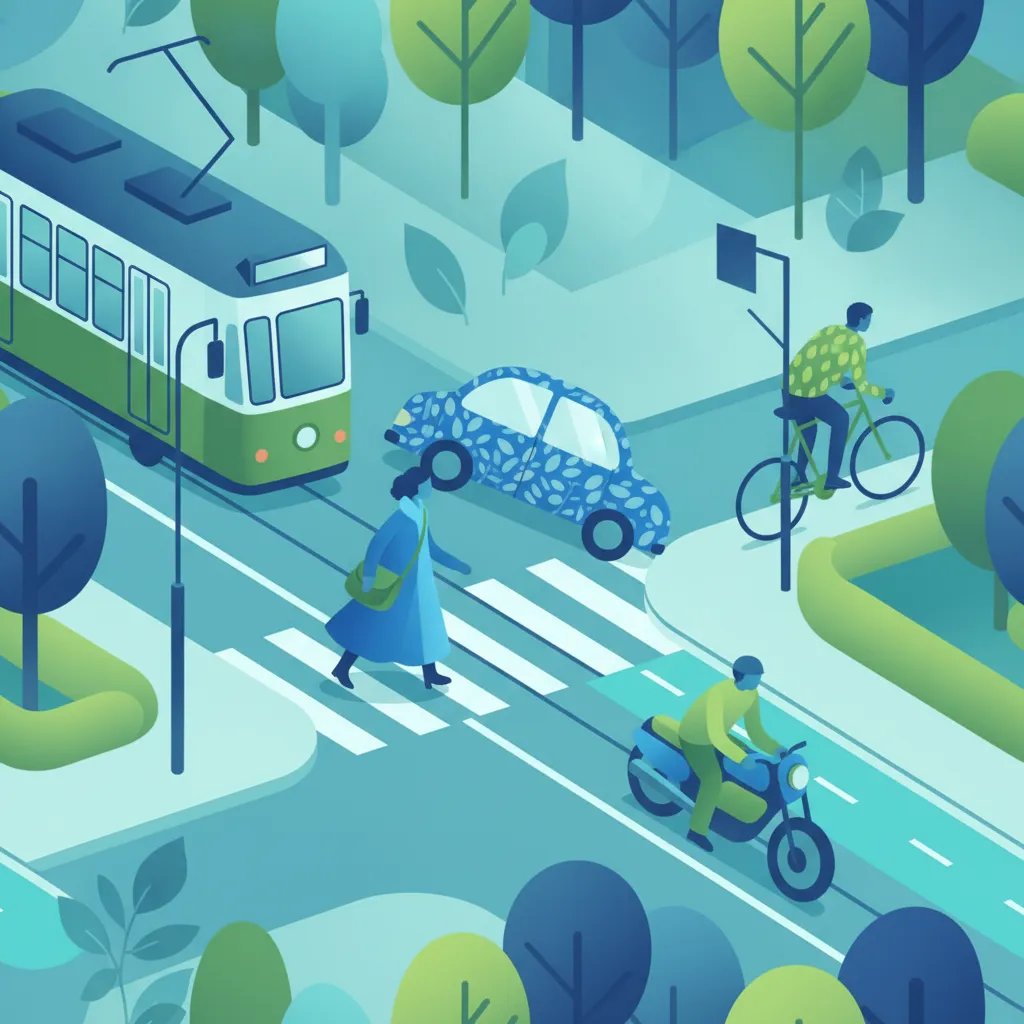
Portuguese Driving Theory DVulnerable Road Users, Pedestrians, Cyclists and School Areas
View lesson
Interactions with Pedestrians, Cyclists, and Motorcyclists lesson image

Interactions with Pedestrians, Cyclists, and Motorcyclists

This lesson focuses on the heightened duty of care professional drivers have towards vulnerable road users. It covers common conflict points, such as junctions and roundabouts, and teaches techniques for anticipating the actions of pedestrians, cyclists, and motorcyclists. Giving extra space and being prepared to stop are key themes.
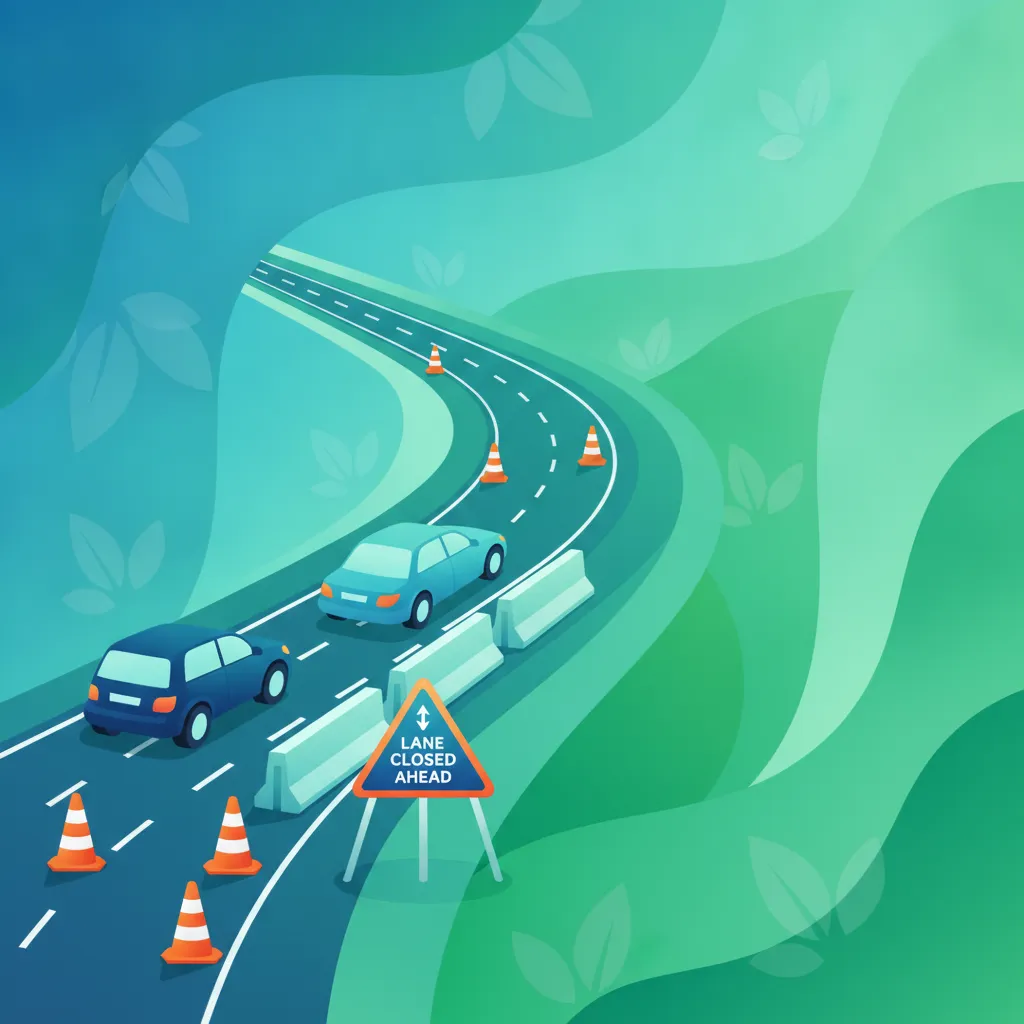
Portuguese Driving Theory CBlind Spots, Vulnerable Road Users and Urban Delivery Risks
View lesson
Safe Behaviour Around Roadworks lesson image

Safe Behaviour Around Roadworks

This lesson provides guidance for driving safely through areas of roadworks, where normal road layouts are altered. It stresses the importance of obeying all temporary signage, including reduced speed limits and lane guidance, to protect both drivers and road workers. Drivers will learn to anticipate sudden stops, narrowed lanes, and be aware of potential surface hazards within the construction zone.

Portuguese Driving Theory BWeather, Night Driving, Motorways, Rural Roads and Roadworks
View lesson

Professional Conduct and Ethics

This lesson covers the professional conduct expected of passenger vehicle drivers. It explains the importance of punctuality, clear communication, and effective conflict resolution to ensure a positive passenger experience. The content highlights the need to build public trust through reliable service and a professional demeanor at all times.
Portuguese Driving Theory DPassenger Vehicle Licence Scope and Professional Responsibility
View lesson
Insurance and Liability lesson image

Insurance and Liability

This lesson focuses on the legal requirement for third-party liability insurance in Portugal. It explains the scope of coverage for damages to property and personal injury in the event of an accident. Drivers will learn about their legal responsibilities, the process for filing an insurance claim, and the severe legal and financial risks of operating a vehicle without valid insurance.
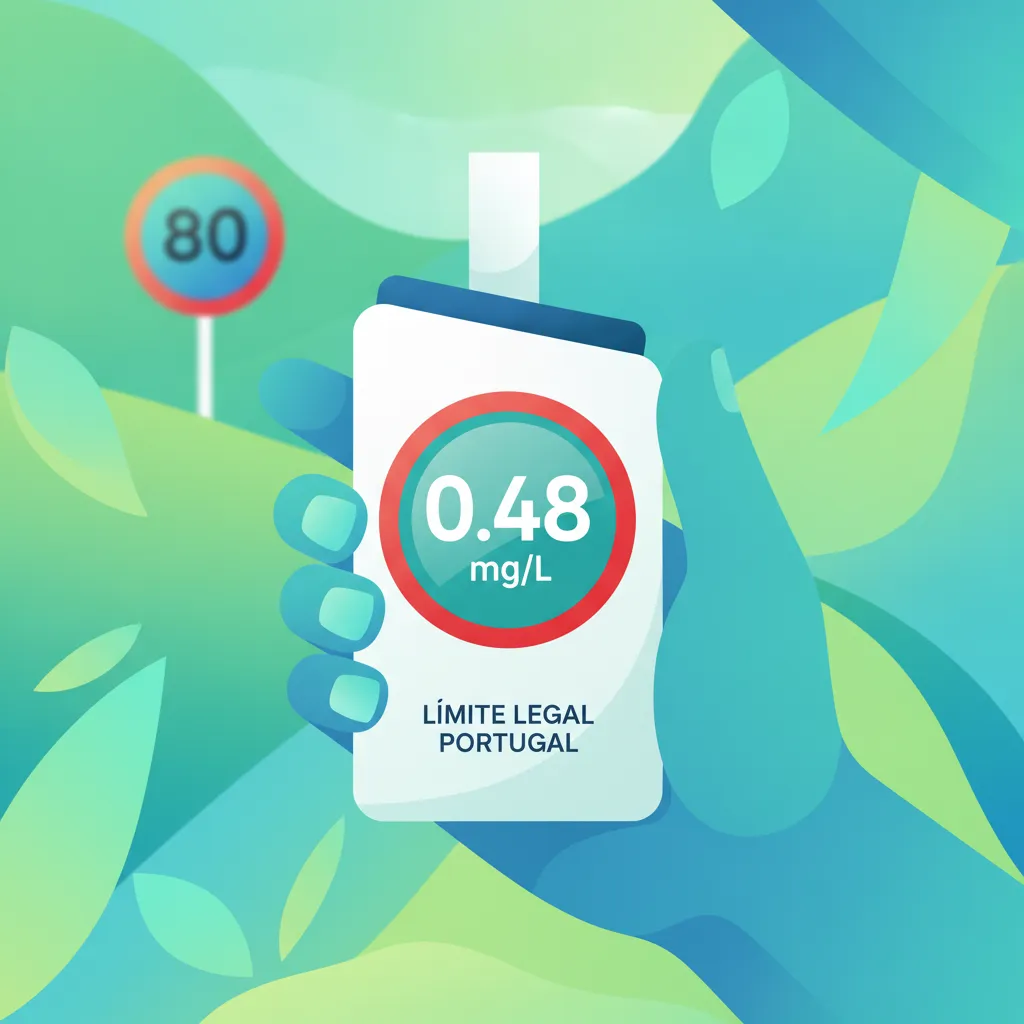
Portuguese Driving Theory BCategory B Licence Basics and Driver Responsibility
View lesson
Alcohol Limits and Testing lesson image

Alcohol Limits and Testing

This lesson explains the specific blood alcohol concentration (BAC) limits for different categories of drivers in Portugal. It details how alcohol consumption impairs critical driving skills such as coordination, reaction time, and judgement. The lesson also describes the methods of enforcement, including breathalyzer tests, and the severe legal penalties for driving under the influence.
Portuguese Driving Theory BAlcohol, Drugs, Fatigue, Penalties, Emergencies and Responsible Driving
View lesson
Lane Discipline and Overtaking Rules lesson image

Lane Discipline and Overtaking Rules

This lesson details the rules of lane discipline and the procedures for safe overtaking. It explains how to maintain correct lane positioning and how road markings and signs define where overtaking is allowed or forbidden. The lesson emphasizes the importance of the mirror-signal-manoeuvre routine and ensuring sufficient space and visibility before attempting to pass another vehicle.

Portuguese Driving Theory BRoad Markings, Lane Use and Traffic Directions
View lesson

Protecting Vulnerable Road Users in Portugal: Pedestrians and Cyclists

Learn about your heightened responsibility to ensure the safety of vulnerable road users like pedestrians and cyclists. This lesson covers essential considerations for Category AM riders in Portugal to prevent accidents.
vulnerable userspedestrianscyclistssafety distanceethical drivingPortugal driving theory
Special Markings for Vulnerable Road Users lesson image

Special Markings for Vulnerable Road Users

This lesson highlights road markings specifically designed to enhance the safety of vulnerable road users. It focuses on pedestrian crossings (zebra crossings), markings indicating school zones, and symbols for bicycle lanes or shared routes. The content stresses the heightened duty of care and specific actions, such as yielding or stopping, that drivers must take in these designated areas.
Portuguese Driving Theory BRoad Markings, Lane Use and Traffic Directions
View lesson
Pedestrian Crossings and Interactions with Vulnerable Users lesson image

Pedestrian Crossings and Interactions with Vulnerable Users

This lesson explores the various types of pedestrian crossings found in Portuguese urban areas, such as zebra crossings. It emphasizes the rider’s responsibility to yield to pedestrians, the importance of reducing speed, and maintaining a safe passing distance. Strategies for anticipating pedestrian behavior and ensuring visibility are discussed to prevent incidents.

Portuguese Motorcycle Theory AIntersections, Roundabouts, Crossings and Urban Riding
View lesson
Understanding Vulnerabilities of Road Users lesson image

Understanding Vulnerabilities of Road Users

This lesson explores the characteristics that define vulnerable road users, including children, the elderly, and cyclists. It explains how their physical and cognitive limitations can lead to unpredictable behavior on the road. The content focuses on developing a proactive mindset to identify and mitigate risks associated with these groups.

Portuguese Driving Theory DVulnerable Road Users, Pedestrians, Cyclists and School Areas
View lesson
Interactions with Pedestrians, Cyclists, and Motorcyclists lesson image

Interactions with Pedestrians, Cyclists, and Motorcyclists

This lesson focuses on the heightened duty of care professional drivers have towards vulnerable road users. It covers common conflict points, such as junctions and roundabouts, and teaches techniques for anticipating the actions of pedestrians, cyclists, and motorcyclists. Giving extra space and being prepared to stop are key themes.
Portuguese Driving Theory CBlind Spots, Vulnerable Road Users and Urban Delivery Risks
View lesson
Cyclists and Bicycle Lanes lesson image

Cyclists and Bicycle Lanes

This lesson focuses on safe interaction with cyclists on the road. It covers the identification of dedicated bicycle lanes and the rules regarding cyclist priority in various situations. Key topics include maintaining a safe lateral distance when overtaking cyclists and the importance of checking blind spots for them before turning or changing lanes.

Portuguese Driving Theory BPedestrians, Crossings, Cyclists and Vulnerable Road Users
View lesson
Pedestrian Crossings and School Zones lesson image

Pedestrian Crossings and School Zones

This lesson provides a detailed overview of the legal requirements and safe driving practices for school zones and pedestrian crossings. It covers mandatory speed limits, the meaning of various signs and signals, and the importance of yielding to pedestrians. The content stresses heightened awareness due to the unpredictable nature of children's behavior near roads.
Portuguese Driving Theory DVulnerable Road Users, Pedestrians, Cyclists and School Areas
View lesson
Pedestrian Crossings Types lesson image

Pedestrian Crossings Types

This lesson explains the different types of pedestrian crossings and the specific legal obligations for drivers at each one. It emphasizes the requirement to stop for pedestrians at marked zebra crossings and to obey signals at light-controlled crossings. The content also provides guidance on anticipating pedestrian movements to ensure their safety in all situations.
Portuguese Driving Theory BPedestrians, Crossings, Cyclists and Vulnerable Road Users
View lesson
Pedestrian Crossings and Yielding Obligations lesson image

Pedestrian Crossings and Yielding Obligations

This lesson focuses on the rider's responsibilities at designated pedestrian crossings. It clarifies the legal requirement to give way to pedestrians on or about to step onto a zebra crossing. The content emphasizes the need to approach all crossings with caution, be prepared to stop, and scan for pedestrians to ensure their safety as vulnerable road users.
Portuguese Driving Theory AMIntersections, Roundabouts, Crossings and Road Positioning
View lesson
Interaction with Pedestrians and Cyclists at Stops lesson image

Interaction with Pedestrians and Cyclists at Stops

This lesson addresses the heightened risk of interaction with pedestrians and cyclists around bus stops. It explains right-of-way regulations and the importance of vigilance, particularly when turning or pulling away from the curb. The content provides strategies for anticipating the actions of vulnerable road users to prevent conflicts.
Portuguese Driving Theory DBoarding, Alighting, Bus Stops and Urban Traffic
View lesson
Defensive Riding Techniques for Small Vehicles lesson image

Defensive Riding Techniques for Small Vehicles

This lesson introduces the core principles of defensive riding as applied to small, vulnerable vehicles. It teaches riders how to create and maintain a 'space cushion' around them, anticipate the actions of other drivers, and identify potential hazards early. Key techniques such as effective scanning, maintaining a safe following distance, and planning escape routes are explained in detail.

Portuguese Driving Theory AMHelmet, Visibility and Protective Behaviour
View lesson

Frequently asked questions about Ethical Riding and Social Responsibility

Find clear answers to common questions learners have about Ethical Riding and Social Responsibility. Learn how the lesson is structured, which driving theory objectives it supports, and how it fits into the overall learning path of units and curriculum progression in Portugal. These explanations help you understand key concepts, lesson flow, and exam focused study goals.

Why is social responsibility part of the Category AM theory exam?

The exam evaluates not just your knowledge of signs, but your ability to act as a safe and predictable road user. Understanding social responsibility ensures you can make decisions that prioritize collective safety over personal convenience.

How does courteous riding help me pass the theory test?

Many questions present scenarios where you must choose the safest, most considerate action. Understanding that you are a vulnerable road user allows you to consistently select the answer that promotes coexistence and reduces conflict.

Does my riding style affect my environmental impact?

Yes. Smooth, consistent riding and proper maintenance of your moped help reduce unnecessary emissions and noise pollution, which is a key part of responsible vehicle ownership in Portugal.

What should I do if another driver is being aggressive?

The ethical approach is to avoid retaliation, keep your distance, and maintain your composure. This lesson teaches you that responding to aggression with courtesy is the most effective way to prevent a dangerous situation from escalating.

Ready to Find Your Next Targeted Practice Session?

Utilize the powerful search tool to refine your Portuguese driving theory practice. Pinpoint questions related to specific traffic laws, road signs, or complex scenarios from the Código da Estrada. Begin targeted revision now to boost your understanding and confidently approach your IMT driving exam.

Search Practice Questions by Topic

Continue your Portuguese driving theory learning journey

Portuguese road signsPortuguese article topicsSearch Portuguese road signsPortuguese driving theory homePortuguese road sign categoriesPortuguese driving theory topicsSearch Portuguese theory articlesPortuguese driving theory coursesPortuguese Driving Theory B coursePortuguese Driving Theory C coursePortuguese Driving Theory D coursePortuguese driving theory articlesPortuguese driving theory practicePortuguese practice set categoriesPortuguese Driving Theory AM coursePortuguese Motorcycle Theory A coursePortuguese driving licence proceduresSearch Portuguese driving theory practicePortuguese driving theory terminology A–ZPortuguese driving theory terms and glossaryBraking, Cornering, Grip and Motorcycle Control unit in Portuguese Motorcycle Theory AMotorcycle Licence Basics and Rider Responsibility unit in Portuguese Motorcycle Theory ASigns, Restrictions, Route Planning and Access Limits unit in Portuguese Driving Theory CIntersections, Roundabouts, Crossings and Urban Riding unit in Portuguese Motorcycle Theory AWeather, Road Surfaces, Night Riding and Motorway Riding unit in Portuguese Motorcycle Theory AGoods Vehicle Licence Scope and Professional Responsibility unit in Portuguese Driving Theory CRisk Behaviour, Emergencies, Penalties and Defensive Riding unit in Portuguese Motorcycle Theory APassenger Vehicle Licence Scope and Professional Responsibility unit in Portuguese Driving Theory DLane Positioning, Blind Spots, Overtaking and Space Management unit in Portuguese Motorcycle Theory AResponsibilities of AM Vehicle Operators lesson in AM Licence Basics and Small Vehicle ResponsibilityEthical Riding and Social Responsibility lesson in AM Licence Basics and Small Vehicle ResponsibilityVehicle Registration and Mandatory Equipment lesson in AM Licence Basics and Small Vehicle ResponsibilityOverview of Category AM and Legal Permissions lesson in AM Licence Basics and Small Vehicle ResponsibilityAlcohol, Drugs, Fatigue, Penalties, Emergencies and Responsible Driving unit in Portuguese Driving Theory BUnderstanding Road Hierarchy and Vehicle Limitations lesson in AM Licence Basics and Small Vehicle Responsibility