This lesson details the critical effects of alcohol and drug consumption on your ability to safely operate a moped or light quadricycle. It covers the specific legal blood alcohol concentration limits in Portugal and the severe risks associated with impairment while riding. Understanding these rules is essential for both passing your theory exam and ensuring your long-term safety on the road.

Lesson content overview
Operating any motor vehicle, especially a moped or light quadricycle, demands your full attention, quick reflexes, and sound judgment. These critical abilities are severely compromised when under the influence of alcohol or other psychoactive substances. This lesson delves into the precise ways in which various substances impair your riding capacity, outlines the strict legal regulations in Portugal, and explains the severe penalties you face for riding while impaired. Understanding these facts is not merely about legal compliance; it is fundamental to ensuring your safety and the safety of everyone else on the road.
Psychoactive substances, including alcohol, cannabinoids, stimulants, and depressants, directly affect the central nervous system. This interference degrades the physiological and cognitive functions essential for safe riding, transforming a routine journey into a high-risk endeavor. Even small amounts can have significant and dangerous effects.
Safe riding requires a complex interplay of several key functions. When impaired, these functions degrade, leading to a dangerous reduction in control and awareness:
Different substances produce distinct patterns of impairment, but all compromise your ability to ride safely.
Alcohol (ethanol) is a central nervous system depressant. Its effects are dose-dependent but begin to manifest even at low concentrations. For Category AM drivers in Portugal, the legal limit for Blood Alcohol Concentration (BAC) is particularly low, reflecting the increased vulnerability and control demands of these smaller vehicles.
Even a single standard alcoholic drink can raise an individual's BAC above the legal limit for Category AM drivers in Portugal, depending on body weight, metabolism, and food intake. There is no 'safe' amount of alcohol when riding.
Cannabinoids, primarily Tetrahydrocannabinol (THC), found in cannabis, can significantly impair riding ability. Portugal has a strict zero-tolerance policy for the presence of certain psychoactive substances, including THC, in the system of any driver while operating a vehicle.
Stimulants initially increase alertness and energy, but their effects are highly deceptive and dangerous for riders.
Other categories of drugs also pose extreme risks:
Always check the side effects of any prescribed or over-the-counter medication you are taking. Many common drugs can cause drowsiness, dizziness, or impaired vision, making it unsafe to ride. Consult your doctor or pharmacist if you are unsure.
Portugal has a strict legal framework designed to deter impaired riding and ensure road safety, particularly for Category AM vehicles.
For Category AM drivers (mopeds and light quadricycles), the legal limit for Blood Alcohol Concentration (BAC) is 0.2 grams per litre (0.2 g/L), or 0.2‰. This is a very low threshold, significantly stricter than for experienced car drivers.
The measure of alcohol in your blood, expressed as the weight of alcohol per volume of blood (e.g., grams per litre). It directly reflects the level of alcohol intoxication.
For certain drugs, including but not limited to THC (cannabinoids), cocaine, amphetamines, and opioids, Portugal operates a zero-tolerance policy. This means:
Riding a moped or light quadricycle under the influence carries severe legal consequences in Portugal, which escalate with the level of impairment and repeat offenses.
In more severe cases, such as very high BAC levels (e.g., above 1.2 g/L), repeat offenses, or if the impaired riding results in an accident causing serious injury or death, the consequences can extend to criminal charges. This may include:
The legal consequences for riding under the influence are designed to be a strong deterrent. They aim to protect lives by keeping impaired riders off the roads. Ignorance of the law is not a valid defense.
Many riders make critical errors in judgment regarding substance use, often due to misinformation or overconfidence.
The dangers of substance-impaired riding are further magnified when combined with challenging environmental or traffic conditions.
The message is clear: the safe operation of a moped or light quadricycle requires complete sobriety and full mental and physical capacity. For Category AM drivers in Portugal, the legal limits for alcohol are exceptionally low, and a zero-tolerance policy applies to many other psychoactive substances. The consequences of riding under the influence extend far beyond legal penalties; they encompass the potential for severe injuries, fatalities, and lifelong regrets. Always plan ahead, use alternative transport if you've consumed any impairing substance, and prioritize safety above all else. Your life and the lives of others depend on your responsible choices.
Explore all units and lessons included in this driving theory course.
Lesson content overview
Explore all units and lessons included in this driving theory course.
Explore search topics learners often look for when studying Substance Use and Its Effects on Riding Ability. These topics reflect common questions about road rules, driving situations, safety guidance, and lesson level theory preparation for learners in Portugal.
Browse additional driving theory lessons that cover connected traffic rules, road signs, and common driving situations related to this topic. Improve your understanding of how different rules interact across everyday traffic scenarios.
Understand the severe legal consequences of riding a moped or light quadricycle under the influence in Portugal. This includes detailed information on fines, license suspension, and potential criminal charges for alcohol and drug offenses. Learn about the zero-tolerance policy for prohibited substances.
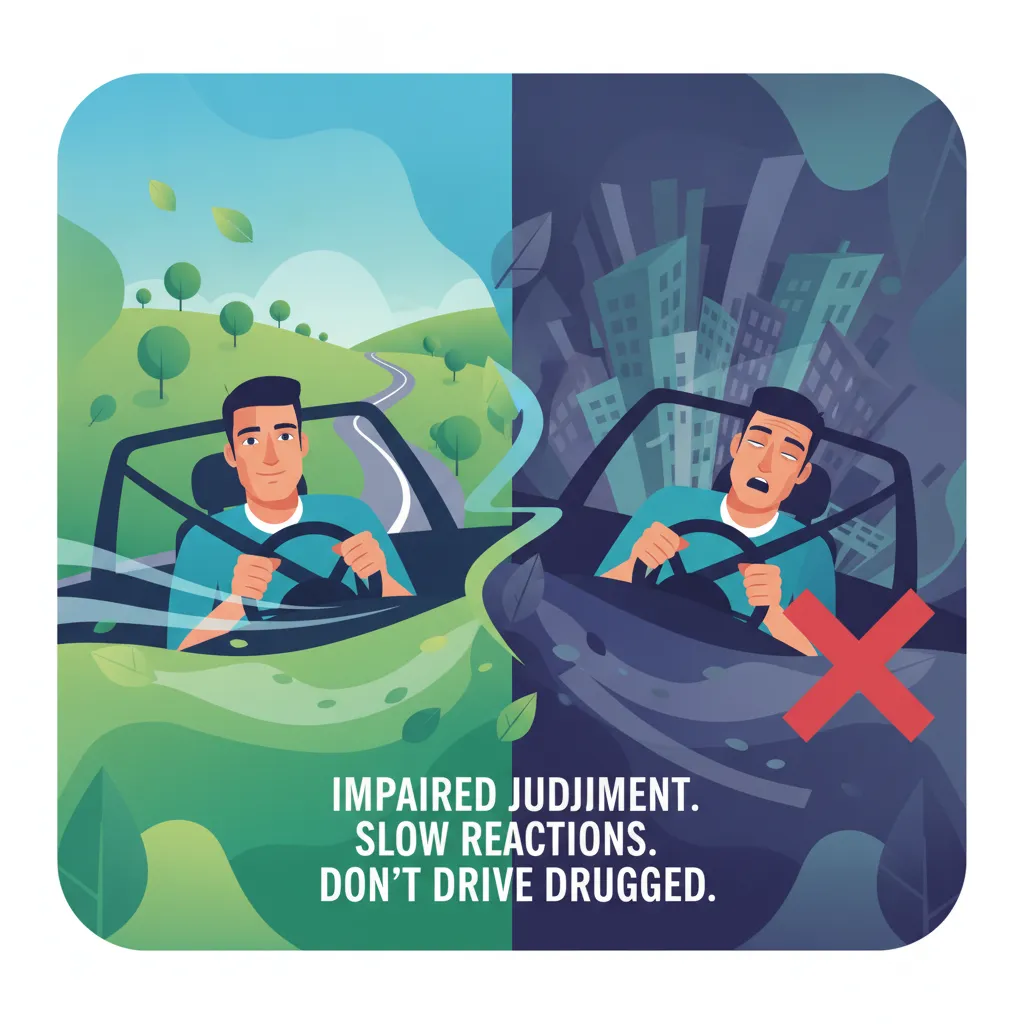
This lesson addresses the dangers of driving while under the influence of drugs, including illicit substances and certain prescription or over-the-counter medications. It explains how various substances can affect a driver's perception, concentration, and reaction times. The legal framework, including roadside testing and penalties for drug-driving, is also covered.
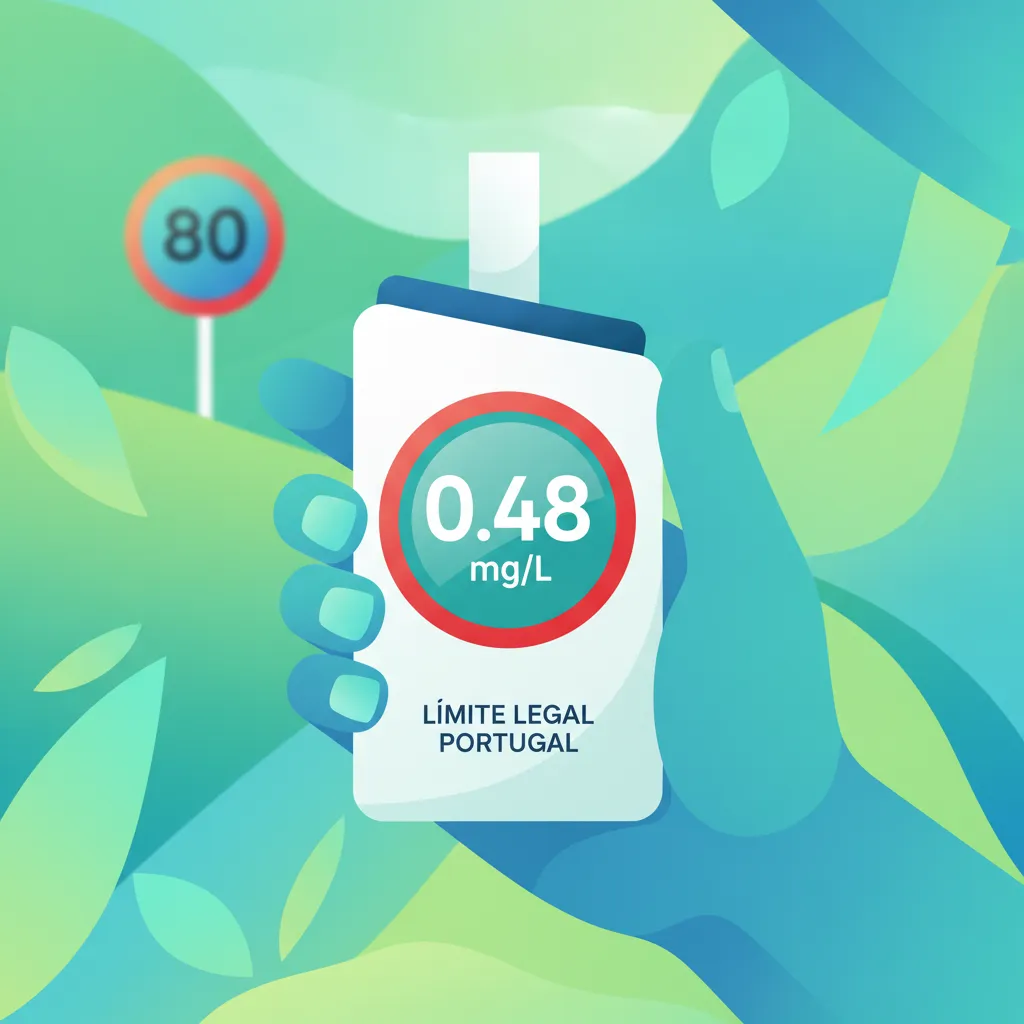
This lesson explains the specific blood alcohol concentration (BAC) limits for different categories of drivers in Portugal. It details how alcohol consumption impairs critical driving skills such as coordination, reaction time, and judgement. The lesson also describes the methods of enforcement, including breathalyzer tests, and the severe legal penalties for driving under the influence.

This lesson details the legal framework of penalties for traffic offenses in Portugal. It explains the system of fines and penalty points for common violations such as speeding, running a red light, or using a mobile phone. The content also covers more serious consequences, including license suspension or revocation, and stresses the importance of legal compliance for personal and public safety.
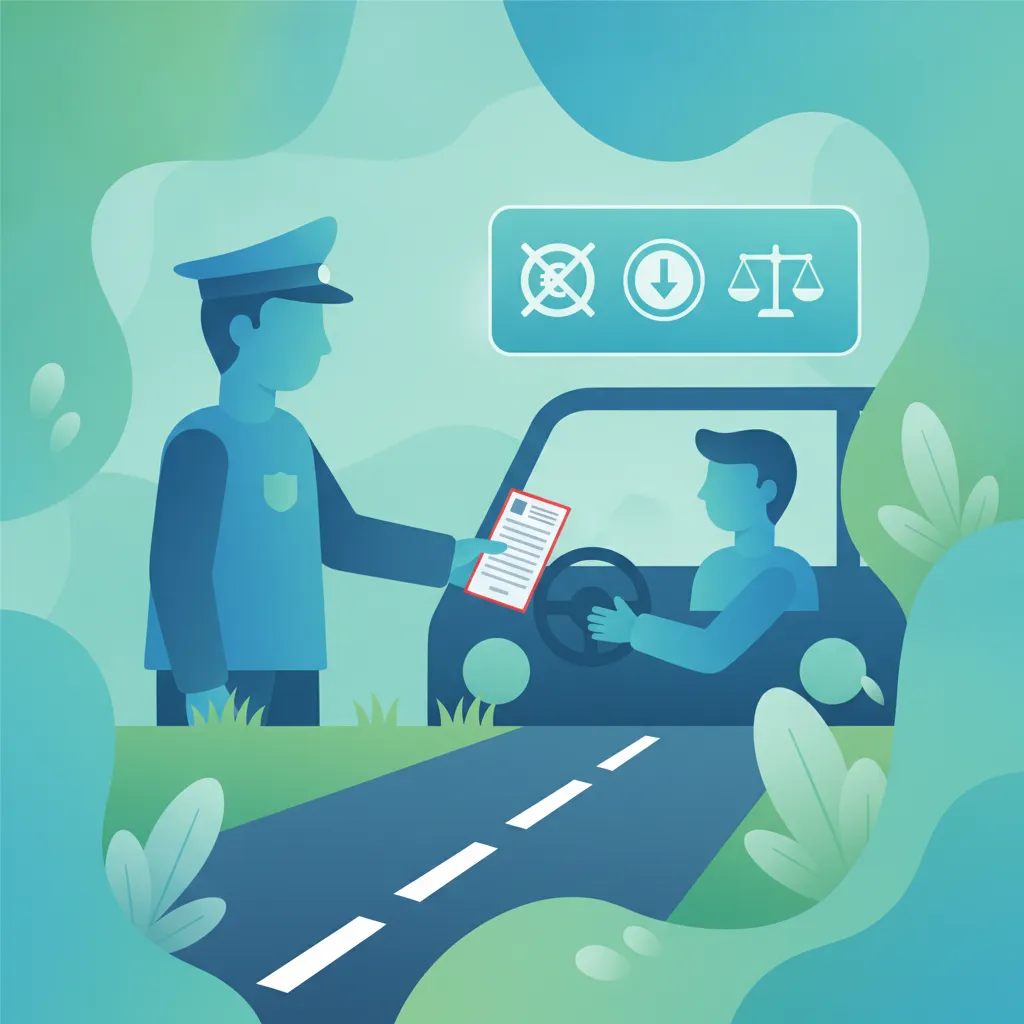
This lesson outlines the legal framework and penalties associated with traffic violations in Portugal for professional drivers. It covers the system of fines and penalty points that can lead to license suspension. The content reviews common infractions specific to passenger vehicles and emphasizes the importance of full compliance with the law.
This lesson details the serious consequences of non-compliance with road transport law. It covers the graduated system of fines and penalties for various offenses, including infringements of drivers' hours rules. The concept of professional liability and how a driver can be held responsible for incidents is also explored.
This lesson provides a comprehensive overview of the penalties for failing to comply with Portuguese traffic laws. It explains the structure of monetary fines, the demerit point system that affects a driver's licence, and the conditions that can lead to licence suspension or revocation. Understanding these consequences is crucial for appreciating the importance of lawful and responsible driving.

This lesson examines how alcohol, drugs, and fatigue impair riding ability. It details legal blood alcohol limits in Portugal, the physiological effects of intoxication, and how substances alter perception and reaction time. Fatigue symptoms and their impact on concentration are also discussed, emphasizing the legal and safety consequences of impaired riding.

This lesson outlines the range of penalties for non-compliance with transport regulations and the Código da Estrada. It covers administrative sanctions like fines and licence suspension, as well as the potential for criminal liability in severe cases. Understanding these consequences reinforces the importance of safe and lawful driving.
This lesson provides a detailed overview of the Portuguese system for penalizing traffic infractions. It explains how different violations are categorized and the corresponding fines and penalty points. The lesson clarifies the process of accumulating points and the thresholds at which a driver faces licence suspension or is required to undertake remedial training.
This lesson details the fundamental legal obligations every driver must follow under the Código da Estrada. It covers adherence to speed limits, traffic signals, and road signs, as well as the mandatory use of safety equipment like seatbelts and child restraints. The content also emphasizes the importance of maintaining driver attentiveness and the strict prohibition of using mobile phones while driving.
Explore the physiological and cognitive impacts of alcohol and drugs on essential riding skills like reaction time, coordination, and judgment. This lesson details how substances compromise your ability to safely operate a moped or light quadricycle, focusing on theory and understanding the risks.
This lesson examines how alcohol, drugs, and fatigue impair riding ability. It details legal blood alcohol limits in Portugal, the physiological effects of intoxication, and how substances alter perception and reaction time. Fatigue symptoms and their impact on concentration are also discussed, emphasizing the legal and safety consequences of impaired riding.
This lesson addresses the dangers of driving while under the influence of drugs, including illicit substances and certain prescription or over-the-counter medications. It explains how various substances can affect a driver's perception, concentration, and reaction times. The legal framework, including roadside testing and penalties for drug-driving, is also covered.
Find clear answers to common questions learners have about Substance Use and Its Effects on Riding Ability. Learn how the lesson is structured, which driving theory objectives it supports, and how it fits into the overall learning path of units and curriculum progression in Portugal. These explanations help you understand key concepts, lesson flow, and exam focused study goals.
In Portugal, the blood alcohol concentration (BAC) limits generally apply to all drivers. However, as an AM rider, you are at a much higher risk of injury, and even very low levels of alcohol significantly impair the balance and coordination required to operate a two-wheeled vehicle safely.
Yes, the theory exam may include questions on the administrative and criminal consequences of riding while under the influence of substances. You must be familiar with the severity of these penalties as stipulated in the Portuguese highway code.
Some prescription medications can cause drowsiness or impaired judgment. It is your responsibility to read the labels and consult a doctor or pharmacist to determine if your medication affects your ability to drive safely, as you can still be penalized for impaired riding.
Category AM vehicles are vulnerable in traffic. Since riders lack the protective cage of a car, any impairment of your physical reaction times can lead to catastrophic outcomes, making this a critical topic for your safety and legal compliance.
Utilize the powerful search tool to refine your Portuguese driving theory practice. Pinpoint questions related to specific traffic laws, road signs, or complex scenarios from the Código da Estrada. Begin targeted revision now to boost your understanding and confidently approach your IMT driving exam.