This lesson provides an essential introduction to obtaining a Category B driving licence in Portugal. It covers the legal scope of the licence, including vehicle types and passenger restrictions, while outlining the structure of the theoretical and practical examinations required by the IMT.

Lesson content overview
The Category B driving licence is the most commonly held licence in Portugal, enabling individuals to operate standard passenger cars and a range of light commercial vehicles. This comprehensive lesson provides a foundational understanding of what the Category B licence entails, detailing the specific vehicle types you are legally permitted to drive, the weight and passenger capacity restrictions, and the minimum age requirements. Furthermore, it outlines the essential two-part examination process, encompassing both the theoretical knowledge test and the practical driving assessment, which are prerequisites for obtaining this licence.
Understanding the precise scope and limitations of your Category B licence is not merely a formality; it is crucial for legal compliance and ensures safe and responsible vehicle operation on Portuguese roads. It establishes the boundaries of what drivers are authorized to drive, helping you avoid legal penalties and potential hazards associated with operating vehicles beyond your certified competency.
The Category B licence in Portugal is specifically designed for the operation of certain types of motor vehicles. It is crucial to understand that "Category B" refers to a specific set of criteria that a vehicle must meet, rather than simply meaning "car licence." This categorization ensures that drivers possess the appropriate skills and knowledge for the vehicles they intend to operate.
A Category B licence permits you to drive vehicles that fall within defined limits regarding their gross vehicle weight (GVW) and passenger capacity. This foundational knowledge is essential for every aspiring driver, as it forms the basis for legal and safe driving practices, and serves as a stepping stone should you wish to pursue higher licence categories in the future.
The Category B driving licence grants you permission to operate a range of vehicles, primarily passenger cars and light commercial vehicles, provided they adhere to specific weight and passenger capacity limits. These restrictions are in place to ensure that drivers operate vehicles they are competent and licensed to handle, contributing to overall road safety.
One of the most critical aspects of the Category B licence is the Gross Vehicle Weight (GVW) limit. This refers to the maximum total weight of a vehicle when it is fully loaded, including the vehicle itself, its passengers, and any cargo. For a Category B licence in Portugal, the GVW of the vehicle you are driving must not exceed 3,500 kilograms (3.5 tonnes). This limit applies to the vehicle's design capacity, not just its actual weight at any given moment.
In addition to weight, there are strict rules regarding passenger capacity. A Category B licence allows you to drive vehicles designed and constructed for the carriage of no more than 8 passengers, in addition to the driver. This means the vehicle can have a maximum of 9 occupants in total (driver + 8 passengers).
With a Category B licence, you can legally operate:
Always check the vehicle's registration document (Documento Único Automóvel or DUA) to confirm its official GVW and passenger capacity before driving, especially if you are unsure or driving an unfamiliar vehicle.
A frequent misunderstanding is assuming that a Category B licence allows driving any vehicle, regardless of its weight or passenger count, as long as it "looks like a car." This is incorrect and can lead to severe legal consequences. For instance, a larger utility van or a small minibus might exceed the 3.5-tonne GVW or 8-passenger seat limit, requiring a higher licence category (such as C1 for heavier vehicles or D1 for minibuses). Similarly, driving a medium-sized truck, even if it's empty, would typically require a Category C licence due to its GVW.
In Portugal, the legal framework for obtaining a driving licence is designed to align a driver's maturity and responsibility with the complexities of operating a motor vehicle. For the Category B driving licence, there is a strict minimum age requirement.
Individuals must be at least 18 years old to legally apply for and obtain a Category B driving licence in Portugal. This age requirement is consistent across many European countries and is based on the rationale that individuals at this age generally possess the cognitive maturity and judgment necessary for safe driving.
It's important to distinguish this from age requirements for other vehicle categories. For example, a Category AM licence, which permits the operation of mopeds, can often be obtained at a younger age (e.g., 16 years old). However, for the standard car licence (Category B), 18 is the definitive minimum. Even if you complete driver education courses prior to your 18th birthday, you will not be able to apply for or receive your official Category B licence until you reach the age of majority.
Attempting to apply for a Category B licence or drive a vehicle requiring one before reaching 18 years of age is illegal and will result in significant penalties.
Obtaining your Category B driving licence in Portugal is a rigorous process designed to ensure that all new drivers possess both the theoretical knowledge of traffic laws and the practical skills necessary to operate a vehicle safely and responsibly. This process is divided into two mandatory parts: the theoretical examination and the practical driving examination. Both must be successfully passed to be granted a licence.
The theoretical examination, often referred to as the 'Código da Estrada' (Road Code) test, is a written assessment that evaluates your understanding of Portuguese traffic laws, road signs, markings, and general principles of safe driving. It is a critical first step, ensuring that you have the fundamental knowledge to navigate the roads legally and safely.
The test typically consists of multiple-choice questions, which cover a wide range of topics outlined in the official Portuguese Road Code. These topics include:
To pass the theoretical test, candidates must achieve a minimum passing score, which typically requires correctly answering a high percentage of the questions (e.g., 85% or more). Failure to pass this examination means you cannot proceed to the practical driving test. Preparation through authorized driving schools and dedicated study materials for the Portuguese Driving Theory – Category B Comprehensive Course is essential for success.
Once you have successfully passed the theoretical examination, you become eligible to take the practical driving examination. This is an on-road test designed to assess your ability to operate a vehicle safely, competently, and in full compliance with traffic laws under real-world conditions. An authorized examiner will accompany you, observing your driving performance.
The practical test typically covers a variety of driving scenarios and manoeuvres, including:
The examiner evaluates your performance against a predefined rubric, noting any errors or dangerous actions. While a few minor errors might be permissible, any serious fault or immediate danger created during the test will result in an automatic failure. Passing the practical test is the final hurdle to obtaining your Category B licence, confirming your readiness to drive independently on Portuguese roads.
The legal foundation for the Category B driving licence in Portugal is primarily established by the Código da Estrada (Road Code), specifically referenced in legislation such as Decree-Law No. 108/96, though it is regularly updated. Adherence to these regulations is mandatory for all drivers.
Vehicle Eligibility Based on Weight and Passenger Capacity:
Minimum Age Requirement:
Mandatory Examination Requirements:
Despite clear regulations, several common violations and misunderstandings occur concerning the Category B licence. Awareness of these can help new drivers avoid legal pitfalls and dangerous situations.
While the core rules of Category B remain constant, how you apply them responsibly can vary significantly based on different driving conditions and scenarios. Safe driving involves adapting your behaviour to these contexts.
Understanding the underlying reasons for regulations helps drivers internalize safe practices rather than simply memorizing rules.
To solidify your understanding, consider these practical scenarios:
A driver with a Category B licence needs to rent a van to help a friend move furniture. They find a suitable van listed with a Gross Vehicle Weight (GVW) of 3,100 kg and capacity for two passengers in addition to the driver.
An 18-year-old student has diligently studied and successfully passed their theoretical examination for the Portuguese Category B licence. They are eager to start driving immediately.
The Portuguese Category B driving licence is fundamental for operating a wide array of personal and light commercial vehicles. It strictly defines the types of vehicles you can drive, primarily based on a maximum Gross Vehicle Weight (GVW) of 3.5 tonnes and a passenger capacity of up to 8 seats (plus the driver). Aspiring drivers must be at least 18 years old to apply and must successfully navigate a comprehensive two-part examination process, consisting of both a theoretical knowledge test and a practical driving skills assessment. Adhering to these regulations, as laid out in the Código da Estrada, is paramount for ensuring legal compliance, fostering road safety, and becoming a responsible driver in Portugal.
Explore all units and lessons included in this driving theory course.
Lesson content overview
Explore all units and lessons included in this driving theory course.
Explore search topics learners often look for when studying Overview of Category B Licence. These topics reflect common questions about road rules, driving situations, safety guidance, and lesson level theory preparation for learners in Portugal.
Browse additional driving theory lessons that cover connected traffic rules, road signs, and common driving situations related to this topic. Improve your understanding of how different rules interact across everyday traffic scenarios.
Understand the precise Gross Vehicle Weight (GVW) and passenger seat restrictions for vehicles you can legally drive with a Portuguese Category B licence. Learn about common misconceptions and correct compliance.
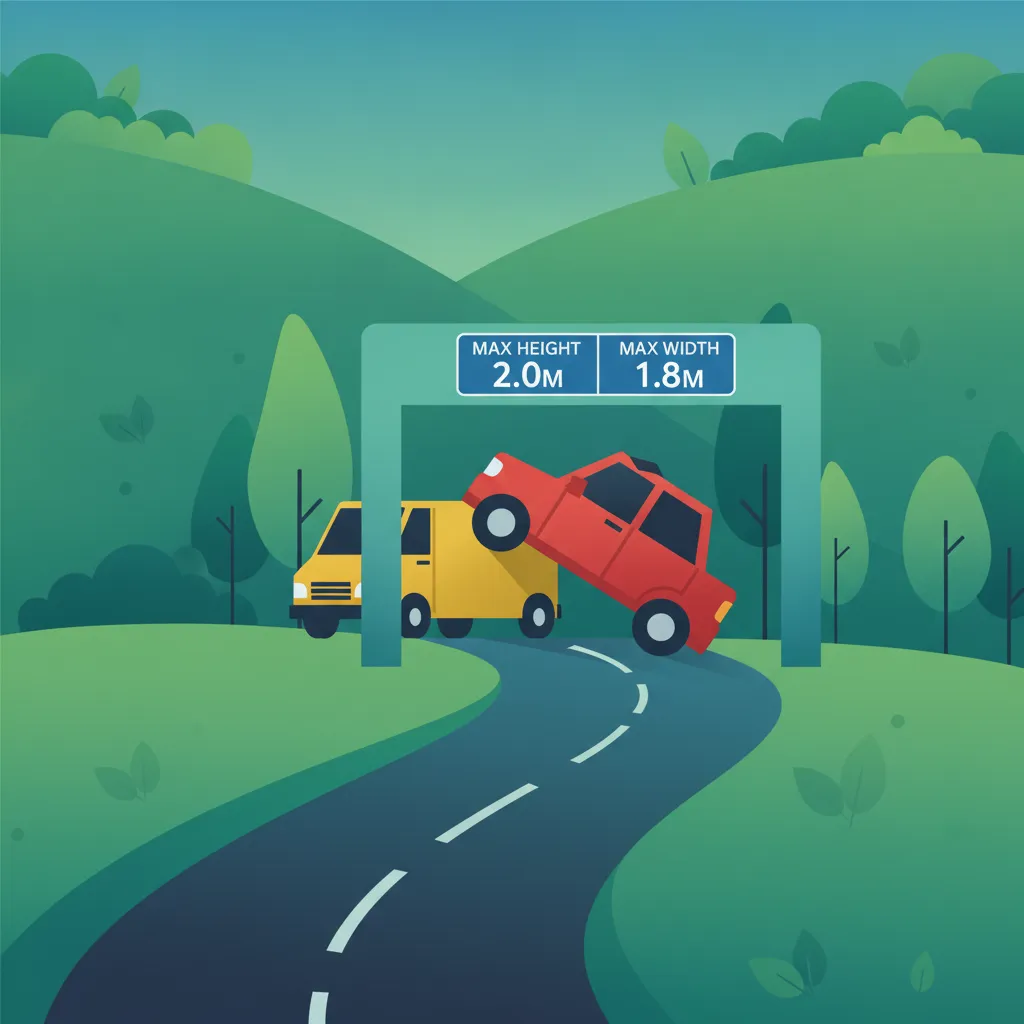
This lesson focuses on the structural and legal restrictions placed on the road network. It explains how to identify limits on bridges and in tunnels, and the consequences of ignoring them. Proper route planning based on these restrictions is a key skill for preventing accidents and infrastructure damage.

This lesson provides a detailed breakdown of the professional licence categories for passenger transport in Portugal. It distinguishes between minibuses (D1), buses (D), and vehicles with trailers (D1E, DE). The content outlines the requirements for obtaining each licence, including medical certification, training, and passenger capacity limitations.
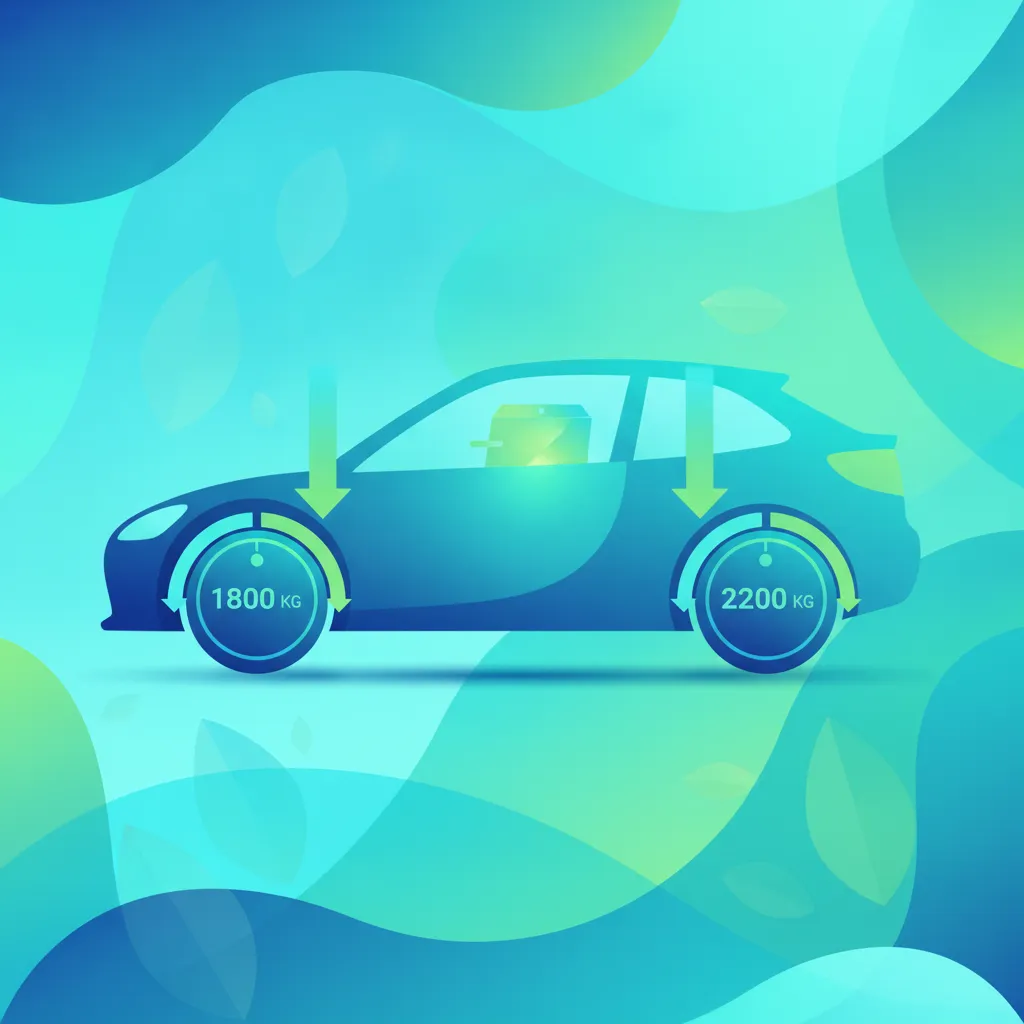
This lesson focuses on the critical importance of distributing weight correctly across the vehicle's axles. It explains how improper loading can negatively affect vehicle stability, handling, and braking effectiveness. Learners will understand how to comply with legal axle load limits to ensure safety and prevent excessive wear on the vehicle and roads.
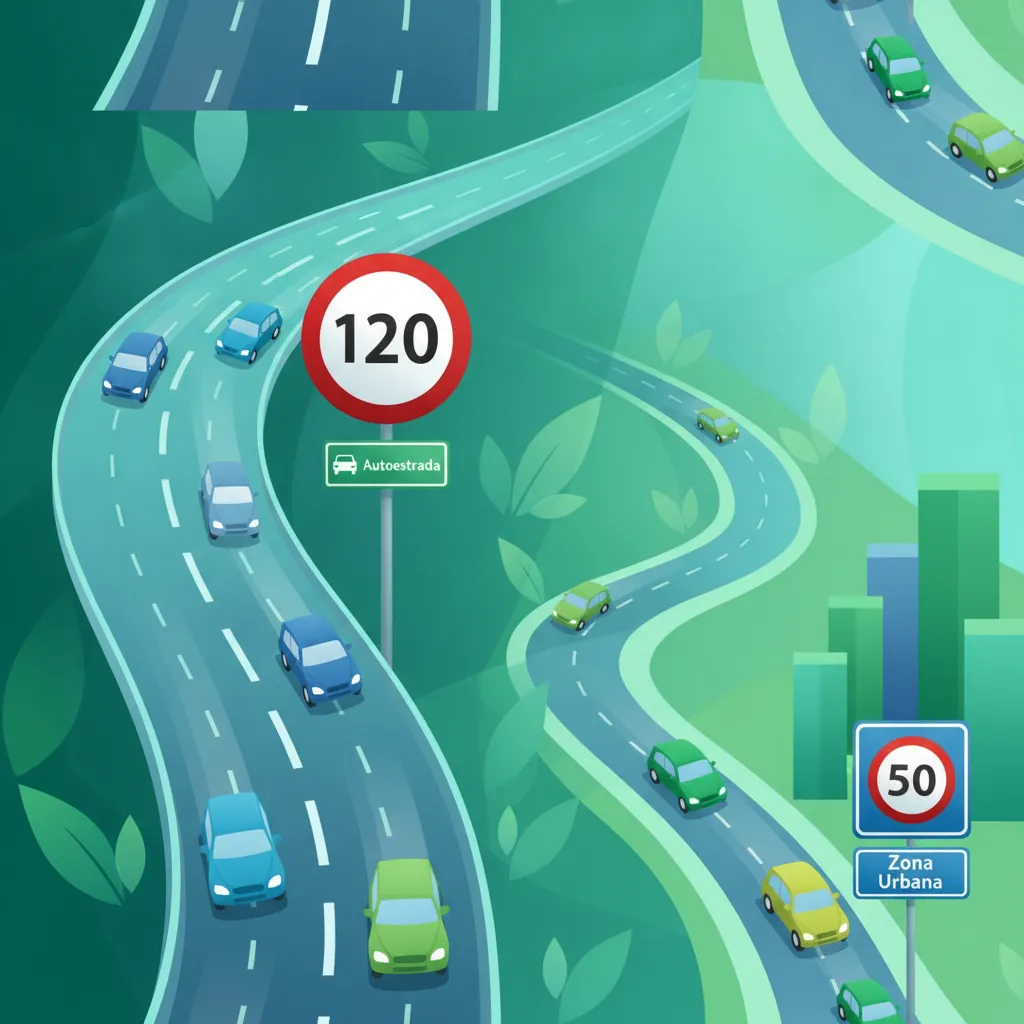
This lesson provides a clear overview of the statutory speed limits applicable on various types of roads in Portugal. It covers the default limits for built-up areas, single carriageways, dual carriageways, and motorways. Understanding these legal maximums is the first step in managing speed effectively and avoiding penalties for speeding.

This lesson explains the principles of safely loading a vehicle to avoid negatively impacting its stability and handling. It covers the importance of even weight distribution, respecting the vehicle's maximum load capacity, and properly securing all items. The dangers of unsecured loads, both inside the cabin and on external racks, are highlighted as significant safety hazards.
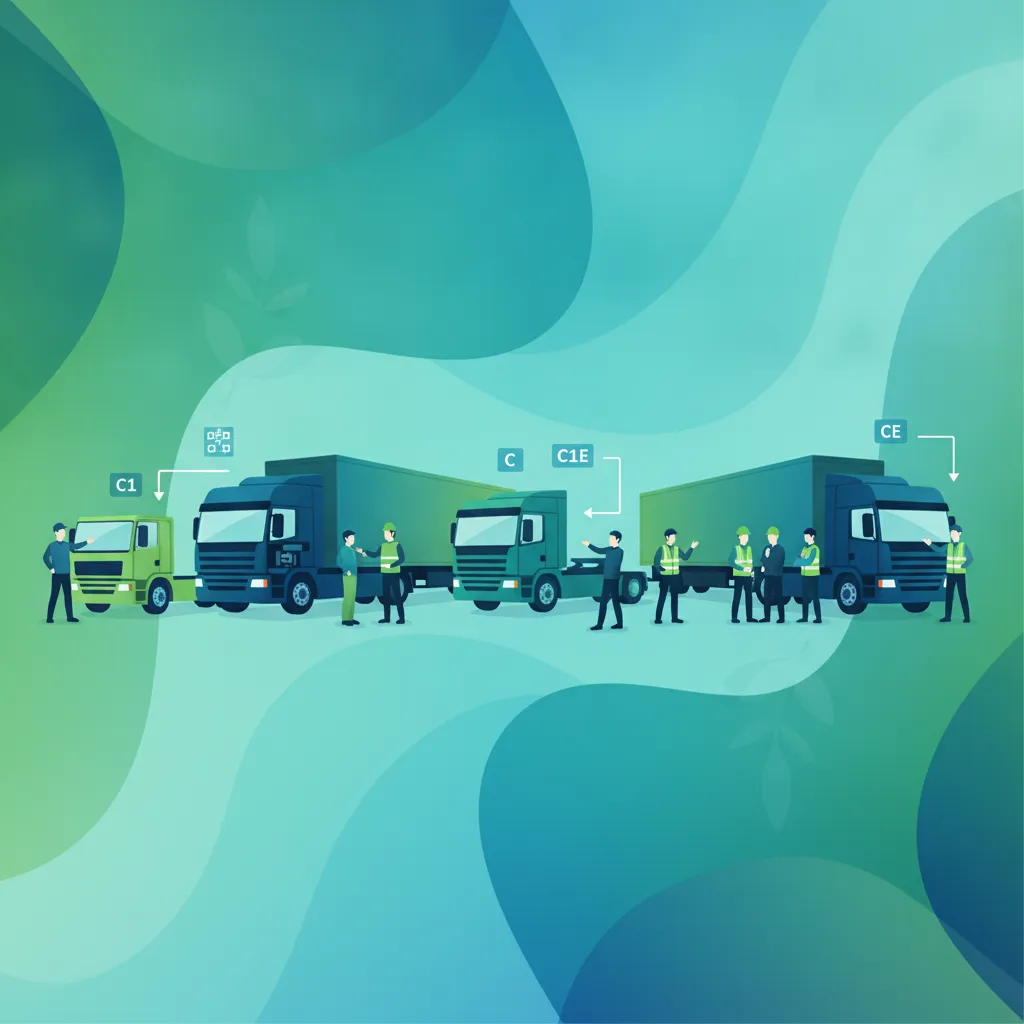
This lesson examines the specific differences between the C1, C, C1E, and CE licence categories. It outlines the maximum authorized mass and vehicle combinations permitted for each, along with the necessary driver qualifications, including age and medical fitness. Understanding these distinctions is crucial for operating the correct vehicle type legally.
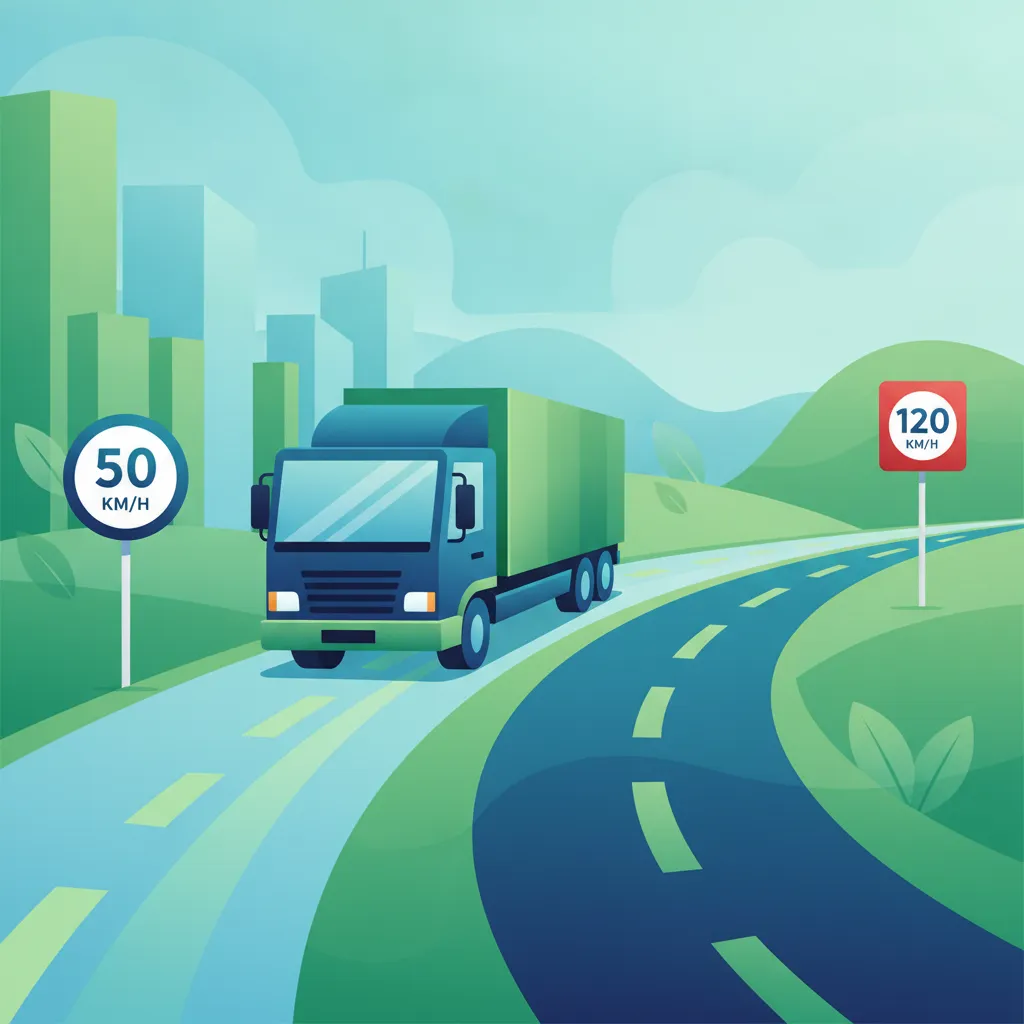
This lesson provides a clear breakdown of the legal speed limits for different categories of goods vehicles in Portugal. It covers the maximum speeds permitted on motorways, dual carriageways, rural roads, and within built-up areas. Adhering to these specific limits is a fundamental aspect of safe and legal professional driving.
This lesson outlines the mandatory documentation that a driver must possess and be able to present upon request. It covers the driver's licence, vehicle registration document (Matrícula), proof of insurance, and the valid inspection sticker. The lesson also explains the validity periods for these documents and the procedures for renewal to ensure continuous legal compliance.

This lesson details the regulations and proper application of passenger restraints, including seat belts and child safety seats. It explains the principles of safe luggage storage and how correct load distribution is critical for maintaining vehicle stability. The content also provides guidance on managing standing passengers to ensure their safety during transit.
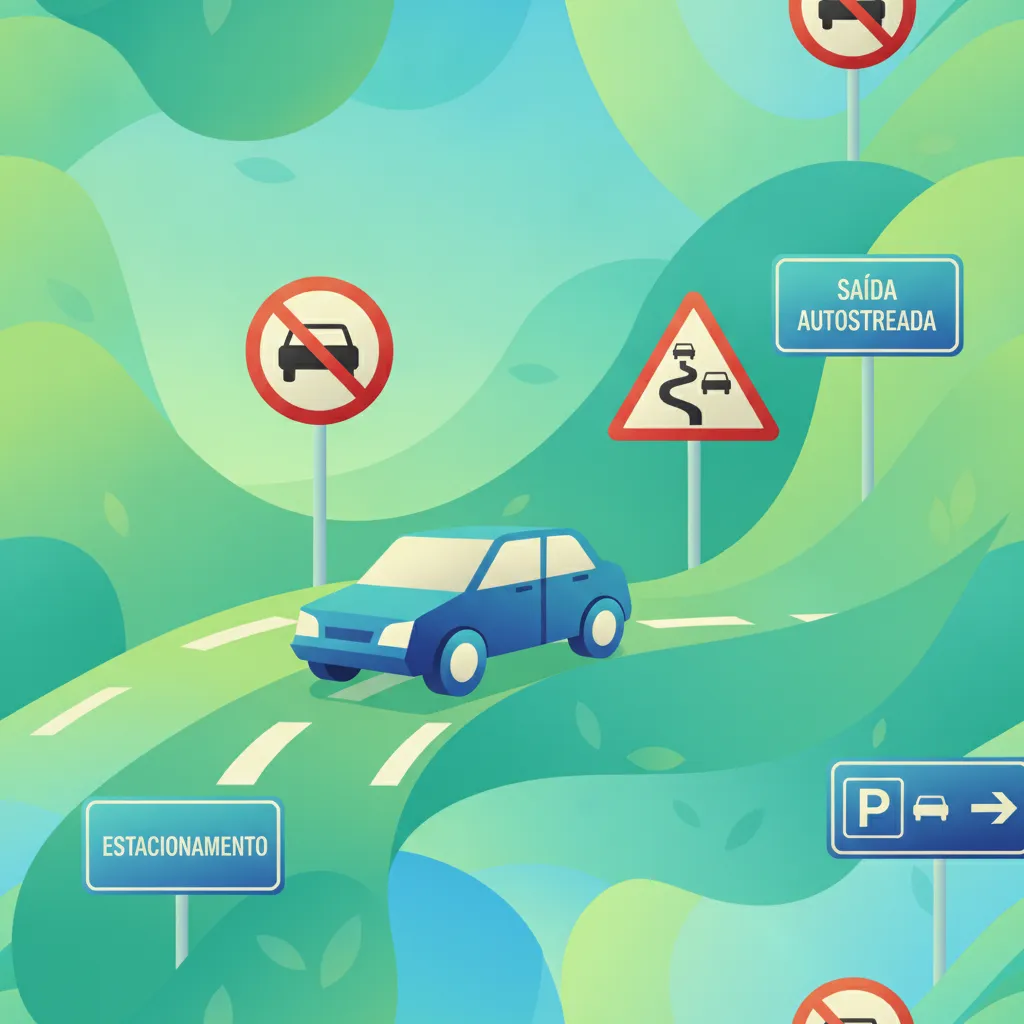
This lesson focuses on identifying and understanding road signs that directly impact passenger vehicle operation. It covers signage for bus lanes, height and weight restrictions, and prohibited movements. The content also explains the meaning of temporary signs used for diversions or roadworks that may affect planned routes.
Learn about the two-part examination process for the Portuguese Category B driving licence, including details on the theoretical test (Código da Estrada) and the practical driving assessment.
This lesson focuses on the specific skills required for driving on high-speed motorways. It details the procedures for safely merging onto and exiting the motorway, maintaining proper lane discipline, and adhering to variable speed limits. The content also provides rules for safe overtaking and managing the vehicle's stability at high speeds.
This lesson provides a clear overview of the statutory speed limits applicable on various types of roads in Portugal. It covers the default limits for built-up areas, single carriageways, dual carriageways, and motorways. Understanding these legal maximums is the first step in managing speed effectively and avoiding penalties for speeding.
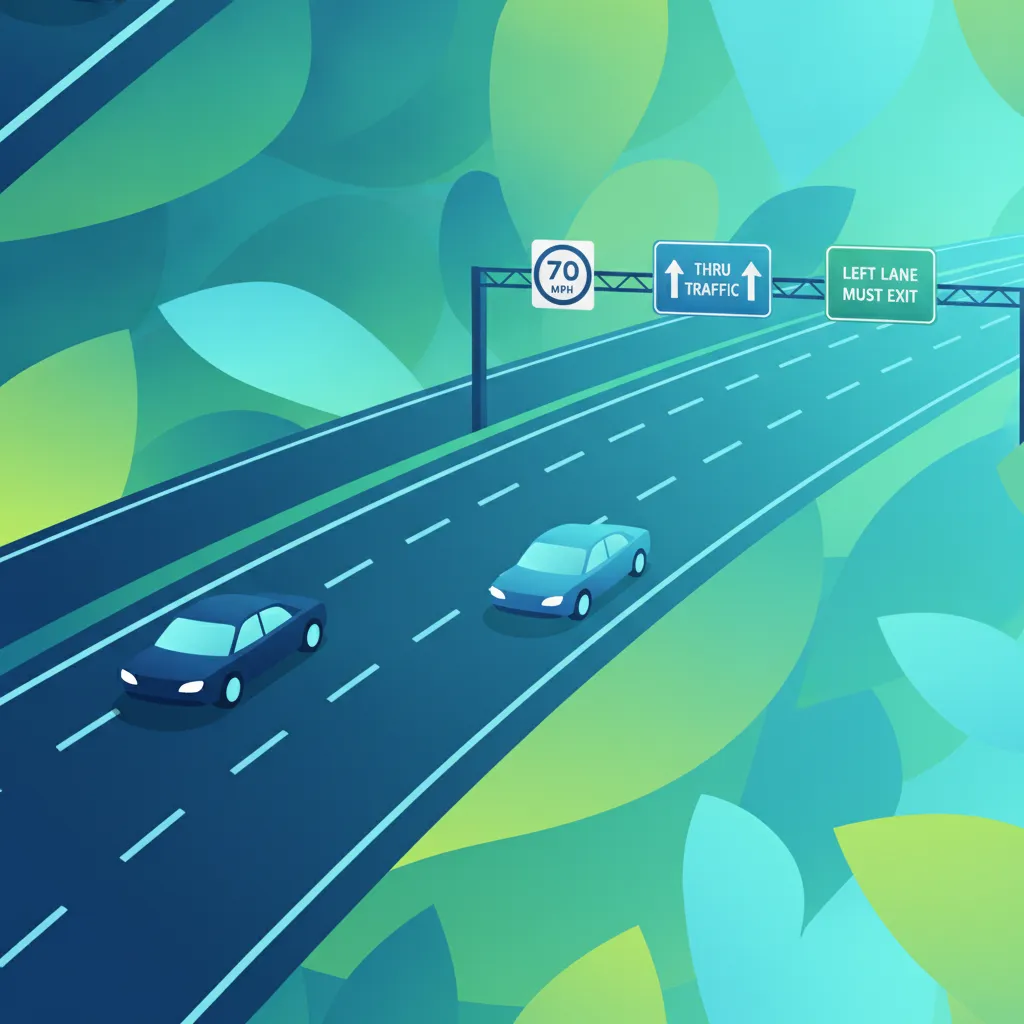
This lesson details the rules of lane discipline and the procedures for safe overtaking. It explains how to maintain correct lane positioning and how road markings and signs define where overtaking is allowed or forbidden. The lesson emphasizes the importance of the mirror-signal-manoeuvre routine and ensuring sufficient space and visibility before attempting to pass another vehicle.
This lesson details the fundamental legal obligations every driver must follow under the Código da Estrada. It covers adherence to speed limits, traffic signals, and road signs, as well as the mandatory use of safety equipment like seatbelts and child restraints. The content also emphasizes the importance of maintaining driver attentiveness and the strict prohibition of using mobile phones while driving.
This lesson outlines the mandatory documentation that a driver must possess and be able to present upon request. It covers the driver's licence, vehicle registration document (Matrícula), proof of insurance, and the valid inspection sticker. The lesson also explains the validity periods for these documents and the procedures for renewal to ensure continuous legal compliance.
This lesson focuses on the specific skills and regulations for motorway driving. It covers correct lane usage for HGVs, safe procedures for overtaking slower traffic, and the rules for using the hard shoulder or emergency refuge areas. Maintaining consistent speed and awareness of surrounding traffic is key to motorway safety.
This lesson provides a detailed breakdown of the professional licence categories for passenger transport in Portugal. It distinguishes between minibuses (D1), buses (D), and vehicles with trailers (D1E, DE). The content outlines the requirements for obtaining each licence, including medical certification, training, and passenger capacity limitations.

This lesson provides a detailed guide to the rules and safety considerations for overtaking. It covers how to assess if an overtake is necessary and safe, considering factors like road markings, visibility, and oncoming traffic. The correct procedure, from initial checks and signaling to returning safely to the lane, is explained in full.
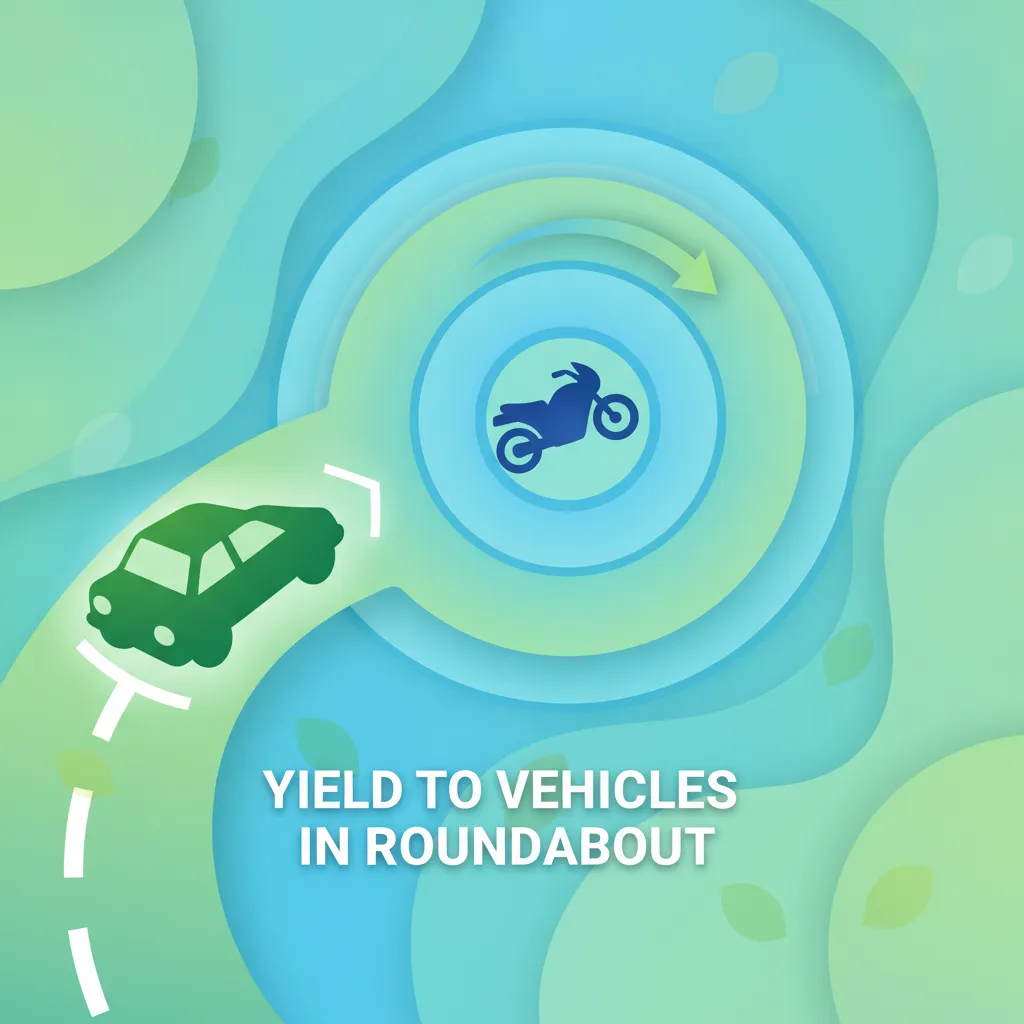
This lesson provides a step-by-step guide to navigating roundabouts in Portugal. It emphasizes the primary rule of yielding to traffic already circulating within the roundabout before entering. The content covers correct lane selection based on the intended exit, proper use of indicators for exiting, and managing the complexities of multi-lane roundabouts.
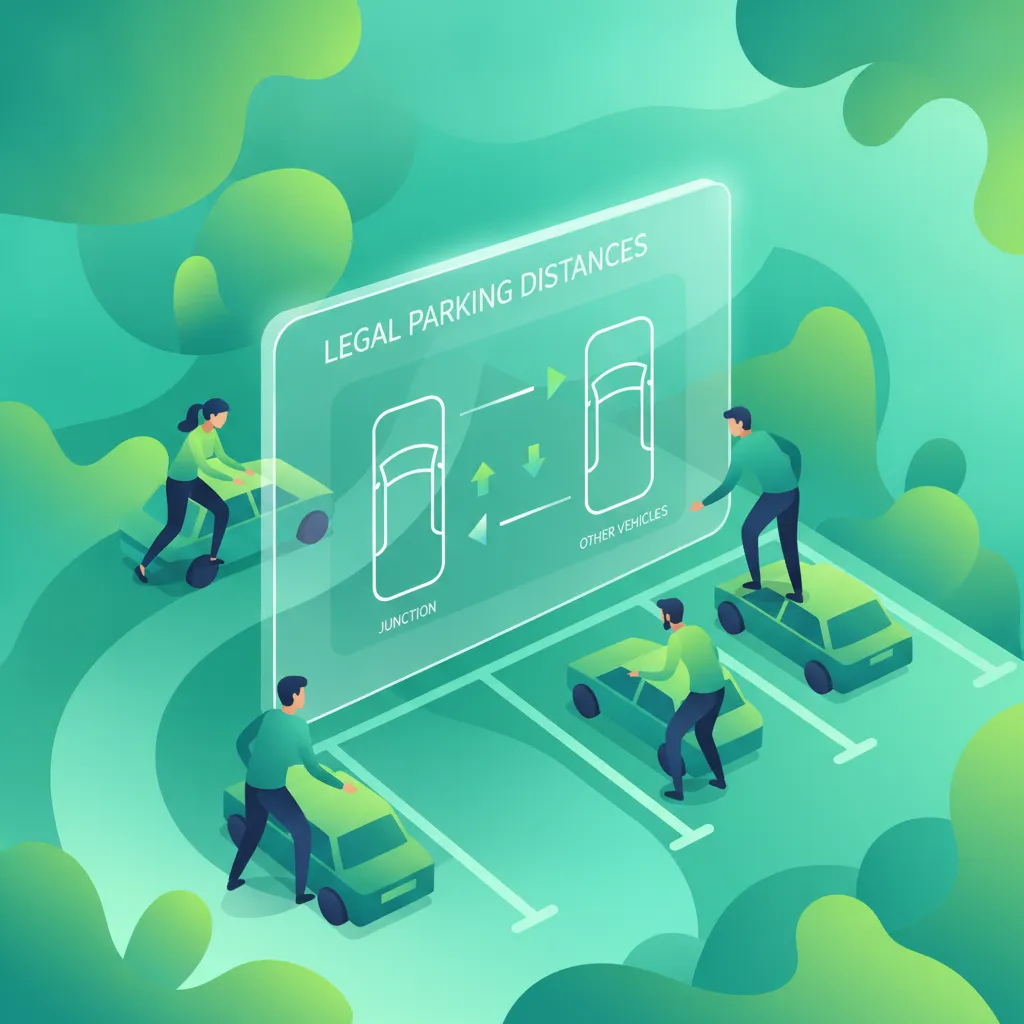
This lesson explains both the practical techniques and the legal regulations for parking. It provides step-by-step guidance for common parking manoeuvres such as parallel and bay parking. Additionally, it covers how to interpret parking signs, understand restrictions, and properly secure a vehicle, especially when parked on an incline.
Find clear answers to common questions learners have about Overview of Category B Licence. Learn how the lesson is structured, which driving theory objectives it supports, and how it fits into the overall learning path of units and curriculum progression in Portugal. These explanations help you understand key concepts, lesson flow, and exam focused study goals.
A Category B licence allows you to drive motor vehicles with a total mass not exceeding 3,500 kg and designed for no more than eight passengers, excluding the driver. You may also tow a trailer under specific weight conditions.
The standard minimum age to obtain a Category B driving licence in Portugal is 18 years old, although some specific provisions may allow for earlier training under supervision.
Generally, no. A Category B licence does not automatically grant you the rights to drive motorcycles, which fall under Category A or AM. Always check the specific endorsements on your licence card.
The theory exam consists of a series of multiple-choice questions covering the Código da Estrada, focusing on traffic signs, priority rules, and driver responsibilities. You must meet a minimum score to proceed to the practical driving test.
Utilize the powerful search tool to refine your Portuguese driving theory practice. Pinpoint questions related to specific traffic laws, road signs, or complex scenarios from the Código da Estrada. Begin targeted revision now to boost your understanding and confidently approach your IMT driving exam.