
This lesson details the consequences of traffic violations under the Código da Estrada, essential for every Category B driver in Portugal. Understanding how penalties, fines, and the demerit point system work is crucial for your theory exam and maintaining a clean driving record.

Lesson content overview
Driving on Portuguese roads comes with significant responsibilities, and failure to comply with the Código da Estrada (Road Code) can lead to serious consequences. This lesson, part of your Portuguese Driving Theory – Category B Comprehensive Course, provides a thorough overview of the various penalties drivers face for traffic infractions. Understanding these penalties is essential not only for passing your theoretical exam but also for promoting safe and responsible driving habits throughout your time on the road.
We will explore the structure of monetary fines, the demerit point system that tracks driver behaviour, and the conditions under which a driver's licence can be temporarily suspended or permanently revoked. By grasping the implications of these enforcement mechanisms, you will gain a deeper appreciation for the importance of adhering to traffic regulations and protecting yourself and other road users.
The Portuguese legal framework for traffic enforcement is designed to deter unsafe behaviour, ensure compliance with the Código da Estrada, and ultimately enhance public safety. Penalties serve as a critical tool in this framework, providing consequences for infractions that range from minor parking violations to severe dangerous driving offences. This system relies on a combination of immediate financial costs and long-term tracking of a driver's record to encourage consistent adherence to the rules.
The enforcement system for traffic violations in Portugal primarily operates through two interconnected mechanisms:
These mechanisms are not always independent; a single offence can lead to both a monetary fine and the addition of demerit points. The interplay between them ensures that both individual infractions and patterns of unsafe driving are addressed effectively.
Monetary fines are the most common form of penalty for traffic violations in Portugal. They represent a direct financial consequence for breaking traffic laws and are intended to deter future infractions.
A monetary fine is a financial penalty imposed by authorities for a traffic violation. These fines can be either fixed or variable, depending on the nature and severity of the offence.
When a driver receives a fine, it typically comes with details of the infraction, the applicable fine amount, and a deadline for payment. It's crucial for drivers to understand that paying a fine addresses the financial aspect but does not necessarily absolve them of other consequences, such as the accumulation of demerit points.
Upon receiving a traffic fine, drivers are generally given a set period to pay the penalty. It is mandatory to pay fines within the deadline specified on the ticket. This deadline is crucial because failure to comply can lead to escalating penalties.
Failure to pay a fine on time can result in increased charges, additional administrative fees, and in some cases, the initiation of legal enforcement procedures. It may also lead to the accrual of demerit points or even licence suspension if ignored for too long.
Drivers typically have options to pay fines, often including online payments, bank transfers, or at designated payment points. If a driver believes a fine has been issued incorrectly, there are legal channels to contest it, but this must also be done within the prescribed deadlines.
Many daily driving situations can lead to monetary fines. Some common examples include:
These fines serve as a constant reminder of the importance of vigilance and adherence to traffic rules, ensuring smoother and safer roads for everyone.
Beyond immediate financial penalties, Portugal employs a demerit point system, often referred to as Carta por Pontos, to monitor and manage driver behaviour over a longer period. This system encourages continuous safe driving and helps identify drivers who repeatedly pose a risk on the road.
Unlike systems where points are deducted from a starting balance, the Portuguese demerit point system, as described in this curriculum, works on an accumulation model. Drivers start with a clean record (zero points). For each traffic offence committed, a specific number of points is added to the driver's record. These points remain on the record for a specified duration, typically 12 months.
The purpose of this system is to identify drivers who demonstrate a pattern of non-compliance or repeatedly engage in dangerous driving behaviours. When a driver accumulates a certain threshold of points, it triggers more severe consequences, primarily licence suspension.
The number of demerit points added to a driver's record depends on the severity and nature of the infraction:
It is crucial to be aware of the point values associated with different offences, as even seemingly minor infractions can contribute to the overall point total, potentially leading to licence suspension if accumulated too frequently.
Points accumulated on a driver's record are not permanent. The system allows for behavioural correction: if no new offences are recorded, points are automatically removed from the driver’s record after a specified period, typically 12 months from the date of the offence. This mechanism incentivises drivers to maintain a clean record and encourages long-term compliance with traffic laws.
However, it's a common misunderstanding that points are "deducted" or "vanish" without impact. While they do expire, they remain on your record for the 12-month period and contribute to any thresholds during that time. A consistent record of safe driving is the best way to ensure points expire without leading to further penalties.
Licence suspension is a more severe penalty than a monetary fine, temporarily withdrawing a driver's privilege to operate a vehicle. This measure is implemented when a driver demonstrates a significant risk on the road, either through accumulating too many demerit points or by committing a single, exceptionally grave offence.
There are two primary ways a driving licence can be suspended in Portugal:
During a suspension period, a driver is legally prohibited from operating any vehicle. Doing so constitutes a serious criminal offence, leading to even harsher penalties, including extended suspension periods, higher fines, and potentially licence revocation.
Licence suspension is not always a simple expiry of a time period. In many cases, drivers are required to fulfil specific conditions before their driving privileges are reinstated. These conditions might include:
It is vital for suspended drivers to understand all requirements for reinstatement and to follow them diligently to avoid further legal complications.
Licence revocation represents the most severe penalty a driver can face. It signifies the permanent loss of the right to drive, requiring the driver to undergo the entire licensing process again after a mandatory waiting period. This measure is reserved for the most serious or persistent offenders who demonstrate a profound disregard for traffic laws and public safety.
Licence revocation is typically triggered by:
The legal statutes clearly define the specific conditions under which a licence can be revoked, emphasizing the protection of public safety as the primary rationale.
A revoked licence does not necessarily mean a lifetime ban from driving, but the path to re-licensing is arduous and lengthy. After a mandatory period during which the driver cannot apply for a new licence, they must typically:
This stringent process serves as a powerful deterrent and ensures that any individual who has had their licence revoked must re-demonstrate full competency and a commitment to safe driving before being allowed back on the roads.
Understanding the nuances of the Portuguese penalty system is crucial for all drivers. Misunderstandings or intentional non-compliance can lead to significantly worse outcomes.
One of the most common mistakes drivers make is underestimating the consequences of ignoring official penalties:
The severity of penalties can often be influenced by various contextual factors:
These variations underscore the importance of not just knowing the rules, but also understanding the reasoning behind them and adapting your driving behaviour to prevailing conditions.
The entire system of monetary fines, demerit points, and licence actions (suspension and revocation) is fundamentally geared towards promoting road safety.
By understanding the 'why' behind these penalties, drivers can better appreciate the importance of responsible driving and contribute positively to the overall safety of Portuguese roads.
To summarise, navigating the Portuguese road network requires not only skill and knowledge but also a clear understanding of the consequences of non-compliance.
The entire enforcement system is carefully structured to promote road safety, deter unsafe driving, and protect all road users in Portugal.
Explore all units and lessons included in this driving theory course.
Lesson content overview
Explore all units and lessons included in this driving theory course.
Explore search topics learners often look for when studying Penalties for Non-Compliance. These topics reflect common questions about road rules, driving situations, safety guidance, and lesson level theory preparation for learners in Portugal.
Browse additional driving theory lessons that cover connected traffic rules, road signs, and common driving situations related to this topic. Improve your understanding of how different rules interact across everyday traffic scenarios.
Understand the full range of penalties for traffic violations in Portugal. This lesson details monetary fines, the demerit point system, licence suspension, and revocation procedures. Essential knowledge for responsible driving and the Portuguese theory exam.
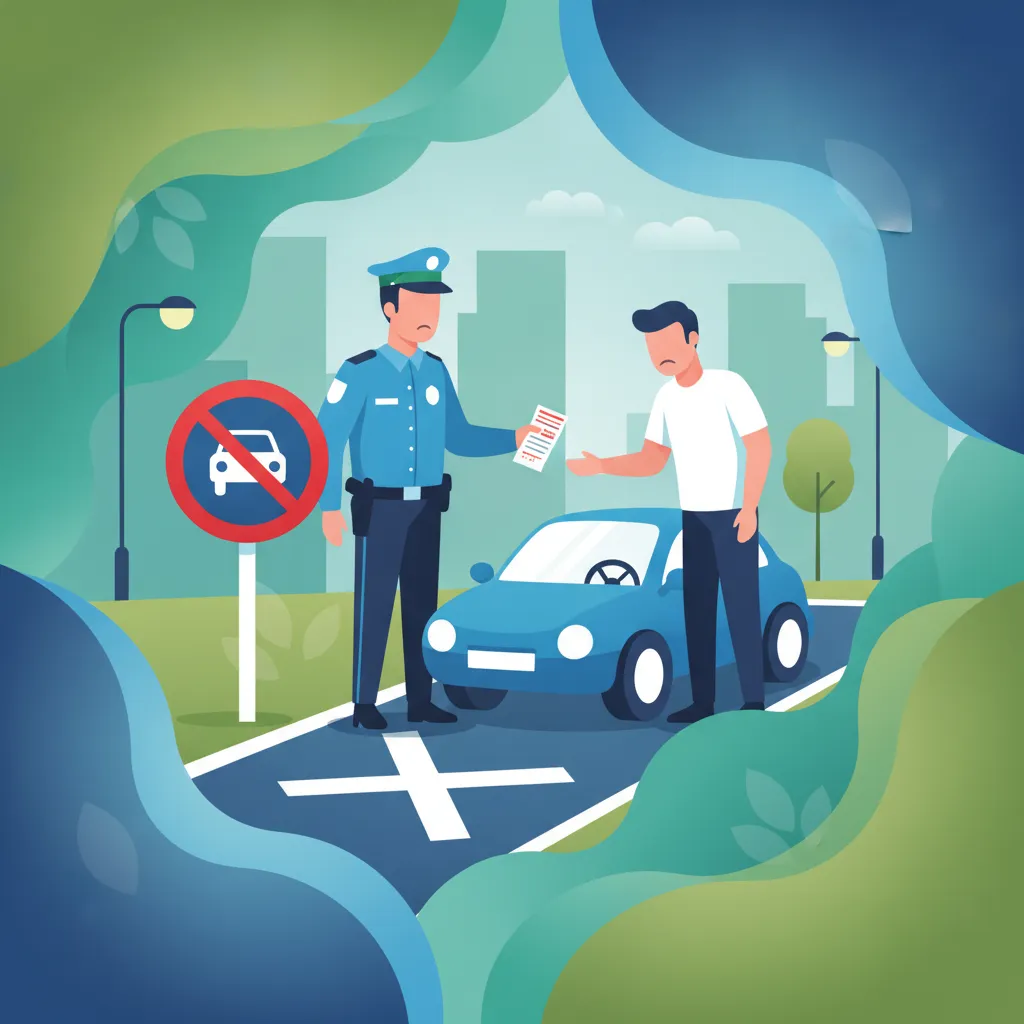
This lesson provides a detailed overview of the Portuguese system for penalizing traffic infractions. It explains how different violations are categorized and the corresponding fines and penalty points. The lesson clarifies the process of accumulating points and the thresholds at which a driver faces licence suspension or is required to undertake remedial training.

This lesson explains the Portuguese points system, the categorization of traffic violations, and the associated legal penalties. It outlines how points are accrued, the thresholds for licence suspension, and the financial implications of fines. Administrative procedures and the responsibilities of drivers in adhering to traffic law are also covered.

This lesson details the legal framework of penalties for traffic offenses in Portugal. It explains the system of fines and penalty points for common violations such as speeding, running a red light, or using a mobile phone. The content also covers more serious consequences, including license suspension or revocation, and stresses the importance of legal compliance for personal and public safety.
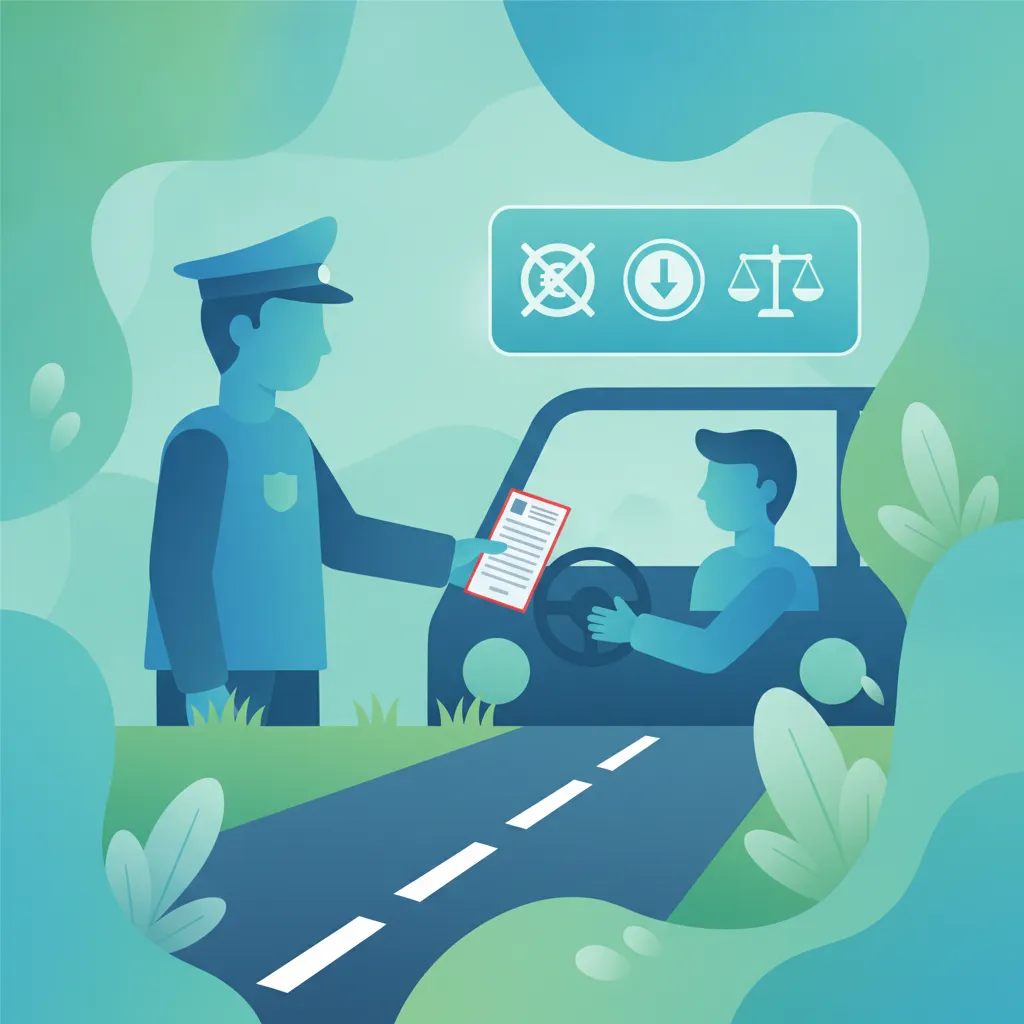
This lesson outlines the legal framework and penalties associated with traffic violations in Portugal for professional drivers. It covers the system of fines and penalty points that can lead to license suspension. The content reviews common infractions specific to passenger vehicles and emphasizes the importance of full compliance with the law.
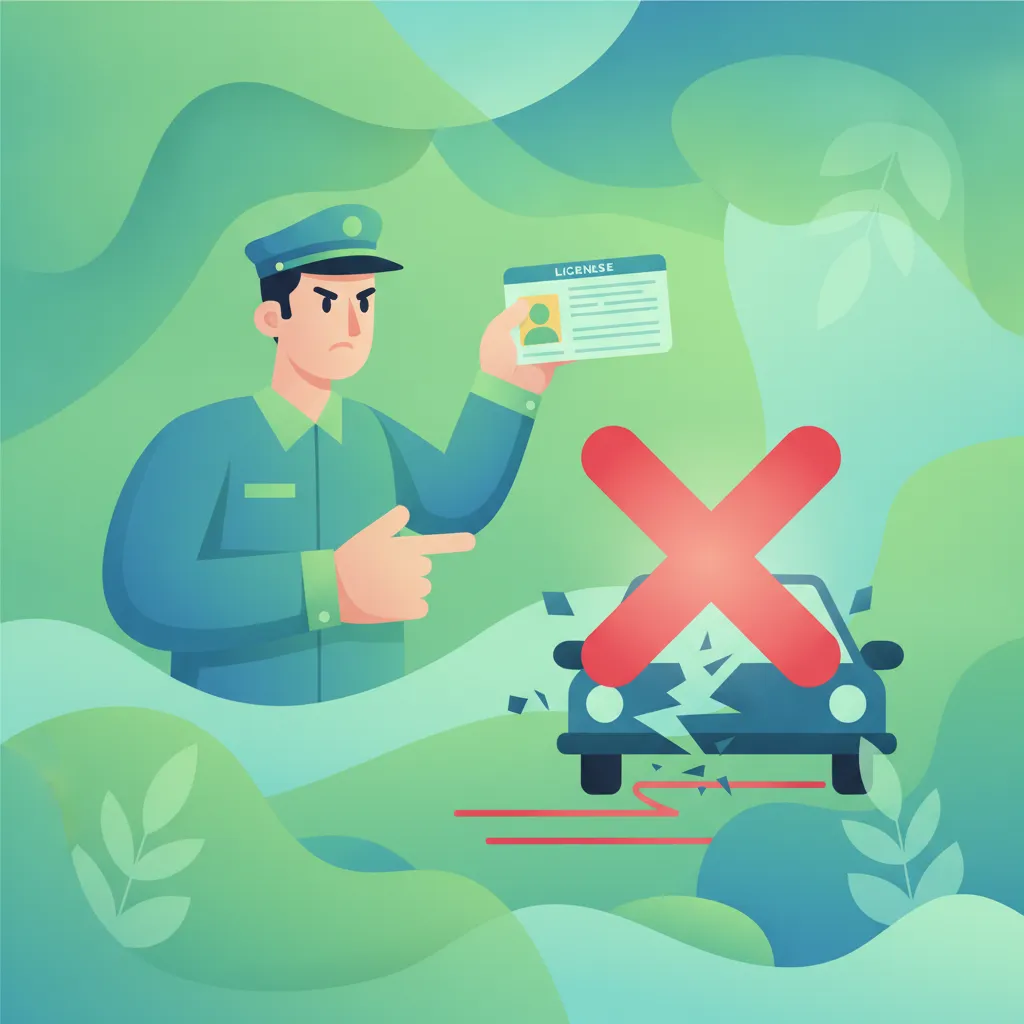
This lesson details the serious consequences of non-compliance with road transport law. It covers the graduated system of fines and penalties for various offenses, including infringements of drivers' hours rules. The concept of professional liability and how a driver can be held responsible for incidents is also explored.

This lesson outlines the range of penalties for non-compliance with transport regulations and the Código da Estrada. It covers administrative sanctions like fines and licence suspension, as well as the potential for criminal liability in severe cases. Understanding these consequences reinforces the importance of safe and lawful driving.
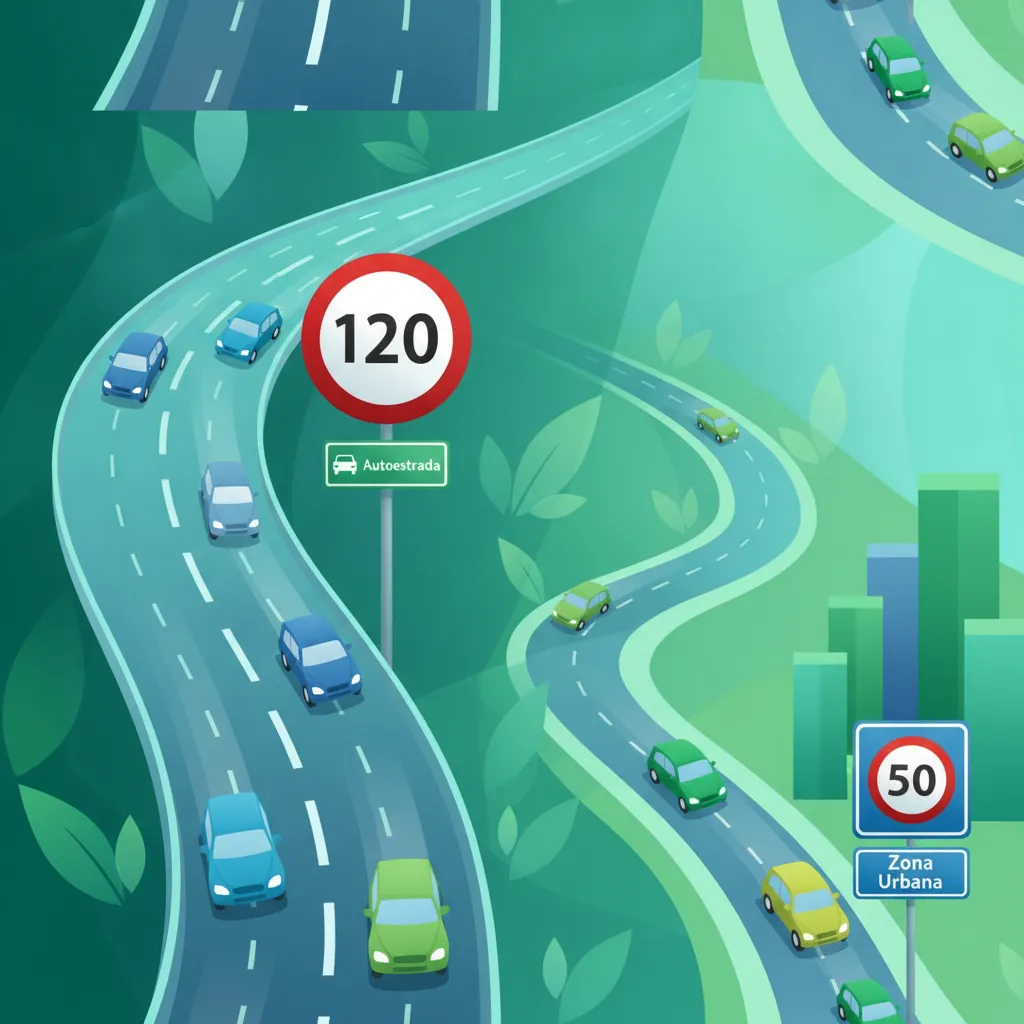
This lesson provides a clear overview of the statutory speed limits applicable on various types of roads in Portugal. It covers the default limits for built-up areas, single carriageways, dual carriageways, and motorways. Understanding these legal maximums is the first step in managing speed effectively and avoiding penalties for speeding.
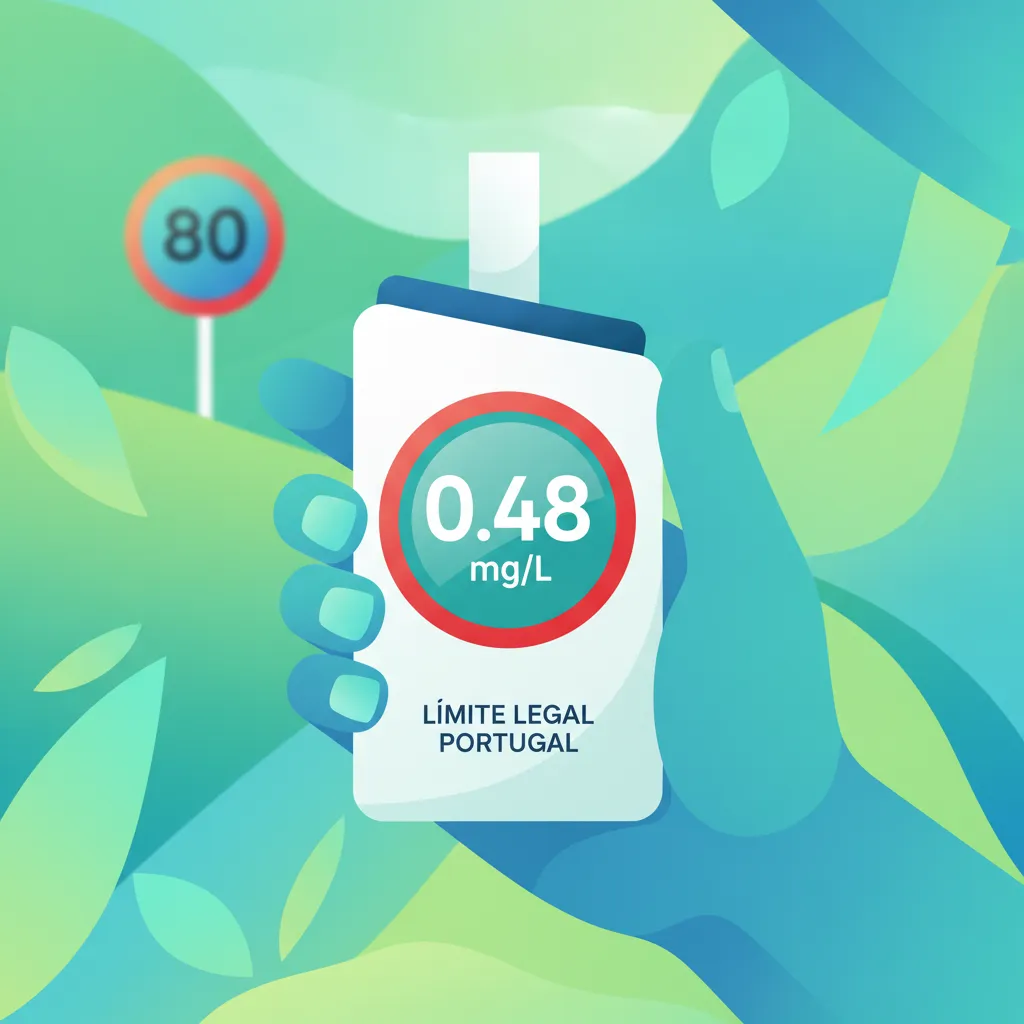
This lesson explains the specific blood alcohol concentration (BAC) limits for different categories of drivers in Portugal. It details how alcohol consumption impairs critical driving skills such as coordination, reaction time, and judgement. The lesson also describes the methods of enforcement, including breathalyzer tests, and the severe legal penalties for driving under the influence.

This lesson defines the scope and limitations of the Category B driving licence in Portugal. It specifies the types of vehicles drivers are permitted to operate, including weight and passenger restrictions, and outlines the minimum age requirements. Furthermore, it explains the two-part examination process, covering both the theoretical and practical tests necessary for obtaining the licence.

This lesson outlines the mandatory documentation that a driver must possess and be able to present upon request. It covers the driver's licence, vehicle registration document (Matrícula), proof of insurance, and the valid inspection sticker. The lesson also explains the validity periods for these documents and the procedures for renewal to ensure continuous legal compliance.
Learn what happens when traffic fines are ignored or driving licence suspensions are violated in Portugal. This lesson covers escalating penalties, legal repercussions, and the importance of compliance with the Código da Estrada.
This lesson details the legal framework of penalties for traffic offenses in Portugal. It explains the system of fines and penalty points for common violations such as speeding, running a red light, or using a mobile phone. The content also covers more serious consequences, including license suspension or revocation, and stresses the importance of legal compliance for personal and public safety.
This lesson details the serious consequences of non-compliance with road transport law. It covers the graduated system of fines and penalties for various offenses, including infringements of drivers' hours rules. The concept of professional liability and how a driver can be held responsible for incidents is also explored.
This lesson outlines the range of penalties for non-compliance with transport regulations and the Código da Estrada. It covers administrative sanctions like fines and licence suspension, as well as the potential for criminal liability in severe cases. Understanding these consequences reinforces the importance of safe and lawful driving.
This lesson provides a detailed overview of the Portuguese system for penalizing traffic infractions. It explains how different violations are categorized and the corresponding fines and penalty points. The lesson clarifies the process of accumulating points and the thresholds at which a driver faces licence suspension or is required to undertake remedial training.
This lesson outlines the legal framework and penalties associated with traffic violations in Portugal for professional drivers. It covers the system of fines and penalty points that can lead to license suspension. The content reviews common infractions specific to passenger vehicles and emphasizes the importance of full compliance with the law.
This lesson explains the Portuguese points system, the categorization of traffic violations, and the associated legal penalties. It outlines how points are accrued, the thresholds for licence suspension, and the financial implications of fines. Administrative procedures and the responsibilities of drivers in adhering to traffic law are also covered.
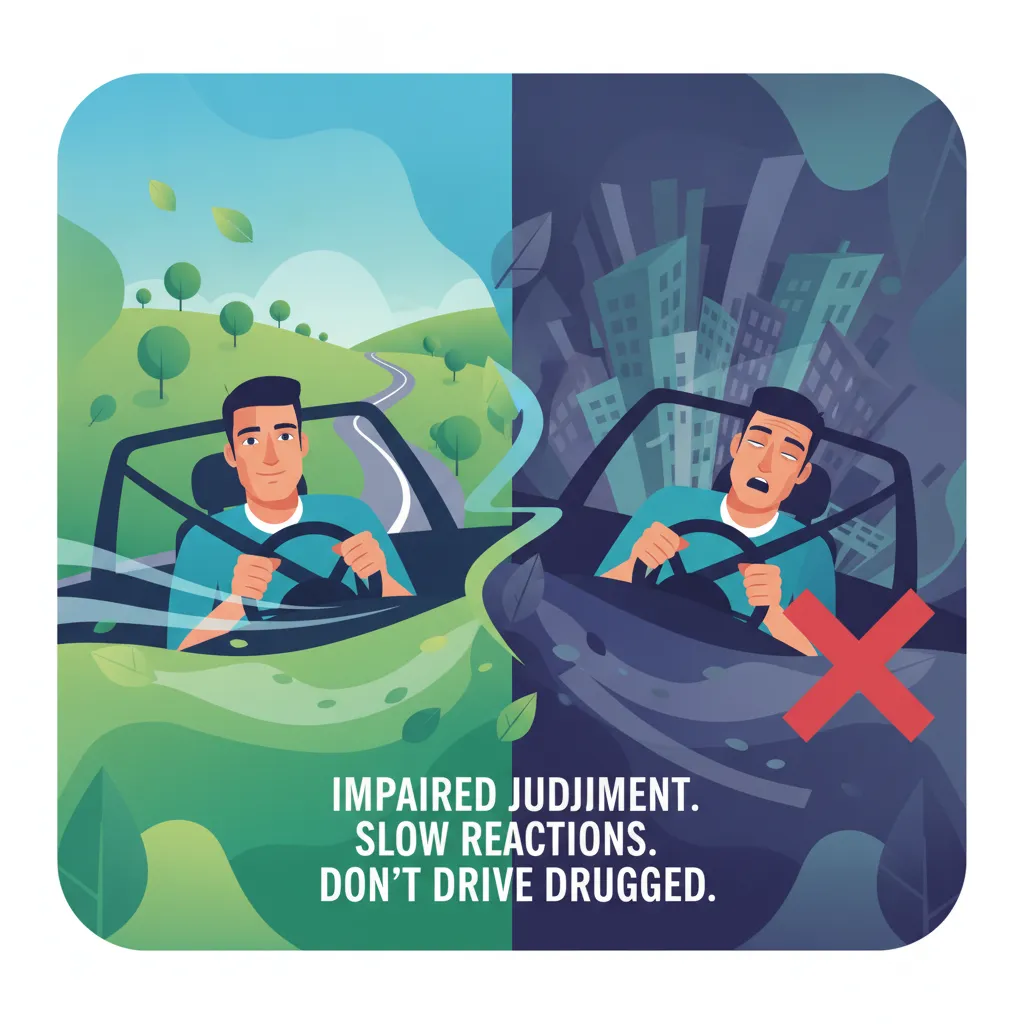
This lesson addresses the dangers of driving while under the influence of drugs, including illicit substances and certain prescription or over-the-counter medications. It explains how various substances can affect a driver's perception, concentration, and reaction times. The legal framework, including roadside testing and penalties for drug-driving, is also covered.
Find clear answers to common questions learners have about Penalties for Non-Compliance. Learn how the lesson is structured, which driving theory objectives it supports, and how it fits into the overall learning path of units and curriculum progression in Portugal. These explanations help you understand key concepts, lesson flow, and exam focused study goals.
The demerit point system assigns points to your driving licence for specific serious or very serious offences. Accumulating too many points within a specific timeframe can lead to the mandatory attendance of training courses or the eventual suspension of your licence.
No, not all offences result in a loss of points. Minor offences typically result in monetary fines, while serious and very serious infractions are the ones that specifically trigger the subtraction of points from your driving record.
The theory exam often presents scenarios where you must identify the correct classification of an offence, such as whether it is considered a light, serious, or very serious infraction, and the corresponding level of administrative sanction.
Yes, in cases of very serious offences, especially those involving alcohol or reckless behaviour, the law allows for the immediate suspension of the driving licence, even if you do not have prior demerit points.
Utilize the powerful search tool to refine your Portuguese driving theory practice. Pinpoint questions related to specific traffic laws, road signs, or complex scenarios from the Código da Estrada. Begin targeted revision now to boost your understanding and confidently approach your IMT driving exam.