This lesson guides you through the fundamental rules of lane discipline and the precise procedures required for safe overtaking on Portuguese roads. By understanding the interaction between road markings and your vehicle's positioning, you will prepare yourself for essential Category B exam questions. Mastering these skills is critical for both passing your test and ensuring safety in diverse traffic environments.
Lesson content overview
Driving safely and efficiently on Portuguese roads requires a thorough understanding of lane discipline and overtaking rules. These regulations, enshrined in the Código da Estrada (Portuguese Highway Code), are fundamental for maintaining orderly traffic flow, preventing collisions, and ensuring legal compliance. This lesson provides an in-depth guide to correct lane positioning, interpreting road markings, and executing safe overtaking maneuvers.
Lane discipline refers to the practice of maintaining a vehicle within its designated lane, adhering to traffic flow, and respecting all lane markings and signs. It is a cornerstone of safe driving, as it reduces confusion, minimizes conflict points between vehicles, and ensures predictable movement on the road. Proper lane usage is not merely a suggestion but a legal requirement designed to optimize road capacity and prevent accidents.
Roads in Portugal, especially multi-lane roads, utilize various types of lanes, each with a specific purpose:
Vias Reversíveis): Some lanes may have their direction of travel changed at different times of the day to accommodate fluctuating traffic patterns. These are typically identified by specific overhead signals (e.g., green arrow for open, red 'X' for closed) and unique road markings.Vias Reservadas para Autocarros): These lanes are reserved exclusively for public transport buses, and sometimes taxis or other authorized vehicles. Unauthorized vehicles are strictly prohibited from using these lanes, except under specific circumstances (e.g., to access a property, but only for the minimum necessary distance).Vias para Veículos com Alta Ocupação): Less common in Portugal than in some other countries, these lanes, if present, are reserved for vehicles carrying a minimum number of occupants, often indicated by specific diamond symbols or signs.Drivers must always stay within the boundaries of their chosen lane, unless performing a legal and safe lane change or overtaking maneuver. Crossing solid lane lines is strictly prohibited, as these lines delineate areas where such movements would be unsafe.
Road markings are vital visual cues painted on the road surface that provide essential guidance on lane usage, directions, and whether overtaking or lane changes are permitted. Understanding these markings is paramount for legal and safe driving in Portugal.
Linha contínua): A single solid white line separates lanes and indicates that crossing it is prohibited. This means you cannot overtake, change lanes, or enter an area separated by a solid line. They are typically found in areas where lane changes would be dangerous, such as tunnels, bridges, or before intersections.
Linha descontínua): A single dashed white line indicates that crossing the line is permitted, provided it is safe to do so. This applies to overtaking, changing lanes, or making turns. However, permission to cross does not equate to a right-of-way; drivers must always check mirrors, signal, and ensure the maneuver can be completed without risk to others.
Dupla linha contínua): Two parallel solid white lines signify a strict prohibition against overtaking from either side of the road. This marking is used in areas of extremely high risk, such as very sharp curves, steep descents, or before blind hilltops.
Dupla linha descontínua): While less common than other markings, this can indicate a reversible lane or a specific area where overtaking might be allowed from one side under certain conditions but not from the other. Always observe accompanying signs or signals.Linha mista): This marking consists of one solid white line alongside one dashed white line.
Correctly interpreting these markings is non-negotiable for adhering to the Código da Estrada and ensuring the safety of all road users.
Overtaking, or passing a slower-moving vehicle traveling in the same direction, is one of the most complex maneuvers a driver performs. It requires careful judgment, precise execution, and strict adherence to specific rules to prevent head-on collisions or other dangerous situations.
Overtaking is permitted only when all of the following conditions are met:
Every time you intend to change lanes or overtake, the Mirror-Signal-Manoeuvre (MSM) routine must be followed meticulously. This sequence ensures you are fully aware of your surroundings and communicate your intentions to other road users, significantly reducing the risk of accidents.
Mirror Check: Check your interior rearview mirror and relevant side mirrors to assess the traffic behind and to the sides. Pay close attention to any vehicles approaching rapidly or those in your blind spots. A quick head check over your shoulder (blind spot check) is essential before any lateral movement.
Signal: Clearly indicate your intention to move left or right using your vehicle's turn indicators. Signal early enough to give other drivers time to react, but not so early that it could be misinterpreted.
Manoeuvre (Overtake/Change Lanes): Only once you have confirmed it is safe, execute the maneuver smoothly. Accelerate, steer gently into the overtaking lane, maintain a safe distance from the vehicle you are passing, and complete the overtake efficiently.
Mirror Check (Post-Manoeuvre): After passing, check your rearview mirror to ensure you can see the vehicle you just overtook completely in your mirror before signaling and returning safely to your original lane.
Failing to signal or neglecting mirror checks before a lane change or overtaking is a common violation and a significant cause of collisions.
Successful and safe overtaking hinges on accurate judgment of visibility, required distance, and appropriate speed. These factors are interconnected and must be assessed continuously throughout the maneuver.
Visibility refers to your clear line of sight of the road ahead. Overtaking must only be attempted when you have a completely unobstructed view of the road for the entire duration of the maneuver. This includes seeing potential oncoming traffic, upcoming bends, junctions, and any other hazards.
Curvas e Cumes de Elevações): Never overtake on a curve or when approaching the crest of a hill if your visibility of the road ahead is limited. These are prime locations for head-on collisions due to unseen oncoming traffic.
In Portugal, overtaking is generally prohibited within 0.5 km (500 meters) before a hilltop where visibility is limited, as specified in the Código da Estrada.The distance required to safely complete an overtaking maneuver depends on several factors: your speed, the speed of the vehicle you are passing, your vehicle's acceleration capabilities, and the presence of oncoming traffic.
While overtaking requires a speed differential, it must always be done within legal speed limits. Exceeding the speed limit to overtake is illegal and highly dangerous. A good rule of thumb is to ensure you can comfortably accelerate to pass without violating speed restrictions. If you cannot, it is safer to remain in your lane.
The Código da Estrada explicitly prohibits overtaking in certain areas due to inherent safety risks. Disregarding these prohibitions not only carries severe penalties but significantly increases the likelihood of a serious accident.
Cruzamentos or Entroncamentos) and Junctions: Overtaking is generally prohibited immediately before and within intersections, as turning vehicles or cross-traffic create complex conflict points. An exception might be a multi-lane road where the lanes are clearly delineated for through traffic and turning traffic, and the overtaking can be completed safely within the designated through lane.Passagens para Peões): Overtaking is strictly prohibited immediately before and on pedestrian crossings. This rule protects pedestrians who may be hidden by the vehicle you are passing.
In Portugal, overtaking is typically prohibited within 150 meters before a pedestrian crossing or a traffic island (ilhas de tráfego).Ilhas de Tráfego): Similar to pedestrian crossings, overtaking in the vicinity of traffic islands is forbidden to prevent conflicts with vehicles maneuvering around the island.It is a serious violation to overtake a vehicle that has stopped or is slowing down to allow pedestrians to cross the road. This action is extremely dangerous as it puts pedestrians directly in harm's way, as they may walk into the path of your overtaking vehicle without seeing it. Always assume a stopped vehicle has a good reason for stopping.
Driving conditions are rarely static. Safe lane discipline and overtaking require drivers to constantly assess and adapt their actions based on environmental factors, road type, vehicle state, and the presence of vulnerable road users.
Autoestradas): These multi-lane roads are designed for high-speed travel. Lane discipline is crucial: keep to the rightmost lane unless overtaking. Overtaking is generally done on the left. Changing lanes requires signaling and careful mirror checks due to higher speeds.Vias Urbanas): In cities and towns, overtaking is often restricted or prohibited due to high traffic density, frequent intersections, parked vehicles, and the presence of pedestrians. Speed limits are lower, and defensive driving is paramount.Estradas Rurais): These can vary greatly, from wide, clear roads to narrow, winding paths. Extra vigilance is needed on rural roads, especially on blind bends and hilltops, where overtaking is highly dangerous and often prohibited.Peões): Never overtake near pedestrian crossings or if a vehicle ahead has stopped for pedestrians. Always yield to pedestrians.Ciclistas): Cyclists are particularly vulnerable. When overtaking a cyclist, you must leave a wide lateral safety margin, generally at least 1.5 meters (or more if conditions warrant). Do not squeeze past them.Motociclistas): Motorcyclists can be harder to see due to their smaller profile. Always assume they might be in your blind spot and maintain a safe following and lateral distance.Violations of lane discipline and overtaking rules are among the most common causes of road accidents and carry significant legal consequences under the Código da Estrada.
Overtaking on a Solid Line: Crossing a single or double solid white line to overtake is illegal and extremely dangerous. It often results in fines, penalty points on your license, and is a high-risk factor for head-on collisions.
Improper Use of Turning Lanes: Failing to use designated turning lanes or changing lanes abruptly at an intersection can lead to conflicts with other vehicles and is a common cause of urban accidents.
Starting an Overtake Too Close to a Prohibited Zone: Initiating an overtaking maneuver when you cannot complete it safely before reaching a solid line, intersection, or pedestrian crossing is illegal and hazardous. This demonstrates poor judgment and can lead to a sudden, unsafe return to your lane or a collision.
Overtaking Without Signaling: Failing to signal your intentions denies other drivers critical information about your next move, increasing the risk of accidents, especially when multiple vehicles are present. This also incurs fines and penalty points.
Overtaking When Visibility is Limited: Attempting to overtake on blind curves, over hilltops, or in adverse weather conditions (fog, heavy rain) when you cannot see the road ahead is a recipe for disaster and one of the most dangerous driving behaviors.
These violations are not just about avoiding fines; they are about preventing serious injuries or fatalities. Adhering to the rules is a direct measure of a driver's responsibility and competence.
Mastering lane discipline and overtaking rules is fundamental for safe and responsible driving in Portugal. Remember these core principles:
By consistently applying these rules and principles, you contribute to a safer, more efficient road network for everyone.
Explore all units and lessons included in this driving theory course.
Lesson content overview
Explore all units and lessons included in this driving theory course.
Explore search topics learners often look for when studying Lane Discipline and Overtaking Rules. These topics reflect common questions about road rules, driving situations, safety guidance, and lesson level theory preparation for learners in Portugal.
Browse additional driving theory lessons that cover connected traffic rules, road signs, and common driving situations related to this topic. Improve your understanding of how different rules interact across everyday traffic scenarios.
Understand the critical rules for lane discipline and safe overtaking on Portuguese roads. This lesson clarifies lane markings, permitted overtaking zones, and the Mirror-Signal-Manoeuvre (MSM) routine, ensuring compliance with the Código da Estrada.

This lesson provides a detailed explanation of longitudinal road markings, including solid, broken, and double lines. It clarifies the rules for each type, specifying when changing lanes or overtaking is permitted or prohibited. Additionally, the lesson covers markings for road edges, stop lines at intersections, and pedestrian crossings to ensure correct driver positioning and action.
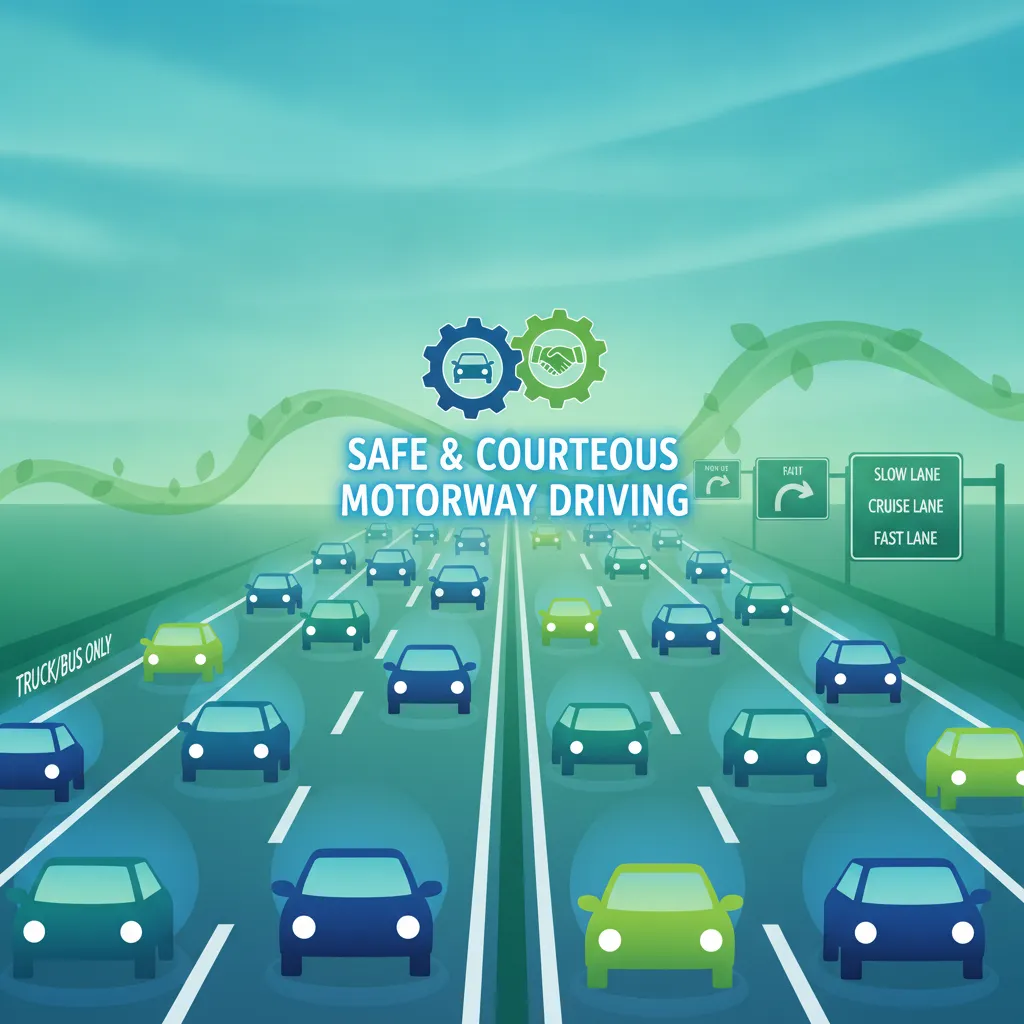
This lesson explains the unique set of rules that apply to motorway driving to facilitate safe, high-speed travel. It covers the correct procedure for entering and exiting the motorway, principles of lane discipline (keeping left unless overtaking), and the rules for safe overtaking. The lesson also clarifies the proper use of the hard shoulder or emergency lane for genuine emergencies only.

This lesson provides a detailed guide to the rules and safety considerations for overtaking. It covers how to assess if an overtake is necessary and safe, considering factors like road markings, visibility, and oncoming traffic. The correct procedure, from initial checks and signaling to returning safely to the lane, is explained in full.

This lesson emphasizes the importance of strict lane discipline for heavy vehicles. It covers how to maintain a central position in the lane, the correct procedure for signaling and checking before a lane change, and how to navigate multi-lane roundabouts. Proper lane discipline enhances safety and improves traffic flow for everyone.
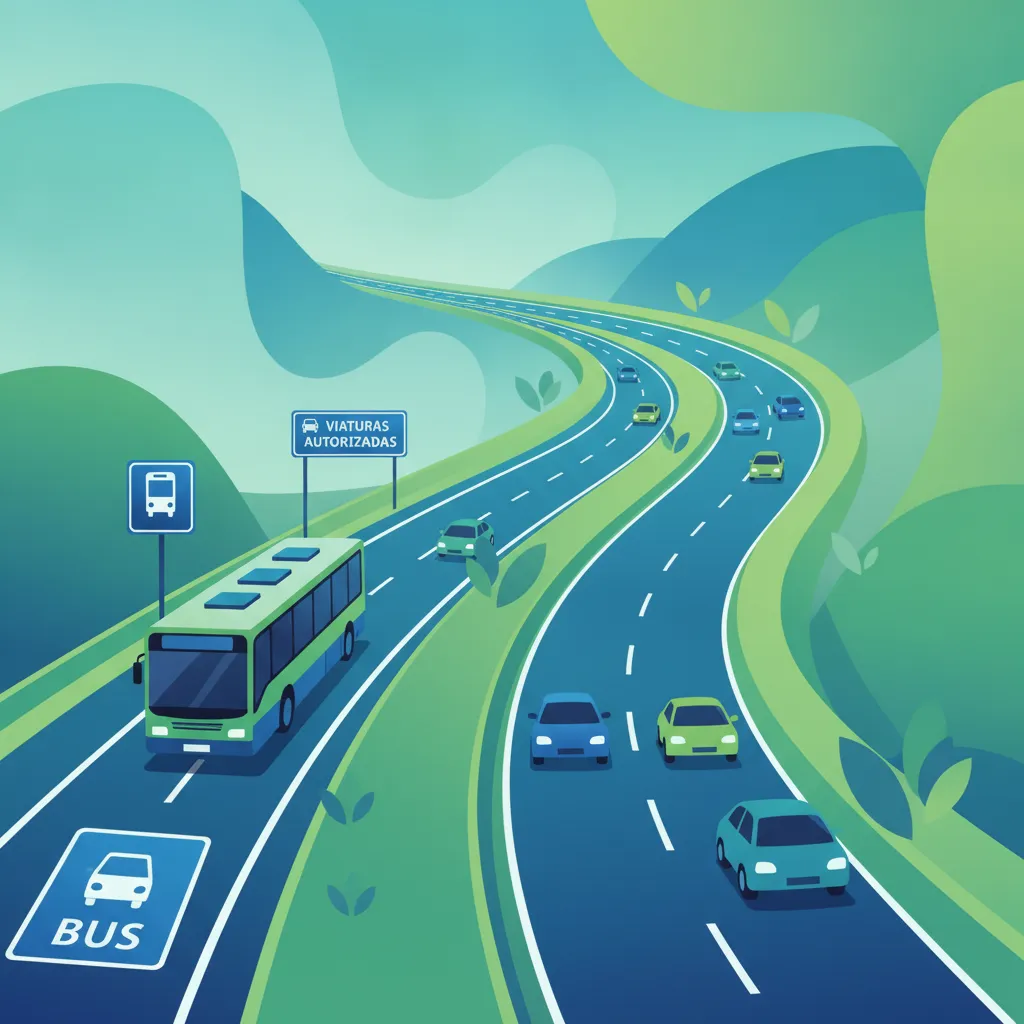
This lesson explains the purpose and rules of reserved lanes, such as those designated for buses, taxis, or cyclists. It covers how to identify these lanes through signage and road markings, and details the specific times they may be in operation. Drivers will learn when they are permitted to enter these lanes and the penalties for unauthorized use.
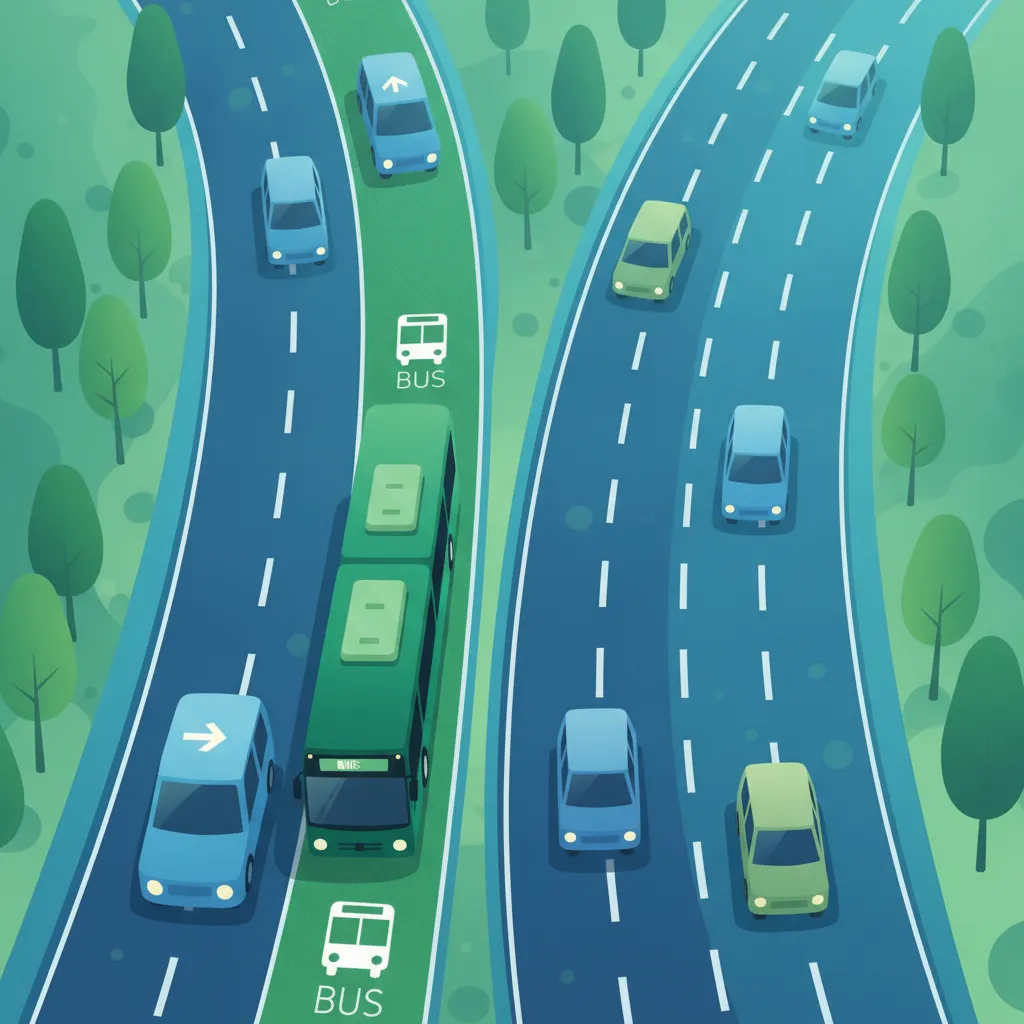
This lesson reinforces the importance of strict lane discipline for large vehicles. It details the rules for using dedicated bus lanes, including entry and exit points and operational time restrictions. The content also covers the procedures for safely changing lanes and overtaking in a multi-lane environment.

This lesson focuses on the specific skills and regulations for motorway driving. It covers correct lane usage for HGVs, safe procedures for overtaking slower traffic, and the rules for using the hard shoulder or emergency refuge areas. Maintaining consistent speed and awareness of surrounding traffic is key to motorway safety.
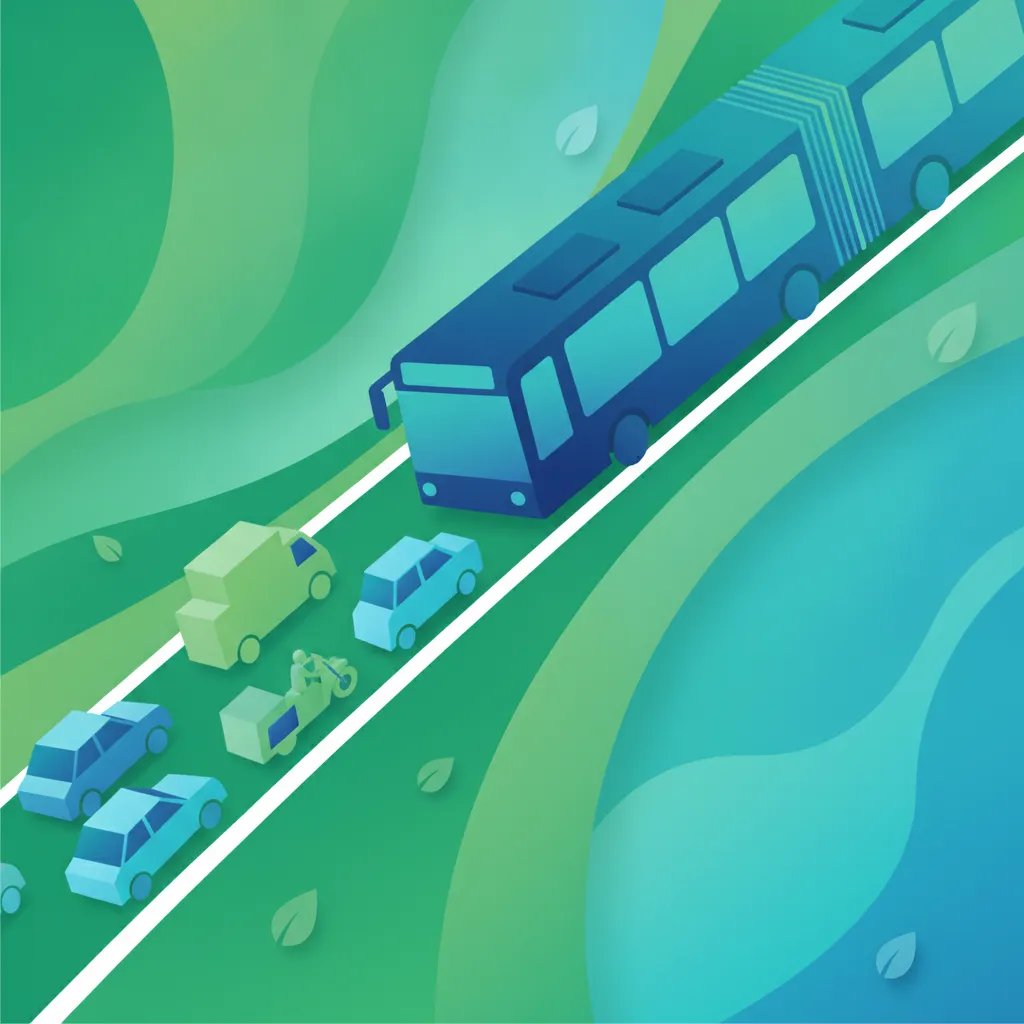
This lesson explains the regulations governing the use of dedicated bus lanes, including operational hours and priority rules at junctions. It clarifies which other vehicles may use these lanes and under what circumstances. The content also discusses traffic signal priority systems and the legal implications of improper bus lane usage.
This lesson focuses on the specifics of riding on motorways, covering speed management, lane discipline, and safe entry and exit strategies. Riders will learn how to choose appropriate lanes, maintain safe following distances at high speeds, and execute overtaking safely. The impact of wind and understanding Portuguese motorway signage are also addressed.
This lesson details the systematic process for changing lanes and merging with traffic, particularly when entering a motorway from an acceleration lane. It emphasizes the critical importance of the mirror-signal-blind spot check routine. The content also explains how to judge a safe gap in the traffic and adjust vehicle speed to merge smoothly and without disrupting the flow.
Learn about specific areas where overtaking is strictly forbidden in Portugal, such as solid lines, intersections, and blind spots. This lesson highlights common violations and dangerous scenarios to help you drive more safely.
This lesson provides a detailed guide to the rules and safety considerations for overtaking. It covers how to assess if an overtake is necessary and safe, considering factors like road markings, visibility, and oncoming traffic. The correct procedure, from initial checks and signaling to returning safely to the lane, is explained in full.
This lesson details the systematic process for changing lanes and merging with traffic, particularly when entering a motorway from an acceleration lane. It emphasizes the critical importance of the mirror-signal-blind spot check routine. The content also explains how to judge a safe gap in the traffic and adjust vehicle speed to merge smoothly and without disrupting the flow.
This lesson provides a detailed explanation of longitudinal road markings, including solid, broken, and double lines. It clarifies the rules for each type, specifying when changing lanes or overtaking is permitted or prohibited. Additionally, the lesson covers markings for road edges, stop lines at intersections, and pedestrian crossings to ensure correct driver positioning and action.
This lesson explains the unique set of rules that apply to motorway driving to facilitate safe, high-speed travel. It covers the correct procedure for entering and exiting the motorway, principles of lane discipline (keeping left unless overtaking), and the rules for safe overtaking. The lesson also clarifies the proper use of the hard shoulder or emergency lane for genuine emergencies only.

This lesson focuses on riding safely on two-way roads and narrow lanes where space is limited. It emphasizes maintaining lane discipline, using the road edge when appropriate, and anticipating oncoming traffic. Techniques for safe passing, speed control, and positioning to maximize visibility and minimize collision risk are provided.
This lesson explains the purpose and rules of reserved lanes, such as those designated for buses, taxis, or cyclists. It covers how to identify these lanes through signage and road markings, and details the specific times they may be in operation. Drivers will learn when they are permitted to enter these lanes and the penalties for unauthorized use.
This lesson focuses on safe interaction with cyclists on the road. It covers the identification of dedicated bicycle lanes and the rules regarding cyclist priority in various situations. Key topics include maintaining a safe lateral distance when overtaking cyclists and the importance of checking blind spots for them before turning or changing lanes.

This lesson details the steps for performing safe overtaking maneuvers, focusing on judgment, speed differential, and signaling. It covers assessing safe distances, using mirrors, and selecting appropriate lanes for overtaking. Guidelines for overtaking in various traffic conditions are provided to ensure riders can execute this maneuver safely and legally.
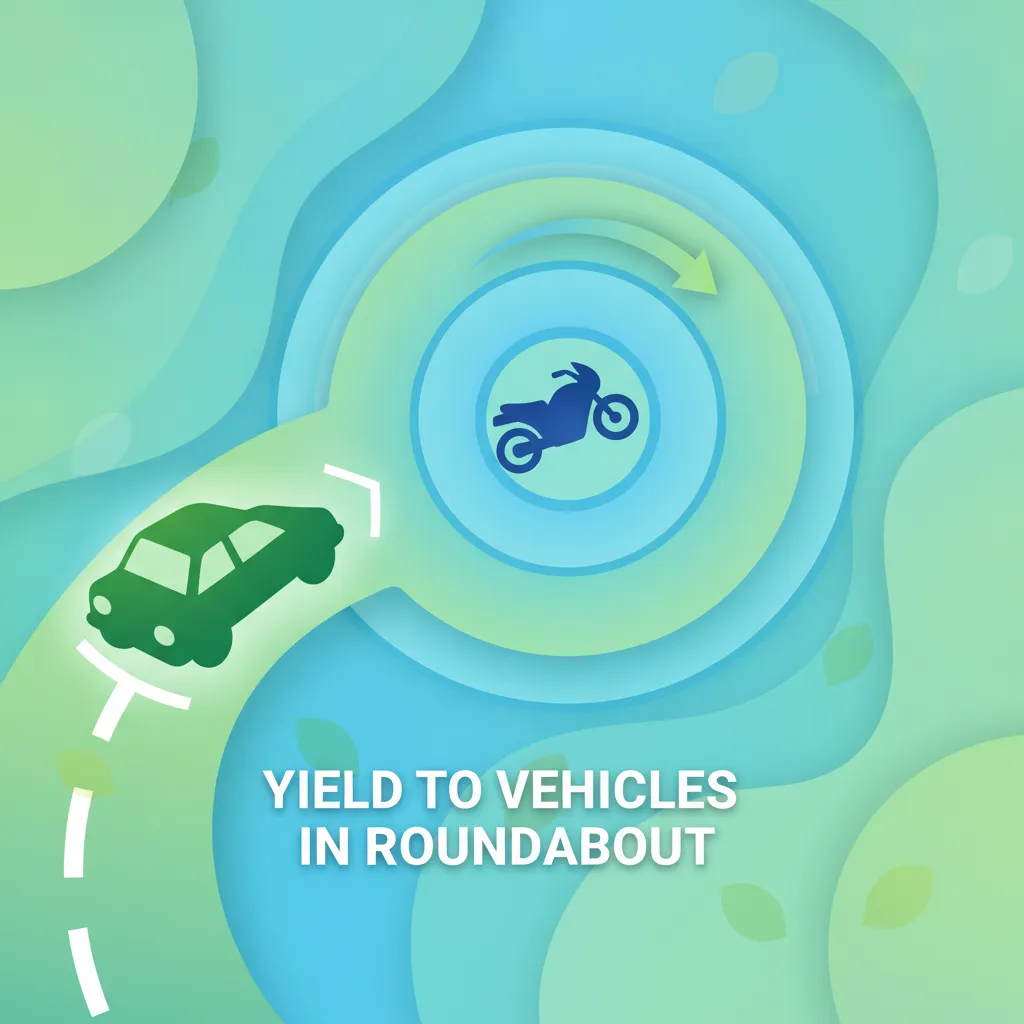
This lesson provides a step-by-step guide to navigating roundabouts in Portugal. It emphasizes the primary rule of yielding to traffic already circulating within the roundabout before entering. The content covers correct lane selection based on the intended exit, proper use of indicators for exiting, and managing the complexities of multi-lane roundabouts.
This lesson focuses on the specific skills and regulations for motorway driving. It covers correct lane usage for HGVs, safe procedures for overtaking slower traffic, and the rules for using the hard shoulder or emergency refuge areas. Maintaining consistent speed and awareness of surrounding traffic is key to motorway safety.
Find clear answers to common questions learners have about Lane Discipline and Overtaking Rules. Learn how the lesson is structured, which driving theory objectives it supports, and how it fits into the overall learning path of units and curriculum progression in Portugal. These explanations help you understand key concepts, lesson flow, and exam focused study goals.
Overtaking is prohibited near pedestrian crossings, at intersections where priority is not regulated by signs, on curves with limited visibility, and where continuous white lines (solid lines) are marked on the road.
You must always follow the mirror-signal-manoeuvre routine: check your interior and exterior mirrors, check blind spots, signal your intention clearly, and then assess if there is enough space and visibility before moving into the lane.
Yes, you may cross or straddle a broken (discontinuous) white line to overtake, provided that oncoming traffic is clear and you have sufficient visibility and distance to complete the manoeuvre safely.
The exam often uses images or diagrams of road scenes where you must identify if the driver is in the correct lane or if a specific overtaking manoeuvre is permitted based on the visible road markings and signs.
Utilize the powerful search tool to refine your Portuguese driving theory practice. Pinpoint questions related to specific traffic laws, road signs, or complex scenarios from the Código da Estrada. Begin targeted revision now to boost your understanding and confidently approach your IMT driving exam.