
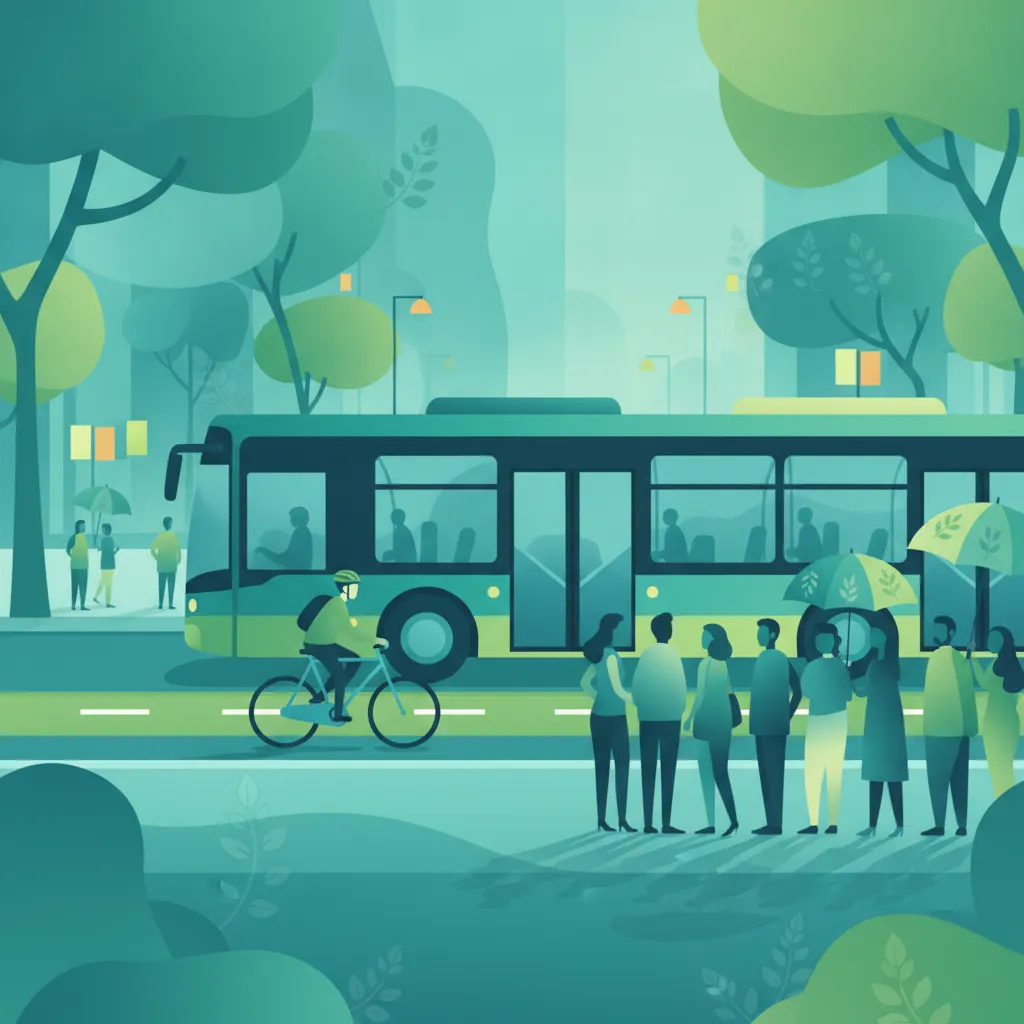
This lesson explores the essential rules and safety etiquette for interacting with public transport vehicles in Portugal. You will learn the legal requirements for sharing the road with buses and trams, specifically focusing on yielding when they pull out from stops. This knowledge is vital for both your Category B theory exam and your future safety as a driver.
Lesson content overview
Explore all units and lessons included in this driving theory course.
Lesson content overview
Explore all units and lessons included in this driving theory course.
Explore search topics learners often look for when studying Bus Stops and Public Transport Interaction. These topics reflect common questions about road rules, driving situations, safety guidance, and lesson level theory preparation for learners in Portugal.
Browse additional driving theory lessons that cover connected traffic rules, road signs, and common driving situations related to this topic. Improve your understanding of how different rules interact across everyday traffic scenarios.
Understand the legal requirements and safe practices for driving near bus stops in Portugal. Learn when to yield to public transport and how to safely navigate situations involving buses and trams.

This lesson provides essential safety guidance for interacting with large vehicles like buses and trucks. It emphasizes the importance of staying out of their extensive blind spots and allowing extra space due to their long stopping distances and wide turning circles. The content also offers advice on how to safely overtake such vehicles and navigate around public transport stops.
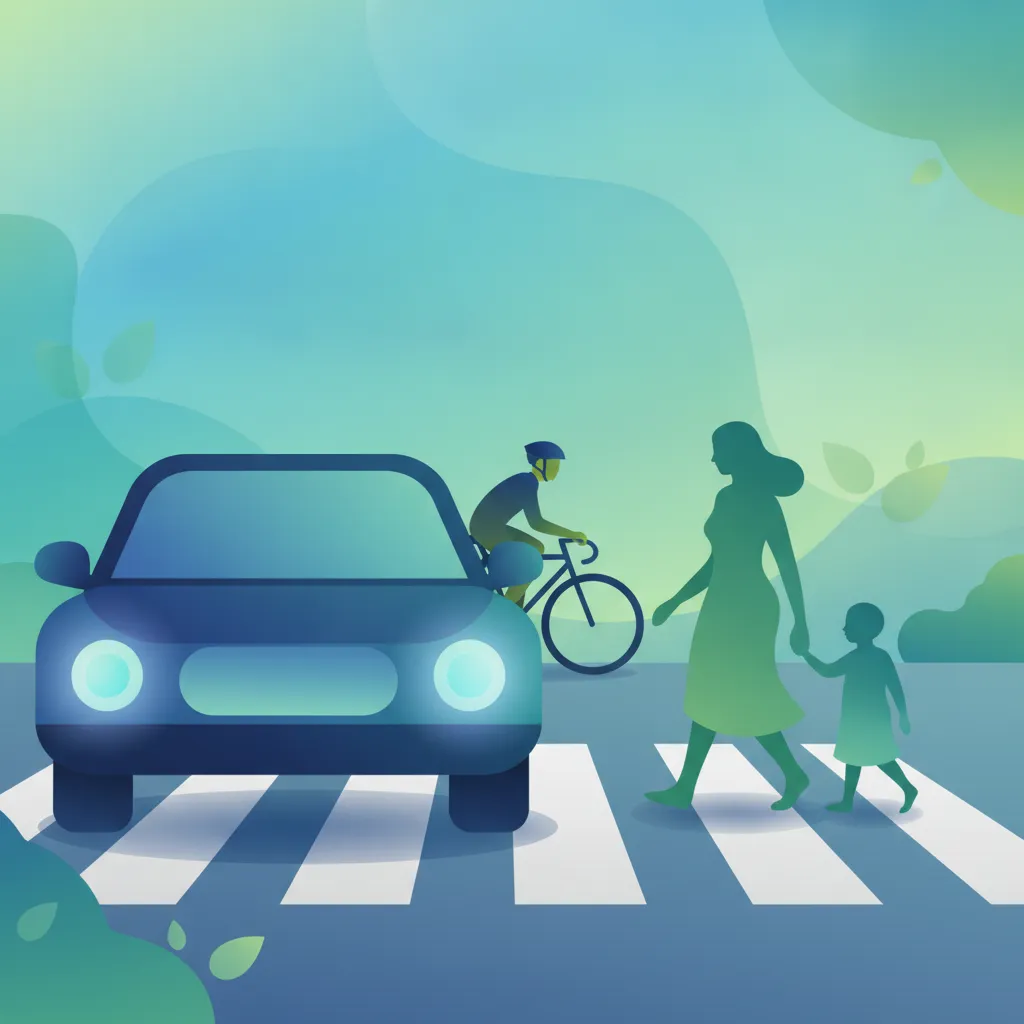
This lesson addresses the heightened risk of interaction with pedestrians and cyclists around bus stops. It explains right-of-way regulations and the importance of vigilance, particularly when turning or pulling away from the curb. The content provides strategies for anticipating the actions of vulnerable road users to prevent conflicts.
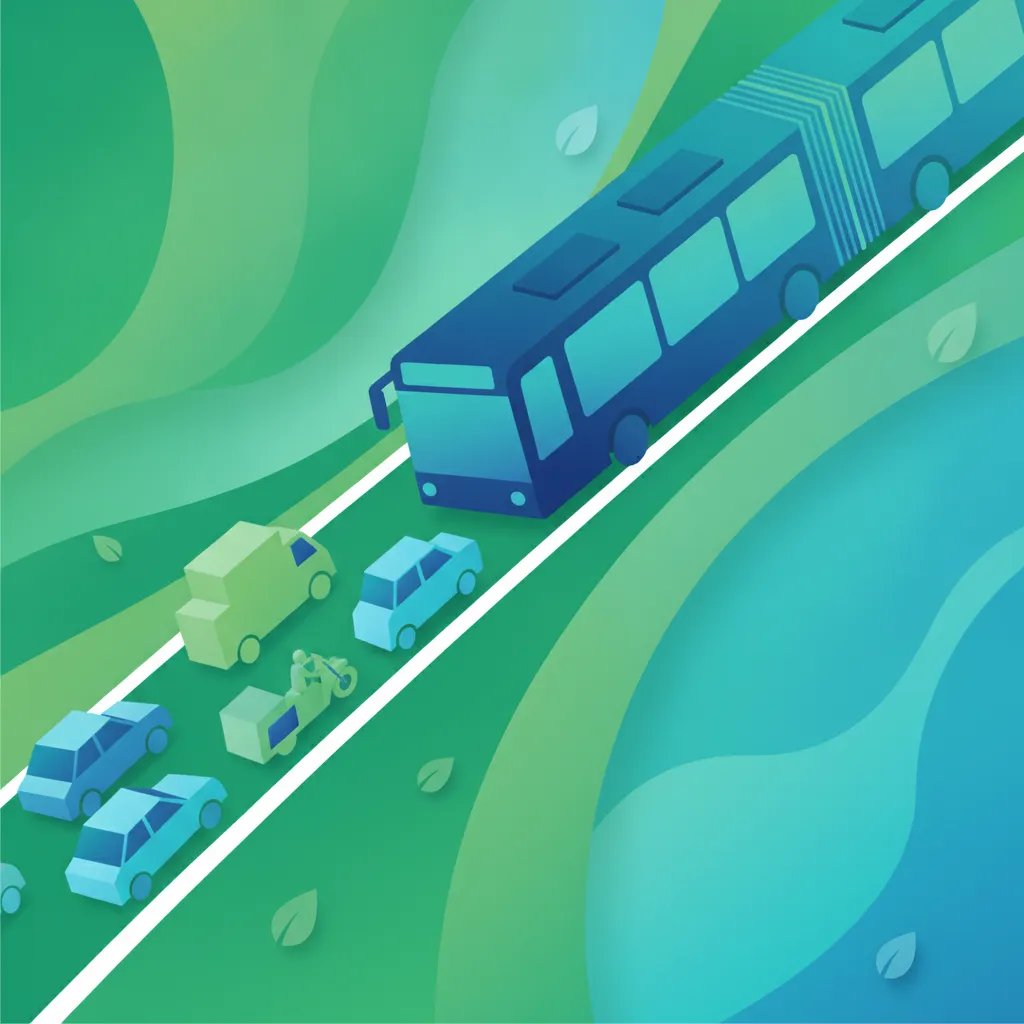
This lesson explains the regulations governing the use of dedicated bus lanes, including operational hours and priority rules at junctions. It clarifies which other vehicles may use these lanes and under what circumstances. The content also discusses traffic signal priority systems and the legal implications of improper bus lane usage.
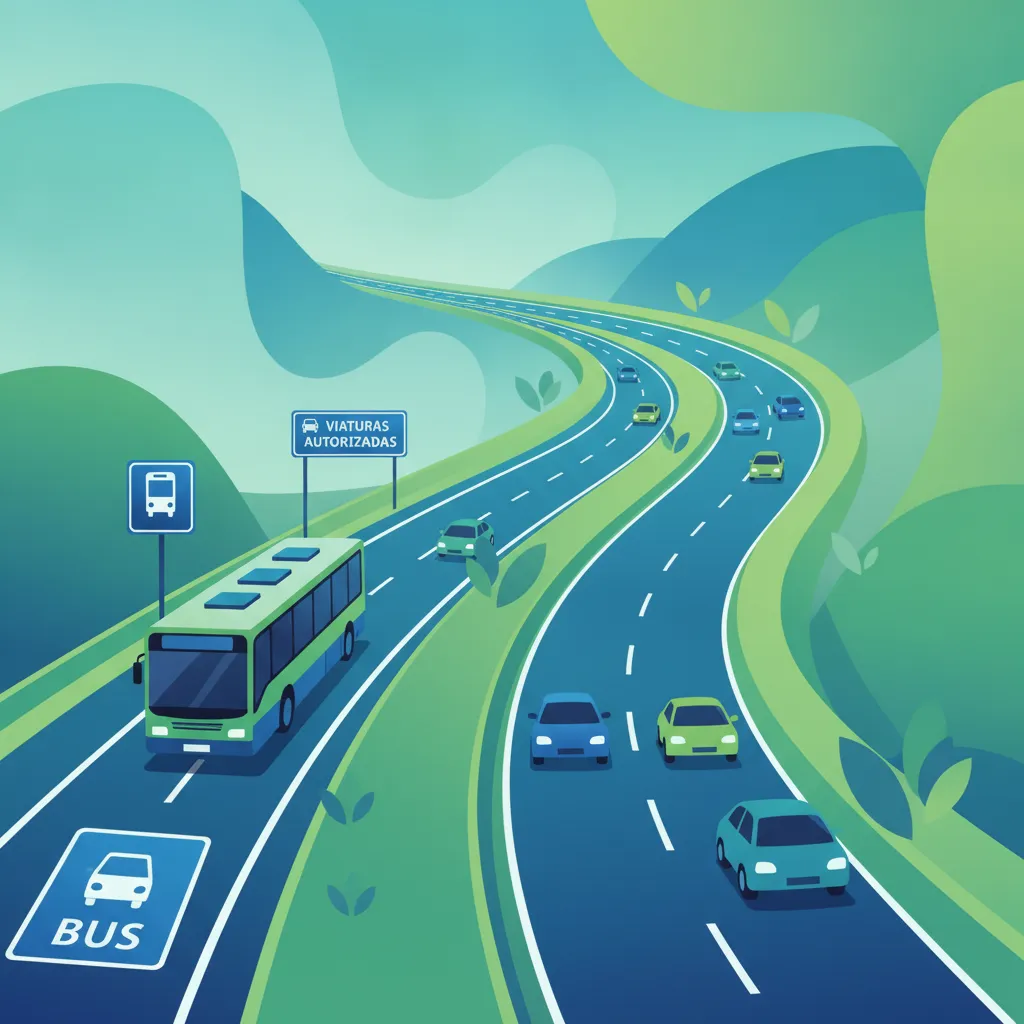
This lesson explains the purpose and rules of reserved lanes, such as those designated for buses, taxis, or cyclists. It covers how to identify these lanes through signage and road markings, and details the specific times they may be in operation. Drivers will learn when they are permitted to enter these lanes and the penalties for unauthorized use.
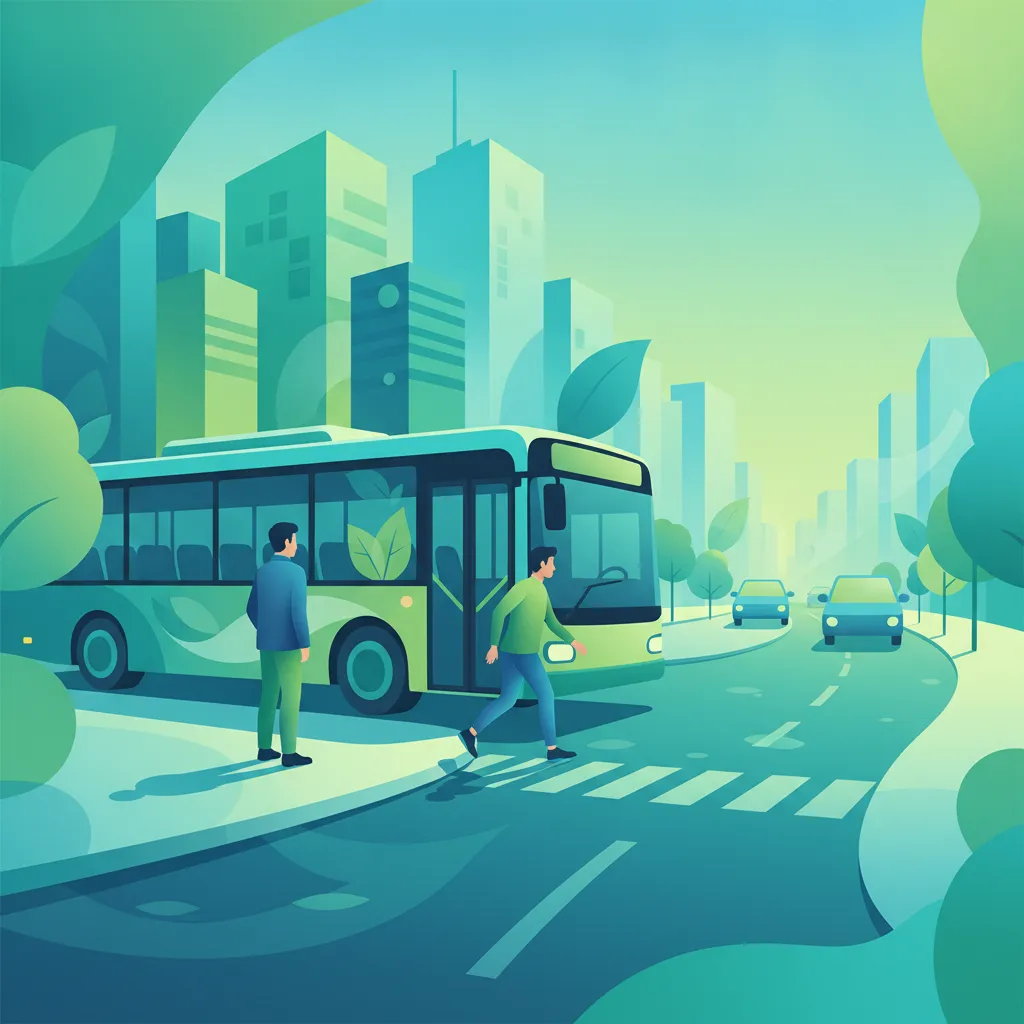
This lesson outlines the step-by-step process for safely approaching a bus stop, emphasizing speed control and correct positioning. It covers the importance of ensuring the vehicle is fully stationary before operating the doors. The content also details the safety checks required before departing the stop and merging back into the flow of traffic.
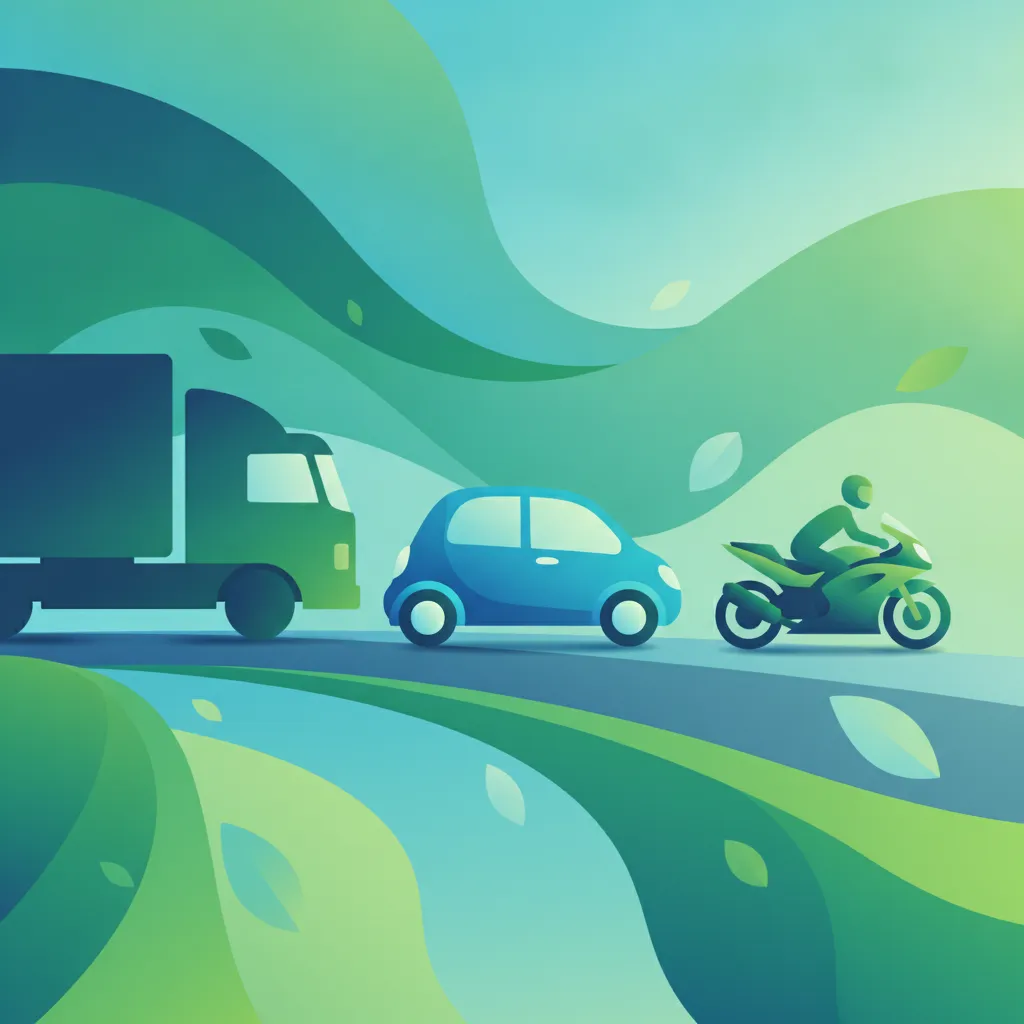
This lesson addresses the specific challenges of driving alongside motorcyclists and large vehicles such as trucks and buses. It highlights the reduced visibility of motorcyclists and the extensive blind spots (no-zones) around heavy vehicles. Drivers will learn to provide extra space, anticipate wide turns, and adjust for factors like spray and wind turbulence.
This lesson focuses on the specific skills required for driving on high-speed motorways. It details the procedures for safely merging onto and exiting the motorway, maintaining proper lane discipline, and adhering to variable speed limits. The content also provides rules for safe overtaking and managing the vehicle's stability at high speeds.
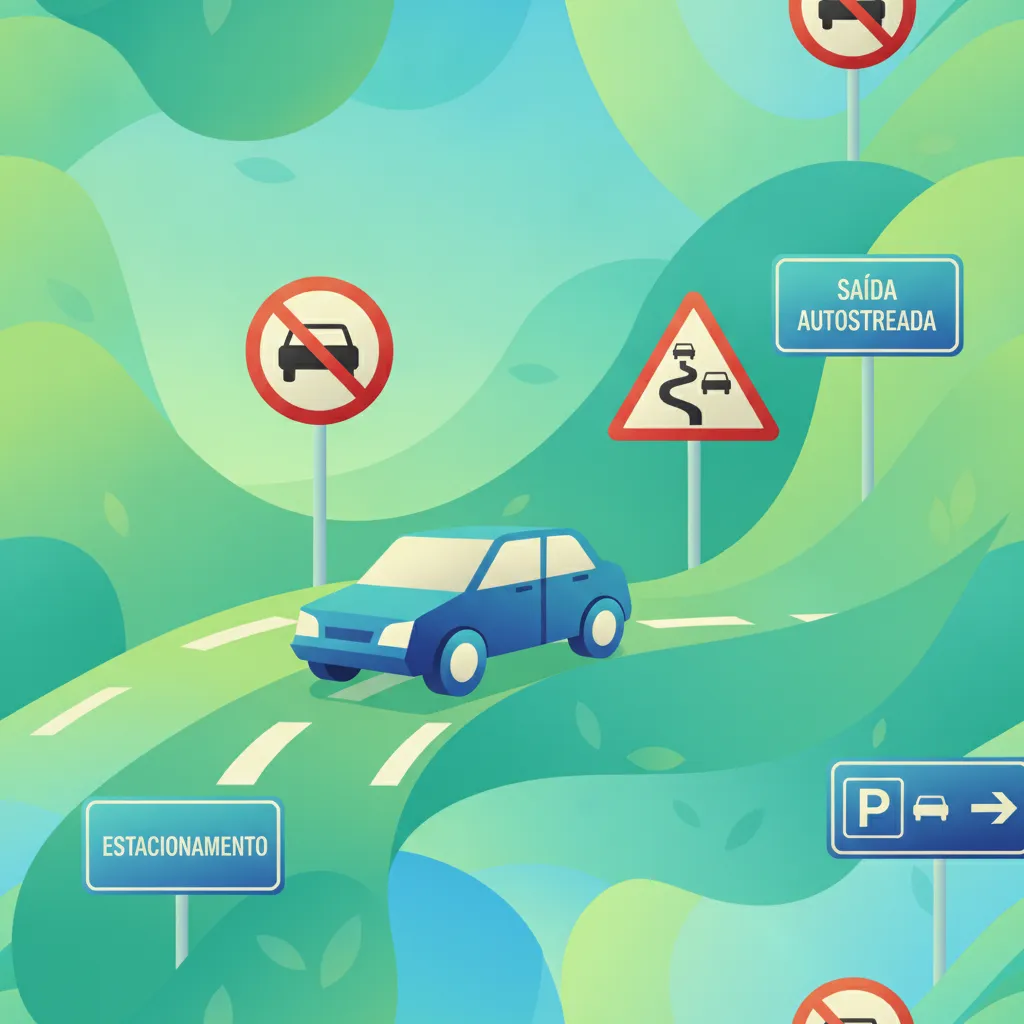
This lesson focuses on identifying and understanding road signs that directly impact passenger vehicle operation. It covers signage for bus lanes, height and weight restrictions, and prohibited movements. The content also explains the meaning of temporary signs used for diversions or roadworks that may affect planned routes.
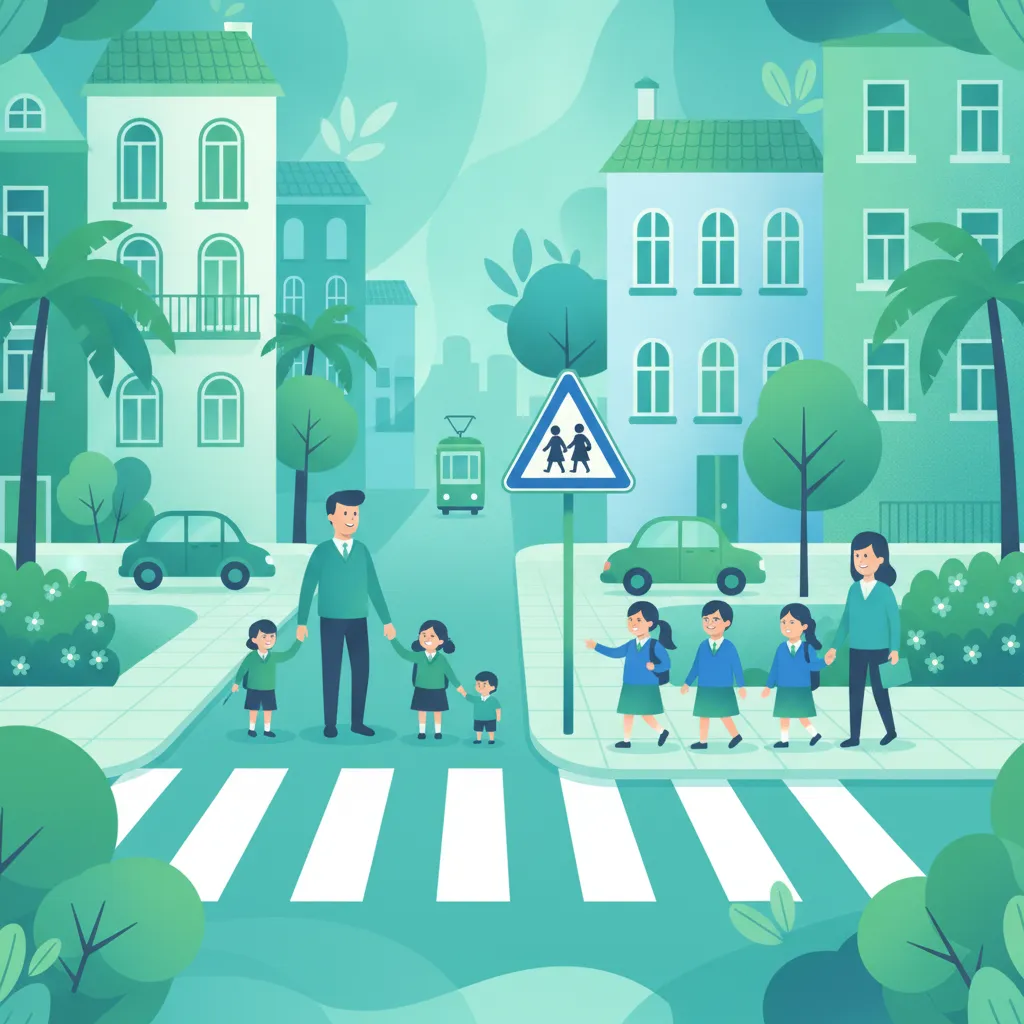
This lesson provides a detailed overview of the legal requirements and safe driving practices for school zones and pedestrian crossings. It covers mandatory speed limits, the meaning of various signs and signals, and the importance of yielding to pedestrians. The content stresses heightened awareness due to the unpredictable nature of children's behavior near roads.
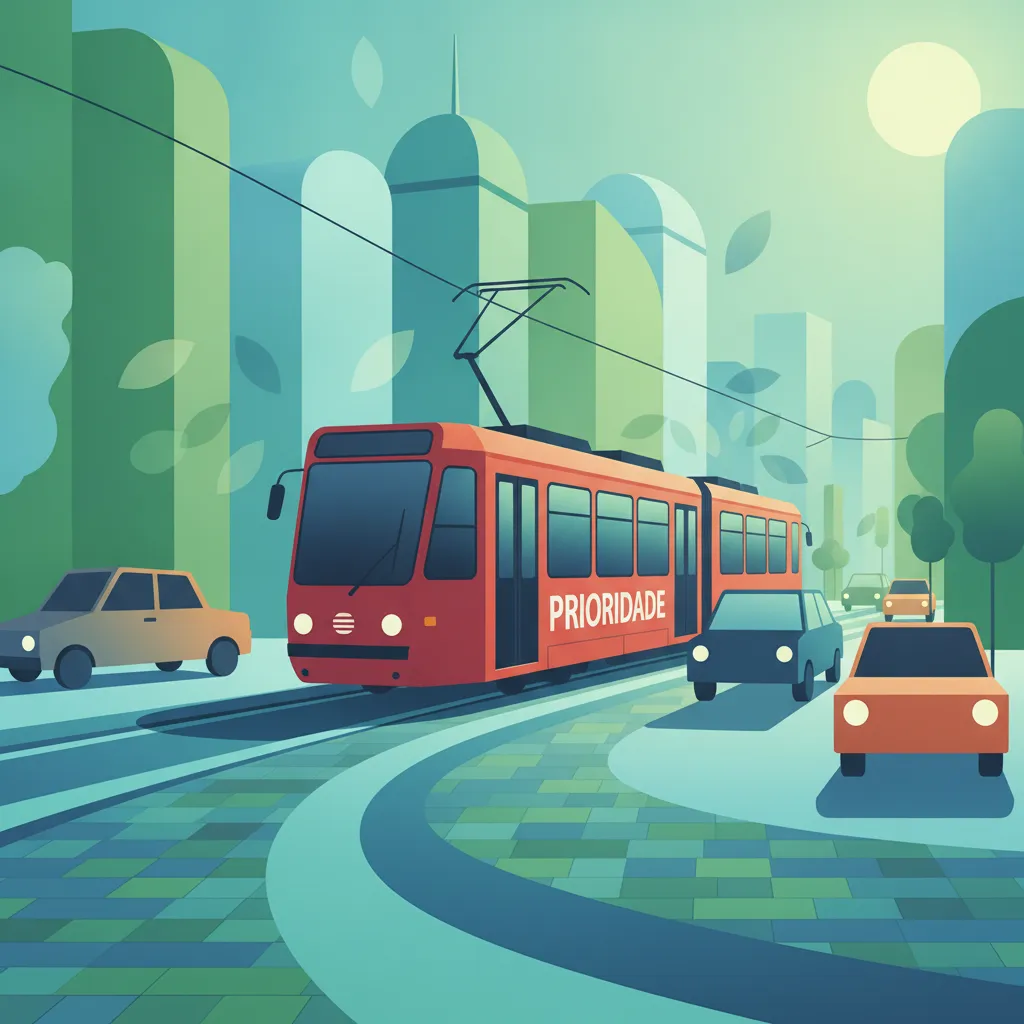
This lesson examines how bus priority measures, such as dedicated lanes and signal preemption, function in urban traffic. It teaches drivers how to utilize these systems effectively to maintain schedules and improve service reliability. The content also discusses how to navigate general traffic congestion when priority systems are not available.
Focuses on the specific risks posed by passengers boarding or alighting public transport. Learn to anticipate unpredictable movements and ensure the safety of pedestrians and cyclists in these critical zones.
This lesson addresses the heightened risk of interaction with pedestrians and cyclists around bus stops. It explains right-of-way regulations and the importance of vigilance, particularly when turning or pulling away from the curb. The content provides strategies for anticipating the actions of vulnerable road users to prevent conflicts.
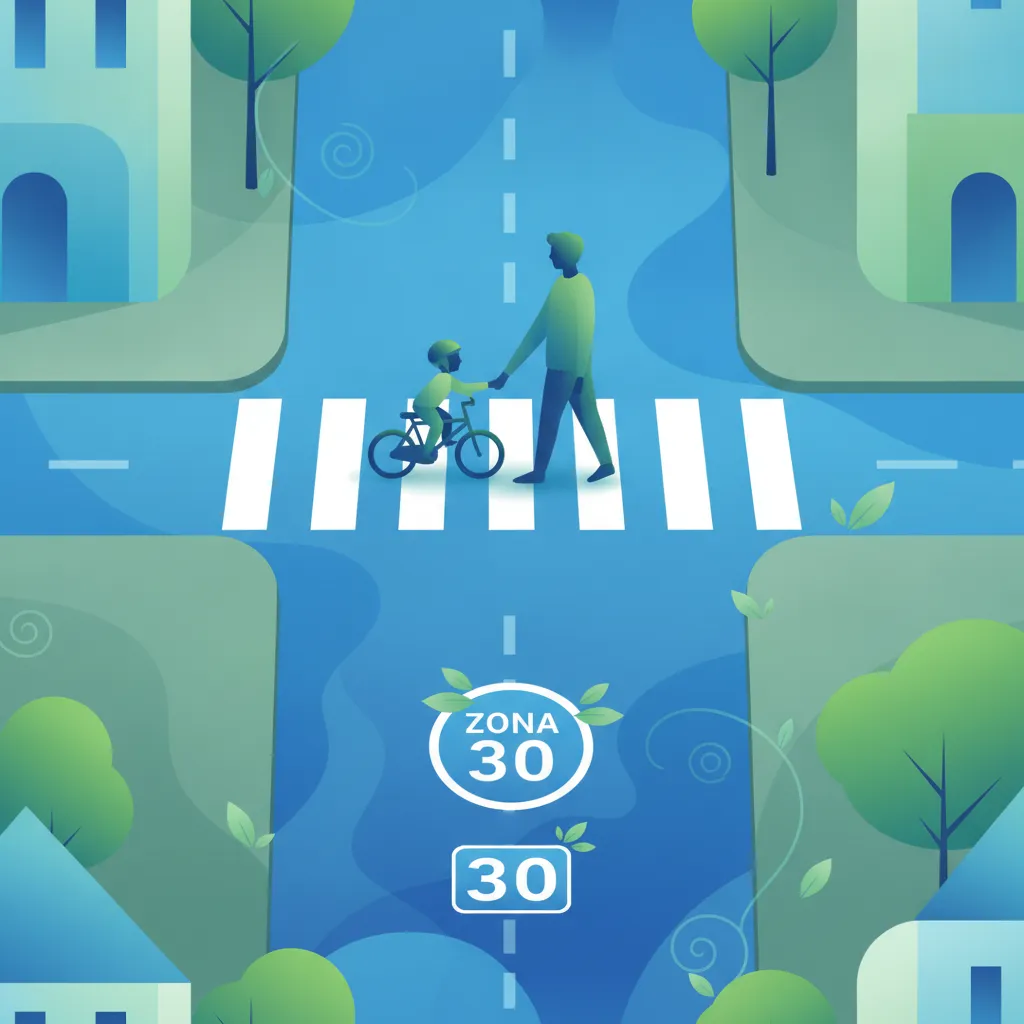
This lesson highlights road markings specifically designed to enhance the safety of vulnerable road users. It focuses on pedestrian crossings (zebra crossings), markings indicating school zones, and symbols for bicycle lanes or shared routes. The content stresses the heightened duty of care and specific actions, such as yielding or stopping, that drivers must take in these designated areas.
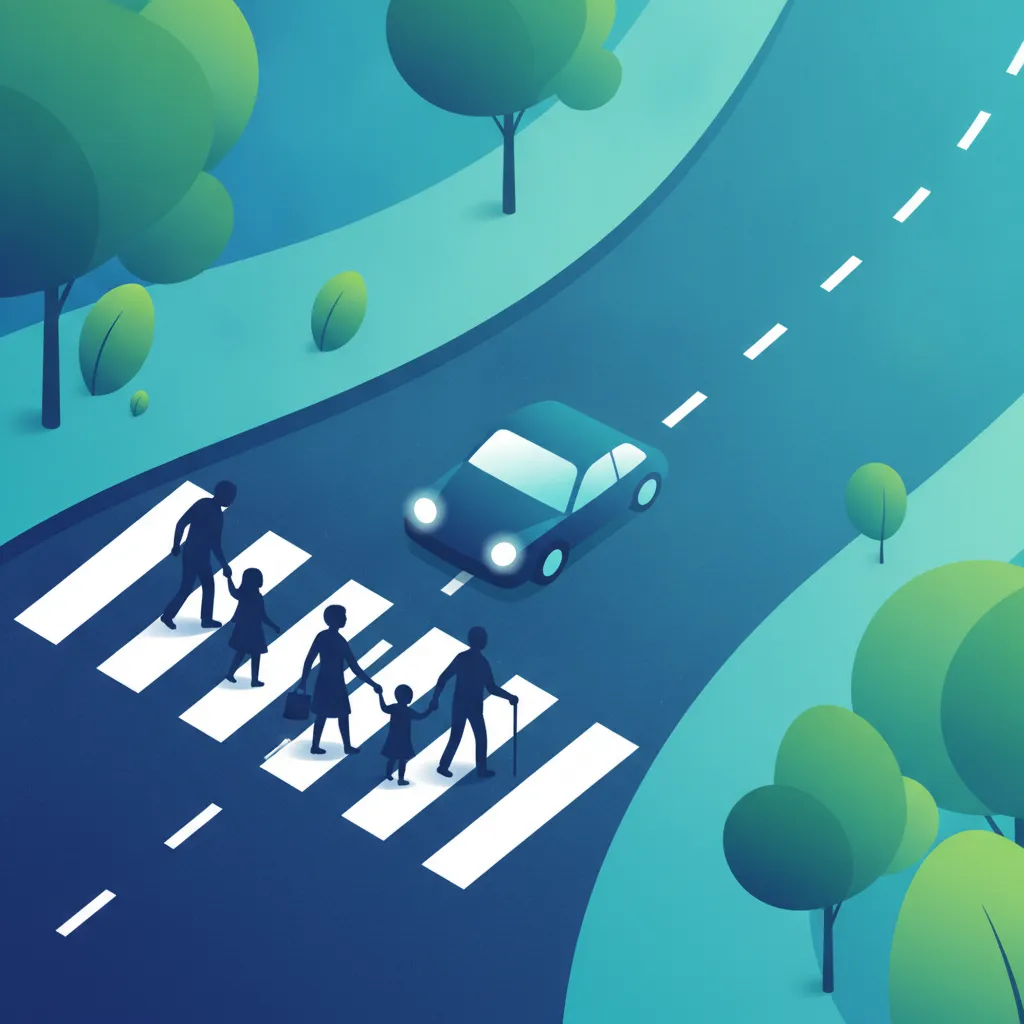
This lesson explores the various types of pedestrian crossings found in Portuguese urban areas, such as zebra crossings. It emphasizes the rider’s responsibility to yield to pedestrians, the importance of reducing speed, and maintaining a safe passing distance. Strategies for anticipating pedestrian behavior and ensuring visibility are discussed to prevent incidents.

This lesson explores the characteristics that define vulnerable road users, including children, the elderly, and cyclists. It explains how their physical and cognitive limitations can lead to unpredictable behavior on the road. The content focuses on developing a proactive mindset to identify and mitigate risks associated with these groups.
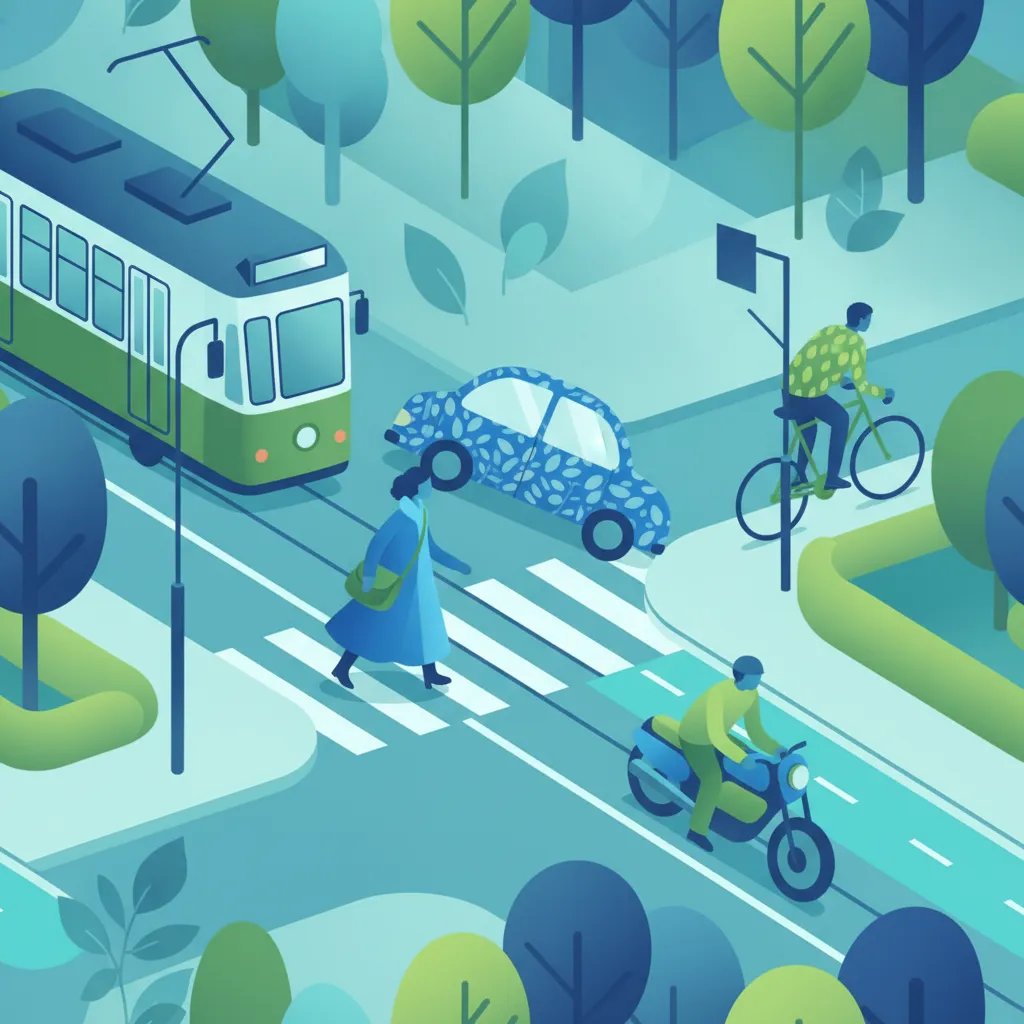
This lesson focuses on the heightened duty of care professional drivers have towards vulnerable road users. It covers common conflict points, such as junctions and roundabouts, and teaches techniques for anticipating the actions of pedestrians, cyclists, and motorcyclists. Giving extra space and being prepared to stop are key themes.
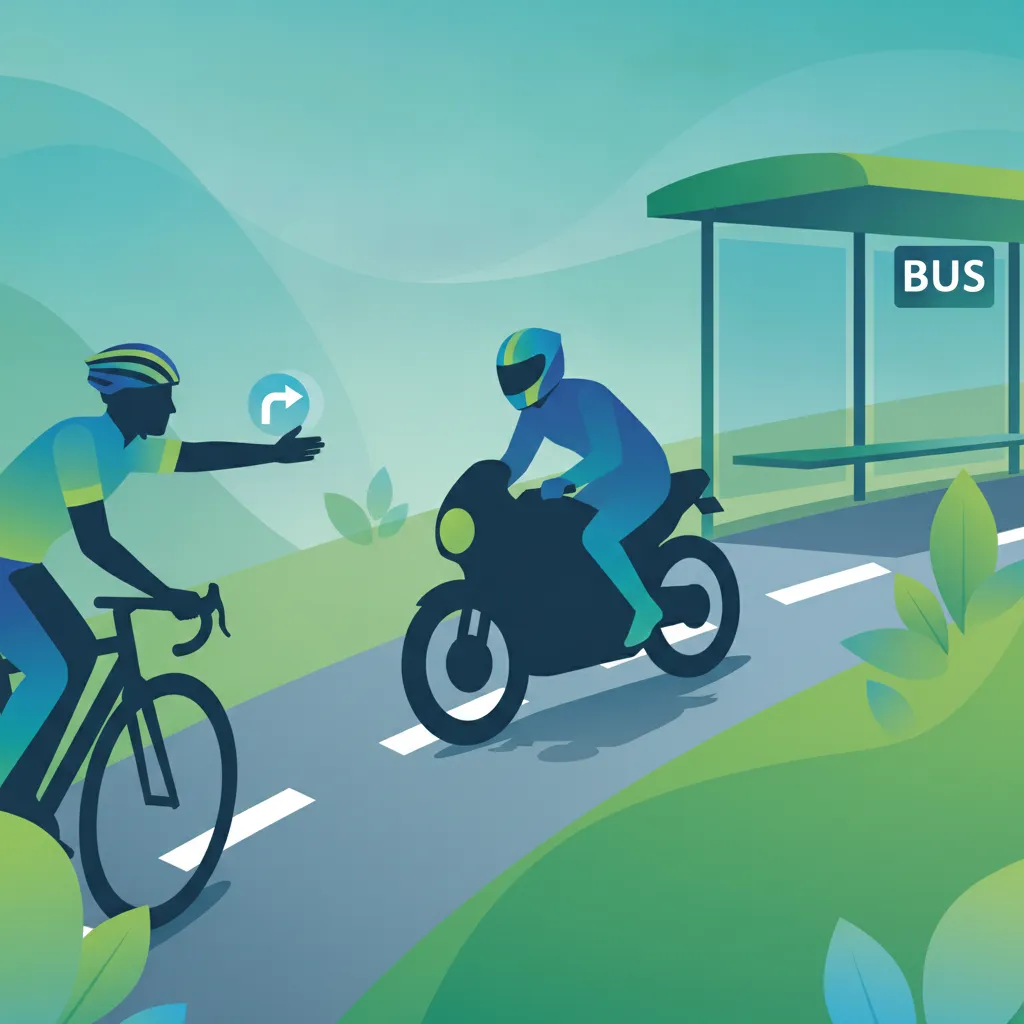
This lesson focuses on the specific challenges of sharing the road with two-wheeled vehicles. It highlights the importance of thorough blind spot checks before turning or changing lanes, particularly near bus stops where cyclists may pass. The content provides guidelines for safe overtaking and maintaining adequate separation to prevent conflicts.
This lesson provides a detailed overview of the legal requirements and safe driving practices for school zones and pedestrian crossings. It covers mandatory speed limits, the meaning of various signs and signals, and the importance of yielding to pedestrians. The content stresses heightened awareness due to the unpredictable nature of children's behavior near roads.

This lesson explains the different types of pedestrian crossings and the specific legal obligations for drivers at each one. It emphasizes the requirement to stop for pedestrians at marked zebra crossings and to obey signals at light-controlled crossings. The content also provides guidance on anticipating pedestrian movements to ensure their safety in all situations.
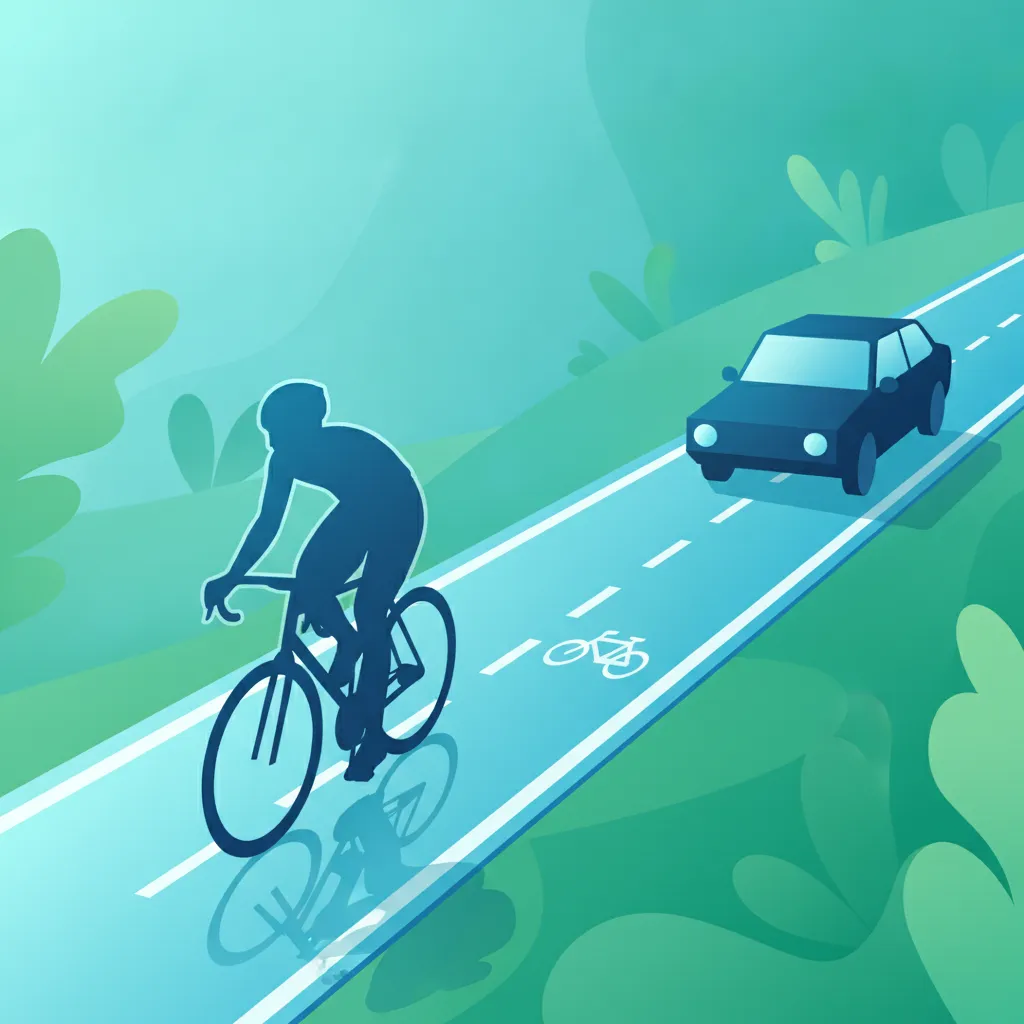
This lesson focuses on safe interaction with cyclists on the road. It covers the identification of dedicated bicycle lanes and the rules regarding cyclist priority in various situations. Key topics include maintaining a safe lateral distance when overtaking cyclists and the importance of checking blind spots for them before turning or changing lanes.

This lesson focuses on the rider's responsibilities at designated pedestrian crossings. It clarifies the legal requirement to give way to pedestrians on or about to step onto a zebra crossing. The content emphasizes the need to approach all crossings with caution, be prepared to stop, and scan for pedestrians to ensure their safety as vulnerable road users.
Find clear answers to common questions learners have about Bus Stops and Public Transport Interaction. Learn how the lesson is structured, which driving theory objectives it supports, and how it fits into the overall learning path of units and curriculum progression in Portugal. These explanations help you understand key concepts, lesson flow, and exam focused study goals.
In built-up areas in Portugal, you are legally required to facilitate the entry of a public transport vehicle into the traffic lane when it signals its intention to pull out. You must slow down or stop if necessary to allow the bus to enter safely, provided it does not cause an immediate collision.
Trams have specific priority rules and fixed paths. You must never obstruct their path and always pay close attention to tram-specific traffic lights, which often differ from standard signals. Keep a safe distance and stay out of the tram tracks whenever road markings dictate.
The biggest risk is failing to account for pedestrians who may suddenly step into the road from in front of or behind a bus. Exam questions often test your anticipation of these 'hidden' hazards, requiring you to reduce speed and increase vigilance.
The specific obligation to facilitate public transport entry from a stop applies primarily in built-up areas (inside urban zones) where buses are essential for city traffic flow. Always follow the specific signage present at the location.
Utilize the powerful search tool to refine your Portuguese driving theory practice. Pinpoint questions related to specific traffic laws, road signs, or complex scenarios from the Código da Estrada. Begin targeted revision now to boost your understanding and confidently approach your IMT driving exam.