This lesson provides a comprehensive guide to performing the high-risk manoeuvre of reversing. It builds upon your foundational vehicle control skills to ensure you can safely navigate spaces while maintaining full environmental awareness. This is a critical skill for both your Category B driving theory exam and your practical daily driving in Portugal.

Lesson content overview
Reversing a vehicle is one of the most challenging manoeuvres a driver undertakes, demanding heightened vigilance and precision. Unlike forward driving, reversing inherently offers limited visibility, significantly increasing the risk of collisions with obstacles, other vehicles, or vulnerable road users. This lesson, part of the Portuguese Driving Theory – Category B Comprehensive Course, provides a systematic approach to safely execute reversing manoeuvres, emphasizing critical observation techniques, vehicle control, and adherence to traffic regulations.
Reversing is a high-risk manoeuvre primarily due to the restricted field of vision from the driver's seat. Blind spots become more pronounced, and the vehicle's dynamics change, making precise steering and distance judgment more difficult. This increased risk is particularly acute in environments with high pedestrian traffic, such as residential areas, car parks, and urban streets, where children, cyclists, and pedestrians may not anticipate a vehicle reversing.
The underlying logic for safe reversing centers on proactive hazard perception, maintaining acute situational awareness, and exercising meticulous vehicle handling. Mastering this manoeuvre is crucial for preventing accidents and ensuring the safety of everyone around your vehicle. It connects directly with other vital areas of driving, including overall vehicle safety, awareness of vulnerable road users, and general basic manoeuvres.
To reverse safely, a driver must adopt a consistent and systematic approach. This involves integrating several core principles into every reversing manoeuvre. These principles work together to create a safety net, allowing you to react effectively to unexpected situations and navigate challenging spaces with confidence.
Before initiating any backward movement, a comprehensive visual scan of your vehicle's entire surroundings is absolutely mandatory. This "all-around observation" or "360-degree check" involves actively looking in every direction – front, rear, left, right, and even overhead – to identify potential obstacles, pedestrians, or other vehicles. Many drivers mistakenly assume mirrors provide full visibility, but a thorough head-turn is essential to cover all blind spots.
This pre-manoeuvre check is vital for detecting hazards that might be completely invisible in your mirrors, such as small children playing behind your vehicle or low-lying objects. It should not be rushed; take your time to ensure the path is clear before moving. Skipping any part of this initial scan significantly increases the risk of an unforeseen collision.
While direct observation is paramount, effectively utilizing your vehicle's mirrors is a critical complementary skill during reversing. Your interior rear-view mirror provides a central view directly behind, while your exterior side mirrors offer perspectives along the sides and rear quarters of your vehicle. These mirrors help monitor areas not directly visible, especially crucial for detecting objects or individuals approaching from the sides or rear while you are already moving backward.
It is imperative that your mirrors are correctly positioned and adjusted before you begin driving, and certainly before you reverse. However, remember that mirrors have blind spots. Relying solely on mirrors without confirming with direct observation and head turns is a common and dangerous mistake. Always use mirrors in conjunction with your all-around observation and continuous monitoring.
Reference points are fixed landmarks or markers that you use to gauge distance and direction while reversing. These can be visual markers on the road, such as specific road markings or curb edges, or external objects like parked cars, lampposts, or even lines painted on a car park surface. Identifying and using these points helps you to measure your vehicle's position and trajectory with greater precision.
For example, aligning your rear bumper with a specific curb line can help you stop at a safe distance without mounting the curb or hitting an object. Over-reliance on mirrors alone often leads to misjudgments of distance, especially in tight spaces. Prioritizing visual benchmarks and confirming distances with direct observation, whenever possible, is key to avoiding minor bumps and scrapes, as well as more serious collisions.
A fundamental rule for safe reversing is to maintain a consistently slow, controlled speed. Reversing should always be executed at a crawling pace, barely faster than walking speed. This slow speed offers several critical advantages: it provides you with ample time to react to any sudden hazards, allows for precise steering adjustments, and significantly reduces the kinetic energy of your vehicle, thus limiting potential damage in case of an accidental impact.
Accelerating unintentionally, perhaps due to hill starts or an incorrect gear choice (e.g., trying to reverse in a forward gear), is a common and dangerous mistake. Always keep your foot ready to cover the brake pedal and be prepared to stop instantly. A low speed ensures that even if an unexpected obstacle appears, you have sufficient time to apply the brakes safely.
Reversing is not a "set it and forget it" manoeuvre. Once you begin moving backward, you must maintain continuous observation of your environment. This means constantly scanning your mirrors and turning your head to check blind spots and areas where new hazards might emerge. Situations can change rapidly; a child might run into your path, another vehicle might approach, or a pedestrian might step off a curb.
Keeping your eyes on your surroundings throughout the entire manoeuvre allows you to detect dynamic hazards early. This continuous vigilance enables you to adjust your speed, steering, or even stop completely in response to unforeseen movements. Failing to maintain constant observation after initiating the reverse is a common cause of avoidable collisions.
The Portuguese Código da Estrada (Road Code) outlines specific regulations concerning reversing manoeuvres to ensure road safety. Adhering to these rules is not just about avoiding penalties, but about preventing accidents and protecting all road users.
Before reversing, it is mandatory to conduct a comprehensive visual scan covering all directions and overhead spaces. This isn't just a recommendation; it's a legal obligation.
This rule applies universally, regardless of whether you are reversing in a car park, out of a driveway, or on a public street. Its rationale is to prevent collisions with unseen obstacles, especially vulnerable road users who might be in your vehicle's path. Correct application involves looking left, right, front, rear, and overhead, utilizing both mirrors and direct head-turns. Merely glancing at the rear-view mirror is an incorrect and insufficient application of this rule.
While mirrors are indispensable for monitoring blind spots, the law also emphasizes that they do not replace direct line-of-sight checks. Mirrors are a mandatory complement to direct observation. They must be correctly positioned and adjusted before reversing, but drivers must still verify blind spots with head turns and direct observation, especially in urban areas or complex situations. Relying exclusively on mirrors and ignoring the potential for blind spots is a violation of safe driving practice and can lead to serious accidents.
The law mandates that drivers maintain a slow, steady speed while reversing. You must not exceed a speed that compromises safe control of the vehicle or prevents timely reaction to hazards. The purpose of this rule is to ensure you have sufficient time to stop or adjust your trajectory if an unexpected obstacle appears. Correct application involves using a crawling speed, with your foot ready over the brake. Unintentional acceleration, perhaps due to choosing the wrong gear or poor clutch control, is a breach of this rule.
Furthermore, whenever reversing on public roads, it is mandatory to keep both hands firmly on the steering wheel and your foot positioned over the brake pedal. This ensures immediate control over the vehicle's direction and speed. Losing control of the steering or allowing the vehicle to freewheel without constant brake readiness is dangerous and against regulations.
A critical rule in Portuguese traffic law is the general prohibition against reversing on a junction (intersection) or a pedestrian crossing, unless it is absolutely necessary and can be done with complete safety. Reversing into or at a junction can cause unpredictable traffic flow, confuse other drivers, and significantly increase the risk of collisions, especially with vulnerable road users using the crossing.
The correct procedure is to exit the junction by moving forward, not by backing into it. Reversing into a crossing to avoid traffic is a dangerous practice and generally prohibited. This rule prioritizes the smooth and predictable flow of traffic and the safety of all road users at these critical points.
Even experienced drivers can make mistakes when reversing. Being aware of these common pitfalls can help you develop safer habits.
Reversing safely requires adaptability. Environmental conditions, the type of road, and even the state of your vehicle can significantly impact the manoeuvre.
The principles of safe reversing are rooted in fundamental physics and human perception. By maintaining a low speed, you increase your reaction time (the time available to perceive a hazard and respond) and reduce the kinetic energy of your vehicle. This directly correlates to a lower risk of collision and less severe damage should an impact occur.
Continuous observation is crucial because the driving environment is dynamic. Hazards can appear suddenly and unexpectedly. Early detection through constant scanning allows you to make timely decisions, whether that's stopping, steering away, or adjusting your speed. Finally, the use of reference points provides concrete visual cues that compensate for the often deceptive nature of depth perception when looking through mirrors or over your shoulder, allowing for precise control in tight spaces.
Understanding theory is one thing; applying it in real-world situations is another. Here are two common scenarios illustrating correct and incorrect reversing behaviour.
Imagine you are backing your car out of a residential driveway onto a quiet street on a sunny afternoon.
Consider a situation where you need to reverse a short distance to allow another vehicle to pass on a narrow, crowded city street during a light rain shower.
Mastering safe reversing is an essential skill for any driver. It requires a diligent and systematic approach every single time. Always begin with a thorough 360-degree visual check, ensuring your entire environment, including overhead, is clear. While reversing, use your mirrors in conjunction with direct observation to cover blind spots. Identify and rely on visual reference points to maintain accurate distance and alignment. Crucially, keep your speed low and controlled, maintaining firm command over both steering and brakes throughout the entire manoeuvre. Remain constantly vigilant for vulnerable road users and dynamic hazards, adjusting your observation efforts and speed based on environmental conditions like weather or light. Finally, always adhere strictly to all legal obligations regarding reversing, especially when near junctions or on public roads. These practices significantly reduce the inherent risks of backing up, making your driving safer for everyone.
Explore all units and lessons included in this driving theory course.
Lesson content overview
Explore all units and lessons included in this driving theory course.
Explore search topics learners often look for when studying Reversing Safely. These topics reflect common questions about road rules, driving situations, safety guidance, and lesson level theory preparation for learners in Portugal.
Browse additional driving theory lessons that cover connected traffic rules, road signs, and common driving situations related to this topic. Improve your understanding of how different rules interact across everyday traffic scenarios.
Understand the typical errors drivers make when reversing, such as skipping checks or relying solely on mirrors. Learn effective techniques to prevent accidents and ensure safe execution of this manoeuvre according to Portuguese road rules.
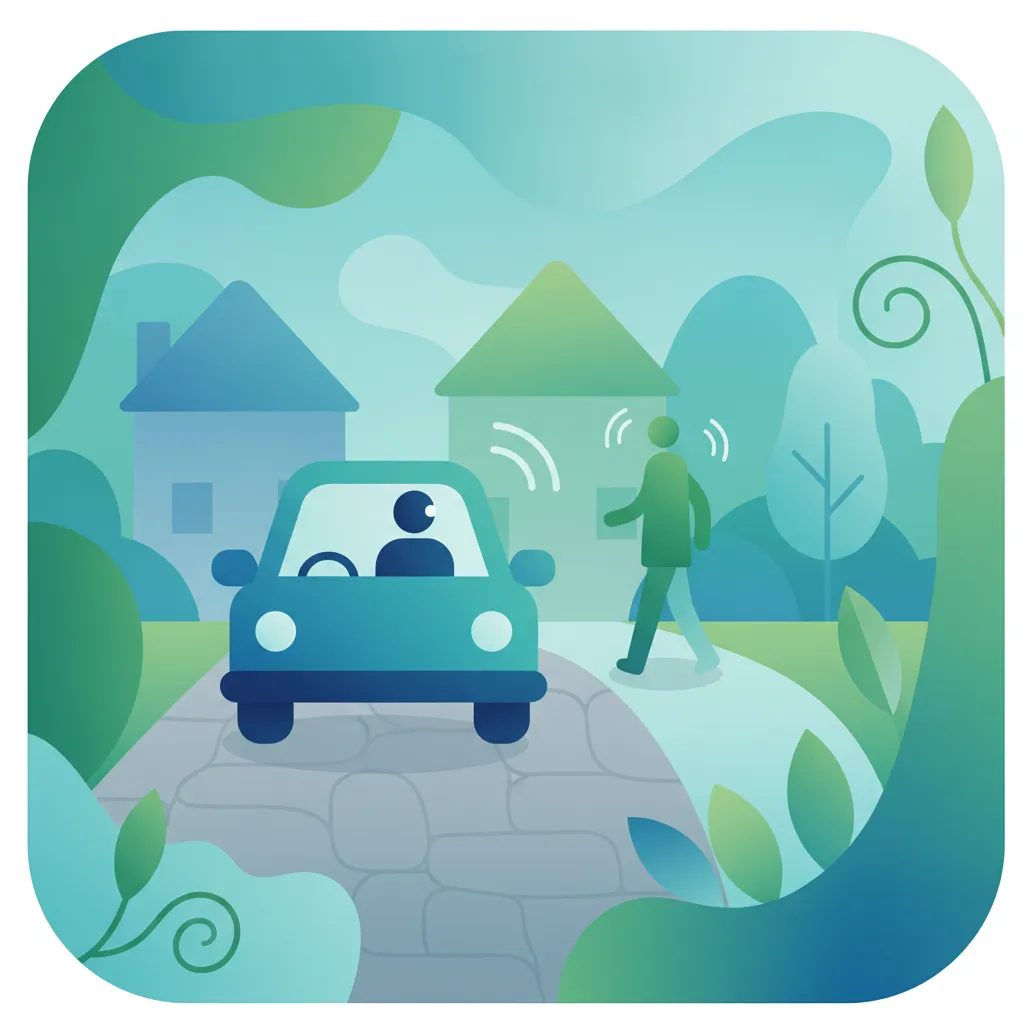
This lesson provides a structured approach to reversing, one of the highest-risk maneuvers. It covers the importance of a 360-degree check before starting, continuous observation using mirrors, and controlling speed. Specific techniques for reversing with a trailer, including steering inputs and correcting jack-knifing, are also detailed.

This lesson details the rules of lane discipline and the procedures for safe overtaking. It explains how to maintain correct lane positioning and how road markings and signs define where overtaking is allowed or forbidden. The lesson emphasizes the importance of the mirror-signal-manoeuvre routine and ensuring sufficient space and visibility before attempting to pass another vehicle.

This lesson provides a detailed guide to the rules and safety considerations for overtaking. It covers how to assess if an overtake is necessary and safe, considering factors like road markings, visibility, and oncoming traffic. The correct procedure, from initial checks and signaling to returning safely to the lane, is explained in full.
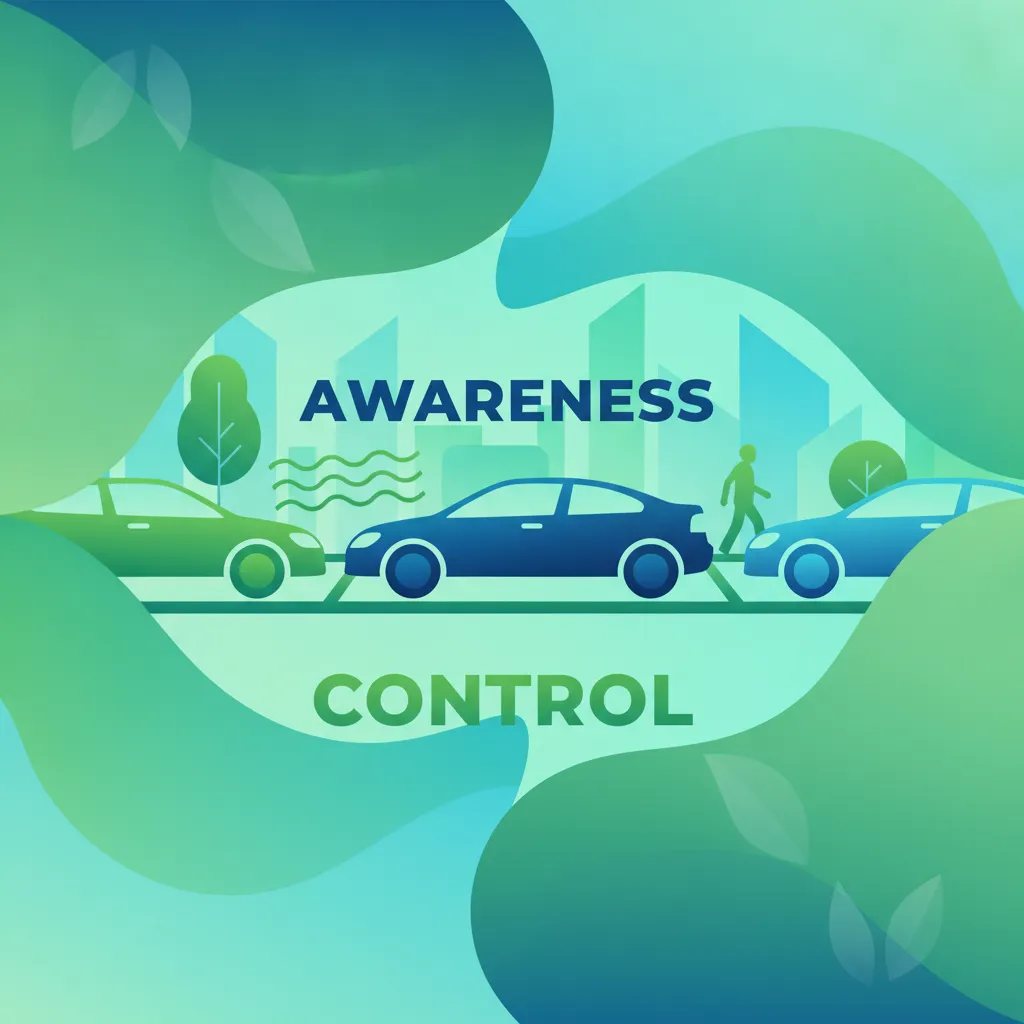
This lesson addresses the high-risk maneuver of reversing a large vehicle. It outlines a safe, slow, and controlled procedure using all available visual aids like mirrors and cameras. The content also covers the importance of establishing a clear safety zone around the vehicle and using a ground guide when necessary.
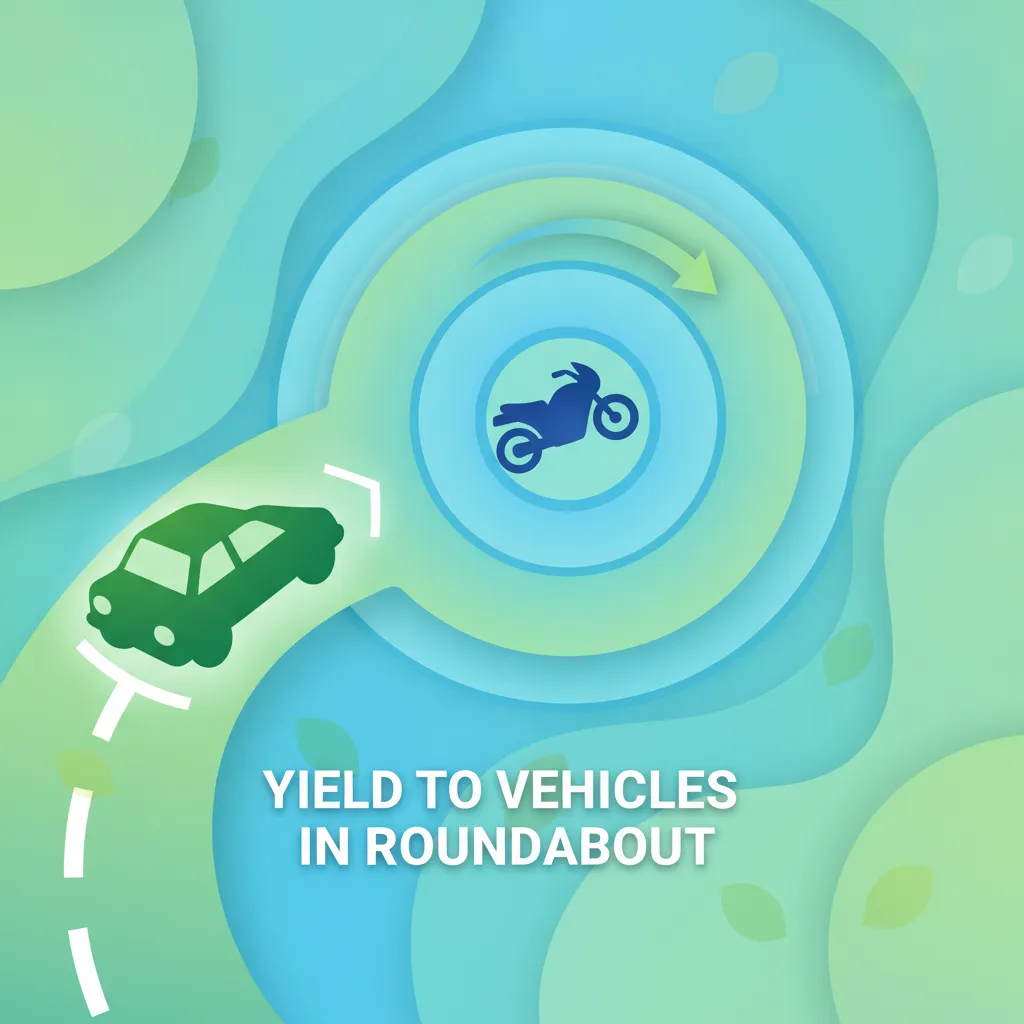
This lesson provides a step-by-step guide to navigating roundabouts in Portugal. It emphasizes the primary rule of yielding to traffic already circulating within the roundabout before entering. The content covers correct lane selection based on the intended exit, proper use of indicators for exiting, and managing the complexities of multi-lane roundabouts.
This lesson explains both the practical techniques and the legal regulations for parking. It provides step-by-step guidance for common parking manoeuvres such as parallel and bay parking. Additionally, it covers how to interpret parking signs, understand restrictions, and properly secure a vehicle, especially when parked on an incline.
This lesson covers the fundamental techniques for executing turns at intersections and other locations. It details the correct approach, lane positioning, and signaling for right turns, left turns, and U-turns. Emphasis is placed on observation skills, including checking for pedestrians and other vehicles, to complete each manoeuvre safely and without impeding traffic.
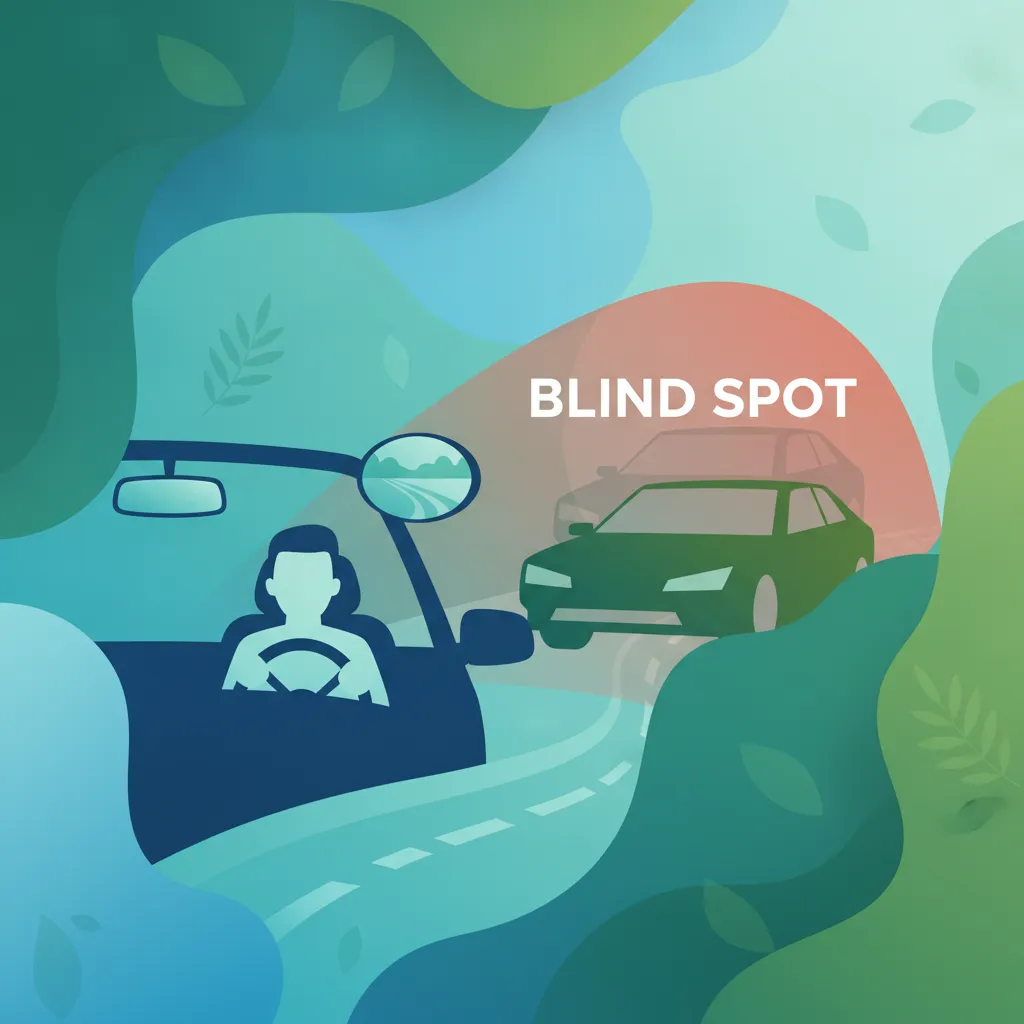
Focusing on blind spots, this lesson explains the areas where riders may become invisible to drivers of larger vehicles. It discusses how to assess and avoid these zones, especially during overtaking or when riding alongside other vehicles. Techniques for positioning oneself safely and ensuring visibility to other drivers are provided to reduce collision risk.

This lesson details the systematic process for changing lanes and merging with traffic, particularly when entering a motorway from an acceleration lane. It emphasizes the critical importance of the mirror-signal-blind spot check routine. The content also explains how to judge a safe gap in the traffic and adjust vehicle speed to merge smoothly and without disrupting the flow.

This lesson introduces warning signs, designed to alert drivers to potential hazards ahead. It details the meanings of signs indicating sharp curves, steep hills, slippery surfaces, and the possible presence of pedestrians or animals. Proper interpretation of these signs allows drivers to adjust their speed and increase their vigilance to navigate potential dangers safely.
Explore the legal requirements and practical application of safe reversing techniques in Portugal. This lesson covers essential rules, environmental adaptations, and real-world scenarios to master this high-risk driving manoeuvre.
This lesson addresses the high-risk maneuver of reversing a large vehicle. It outlines a safe, slow, and controlled procedure using all available visual aids like mirrors and cameras. The content also covers the importance of establishing a clear safety zone around the vehicle and using a ground guide when necessary.
This lesson provides a structured approach to reversing, one of the highest-risk maneuvers. It covers the importance of a 360-degree check before starting, continuous observation using mirrors, and controlling speed. Specific techniques for reversing with a trailer, including steering inputs and correcting jack-knifing, are also detailed.
This lesson provides a detailed guide to the rules and safety considerations for overtaking. It covers how to assess if an overtake is necessary and safe, considering factors like road markings, visibility, and oncoming traffic. The correct procedure, from initial checks and signaling to returning safely to the lane, is explained in full.
This lesson details the rules of lane discipline and the procedures for safe overtaking. It explains how to maintain correct lane positioning and how road markings and signs define where overtaking is allowed or forbidden. The lesson emphasizes the importance of the mirror-signal-manoeuvre routine and ensuring sufficient space and visibility before attempting to pass another vehicle.
This lesson provides a step-by-step guide to navigating roundabouts in Portugal. It emphasizes the primary rule of yielding to traffic already circulating within the roundabout before entering. The content covers correct lane selection based on the intended exit, proper use of indicators for exiting, and managing the complexities of multi-lane roundabouts.
This lesson covers the fundamental techniques for executing turns at intersections and other locations. It details the correct approach, lane positioning, and signaling for right turns, left turns, and U-turns. Emphasis is placed on observation skills, including checking for pedestrians and other vehicles, to complete each manoeuvre safely and without impeding traffic.
This lesson explains both the practical techniques and the legal regulations for parking. It provides step-by-step guidance for common parking manoeuvres such as parallel and bay parking. Additionally, it covers how to interpret parking signs, understand restrictions, and properly secure a vehicle, especially when parked on an incline.

This lesson focuses on the specific skills required for driving on high-speed motorways. It details the procedures for safely merging onto and exiting the motorway, maintaining proper lane discipline, and adhering to variable speed limits. The content also provides rules for safe overtaking and managing the vehicle's stability at high speeds.

This lesson details the steps for performing safe overtaking maneuvers, focusing on judgment, speed differential, and signaling. It covers assessing safe distances, using mirrors, and selecting appropriate lanes for overtaking. Guidelines for overtaking in various traffic conditions are provided to ensure riders can execute this maneuver safely and legally.

This lesson provides clear instructions for navigating roundabouts, a common feature on Portuguese roads. It explains the crucial rule of yielding to traffic already circulating and how to select the correct lane based on the intended exit. The content also covers the proper use of indicators when entering and before exiting the roundabout to communicate intentions to other drivers.
Find clear answers to common questions learners have about Reversing Safely. Learn how the lesson is structured, which driving theory objectives it supports, and how it fits into the overall learning path of units and curriculum progression in Portugal. These explanations help you understand key concepts, lesson flow, and exam focused study goals.
Yes, absolutely. A 360-degree check is vital to ensure no pedestrians, children, or pets have entered your path while you were preparing to reverse. Relying solely on mirrors is a common mistake that can lead to accidents and test failure.
Failing to observe the surroundings continuously is the top error. Many learners fixate on the target path and stop checking for hazards coming from the sides or behind the vehicle mid-manoeuvre.
Signalling is generally required if you are changing direction or moving into a path where other traffic might be present. Always ensure your intent is clear to others, especially in public spaces or car parks.
You should maintain a pace that allows you to stop instantly if a hazard appears. In the context of the Category B test, steady, controlled movement is more important than speed.
Utilize the powerful search tool to refine your Portuguese driving theory practice. Pinpoint questions related to specific traffic laws, road signs, or complex scenarios from the Código da Estrada. Begin targeted revision now to boost your understanding and confidently approach your IMT driving exam.