
This lesson guides you through the complex rules and safety protocols for overtaking other vehicles on Portuguese roads. You will learn to evaluate road conditions and markings to perform safe overtakes, preparing you for both real-world driving and your Category B theory exam.

Lesson content overview
In the Portuguese Driving Theory – Category B Comprehensive Course, mastering the art and science of overtaking is crucial for safe and efficient driving. Overtaking, also known as passing, is a fundamental maneuver that allows you to safely move past a slower vehicle traveling in the same direction. When executed correctly, it contributes to smoother traffic flow and prevents congestion. However, improper overtaking is a leading cause of collisions, making a thorough understanding of the rules and procedures paramount.
This lesson provides a detailed guide to the regulations, safety considerations, and best practices for overtaking on Portuguese roads. We will cover how to assess when an overtake is necessary and safe, taking into account critical factors like road markings, visibility, and oncoming traffic. You will learn the correct step-by-step procedure, from initial checks and signaling your intent to safely rejoining your original lane.
Overtaking is more than just accelerating past another vehicle; it's a complex maneuver governed by strict legal obligations, profound safety considerations, and principles of efficient traffic management. The primary goal is always to complete the maneuver without endangering yourself, the vehicle being overtaken, or any other road users. This requires a strong grasp of vehicle dynamics, speed control, lane usage, and the ability to interpret road conditions and markings quickly.
Before initiating any overtaking maneuver, a set of core principles must be satisfied. These principles form the foundation of safe and legal overtaking in Portugal and are designed to prevent dangerous situations. Adhering to them is not just a legal requirement but a commitment to responsible driving.
Certain areas are legally designated as "prohibited zones" for overtaking due to inherent risks or specific road design. Recognizing these zones through road markings and signs is critical for preventing collisions.
Road markings and signs are your primary guidance system when deciding whether to overtake. Understanding what they signify is fundamental to making correct and safe decisions on Portuguese roads.
The lines painted on the road surface provide crucial information about where and when overtaking is permitted or prohibited.
While less common for general overtaking, some signs might designate specific lane usage that relates to overtaking.
The blueprint mentions a "Blue Sign with White Arrow" indicating a lane for overtaking trucks and buses. This type of sign, often a blue circular sign with a white arrow, might specify that a particular lane is for overtaking for certain vehicle types. Other vehicles may use it only to overtake if permissible and safe. Always observe these signs carefully, as they manage specific traffic flows and ensure larger or slower vehicles use appropriate lanes, freeing up other lanes for faster traffic or overtaking maneuvers.
Executing an overtaking maneuver safely requires a systematic approach. Each step must be followed meticulously to ensure the safety of all road users.
Initial Assessment (Is it necessary? Is it safe?): Before even considering overtaking, ask yourself if it's truly necessary. Is the vehicle ahead significantly slower? Check your mirrors (rearview and side mirrors) to ensure no one is attempting to overtake you. Look well ahead to confirm a clear view of the road, free from oncoming traffic, junctions, bends, or hills. Assess road markings and signs for any prohibitions. Consider the weather and road conditions.
Signal Your Intent: Once you've determined that overtaking is safe and legal, activate your left indicator (turn signal) well in advance. This communicates your intention to move out of your lane to the driver ahead and any drivers behind you.
Positioning and Acceleration: Move into the overtaking lane smoothly and decisively. Accelerate to a speed that allows you to pass the slower vehicle quickly but without exceeding the legal speed limit. Maintain a safe lateral distance from the vehicle you are overtaking.
Overtake: Pass the slower vehicle. Do not hesitate or slow down during this phase. Maintain constant vigilance, checking the road ahead and your mirrors. The driver being overtaken should maintain their speed and position, not accelerating or hindering your maneuver.
Check Mirrors for Safe Distance: As you pass, observe the overtaken vehicle in your rearview mirror. Wait until you can see the entire front of the overtaken vehicle in your rearview mirror before considering returning to your lane. This indicates you have established a sufficient longitudinal distance.
Signal and Rejoin Lane: Once a safe distance of at least 8 meters has been achieved between your vehicle and the overtaken vehicle, activate your right indicator. Smoothly and gradually steer back into your original lane. Do not cut back sharply.
Maintain Speed: After rejoining the lane, maintain your speed or adjust it safely to blend with the traffic flow, without sudden braking that could endanger following traffic.
The Código da Estrada (Portuguese Road Code) outlines specific rules that drivers must follow regarding overtaking. These rules are designed to prevent dangerous situations and ensure smooth traffic flow.
Certain situations are absolute prohibitions, meaning overtaking is never permitted, regardless of how clear the road might seem.
While some rules are absolute, many overtaking decisions depend on prevailing conditions. Safe drivers adapt their behavior to these variables.
Even experienced drivers can make mistakes when overtaking, often due to impatience or misjudgment. Being aware of these common pitfalls can help you avoid dangerous situations.
Successful overtaking is not just about following rules; it's about strategic thinking, constant risk assessment, and proactive driving.
Your decision to overtake must always be influenced by the prevailing environmental conditions.
Your vehicle's capabilities and the actions of others are central to safe overtaking.
Understanding these terms is crucial for internalizing the rules of overtaking on Portuguese roads.
Let's illustrate these rules with practical examples relevant to the Portuguese driving context.
Scenario 1: Dual Carriageway Overtake On a multi-lane dual carriageway near Lisbon, a car in the right lane (slower lane) is traveling at 80 km/h, below the 100 km/h limit. A driver in the left lane observes this. The driver checks their mirrors, sees the lane ahead is clear, and activates their left indicator. They smoothly accelerate, move into the left lane, and pass the slower vehicle. Once they see the entire front of the overtaken car in their rearview mirror, they activate their right indicator and smoothly return to the right lane, maintaining a safe speed. This is a correct and safe overtake.
Scenario 2: Prohibited Overtake Near an Intersection You are driving on a single carriageway rural road approaching a crossroads marked with a solid double white line. Ahead, a delivery van is driving slowly. Despite the clear road ahead after the intersection, the presence of the double line and the proximity to the crossroads (within 100 meters) means overtaking is strictly prohibited. The correct action is to slow down, maintain your lane behind the van, and wait until you are well past the prohibited zone and the road markings permit overtaking again.
Scenario 3: Overtaking in Adverse Conditions While driving through a mountainous region of Portugal, a sudden heavy fog rolls in, reducing visibility to less than 50 meters. You are behind a tourist bus moving slowly. Even if there are broken lines indicating permitted overtaking zones, the severely limited visibility makes overtaking highly unsafe and therefore prohibited under these conditions. The correct decision is to reduce your speed, turn on your fog lights, increase your following distance, and remain behind the bus until visibility improves.
Overtaking is an indispensable maneuver for maintaining traffic flow and reaching your destination efficiently, but it carries inherent risks if not executed with precision and adherence to the Código da Estrada. For your Portuguese Category B driving theory exam and for your future on the road, understanding when, where, and how to overtake safely is paramount.
Always prioritize safety, respect road markings and signs, and be mindful of prevailing conditions and other road users. By consistently applying the principles of clear visibility, proper signaling, appropriate speed and distance management, and careful lane rejoining, you can perform overtaking maneuvers with confidence and contribute to safer roads for everyone in Portugal.
Explore all units and lessons included in this driving theory course.
Lesson content overview
Explore all units and lessons included in this driving theory course.
Explore search topics learners often look for when studying Overtaking Rules and Procedures. These topics reflect common questions about road rules, driving situations, safety guidance, and lesson level theory preparation for learners in Portugal.
Browse additional driving theory lessons that cover connected traffic rules, road signs, and common driving situations related to this topic. Improve your understanding of how different rules interact across everyday traffic scenarios.
Understand the critical road markings and situations where overtaking is strictly forbidden in Portugal. Learn about double solid lines, intersections, blind curves, and other no-passing zones to ensure compliance with the Código da Estrada.
This lesson details the rules of lane discipline and the procedures for safe overtaking. It explains how to maintain correct lane positioning and how road markings and signs define where overtaking is allowed or forbidden. The lesson emphasizes the importance of the mirror-signal-manoeuvre routine and ensuring sufficient space and visibility before attempting to pass another vehicle.
This lesson explains the unique set of rules that apply to motorway driving to facilitate safe, high-speed travel. It covers the correct procedure for entering and exiting the motorway, principles of lane discipline (keeping left unless overtaking), and the rules for safe overtaking. The lesson also clarifies the proper use of the hard shoulder or emergency lane for genuine emergencies only.

This lesson provides a detailed explanation of longitudinal road markings, including solid, broken, and double lines. It clarifies the rules for each type, specifying when changing lanes or overtaking is permitted or prohibited. Additionally, the lesson covers markings for road edges, stop lines at intersections, and pedestrian crossings to ensure correct driver positioning and action.
This lesson focuses on the specific skills required for driving on high-speed motorways. It details the procedures for safely merging onto and exiting the motorway, maintaining proper lane discipline, and adhering to variable speed limits. The content also provides rules for safe overtaking and managing the vehicle's stability at high speeds.

This lesson provides a detailed overview of the legal requirements and safe driving practices for school zones and pedestrian crossings. It covers mandatory speed limits, the meaning of various signs and signals, and the importance of yielding to pedestrians. The content stresses heightened awareness due to the unpredictable nature of children's behavior near roads.
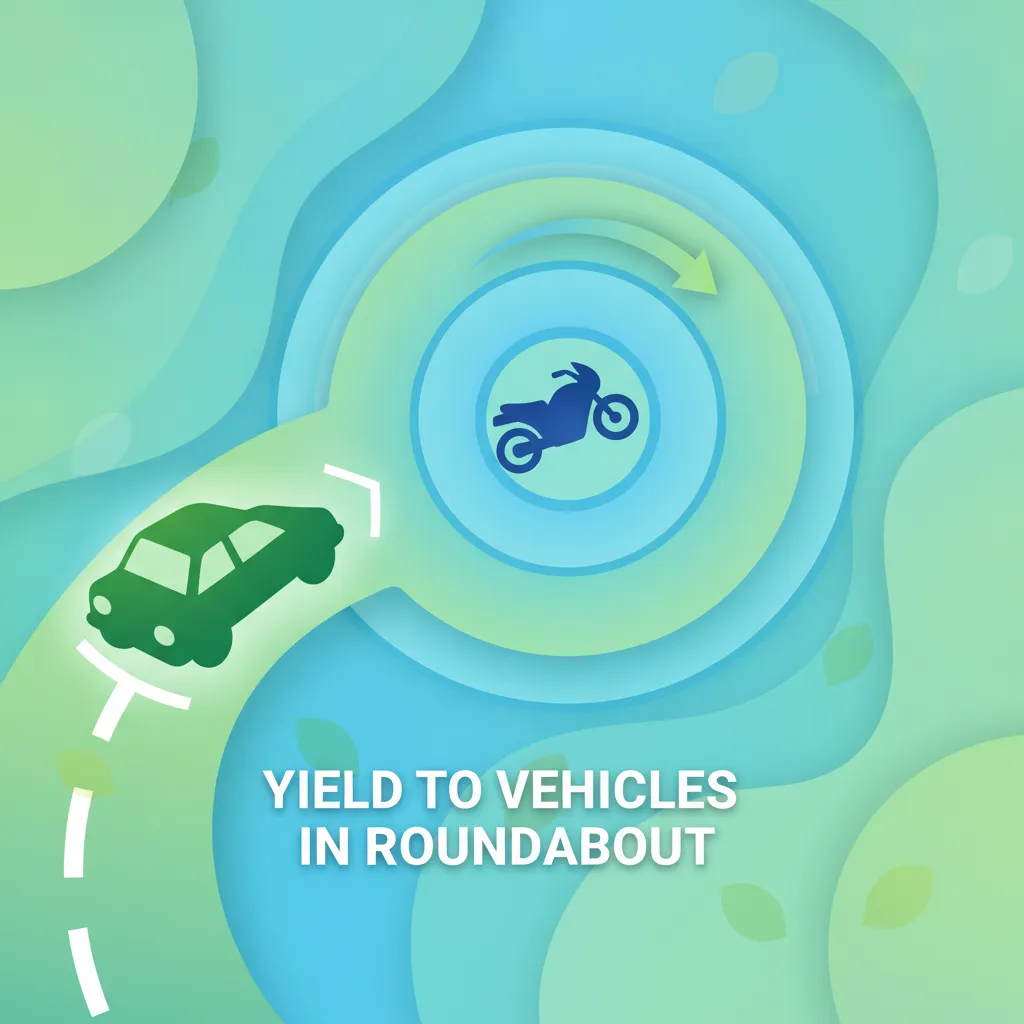
This lesson provides a step-by-step guide to navigating roundabouts in Portugal. It emphasizes the primary rule of yielding to traffic already circulating within the roundabout before entering. The content covers correct lane selection based on the intended exit, proper use of indicators for exiting, and managing the complexities of multi-lane roundabouts.
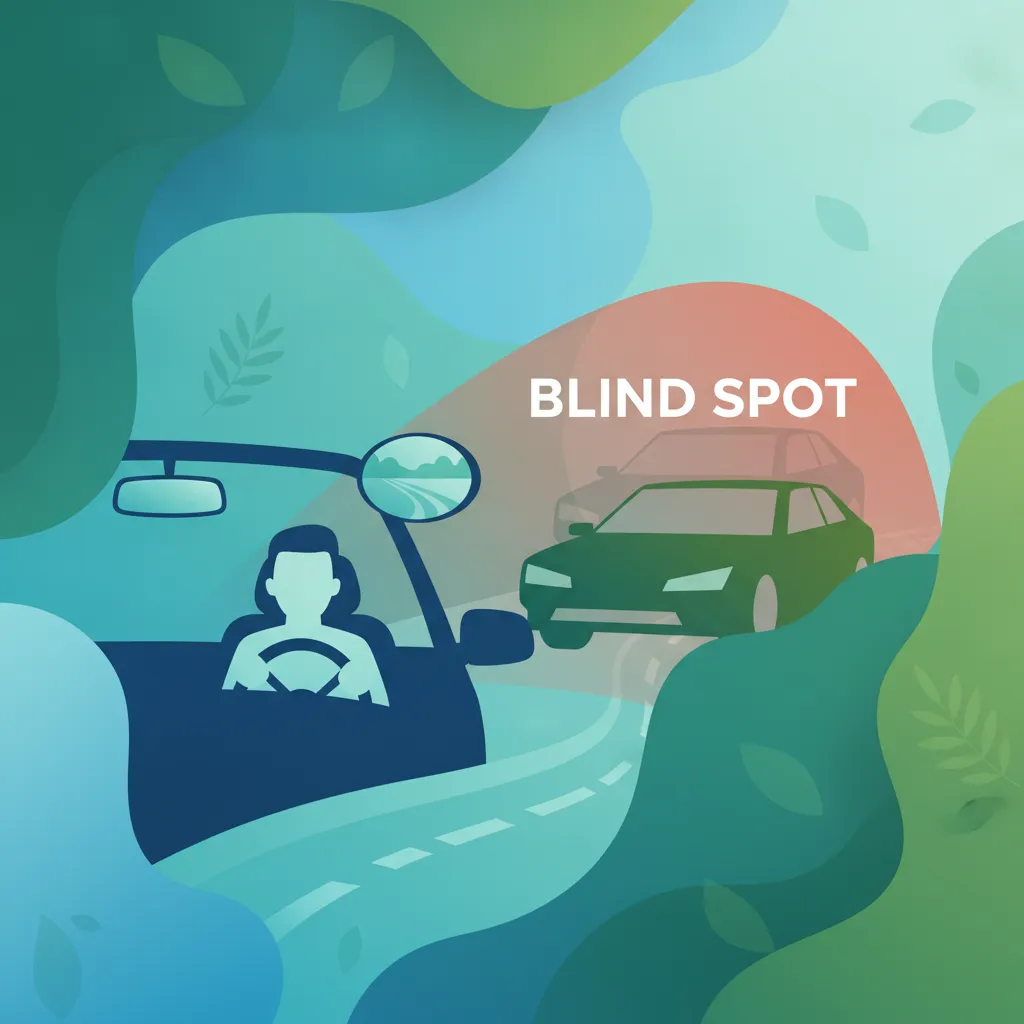
Focusing on blind spots, this lesson explains the areas where riders may become invisible to drivers of larger vehicles. It discusses how to assess and avoid these zones, especially during overtaking or when riding alongside other vehicles. Techniques for positioning oneself safely and ensuring visibility to other drivers are provided to reduce collision risk.
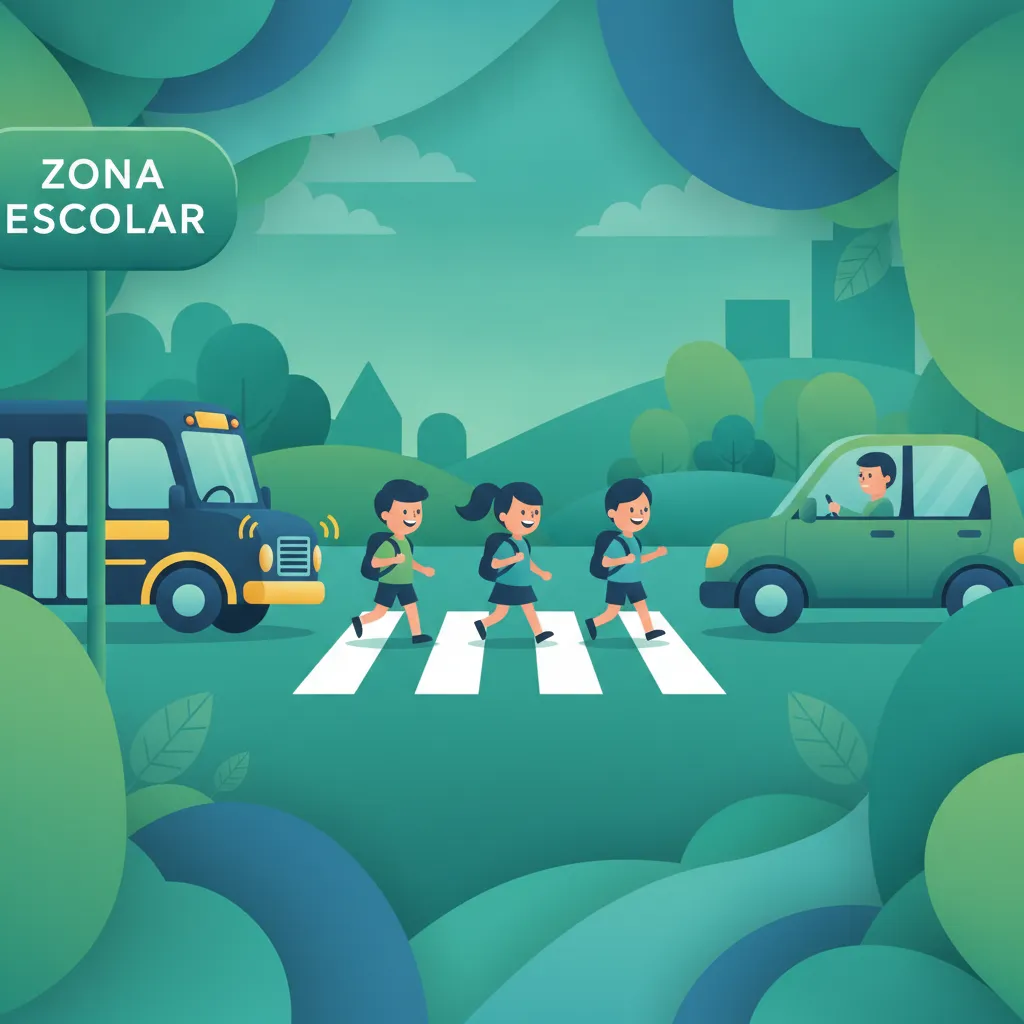
This lesson details the special precautions drivers must take when navigating school zones. It highlights the reduced speed limits that are often in effect during specific hours and the importance of being vigilant for children crossing the road. The content also covers the rules for stopping for school buses when their lights are flashing, to ensure the safety of boarding and alighting students.
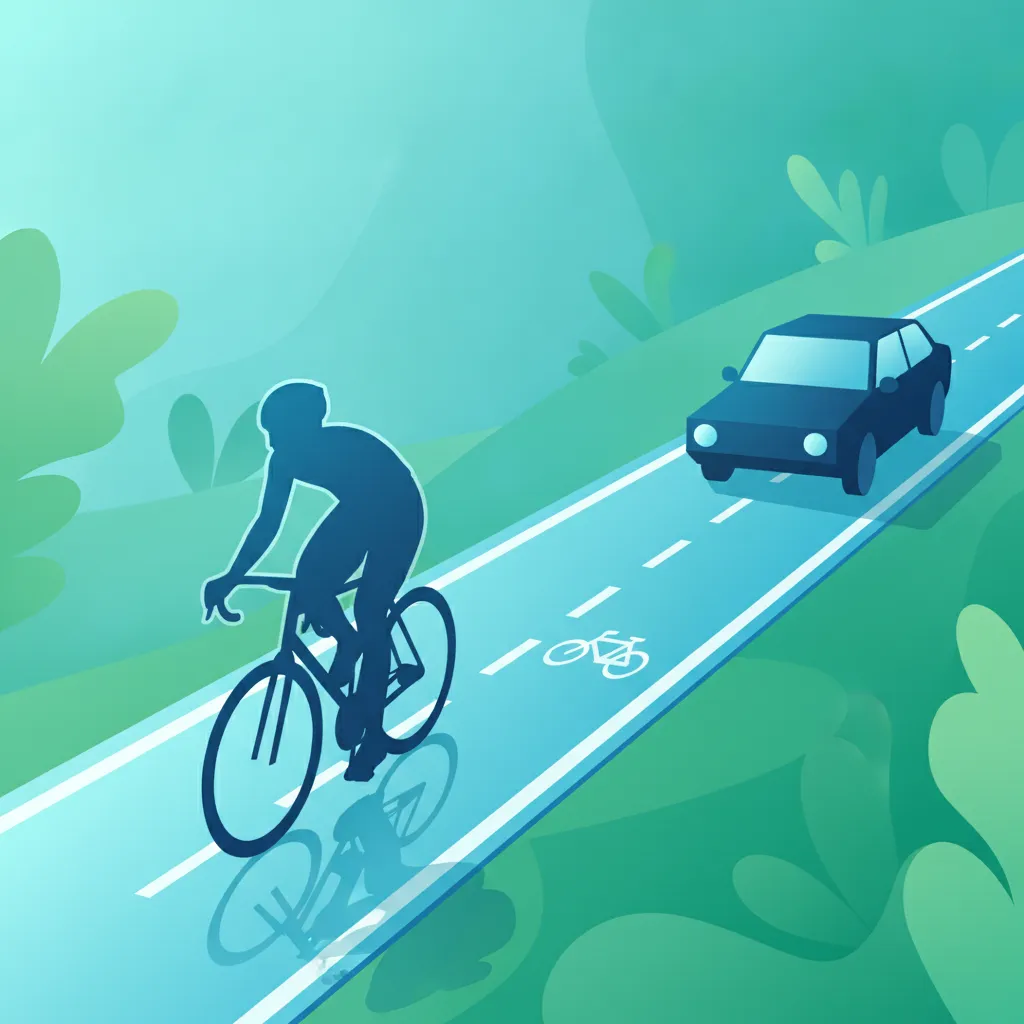
This lesson focuses on safe interaction with cyclists on the road. It covers the identification of dedicated bicycle lanes and the rules regarding cyclist priority in various situations. Key topics include maintaining a safe lateral distance when overtaking cyclists and the importance of checking blind spots for them before turning or changing lanes.
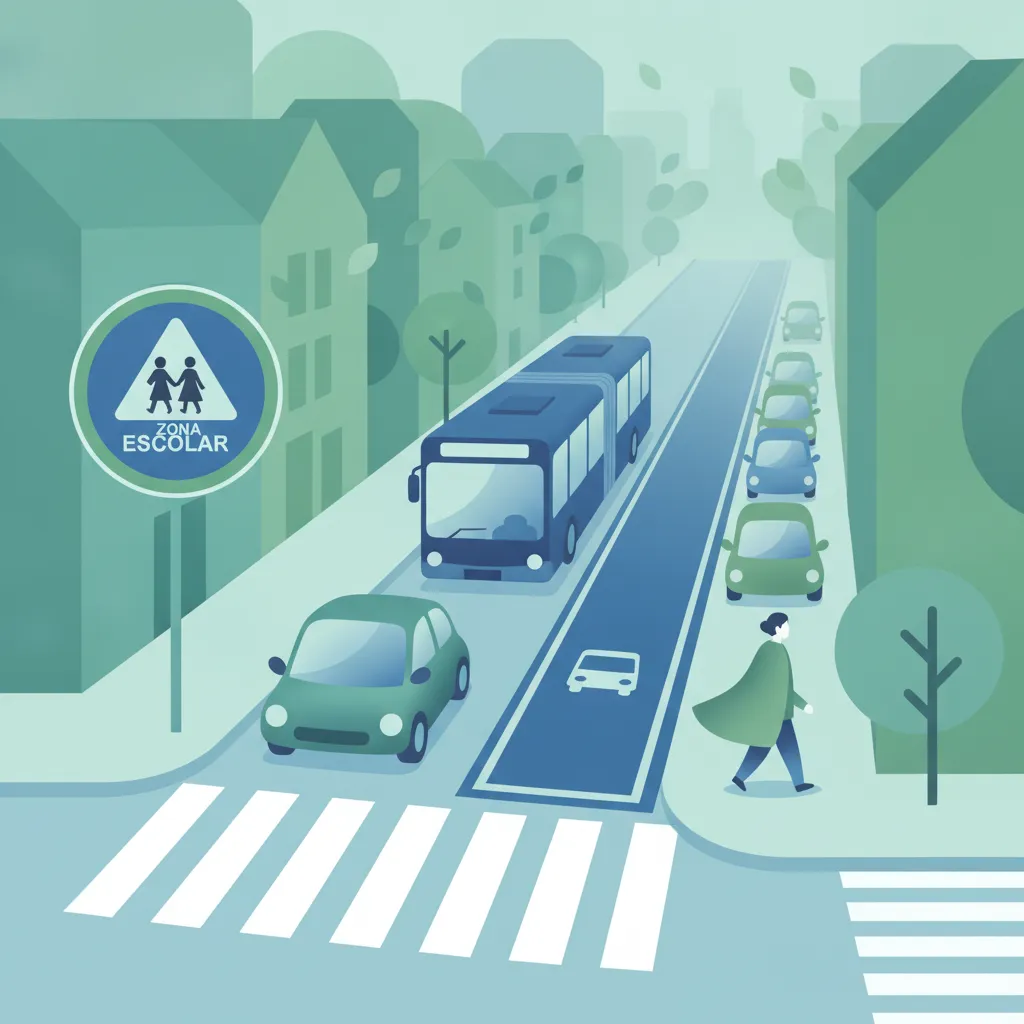
This lesson focuses on special zones within urban environments, such as school areas, bus lanes, and residential streets, where specific traffic rules apply. It covers reduced speed limits, restricted lane usage, and heightened pedestrian activity. Riders learn to recognize these zones and adjust their riding behavior to ensure safety for themselves and others.
Analyze common driving scenarios and learn the step-by-step procedures for safe overtaking in Portugal. Covers assessing safety, signaling, executing the maneuver, and rejoining the lane, with explanations of real-world challenges.
This lesson details the rules of lane discipline and the procedures for safe overtaking. It explains how to maintain correct lane positioning and how road markings and signs define where overtaking is allowed or forbidden. The lesson emphasizes the importance of the mirror-signal-manoeuvre routine and ensuring sufficient space and visibility before attempting to pass another vehicle.
This lesson details the systematic process for changing lanes and merging with traffic, particularly when entering a motorway from an acceleration lane. It emphasizes the critical importance of the mirror-signal-blind spot check routine. The content also explains how to judge a safe gap in the traffic and adjust vehicle speed to merge smoothly and without disrupting the flow.

This lesson details the steps for performing safe overtaking maneuvers, focusing on judgment, speed differential, and signaling. It covers assessing safe distances, using mirrors, and selecting appropriate lanes for overtaking. Guidelines for overtaking in various traffic conditions are provided to ensure riders can execute this maneuver safely and legally.

This lesson focuses on riding safely on two-way roads and narrow lanes where space is limited. It emphasizes maintaining lane discipline, using the road edge when appropriate, and anticipating oncoming traffic. Techniques for safe passing, speed control, and positioning to maximize visibility and minimize collision risk are provided.
This lesson focuses on the specific skills required for driving on high-speed motorways. It details the procedures for safely merging onto and exiting the motorway, maintaining proper lane discipline, and adhering to variable speed limits. The content also provides rules for safe overtaking and managing the vehicle's stability at high speeds.
This lesson explains the unique set of rules that apply to motorway driving to facilitate safe, high-speed travel. It covers the correct procedure for entering and exiting the motorway, principles of lane discipline (keeping left unless overtaking), and the rules for safe overtaking. The lesson also clarifies the proper use of the hard shoulder or emergency lane for genuine emergencies only.

This lesson focuses on the high-risk manoeuvre of reversing and outlines a safe and systematic approach. It stresses the importance of all-around observation (360-degree check) before and during the manoeuvre to identify obstacles and pedestrians. The content covers the correct use of mirrors and reference points, as well as maintaining slow, steady control of the vehicle.
This lesson focuses on the specifics of riding on motorways, covering speed management, lane discipline, and safe entry and exit strategies. Riders will learn how to choose appropriate lanes, maintain safe following distances at high speeds, and execute overtaking safely. The impact of wind and understanding Portuguese motorway signage are also addressed.
This lesson provides a step-by-step guide to navigating roundabouts in Portugal. It emphasizes the primary rule of yielding to traffic already circulating within the roundabout before entering. The content covers correct lane selection based on the intended exit, proper use of indicators for exiting, and managing the complexities of multi-lane roundabouts.

This lesson focuses on the specific skills and regulations for motorway driving. It covers correct lane usage for HGVs, safe procedures for overtaking slower traffic, and the rules for using the hard shoulder or emergency refuge areas. Maintaining consistent speed and awareness of surrounding traffic is key to motorway safety.
Find clear answers to common questions learners have about Overtaking Rules and Procedures. Learn how the lesson is structured, which driving theory objectives it supports, and how it fits into the overall learning path of units and curriculum progression in Portugal. These explanations help you understand key concepts, lesson flow, and exam focused study goals.
No, you must never overtake when a solid white line separates the lanes of traffic. Doing so is a serious violation of the Código da Estrada and will result in significant penalties.
Generally, you must overtake on the left. Overtaking on the right is only permitted in specific situations, such as when the vehicle ahead is clearly signaling to turn left or on one-way streets with multiple lanes.
Before overtaking, you must ensure the road ahead is clear, check your rearview and side mirrors, check your blind spot, and signal your intention clearly to other road users.
A dashed line indicates that you may cross or change lanes, but you must still ensure that the maneuver is safe, considering oncoming traffic, visibility, and the presence of any other hazards.
Utilize the powerful search tool to refine your Portuguese driving theory practice. Pinpoint questions related to specific traffic laws, road signs, or complex scenarios from the Código da Estrada. Begin targeted revision now to boost your understanding and confidently approach your IMT driving exam.