
This lesson guides you through the critical maneuvers of changing lanes and merging into traffic, both vital skills for your Category B driving theory exam and real-world safety. You will learn the systematic approach required by the Código da Estrada to navigate busy roads and motorways with confidence.

Lesson content overview
Changing lanes and merging with traffic are fundamental driving skills, particularly vital for navigating Portugal's diverse road network, from urban streets to high-speed motorways. Executing these manoeuvres safely and efficiently is crucial for maintaining traffic flow, preventing collisions, and ensuring a smooth journey for all road users. This lesson will provide a systematic approach to mastering lane changes and merging, emphasizing observation, communication, and precise vehicle control.
A lane change involves moving your vehicle laterally from one traffic lane to an adjacent one while in motion. Drivers perform lane changes for various reasons, such as overtaking slower vehicles, preparing for an upcoming exit or turn, or adjusting to changing traffic conditions like lane closures. While seemingly simple, a safe lane change requires careful observation, clear communication, and precise execution.
The primary purpose of a lane change is to reposition your vehicle safely without disrupting the flow of traffic or creating a hazard. On multi-lane roads, strategic lane changes allow for efficient movement, enabling drivers to bypass obstacles or prepare for their next manoeuvre well in advance. Without proper lane change techniques, drivers risk sudden braking, sideswipe collisions, or becoming an unpredictable element in traffic.
Every lane change, regardless of speed or road type, should follow a consistent, systematic procedure. This routine ensures that you gather all necessary information and communicate your intentions clearly to other road users, minimizing risks. Prioritizing safety and predictability is key to responsible driving.
Merging is the process of safely integrating your vehicle into a stream of moving traffic from an acceleration lane, a side road, or after an obstruction. This manoeuvre is particularly critical when entering high-speed roads such as motorways (autoestradas) where traffic moves continuously and often at significant speeds. Successfully merging requires more than just finding a gap; it demands speed adjustment, accurate gap assessment, and confident execution.
While both involve moving into an adjacent lane, merging typically implies joining a new flow of traffic, often from a standing start or a lower speed, whereas a lane change occurs within an existing, continuous flow. Merging often involves yielding to traffic already present on the main carriageway, especially from an acceleration lane, whereas lane changes generally require the driver to ensure the adjacent lane is clear before moving.
Motorway merging presents unique challenges due to the high speeds and continuous flow of traffic. Drivers must quickly accelerate to match the speed of vehicles on the main road, accurately judge fast-approaching gaps, and merge smoothly without causing other drivers to brake or swerve. Hesitation or insufficient acceleration can create dangerous situations, as can aggressive or forced merging.
The Mirror-Signal-Blind Spot (MSB) routine is the cornerstone of safe lateral vehicle movements, including both lane changes and merging. This systematic three-step process ensures comprehensive situational awareness and clear communication of your intentions.
Check Mirrors: Begin by checking your rear-view mirror and the appropriate side mirror (left for moving left, right for moving right). This gives you an initial assessment of traffic behind and to your side. Look for vehicles that are approaching quickly or are already in the adjacent lane.
Signal Intention: Once you have identified a potential safe gap, activate your turn signal (indicator) for the direction you intend to move. This vital step communicates your intentions to other drivers, allowing them to anticipate your manoeuvre and adjust their speed or position if necessary. Signalling should be done before you begin to move the vehicle laterally.
Check Blind Spot: After signalling, perform a quick glance over your shoulder in the direction you plan to move. This "blind spot check" is crucial because your mirrors cannot show you everything. Vehicles, especially motorcycles or smaller cars, can be completely hidden in these blind spots. Only proceed if your blind spot is clear.
Never skip any step of the MSB routine. Failing to check blind spots or signal properly can lead to serious collisions. Timing is also important: signal early enough to inform others, but not so early that it causes confusion.
Successfully merging or changing lanes relies heavily on your ability to accurately assess gaps in traffic and adjust your speed to integrate smoothly. These two skills are interconnected and vital for preventing disruption to traffic flow.
A safe gap is a sufficient space between vehicles in the target lane that allows you to move into it without forcing other drivers to brake abruptly or swerve. When merging, it is recommended to maintain a safety clearance of at least two meters both in front of and behind your vehicle once you have entered the new lane. This distance provides a buffer for minor adjustments and ensures you are not tailgating or being tailgated immediately after the manoeuvre.
To judge a safe gap, consider:
Speed matching is the process of adjusting your vehicle's speed to harmonize with the flow of traffic you intend to join. This is particularly crucial when merging onto motorways from an acceleration lane.
Do not fixate on the vehicle directly in front of you in the acceleration lane. Look ahead to observe the flow of traffic on the main carriageway and identify potential gaps.
An acceleration lane, often referred to as a slip road, is a specially designed lane that allows vehicles to gain speed and reach the prevailing speed of the main carriageway before merging into the traffic flow. These lanes are essential for safe entry onto high-speed roads like motorways.
The primary function of an acceleration lane is to provide sufficient space for drivers to accelerate their vehicles to match the speed of the traffic on the main road.
Portuguese traffic law (Código da Estrada) mandates specific procedures to ensure safety during lane changes and merges. Adherence to these rules is not only legal but critical for preventing accidents.
Understanding common errors is the first step to preventing them. Many collisions related to lane changes and merging stem from predictable mistakes.
The principles of safe lane changes and merging remain constant, but their application must be adapted to varying conditions.
Safe lane changes and merging are critical for harmonious and safe driving on Portuguese roads. Mastering these manoeuvres involves a systematic approach, constant vigilance, and clear communication.
By consistently applying these principles, you contribute to safer roads for everyone and ensure a smoother, more predictable driving experience.
Explore all units and lessons included in this driving theory course.
Lesson content overview
Explore all units and lessons included in this driving theory course.
Explore search topics learners often look for when studying Merging into Traffic and Lane Changes. These topics reflect common questions about road rules, driving situations, safety guidance, and lesson level theory preparation for learners in Portugal.
Browse additional driving theory lessons that cover connected traffic rules, road signs, and common driving situations related to this topic. Improve your understanding of how different rules interact across everyday traffic scenarios.
Understand the typical errors drivers make when merging and changing lanes on Portuguese roads. This lesson explains the theory behind these mistakes to help you avoid them and drive more safely.
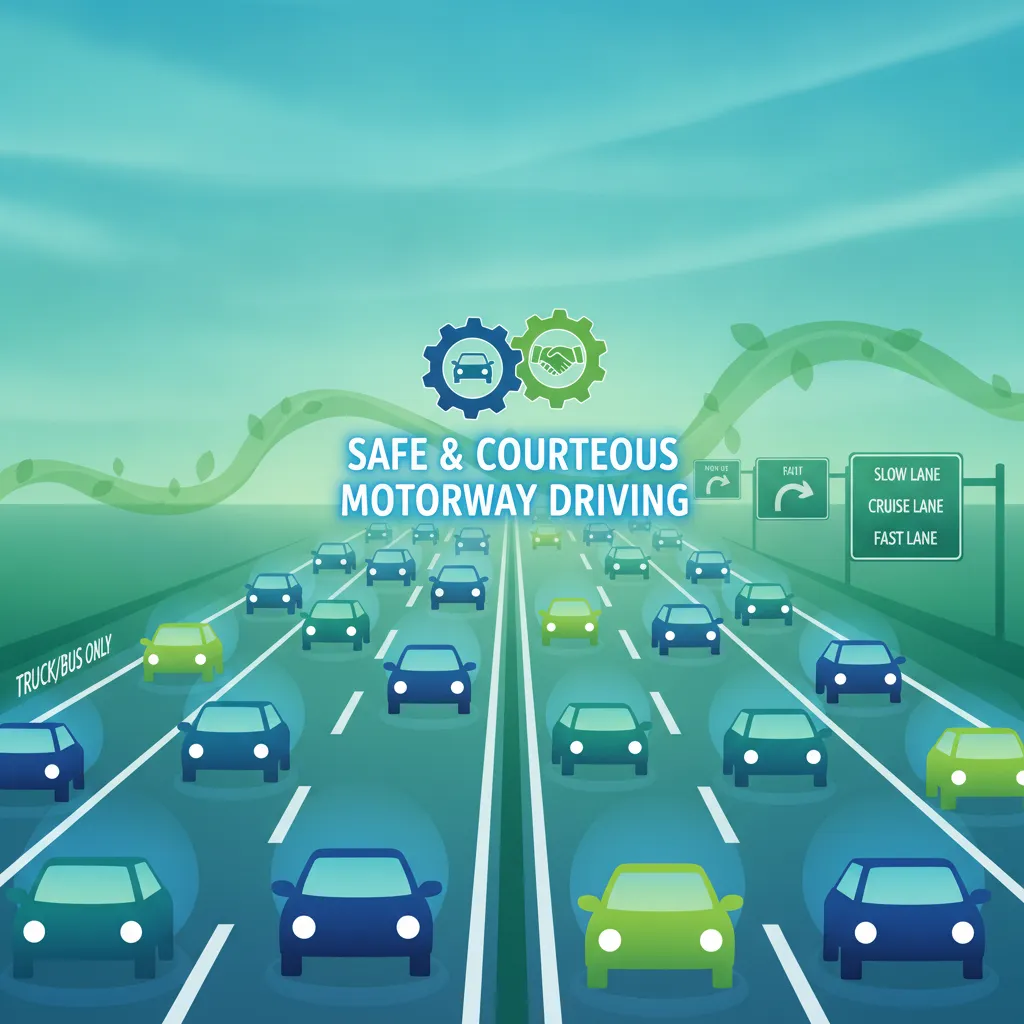
This lesson explains the unique set of rules that apply to motorway driving to facilitate safe, high-speed travel. It covers the correct procedure for entering and exiting the motorway, principles of lane discipline (keeping left unless overtaking), and the rules for safe overtaking. The lesson also clarifies the proper use of the hard shoulder or emergency lane for genuine emergencies only.

This lesson details the rules of lane discipline and the procedures for safe overtaking. It explains how to maintain correct lane positioning and how road markings and signs define where overtaking is allowed or forbidden. The lesson emphasizes the importance of the mirror-signal-manoeuvre routine and ensuring sufficient space and visibility before attempting to pass another vehicle.

This lesson emphasizes the importance of strict lane discipline for heavy vehicles. It covers how to maintain a central position in the lane, the correct procedure for signaling and checking before a lane change, and how to navigate multi-lane roundabouts. Proper lane discipline enhances safety and improves traffic flow for everyone.

This lesson provides a detailed explanation of longitudinal road markings, including solid, broken, and double lines. It clarifies the rules for each type, specifying when changing lanes or overtaking is permitted or prohibited. Additionally, the lesson covers markings for road edges, stop lines at intersections, and pedestrian crossings to ensure correct driver positioning and action.

This lesson focuses on the specific skills required for driving on high-speed motorways. It details the procedures for safely merging onto and exiting the motorway, maintaining proper lane discipline, and adhering to variable speed limits. The content also provides rules for safe overtaking and managing the vehicle's stability at high speeds.

This lesson focuses on riding safely on two-way roads and narrow lanes where space is limited. It emphasizes maintaining lane discipline, using the road edge when appropriate, and anticipating oncoming traffic. Techniques for safe passing, speed control, and positioning to maximize visibility and minimize collision risk are provided.

This lesson focuses on the specifics of riding on motorways, covering speed management, lane discipline, and safe entry and exit strategies. Riders will learn how to choose appropriate lanes, maintain safe following distances at high speeds, and execute overtaking safely. The impact of wind and understanding Portuguese motorway signage are also addressed.
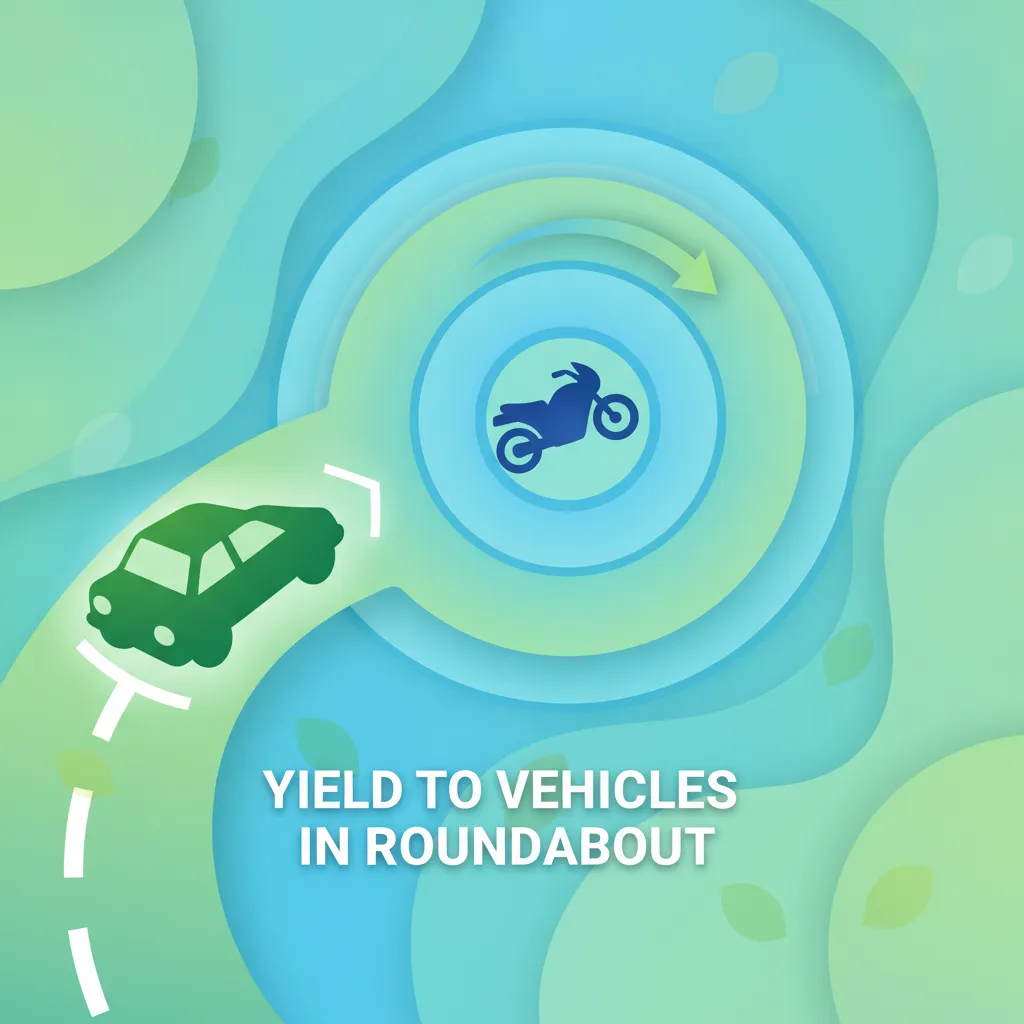
This lesson provides a step-by-step guide to navigating roundabouts in Portugal. It emphasizes the primary rule of yielding to traffic already circulating within the roundabout before entering. The content covers correct lane selection based on the intended exit, proper use of indicators for exiting, and managing the complexities of multi-lane roundabouts.

This lesson focuses on signs and road markings that indicate the direction of traffic flow. It covers how to identify one-way streets, understand lane-specific directional arrows, and navigate areas with reversible or contraflow lanes. Correct interpretation of these indicators is essential for preventing collisions and maintaining the intended traffic circulation pattern.
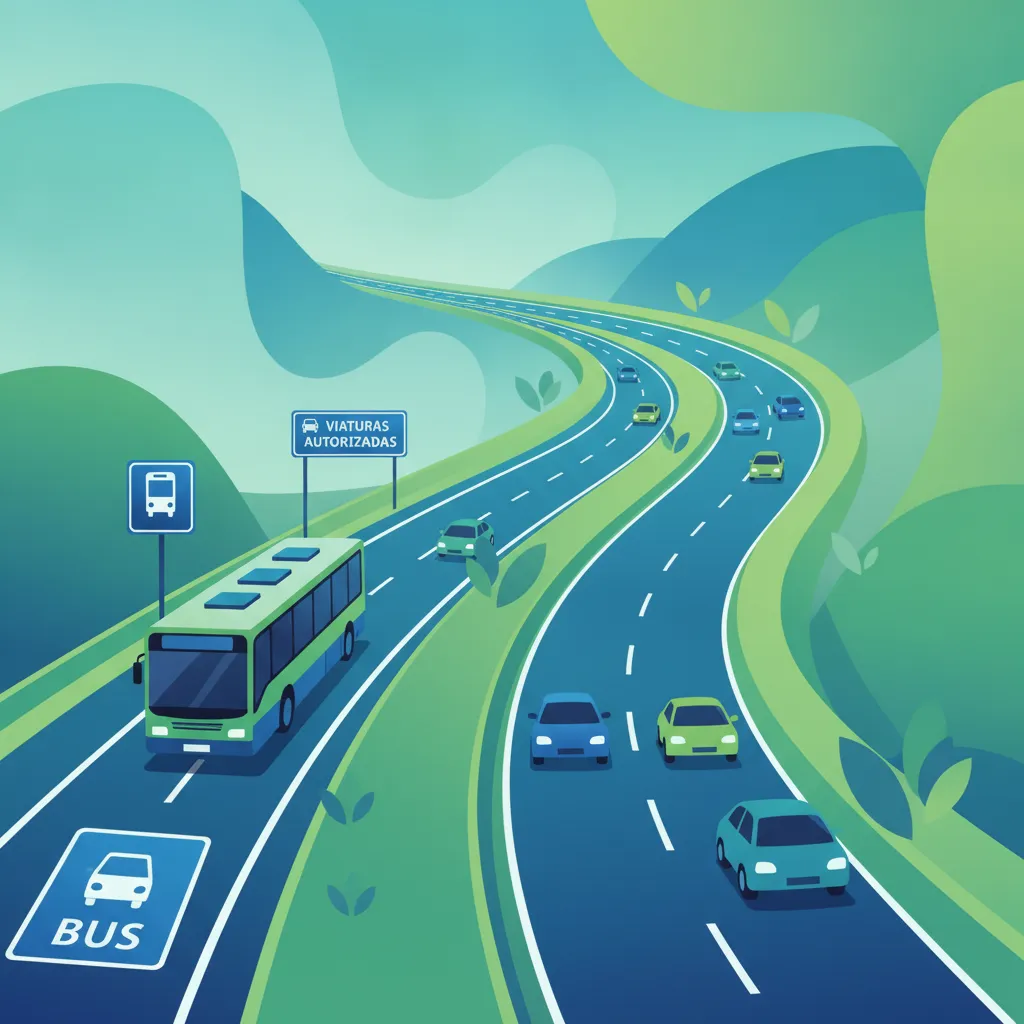
This lesson explains the purpose and rules of reserved lanes, such as those designated for buses, taxis, or cyclists. It covers how to identify these lanes through signage and road markings, and details the specific times they may be in operation. Drivers will learn when they are permitted to enter these lanes and the penalties for unauthorized use.
Explore complex scenarios related to merging into traffic and changing lanes on Portuguese motorways and busy roads. Learn advanced techniques and theory for safe execution in challenging situations.
This lesson explains the unique set of rules that apply to motorway driving to facilitate safe, high-speed travel. It covers the correct procedure for entering and exiting the motorway, principles of lane discipline (keeping left unless overtaking), and the rules for safe overtaking. The lesson also clarifies the proper use of the hard shoulder or emergency lane for genuine emergencies only.
This lesson focuses on the specific skills required for driving on high-speed motorways. It details the procedures for safely merging onto and exiting the motorway, maintaining proper lane discipline, and adhering to variable speed limits. The content also provides rules for safe overtaking and managing the vehicle's stability at high speeds.
This lesson focuses on the specifics of riding on motorways, covering speed management, lane discipline, and safe entry and exit strategies. Riders will learn how to choose appropriate lanes, maintain safe following distances at high speeds, and execute overtaking safely. The impact of wind and understanding Portuguese motorway signage are also addressed.

This lesson focuses on the specific skills and regulations for motorway driving. It covers correct lane usage for HGVs, safe procedures for overtaking slower traffic, and the rules for using the hard shoulder or emergency refuge areas. Maintaining consistent speed and awareness of surrounding traffic is key to motorway safety.
This lesson details the rules of lane discipline and the procedures for safe overtaking. It explains how to maintain correct lane positioning and how road markings and signs define where overtaking is allowed or forbidden. The lesson emphasizes the importance of the mirror-signal-manoeuvre routine and ensuring sufficient space and visibility before attempting to pass another vehicle.
This lesson focuses on riding safely on two-way roads and narrow lanes where space is limited. It emphasizes maintaining lane discipline, using the road edge when appropriate, and anticipating oncoming traffic. Techniques for safe passing, speed control, and positioning to maximize visibility and minimize collision risk are provided.

This lesson addresses the specific challenges of driving alongside motorcyclists and large vehicles such as trucks and buses. It highlights the reduced visibility of motorcyclists and the extensive blind spots (no-zones) around heavy vehicles. Drivers will learn to provide extra space, anticipate wide turns, and adjust for factors like spray and wind turbulence.
This lesson emphasizes the importance of strict lane discipline for heavy vehicles. It covers how to maintain a central position in the lane, the correct procedure for signaling and checking before a lane change, and how to navigate multi-lane roundabouts. Proper lane discipline enhances safety and improves traffic flow for everyone.
This lesson focuses on signs and road markings that indicate the direction of traffic flow. It covers how to identify one-way streets, understand lane-specific directional arrows, and navigate areas with reversible or contraflow lanes. Correct interpretation of these indicators is essential for preventing collisions and maintaining the intended traffic circulation pattern.
This lesson provides a step-by-step guide to navigating roundabouts in Portugal. It emphasizes the primary rule of yielding to traffic already circulating within the roundabout before entering. The content covers correct lane selection based on the intended exit, proper use of indicators for exiting, and managing the complexities of multi-lane roundabouts.
Find clear answers to common questions learners have about Merging into Traffic and Lane Changes. Learn how the lesson is structured, which driving theory objectives it supports, and how it fits into the overall learning path of units and curriculum progression in Portugal. These explanations help you understand key concepts, lesson flow, and exam focused study goals.
The most important step is a thorough observation cycle: checking your mirrors and your blind spot to ensure the lane is clear, followed by signaling your intention clearly to other road users.
No. When merging from an acceleration lane, you must adjust your speed to find a safe gap in the traffic already on the motorway. The vehicles already in the lane have priority, though they should facilitate your entry if possible.
In the theory exam, always look for the 'hidden' perspective. If a question shows a vehicle positioned to your side, assume it is in your blind spot and prioritize checking that area before performing any maneuver.
You must adjust your speed, using the length of the acceleration lane to match the speed of the traffic flow. If necessary, slow down or stop safely at the end of the lane until a safe gap appears.
Utilize the powerful search tool to refine your Portuguese driving theory practice. Pinpoint questions related to specific traffic laws, road signs, or complex scenarios from the Código da Estrada. Begin targeted revision now to boost your understanding and confidently approach your IMT driving exam.