
This lesson provides essential techniques for driving in challenging weather conditions, specifically rain and fog. You will learn how to adapt your driving style and manage your vehicle to ensure safety on Portuguese roads, which is a critical topic for your Category B theory exam.

Lesson content overview
Driving in adverse weather conditions like heavy rain and dense fog presents significant challenges for all motorists. These conditions drastically reduce visibility, making it harder to see the road ahead, traffic signs, and other road users. Furthermore, wet roads diminish tyre grip, increasing the risk of losing control of your vehicle. This lesson provides crucial insights and techniques to help you adapt your driving behaviour, maintain safety, and comply with Portuguese traffic regulations when faced with rain and fog.
Navigating the roads safely requires constant adaptation to changing conditions. Rain and fog introduce unique hazards that demand specific adjustments to your driving style and vehicle preparation.
The primary dangers posed by rain and fog are a combination of significantly reduced visibility and a severe decrease in tyre adhesion to the road surface.
Reduced Visibility: In rain, your vision can be impaired by water splashing from other vehicles, water on your windshield, and the general murkiness of the atmosphere. Fog, on the other hand, consists of tiny water droplets suspended in the air, creating a dense, opaque barrier that can limit your sight to mere metres. Both conditions make it difficult to perceive hazards, judge distances, and react in time.
Decreased Tyre Grip: Water on the road acts as a lubricant, reducing the friction between your tyres and the road surface. This diminished grip extends braking distances and can lead to a phenomenon known as aquaplaning (or hydroplaning), where the tyres lose all contact with the road. The risk is higher on roads with poor drainage, in heavy rainfall, and with worn tyres.
Adverse weather profoundly affects how your vehicle handles. Roads that are normally safe can become treacherous. Standing water can conceal potholes or other road damage. Reduced visibility can hide sudden stops or slow-moving obstacles.
The physical effects on your vehicle include:
Understanding these impacts is the first step towards driving safely in challenging weather.
Wet roads are particularly hazardous due to the reduced friction and the potential for aquaplaning. Adapting your driving and ensuring your vehicle is well-maintained are critical to staying safe.
Aquaplaning occurs when a film of water builds up between your vehicle's tyres and the road surface, causing the tyres to lose contact with the road. When this happens, your vehicle essentially floats on a layer of water, leading to a complete loss of steering, braking, and acceleration control. The risk of aquaplaning increases with speed, the amount of water on the road, and the wear level of your tyres.
How it happens: Tyre treads are designed to channel water away from the contact patch. However, if the volume of water is too great, or the tyre's tread is too shallow to disperse it effectively, water can accumulate. Once the water pressure exceeds the tyre's ability to displace it, the tyre lifts off the road.
What to do if you aquaplane:
Your tyres are the only contact point between your vehicle and the road, making their condition paramount for safety, especially in rain.
Tyre treads are crucial for expelling water from beneath the tyre. The deeper the tread, the more water it can displace, thus reducing the risk of aquaplaning and improving grip on wet surfaces.
In Portugal, the legal minimum tyre tread depth for passenger cars is 1.6 millimetres across the central three-quarters of the tread. Driving with tyres below this limit is illegal and extremely dangerous, especially in wet conditions.
Regularly check your tyre tread depth using a tread depth gauge or by observing the built-in wear indicators. If the tread is near or at the minimum legal limit, replace your tyres immediately.
Maintaining the correct tyre pressure, as recommended by your vehicle manufacturer, is just as important as tread depth.
Check your tyre pressure regularly, ideally when the tyres are cold, and adjust them according to the manufacturer's specifications found in your vehicle's handbook or on a sticker inside the driver's door or fuel filler flap.
Reducing your speed is the most effective way to prevent aquaplaning and enhance safety on wet roads. Slower speeds allow your tyres more time to disperse water and reduce the chances of water building up under them.
When driving in rain, you should significantly reduce your speed from the posted limit. For instance, on a motorway, if the limit is 120 km/h, consider reducing your speed to 80-100 km/h in light rain, and even lower in heavy downpours or when standing water is visible.
Be particularly cautious when approaching large puddles or areas where water has accumulated. These can hide hazards and are prime locations for aquaplaning. If you must drive through standing water, do so slowly and carefully, gripping the steering wheel firmly. After driving through a deep puddle, gently tap your brakes a few times to dry them out, as wet brakes are less effective.
Fog creates a challenging driving environment where the world around you can disappear in an instant. The key to safe driving in fog is to maximize your visibility and minimize your speed.
Fog not only reduces how far you can see but also distorts your perception of distance and speed. Objects may appear further away or closer than they actually are, making it difficult to judge safe following distances or the speed of oncoming traffic. The uniform grey or white appearance of dense fog can also lead to a disorienting sensation, sometimes called "white-out," where the horizon is lost.
Using the correct lighting is crucial for both seeing and being seen in foggy conditions.
When visibility is reduced due to fog, low beam (or dipped) headlights should always be switched on.
Never use high beam (or main) headlights in fog. As explained, they reflect off the fog particles and create glare, significantly worsening your visibility.
Front fog lights are specially designed to cut through fog more effectively than low beams. They emit a wide, flat beam that illuminates the road surface directly in front of the vehicle and slightly to the sides, helping you see the road markings and the edge of the road.
Rules for use in Portugal:
Rear fog lights are powerful red lights, significantly brighter than standard tail lights, designed to make your vehicle more visible to drivers behind you in conditions of extremely poor visibility.
Rules for use in Portugal:
Because fog impairs your ability to judge distance and increases reaction times, it is imperative to increase your following distance significantly. The standard "two-second rule" is insufficient in foggy conditions.
Aim to maintain at least a four-second gap between your vehicle and the one ahead. In very dense fog, where visibility is extremely limited, this distance should be even greater. This extended gap provides you with more time to react to sudden braking by the vehicle in front or to other unforeseen hazards.
Beyond specific lighting and speed adjustments, several general safety practices are essential for driving in any adverse weather conditions.
As discussed, reduced grip and poor visibility necessitate a greater following distance. The two-second rule is a minimum for ideal conditions; in rain or fog, double it to four seconds, or even more if conditions are severe.
To measure your following distance:
The legal speed limit is the maximum speed allowed under ideal conditions. In rain and fog, you must always drive at a speed appropriate for the current road and weather conditions. This often means driving well below the posted speed limit.
StepList title="Key Speed Adjustment Principles:"
Maintaining a clear windshield is paramount for visibility.
Adhering to specific traffic laws is not just about avoiding fines; it's about ensuring safety for everyone on the road. Portuguese law provides clear guidelines for driving in adverse weather.
The Portuguese Código da Estrada (Road Code) mandates specific lighting usage in conditions of reduced visibility.
Low Beam Headlights (Médios): Mandatory whenever visibility is reduced due to rain, fog, snow, or smoke, regardless of the time of day. High beams are prohibited in such conditions.
Front Fog Lights (Faróis de Nevoeiro Dianteiros): May be used when visibility is significantly reduced, generally considered below 100 metres, by fog, heavy rain, snow, or dense smoke. They must be switched off when visibility improves.
Rear Fog Lights (Faróis de Nevoeiro Traseiros): Should only be used in conditions of severely reduced visibility, typically when sight is less than 50 metres. Due to their intensity, they must be switched off immediately once visibility improves to avoid dazzling following drivers.
Portuguese law, in line with EU regulations, sets a minimum standard for tyre tread depth.
For passenger cars in Portugal (Category B vehicles), the legal minimum tread depth is 1.6 millimetres across the main grooves of the tyre. Driving with tyres below this limit is illegal, subject to fines, and severely compromises safety, especially in wet weather.
Regular inspections of tyre condition, including tread depth and sidewall integrity, are mandatory for vehicle safety inspections and are the driver's responsibility between inspections.
The Código da Estrada explicitly states that drivers must adapt their speed to the prevailing road and weather conditions. This means that while a speed limit may be 90 km/h, if heavy rain makes it unsafe to drive at that speed, you are legally obligated to reduce it to a safe level, perhaps 50-60 km/h.
Similarly, maintaining an adequate following distance is a continuous obligation. In adverse conditions like rain and fog, the "adequate" distance is considerably longer than in clear weather. Failure to adjust speed and following distance according to conditions can lead to charges of dangerous driving or driving without due care, especially if an accident occurs.
Understanding the rules and techniques is one thing; consistently applying them is another. Be aware of these common errors:
Driving in rain and fog demands a proactive and cautious approach. By understanding the unique challenges these conditions pose and implementing specific driving techniques, you can significantly enhance your safety and the safety of others on Portuguese roads.
By consistently applying these principles, you will be better prepared to navigate the roads safely, even when faced with challenging weather conditions.
Explore all units and lessons included in this driving theory course.
Lesson content overview
Explore all units and lessons included in this driving theory course.
Explore search topics learners often look for when studying Driving in Rain and Fog. These topics reflect common questions about road rules, driving situations, safety guidance, and lesson level theory preparation for learners in Portugal.
Browse additional driving theory lessons that cover connected traffic rules, road signs, and common driving situations related to this topic. Improve your understanding of how different rules interact across everyday traffic scenarios.
Understand the specific rules for using low beams, front fog lights, and rear fog lights in Portugal during rain and fog. Learn how to maximize visibility and ensure other drivers see you safely.

This lesson details the functions of the various lights on a vehicle and the regulations governing their use. It explains the appropriate conditions for using dipped headlights, main beams, and fog lights to maximize visibility without dazzling other road users. The correct use of indicators and hazard warning lights as communication tools is also thoroughly covered.

This lesson provides strategies for safe driving after dark, addressing challenges like reduced visibility and headlight glare. It details the correct situations for using main beams (high beams) and the importance of dipping them for oncoming or followed vehicles. Techniques for minimizing the effect of glare and being aware of less visible hazards like pedestrians are also covered.

This lesson focuses on the optimal use of reflective materials and lighting systems to enhance rider safety. It explains how to apply reflective elements to clothing, helmets, and the vehicle for maximum effect in low-light conditions. Furthermore, it reviews the legal requirements and proper function of headlights, tail lights, and indicators to ensure compliance and improve detectability.
This lesson explains how adverse weather conditions like rain and fog compromise visibility and vehicle control. It provides clear guidance on reducing speed, increasing following distance, and using lights and wipers effectively. The content also covers the phenomenon of hydroplaning and how to prevent loss of traction on wet roads.
This lesson examines strategies to maximize rider visibility in various lighting conditions. It covers the proper use of daytime running lights, high-visibility clothing, and reflective strips, as well as maintaining headlight performance. Effective signaling and rider positioning are also discussed to enhance visibility to other road users.
Night riding presents unique visual challenges and increased fatigue. This lesson covers proper headlight usage, including high and low beam settings, along with the importance of reflective gear for visibility. It also addresses eye fatigue, glare from oncoming lights, and strategies for managing rider alertness and speed to navigate safely at night.
This lesson provides detailed guidance for riding in challenging weather conditions. It explains how rain affects braking distances and tire grip, and the importance of using lights correctly in fog to be seen. The content also offers practical advice on appropriate waterproof and high-visibility gear, as well as how strong winds can affect the stability of a lightweight vehicle.
This lesson details the universal system of traffic light signals and their specific applications in Portugal. It clarifies the meaning of red, amber, and green lights, as well as flashing signals and directional arrows that control turning movements. Correctly interpreting these signals is fundamental for safely navigating controlled intersections and ensuring smooth traffic flow.
This lesson focuses on adapting riding techniques for rainy conditions and wet road surfaces. It covers the increased risk of hydroplaning, the need for longer braking distances, and adjustments to cornering and throttle control. Riders are advised on how to handle water accumulation and where to position themselves to maintain stability in wet conditions.
This lesson details the rules of lane discipline and the procedures for safe overtaking. It explains how to maintain correct lane positioning and how road markings and signs define where overtaking is allowed or forbidden. The lesson emphasizes the importance of the mirror-signal-manoeuvre routine and ensuring sufficient space and visibility before attempting to pass another vehicle.
Learn how reduced tyre grip and aquaplaning occur in rain and fog. This lesson explains essential techniques for maintaining traction, safe speed adjustments, and proper tyre maintenance for wet conditions.
This lesson focuses on adapting riding techniques for rainy conditions and wet road surfaces. It covers the increased risk of hydroplaning, the need for longer braking distances, and adjustments to cornering and throttle control. Riders are advised on how to handle water accumulation and where to position themselves to maintain stability in wet conditions.
This lesson explains how adverse weather conditions like rain and fog compromise visibility and vehicle control. It provides clear guidance on reducing speed, increasing following distance, and using lights and wipers effectively. The content also covers the phenomenon of hydroplaning and how to prevent loss of traction on wet roads.
This lesson provides detailed guidance for riding in challenging weather conditions. It explains how rain affects braking distances and tire grip, and the importance of using lights correctly in fog to be seen. The content also offers practical advice on appropriate waterproof and high-visibility gear, as well as how strong winds can affect the stability of a lightweight vehicle.

This lesson focuses on managing grip across different road surfaces and conditions. It discusses how dry and wet asphalt, oil slicks, and gravel affect tire traction, and how tire condition influences grip. Techniques for adapting rider input to maintain control under varying friction conditions are presented.
This lesson teaches riders how to assess and adapt to the increased risks associated with adverse weather and road conditions. It explains how rain reduces tire grip and visibility, requiring lower speeds and gentler control inputs. The content also provides advice for dealing with other challenging conditions such as strong crosswinds, fog, and road surface hazards like potholes or gravel.
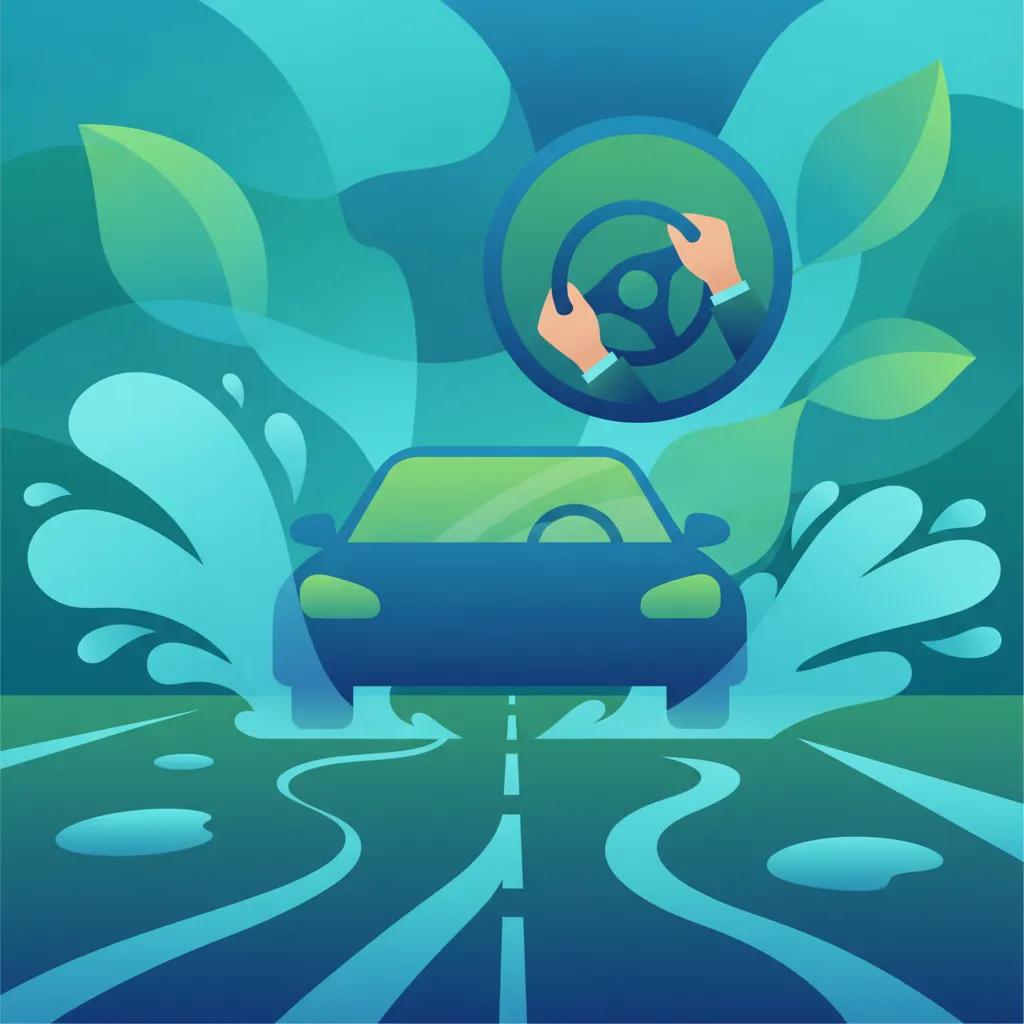
This lesson examines the significant impact of adverse weather on HGV dynamics. It explains how rain can lead to hydroplaning, how strong crosswinds can affect stability, and how ice dramatically increases braking distances. Drivers will learn the importance of reducing speed and increasing following distances in these conditions.

This lesson explains the physics of how tires maintain grip with the road surface, a crucial concept for two-wheeled vehicles. It details the correct technique for cornering, which involves adjusting speed before the turn, selecting a safe line, and leaning the vehicle. The content also discusses common causes of grip loss, such as poor road surfaces or improper rider inputs.
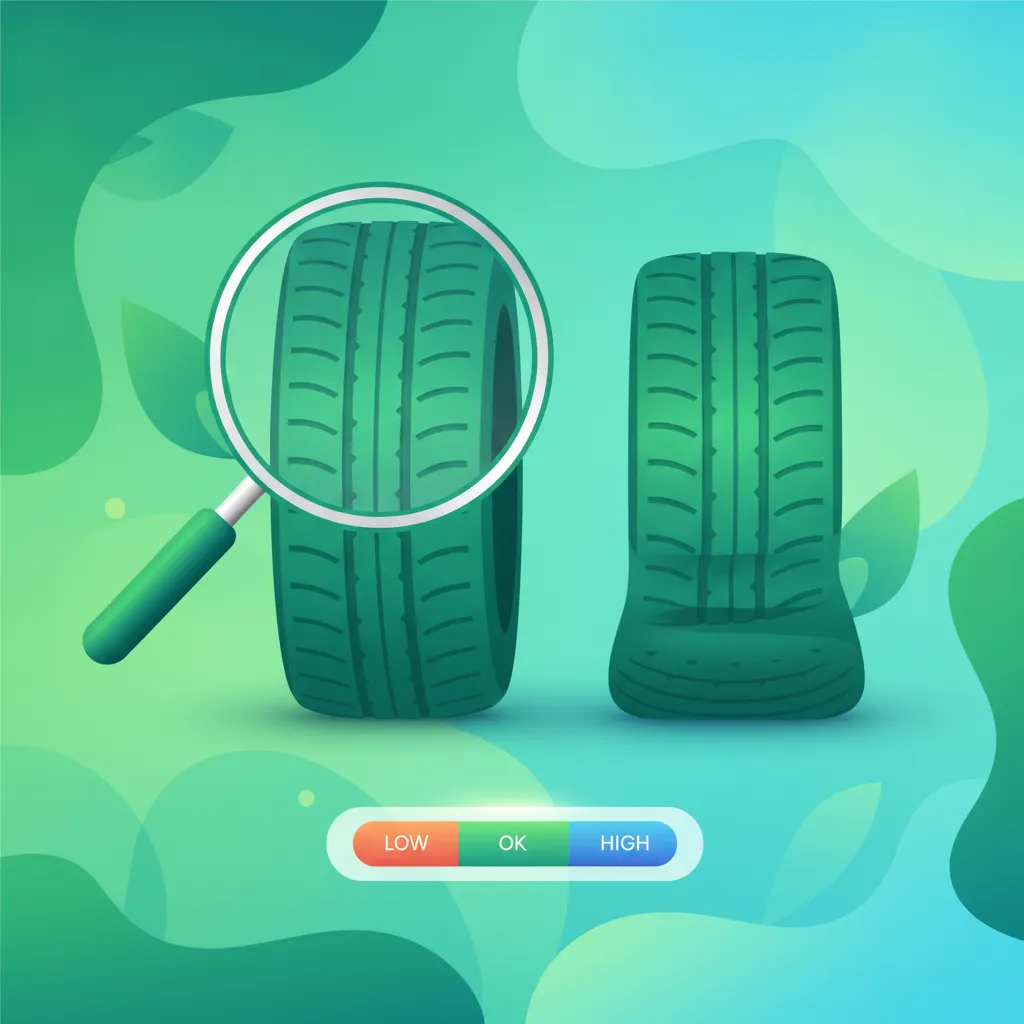
This lesson emphasizes the critical role tyres play in vehicle safety, affecting grip, braking, and handling. It explains how to check tyre pressure and tread depth, and how to identify the legal minimum requirements. Recognizing uneven wear patterns and understanding the need for timely replacement are key skills for maintaining a roadworthy vehicle.
This lesson introduces the principles of hazard perception, a key skill for proactive and defensive driving. It teaches techniques for systematically scanning the environment, identifying potential risks before they develop into immediate dangers, and planning escape routes. By improving their ability to anticipate the actions of others, drivers can significantly reduce their risk of being involved in a collision.
This lesson emphasizes the development of defensive riding strategies through continuous risk assessment and situational awareness. It teaches techniques for scanning the environment, maintaining safe following distances, and anticipating potential hazards. The importance of a proactive riding attitude and creating safety margins is highlighted to promote a habit of anticipatory riding.
Find clear answers to common questions learners have about Driving in Rain and Fog. Learn how the lesson is structured, which driving theory objectives it supports, and how it fits into the overall learning path of units and curriculum progression in Portugal. These explanations help you understand key concepts, lesson flow, and exam focused study goals.
You must use your rear fog light when visibility is significantly reduced, generally to less than 50 metres. Front fog lights may be used when visibility is poor, but they should be switched off as soon as visibility improves to avoid dazzling other drivers.
If you feel your car aquaplaning, avoid slamming on the brakes. Instead, gently ease off the accelerator, keep your steering wheel straight, and wait for the tyres to regain contact with the road surface before gently steering or braking.
Yes. Rain reduces the friction between your tyres and the road, which significantly increases your braking distance. In the theory exam, always assume that wet conditions require you to double or triple your normal following distance.
Hazard lights should only be used to warn other drivers of an unexpected hazard, such as an sudden traffic jam ahead or an emergency stop. They should not be used as a way to signal that you are driving slowly due to bad weather.
Utilize the powerful search tool to refine your Portuguese driving theory practice. Pinpoint questions related to specific traffic laws, road signs, or complex scenarios from the Código da Estrada. Begin targeted revision now to boost your understanding and confidently approach your IMT driving exam.