
This lesson covers the specific regulations for motorway driving, which are essential for your Category B exam and real-world safety. You will learn the correct procedures for merging, lane discipline, and the strictly limited use of emergency lanes. Understanding these rules is a vital step in becoming a competent and law-abiding driver on Portuguese motorways.
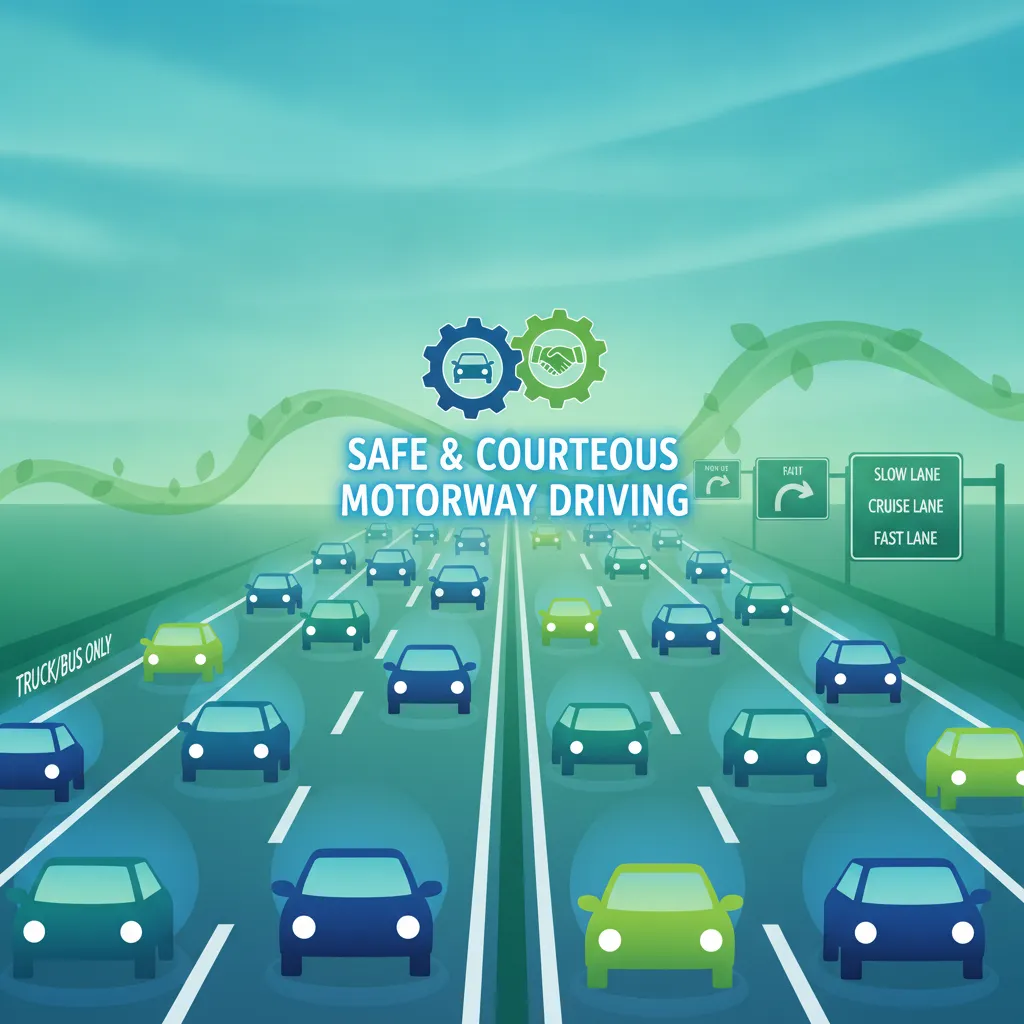
Lesson content overview
Motorways, known as autoestradas in Portugal, are purpose-built roads designed for safe, high-speed travel and efficient traffic flow. Unlike conventional roads, they feature controlled access, separate traffic streams, and typically prohibit slower-moving vehicles, pedestrians, and cyclists (unless a specific bike lane is present). Navigating motorways safely requires a distinct set of rules and a disciplined approach that differs from urban or rural driving.
This lesson provides a comprehensive guide to motorway rules and etiquette within the Portuguese driving context. Understanding these regulations is crucial not only for passing your Portuguese Category B driving theory exam but also for ensuring your safety and the safety of others on these high-speed routes. We will cover everything from merging onto the motorway to maintaining proper lane discipline, performing safe overtaking maneuvers, and knowing when and how to use the emergency lane.
Portuguese motorways are engineered for uninterrupted movement, featuring multiple lanes, controlled entry and exit points, and the absence of intersections at grade level. This design minimizes potential conflict points, allowing for higher speed limits and more consistent travel speeds. The primary goal is to facilitate swift and safe long-distance journeys.
Motorways are distinguished by several key features that dictate their unique rules. They are typically identified by specific blue signs with a white car symbol.
The rules governing motorway driving are built upon core principles aimed at maximizing safety and efficiency. Adhering to these principles creates a predictable environment for all road users.
Entering and exiting a motorway requires precision and adherence to specific procedures to merge or diverge safely from high-speed traffic.
The on-ramp, also known as an acceleration lane, is designed to allow drivers to match the speed of the motorway traffic before merging.
Observe and Assess: As you approach the on-ramp, look far ahead on the motorway to assess the traffic speed and density. Identify potential gaps where you can merge safely.
Accelerate Smoothly: Increase your speed on the acceleration lane to match the speed of the vehicles already on the motorway. Do not stop at the end of the ramp unless absolutely necessary due to traffic preventing a safe merge.
Use Mirrors and Signal: Continuously check your rear-view and side mirrors. Once you identify a safe gap, signal your intention to merge into the rightmost lane.
Merge Safely: Without slowing down unnecessarily, steer smoothly into the rightmost lane, ensuring you do not cut off any vehicle already present. Adjust your speed to maintain a safe following distance from the vehicle ahead.
Common Mistakes during Merging: Stopping at the end of the acceleration lane, merging at a significantly lower speed than motorway traffic, or failing to check mirrors and signal your intentions. These actions can create dangerous situations and rear-end collisions.
Exiting a motorway requires careful planning and timely execution, ensuring a smooth transition off the main traffic flow.
Plan Ahead: Identify your exit well in advance. Road signs will typically indicate upcoming exits with distances (e.g., "Saída em 2 km").
Signal Intention: At least 300 meters before your intended off-ramp, activate your right indicator. This gives other drivers ample warning of your maneuver.
Move to the Rightmost Lane: Gradually and safely move to the rightmost lane if you are not already there. Avoid abrupt lane changes.
Enter the Deceleration Lane: Once you are in the deceleration lane (off-ramp), begin to reduce your speed to the appropriate limit for the exit ramp or the road you are joining. Do not slow down on the main motorway lanes.
Common Mistakes during Exiting: Signaling too late, attempting to cut across multiple lanes at the last minute, or slowing down significantly on the main motorway lanes before entering the off-ramp. These actions are highly dangerous and disrupt traffic flow.
Lane discipline is paramount on motorways to ensure smooth traffic flow, reduce congestion, and enhance safety. In Portugal, where traffic drives on the right, specific rules govern lane usage.
On Portuguese motorways with two or more lanes in the same direction, the general rule is to keep to the rightmost available lane. This lane is intended for normal cruising. The lanes to the left are primarily reserved for overtaking.
"Lane hogging" refers to the act of driving continuously in a middle or leftmost lane when the rightmost lane is clear. This practice:
Always check your mirrors regularly. If you see a vehicle approaching rapidly from behind in a lane to your left, you should move to the rightmost available lane if it is safe to do so, allowing them to proceed.
Overtaking on motorways requires careful judgment, planning, and strict adherence to rules to prevent collisions, given the high speeds involved.
In Portugal, as a right-hand driving country, overtaking is always performed on the left side of the vehicle you intend to pass.
Assess the Situation: Ensure the maneuver is necessary, safe, and legal. Check your mirrors (rear-view and side) to confirm the lane to your left is clear, and that no vehicle is attempting to overtake you.
Signal Intention: Activate your left indicator well in advance to signal your intention to change lanes.
Change Lane and Accelerate: Move smoothly into the lane to your left. Accelerate sufficiently to pass the slower vehicle quickly and safely, without exceeding the speed limit.
Maintain Distance: Ensure you maintain a safe lateral distance from the vehicle you are passing.
Signal Return and Merge: Once you can see the overtaken vehicle completely in your interior rear-view mirror, signal right. Then, smoothly move back into the rightmost available lane, ensuring you leave a safe gap.
The hard shoulder, or berma, is a vital safety feature on motorways but its use is strictly regulated.
The hard shoulder is designated for genuine emergencies only. This includes:
Signal and Pull Over Safely: If possible, signal your intention to pull over and move as far to the right onto the hard shoulder as safely possible, away from the flow of traffic.
Activate Hazard Lights: Immediately activate your hazard warning lights to alert other drivers of your stationary vehicle.
Exit Vehicle Safely: If safe to do so, exit your vehicle on the passenger side (away from traffic). All occupants should move to a safe location behind the crash barrier if one is present, away from the motorway.
Place Warning Triangle: Place your warning triangle at an appropriate distance (usually 30 meters) behind your vehicle to warn approaching traffic.
Call for Assistance: Contact roadside assistance or emergency services. Wait for help in a safe location.
Unauthorized use of the hard shoulder is illegal, dangerous, and subject to fines. Prohibited uses include:
Misuse of the hard shoulder can lead to severe penalties, including hefty fines and points on your driving license, due to the high risks involved.
Speed is a critical factor on motorways. While these roads permit higher speeds, safe driving demands constant awareness and adjustment to conditions.
On Portuguese motorways, general speed limits are as follows, though specific signage always takes precedence:
Always pay attention to roadside signs, as they may indicate temporary or permanent variations to these general speed limits.
Adhering strictly to the maximum speed limit is not always safe or appropriate. Drivers must exercise judgment and reduce speed when conditions are adverse:
Understanding common pitfalls can help new drivers anticipate and avoid dangerous situations on motorways.
Late Merging:
Wrong Lane Overtaking:
Improper Exit Lane Usage:
Hard Shoulder Misuse:
Excessive Speed in Adverse Weather:
Unnecessary Lane Hogging:
Failure to Signal Exit:
Safe motorway driving extends beyond basic rules to include adapting to various environmental and vehicle-specific conditions.
These scenarios illustrate correct and incorrect behaviors in common motorway situations.
Merging onto the Motorway:
Exiting the Motorway:
Lane Discipline in Cruise:
Overtaking on the Motorway:
Hard Shoulder Use:
The stringent rules for motorway driving are not arbitrary; they are rooted in fundamental safety and traffic flow principles:
By understanding and adhering to these principles and rules, drivers contribute to a safer and more efficient motorway environment for everyone.
Explore all units and lessons included in this driving theory course.
Lesson content overview
Explore all units and lessons included in this driving theory course.
Explore search topics learners often look for when studying Motorway Rules and Etiquette. These topics reflect common questions about road rules, driving situations, safety guidance, and lesson level theory preparation for learners in Portugal.
Browse additional driving theory lessons that cover connected traffic rules, road signs, and common driving situations related to this topic. Improve your understanding of how different rules interact across everyday traffic scenarios.
Learn about frequent errors drivers make on Portuguese motorways and how to avoid them. This lesson covers incorrect merging, lane discipline issues, and hard shoulder misuse, crucial for safe driving theory on autoestradas.

This lesson focuses on the specific skills required for driving on high-speed motorways. It details the procedures for safely merging onto and exiting the motorway, maintaining proper lane discipline, and adhering to variable speed limits. The content also provides rules for safe overtaking and managing the vehicle's stability at high speeds.

This lesson focuses on the specifics of riding on motorways, covering speed management, lane discipline, and safe entry and exit strategies. Riders will learn how to choose appropriate lanes, maintain safe following distances at high speeds, and execute overtaking safely. The impact of wind and understanding Portuguese motorway signage are also addressed.

This lesson focuses on the specific skills and regulations for motorway driving. It covers correct lane usage for HGVs, safe procedures for overtaking slower traffic, and the rules for using the hard shoulder or emergency refuge areas. Maintaining consistent speed and awareness of surrounding traffic is key to motorway safety.

This lesson details the systematic process for changing lanes and merging with traffic, particularly when entering a motorway from an acceleration lane. It emphasizes the critical importance of the mirror-signal-blind spot check routine. The content also explains how to judge a safe gap in the traffic and adjust vehicle speed to merge smoothly and without disrupting the flow.

This lesson highlights the distinct risks associated with driving on rural roads, which often lack the safety features of major routes. It prepares drivers to anticipate and manage hazards such as sharp bends, limited visibility, poor road surfaces, and encounters with slow-moving agricultural vehicles or animals. Adapting speed and road positioning are emphasized as key defensive techniques.

This lesson details the rules of lane discipline and the procedures for safe overtaking. It explains how to maintain correct lane positioning and how road markings and signs define where overtaking is allowed or forbidden. The lesson emphasizes the importance of the mirror-signal-manoeuvre routine and ensuring sufficient space and visibility before attempting to pass another vehicle.
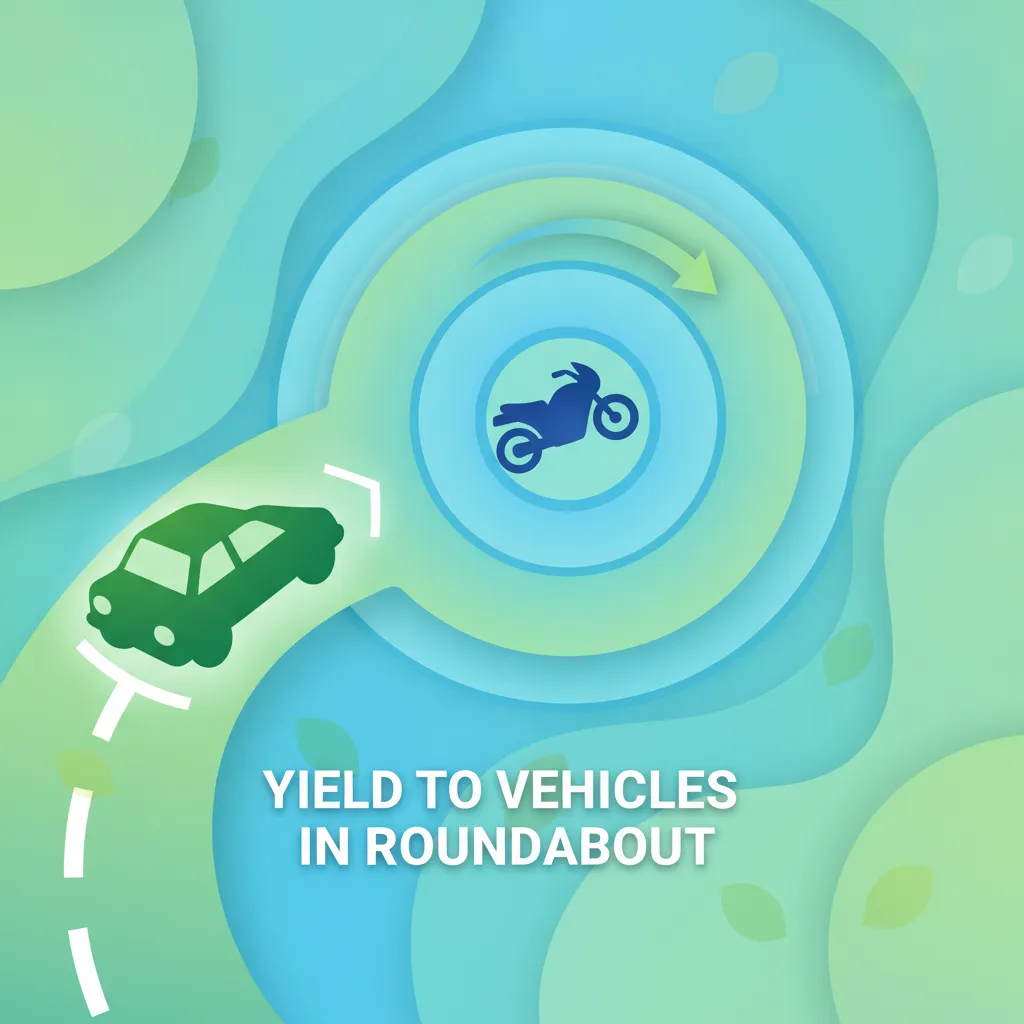
This lesson provides a step-by-step guide to navigating roundabouts in Portugal. It emphasizes the primary rule of yielding to traffic already circulating within the roundabout before entering. The content covers correct lane selection based on the intended exit, proper use of indicators for exiting, and managing the complexities of multi-lane roundabouts.
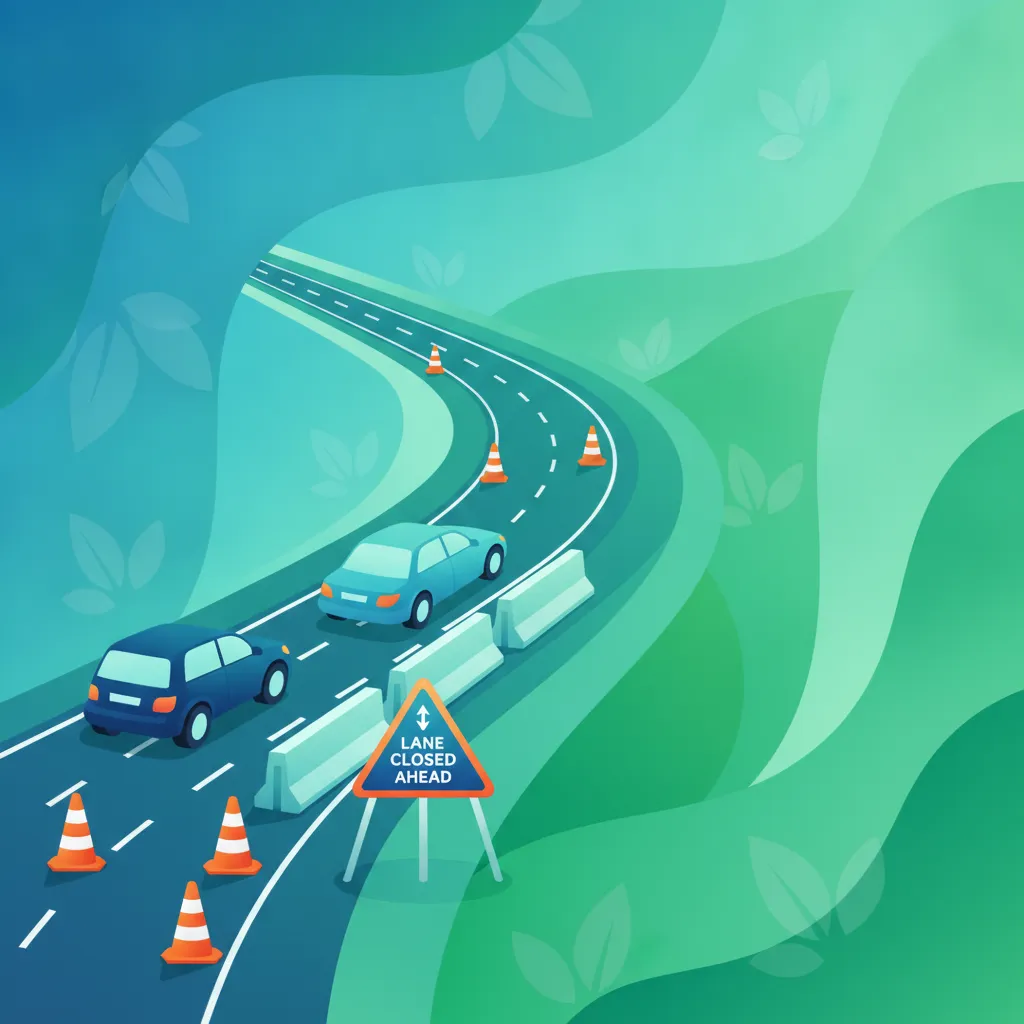
This lesson provides guidance for driving safely through areas of roadworks, where normal road layouts are altered. It stresses the importance of obeying all temporary signage, including reduced speed limits and lane guidance, to protect both drivers and road workers. Drivers will learn to anticipate sudden stops, narrowed lanes, and be aware of potential surface hazards within the construction zone.

Focusing on roundabouts, this lesson teaches riders how to correctly enter, circulate, and exit these traffic features. It covers lane selection based on the intended exit, maintaining appropriate speed, and using signals to indicate intentions. The lesson also addresses the importance of yielding to circulating traffic and positioning oneself safely to avoid collisions.

This lesson focuses on riding safely on two-way roads and narrow lanes where space is limited. It emphasizes maintaining lane discipline, using the road edge when appropriate, and anticipating oncoming traffic. Techniques for safe passing, speed control, and positioning to maximize visibility and minimize collision risk are provided.
Explore practical scenarios faced on Portuguese motorways, including complex merging, overtaking, and exit situations. This lesson provides deeper insights into applying motorway rules and etiquette in real-world driving theory.
This lesson focuses on the specific skills required for driving on high-speed motorways. It details the procedures for safely merging onto and exiting the motorway, maintaining proper lane discipline, and adhering to variable speed limits. The content also provides rules for safe overtaking and managing the vehicle's stability at high speeds.
This lesson focuses on the specifics of riding on motorways, covering speed management, lane discipline, and safe entry and exit strategies. Riders will learn how to choose appropriate lanes, maintain safe following distances at high speeds, and execute overtaking safely. The impact of wind and understanding Portuguese motorway signage are also addressed.

This lesson teaches the crucial skill of selecting a safe and appropriate speed that considers the prevailing conditions. It explains why the legal speed limit is often not the safest speed in adverse weather, heavy traffic, or poor visibility. Drivers will learn to assess the environment and modify their speed to maintain control and allow for adequate stopping distance.
This lesson focuses on the specific skills and regulations for motorway driving. It covers correct lane usage for HGVs, safe procedures for overtaking slower traffic, and the rules for using the hard shoulder or emergency refuge areas. Maintaining consistent speed and awareness of surrounding traffic is key to motorway safety.
This lesson details the systematic process for changing lanes and merging with traffic, particularly when entering a motorway from an acceleration lane. It emphasizes the critical importance of the mirror-signal-blind spot check routine. The content also explains how to judge a safe gap in the traffic and adjust vehicle speed to merge smoothly and without disrupting the flow.
This lesson highlights the distinct risks associated with driving on rural roads, which often lack the safety features of major routes. It prepares drivers to anticipate and manage hazards such as sharp bends, limited visibility, poor road surfaces, and encounters with slow-moving agricultural vehicles or animals. Adapting speed and road positioning are emphasized as key defensive techniques.
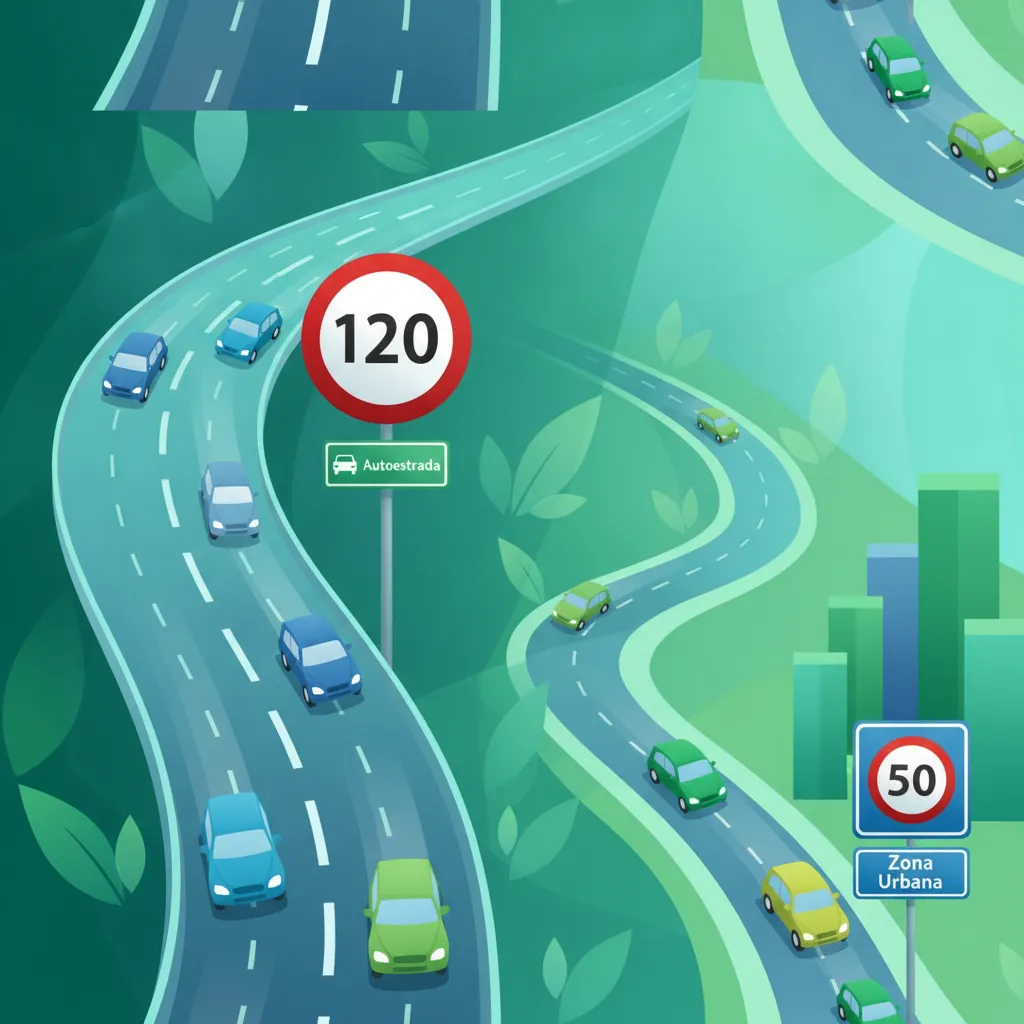
This lesson provides a clear overview of the statutory speed limits applicable on various types of roads in Portugal. It covers the default limits for built-up areas, single carriageways, dual carriageways, and motorways. Understanding these legal maximums is the first step in managing speed effectively and avoiding penalties for speeding.
This lesson provides guidance for driving safely through areas of roadworks, where normal road layouts are altered. It stresses the importance of obeying all temporary signage, including reduced speed limits and lane guidance, to protect both drivers and road workers. Drivers will learn to anticipate sudden stops, narrowed lanes, and be aware of potential surface hazards within the construction zone.

This lesson addresses the challenges of operating a large vehicle on rural roads, which often feature narrow lanes, sharp bends, and poor surfaces. It covers techniques for speed adaptation, gear selection for gradients, and maintaining lane position. The content emphasizes heightened awareness for hazards such as farm vehicles and animals.

This lesson focuses on adapting driving techniques for wet and foggy conditions, which significantly reduce visibility and tyre grip. It explains the phenomenon of aquaplaning and how to avoid it by reducing speed and ensuring proper tyre condition. The correct use of headlights, fog lights, and increasing following distances are presented as essential safety measures.
Find clear answers to common questions learners have about Motorway Rules and Etiquette. Learn how the lesson is structured, which driving theory objectives it supports, and how it fits into the overall learning path of units and curriculum progression in Portugal. These explanations help you understand key concepts, lesson flow, and exam focused study goals.
You may only use the hard shoulder in cases of genuine emergency, such as a vehicle breakdown or a medical emergency. You must never use it to avoid traffic or take a rest break.
Yes, in Portugal, you must always return to the right-hand lane as soon as it is safe to do so after completing your overtake. Staying in the left lane unnecessarily is an offense.
Yes, motorways (autoestradas) generally have a maximum speed limit of 120 km/h for light vehicles, unless specified otherwise by local signage or adverse weather conditions.
Absolutely not. Reversing, performing U-turns, and driving against the flow of traffic are strictly prohibited on motorways and pose an extreme danger to all road users.
Utilize the powerful search tool to refine your Portuguese driving theory practice. Pinpoint questions related to specific traffic laws, road signs, or complex scenarios from the Código da Estrada. Begin targeted revision now to boost your understanding and confidently approach your IMT driving exam.