This lesson details the Portuguese system of traffic infractions, fines, and penalty points as outlined in the Código da Estrada. Understanding these legal consequences is essential for every Category B driver to maintain a valid license and ensure road safety. You will learn how violations are categorized and the procedures for license suspension or remedial training.
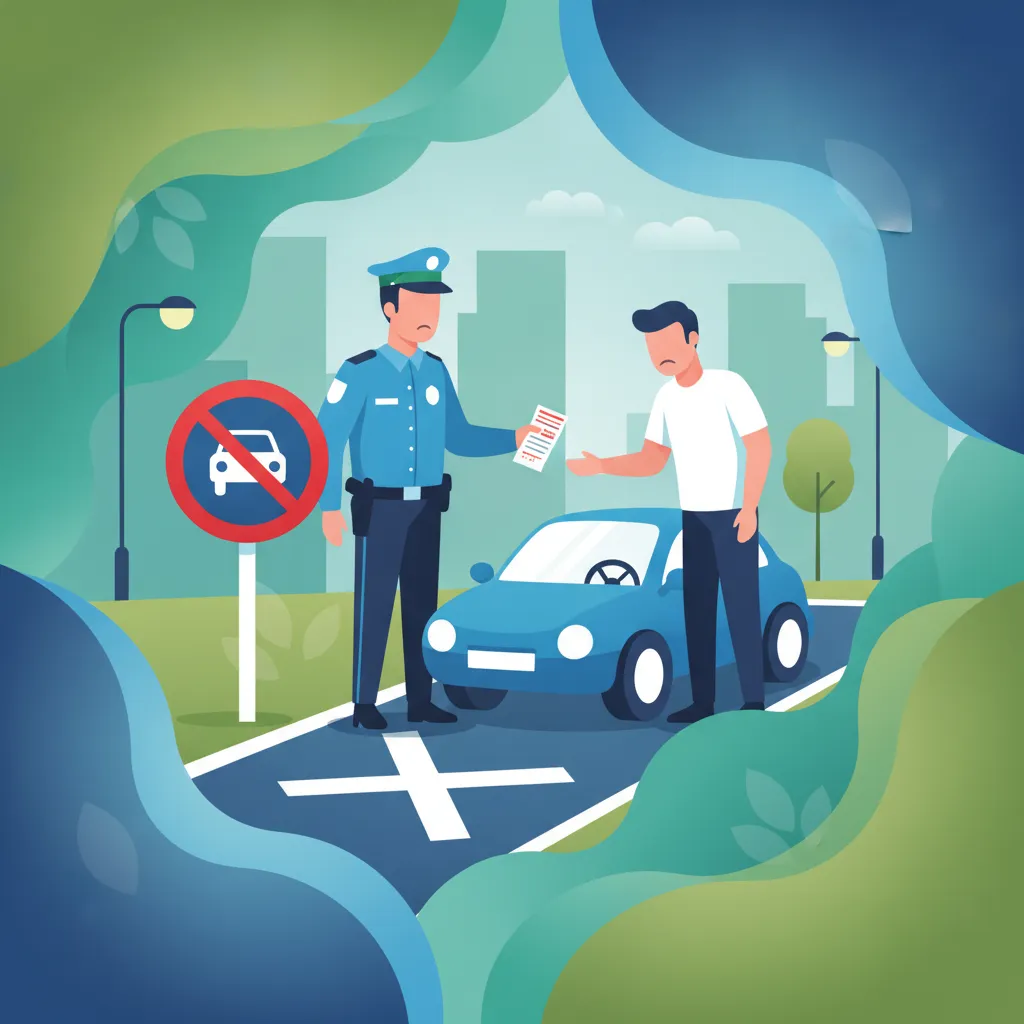
Lesson content overview
Driving on Portuguese roads comes with significant responsibilities, and adherence to the Código da Estrada (Road Code) is paramount. This lesson, part of your Portuguese Driving Theory – Category B Comprehensive Course, provides a comprehensive overview of the Portuguese system for penalizing traffic infractions. Understanding these penalties is not merely about avoiding fines; it directly influences safe driving practices, risk assessment, and ultimately, road safety for everyone.
The Portuguese penalty system is designed to deter unsafe driving behaviours by quantifying the severity of infractions through monetary fines and a demerit-point framework. This lesson will clarify how violations are categorized, the fines and penalty points associated with them, the process of accumulating points, and the thresholds at which a driver faces licence suspension or is required to undertake remedial training.
The system for penalizing traffic violations in Portugal is robust, aiming to enforce compliance with the Código da Estrada and enhance overall road safety. It serves as a critical mechanism to deter drivers from engaging in risky or negligent behaviours. This system operates on two primary fronts: financial penalties (fines) and a points-based licence system, which tracks a driver's record over time.
Knowledge of these penalties is not just theoretical; it's a practical necessity for every driver. It helps in making informed decisions on the road, anticipating consequences, and fostering a responsible driving attitude. From a minor parking infringement to a very serious offence like driving under the influence, each action has a defined legal consequence.
Traffic infractions in Portugal are systematically categorized based on their severity and the level of risk they pose to road users. This classification determines the immediate financial penalty (fine) and the long-term impact on a driver's licence through the points system. The Código da Estrada (Portuguese Road Code) defines these categories, ensuring a consistent approach to enforcement.
Minor infractions represent the lowest level of severity. These violations typically pose a low risk to road safety and carry the smallest fines. Crucially, minor infractions generally do not result in the deduction of penalty points from a driver's licence. They serve primarily as a deterrent for less serious deviations from traffic rules.
A traffic violation that poses low risk to road safety and typically incurs a minor fine without affecting a driver's licence points.
Examples of Minor Infractions:
Moderate infractions involve a higher level of risk compared to minor ones. These violations result in more substantial fines and, importantly, lead to the deduction of penalty points from a driver's licence. The accumulation of points from moderate infractions can contribute to reaching licence suspension thresholds over time.
Examples of Moderate Infractions:
Serious infractions pose a significant risk to road safety and are treated with considerable severity under Portuguese law. They incur high fines and result in a substantial deduction of penalty points, often impacting a driver's licence more quickly than moderate infractions. Committing a serious infraction can also lead to an ancillary penalty of temporary driving prohibition.
A traffic violation that poses a significant risk to road safety, resulting in a higher fine, substantial deduction of penalty points, and potentially a temporary driving prohibition.
Examples of Serious Infractions:
Very serious infractions represent the highest category of traffic violations, indicating critical risk to life and property. These offences carry the maximum fines, the highest number of penalty points, and almost always result in a temporary driving prohibition for an extended period. Such infractions demonstrate a clear disregard for road safety and the law.
Examples of Very Serious Infractions:
The Portuguese driving licence points system, known as the Sistema de Pontos, is a crucial component of traffic enforcement, designed to promote safer driving habits through a demerit-based approach. Instead of accumulating points, drivers start with a set number of points, which are then deducted for certain traffic violations. This system acts as a continuous record of a driver's compliance with the Código da Estrada.
Every new driver in Portugal typically starts with 12 penalty points on their driving licence. This initial allocation represents a full, clean driving record. When a driver commits a traffic infraction classified as moderate, serious, or very serious, a specific number of points are deducted from their total. The number of points deducted corresponds to the severity of the offence.
Point Deduction Examples:
It's important to monitor your points total. Authorities provide ways for drivers to check their current point balance, which is vital for understanding their standing and avoiding licence suspension.
The Sistema de Pontos also provides a mechanism for drivers to regain points, encouraging long-term good behaviour. If a driver does not commit any traffic infractions that result in point deductions over a specific period, they can have points restored to their licence.
Maintaining a clean driving record for three consecutive years without any point-deducting infractions will typically result in the addition of 3 points to your licence, up to a maximum of 16 points.
Furthermore, after five consecutive years without committing any point-deducting infractions, an additional point may be added, potentially allowing a driver to reach a maximum of 16 points, provided they have also completed a remedial training course (Recursos). This structured approach incentivises continuous safe driving and provides an opportunity for drivers to improve their record over time.
The primary consequence of accumulating too many penalty points is the temporary loss of driving privileges, known as licence suspension (cassação da carta de condução). The Portuguese system defines specific point thresholds that trigger these suspensions, with increasing severity as more points are lost. Understanding these thresholds is crucial for every driver to avoid potentially significant disruption to their daily life.
The temporary revocation of driving privileges, triggered when a driver's accumulated penalty points reach a specific threshold.
When a driver's licence point total drops to 6 points, a mandatory suspension period is triggered. This initial suspension is a clear warning from the authorities that the driver's behaviour needs immediate correction.
Upon reaching 6 points, your driving licence will be suspended for a period of 30 days. During this time, it is illegal to drive any motor vehicle.
This suspension aims to provide a period for reflection and reinforces the importance of safe driving. Additionally, upon returning their licence, drivers are often required to attend an awareness session or undergo specific remedial training.
The most severe consequence of point accumulation occurs when a driver's licence point total reaches 0 points. This signifies a persistent pattern of unsafe driving behaviour and leads to a significantly longer suspension period.
If your driving licence point total reaches 0 points, your licence will be suspended for a period of 90 days.
In addition to the extended suspension, drivers who reach 0 points are typically required to retake their driving theory and practical exams to regain their licence. This ensures that only drivers who have re-demonstrated their competence and understanding of traffic laws are allowed back on the road. The process for regaining the licence after reaching 0 points is often more complex and time-consuming, highlighting the gravity of this threshold.
Beyond fines and point deductions, the Portuguese penalty system includes provisions for mandatory educational programs, collectively referred to as Recursos or sometimes Recape in a broader sense. These programs are designed to improve driving habits and knowledge, particularly for drivers who have accumulated a high number of penalty points.
The primary purpose of remedial training is not punitive, but educational. It aims to re-educate drivers on safe driving practices, reinforce the Código da Estrada, and help them understand the risks associated with certain behaviours. By completing these courses, drivers are expected to improve their decision-making skills and reduce their likelihood of future infractions.
Enhance Driving Knowledge: Reviewing traffic laws, priority rules, and road safety principles.
Improve Risk Perception: Helping drivers identify and mitigate common hazards on the road.
Promote Defensive Driving: Teaching techniques to anticipate and react safely to other road users.
Reinforce Responsible Behaviour: Emphasising the importance of adherence to rules for personal and public safety.
Completion of mandatory remedial training can have several implications, including a potential reduction in future point accumulation or reinstatement of certain driving privileges, depending on the specific circumstances and regulations in force. It represents a commitment by the driver to improve their safety record and an opportunity to avoid further penalties.
Understanding the specific penalties for common traffic violations is essential for every driver. While the exact fine amounts can vary and are subject to periodic updates, the classification of infractions and the associated point deductions remain consistent in principle. Here's a look at some frequent violations and their general penalty framework.
Speeding is one of the most common traffic violations and its penalties are directly proportional to the extent by which the speed limit is exceeded.
Using a mobile phone or any other communication device not equipped with a hands-free system while driving is considered a dangerous distraction and is strictly penalised.
Driving under the influence of alcohol or drugs (DUI or DWI) is one of the most serious offences due to its severe impact on road safety. The penalties vary depending on the detected alcohol content in the blood (BAC) or the presence of illegal drugs.
The legal alcohol limit for drivers in Portugal is generally 0.5 grams per litre (g/L) of blood. For new drivers (less than 3 years of experience) and professional drivers, the limit is even lower at 0.2 g/L.
Disregarding priority rules at intersections, roundabouts, or pedestrian crossings can have serious consequences.
While often perceived as minor, improper parking can range from a nuisance to a significant safety hazard.
The severity of a traffic violation and its associated penalty can sometimes be influenced by the specific context in which it occurs. Factors such as weather conditions, road type, and the presence of vulnerable road users can escalate the seriousness of an infraction.
Adverse weather conditions (e.g., heavy rain, fog, ice) or poor road surfaces increase the risk associated with driving errors.
The type of road where an infraction occurs can also influence the penalty.
Infractions that directly endanger vulnerable road users (pedestrians, cyclists, motorcyclists, children, elderly) often carry higher penalties.
The entire system of traffic penalties in Portugal is underpinned by the Código da Estrada (Road Code), which provides the legal framework for all traffic laws, rules, and associated consequences. This comprehensive document is regularly updated to adapt to new road safety challenges and technological advancements.
As a driver holding a Category B licence, you are legally obligated to understand and comply with these regulations. Ignorance of the law is not a valid defence against penalties. The rationale behind such strict enforcement is clear: to enhance road safety by deterring risky behaviour and ensuring that those who repeatedly endanger others face appropriate consequences.
Regularly reviewing the Código da Estrada or seeking updates on traffic laws is a responsible practice for all drivers to stay informed about any changes in penalties or regulations.
Understanding the penalties for traffic violations is a cornerstone of responsible driving in Portugal. It empowers you to make informed decisions behind the wheel, minimise risks, and contribute to safer roads for everyone. The system, with its classification of infractions, points deduction mechanism, and licence suspension thresholds, is designed to be a clear deterrent against dangerous driving behaviours.
By adhering to the Código da Estrada, monitoring your licence points, and being aware of the consequences of various infractions, you not only avoid fines and suspensions but also cultivate a driving style that prioritises safety, legality, and consideration for all road users.
Explore all units and lessons included in this driving theory course.
Lesson content overview
Explore all units and lessons included in this driving theory course.
Explore search topics learners often look for when studying Penalties for Traffic Violations. These topics reflect common questions about road rules, driving situations, safety guidance, and lesson level theory preparation for learners in Portugal.
Browse additional driving theory lessons that cover connected traffic rules, road signs, and common driving situations related to this topic. Improve your understanding of how different rules interact across everyday traffic scenarios.
Understand the full spectrum of penalties for traffic violations in Portugal, including detailed explanations of fines, how penalty points accumulate, and the specific thresholds for licence suspension. Learn about serious and very serious infractions.
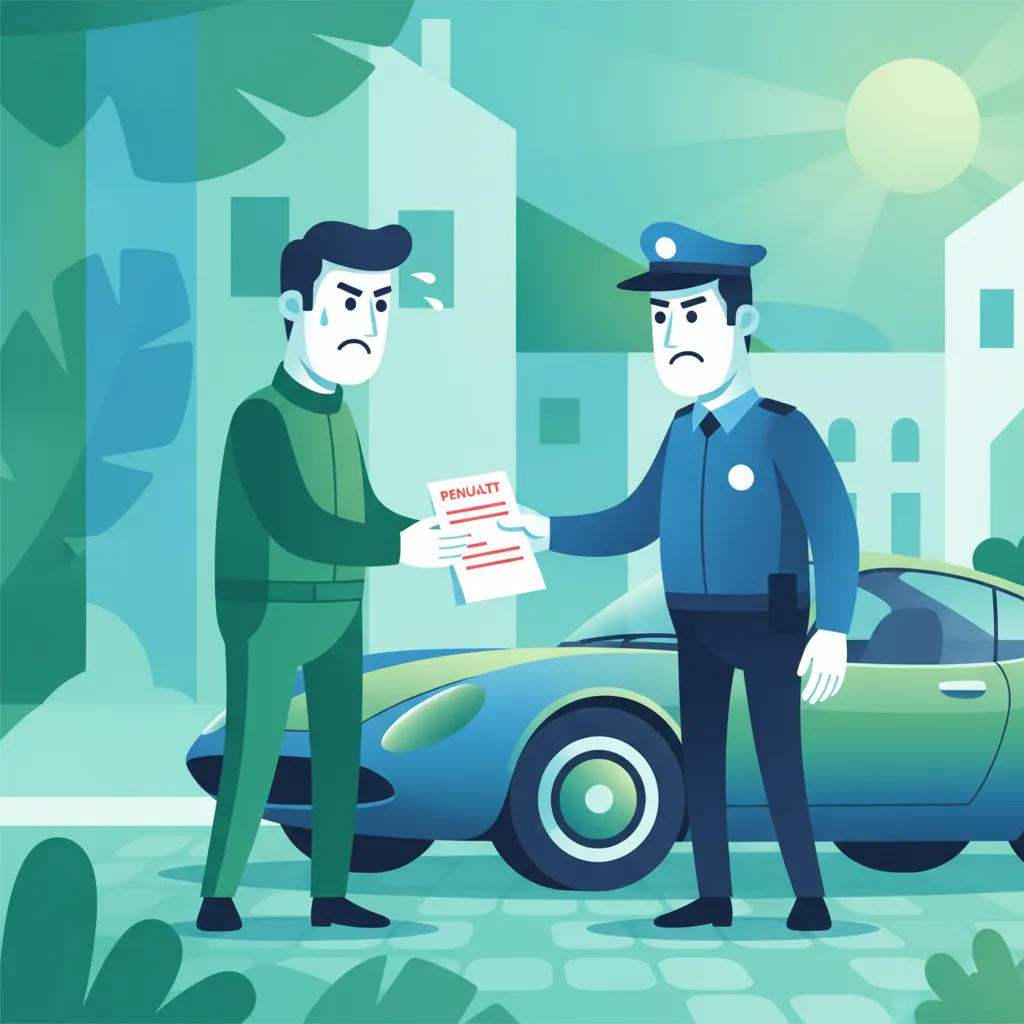
This lesson provides a comprehensive overview of the penalties for failing to comply with Portuguese traffic laws. It explains the structure of monetary fines, the demerit point system that affects a driver's licence, and the conditions that can lead to licence suspension or revocation. Understanding these consequences is crucial for appreciating the importance of lawful and responsible driving.
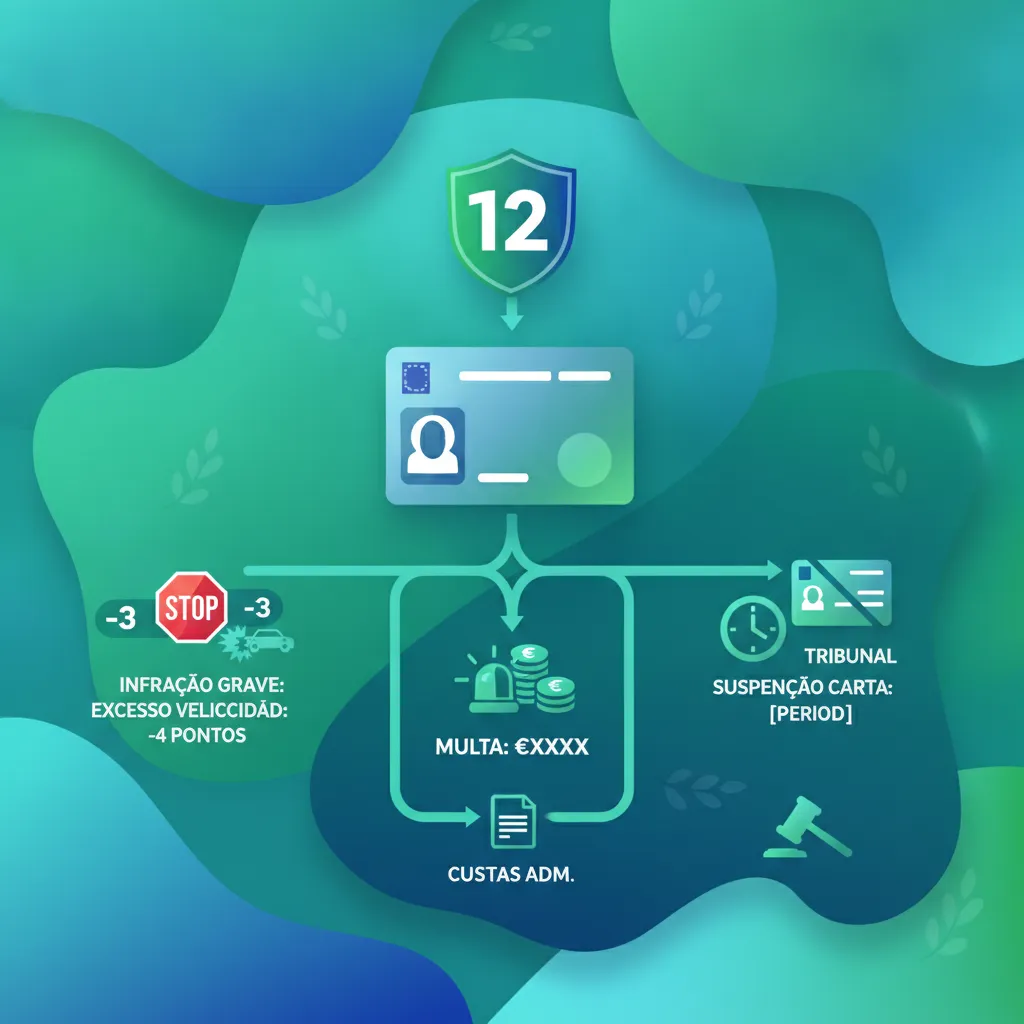
This lesson explains the Portuguese points system, the categorization of traffic violations, and the associated legal penalties. It outlines how points are accrued, the thresholds for licence suspension, and the financial implications of fines. Administrative procedures and the responsibilities of drivers in adhering to traffic law are also covered.
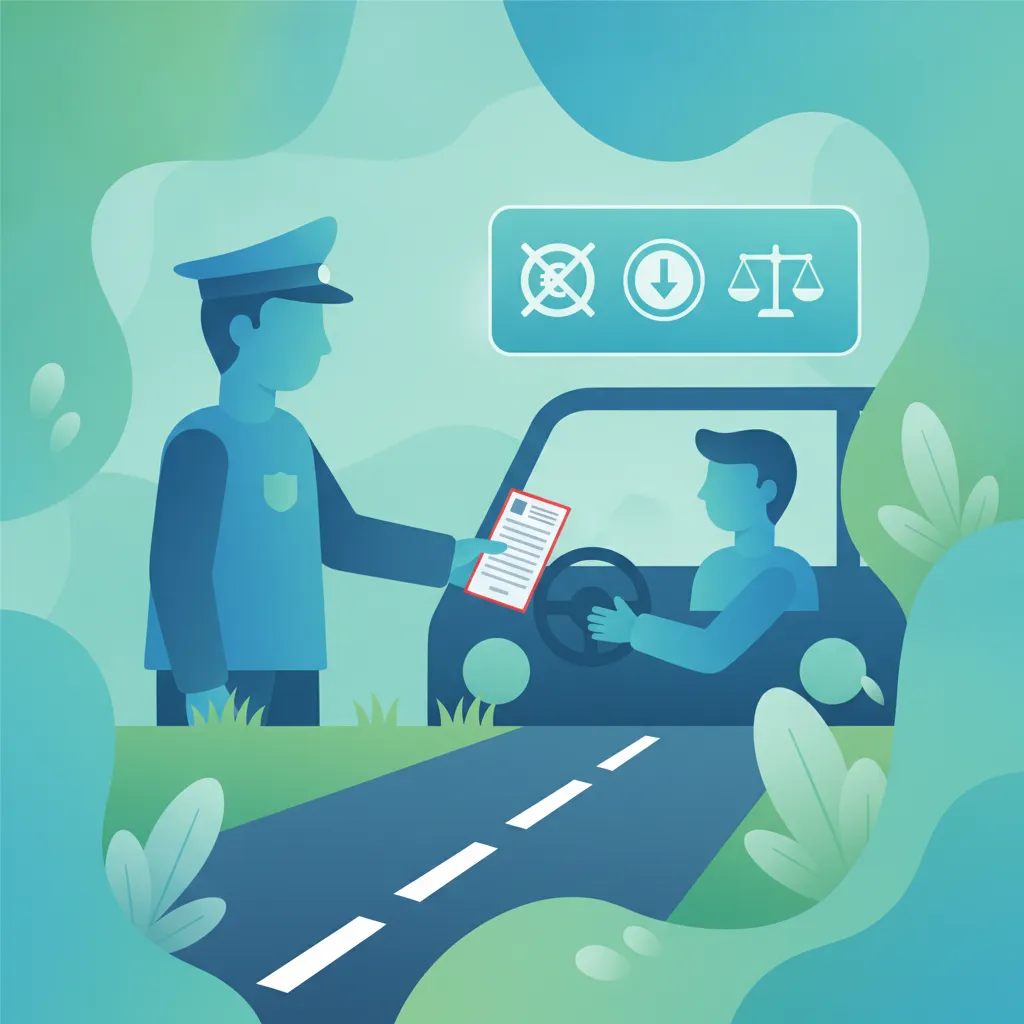
This lesson outlines the legal framework and penalties associated with traffic violations in Portugal for professional drivers. It covers the system of fines and penalty points that can lead to license suspension. The content reviews common infractions specific to passenger vehicles and emphasizes the importance of full compliance with the law.

This lesson details the legal framework of penalties for traffic offenses in Portugal. It explains the system of fines and penalty points for common violations such as speeding, running a red light, or using a mobile phone. The content also covers more serious consequences, including license suspension or revocation, and stresses the importance of legal compliance for personal and public safety.

This lesson outlines the range of penalties for non-compliance with transport regulations and the Código da Estrada. It covers administrative sanctions like fines and licence suspension, as well as the potential for criminal liability in severe cases. Understanding these consequences reinforces the importance of safe and lawful driving.
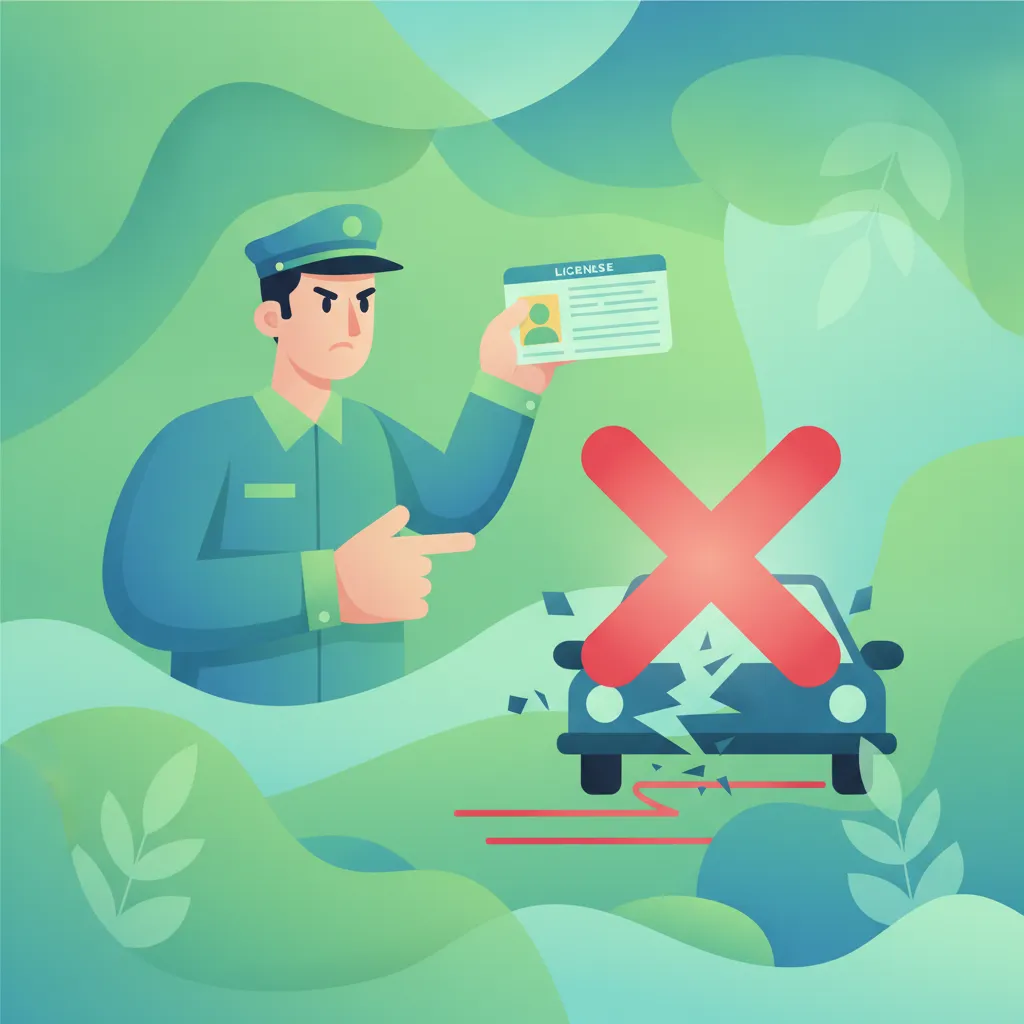
This lesson details the serious consequences of non-compliance with road transport law. It covers the graduated system of fines and penalties for various offenses, including infringements of drivers' hours rules. The concept of professional liability and how a driver can be held responsible for incidents is also explored.
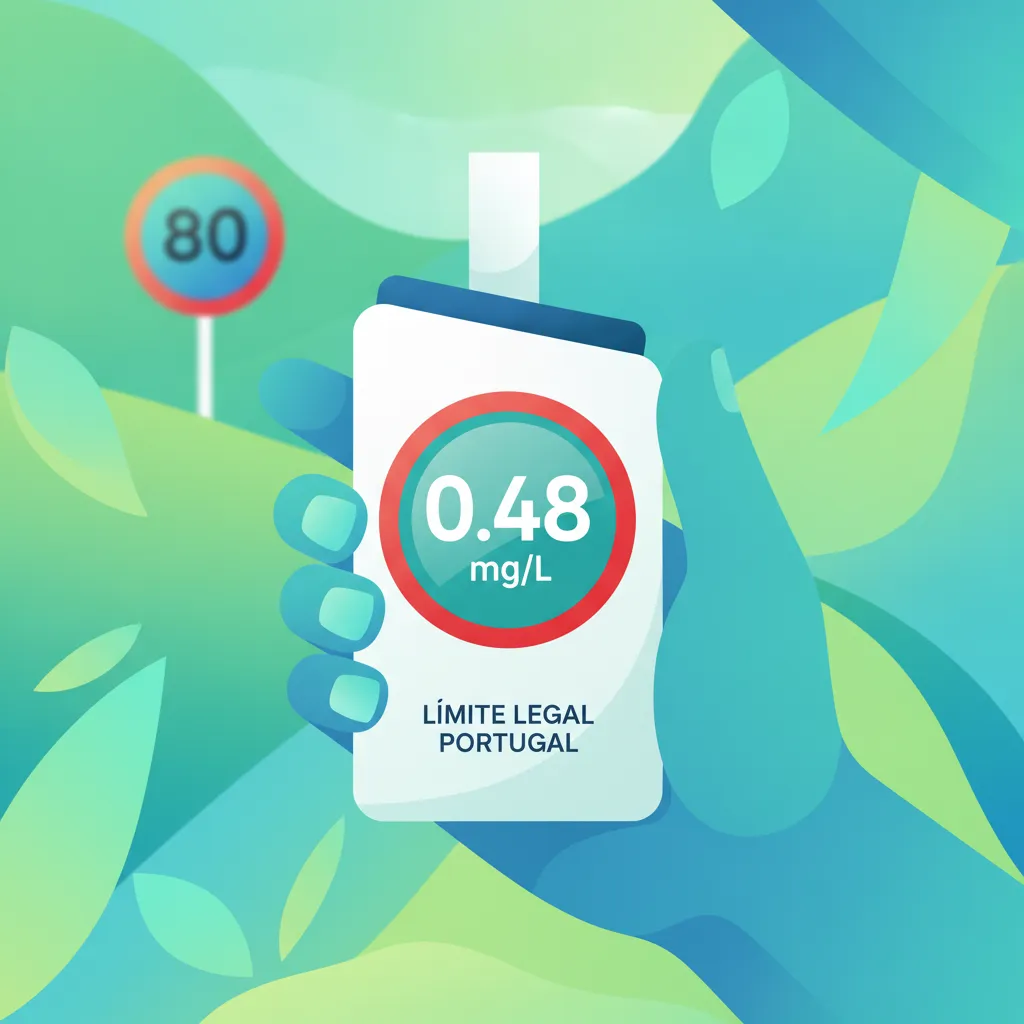
This lesson explains the specific blood alcohol concentration (BAC) limits for different categories of drivers in Portugal. It details how alcohol consumption impairs critical driving skills such as coordination, reaction time, and judgement. The lesson also describes the methods of enforcement, including breathalyzer tests, and the severe legal penalties for driving under the influence.

This lesson outlines the mandatory documentation that a driver must possess and be able to present upon request. It covers the driver's licence, vehicle registration document (Matrícula), proof of insurance, and the valid inspection sticker. The lesson also explains the validity periods for these documents and the procedures for renewal to ensure continuous legal compliance.
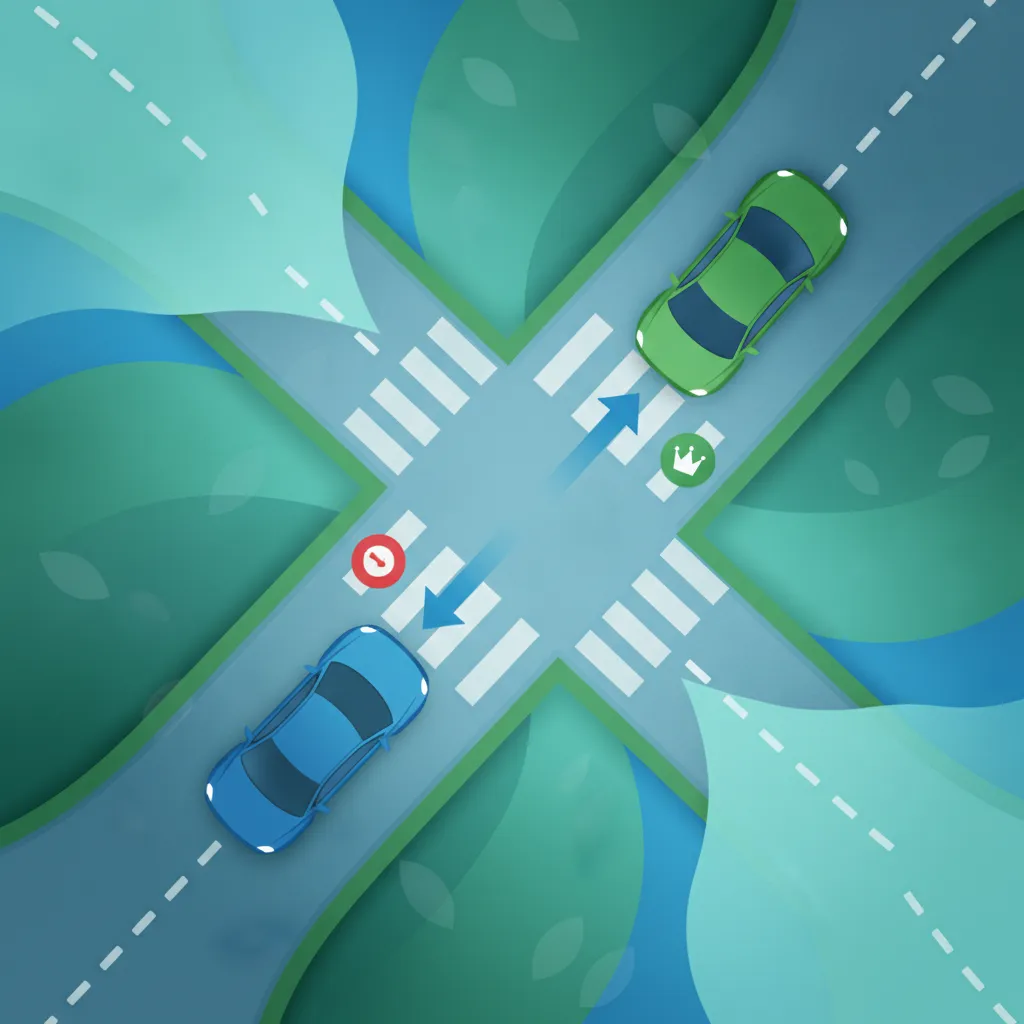
This lesson details the fundamental legal obligations every driver must follow under the Código da Estrada. It covers adherence to speed limits, traffic signals, and road signs, as well as the mandatory use of safety equipment like seatbelts and child restraints. The content also emphasizes the importance of maintaining driver attentiveness and the strict prohibition of using mobile phones while driving.

This lesson provides a detailed explanation of longitudinal road markings, including solid, broken, and double lines. It clarifies the rules for each type, specifying when changing lanes or overtaking is permitted or prohibited. Additionally, the lesson covers markings for road edges, stop lines at intersections, and pedestrian crossings to ensure correct driver positioning and action.
Explore the systematic classification of traffic infractions in Portugal, differentiating between minor, moderate, serious, and very serious offences. Learn which types of violations lead to fines, point deductions, and potential driving prohibitions.
This lesson outlines the legal framework and penalties associated with traffic violations in Portugal for professional drivers. It covers the system of fines and penalty points that can lead to license suspension. The content reviews common infractions specific to passenger vehicles and emphasizes the importance of full compliance with the law.
This lesson provides a comprehensive overview of the penalties for failing to comply with Portuguese traffic laws. It explains the structure of monetary fines, the demerit point system that affects a driver's licence, and the conditions that can lead to licence suspension or revocation. Understanding these consequences is crucial for appreciating the importance of lawful and responsible driving.
This lesson explains the Portuguese points system, the categorization of traffic violations, and the associated legal penalties. It outlines how points are accrued, the thresholds for licence suspension, and the financial implications of fines. Administrative procedures and the responsibilities of drivers in adhering to traffic law are also covered.
This lesson outlines the range of penalties for non-compliance with transport regulations and the Código da Estrada. It covers administrative sanctions like fines and licence suspension, as well as the potential for criminal liability in severe cases. Understanding these consequences reinforces the importance of safe and lawful driving.
This lesson details the legal framework of penalties for traffic offenses in Portugal. It explains the system of fines and penalty points for common violations such as speeding, running a red light, or using a mobile phone. The content also covers more serious consequences, including license suspension or revocation, and stresses the importance of legal compliance for personal and public safety.
This lesson details the serious consequences of non-compliance with road transport law. It covers the graduated system of fines and penalties for various offenses, including infringements of drivers' hours rules. The concept of professional liability and how a driver can be held responsible for incidents is also explored.
This lesson provides a detailed explanation of longitudinal road markings, including solid, broken, and double lines. It clarifies the rules for each type, specifying when changing lanes or overtaking is permitted or prohibited. Additionally, the lesson covers markings for road edges, stop lines at intersections, and pedestrian crossings to ensure correct driver positioning and action.
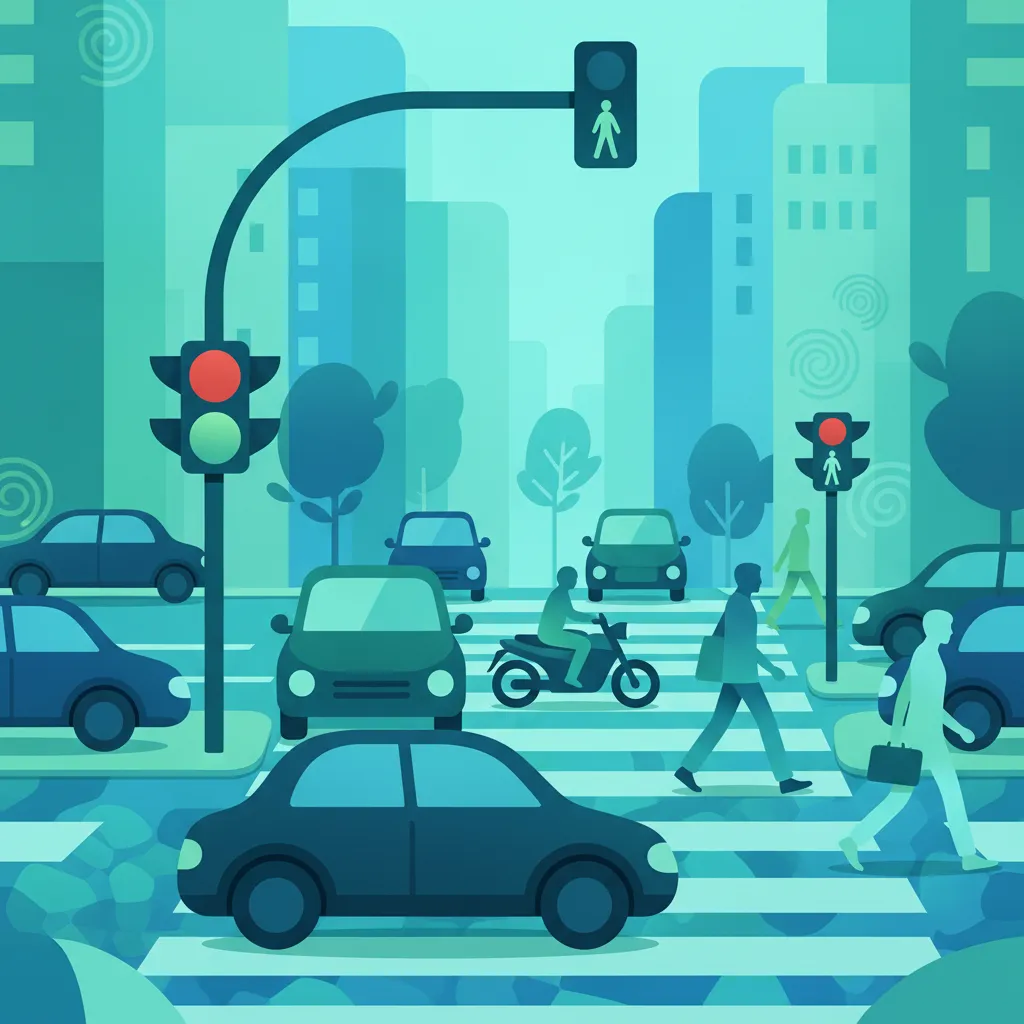
This lesson details the universal system of traffic light signals and their specific applications in Portugal. It clarifies the meaning of red, amber, and green lights, as well as flashing signals and directional arrows that control turning movements. Correctly interpreting these signals is fundamental for safely navigating controlled intersections and ensuring smooth traffic flow.

This lesson explains the regulations governing the use of dedicated bus lanes, including operational hours and priority rules at junctions. It clarifies which other vehicles may use these lanes and under what circumstances. The content also discusses traffic signal priority systems and the legal implications of improper bus lane usage.
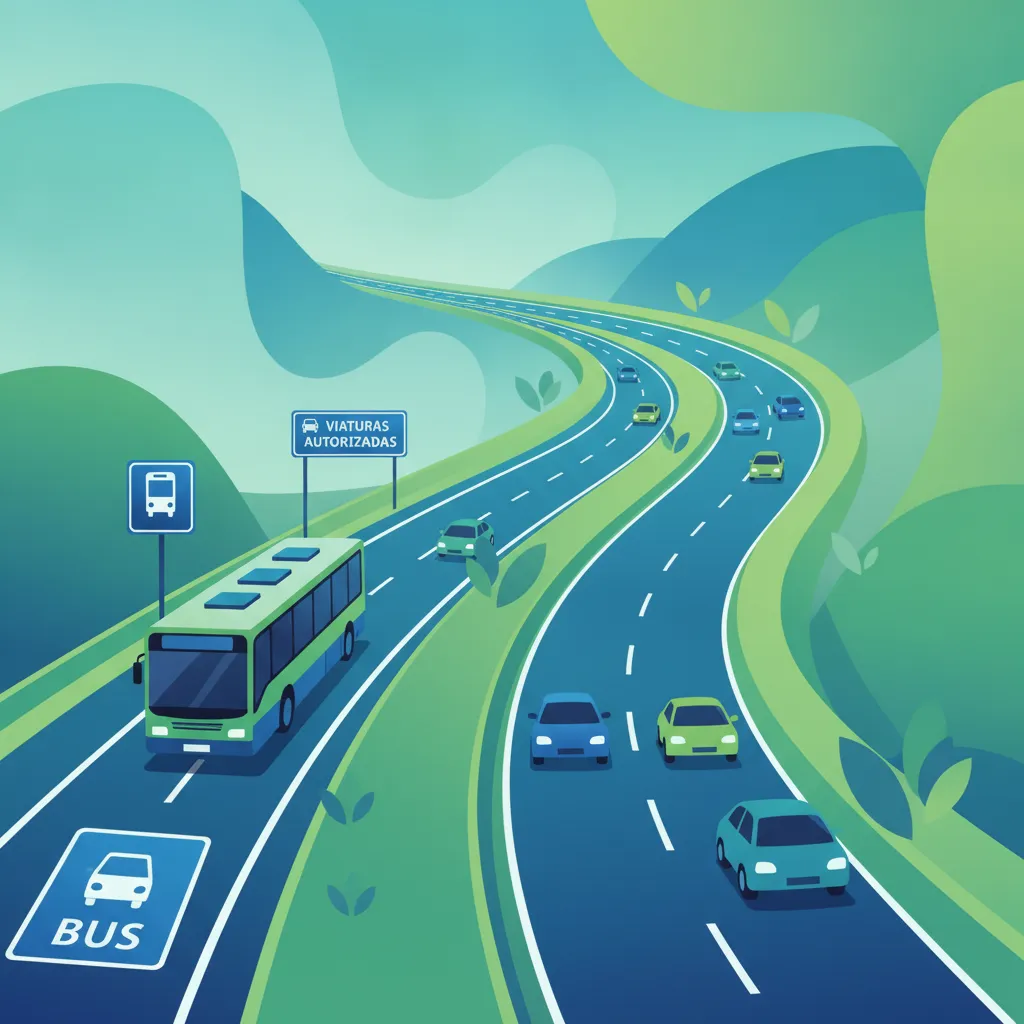
This lesson explains the purpose and rules of reserved lanes, such as those designated for buses, taxis, or cyclists. It covers how to identify these lanes through signage and road markings, and details the specific times they may be in operation. Drivers will learn when they are permitted to enter these lanes and the penalties for unauthorized use.
Find clear answers to common questions learners have about Penalties for Traffic Violations. Learn how the lesson is structured, which driving theory objectives it supports, and how it fits into the overall learning path of units and curriculum progression in Portugal. These explanations help you understand key concepts, lesson flow, and exam focused study goals.
Every driver starts with a set number of points. Committing traffic offenses results in a loss of points depending on the severity of the infraction, which can eventually lead to license suspension if the total reaches the legal threshold.
Serious offenses typically involve actions like illegal parking or minor speed violations, whereas very serious offenses include dangerous maneuvers, high-speed limit breaches, or driving under the influence, leading to harsher fines and more point deductions.
Yes, points can be recovered by attending approved remedial training sessions or by maintaining a clean driving record for a specified period as dictated by the Código da Estrada.
No, losing your license is usually the result of accumulating too many penalty points over time or committing a very grave infraction that carries immediate administrative sanctions.
Utilize the powerful search tool to refine your Portuguese driving theory practice. Pinpoint questions related to specific traffic laws, road signs, or complex scenarios from the Código da Estrada. Begin targeted revision now to boost your understanding and confidently approach your IMT driving exam.