
This lesson completes your Category B training by covering critical emergency protocols and the mindset of a responsible driver. Understanding how to react safely during breakdowns or accidents is a mandatory requirement for the Portuguese theory exam. These practical skills ensure you remain calm and compliant with the Código da Estrada in high-pressure situations.

Lesson content overview
Driving on Portuguese roads, like anywhere else, requires not only skill and adherence to traffic laws but also preparedness for unforeseen events. This lesson, part of your Portuguese Driving Theory – Category B Comprehensive Course, focuses on equipping you with the essential knowledge and actions required to manage roadside emergencies safely and responsibly. Understanding these procedures is paramount for your safety, the safety of other road users, and compliance with the Código da Estrada (Portuguese Highway Code).
A roadside emergency refers to any situation where your vehicle becomes immobilised or poses a danger to traffic on a public road due to an unexpected event. This could range from a simple mechanical breakdown to a serious collision or a sudden medical issue. Being prepared for such incidents can significantly mitigate risks and prevent further complications.
Roadside emergencies can manifest in various forms, each requiring a tailored response while adhering to core safety principles.
Understanding and practicing emergency procedures is not merely a legal obligation; it is a critical aspect of responsible driving. It directly impacts:
Portuguese traffic law, under the Código da Estrada, mandates certain equipment to be carried in your vehicle for use during emergencies. Familiarity with these items and their correct usage is non-negotiable for all Category B drivers.
The warning triangle is a portable, reflective, triangular sign designed to alert other drivers to a stationary vehicle or obstruction on the road. Its primary function is to provide an early visual warning, giving approaching traffic sufficient time to react and adjust their speed or direction, thereby preventing secondary accidents.
When you experience a breakdown or are involved in a collision, you must activate your hazard lights and then, if safe to do so, exit your vehicle (wearing a reflective vest) and place the warning triangle. The placement distance is critical and varies depending on the type of road:
Incorrect placement, such as placing the triangle too close to your vehicle on a high-speed road, can render it ineffective and increase the risk of a secondary accident. Always prioritise your safety when placing the triangle.
A reflective vest is a piece of high-visibility clothing, typically fluorescent yellow or orange, equipped with retro-reflective strips. It is a mandatory item to be carried in your vehicle in Portugal. Its purpose is to significantly increase your visibility to other road users, especially when you are outside your vehicle on a public road, whether it's day or night, or in adverse weather conditions.
You are legally required to wear this vest before exiting your vehicle if you stop on a public road due to a breakdown or accident. This ensures that you are seen by approaching traffic, protecting you from being struck. It is crucial to store the vest within easy reach, ideally in the passenger compartment, so you can put it on before leaving the vehicle.
Hazard lights, also known as emergency flashers, are the vehicle's warning lights that cause all turn signal lights to flash simultaneously. Their activation immediately signals to other road users that your vehicle is experiencing an emergency or is temporarily stationary, posing a potential hazard.
Upon experiencing a breakdown or being involved in an accident, one of your very first actions should be to activate your hazard lights. This provides an immediate, attention-grabbing visual cue to all surrounding traffic, even before you can exit the vehicle or place a warning triangle. It is a mandatory requirement under Portuguese law when your vehicle is unexpectedly stopped on a public road due to an incident.
Responding calmly and correctly in the moments following a roadside emergency can prevent panic, ensure safety, and facilitate efficient assistance.
Your first priority after an incident is always the safety of yourself and your passengers.
Activate Hazard Lights: As soon as your vehicle stops unexpectedly or is involved in a collision, immediately switch on your hazard warning lights.
Assess Safety and Location: If possible and safe, try to move your vehicle to the hard shoulder, a lay-by, or as far off the main carriageway as possible. This reduces your exposure to moving traffic. If moving is unsafe or impossible, remain in the vehicle with your hazard lights on until you can safely exit.
Wear Reflective Vest: Before exiting the vehicle, ensure you put on your reflective vest. This makes you visible to other drivers from the moment you step out.
Place Warning Triangle: Once safely outside and wearing your vest, place the warning triangle at the appropriate distance behind your vehicle, as per the road type and visibility conditions.
Check for Injuries: Quickly assess if anyone in your vehicle or any other involved parties are injured. Do not move injured persons unless they are in immediate danger.
Ensure Personal Safety: Move to a safe location, such as behind a barrier on a motorway or well away from the road on a rural route, while waiting for assistance.
Always remember that your safety comes first. Do not attempt to carry out repairs or retrieve items from the vehicle if it means putting yourself at risk from passing traffic.
Contacting emergency services promptly is crucial when an incident involves injuries, significant damage, or creates a substantial hazard to traffic. In Portugal, the national emergency number is 112.
You must call 112 if:
When you call 112, be prepared to provide clear and concise information:
Remaining calm and speaking clearly will help the operator dispatch the appropriate services (police, ambulance, fire brigade) quickly.
After an initial incident, the greatest ongoing risk is often a secondary accident. This is an additional collision involving your stationary vehicle or other road users who may not see the initial hazard in time. Preventing these is a primary goal of all emergency procedures.
Whenever possible and safe to do so, move your vehicle to the safest available location. On motorways, this means the hard shoulder, as far to the right as possible. On rural roads, aim for a wide verge or lay-by. If your vehicle is still operational but cannot safely proceed, try to steer it off the main carriageway. This reduces the vehicle's exposure to oncoming traffic and creates a safer space for you to exit and manage the scene. If the vehicle is immobile in an unsafe lane, your personal safety should take precedence; only exit when it is absolutely safe, and if possible, move to a protected area.
The correct use of your warning triangle, reflective vest, and hazard lights are your primary means of communicating a hazard to other drivers. These tools significantly increase your visibility and give approaching drivers crucial extra seconds to react. Even in daylight, these visual warnings are vital, as drivers may be distracted or conditions might change unexpectedly. During adverse weather conditions like fog, heavy rain, or snow, or at night, the importance of these visual warnings is amplified.
Compliance with emergency procedures is not merely good practice; it is legally enforced under the Código da Estrada. Failing to follow these regulations can result in significant penalties.
The Código da Estrada outlines precise requirements for drivers in the event of a breakdown or accident. These include:
These rules are designed to protect all road users and ensure that incidents are managed efficiently and safely.
Non-compliance with emergency procedures can lead to traffic violations and associated penalties, including fines and, in some cases, points deducted from your license. Common violations include:
Adhering to these regulations is a direct demonstration of responsible driving and contributes to overall road safety.
Beyond the explicit rules and procedures, adopting a mindset of responsible and courteous driving is fundamental to creating a positive road safety culture, especially during emergencies.
Responsible driving involves a proactive approach to safety, anticipating potential hazards, and acting considerately towards others. During an emergency, this means:
While there is no legal obligation for an uninvolved driver to stop and assist at the scene of an accident (unless you were involved or it is a serious incident with no one else present), a courteous driver might choose to help if they can do so safely.
If you choose to assist another driver, ensure you park safely, well away from the incident, activate your hazard lights, and wear your reflective vest if you exit your vehicle. Prioritise calling emergency services if needed, and offer practical, safe help without putting yourself in harm's way.
Responsible and courteous conduct extends to all aspects of driving, from maintaining appropriate following distances to patiently navigating congested areas. During emergencies, these principles become even more pronounced, reflecting a commitment to collective well-being on the road.
Successfully managing a roadside emergency is a crucial skill for every driver. It requires immediate, informed action, the correct use of mandatory safety equipment, and adherence to legal obligations.
By internalising these procedures, you not only protect yourself and others but also contribute to a safer, more predictable driving environment on Portuguese roads.
Explore all units and lessons included in this driving theory course.
Lesson content overview
Explore all units and lessons included in this driving theory course.
Explore search topics learners often look for when studying Emergency Procedures and Responsible Driving. These topics reflect common questions about road rules, driving situations, safety guidance, and lesson level theory preparation for learners in Portugal.
Browse additional driving theory lessons that cover connected traffic rules, road signs, and common driving situations related to this topic. Improve your understanding of how different rules interact across everyday traffic scenarios.
Understand the legal requirements and mandatory equipment for breakdowns and accidents in Portugal, including warning triangles and reflective vests. Learn about driver responsibilities and potential penalties for non-compliance with the Código da Estrada.
This lesson details the serious consequences of non-compliance with road transport law. It covers the graduated system of fines and penalties for various offenses, including infringements of drivers' hours rules. The concept of professional liability and how a driver can be held responsible for incidents is also explored.
This lesson provides a clear, step-by-step guide for handling on-road emergencies. It covers what to do in case of a mechanical breakdown, including how to move the vehicle to a safe location and make it visible to others. It also details the correct procedure at an accident scene: securing the area, assessing casualties, calling emergency services (112), and providing basic first aid if trained.
This lesson outlines the formal procedures to be followed after any road incident, from a minor scrape to a major collision. It covers how to fill out an accident report form, what information to collect at the scene, and the legal duty to cooperate with law enforcement. Accurate and timely reporting is essential for all insurance and legal processes.
This lesson provides a clear, step-by-step guide for managing on-road emergencies. It covers how to secure the vehicle and alert other traffic in a breakdown, the basic use of a fire extinguisher, and the driver's legal responsibilities after a collision. Knowing these procedures helps to protect everyone involved and manage the situation effectively.

This lesson details the legal framework of penalties for traffic offenses in Portugal. It explains the system of fines and penalty points for common violations such as speeding, running a red light, or using a mobile phone. The content also covers more serious consequences, including license suspension or revocation, and stresses the importance of legal compliance for personal and public safety.
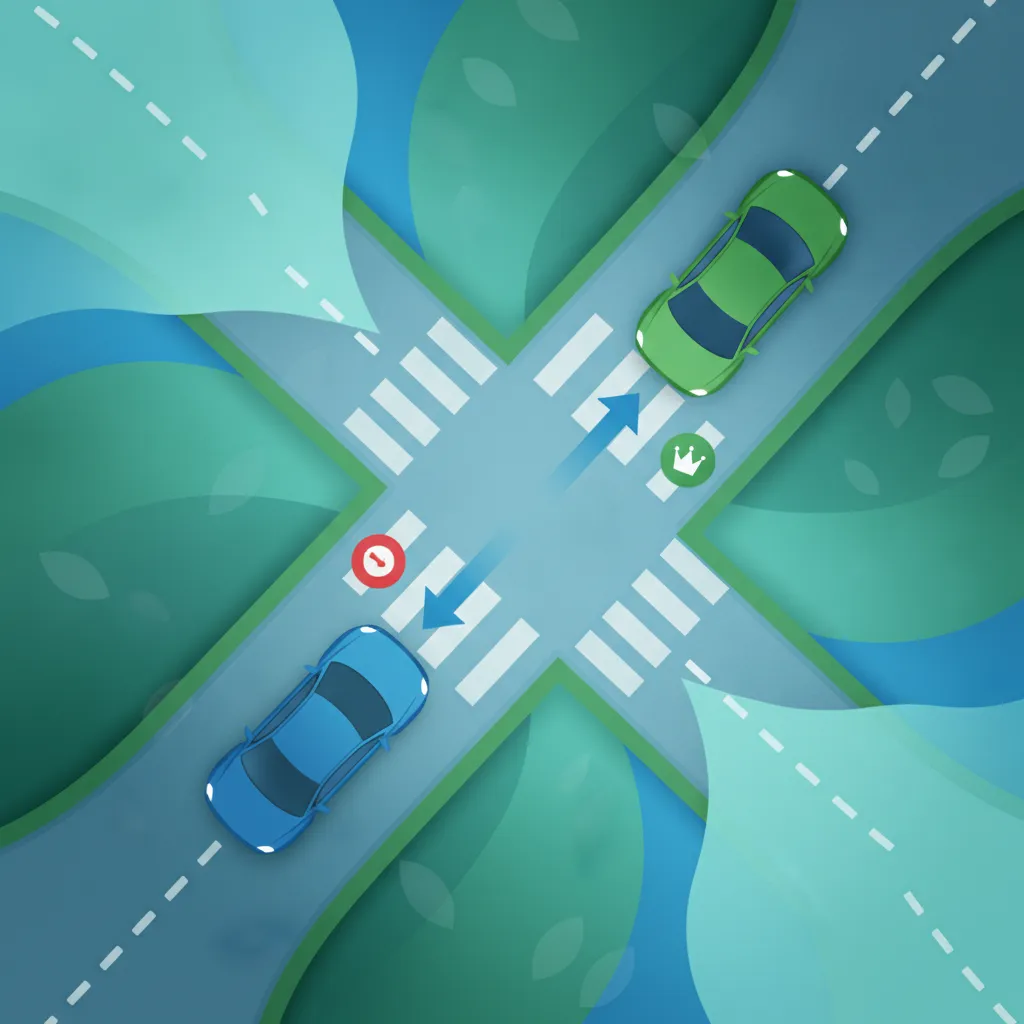
This lesson details the fundamental legal obligations every driver must follow under the Código da Estrada. It covers adherence to speed limits, traffic signals, and road signs, as well as the mandatory use of safety equipment like seatbelts and child restraints. The content also emphasizes the importance of maintaining driver attentiveness and the strict prohibition of using mobile phones while driving.

This lesson outlines the range of penalties for non-compliance with transport regulations and the Código da Estrada. It covers administrative sanctions like fines and licence suspension, as well as the potential for criminal liability in severe cases. Understanding these consequences reinforces the importance of safe and lawful driving.
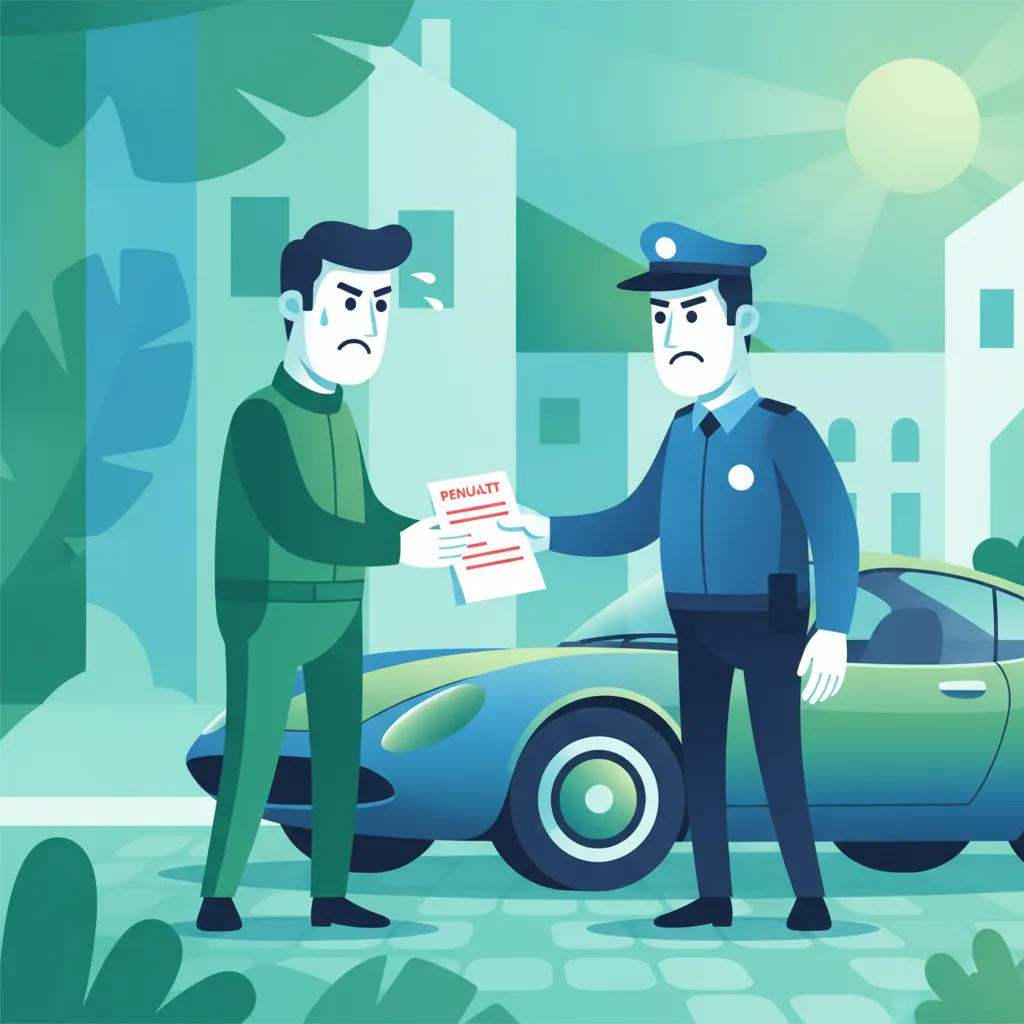
This lesson provides a comprehensive overview of the penalties for failing to comply with Portuguese traffic laws. It explains the structure of monetary fines, the demerit point system that affects a driver's licence, and the conditions that can lead to licence suspension or revocation. Understanding these consequences is crucial for appreciating the importance of lawful and responsible driving.

This lesson provides a step-by-step guide for handling breakdowns and accidents safely. It covers the use of hazard lights, positioning on the roadside, and deploying safety triangles. Procedures for contacting emergency services, delivering information, and basic first aid measures are discussed, along with guidelines for managing the aftermath.
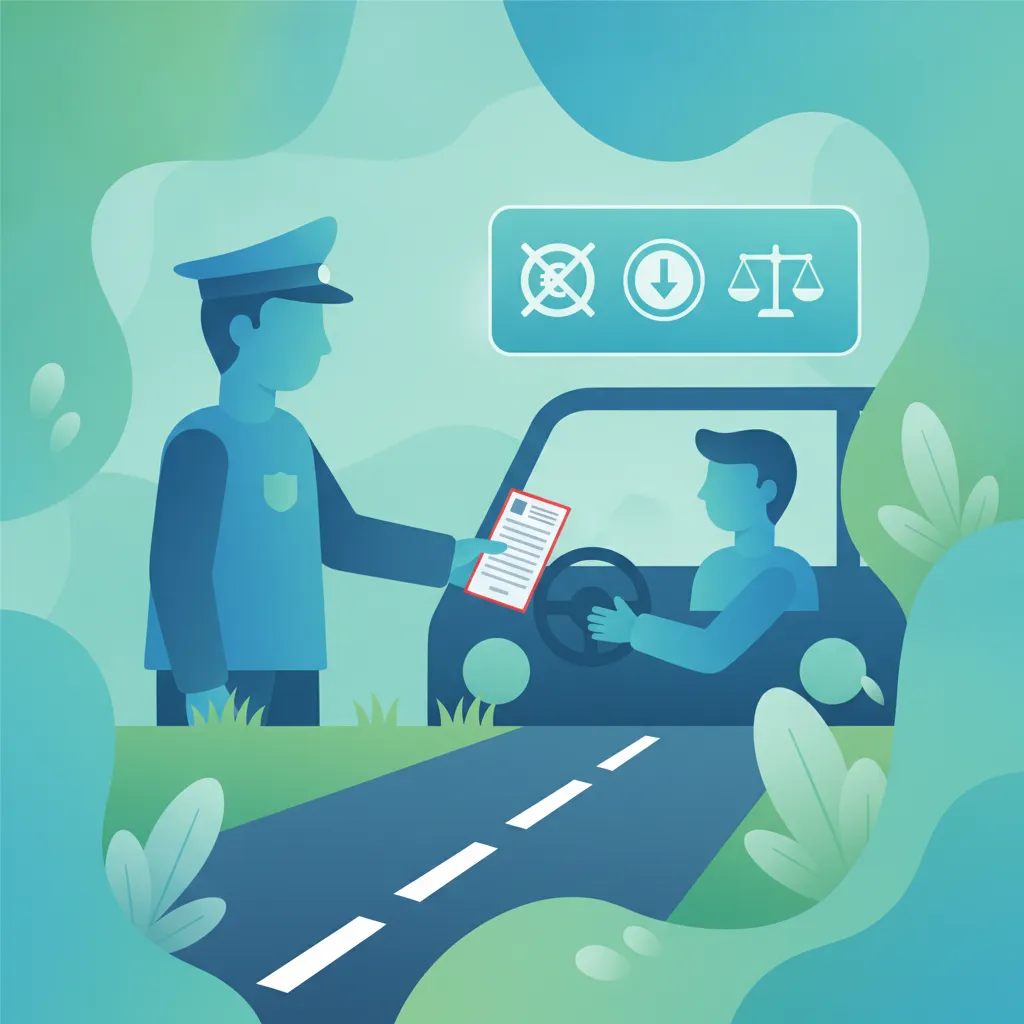
This lesson outlines the legal framework and penalties associated with traffic violations in Portugal for professional drivers. It covers the system of fines and penalty points that can lead to license suspension. The content reviews common infractions specific to passenger vehicles and emphasizes the importance of full compliance with the law.
Learn critical steps for managing breakdowns and accidents, including securing the scene, calling for help, and providing safe assistance to others. Focuses on personal safety and preventing secondary incidents on Portuguese roads.
This lesson provides a clear, step-by-step guide for handling on-road emergencies. It covers what to do in case of a mechanical breakdown, including how to move the vehicle to a safe location and make it visible to others. It also details the correct procedure at an accident scene: securing the area, assessing casualties, calling emergency services (112), and providing basic first aid if trained.
This lesson provides a step-by-step guide for handling breakdowns and accidents safely. It covers the use of hazard lights, positioning on the roadside, and deploying safety triangles. Procedures for contacting emergency services, delivering information, and basic first aid measures are discussed, along with guidelines for managing the aftermath.
This lesson provides a clear, step-by-step guide for managing on-road emergencies. It covers how to secure the vehicle and alert other traffic in a breakdown, the basic use of a fire extinguisher, and the driver's legal responsibilities after a collision. Knowing these procedures helps to protect everyone involved and manage the situation effectively.
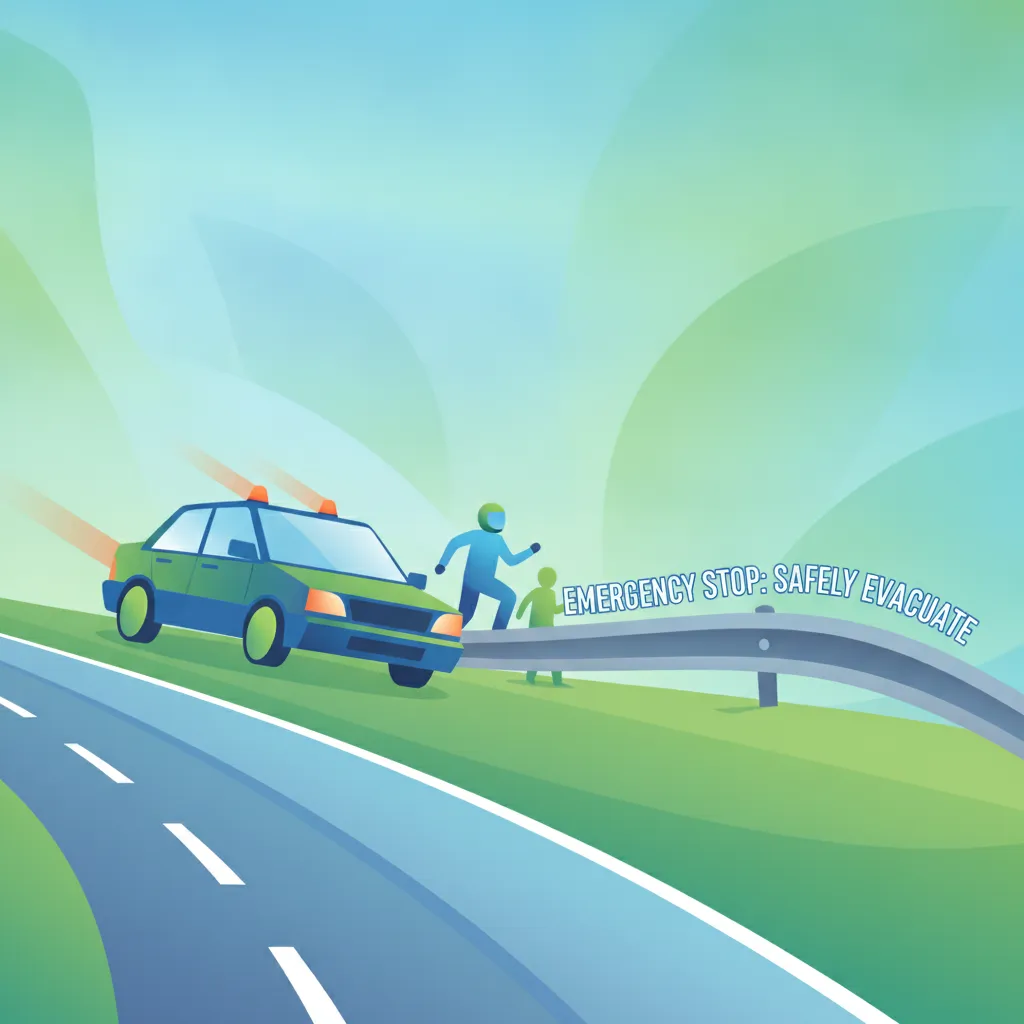
This lesson provides critical instructions for managing emergencies such as a fire or breakdown. It details the protocol for stopping the vehicle safely, alerting authorities, and communicating clearly with passengers. The content includes a step-by-step guide to vehicle evacuation, including the use of emergency exits and assisting vulnerable passengers.
This lesson outlines the formal procedures to be followed after any road incident, from a minor scrape to a major collision. It covers how to fill out an accident report form, what information to collect at the scene, and the legal duty to cooperate with law enforcement. Accurate and timely reporting is essential for all insurance and legal processes.

This lesson outlines the safety equipment legally required to be carried in a vehicle in Portugal. It covers the correct use of the warning triangle and reflective vest in the event of a breakdown or accident. Understanding the function and location of this equipment is vital for ensuring safety during a roadside emergency.

This lesson highlights the distinct risks associated with driving on rural roads, which often lack the safety features of major routes. It prepares drivers to anticipate and manage hazards such as sharp bends, limited visibility, poor road surfaces, and encounters with slow-moving agricultural vehicles or animals. Adapting speed and road positioning are emphasized as key defensive techniques.

This lesson focuses on the rider's responsibilities at designated pedestrian crossings. It clarifies the legal requirement to give way to pedestrians on or about to step onto a zebra crossing. The content emphasizes the need to approach all crossings with caution, be prepared to stop, and scan for pedestrians to ensure their safety as vulnerable road users.
This lesson explains the function of warning signs, which are designed to alert drivers to potential dangers ahead. It covers a wide range of signs indicating hazards like sharp bends, slippery surfaces, and the presence of schools or pedestrian crossings. The content stresses the importance of adjusting speed and increasing alertness in response to these warnings to maintain safety.
This lesson addresses the ethical and social aspects of operating a moped or light quadricycle. It encourages riders to adopt a responsible attitude that contributes positively to the road safety culture through courteous and respectful behavior. The content also touches upon the rider's role in minimizing environmental impact and promoting safe coexistence with all other road users.
Find clear answers to common questions learners have about Emergency Procedures and Responsible Driving. Learn how the lesson is structured, which driving theory objectives it supports, and how it fits into the overall learning path of units and curriculum progression in Portugal. These explanations help you understand key concepts, lesson flow, and exam focused study goals.
The reflective vest is mandatory whenever you step out of the vehicle in a situation where you are on the road, such as during a breakdown, an accident, or when placing a warning triangle. It must be stored in an easily accessible location within the car.
The triangle must be placed at a distance of at least 30 meters from the vehicle, ensuring it is visible to oncoming traffic from at least 100 meters away. It should be positioned in a way that provides sufficient warning for other drivers.
The absolute priority is the safety of persons. First, secure the scene to prevent secondary accidents, then assess for injuries, call 112 (the emergency services number) if necessary, and only then consider moving vehicles if they are creating a major traffic hazard.
While the exam focuses on specific rules, many questions test your judgment. Understanding the principles of responsible driving helps you choose the safest and most compliant answer, which is often the difference between a pass and a fail in situational questions.
Utilize the powerful search tool to refine your Portuguese driving theory practice. Pinpoint questions related to specific traffic laws, road signs, or complex scenarios from the Código da Estrada. Begin targeted revision now to boost your understanding and confidently approach your IMT driving exam.