
Access every driving theory lesson in the Portuguese Driving Theory C course. Learn the rules, signs, and traffic situations that appear in the official Portugal driving theory exam. Each lesson focuses on a specific topic to help you study faster, understand more clearly, and improve your chance of passing the Portuguese theory test on your first attempt.
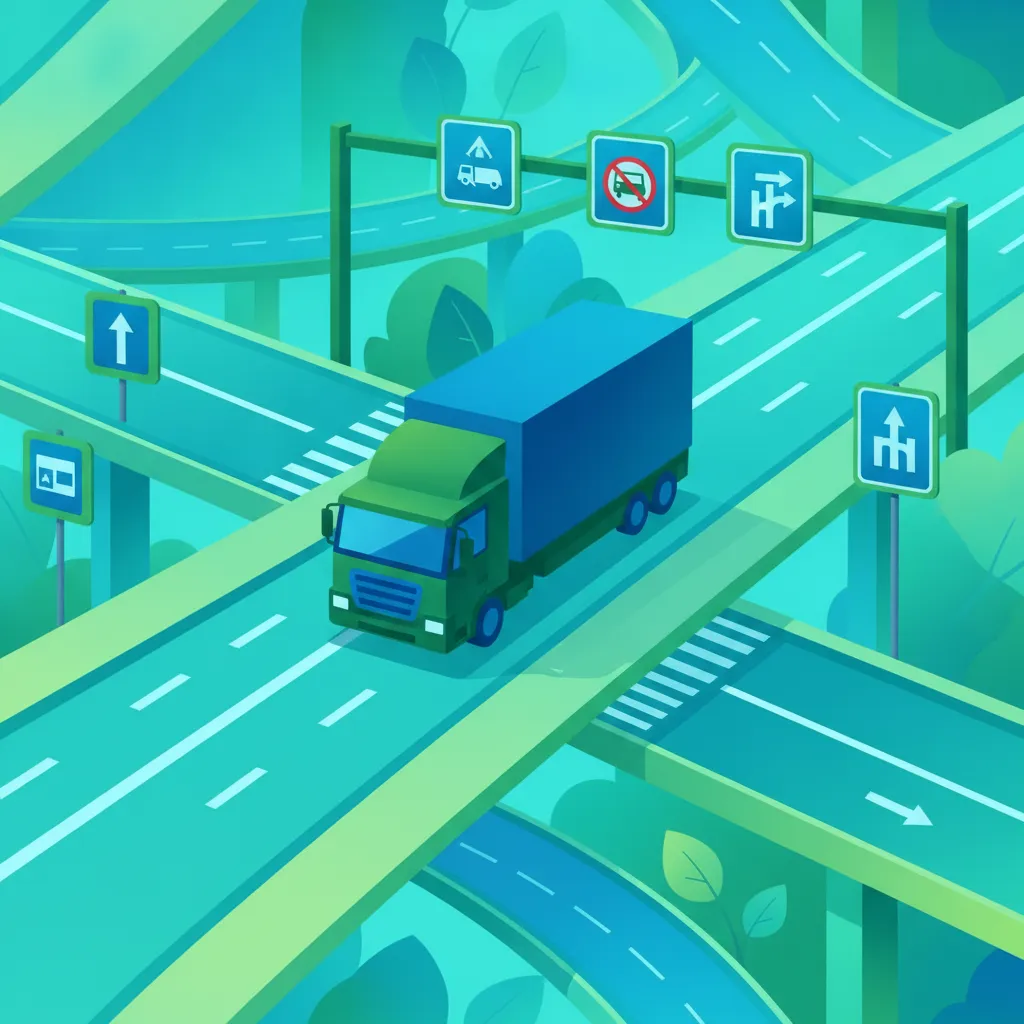
Explore all driving theory lessons for Category C in Portugal, covering critical traffic rules, road signs, and specific goods vehicle regulations. This full curriculum view aids in comparing topics, identifying knowledge gaps, and structuring your theory test preparation effectively for your C1 or CE licence.
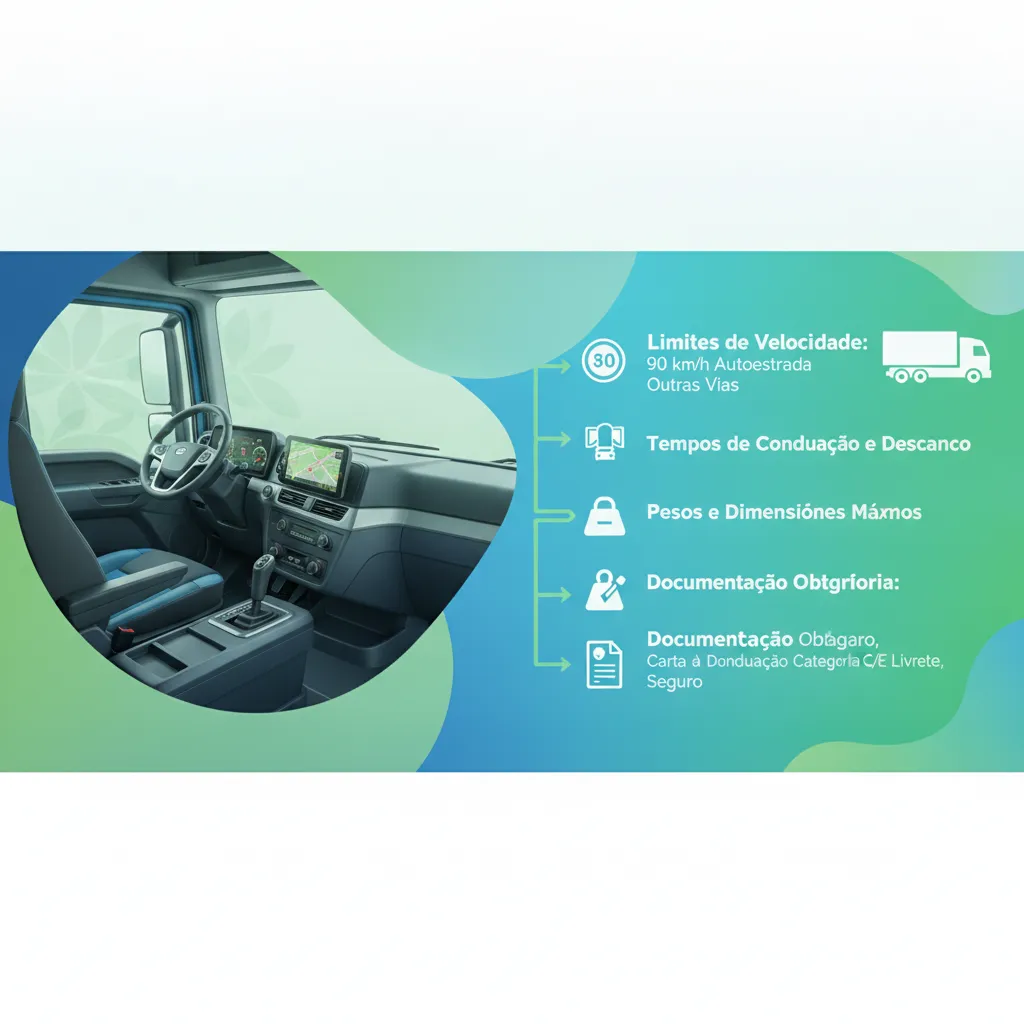
Explore the Código da Estrada as it applies to goods vehicles. Learn about vehicle classifications, operational constraints, and legal obligations for professional drivers.
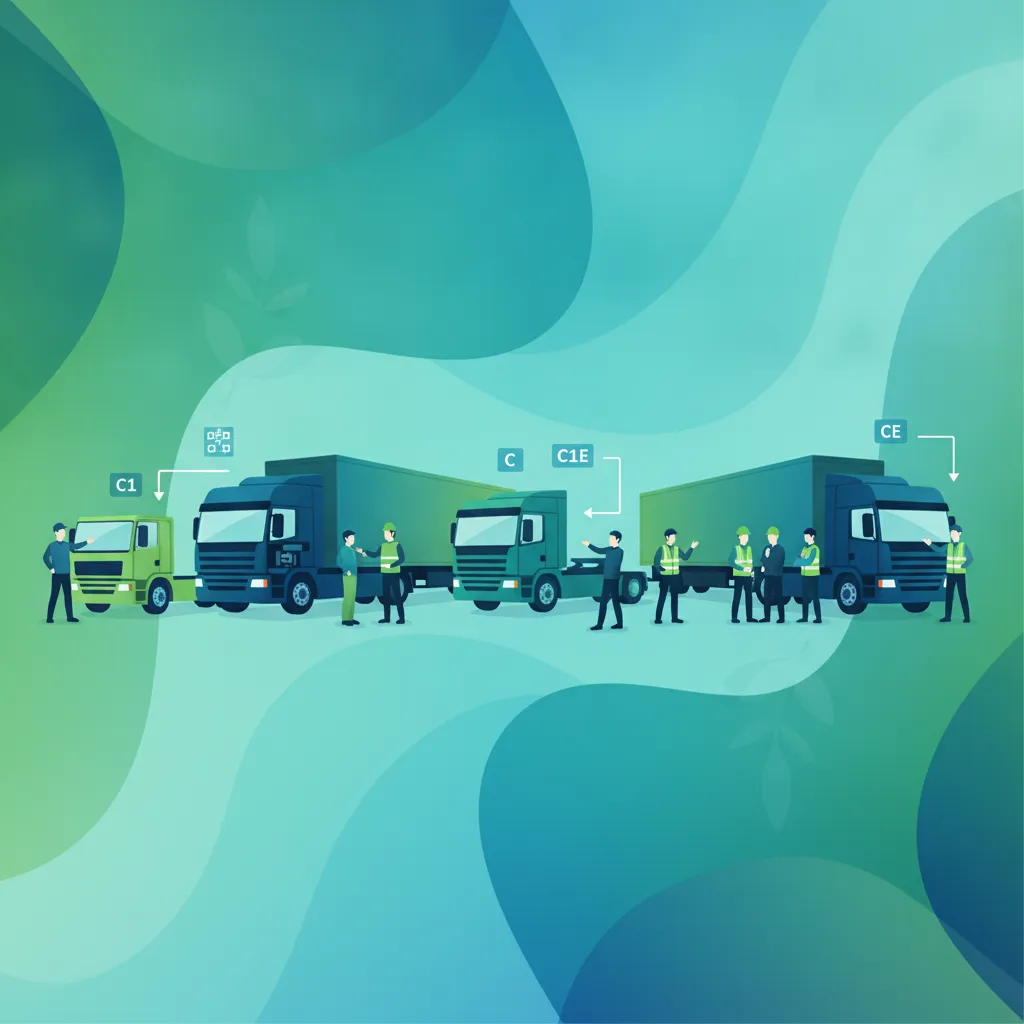
Distinguish between the various goods vehicle licence categories (C1, C, C1E, CE). This lesson details the specific vehicle types, weight limits, and driver qualifications for each.

Learn about the standards of professional conduct and ethical responsibilities for goods vehicle drivers. This includes maintaining a safety-first mindset and representing the transport industry positively.

Identify all essential vehicle and driver documentation required for legal operation. This lesson covers logbooks, permits, cargo papers, and vehicle inspection certificates.

Understand the serious penalties and legal consequences of failing to comply with traffic laws. This includes fines, licence suspension, and potential criminal liability.
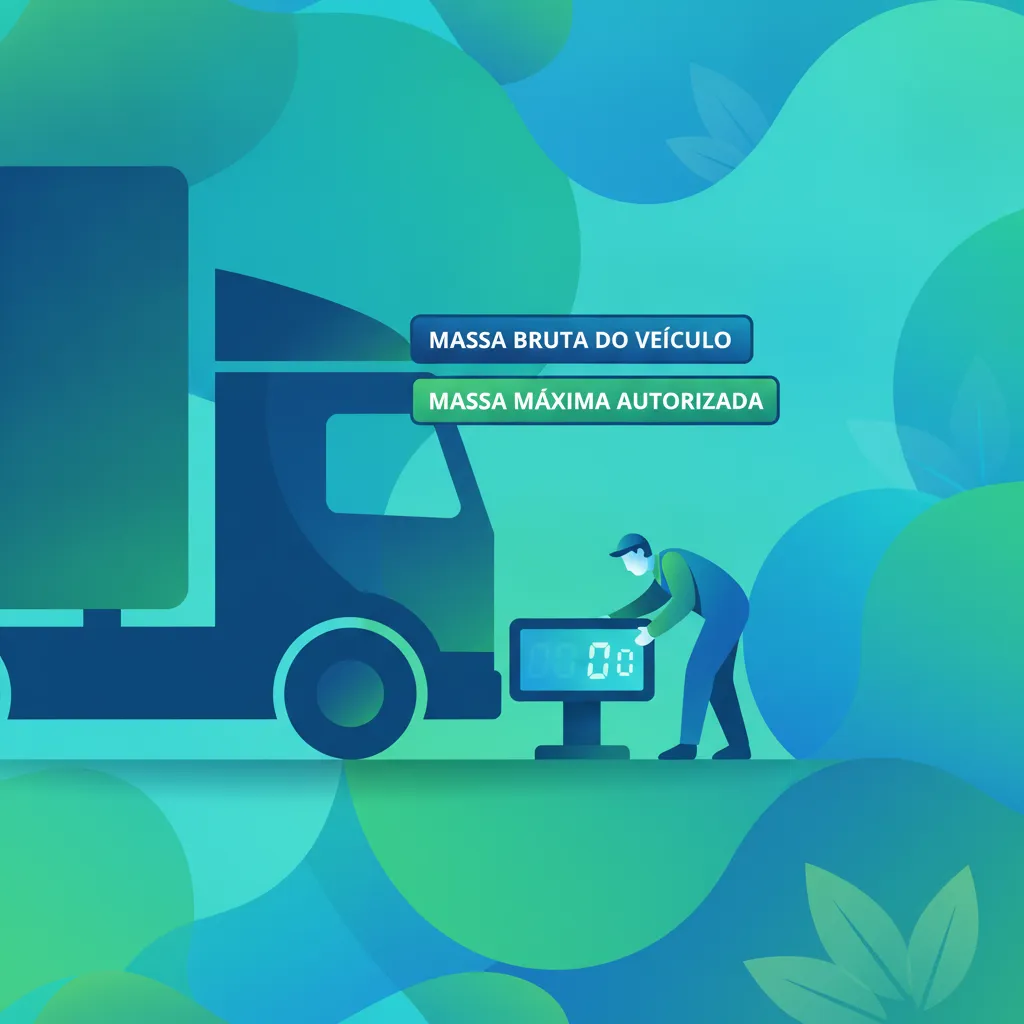
Learn the definitions of Gross Vehicle Mass (GVM) and Maximum Authorized Mass (MAM). Understand how to calculate payload and the legal implications of overloading.
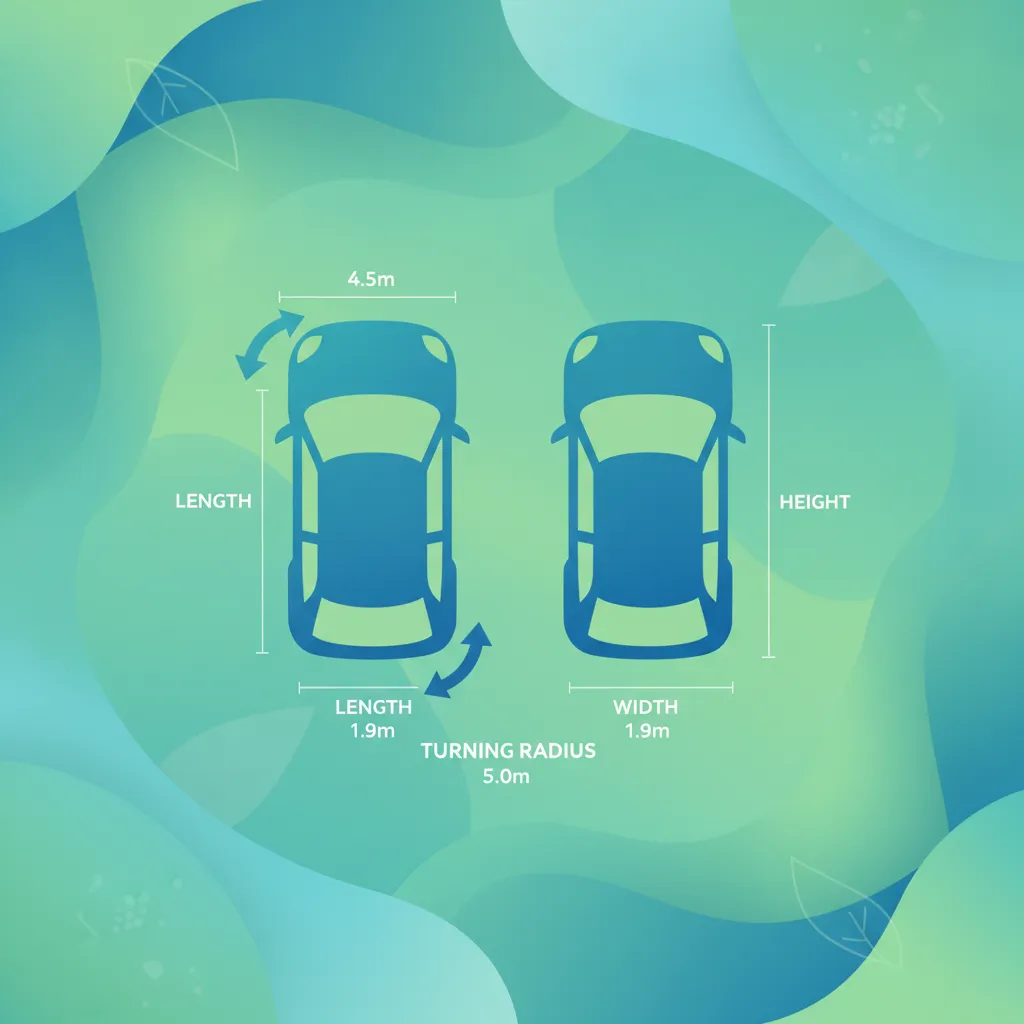
Understand the impact of a goods vehicle's dimensions on its operation. This lesson covers length, height, width, turning radius, and the phenomenon of off-tracking.
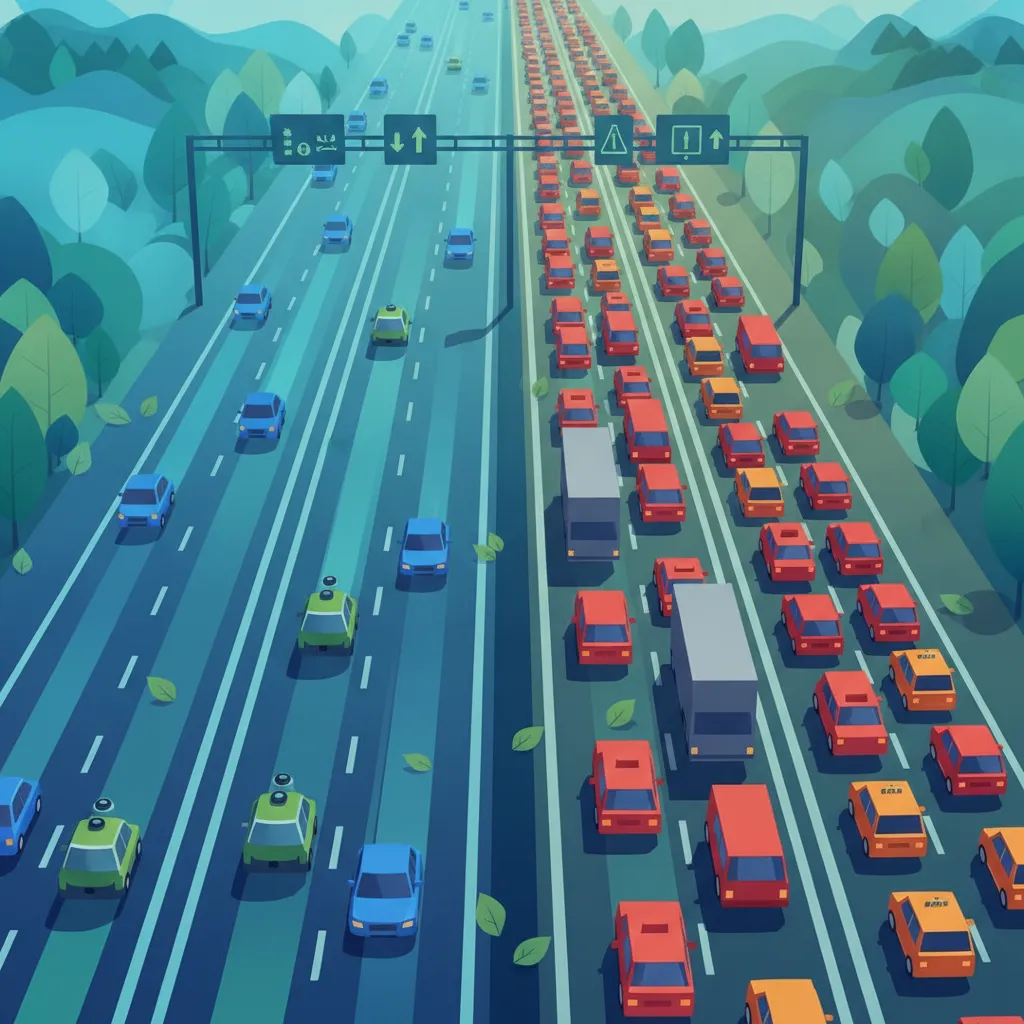
Analyze how the large size of a goods vehicle affects road space and traffic flow. Learn about maintaining lane discipline and appropriate safety margins.

Learn the principles of correct weight distribution and axle load management. This lesson explains how load placement affects stability, braking, and steering.
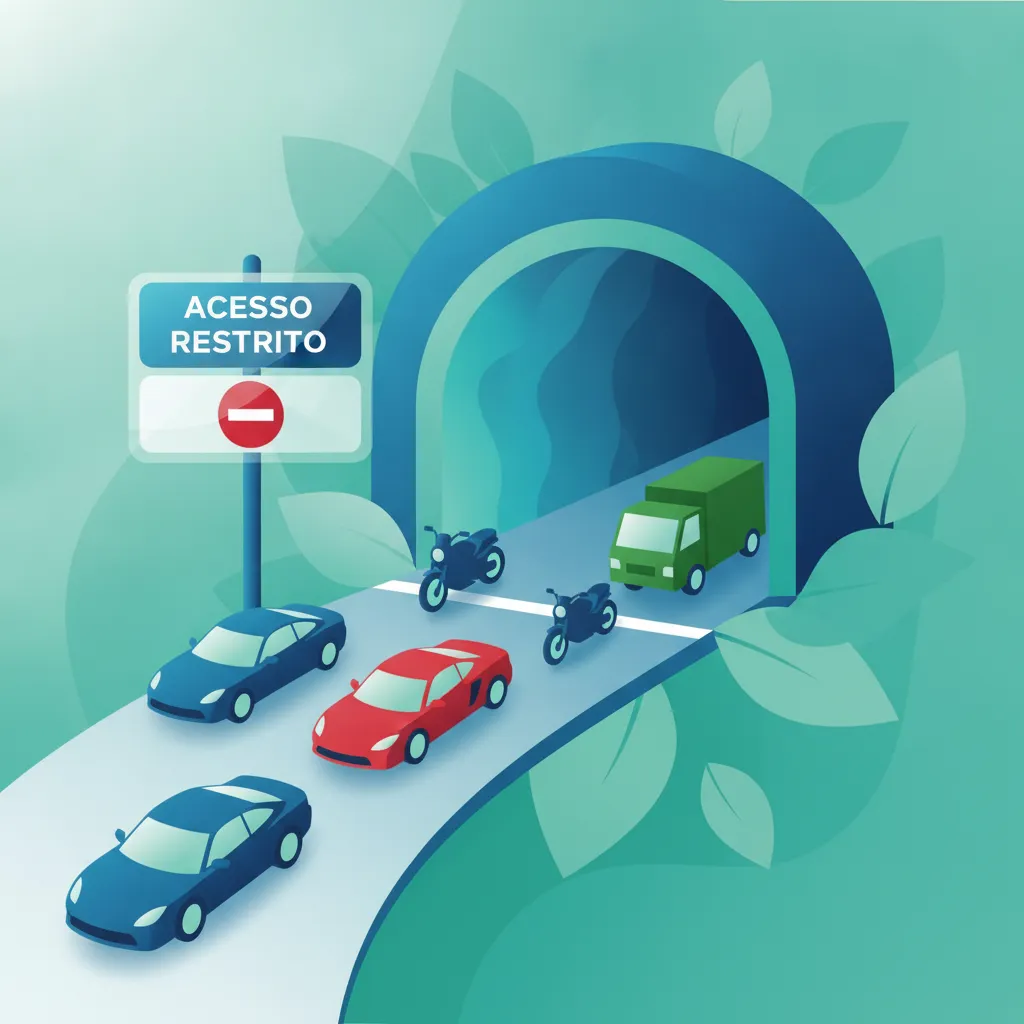
Identify and interpret road signs related to access restrictions for heavy vehicles. This includes limits for bridges, tunnels, and specific urban zones.
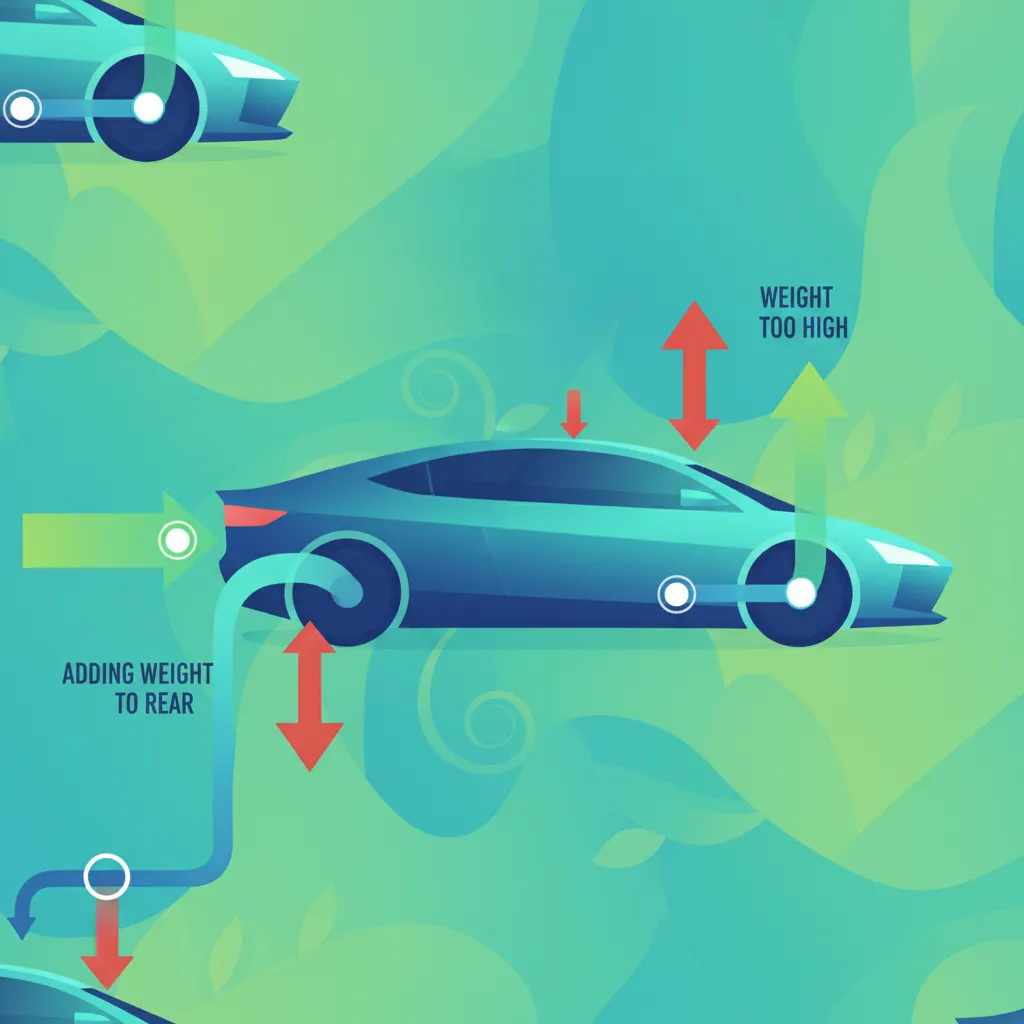
Understand how load distribution affects the vehicle's center of gravity and overall stability. This lesson covers the core principles of safe cargo placement.

Learn the correct techniques for securing cargo, including tying down, restraining, and blocking. This lesson is vital for preventing load shifts during transit.

Analyze the factors that contribute to vehicle instability and rollover risk. This lesson explains how to manage dynamic loads and high-center-of-gravity freight safely.
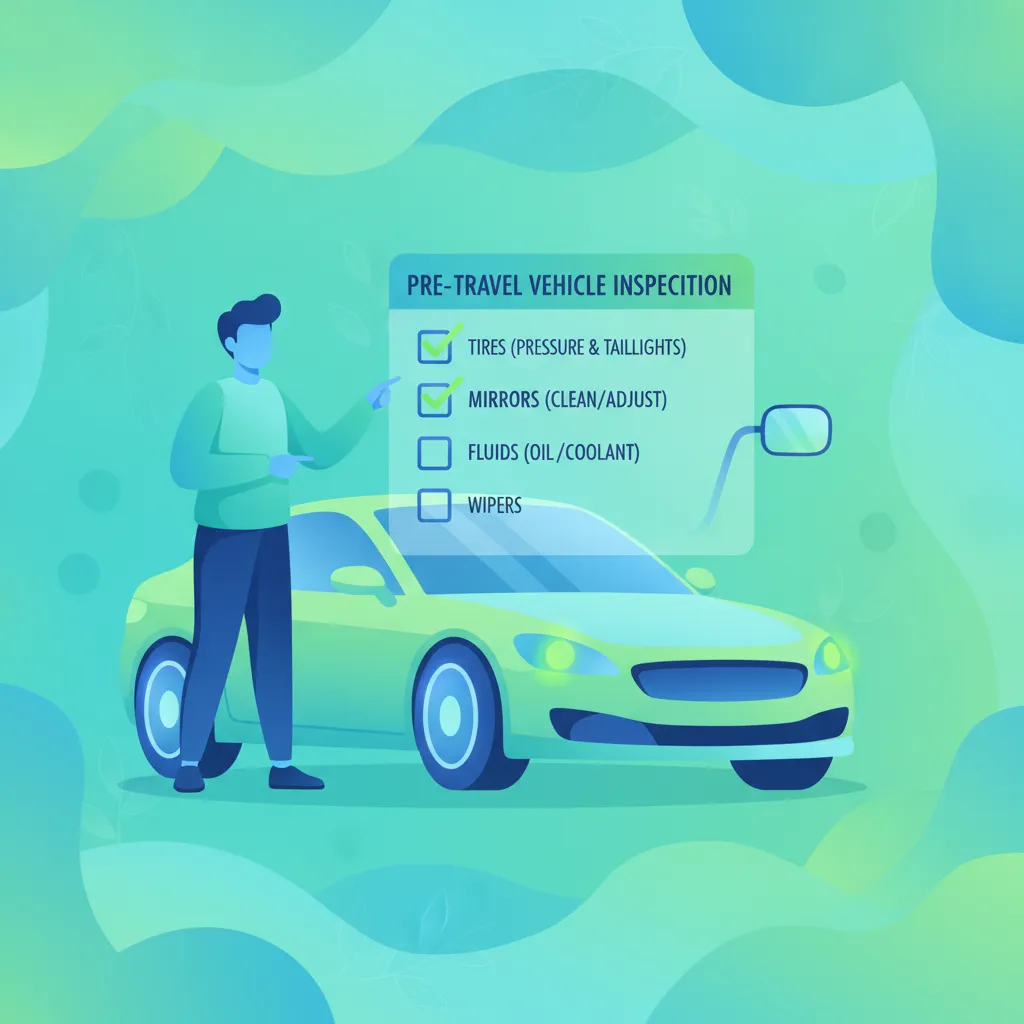
Follow a systematic pre-travel inspection checklist to ensure the vehicle is roadworthy. This lesson covers all critical components that must be checked before every journey.

Learn about the routine maintenance and checks required for essential safety components. This includes tyres, brakes, lights, and mirrors.
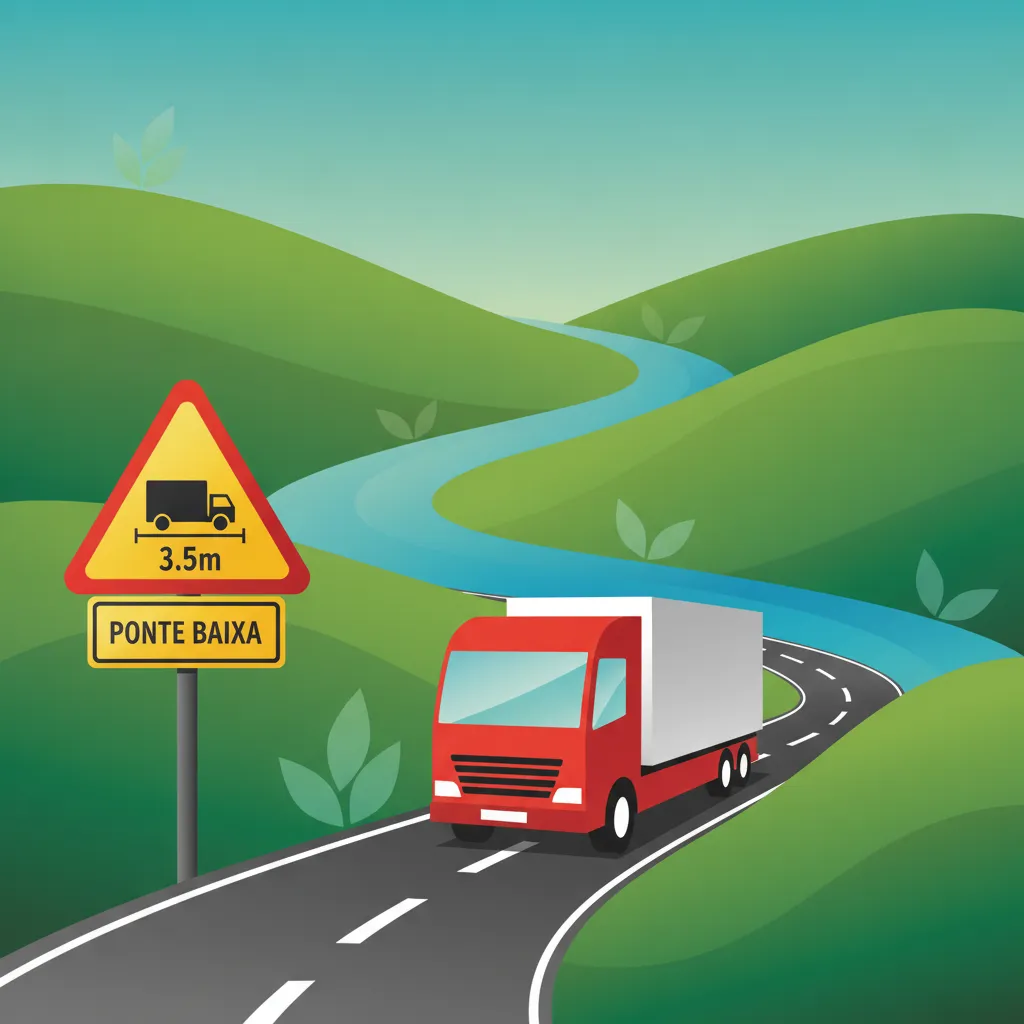
Identify and understand the meaning of road signs that apply specifically to goods vehicles. This includes signs for weight, height, and route restrictions.
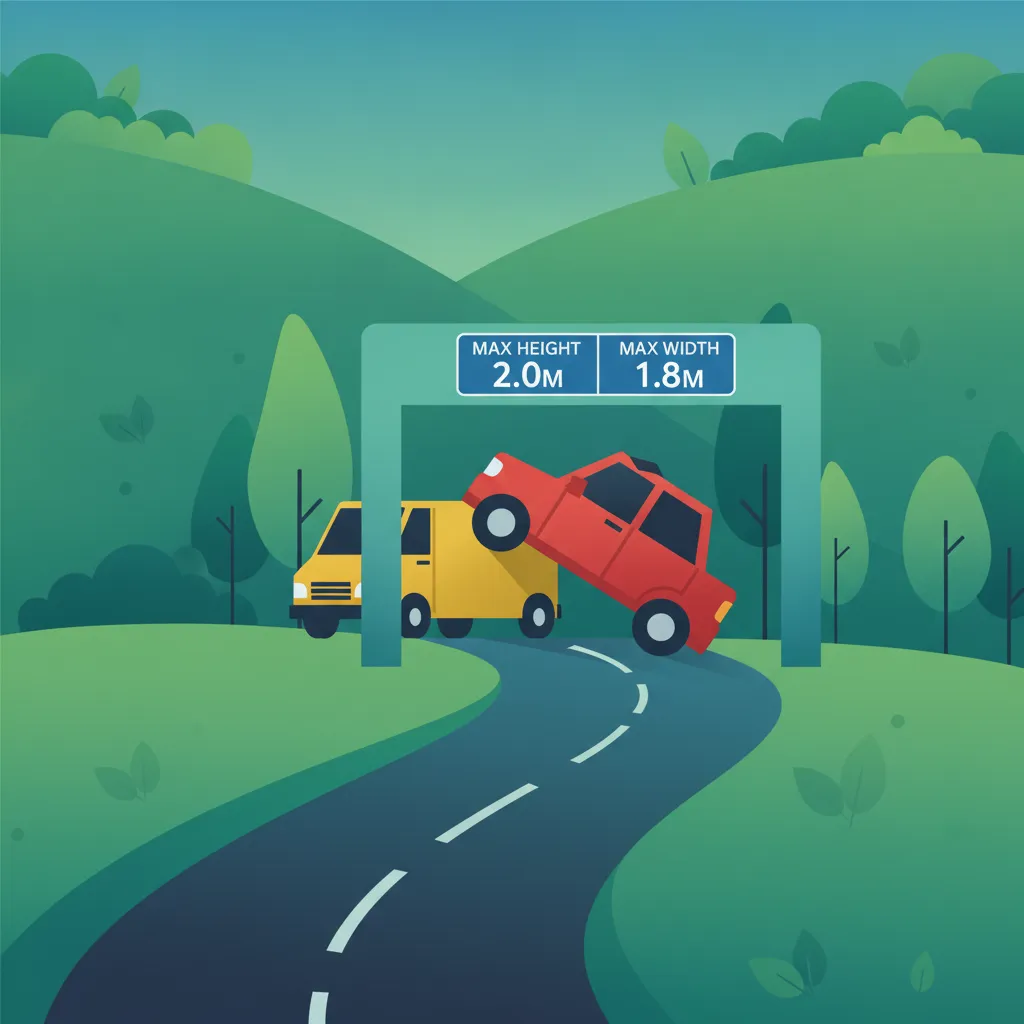
Understand the legal restrictions on vehicle weight, height, and width for various roads, bridges, and tunnels. Learn how to plan routes to comply with these limits.
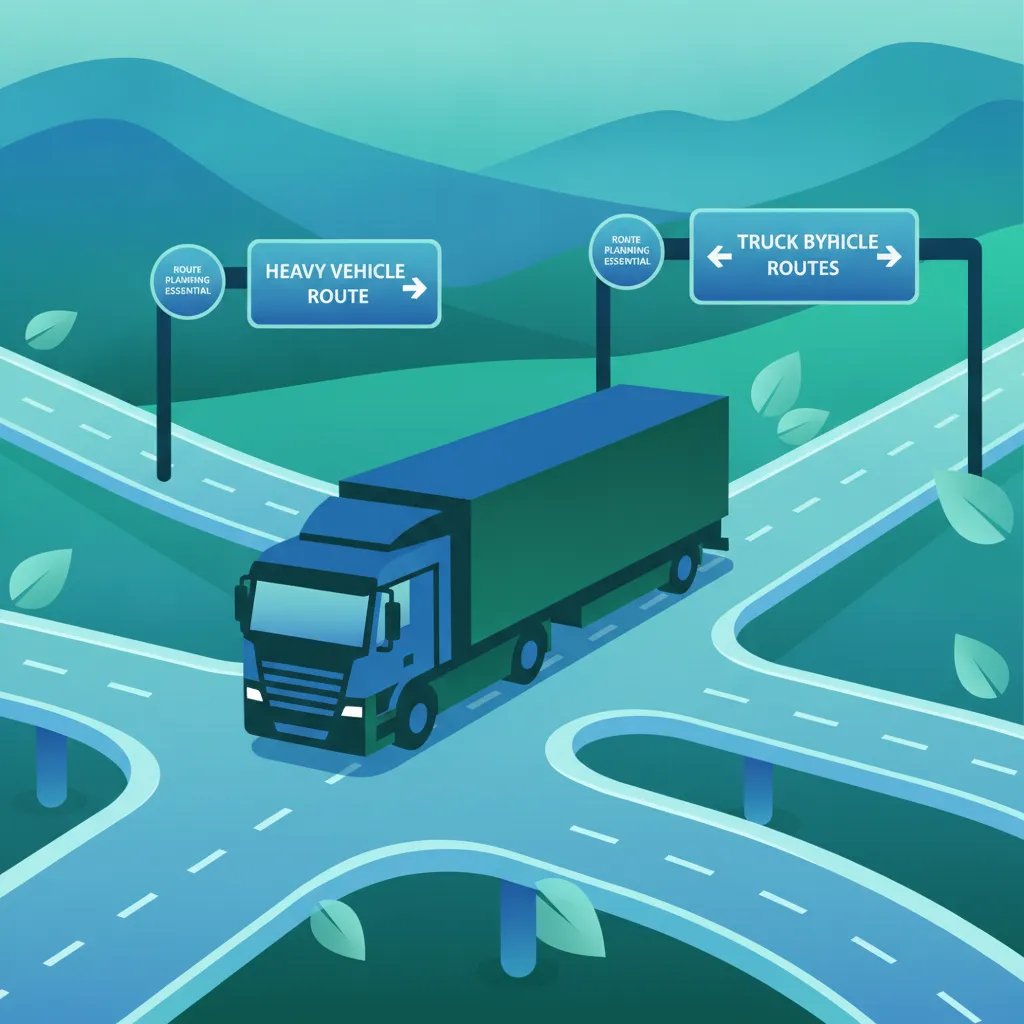
Develop strategies for planning efficient and safe routes for heavy vehicles. This lesson covers the use of navigation tools and consideration of logistical constraints.

Learn how to safely and efficiently navigate complex environments like industrial zones, ports, and large logistics centers. Understand site-specific rules and layouts.
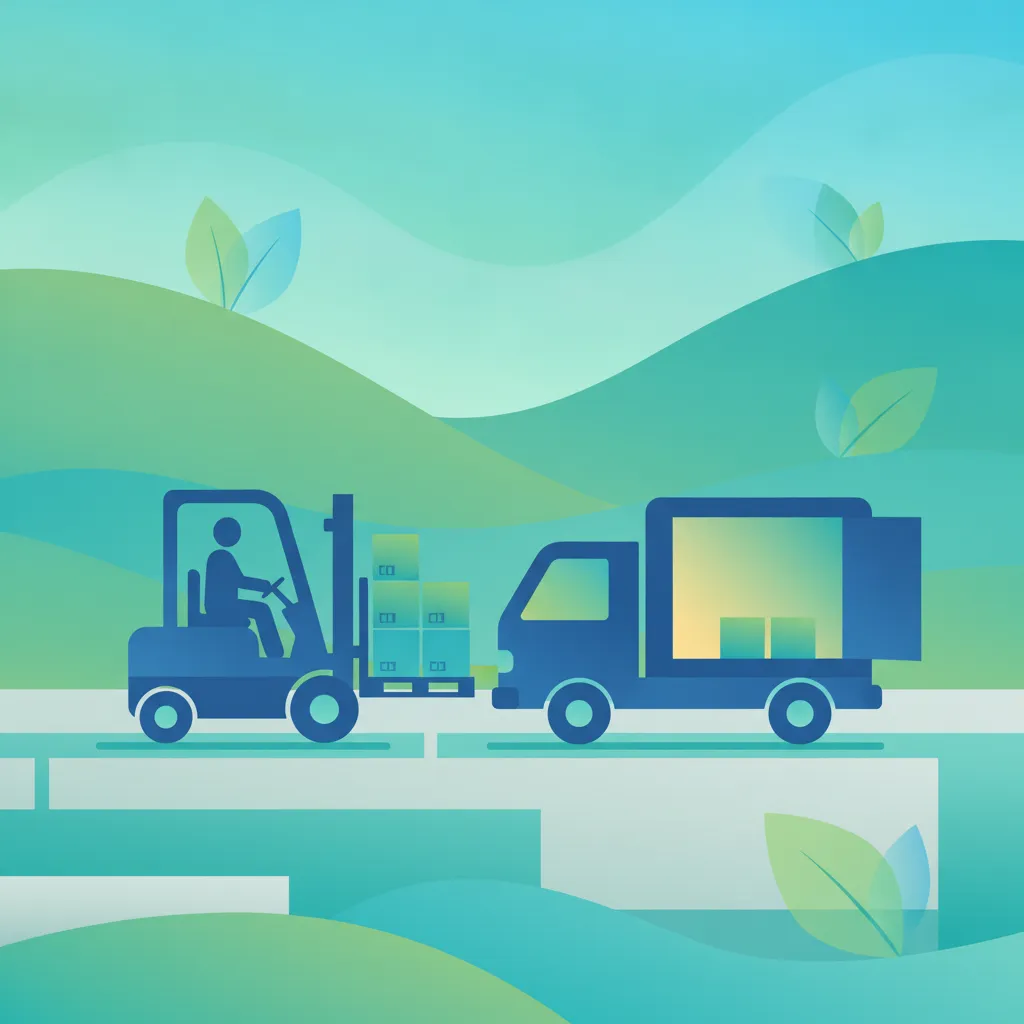
Understand the legal and safety obligations when stopping in designated loading and unloading zones. This includes time restrictions and safe operating procedures.
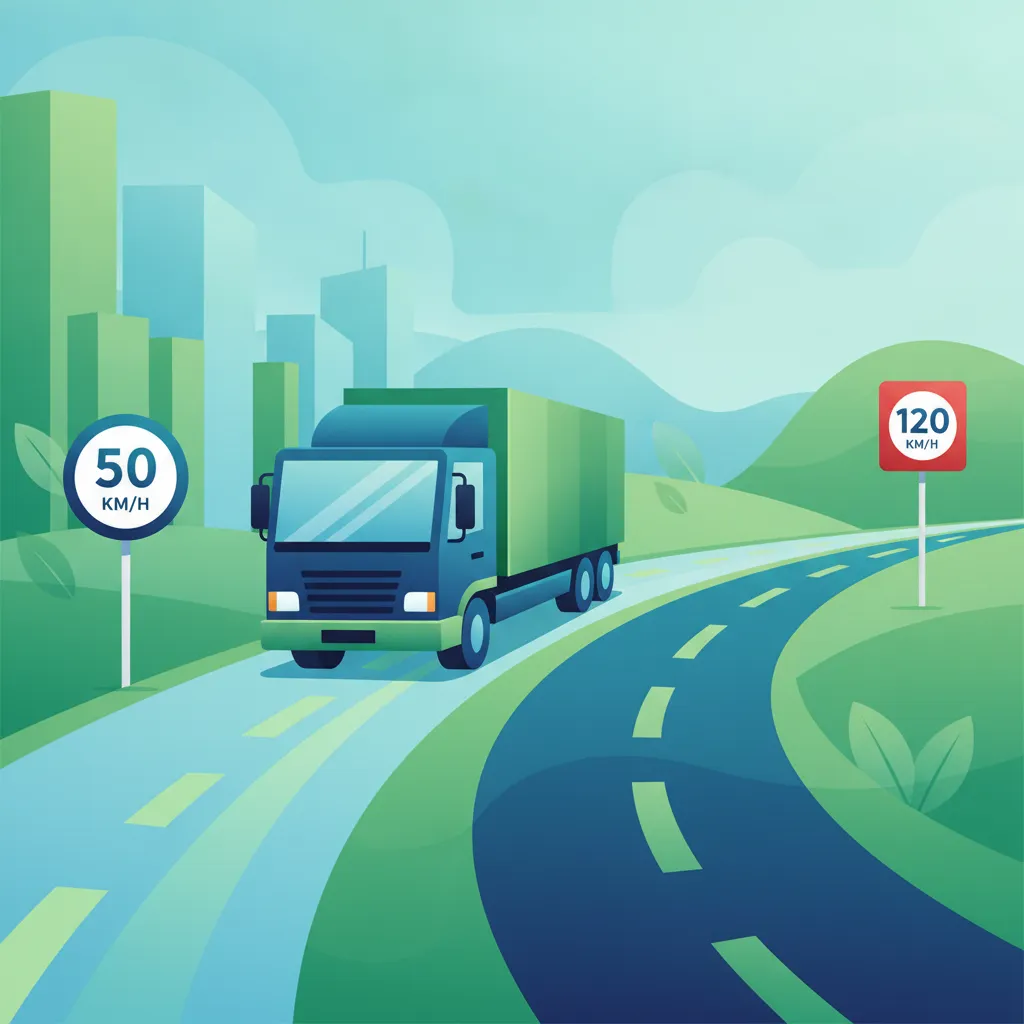
Learn the specific speed limits that apply to goods vehicles on various types of roads, including motorways, rural roads, and urban areas.
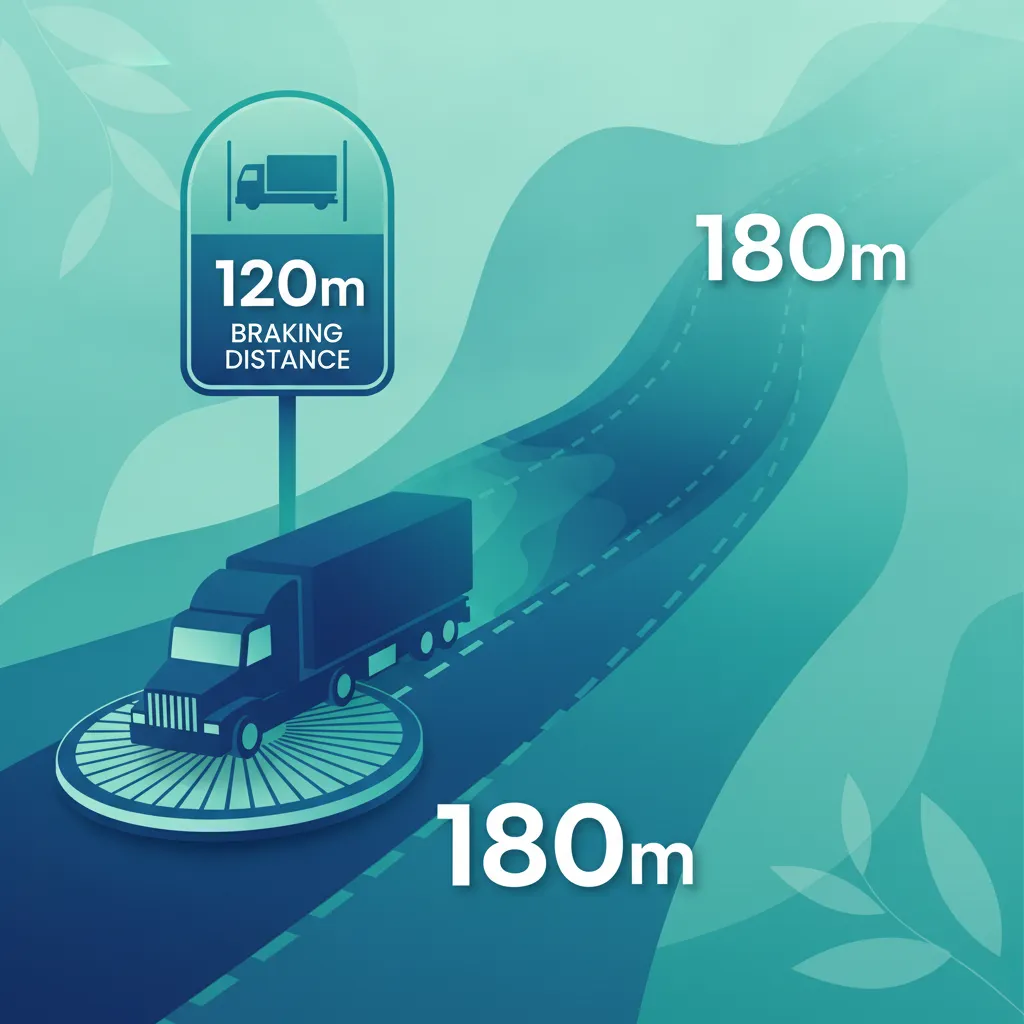
Understand how a vehicle's load dramatically affects its braking distance. Learn to account for mass, speed, and road conditions to ensure safe stopping.

Master the technique of maintaining a safe following distance. This lesson covers rules of thumb and strategies for anticipating the need to stop.

Learn the correct techniques for driving a heavy vehicle on steep uphill and downhill gradients. This includes proper gear selection and the use of auxiliary brakes.

Understand the causes of brake fade and how to prevent it through proper heat management. Learn the correct procedure for performing an emergency stop.
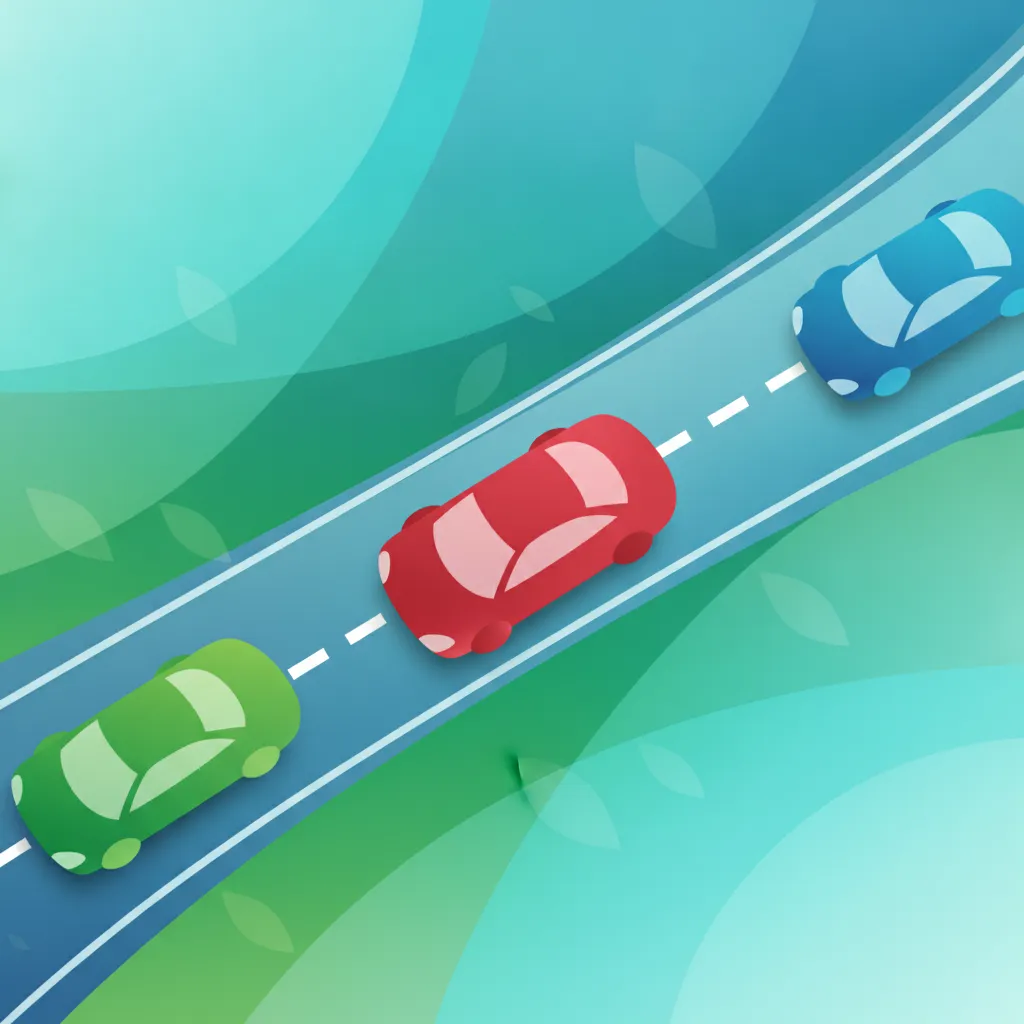
Learn the rules and best practices for lane discipline on multilane roads. This includes correct positioning within the lane and executing safe lane changes.
Understand the concepts of off-tracking and swing-out when turning a long vehicle. Learn how to position the vehicle correctly to negotiate turns safely.

Master safe reversing procedures for rigid and articulated vehicles. This lesson covers observation, use of mirrors, and maneuvering in confined spaces.

Learn the correct and safe procedure for coupling and uncoupling a trailer. This lesson is essential for drivers of C1E and CE category vehicles.

Develop skills for maneuvering large vehicles in tight, constrained spaces, typical of urban delivery environments. This lesson focuses on precision and observation.
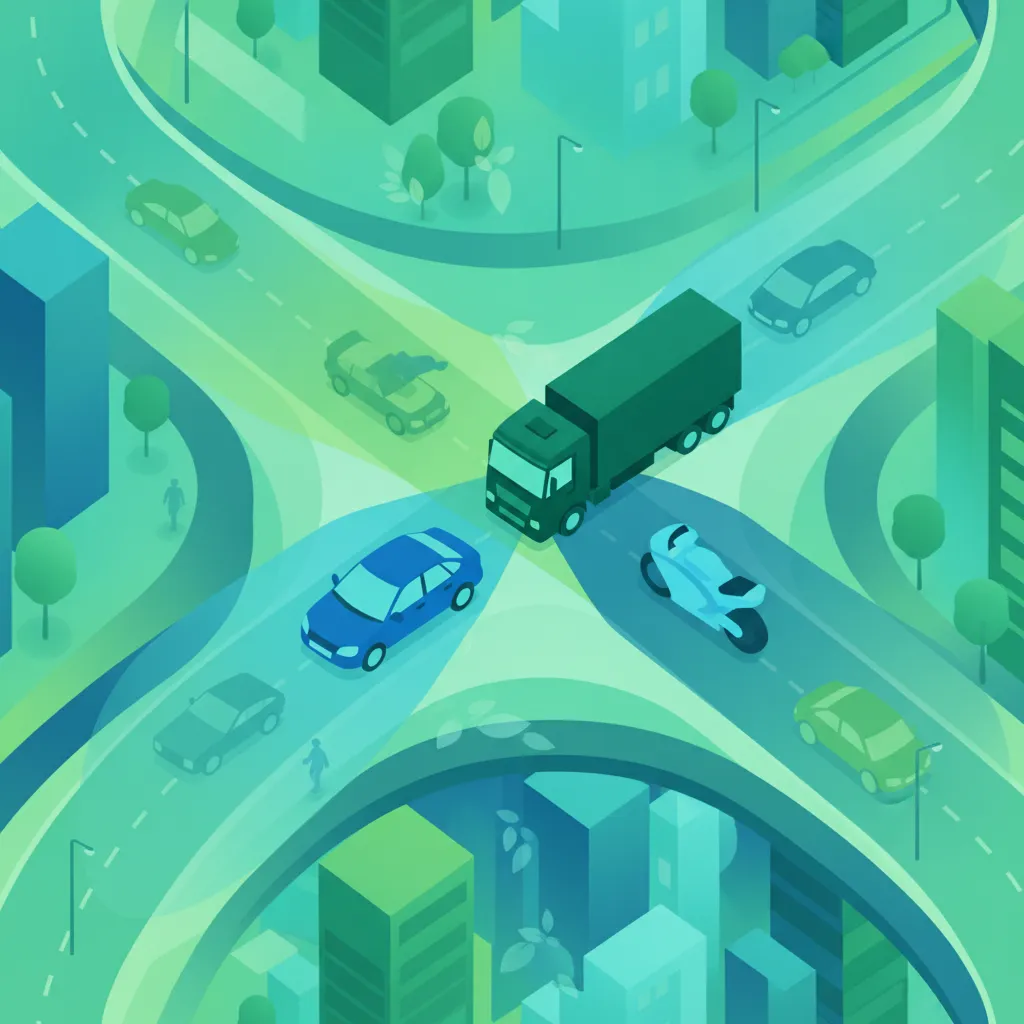
Understand the location and size of blind spots on different types of goods vehicles, including rigid trucks and articulated combinations.

Learn best practices for safely sharing the road with vulnerable road users. This includes anticipating their movements and providing adequate space.
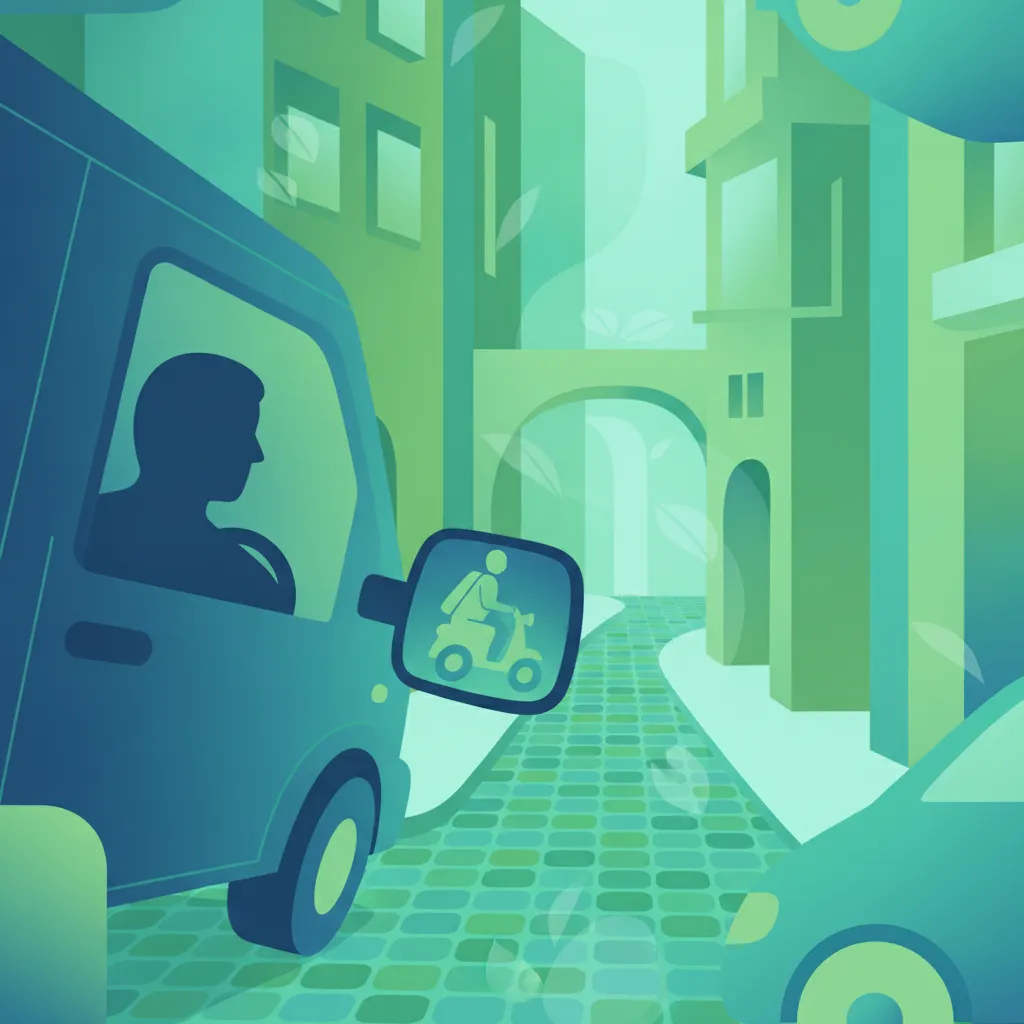
Understand the procedures for conducting safe deliveries in busy urban environments. This includes approaching loading zones and docking at delivery bays.

Learn strategies for navigating the unique challenges of narrow streets and historic centers, where space is extremely limited.

Maximize safety by making effective use of mirrors, cameras, and other driver assistance systems. This lesson covers how to integrate technology into your driving.

Understand how adverse weather conditions like rain, wind, and ice affect the stability and braking of a heavy vehicle. Learn how to adapt your driving accordingly.

Review the rules and best practices for driving a heavy vehicle on motorways. This includes lane discipline, overtaking, and procedures for stopping.

Learn techniques for safely navigating rural roads, which often feature sharp curves, limited visibility, and variable surfaces. Adjusting speed and position is key.
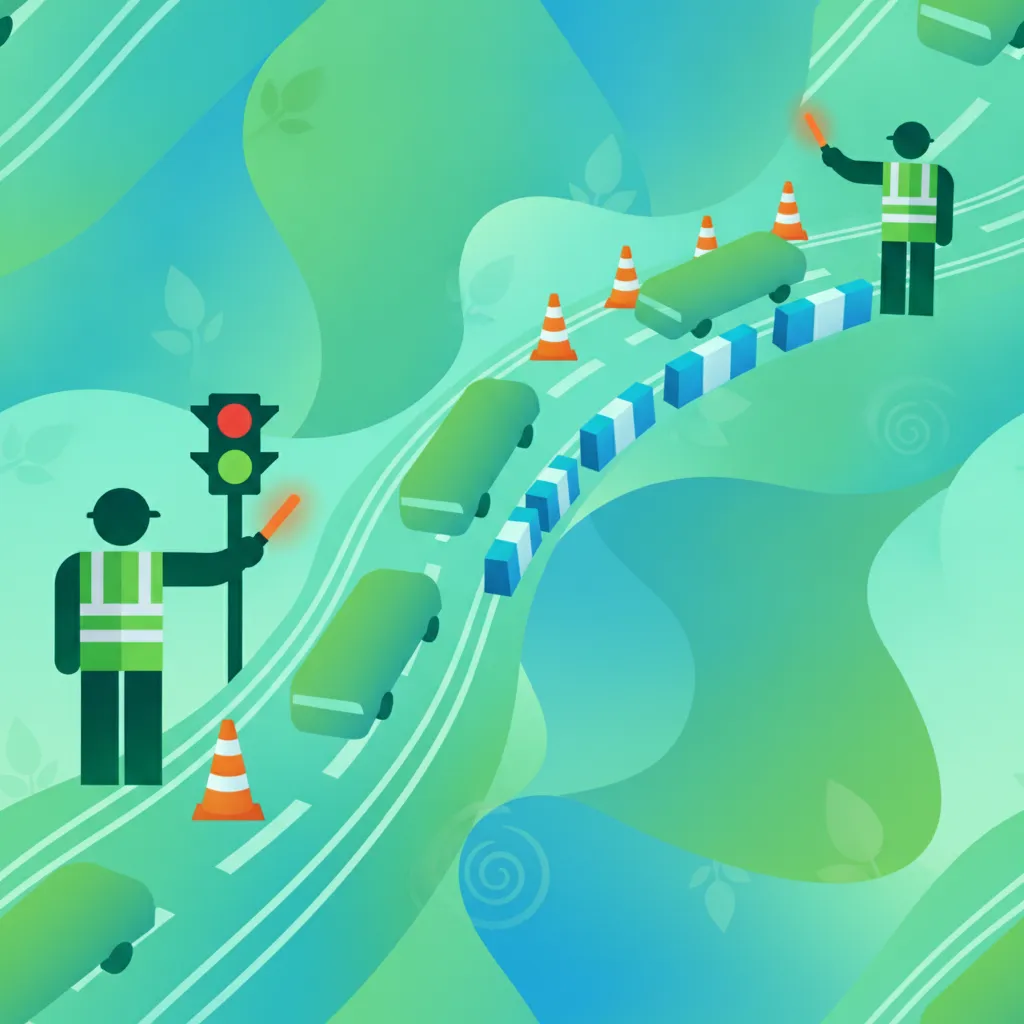
Understand how to safely navigate through roadworks and temporary traffic systems. This includes interpreting temporary signs and protecting roadside workers.

Learn the correct procedures to follow in the event of an emergency, such as a breakdown, vehicle fire, or traffic collision.

Understand the legal regulations on driving hours and rest periods designed to prevent driver fatigue. Learn to use the tachograph correctly to record your duties.

Review the full set of essential documents that must be carried in the vehicle, including personal licences, vehicle papers, and cargo-specific documents.
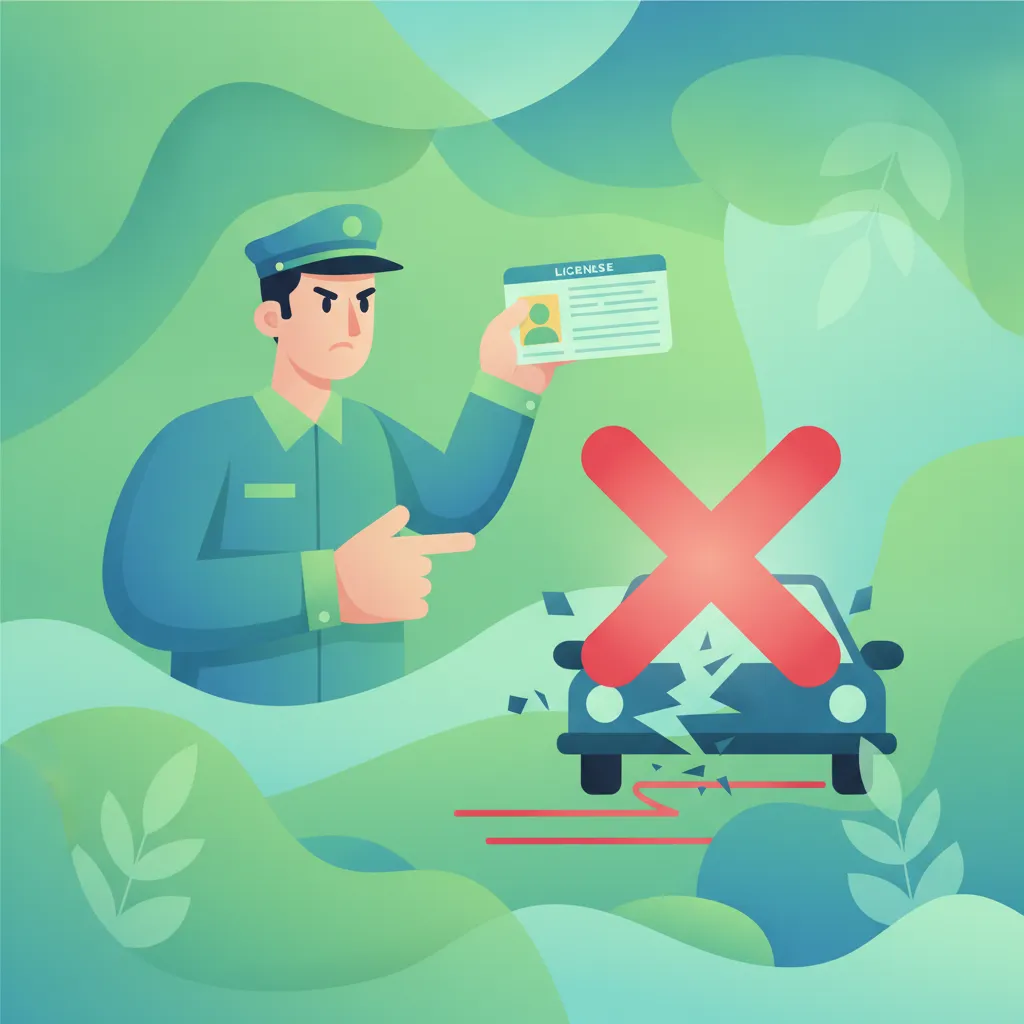
Understand the range of penalties for violating transport laws, from fines to licence suspension, and the concept of professional liability.
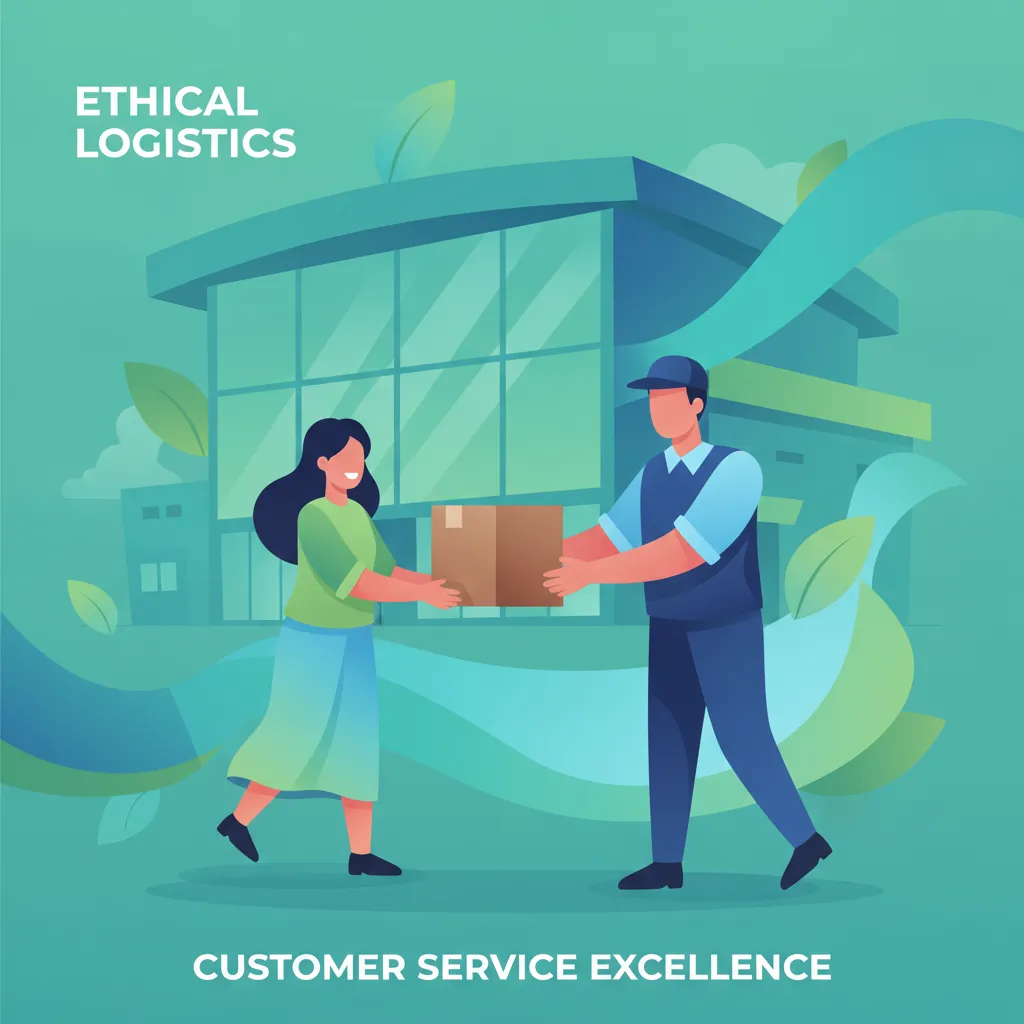
Explore the importance of professional ethics and high-quality customer service in the logistics industry. A driver is often the face of the company.
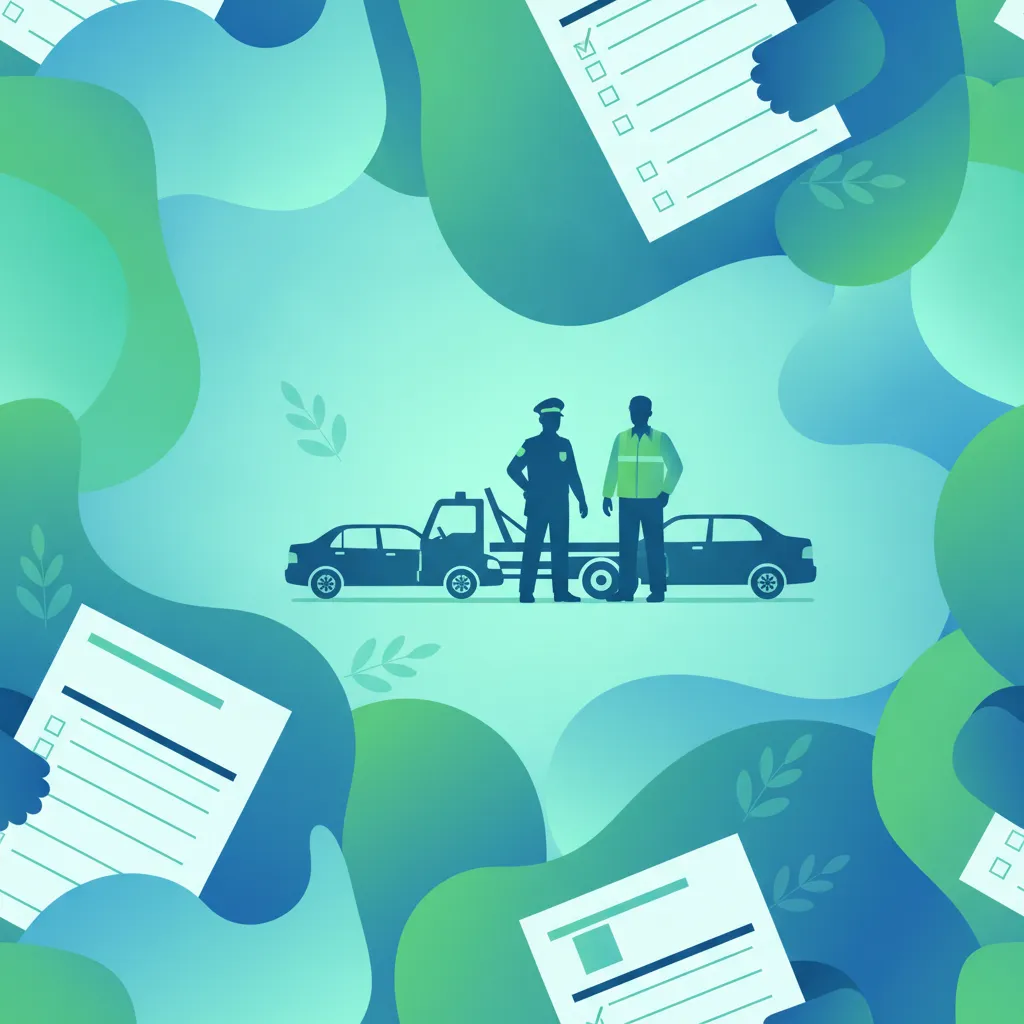
Learn the correct procedures for reporting any on-road incident and the importance of cooperating fully with police and other authorities.
Dive into our comprehensive curriculum and begin your journey through official Portuguese driving theory. Select a structured course tailored to your learning needs, master the Código da Estrada, and prepare systematically for your IMT driving licence exam with confidence. Start building your essential driving knowledge now.