
This lesson explores the physical constraints of heavy goods vehicles, focusing on length, height, width, and turning dynamics. Understanding these dimensions is crucial for safe navigation, especially in urban environments, and is a core component of your Category C theory exam preparation.
Lesson content overview
Understanding the physical dimensions of your goods vehicle is not merely a technicality; it is a fundamental aspect of safe, efficient, and legal driving. For professional drivers of Category C vehicles in Portugal, mastering the concepts of length, height, width, turning radius, and off-tracking is crucial for navigating diverse road environments, avoiding costly collisions, and ensuring compliance with the Código da Estrada. This lesson provides an in-depth exploration of these dimensions and their direct impact on your daily operations.
Goods vehicles, by their nature, occupy significantly more road space than standard passenger cars. Their increased size influences every aspect of driving, from route planning and lane selection to maneuvering in tight urban areas and passing under overhead structures. A thorough understanding of these dimensions is essential for preventing accidents, protecting infrastructure, and maintaining safe traffic flow for all road users.
Ignoring dimensional constraints can lead to severe consequences, including structural damage to bridges and tunnels, collisions with other vehicles or roadside obstacles, and substantial fines. It is a core responsibility of every professional driver to know their vehicle's exact dimensions and to account for them in every driving situation.
The national traffic code, the Código da Estrada, sets strict maximum permissible dimensions for various vehicle categories. These limits are designed to ensure compatibility with road infrastructure and to maintain safety on public roads. Exceeding these limits without proper authorization is a serious offense.
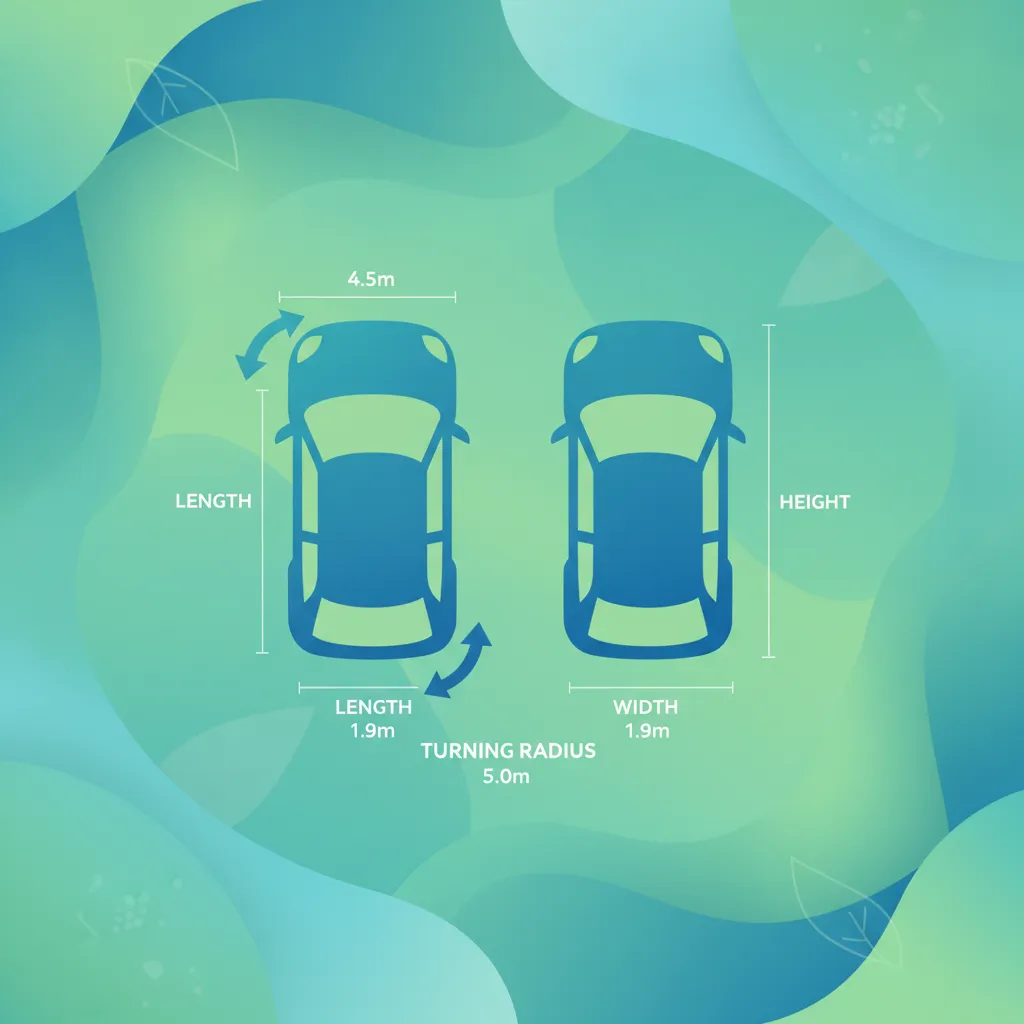
Vehicle length is the longitudinal measurement from the front-most to the rear-most point of the vehicle, including any fixed parts but excluding mirrors. The overall length significantly affects a vehicle's ability to navigate turns, enter loading docks, and perform maneuvers in confined spaces.
For rigid trucks, the maximum legal length is generally limited. Articulated combinations, such as a tractor unit with a semi-trailer, have a greater maximum length. Specific variations may apply to specialized vehicles or those carrying indivisible loads under special permits. Drivers must always be aware of their vehicle's exact length, especially when planning routes that involve tight turns, narrow streets, or ferry crossings.
Vehicle height is the vertical measurement from the road surface to the highest point of the vehicle, including any load. This dimension is critically important for safely passing under bridges, tunnels, overhead gantries, and power lines. Many routes have specific height restrictions clearly indicated by road signs.
Colliding with an overhead structure due to misjudgment of height can cause catastrophic damage to the vehicle and the infrastructure, posing significant risks to public safety. Drivers must always know their vehicle's maximum height and rigorously check for height restriction signs, especially on unfamiliar routes.
Never attempt to pass under a structure if your vehicle's height is equal to or greater than the indicated clearance. Always assume a small margin of error and opt for an alternative route if in doubt.
Vehicle width is the horizontal measurement from the outermost left side to the outermost right side of the vehicle, excluding rearview mirrors. This dimension directly influences how a vehicle fits within lanes, interacts with oncoming traffic, and clears roadside obstacles or parked vehicles.
Standard goods vehicles have a maximum legal width, though certain specialized vehicles or those carrying exceptional loads may be wider under specific permits. Wider vehicles often require more lateral clearance and may be restricted from using narrower lanes, especially in urban settings or on older roads. Awareness of your vehicle's width is paramount for avoiding side-swipe accidents and ensuring adequate spacing from other road users.
Beyond static dimensions like length, height, and width, goods vehicles exhibit dynamic dimensional characteristics during maneuvers, particularly when turning. The turning radius and off-tracking are crucial concepts that heavily influence how a large vehicle occupies space while in motion.
The turning radius refers to the radius of the smallest circular path a vehicle can make. It is typically measured from the center of the turning circle to the outermost point of the vehicle (usually the front outside wheel). The turning radius is primarily determined by the vehicle's wheelbase and its steering geometry. Longer vehicles and those with multiple axles tend to have a larger turning radius.
A larger turning radius means the vehicle requires significantly more space to complete a turn. This is especially critical at intersections, roundabouts, and when entering or exiting loading bays. Drivers must anticipate this requirement and position their vehicle appropriately before initiating a turn to avoid encroaching on adjacent lanes, hitting curbs, or colliding with other vehicles or pedestrians.
When making a tight turn with a long vehicle, you may need to swing out wider than a car would, allowing the rear of the vehicle to clear the inside corner. Always check your mirrors to ensure this maneuver does not endanger other road users or obstacles.
Off-tracking describes the phenomenon where the rear wheels of a vehicle follow a different, tighter path than the front wheels when making a turn. This lateral deviation occurs because the rear axles are fixed and cannot steer independently like the front wheels. The longer the vehicle's wheelbase or the greater the articulation (as in articulated lorries), the more pronounced the off-tracking will be.
During a left turn, the rear wheels of a goods vehicle will track further to the left, potentially over curbs, pavements, or into the path of oncoming traffic if not properly managed. Conversely, during a right turn, the rear wheels will track further to the right, increasing the risk of striking street furniture, parked cars, or pedestrians on the pavement. Accounting for off-tracking is vital for safe maneuvering, particularly in urban areas, around roundabouts, and when reversing.
The lateral deviation of the rear wheels from the path of the front wheels during a turn, requiring additional clearance.
Road signs are your primary source of information regarding dimensional restrictions. Portugal's Código da Estrada includes a variety of signs specifically designed to warn drivers of upcoming limitations. Ignoring these signs is not only illegal but extremely dangerous.
Many urban centers, historical districts, and residential zones implement specific access restrictions for goods vehicles. These restrictions can be based on dimensions, weight, time of day, or emission standards. Drivers must consult their route plans and observe signage carefully to avoid entering prohibited areas, which can lead to fines, traffic congestion, or being unable to complete a delivery.
Tunnels and bridges frequently have height and width restrictions, often accompanied by active warning systems. Drivers of tall vehicles should pay particular attention to these warnings. Some older bridges may also have length or weight restrictions due to their structural capacity.
Understanding vehicle dimensions in theory is only the first step; applying this knowledge in real-world driving situations is where expertise truly lies.
Setting: You are driving a 10-meter rigid truck and need to make a right turn from a wide main road onto a narrow urban street lined with parked cars and streetlights close to the curb.
Common Mistake: The driver attempts to turn too sharply, underestimating the off-tracking of the rear wheels. The rear of the truck scrapes against a parked car or a streetlight on the inside of the turn.
Correct Behavior:
Setting: You are driving a goods vehicle with a loaded height of 4.1 meters and approach a tunnel entrance displaying a height restriction sign of 4 meters.
Common Mistake: The driver assumes a small margin or ignores the sign, believing the vehicle will fit. This leads to a collision with the tunnel entrance or ceiling.
Correct Behavior:
Setting: You are driving a goods vehicle that is 2.5 meters wide on a three-lane motorway. The lanes are 3.5 meters wide. You need to proceed straight through an upcoming section with a series of gentle curves.
Common Mistake: The driver remains in the innermost (leftmost in Portugal) lane, leading to reduced side clearance from other vehicles and the central barrier during curves, increasing the risk of side-swipe accidents or feeling constrained.
Correct Behavior:
The impact of vehicle dimensions is not static; it can be influenced by various external and internal factors. Being a professional driver means anticipating these changes and adjusting your driving strategy accordingly.
Adverse weather conditions significantly compound the challenges associated with vehicle dimensions. Rain, snow, or ice reduce tire grip, increasing braking distances and affecting steering responsiveness. This can effectively "enlarge" your turning radius and exacerbate off-tracking, making precise maneuvering even more difficult. Reduced visibility due to fog or heavy rain also makes it harder to spot dimensional restriction signs or assess clearances.
The way a goods vehicle is loaded can impact its effective dimensions and handling. An unevenly distributed load can affect the vehicle's balance and potentially alter its turning dynamics. When towing a trailer, the overall length of the combination increases dramatically, and the off-tracking effect becomes much more pronounced, requiring even greater caution during turns and reversing maneuvers.
The large dimensions of goods vehicles create significant blind spots and expand the risk zone around the vehicle, especially in urban environments. Pedestrians, cyclists, and motorcyclists are particularly vulnerable. When turning, the wide swing of the vehicle and the off-tracking of the rear wheels can easily obscure vulnerable road users who might be alongside the vehicle. Professional drivers must exercise extreme caution, provide ample safety margins, and constantly check mirrors and blind spots.
Mastering the physical and dynamic dimensions of your goods vehicle is paramount for safety, legal compliance, and operational efficiency within the Advanced Driving Theory for Goods Vehicles (Category C) in Portugal curriculum.
Explore all units and lessons included in this driving theory course.
Lesson content overview
Explore all units and lessons included in this driving theory course.
Explore search topics learners often look for when studying Dimensions: Length, Height, Width, and Turning Radius. These topics reflect common questions about road rules, driving situations, safety guidance, and lesson level theory preparation for learners in Portugal.
Browse additional driving theory lessons that cover connected traffic rules, road signs, and common driving situations related to this topic. Improve your understanding of how different rules interact across everyday traffic scenarios.
Understand the complex dynamics of turning radius and off-tracking for goods vehicles. This lesson explores how these factors impact maneuvering in urban areas and tight spaces, crucial for safe commercial driving.

This lesson explains the critical dynamic of off-tracking, where the rear wheels follow a tighter path than the front wheels in a turn. It also covers front-end swing-out on some vehicle types. Drivers will learn the techniques to safely navigate sharp corners and junctions without striking curbs, signs, or other vehicles.

This lesson addresses the challenges of operating a large vehicle in congested urban areas. It teaches techniques for navigating narrow streets, positioning for loading bays, and executing tight turns with minimal impact on other traffic. A high level of situational awareness and anticipation is required for these environments.
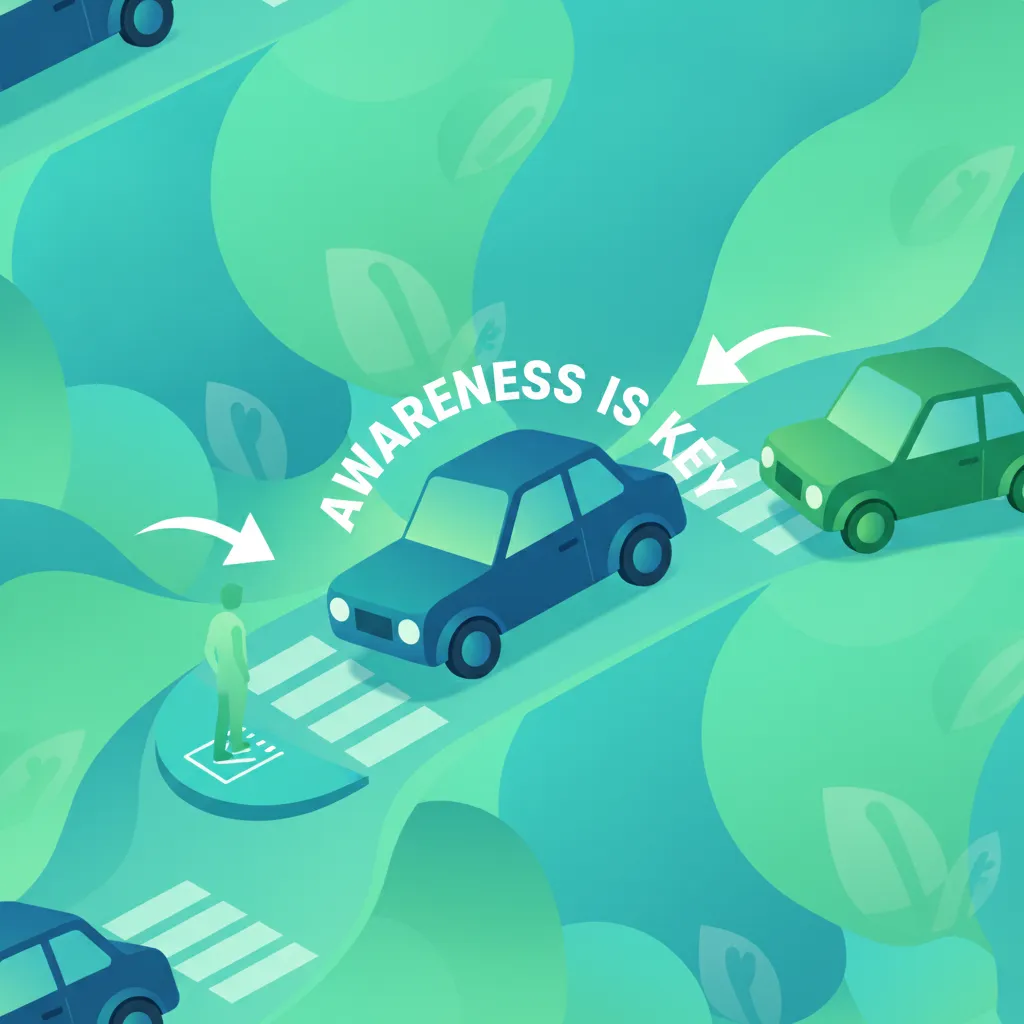
This lesson focuses on the technique of executing turns safely and smoothly in a large vehicle. It explains how to position the vehicle correctly before the turn to account for its long wheelbase and turning radius. The content emphasizes controlling speed and steering input to maintain stability and ensure passenger comfort.
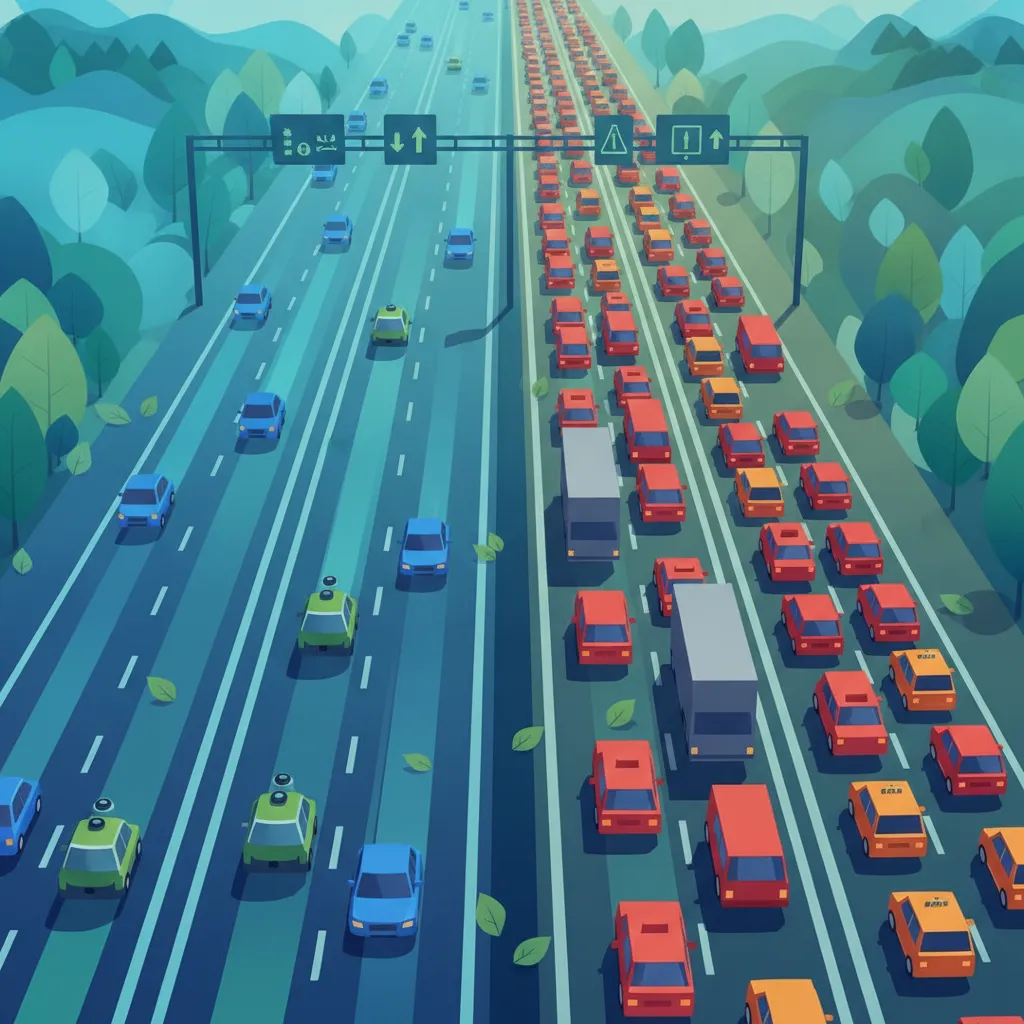
This lesson explores the significant road space occupied by a heavy goods vehicle and its effect on traffic dynamics. It discusses the importance of correct lane positioning, especially on multi-lane roads and roundabouts. Drivers will learn how their vehicle's presence impacts other road users and how to drive defensively to ensure smooth traffic flow.
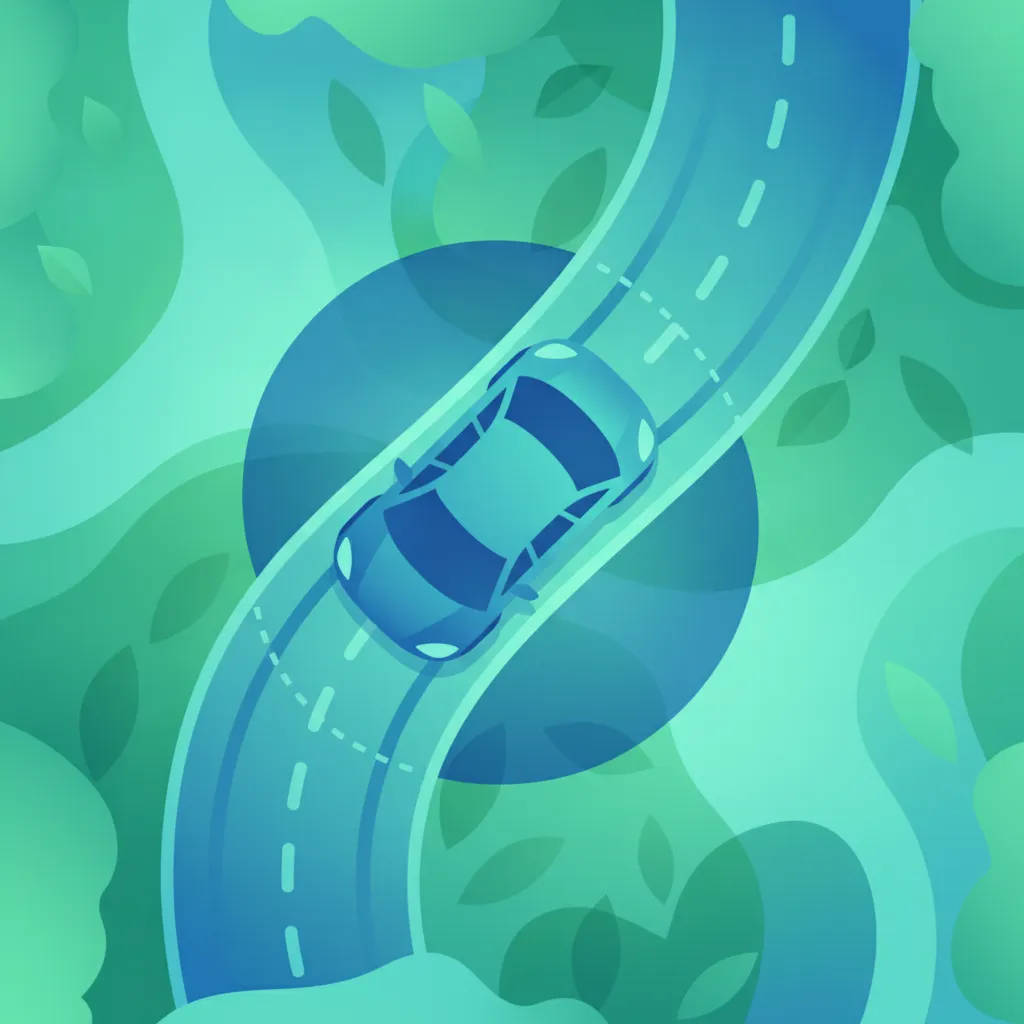
This lesson explains how the large dimensions of passenger vehicles influence their handling and maneuverability. It details the concept of turning radius and identifies the significant blind spots around the vehicle. The content emphasizes the critical importance of correct mirror adjustment to maximize visibility and reduce operational risks.

This lesson examines how to manage space when riding near heavy vehicles such as trucks and buses. It covers creating and maintaining protective space, avoiding squeeze points, and accounting for wind turbulence. Appropriate lane positioning and awareness of truck turning paths are discussed to enhance safety in these situations.

This lesson provides a structured approach to reversing, one of the highest-risk maneuvers. It covers the importance of a 360-degree check before starting, continuous observation using mirrors, and controlling speed. Specific techniques for reversing with a trailer, including steering inputs and correcting jack-knifing, are also detailed.
This lesson addresses the high-risk maneuver of reversing a large vehicle. It outlines a safe, slow, and controlled procedure using all available visual aids like mirrors and cameras. The content also covers the importance of establishing a clear safety zone around the vehicle and using a ground guide when necessary.
Learn about the legal limits for vehicle length, height, and width in Portugal, as defined by the Código da Estrada. Essential knowledge for route planning and avoiding access restrictions on roads and infrastructure.
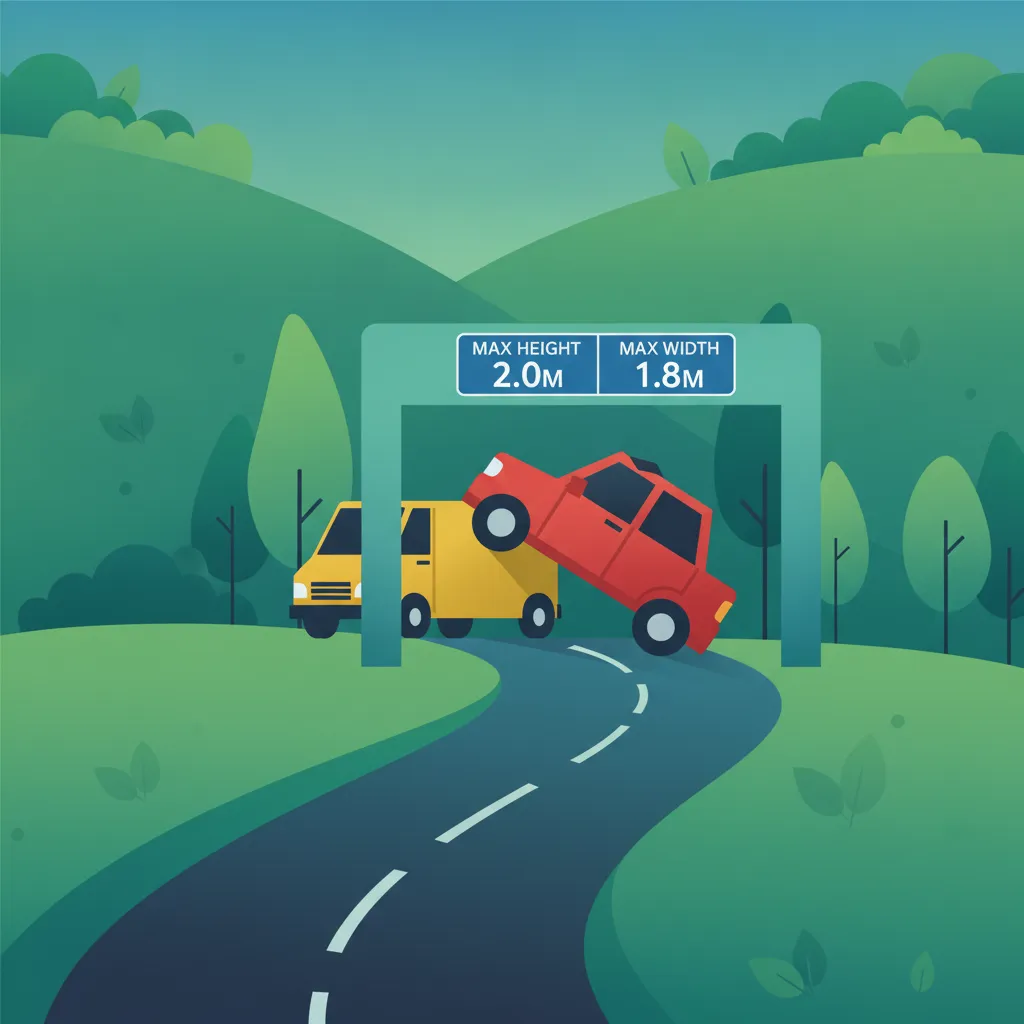
This lesson focuses on the structural and legal restrictions placed on the road network. It explains how to identify limits on bridges and in tunnels, and the consequences of ignoring them. Proper route planning based on these restrictions is a key skill for preventing accidents and infrastructure damage.
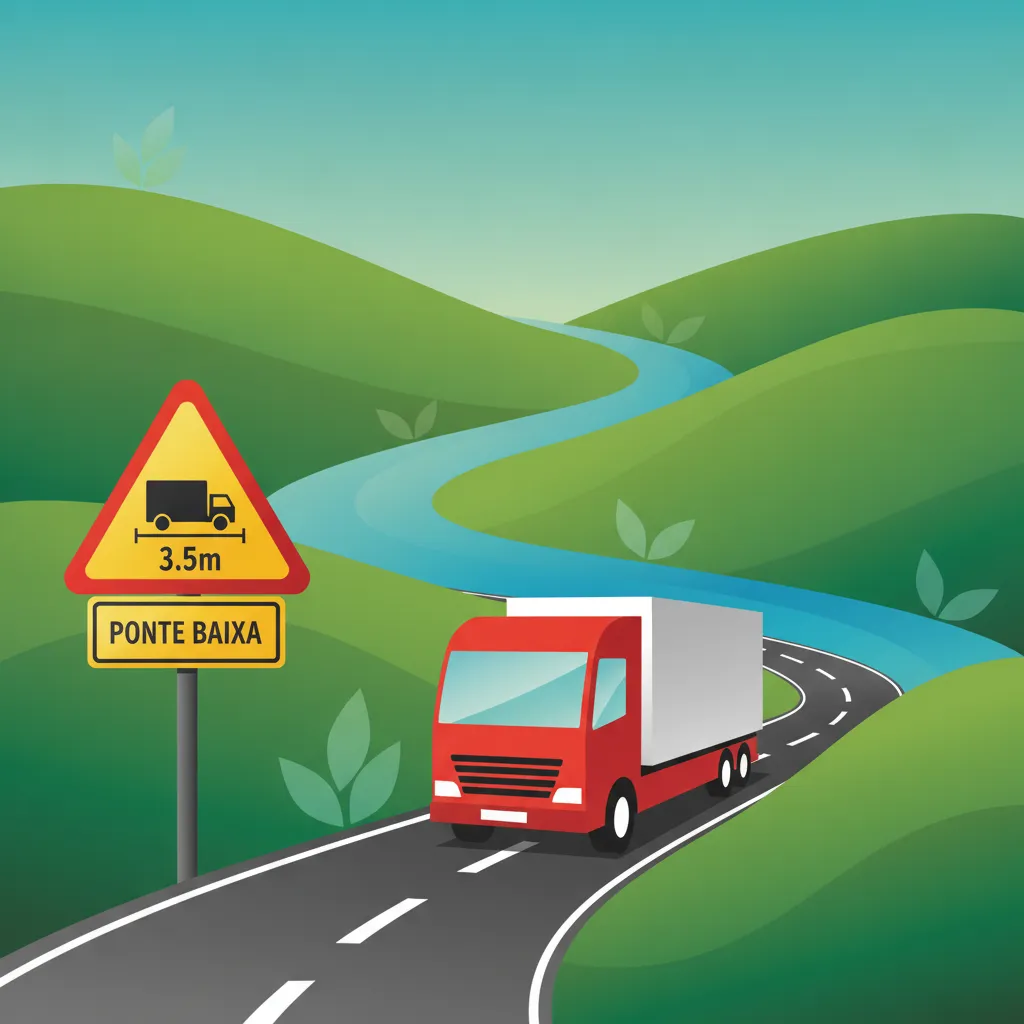
This lesson provides a comprehensive guide to the road signs that are of particular importance to HGV drivers. It covers prohibitory signs that restrict access based on vehicle weight or dimensions, as well as mandatory signs that dictate lane use or direction. Correct interpretation of these signs is essential for legal and safe operation.
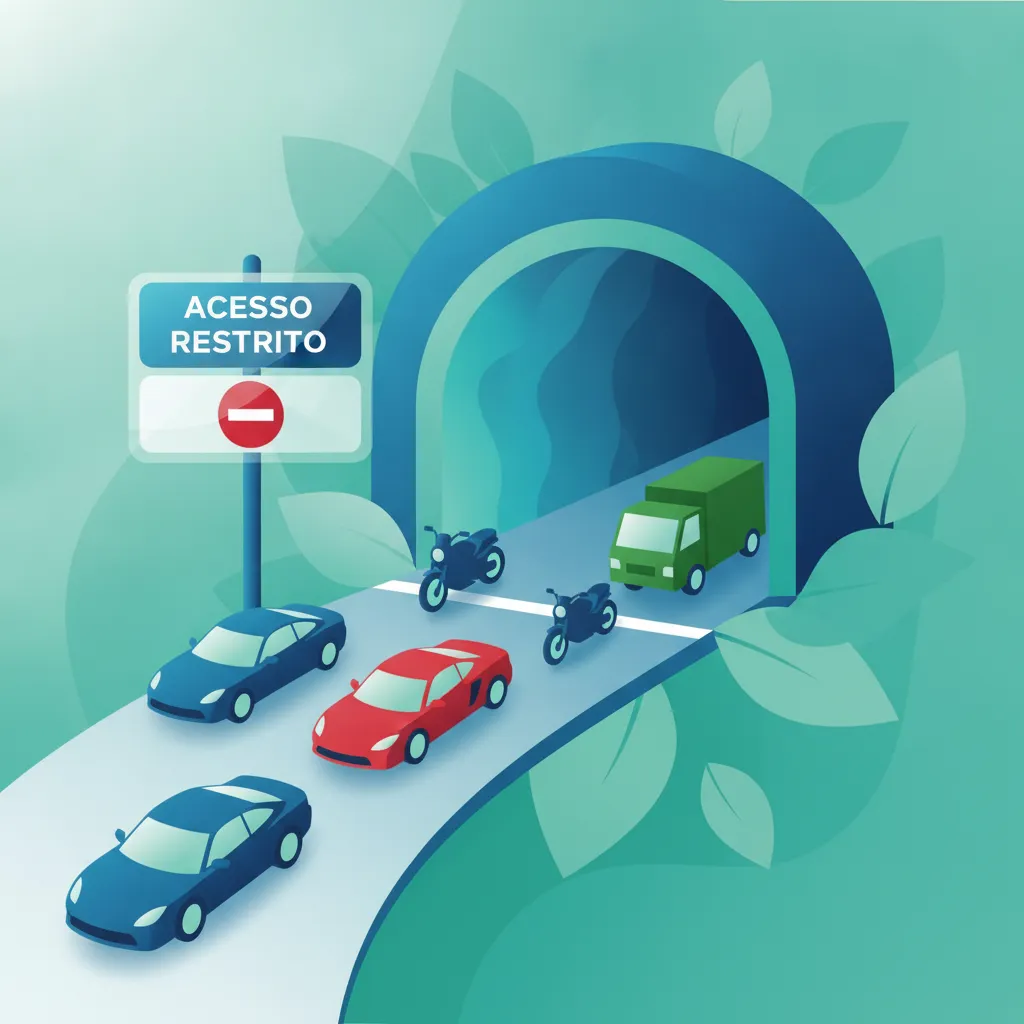
This lesson teaches drivers to recognize and adhere to access restrictions commonly found on the road network. It covers signs indicating weight, height, and width limits for structures like bridges and tunnels. Understanding these restrictions is vital for effective route planning and avoiding costly damage or fines.
This lesson provides a clear breakdown of the legal speed limits for different categories of goods vehicles in Portugal. It covers the maximum speeds permitted on motorways, dual carriageways, rural roads, and within built-up areas. Adhering to these specific limits is a fundamental aspect of safe and legal professional driving.
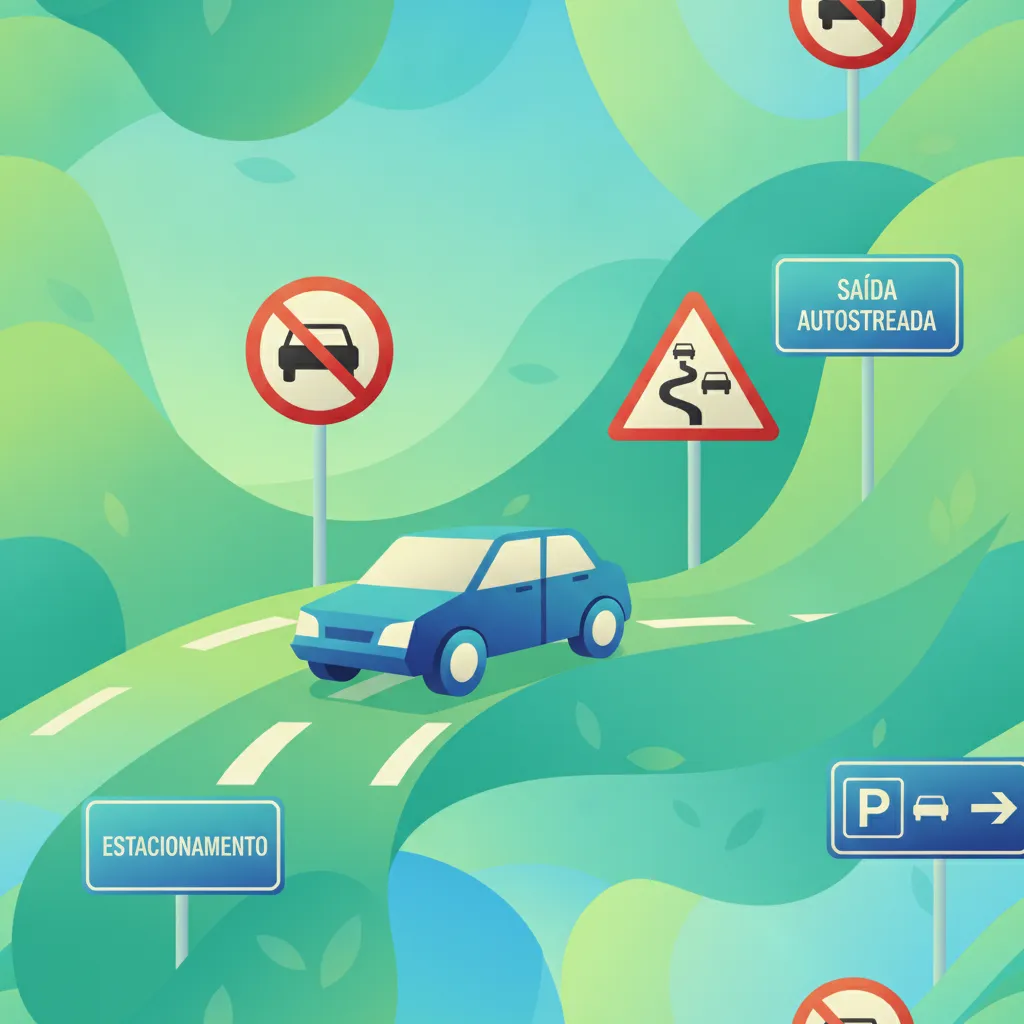
This lesson focuses on identifying and understanding road signs that directly impact passenger vehicle operation. It covers signage for bus lanes, height and weight restrictions, and prohibited movements. The content also explains the meaning of temporary signs used for diversions or roadworks that may affect planned routes.
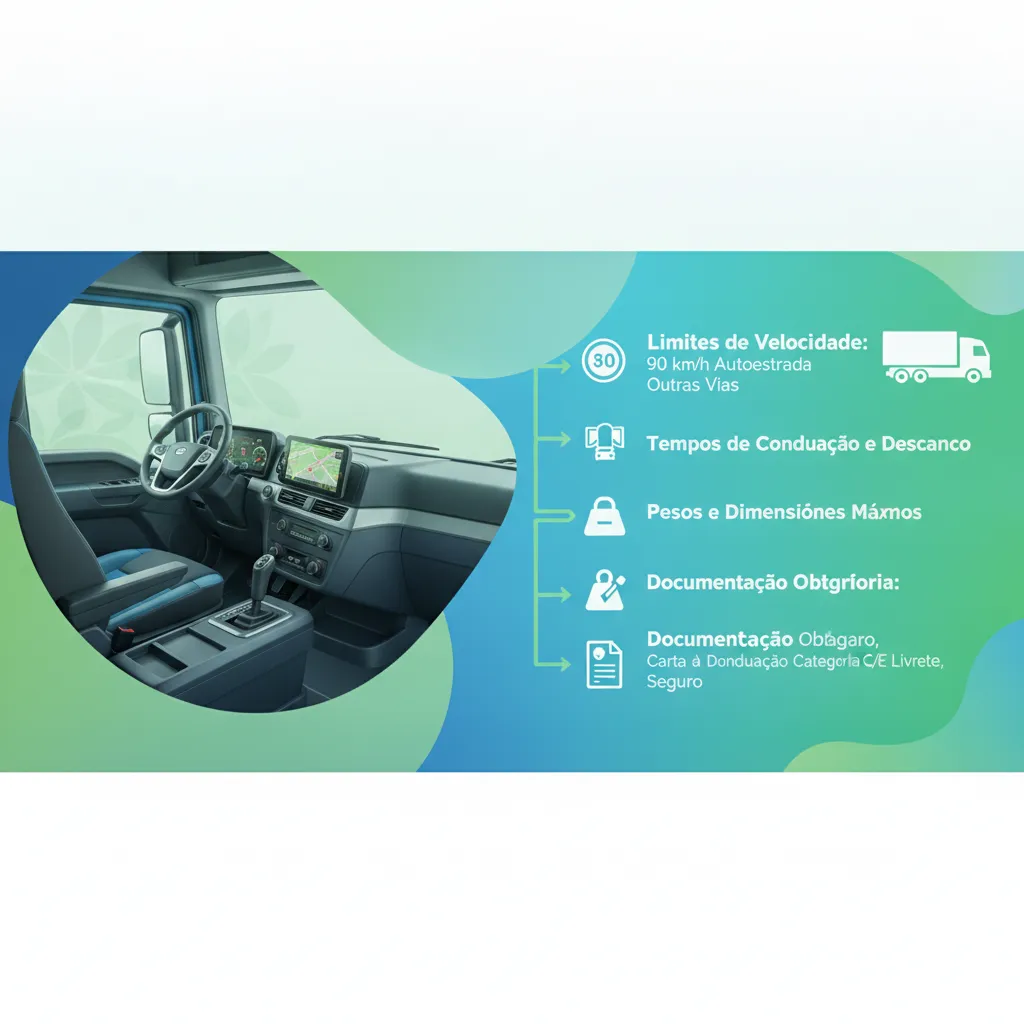
This lesson provides a detailed overview of the Portuguese legal framework governing goods vehicles. It covers key articles of the Código da Estrada relevant to vehicle classification, weight limits, and dimensions. Drivers will learn to identify their legal obligations and understand the role of enforcement authorities in ensuring road safety and compliance.
This lesson focuses on regulatory signs, which impose legal obligations and restrictions on drivers. It covers signs that indicate speed limits, prohibit entry or parking, and mandate specific directions or lane usage. Understanding these signs is essential for legal compliance and maintaining safe, orderly traffic flow on all roads.
This lesson explains the concept of road hierarchy in Portugal and clarifies which roads are accessible to Category AM vehicles. It focuses on the legal prohibitions against using motorways and expressways due to vehicle speed and power limitations. Understanding these operational constraints is crucial for legal compliance and safe route planning, avoiding dangerous traffic environments.

This lesson covers the specific rules and legal responsibilities that apply when a vehicle is in a loading or unloading zone. It details regulations regarding parking, time limits, and the driver's role in ensuring a safe environment for themselves and others during cargo handling. Compliance is key to efficient and lawful logistics operations.
This lesson focuses on regulatory signs, which impose legal obligations on road users. It details the specific meanings of key signs such as speed limits, stop, yield, and no-entry, explaining the required action for each. The content also covers signs related to parking prohibitions and mandatory direction, ensuring riders understand these direct commands and the consequences of non-compliance.
Find clear answers to common questions learners have about Dimensions: Length, Height, Width, and Turning Radius. Learn how the lesson is structured, which driving theory objectives it supports, and how it fits into the overall learning path of units and curriculum progression in Portugal. These explanations help you understand key concepts, lesson flow, and exam focused study goals.
Off-tracking occurs because the rear wheels of a long vehicle take a shorter path than the front wheels during a turn. This can cause the rear of your vehicle to swing out, potentially hitting pedestrians, cyclists, or stationary objects like bollards or traffic signs.
Always verify your vehicle's actual height, including any top-mounted equipment, against the clearance signs on your route. Never rely on guesswork; if you see a low bridge or tunnel sign, take a pre-planned alternative route to avoid collisions.
Yes, the Portuguese theory exam frequently tests your ability to interpret road signs that restrict access based on physical dimensions. You must be able to read these signs correctly and understand how your vehicle's specific height, width, and length apply.
GVM (Gross Vehicle Mass) relates to the legal weight limits your vehicle is permitted to carry, while physical dimensions concern the space the vehicle occupies. Both are critical, as some roads restrict access based on weight alone, while others restrict based on physical size like height or width.
Utilize the powerful search tool to refine your Portuguese driving theory practice. Pinpoint questions related to specific traffic laws, road signs, or complex scenarios from the Código da Estrada. Begin targeted revision now to boost your understanding and confidently approach your IMT driving exam.