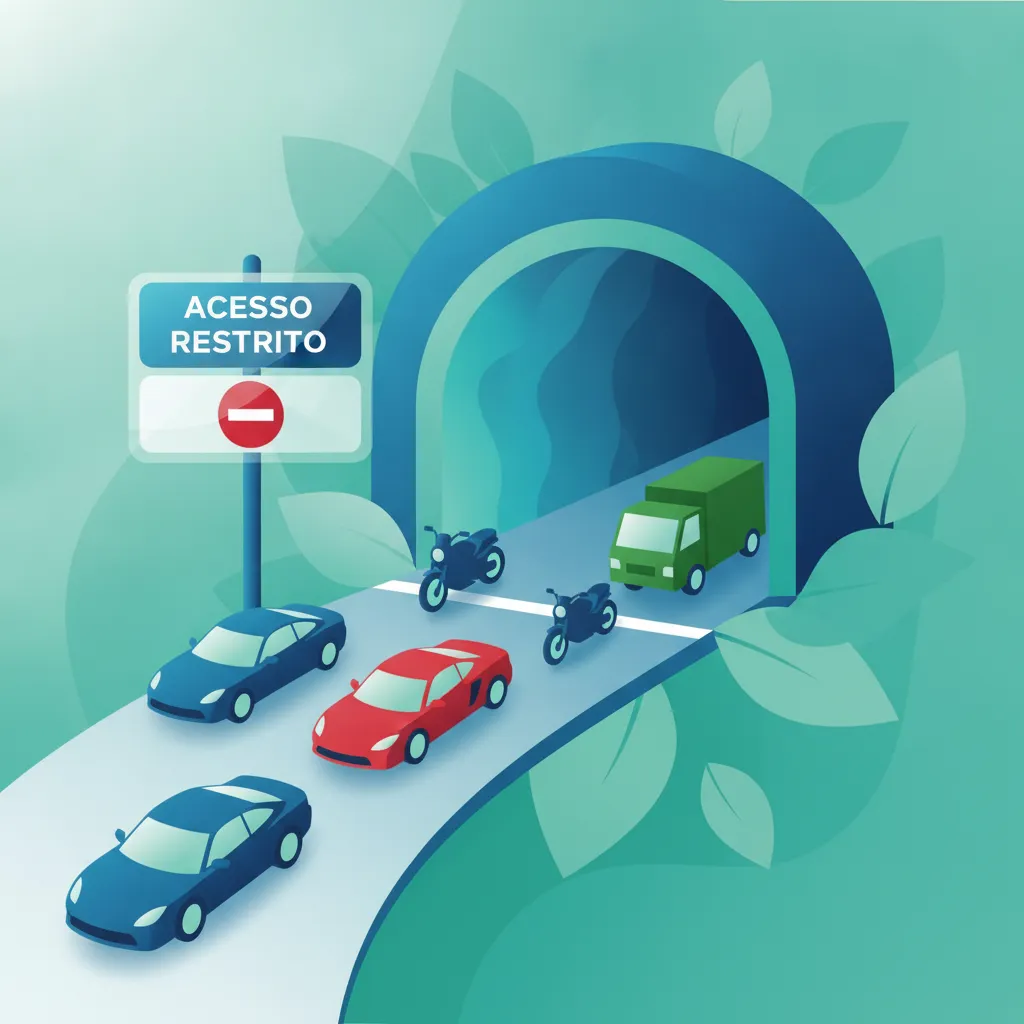
This lesson guides you through identifying road signs that restrict access for goods vehicles based on physical dimensions and weight. By mastering these critical safety rules, you will be able to plan legal, efficient routes and avoid dangerous hazards like low bridges or weight-restricted urban zones. This is a core component of your preparation for the Portuguese Category C theory exam.
Lesson content overview
Operating goods vehicles, especially those in Category C, requires a comprehensive understanding of road access restrictions. These limitations are vital for ensuring road safety, protecting valuable infrastructure like bridges and tunnels, managing urban traffic, and preserving environmental quality. This chapter delves into the specific types of access restrictions you will encounter across the road network in Portugal, providing essential knowledge for effective route planning and legal compliance.
Access restrictions are a fundamental aspect of road management, designed to regulate the movement of vehicles, particularly heavy goods vehicles (HGVs), in specific areas. These regulations protect infrastructure from damage caused by excessive weight or dimensions and mitigate issues such as congestion, noise pollution, and safety risks in sensitive zones. For professional drivers in Portugal, a clear grasp of these restrictions is not just a matter of avoiding fines but a core component of responsible and safe driving.
The underlying principles for these restrictions are rooted in the structural integrity of infrastructure, the need for safe clearance, and urban planning objectives. Bridges and tunnels have finite capacities for weight and dimensions, while urban areas often prioritize the safety of pedestrians and cyclists, alongside environmental considerations. Consequently, various signs and regulations are in place to guide drivers and enforce these limitations.
As a Category C driver, your vehicle's size and weight inherently present greater challenges than standard passenger cars. Misjudging a bridge's weight limit or a tunnel's height clearance can lead to severe consequences, including structural damage, vehicle collisions, significant delays, and substantial legal penalties under the Código da Estrada. Beyond immediate incidents, repeated violations can result in operational bans or increased scrutiny.
Effective route planning, therefore, becomes paramount. It requires drivers to not only understand their vehicle's precise dimensions and Gross Vehicle Mass (GVM) but also to anticipate and identify potential restrictions along their intended journey. This proactive approach minimizes risks, ensures compliance, and contributes to the smooth flow of traffic for all road users in Portugal.
Traffic signs are the primary means by which authorities communicate access restrictions to drivers. These signs are standardized across Europe, including Portugal, making them generally recognizable. Prohibition signs, often circular with a red border, are commonly used to indicate restrictions on vehicle dimensions or weight. Understanding these visual cues is the first step in complying with road rules.
It is crucial to correctly interpret the numerical values and symbols displayed on these signs. A number within a red circle typically indicates a maximum limit that must not be exceeded. Symbols clearly depict the aspect being restricted—for example, a truck symbol for goods vehicles, or an arrow indicating height or width. Always assume these restrictions apply unless explicitly stated otherwise, such as specific exemptions for local access.
Weight restrictions are among the most critical limitations for goods vehicle drivers, primarily enforced on bridges, viaducts, and certain road sections. These limits are imposed to protect the structural integrity of the infrastructure from damage or collapse due to excessive load. Ignoring these signs can have catastrophic consequences, both for the vehicle and public safety.
When a sign indicates a total weight limit, it refers to the Gross Vehicle Mass (GVM), also known as Maximum Authorized Mass (MAM) – the total weight of the vehicle and its load combined. Drivers must ensure their vehicle's GVM, including any trailers and their loads, does not exceed the posted limit. This requires accurate knowledge of your vehicle's unladen weight and the weight of the cargo being transported.
Beyond total weight, some restrictions specify axle load limits. These indicate the maximum weight that can be supported by a single axle, or a group of axles, on a particular road section or structure. Axle load limits are especially important for bridges, as unevenly distributed heavy loads can cause localized stress, even if the total vehicle weight is within the overall limit. Drivers must understand their vehicle's axle configurations and how their load distribution affects individual axle weights.
For Category C vehicles, careful attention to load distribution is not only a matter of vehicle stability but also a direct factor in complying with axle load restrictions. Proper loading ensures that no single axle exceeds its permitted weight, safeguarding both the road surface and the vehicle's components.
Height restrictions are absolute limits on the vertical space available for vehicles, most commonly encountered when approaching bridges, entering tunnels, or passing under overhead gantries and structures. These restrictions are critical to prevent collisions that can cause severe damage to the vehicle, the infrastructure, and potentially lead to serious accidents.
Drivers must know their vehicle's exact height, including any loaded cargo or equipment extending upwards (e.g., cranes, containers). It's crucial not to assume standard vehicle heights, as variations in load, tire pressure, and even road surface irregularities can affect the actual clearance required. Always measure your vehicle's highest point from the ground.
A common misunderstanding is to forget that a vehicle's height can change, especially with air suspension systems or dynamic loads. Always err on the side of caution. If there's any doubt about clearance, find an alternative route. Portuguese authorities strictly enforce these limits, and collisions with structures due to height violations are often highlighted for their preventable nature.
Width restrictions define the maximum permissible width for vehicles on specific roads, through narrow passages, or over certain bridge decks. These limits are particularly common in older urban areas, mountainous regions, or on roads with limited infrastructure. Exceeding a width restriction can lead to side collisions with other vehicles, fixed objects, or even restrict the flow of traffic entirely.
When assessing your vehicle's width, it is imperative to include all protruding elements. This means not only the main body of the vehicle but also side mirrors, any load extensions, or specialized equipment that extends outwards. Many drivers mistakenly overlook side mirrors, which can add significant width to an HGV.
Navigating narrow streets or structures requires extreme precision. In some cases, temporary width restrictions might be in place due to roadworks or special events. Always pay attention to all signage and adjust your driving accordingly. In Portugal, many historic town centres feature narrow streets that are unsuitable for larger goods vehicles, necessitating careful route planning.
Length restrictions limit the maximum permitted overall length of vehicles, including any trailers or articulated parts. These restrictions are typically imposed in areas where long vehicles would struggle to manoeuvre safely, such as tight urban streets, complex intersections, or specific bridge approaches with sharp turns.
For Category C drivers operating long rigid trucks or articulated lorries, length restrictions are a crucial consideration in urban settings. Exceeding the length limit can lead to vehicles becoming stuck, blocking traffic, or causing damage during turns. It also increases the risk of 'swept path' incidents, where the rear of the vehicle swings wider than anticipated, endangering pedestrians or other vehicles.
In Portugal, many city centers and older towns were not designed for modern heavy goods vehicles. Therefore, you will frequently encounter signs prohibiting vehicles over a certain length. Advanced route planning that considers vehicle length is indispensable for avoiding these restricted zones and ensuring smooth deliveries.
Beyond physical dimension limits, many urban areas in Portugal and across Europe implement Urban Access Control Zones to manage traffic flow, reduce congestion, and improve air quality. These zones restrict vehicle entry based on various criteria, including time of day, vehicle type, or emission standards.
It is common for urban centers to have time-based restrictions on goods vehicles. For instance, heavy goods vehicles might be prohibited from entering certain areas during peak hours (e.g., 7 AM to 7 PM) to alleviate congestion when passenger traffic is highest. Deliveries within these zones are then limited to specific windows, often early morning or late evening.
Some cities have Low Emission Zones (LEZ), known in Portugal as Zonas de Emissões Reduzidas (ZER), where only vehicles meeting specific emission standards are permitted entry. Older, more polluting goods vehicles may be entirely prohibited or subject to charges. Additionally, specific vehicle types, such as those exceeding a certain Gross Vehicle Mass, might be restricted regardless of their emissions, purely due to their size and potential impact on urban infrastructure and safety.
Drivers must be diligent in checking local municipal regulations and signage before entering any urban area. These restrictions can vary significantly between cities and are subject to change. Failure to comply often results in automated fines captured by camera systems.
Compliance with all access restrictions is a legal obligation for every driver in Portugal. The Código da Estrada (Road Code) outlines strict penalties for violations, which can range from monetary fines to points on your license, and even vehicle impoundment or temporary driving bans in severe cases.
Beyond legal repercussions, the safety implications are profound. Overloading a bridge risks its structural integrity, potentially leading to collapse and loss of life. Ignoring height or width limits can cause serious collisions, vehicle damage, and significant disruption to traffic. Urban access violations disrupt local communities, increase pollution, and compromise the safety of vulnerable road users like pedestrians and cyclists.
The responsible Category C driver understands that these rules are not merely bureaucratic hurdles but essential safeguards for public safety, infrastructure, and environmental protection. Proactive adherence is paramount.
Always verify local regulations for specific urban access zones (e.g., Low Emission Zones) as rules and exemptions can vary significantly by municipality in Portugal and are subject to change.
Effective route planning is the most powerful tool for goods vehicle drivers to comply with access restrictions. It involves much more than just finding the shortest path; it requires a strategic approach to navigate the road network safely and legally.
Before commencing any journey, especially with a Category C vehicle, conduct thorough pre-trip checks:
For Category C drivers, mastering the identification and adherence to access restrictions is fundamental to professional conduct and road safety. This involves a continuous process of learning, vigilance, and proactive planning.
By integrating these principles into your daily driving practice, you will not only ensure compliance with Portuguese road law but also contribute significantly to the safety and efficiency of the entire road network.
Explore all units and lessons included in this driving theory course.
Lesson content overview
Explore all units and lessons included in this driving theory course.
Explore search topics learners often look for when studying Access Restrictions: Bridges, Tunnels, and Urban Areas. These topics reflect common questions about road rules, driving situations, safety guidance, and lesson level theory preparation for learners in Portugal.
Browse additional driving theory lessons that cover connected traffic rules, road signs, and common driving situations related to this topic. Improve your understanding of how different rules interact across everyday traffic scenarios.
Learn about the critical road signs and regulations for goods vehicles concerning weight, height, and width limits. Essential knowledge for route planning and legal compliance in Portugal to avoid fines and infrastructure damage.
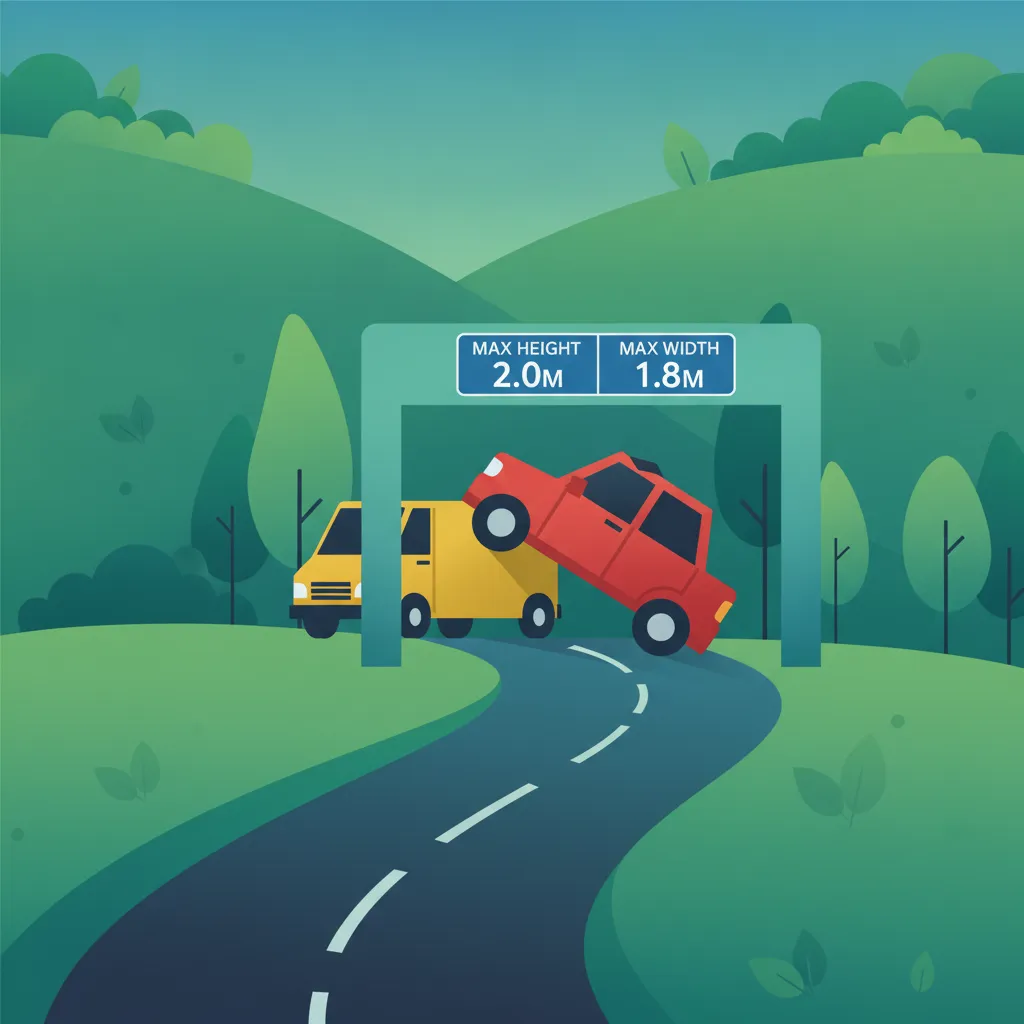
This lesson focuses on the structural and legal restrictions placed on the road network. It explains how to identify limits on bridges and in tunnels, and the consequences of ignoring them. Proper route planning based on these restrictions is a key skill for preventing accidents and infrastructure damage.
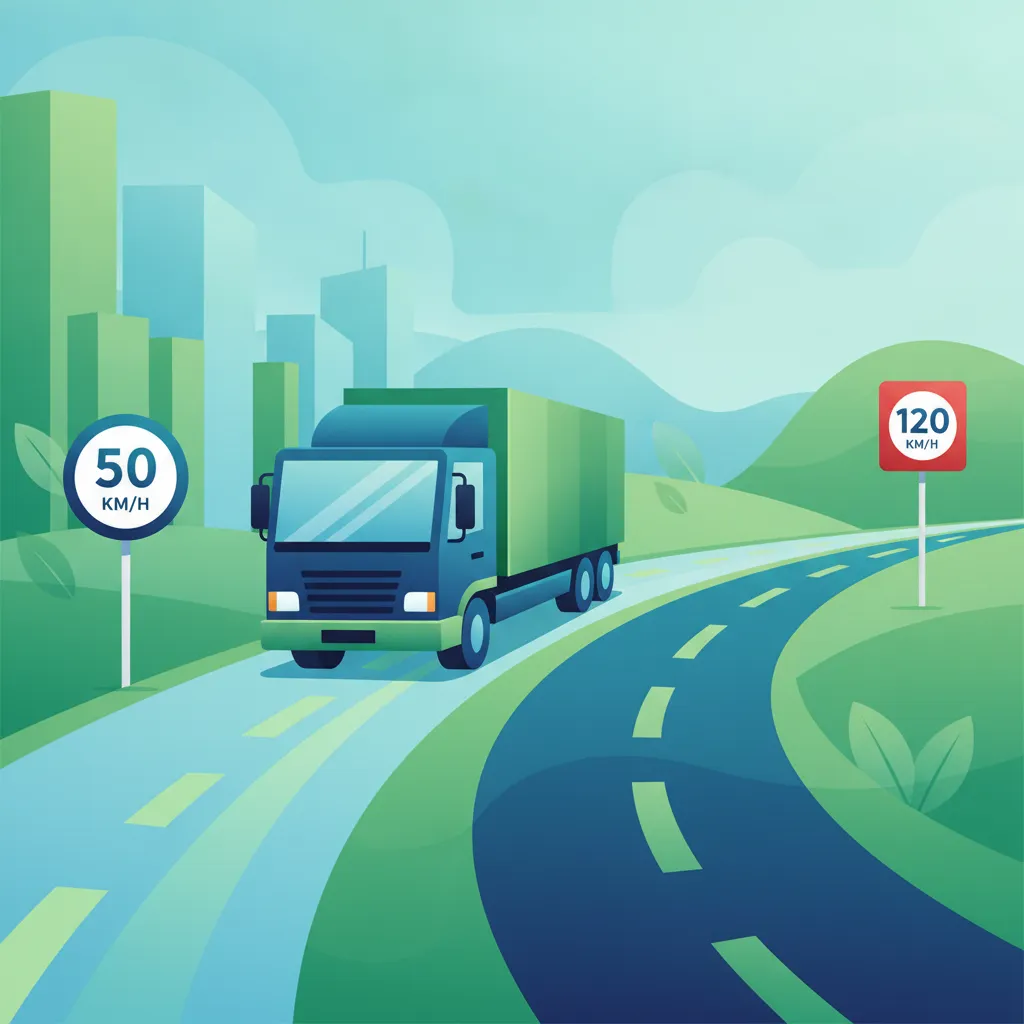
This lesson provides a clear breakdown of the legal speed limits for different categories of goods vehicles in Portugal. It covers the maximum speeds permitted on motorways, dual carriageways, rural roads, and within built-up areas. Adhering to these specific limits is a fundamental aspect of safe and legal professional driving.
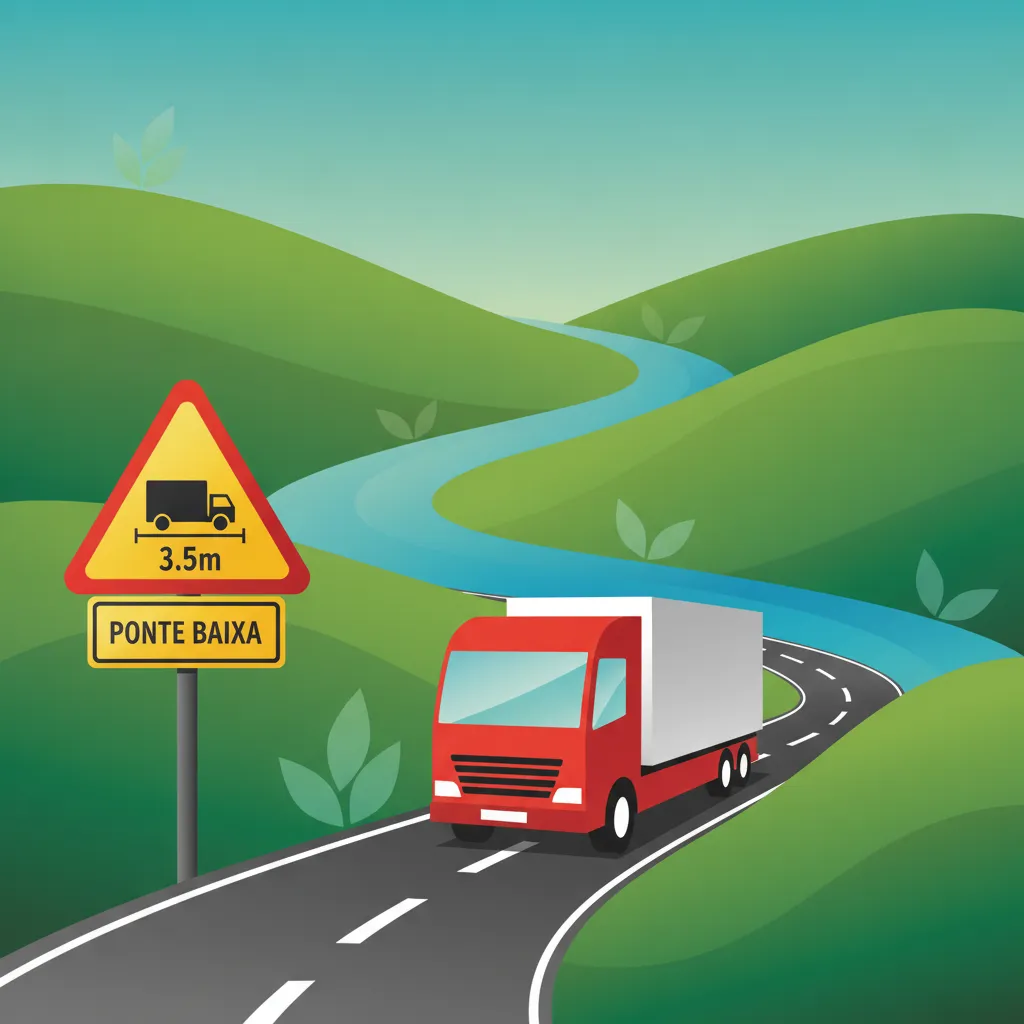
This lesson provides a comprehensive guide to the road signs that are of particular importance to HGV drivers. It covers prohibitory signs that restrict access based on vehicle weight or dimensions, as well as mandatory signs that dictate lane use or direction. Correct interpretation of these signs is essential for legal and safe operation.
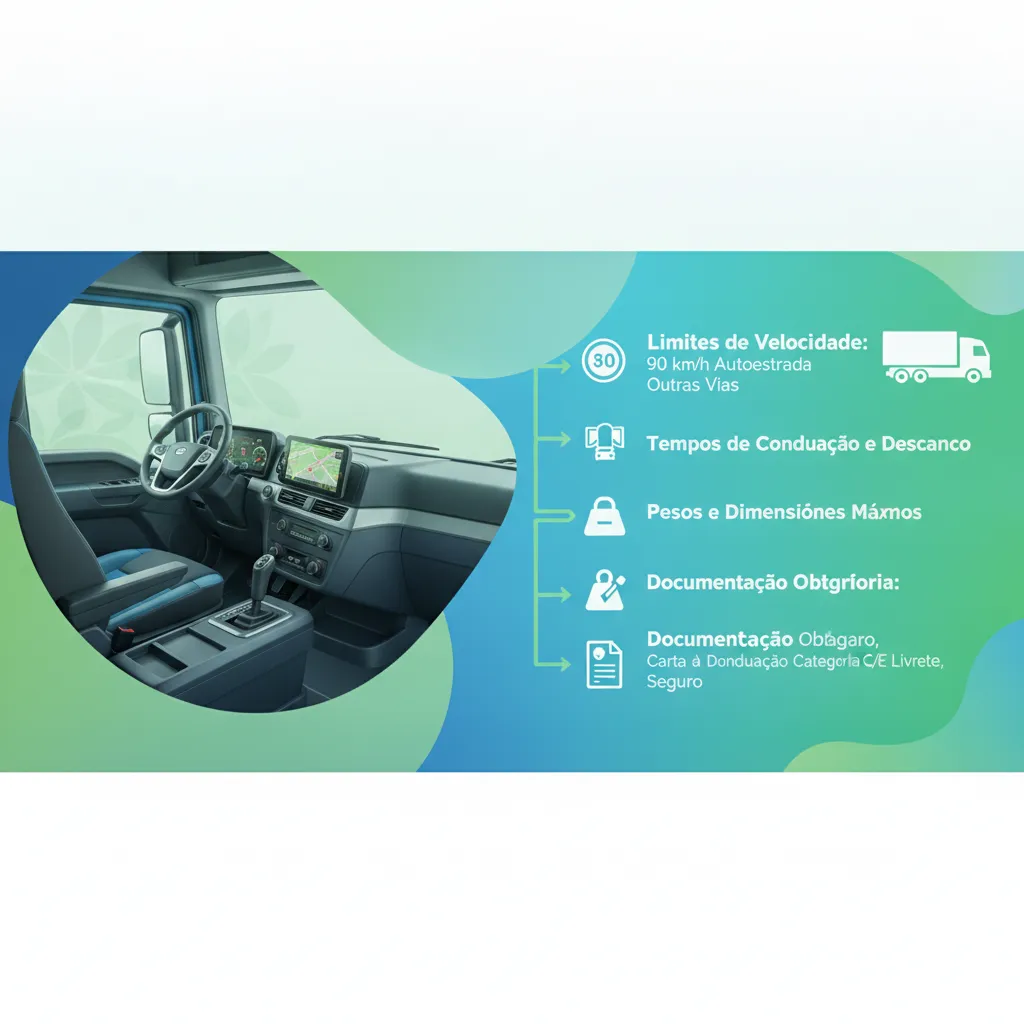
This lesson provides a detailed overview of the Portuguese legal framework governing goods vehicles. It covers key articles of the Código da Estrada relevant to vehicle classification, weight limits, and dimensions. Drivers will learn to identify their legal obligations and understand the role of enforcement authorities in ensuring road safety and compliance.
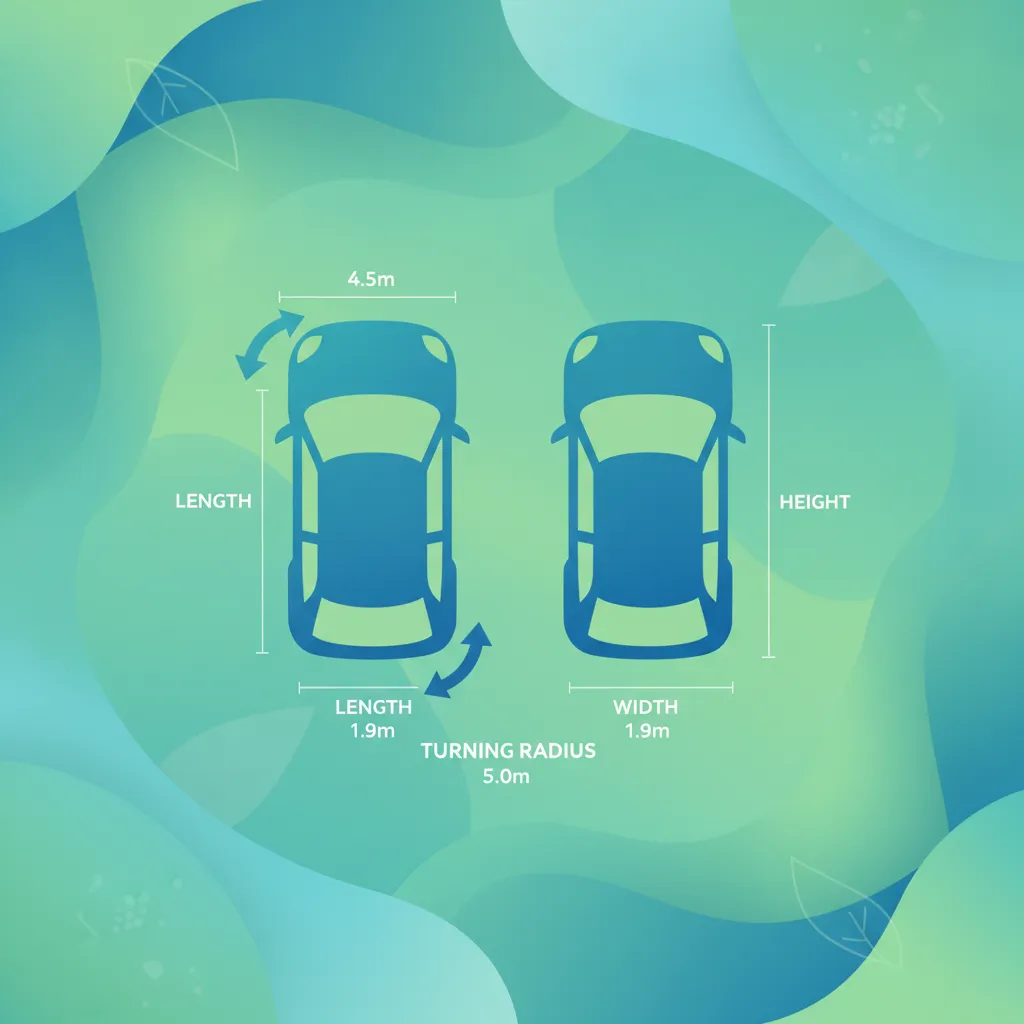
This lesson focuses on the physical dimensions of goods vehicles and their direct impact on driving. It covers legal limits for length, height, and width, and explains dynamic concepts like turning radius and off-tracking. A thorough understanding of these dimensions is essential for navigating urban areas and avoiding collisions.

This lesson covers the specific rules and legal responsibilities that apply when a vehicle is in a loading or unloading zone. It details regulations regarding parking, time limits, and the driver's role in ensuring a safe environment for themselves and others during cargo handling. Compliance is key to efficient and lawful logistics operations.

This lesson focuses on the critical importance of distributing weight correctly across the vehicle's axles. It explains how improper loading can negatively affect vehicle stability, handling, and braking effectiveness. Learners will understand how to comply with legal axle load limits to ensure safety and prevent excessive wear on the vehicle and roads.

This lesson details the critical documentation that must be carried in a goods vehicle at all times. It explains the purpose of the vehicle registration, technical inspection certificate, insurance, and cargo-specific documents like the CMR. Proper documentation is essential for regulatory compliance and avoiding fines during roadside inspections.
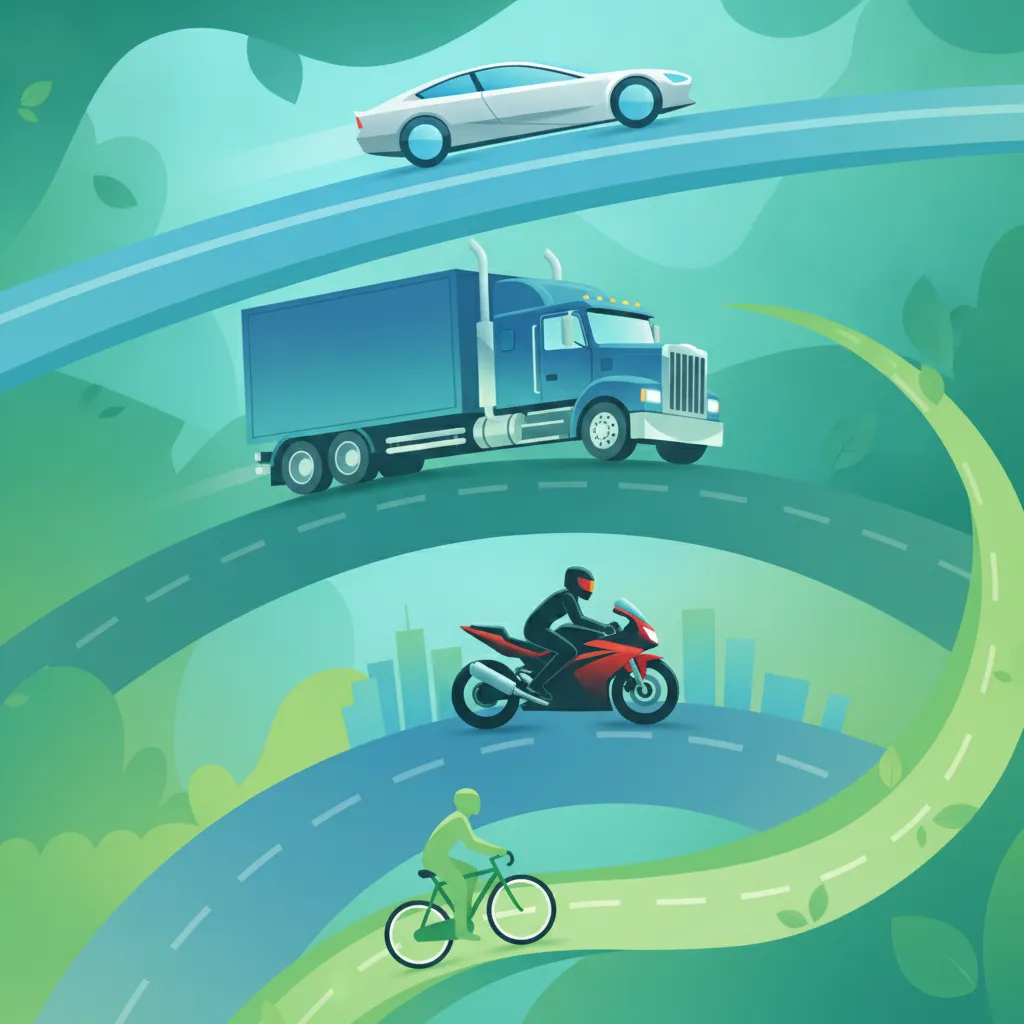
This lesson explains the concept of road hierarchy in Portugal and clarifies which roads are accessible to Category AM vehicles. It focuses on the legal prohibitions against using motorways and expressways due to vehicle speed and power limitations. Understanding these operational constraints is crucial for legal compliance and safe route planning, avoiding dangerous traffic environments.

This lesson provides a comprehensive checklist of all the documentation a professional driver must have available for inspection. It covers the driver's own licence and qualification cards, the vehicle's legal documents, and the paperwork related to the specific load being transported. Having all documents in order is vital for smooth and legal transit.
Understand the specific rules for entering Portuguese urban areas, including Low Emission Zones (LEZ) and time-based restrictions for heavy goods vehicles. Essential for legal compliance and smooth logistics in city environments.
This lesson covers the specific rules and legal responsibilities that apply when a vehicle is in a loading or unloading zone. It details regulations regarding parking, time limits, and the driver's role in ensuring a safe environment for themselves and others during cargo handling. Compliance is key to efficient and lawful logistics operations.
This lesson focuses on the structural and legal restrictions placed on the road network. It explains how to identify limits on bridges and in tunnels, and the consequences of ignoring them. Proper route planning based on these restrictions is a key skill for preventing accidents and infrastructure damage.
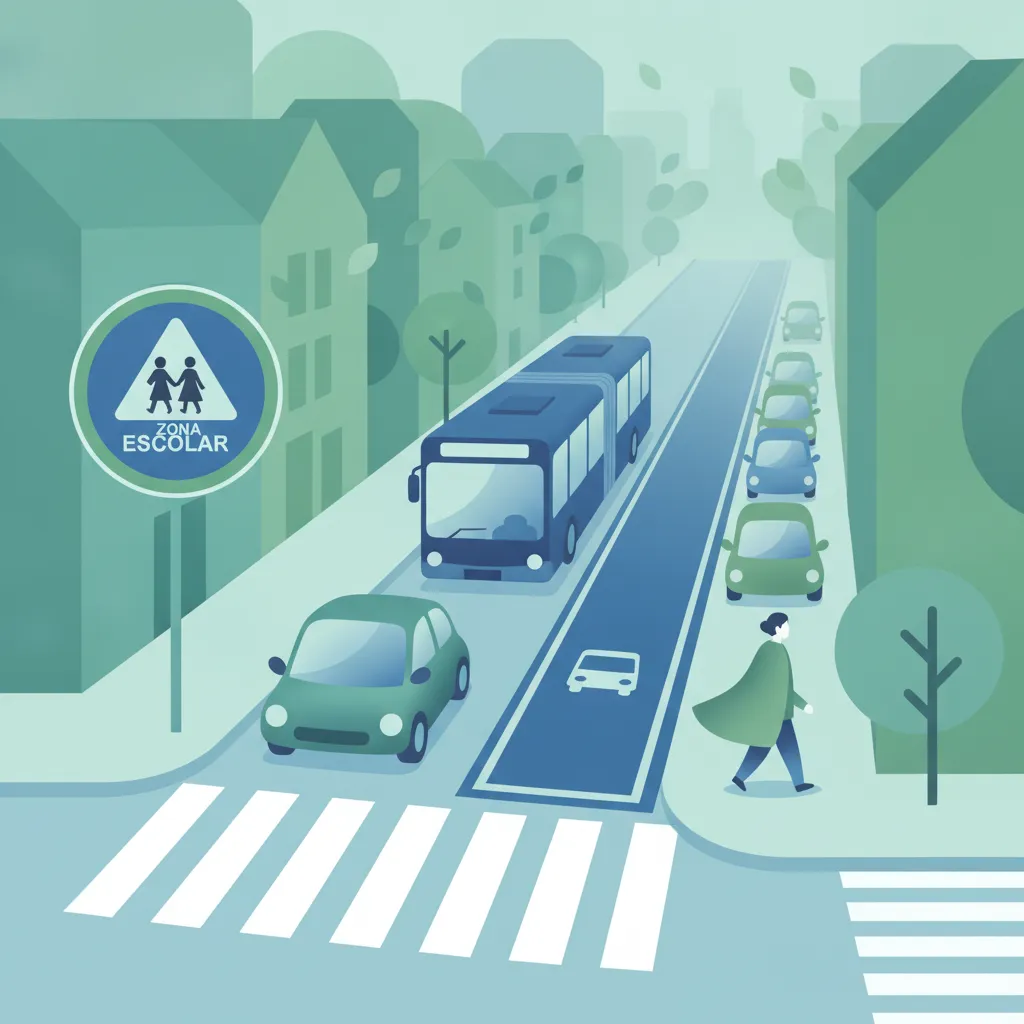
This lesson focuses on special zones within urban environments, such as school areas, bus lanes, and residential streets, where specific traffic rules apply. It covers reduced speed limits, restricted lane usage, and heightened pedestrian activity. Riders learn to recognize these zones and adjust their riding behavior to ensure safety for themselves and others.
This lesson explains the regulations governing the use of dedicated bus lanes, including operational hours and priority rules at junctions. It clarifies which other vehicles may use these lanes and under what circumstances. The content also discusses traffic signal priority systems and the legal implications of improper bus lane usage.
This lesson provides a clear breakdown of the legal speed limits for different categories of goods vehicles in Portugal. It covers the maximum speeds permitted on motorways, dual carriageways, rural roads, and within built-up areas. Adhering to these specific limits is a fundamental aspect of safe and legal professional driving.
Find clear answers to common questions learners have about Access Restrictions: Bridges, Tunnels, and Urban Areas. Learn how the lesson is structured, which driving theory objectives it supports, and how it fits into the overall learning path of units and curriculum progression in Portugal. These explanations help you understand key concepts, lesson flow, and exam focused study goals.
Always prioritize physical road signs over navigation systems. In the Portuguese theory exam, you must demonstrate that traffic signs and regulations take precedence; if a sign indicates a weight or height restriction, you must follow the sign regardless of your GPS route.
Both are regulated by mandatory signs. While the principle is the same, tunnels often have specific ventilation and fire safety requirements that make these restrictions strictly enforced to protect the infrastructure and public safety.
Access restrictions based on mass usually refer to the Maximum Authorized Mass (MAM) of the vehicle, not your current load. Always check your vehicle documentation to ensure you comply with the limits displayed on road signs.
Weight restrictions are mandatory. Unless there is an supplementary plate specifically authorizing local access or a specific permit, you must obey the restriction. Always plan your route to ensure loading zones are accessible within the legal limits.
Utilize the powerful search tool to refine your Portuguese driving theory practice. Pinpoint questions related to specific traffic laws, road signs, or complex scenarios from the Código da Estrada. Begin targeted revision now to boost your understanding and confidently approach your IMT driving exam.