
This lesson explores the essential road restrictions related to vehicle size and weight for Category C drivers in Portugal. Understanding these limits is critical for safe navigation and ensures you avoid infrastructure damage, forming a core part of your professional driving preparation.
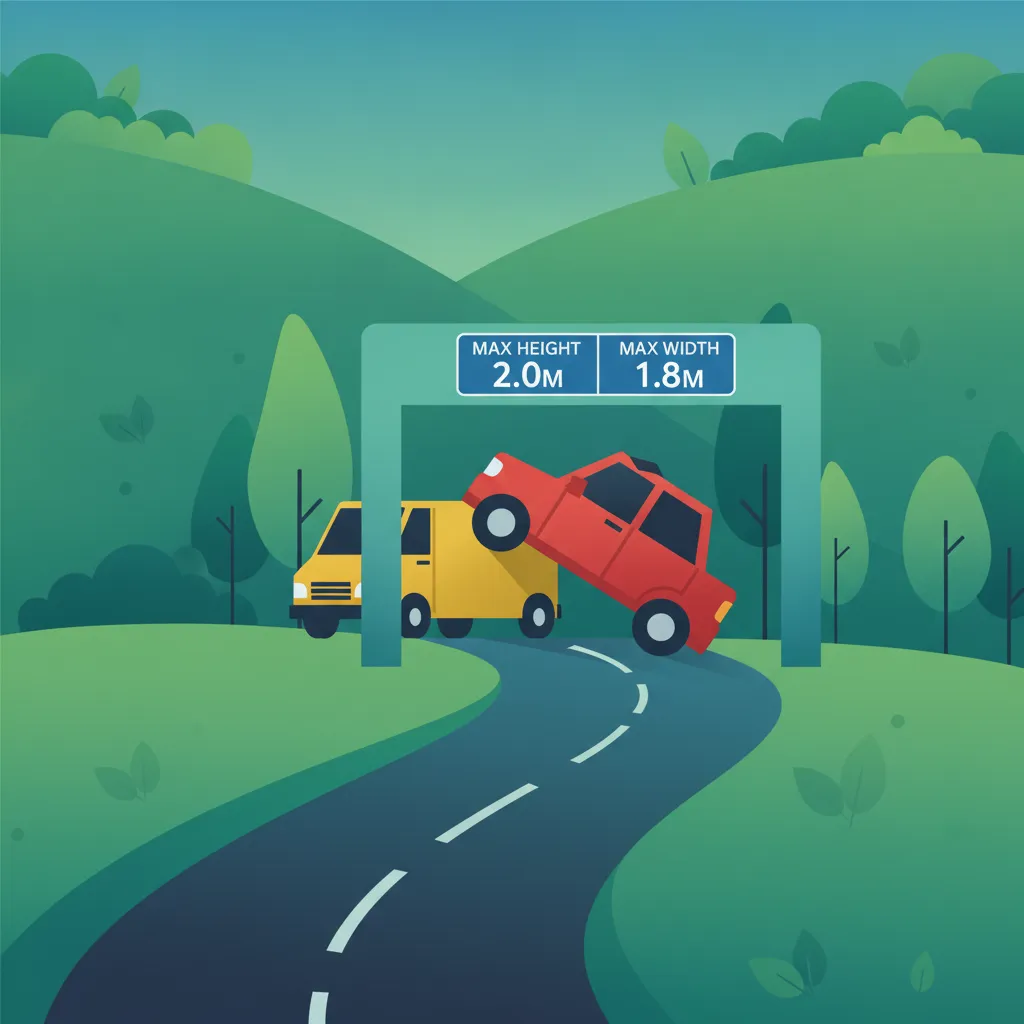
Lesson content overview
Driving a goods vehicle, especially in Category C, requires a comprehensive understanding of more than just basic traffic rules. Professional drivers must be acutely aware of their vehicle's dimensions and weight in relation to the infrastructure they navigate. Road restrictions concerning weight, height, and width are not mere suggestions; they are critical legal and safety mandates designed to protect infrastructure, ensure the safety of all road users, and prevent catastrophic accidents.
This lesson delves into the intricate world of structural and legal limitations placed on the Portuguese road network. It explains how to correctly identify and interpret these limits on bridges, in tunnels, and across various road sections. Furthermore, it highlights the severe consequences of non-compliance and underscores the importance of meticulous route planning to prevent infrastructure damage and ensure your safety and the safety of others.
For professional goods vehicle drivers in Portugal, a profound grasp of vehicle dimensions—such as Gross Vehicle Weight (GVW), axle load, overall length, width, and height—is foundational. These dimensions directly influence which roads and structures a vehicle can safely use. Ignoring these fundamental concepts can lead to significant hazards, including structural collapse, vehicle damage, and severe legal penalties.
The structural integrity of roads, bridges, and tunnels is engineered to withstand specific forces and clearances. When a goods vehicle, by virtue of its weight or dimensions, exceeds these established limits, it places undue stress on the infrastructure. This stress can lead to accelerated wear and tear, structural fatigue, or even immediate failure. For drivers, this translates to the risk of involvement in serious accidents, which can have devastating human and financial costs. Adhering to restrictions is thus a cornerstone of professional responsibility and road safety.
Road restrictions are rooted in both engineering principles and legal frameworks. From an engineering perspective, bridges have maximum load capacities, tunnels have minimum clearance heights, and roads have specific widths to accommodate traffic safely. Legal limits are then imposed through the Código da Estrada (Road Code) to enforce these engineering constraints. These laws ensure the longevity of public infrastructure, minimize the risk of accidents, and protect all road users, including pedestrians and cyclists, from potential hazards caused by oversized or overweight vehicles. This topic directly builds upon the knowledge of vehicle dimensions (Lesson 2), cargo management (Lesson 3), and professional conduct (Lesson 1).
Three primary types of restrictions dictate the movement of goods vehicles: weight, height, and width. Each addresses a distinct aspect of vehicle interaction with the road environment.
The structural load capacity defines the maximum weight a specific bridge, viaduct, or section of road can safely bear. This limit is crucial for preventing structural failure, collapse, or excessive deformation of the infrastructure. Goods vehicle drivers must always verify that their vehicle’s Gross Vehicle Weight (GVW), and sometimes even individual axle loads, do not exceed the posted limits. Overloading a structure can cause immediate damage or contribute to its long-term degradation, potentially leading to future collapse.
Vertical clearance refers to the minimum distance between the road surface and any overhead obstacle, such as a bridge, tunnel roof, gantry, or even overhead power lines. The primary purpose of these limits is to prevent vehicles from colliding with overhead structures. Such collisions can cause extensive damage to the vehicle, severe injury, and significant disruption and damage to the infrastructure itself. Drivers must scrupulously check their vehicle's total height, including any cargo, against posted clearance signs before proceeding.
Horizontal clearance, often related to lane width, is the minimum distance between the edges of a lane or roadway and fixed objects like walls, barriers, or medians. For goods vehicles, which are significantly wider than passenger cars, adequate horizontal clearance is essential for safe passage without making contact with side structures or encroaching into adjacent lanes. Drivers must assess their overall vehicle width, including mirrors and any load protrusions, against the available space, particularly on narrow bridges, in tunnels, or on winding roads.
Understanding the general principles is only the first step. Goods vehicle drivers must recognize specific signage and apply precise measurements to ensure compliance.
Bridges are often the most sensitive structures to vehicle weight. Signs indicating maximum permissible weight are commonly found at their approaches.
Goods vehicle drivers will encounter different types of weight restriction signs:
This sign indicates a general gross vehicle weight (GVW) limit. If your vehicle or combination of vehicles (tractor + trailer) has a total weight exceeding this limit, you must not proceed.
In addition to overall GVW, some signs may specify axle load limits. This is particularly relevant for heavy vehicles, as weight distribution across axles can be critical for the structural integrity of certain bridges or road segments.
The GVW is the total weight of the vehicle, including its chassis, engine, fuel, driver, passengers, and, crucially, its entire cargo. For combinations of vehicles, this includes the sum of the weights of all connected units. Axle load refers to the total weight exerted on the road by all wheels connected to a single axle. Before embarking on a journey, and especially before crossing a restricted bridge, drivers must know their current GVW and ensure their load is distributed correctly to stay within individual axle limits. This requires careful pre-trip checks and often involves using weighbridges.
Ignoring bridge weight limits carries severe consequences. At best, it can lead to hefty fines and points on your driving record. At worst, it can cause immediate structural damage to the bridge, potentially leading to its collapse, with catastrophic implications for the driver, vehicle, and other road users. Drivers found liable for such damage may face criminal charges and significant financial penalties for repairs.
Tunnels, underpasses, and low-clearance bridges are common obstacles for tall goods vehicles.
Signs indicating height restrictions are universally critical:
This sign clearly displays the maximum permissible height. It is typically placed well in advance of the obstacle to allow drivers ample time to take an alternative route. Always assume the posted height is the absolute maximum, and factor in a safety margin.
It is a non-negotiable professional duty to know your vehicle’s total height, including its cargo. This measurement must be taken with the vehicle in its loaded state, as suspension compression or specific cargo configurations can affect the overall height. Never assume; always measure or confirm from vehicle specifications and load manifests. A common misunderstanding is to forget that the load itself adds to the overall height; even minor protrusions can make a difference.
Driving an over-height vehicle into a tunnel or underpass will inevitably result in a collision. Such incidents can sheer off vehicle parts, damage the cargo, or even bring down sections of the tunnel structure. The damage can be severe, leading to lengthy road closures, significant repair costs, and legal charges against the driver for negligence and property damage. Emergency services will be deployed, causing widespread traffic disruption and highlighting the gravity of such a mistake.
While less common than weight or height restrictions, width limitations are equally important for safe passage, particularly for goods vehicles.
Some roads, especially older bridges, urban streets, or sections under construction, may have narrower lanes than typically found on motorways. Goods vehicle drivers must be aware of their vehicle's maximum width, including extended mirrors and any cargo protrusions, and assess if it can safely fit within the lane without scraping side barriers, walls, or encroaching into adjacent lanes. On multi-lane roads, choosing the widest available lane, usually the rightmost, is often the safest practice.
Urban areas, historic centers, and some rural routes are notorious for narrow passages, tight turns, and limited horizontal clearances. Drivers of goods vehicles must exercise extreme caution, reduce speed, and be prepared to take an alternative route if a passage appears too narrow. Incorrect judgment can lead to collisions with fixed objects, other vehicles, or even pedestrians. Proper lane positioning and awareness of all vehicle dimensions are paramount.
The way cargo is loaded significantly impacts a vehicle's overall dimensions and, consequently, its ability to comply with restrictions.
The load height is the vertical distance from the road surface to the highest point of the cargo. Any part of the cargo extending beyond the vehicle’s standard dimensions is considered a protrusion. The Código da Estrada specifies limits on how far cargo can protrude from the front, rear, and sides of a vehicle without special permits and markings. Exceeding these limits without proper authorization is illegal and highly dangerous.
Transporting oversized loads (those exceeding standard legal dimensions) requires a special permit for oversized load. These permits are issued by relevant authorities in Portugal (e.g., Instituto da Mobilidade e dos Transportes - IMT) and often specify particular routes, escort requirements, and time restrictions. Drivers must ensure such permits are obtained and correctly displayed, and all associated conditions are met. Ignoring these rules is a serious offense that can lead to immediate cessation of transit, heavy fines, and impoundment of the vehicle and cargo.
Violating weight, height, or width restrictions carries serious legal ramifications under Portuguese law. Ignorance is not an excuse, and professional drivers are held to a higher standard of due diligence.
If a driver inadvertently misses a restriction sign and realizes they are in a situation where proceeding would cause damage or danger (e.g., too late to turn back from a tunnel entrance), their immediate obligation is to stop safely. They must then report the situation to the authorities (GNR/PSP or civil protection, depending on the context). Attempting to force passage or reversing unsafely can escalate the danger and worsen the legal consequences.
Penalties for non-compliance are severe and can include:
Effective route planning is the most crucial preventative measure against encountering unforeseen restrictions. For Category C drivers, this is an essential skill.
Before even starting the engine, drivers must:
Know Your Vehicle and Load: Accurately measure your vehicle's current height, width, length, GVW, and axle loads, especially after loading.
Consult Maps and Route Planners: Utilize specialized navigation systems and maps designed for goods vehicles, which often include data on height, weight, and width restrictions. Traditional GPS may not be suitable.
Check for Local Ordinances: Some municipalities or specific zones might have additional, temporary, or permanent restrictions not always visible on standard maps (e.g., access restrictions in historic centers).
Identify Alternative Routes: Always have a contingency plan. If a planned route includes a known restriction that your vehicle cannot clear, an alternative must be pre-determined.
Modern navigation systems for goods vehicles integrate databases of road restrictions, allowing drivers to input their vehicle's dimensions and weight. These systems then calculate routes that avoid prohibited areas. However, these tools are not infallible; drivers must still remain vigilant and observe all physical road signage.
Road restrictions can be temporary due to roadworks, special events, or emergency situations. These are often indicated by temporary signs, which must be given the same priority as permanent ones. Drivers must constantly be aware of signage updates and be prepared to adapt their route accordingly. Ignoring temporary restrictions can be just as dangerous and carry the same penalties.
Environmental factors and the state of your vehicle can significantly impact how you perceive and react to road restrictions.
Heavy rain, fog, snow, or even bright sunlight can reduce the visibility of road signs. In such conditions, drivers must reduce speed, increase their vigilance, and rely more heavily on pre-planned routes. At night, ensure your vehicle's lighting is optimal and pay close attention to illuminated signs. A lack of clear visibility means a reduction in reaction time, making it even more critical to identify restrictions far in advance.
Restrictions can vary significantly between different road types:
The exact height and weight of your goods vehicle can change with its load. A heavily loaded vehicle may have its suspension compressed, altering its effective height, or the center of gravity may be significantly higher, impacting stability and clearance. It is imperative to re-measure or confirm dimensions whenever the load configuration changes. Always factor in these dynamic changes into your assessment of compliance.
Successfully navigating the Portuguese road network as a goods vehicle driver hinges on a proactive approach to understanding and adhering to weight, height, and width restrictions. This involves more than just knowing the rules; it demands meticulous pre-trip planning, accurate measurement of your vehicle and load, constant vigilance for road signage, and the readiness to adapt your route.
By consistently identifying all posted weight, height, and width restrictions, calculating your vehicle's true dimensions, verifying compliance at every stage of your journey, and understanding the severe legal obligations and penalties for non-compliance, you not only ensure your own safety but also contribute to the preservation of Portugal's vital infrastructure and the overall safety of its roads. Prioritize caution and informed decision-making over speed or convenience, especially when conditional variations like weather or temporary construction signs are present.
Explore all units and lessons included in this driving theory course.
Lesson content overview
Explore all units and lessons included in this driving theory course.
Explore search topics learners often look for when studying Weight, Height, and Width Restrictions on Roads. These topics reflect common questions about road rules, driving situations, safety guidance, and lesson level theory preparation for learners in Portugal.
Browse additional driving theory lessons that cover connected traffic rules, road signs, and common driving situations related to this topic. Improve your understanding of how different rules interact across everyday traffic scenarios.
Learn essential route planning strategies for heavy goods vehicles in Portugal. Understand how to avoid weight, height, and width restrictions to ensure safe and compliant journeys, covering navigation tools and legal obligations.
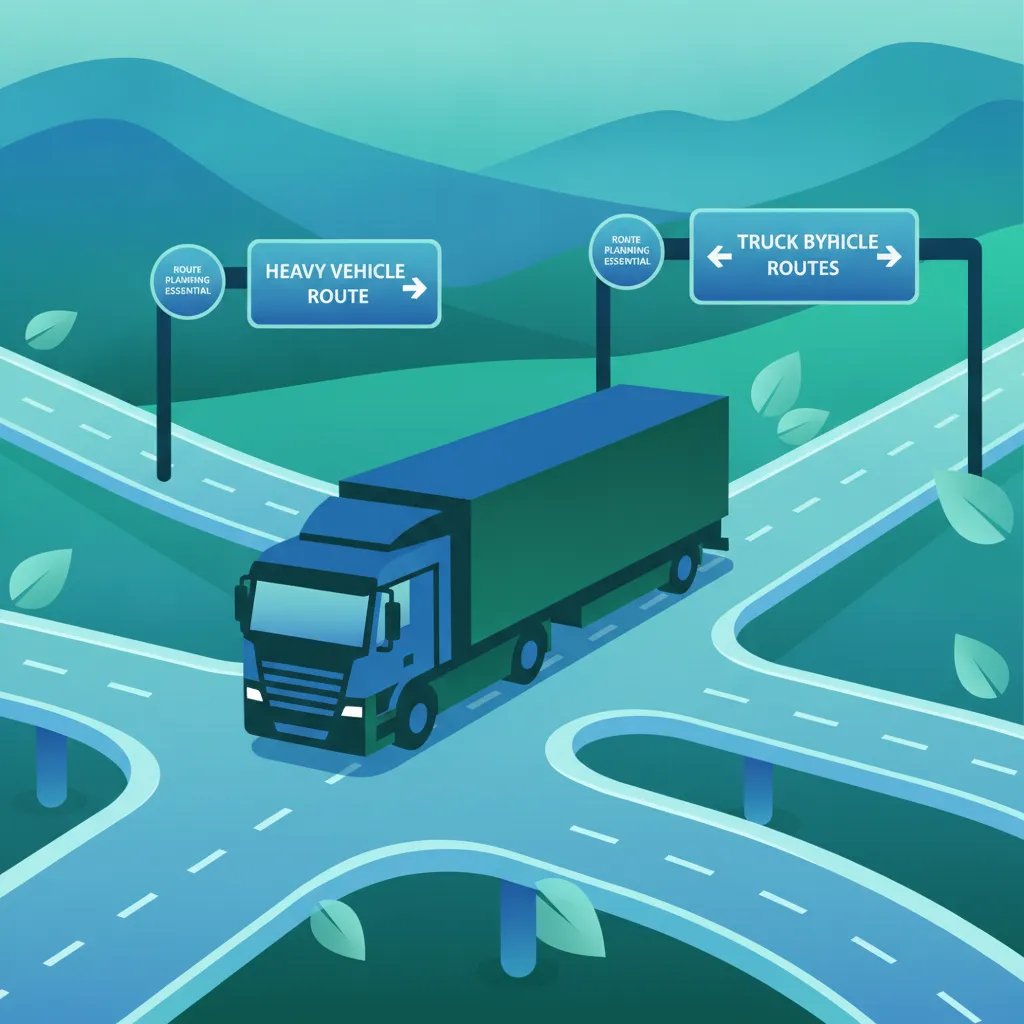
This lesson teaches the process of planning a route from start to finish for a heavy vehicle. It covers using specialized HGV navigation systems, considering factors like road restrictions, toll costs, low emission zones, and delivery time windows. Effective route planning improves efficiency, saves fuel, and enhances safety.
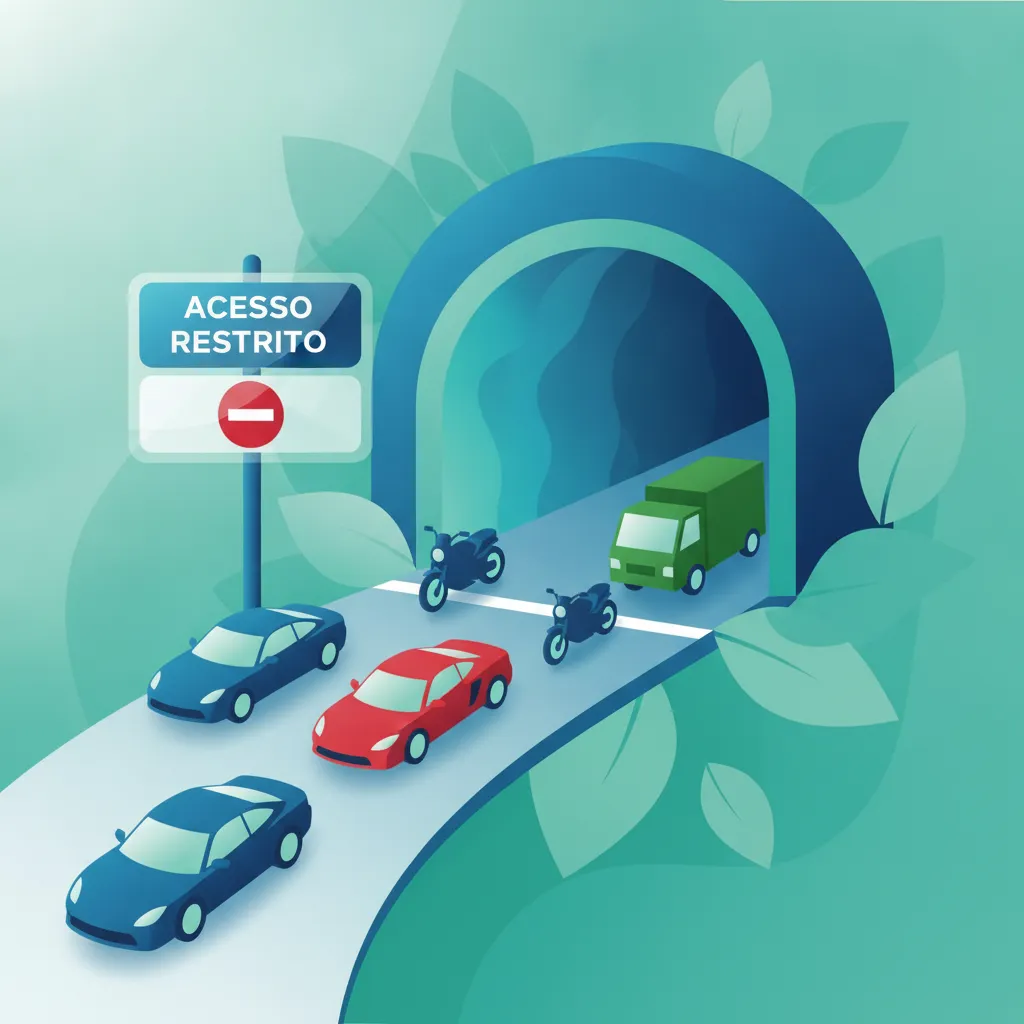
This lesson teaches drivers to recognize and adhere to access restrictions commonly found on the road network. It covers signs indicating weight, height, and width limits for structures like bridges and tunnels. Understanding these restrictions is vital for effective route planning and avoiding costly damage or fines.

This lesson focuses on the specific skills and regulations for motorway driving. It covers correct lane usage for HGVs, safe procedures for overtaking slower traffic, and the rules for using the hard shoulder or emergency refuge areas. Maintaining consistent speed and awareness of surrounding traffic is key to motorway safety.

This lesson focuses on the critical importance of distributing weight correctly across the vehicle's axles. It explains how improper loading can negatively affect vehicle stability, handling, and braking effectiveness. Learners will understand how to comply with legal axle load limits to ensure safety and prevent excessive wear on the vehicle and roads.

This lesson covers the specific rules and legal responsibilities that apply when a vehicle is in a loading or unloading zone. It details regulations regarding parking, time limits, and the driver's role in ensuring a safe environment for themselves and others during cargo handling. Compliance is key to efficient and lawful logistics operations.
This lesson focuses on the specific skills required for driving on high-speed motorways. It details the procedures for safely merging onto and exiting the motorway, maintaining proper lane discipline, and adhering to variable speed limits. The content also provides rules for safe overtaking and managing the vehicle's stability at high speeds.
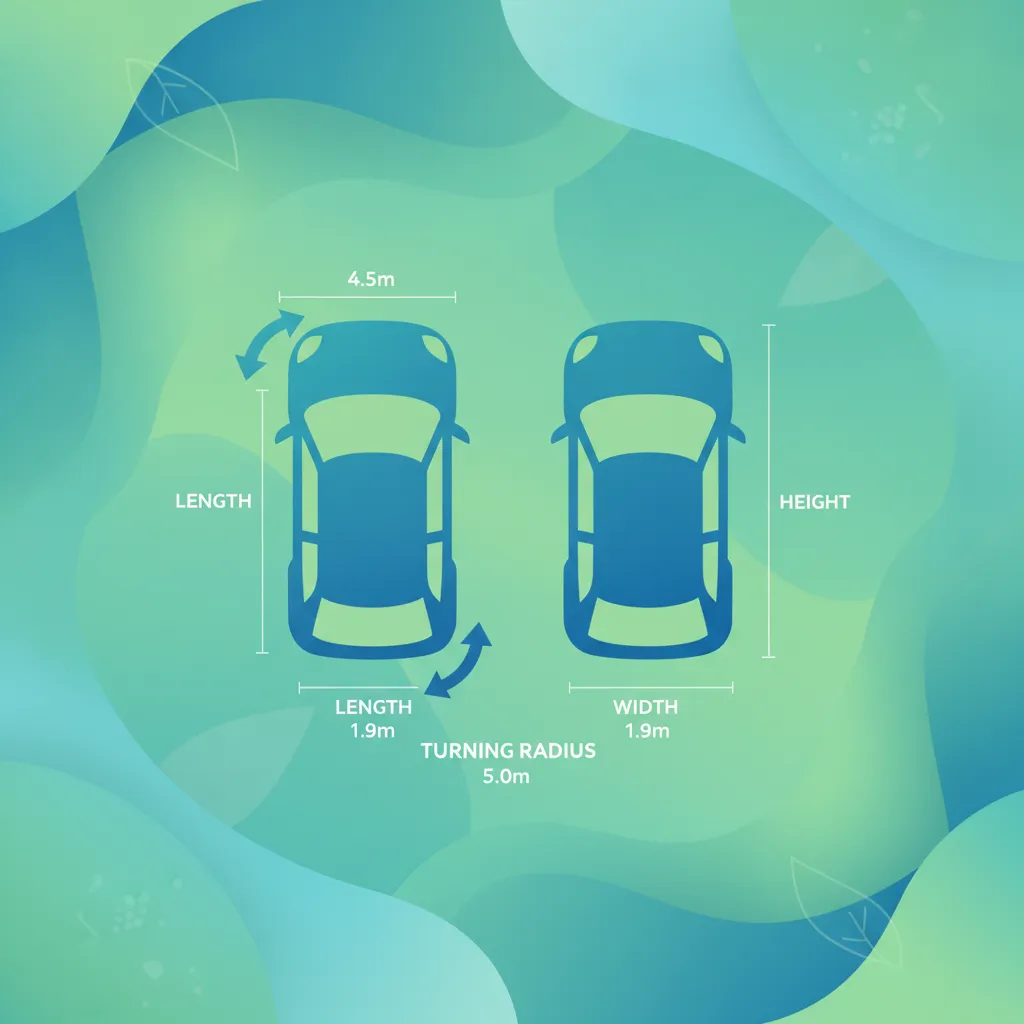
This lesson focuses on the physical dimensions of goods vehicles and their direct impact on driving. It covers legal limits for length, height, and width, and explains dynamic concepts like turning radius and off-tracking. A thorough understanding of these dimensions is essential for navigating urban areas and avoiding collisions.
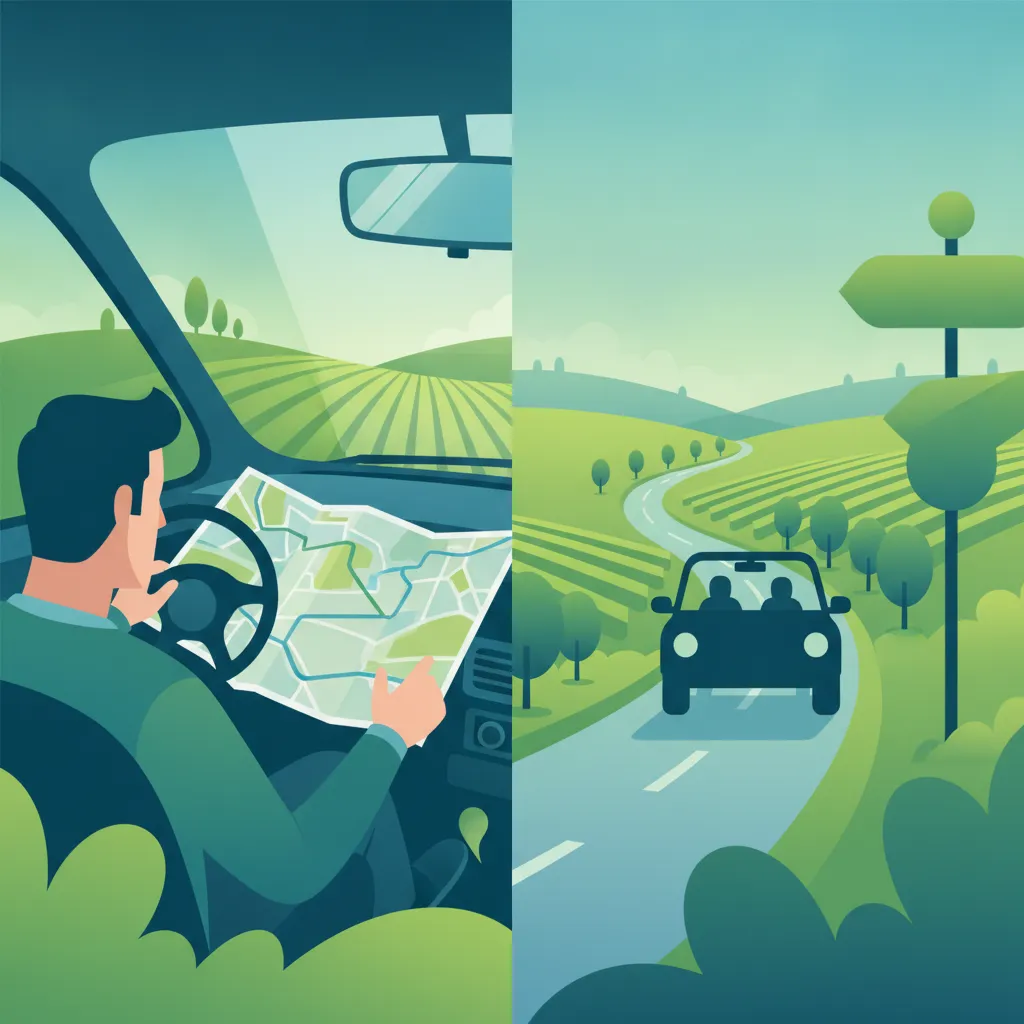
This lesson addresses the challenges of operating a large vehicle on rural roads, which often feature narrow lanes, sharp bends, and poor surfaces. It covers techniques for speed adaptation, gear selection for gradients, and maintaining lane position. The content emphasizes heightened awareness for hazards such as farm vehicles and animals.
This lesson emphasizes the importance of strict lane discipline for heavy vehicles. It covers how to maintain a central position in the lane, the correct procedure for signaling and checking before a lane change, and how to navigate multi-lane roundabouts. Proper lane discipline enhances safety and improves traffic flow for everyone.
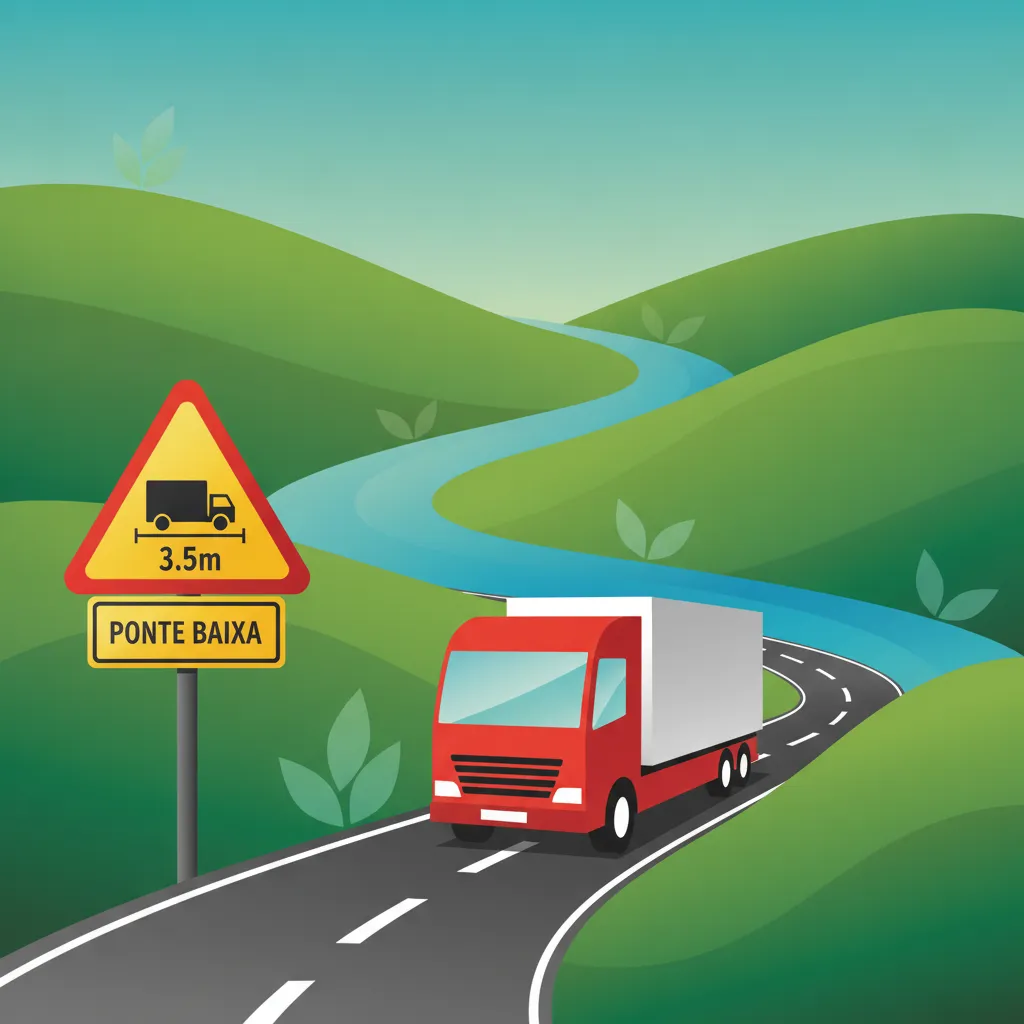
This lesson provides a comprehensive guide to the road signs that are of particular importance to HGV drivers. It covers prohibitory signs that restrict access based on vehicle weight or dimensions, as well as mandatory signs that dictate lane use or direction. Correct interpretation of these signs is essential for legal and safe operation.
Understand the critical importance of adhering to weight, height, and width restrictions for goods vehicles in Portugal. Explore the severe legal penalties, fines, and liabilities associated with non-compliance.
This lesson outlines the legal framework and penalties associated with traffic violations in Portugal for professional drivers. It covers the system of fines and penalty points that can lead to license suspension. The content reviews common infractions specific to passenger vehicles and emphasizes the importance of full compliance with the law.

This lesson explains the specific blood alcohol concentration (BAC) limits for different categories of drivers in Portugal. It details how alcohol consumption impairs critical driving skills such as coordination, reaction time, and judgement. The lesson also describes the methods of enforcement, including breathalyzer tests, and the severe legal penalties for driving under the influence.
This lesson details the serious consequences of non-compliance with road transport law. It covers the graduated system of fines and penalties for various offenses, including infringements of drivers' hours rules. The concept of professional liability and how a driver can be held responsible for incidents is also explored.
This lesson teaches drivers to recognize and adhere to access restrictions commonly found on the road network. It covers signs indicating weight, height, and width limits for structures like bridges and tunnels. Understanding these restrictions is vital for effective route planning and avoiding costly damage or fines.

This lesson explains the principles of safely loading a vehicle to avoid negatively impacting its stability and handling. It covers the importance of even weight distribution, respecting the vehicle's maximum load capacity, and properly securing all items. The dangers of unsecured loads, both inside the cabin and on external racks, are highlighted as significant safety hazards.
This lesson covers the specific rules and legal responsibilities that apply when a vehicle is in a loading or unloading zone. It details regulations regarding parking, time limits, and the driver's role in ensuring a safe environment for themselves and others during cargo handling. Compliance is key to efficient and lawful logistics operations.
This lesson details the fundamental legal obligations every driver must follow under the Código da Estrada. It covers adherence to speed limits, traffic signals, and road signs, as well as the mandatory use of safety equipment like seatbelts and child restraints. The content also emphasizes the importance of maintaining driver attentiveness and the strict prohibition of using mobile phones while driving.
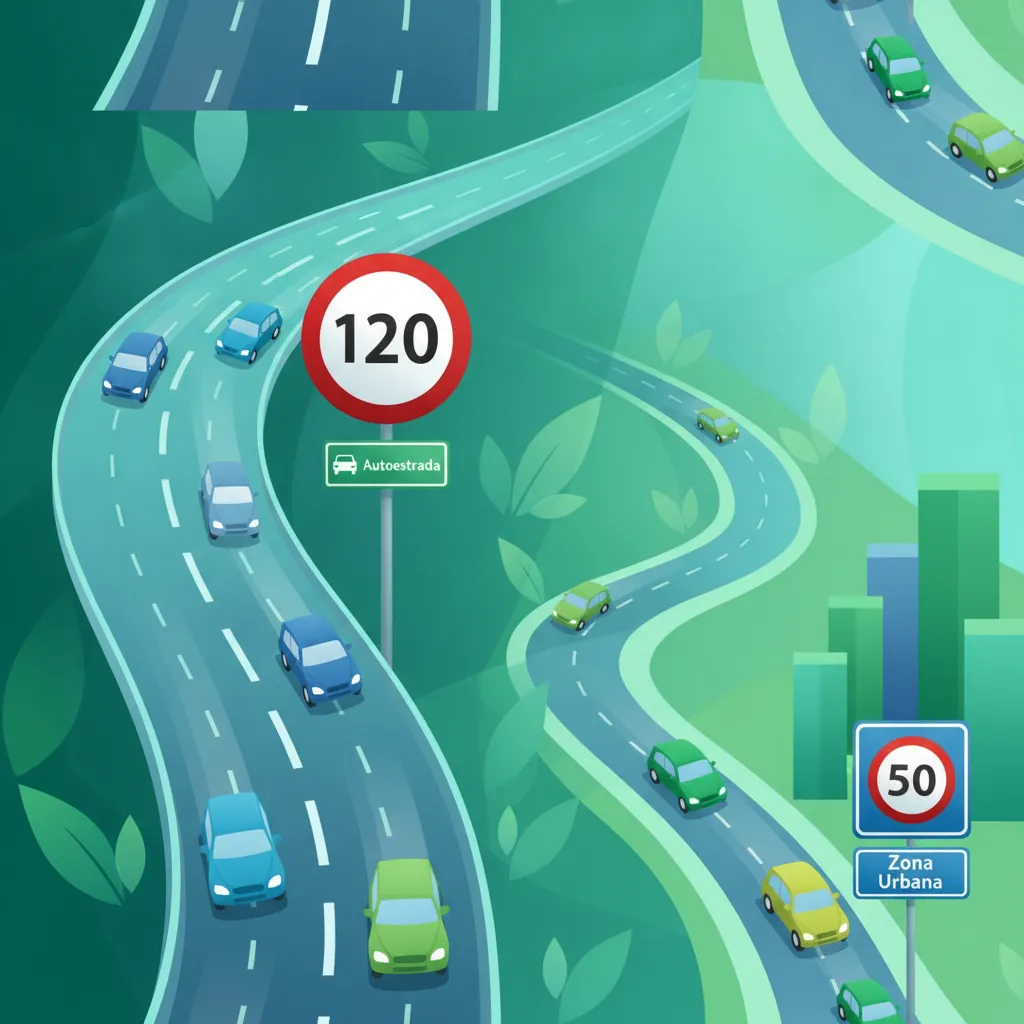
This lesson provides a clear overview of the statutory speed limits applicable on various types of roads in Portugal. It covers the default limits for built-up areas, single carriageways, dual carriageways, and motorways. Understanding these legal maximums is the first step in managing speed effectively and avoiding penalties for speeding.
This lesson provides a clear breakdown of the legal speed limits for different categories of goods vehicles in Portugal. It covers the maximum speeds permitted on motorways, dual carriageways, rural roads, and within built-up areas. Adhering to these specific limits is a fundamental aspect of safe and legal professional driving.

This lesson provides a comprehensive overview of the penalties for failing to comply with Portuguese traffic laws. It explains the structure of monetary fines, the demerit point system that affects a driver's licence, and the conditions that can lead to licence suspension or revocation. Understanding these consequences is crucial for appreciating the importance of lawful and responsible driving.
Find clear answers to common questions learners have about Weight, Height, and Width Restrictions on Roads. Learn how the lesson is structured, which driving theory objectives it supports, and how it fits into the overall learning path of units and curriculum progression in Portugal. These explanations help you understand key concepts, lesson flow, and exam focused study goals.
Ignoring weight restrictions is a serious violation of the Código da Estrada. You risk significant fines, loss of points on your licence, and potential infrastructure damage, such as bridge collapse or road subsidence, which carries heavy legal and financial liability.
No, the sign displays a legal clearance height that usually includes a safety margin. Never attempt to pass under a bridge if your vehicle's height is equal to or greater than the sign's limit; always verify your actual vehicle height including the load.
Yes, some signs apply to the actual weight of the vehicle, while others apply to the Maximum Authorized Mass (MAM). You must check your vehicle documents to understand which limit applies to your specific combination.
Always consult professional navigation software designed for HGVs and cross-reference with official road signs. You must prioritize main arterial routes that are built to accommodate the dimensions and weights of heavy goods vehicles.
Utilize the powerful search tool to refine your Portuguese driving theory practice. Pinpoint questions related to specific traffic laws, road signs, or complex scenarios from the Código da Estrada. Begin targeted revision now to boost your understanding and confidently approach your IMT driving exam.