
This lesson guides you through professional route planning techniques essential for Category C goods vehicle drivers. You will learn to integrate vehicle dimensions and legal restrictions into your daily operations to ensure safe and efficient journeys across Portugal.
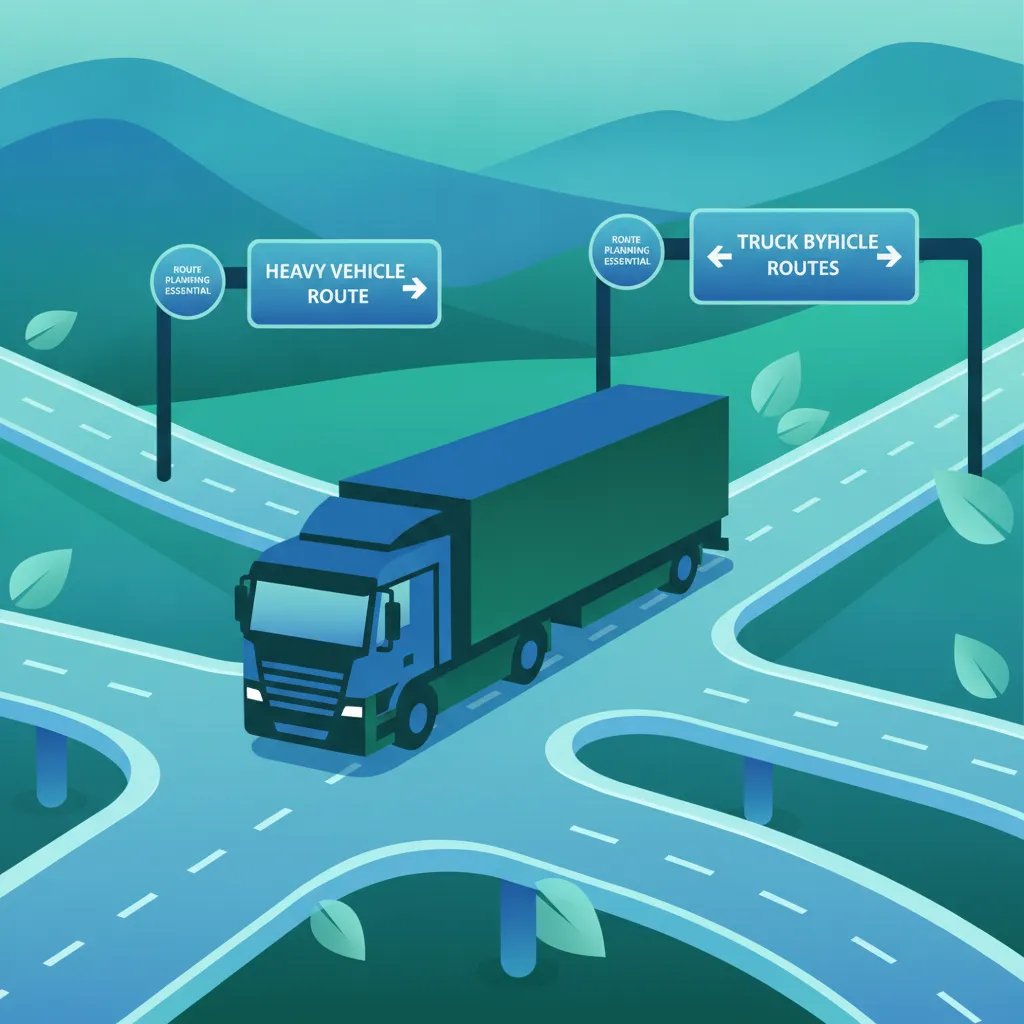
Lesson content overview
Effective route planning is a critical skill for all professional heavy goods vehicle (HGV) drivers operating under a Category C license in Portugal. It involves much more than simply finding the shortest path; it's a systematic process of selecting a journey that ensures legal compliance, maximizes safety, optimizes operational efficiency, and meets crucial delivery schedules. This comprehensive lesson will guide you through the intricacies of planning routes for lorries and trucks, helping you navigate the complexities of road restrictions, environmental zones, toll costs, and client expectations.
Proper route planning is not just about avoiding fines; it directly contributes to reducing fuel consumption, minimizing wear and tear on your vehicle, and ultimately enhancing road safety for everyone. By understanding the principles outlined here, you will be well-prepared to make informed decisions that benefit your operations and uphold your professional responsibilities.
Route planning for heavy vehicles demands a careful evaluation of numerous variables beyond what a standard car navigation system can handle. The size, weight, and specific cargo of a lorry introduce unique challenges that necessitate a specialized approach. These challenges include navigating legal restrictions on vehicle dimensions and weight, calculating optimal routes to minimize fuel usage, understanding the impact of tolls on costs, and adhering to strict environmental regulations in urban areas.
The primary objective is to balance legal requirements with practical considerations. This means ensuring your chosen path complies with the Código da Estrada, prioritizing safety by avoiding hazardous stretches, operating economically by managing expenses, contributing to environmental responsibility by respecting emission zones, and reliably meeting client delivery deadlines. This specialized knowledge is foundational for efficient logistics and professional conduct in the goods transport sector.
Modern heavy vehicle navigation systems are indispensable tools for professional drivers. Unlike standard GPS devices, these systems are specifically designed to consider the unique characteristics and requirements of lorries and trucks. They integrate vast databases of information relevant to commercial transport, providing routes that are not only efficient but also compliant with regulations.
When you input your destination into a specialized HGV navigation system, you also provide crucial details about your vehicle. This typically includes:
Based on these parameters, the system calculates and suggests routes that avoid known restrictions and potential hazards.
HGV navigation systems rely on two main types of data:
While incredibly helpful, HGV navigation systems are not infallible. Drivers must never assume that the system automatically overrides legal restrictions displayed on road signs. Always verify critical information, especially height, weight, and width limits, against physical signage. Discrepancies can occur due to outdated map data, temporary restrictions not yet in the system, or errors in satellite signals. Your professional judgment and visual confirmation remain paramount.
Road restrictions are legal limits imposed on heavy vehicles to ensure road safety, prevent damage to infrastructure, and manage traffic flow. As a professional HGV driver, you must be intimately familiar with these restrictions and how to identify them through road signs and navigation systems. Non-compliance can lead to severe penalties, vehicle damage, and dangerous situations.
Tolls are an integral part of road infrastructure funding in many countries, including Portugal. For heavy vehicle operations, understanding and managing toll costs is a crucial aspect of route planning, directly impacting profitability and operational budgets.
Portugal utilizes various tolling systems, predominantly electronic:
Toll costs can represent a significant portion of a journey's overall expense. When planning a route, you must:
A common misunderstanding is underestimating the cumulative impact of tolls. For long-haul journeys across Portugal, these costs can add up quickly. Planning should proactively identify all tolled sections and the associated costs, allowing for informed decisions on whether to use them or seek alternatives. HGV navigation systems often include toll information, which can be invaluable for this assessment.
Low Emission Zones (LEZ) are increasingly common in urban areas across Europe, including certain cities in Portugal. These zones are established to improve air quality by restricting or prohibiting the entry of vehicles that do not meet specific emission standards. For heavy vehicle drivers, understanding and complying with LEZ regulations is a critical component of responsible and legal route planning.
An LEZ designates an area, typically within a city center, where only vehicles meeting certain exhaust emission standards (often based on Euro emission classifications) are permitted to enter. The goal is to reduce pollutants like nitrogen oxides (NOx) and particulate matter (PM), which are harmful to public health.
Compliance with LEZ regulations is not just about avoiding fines; it reflects a broader commitment to environmental responsibility. Professional drivers play a vital role in reducing the environmental impact of transport, and adhering to these zones contributes directly to cleaner air in urban communities.
Delivering goods within specified time windows is a fundamental aspect of commercial transport. Clients often stipulate precise arrival times, and successful adherence to these delivery windows is crucial for maintaining customer satisfaction, avoiding penalties, and ensuring the smooth operation of supply chains.
Delivery windows can be categorized as:
Effective route planning must meticulously account for delivery windows. This involves:
Imagine a delivery with a hard window of 08:00 to 09:00 AM in a busy city center. Your plan must ensure you arrive reliably within this hour, factoring in early morning traffic, any potential LEZ restrictions, and the time needed to safely park and prepare for unloading. This might mean scheduling your departure significantly earlier or even traveling during off-peak hours the night before and parking safely nearby until the delivery window opens.
Developing an effective route plan for a heavy vehicle is a systematic endeavor that integrates all the elements discussed previously. By following a structured process, drivers and dispatchers can ensure that every journey is legal, safe, efficient, and meets all operational requirements.
1. Gather Vehicle Parameters: Begin by accurately recording your vehicle's specifications: gross vehicle weight (GVW), height, width, length (especially with trailers), and Euro emission class. These details are fundamental for filtering suitable routes.
2. Identify Destination and Delivery Requirements: Clearly define the exact delivery address, the client's specified delivery time window (hard or soft), and any specific access requirements or restrictions at the loading/unloading point (e.g., limited hours for commercial deliveries, turning radius constraints).
3. Initial Route Generation using Specialized HGV Navigation: Input all gathered vehicle parameters and the destination into your specialized HGV navigation system. Allow the system to generate initial route options, which will factor in known restrictions.
4. Cross-Reference and Verify Legal Restrictions: Carefully review the proposed routes. Pay close attention to potential height, weight, width, and axle load restrictions that might be indicated by signage or recent reports not fully integrated into the navigation system. Specifically check for Low Emission Zones (LEZs) along the route and confirm your vehicle's compliance.
5. Conduct Economic Assessment: Evaluate the financial implications of each viable route. Compare potential toll costs, estimated fuel consumption (considering distance, gradients, and traffic), and estimated driver working hours. Sometimes, a slightly longer, toll-free route might be more economical if it saves significantly on fuel or avoids costly delays.
6. Integrate Time Management and Contingency Planning: Adjust the route timing to align with delivery windows, ensuring you include sufficient buffer time for unexpected delays. Plan for mandatory driver rest periods in accordance with regulations. Identify potential alternative routes for key sections in case of unforeseen road closures, accidents, or severe weather conditions.
7. Assess Safety and Practicality: Consider the practical aspects of the route for a heavy vehicle. Are there steep gradients that could challenge heavily loaded vehicles? Are there tight turns or urban areas with limited maneuverability? Prioritize routes that minimize risks and ensure safe handling.
8. Final Route Selection and Documentation: Based on all assessments, select the optimal route. Document the chosen route plan, including key waypoints, estimated timings, and identified restrictions. Ensure you have access to this plan and any necessary permits (e.g., for LEZs) during your journey.
This systematic approach minimizes risks, optimizes operational costs, and ensures compliance with all legal and contractual obligations, contributing to a professional and efficient transport operation.
Operating heavy goods vehicles in Portugal, like in other EU member states, is governed by a comprehensive set of national and European regulations. Adhering to these rules is paramount for legal operation, safety, and avoiding penalties. The Código da Estrada (Portuguese Road Code) forms the foundation of these regulations, supplemented by specific decrees and municipal ordinances.
Weight Restrictions:
Height Clearance:
Width Restrictions:
Low Emission Zone (LEZ) Access Rules:
Toll Payment:
Delivery Time Restrictions:
Mandatory Rest Periods and Driving Hours:
Authorities conduct regular checks on vehicle dimensions, weight, and driver compliance. Non-compliance with any of these regulations can result in significant financial penalties, demands for immediate corrective action (e.g., offloading excess weight, finding an alternative compliant route), and even temporary suspension of driving privileges or vehicle impoundment in severe cases. Consistent adherence to these rules is a hallmark of professional HGV operation.
Even experienced drivers can sometimes make errors in route planning, often due to over-reliance on technology, lack of pre-journey verification, or underestimating various factors. Recognizing these common pitfalls is the first step towards preventing them.
By being aware of these common errors and consciously implementing verification and contingency steps in your planning process, you significantly enhance the safety, efficiency, and legality of your heavy vehicle operations.
Effective route planning is not a static exercise; it must be adaptable to various external and internal conditions. Factors such as weather, road type, the vehicle's state, and even the presence of vulnerable road users can significantly influence the optimal route choice for a heavy vehicle.
By thoughtfully considering these dynamic factors, professional drivers can refine their route plans to be safer, more efficient, and better adapted to the real-world conditions of their journey.
The rigorous process of planning a heavy vehicle route yields significant benefits across multiple domains, reinforcing its importance for professional drivers and transport companies alike.
In essence, thoughtful HGV route planning is a triple win: it makes journeys safer, more cost-effective, and more environmentally friendly. It is a cornerstone of professional and sustainable heavy goods transportation.
Understanding the theory is essential, but applying it in real-world scenarios is where true proficiency lies. Here are several practical examples demonstrating how route planning principles are put into action for heavy vehicles.
A heavy goods vehicle, measuring 4.7 meters in height, needs to reach a destination located beyond a coastal tunnel. The tunnel has a clearly posted height clearance of 4.5 meters. The HGV navigation system, however, initially suggests the tunnel as the quickest route.
A Category C driver needs to deliver goods to a central warehouse in a large Portuguese city. Research indicates that the city operates a stringent LEZ, only allowing vehicles that meet Euro V emission standards or higher. The driver's lorry is a Euro III model.
A driver has two primary route options for a long-distance delivery:
An HGV must deliver perishable goods to a market within a pedestrianized urban zone, where commercial vehicle access is strictly permitted only between 06:00 and 08:00 AM.
These scenarios highlight the dynamic decision-making required in HGV route planning, where legal compliance, safety, efficiency, and professional judgment converge.
Mastering route planning for heavy vehicles is an indispensable skill for professional drivers in Portugal, crucial for safety, compliance, and operational efficiency. This lesson has covered the essential elements that underpin successful journey management for lorries and trucks.
To summarize the core principles:
By consistently applying these principles, professional drivers can navigate the complexities of road networks with confidence, ensuring legal compliance, safeguarding vehicle integrity, minimizing operational costs, and delivering goods reliably and safely.
Explore all units and lessons included in this driving theory course.
Lesson content overview
Explore all units and lessons included in this driving theory course.
Explore search topics learners often look for when studying Route Planning for Heavy Vehicles. These topics reflect common questions about road rules, driving situations, safety guidance, and lesson level theory preparation for learners in Portugal.
Browse additional driving theory lessons that cover connected traffic rules, road signs, and common driving situations related to this topic. Improve your understanding of how different rules interact across everyday traffic scenarios.
Explore the detailed meaning and application of weight, height, and width restrictions for HGVs in Portugal. This lesson provides essential knowledge for safe and legal route planning, covering signage and compliance with the Código da Estrada.
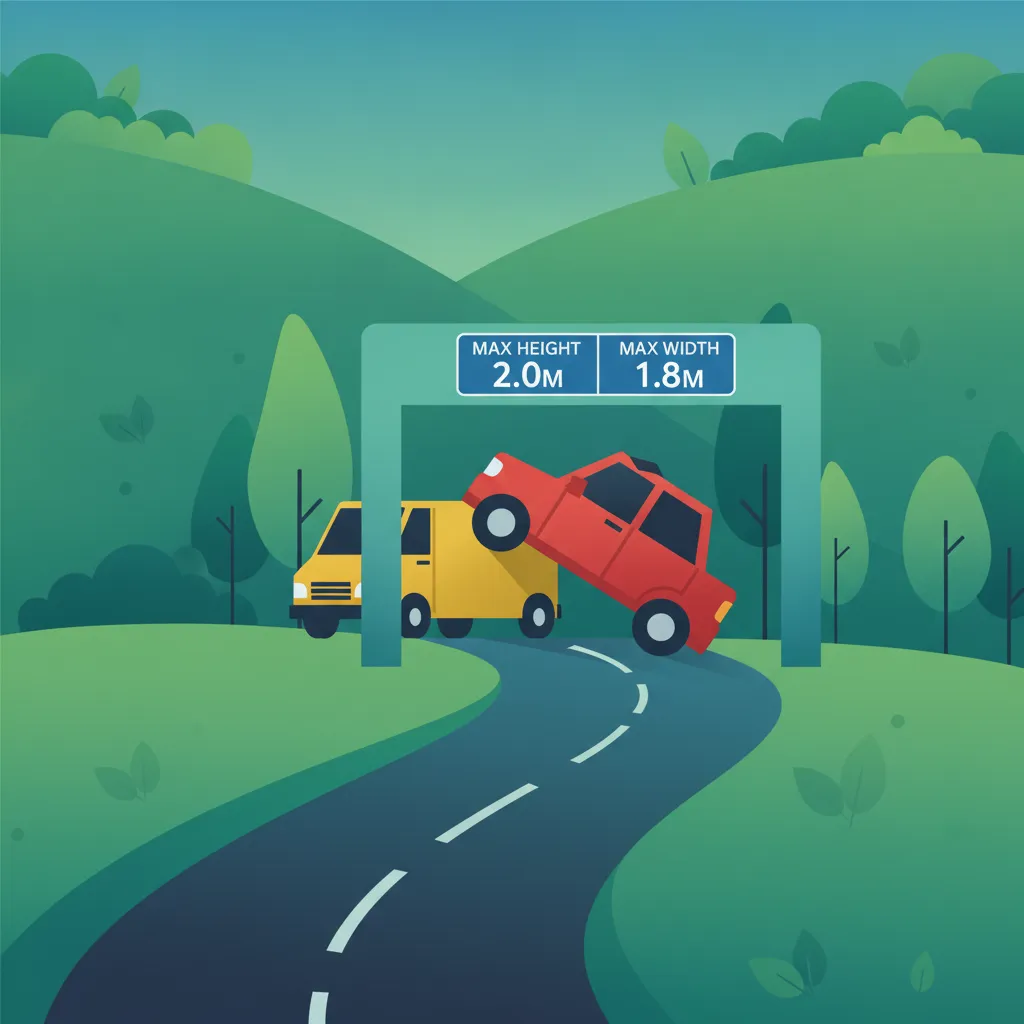
This lesson focuses on the structural and legal restrictions placed on the road network. It explains how to identify limits on bridges and in tunnels, and the consequences of ignoring them. Proper route planning based on these restrictions is a key skill for preventing accidents and infrastructure damage.
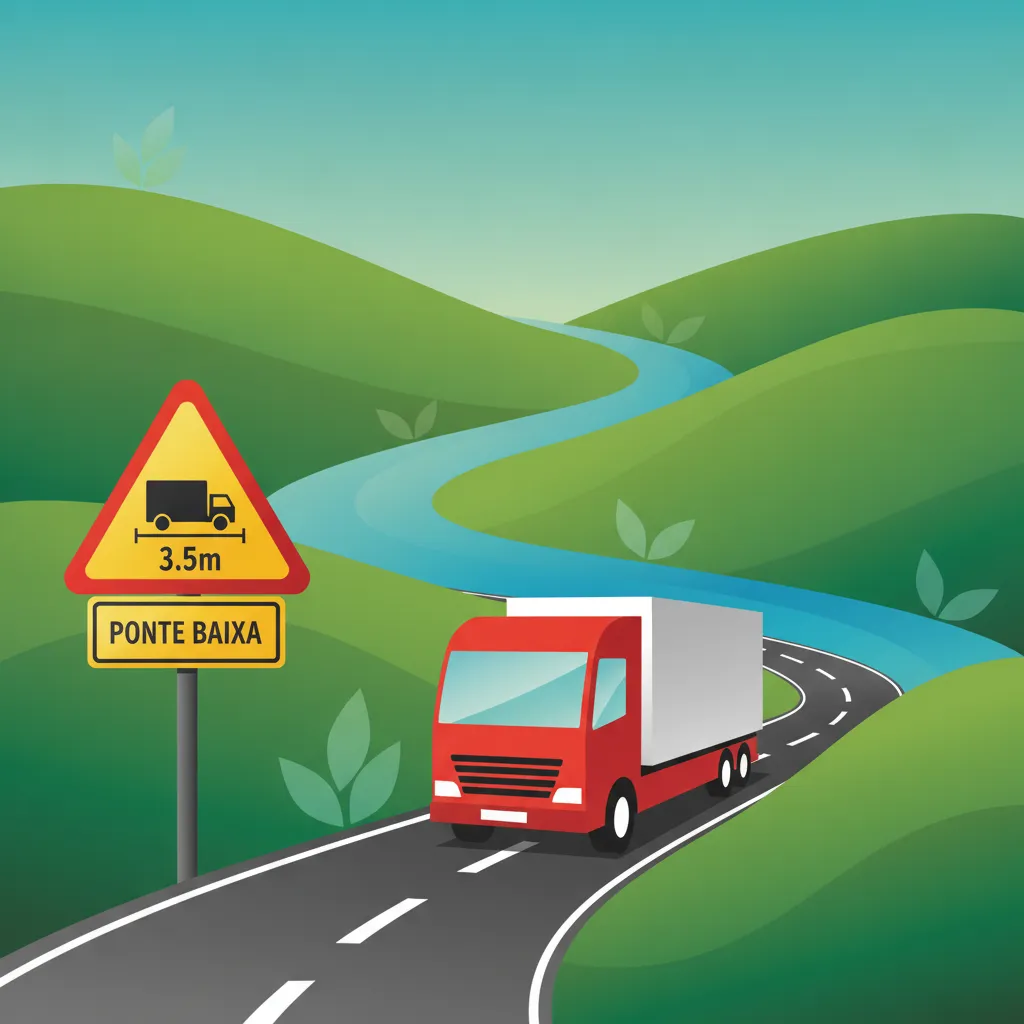
This lesson provides a comprehensive guide to the road signs that are of particular importance to HGV drivers. It covers prohibitory signs that restrict access based on vehicle weight or dimensions, as well as mandatory signs that dictate lane use or direction. Correct interpretation of these signs is essential for legal and safe operation.
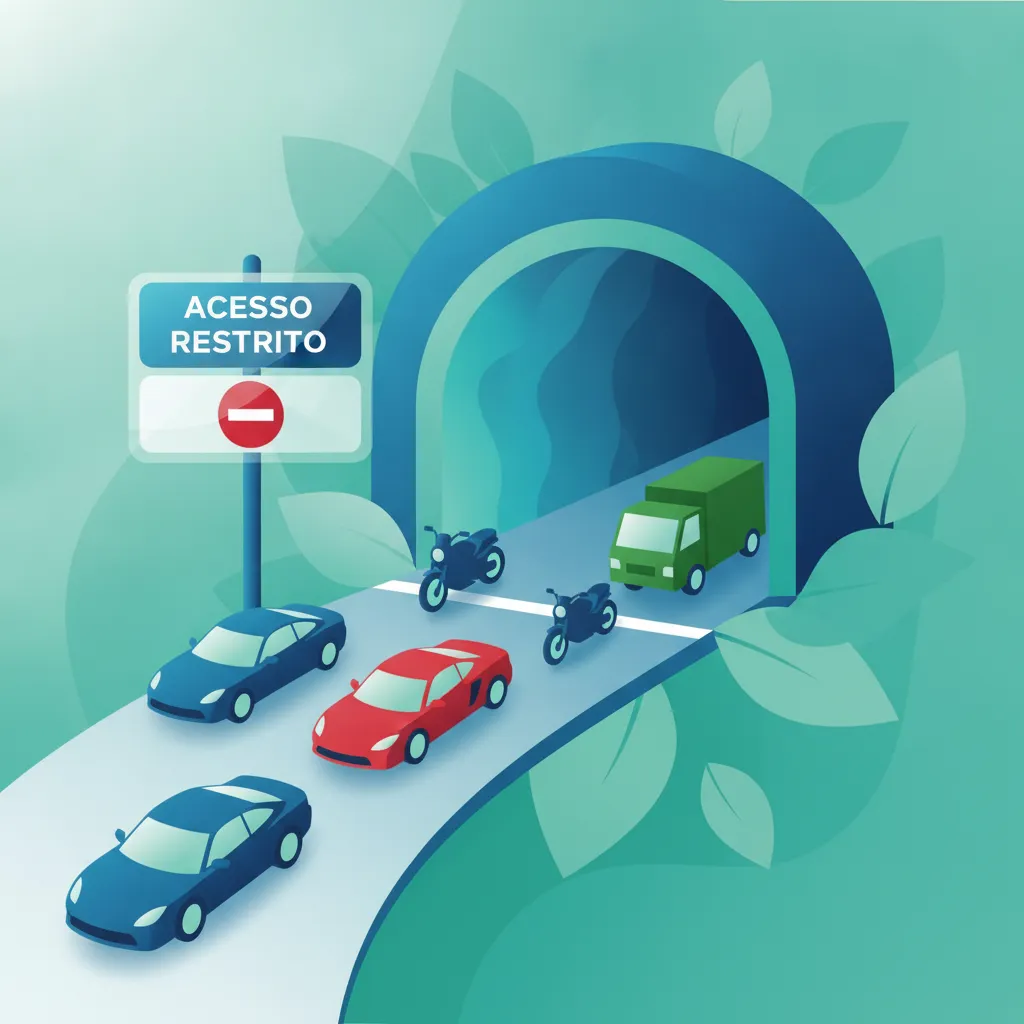
This lesson teaches drivers to recognize and adhere to access restrictions commonly found on the road network. It covers signs indicating weight, height, and width limits for structures like bridges and tunnels. Understanding these restrictions is vital for effective route planning and avoiding costly damage or fines.
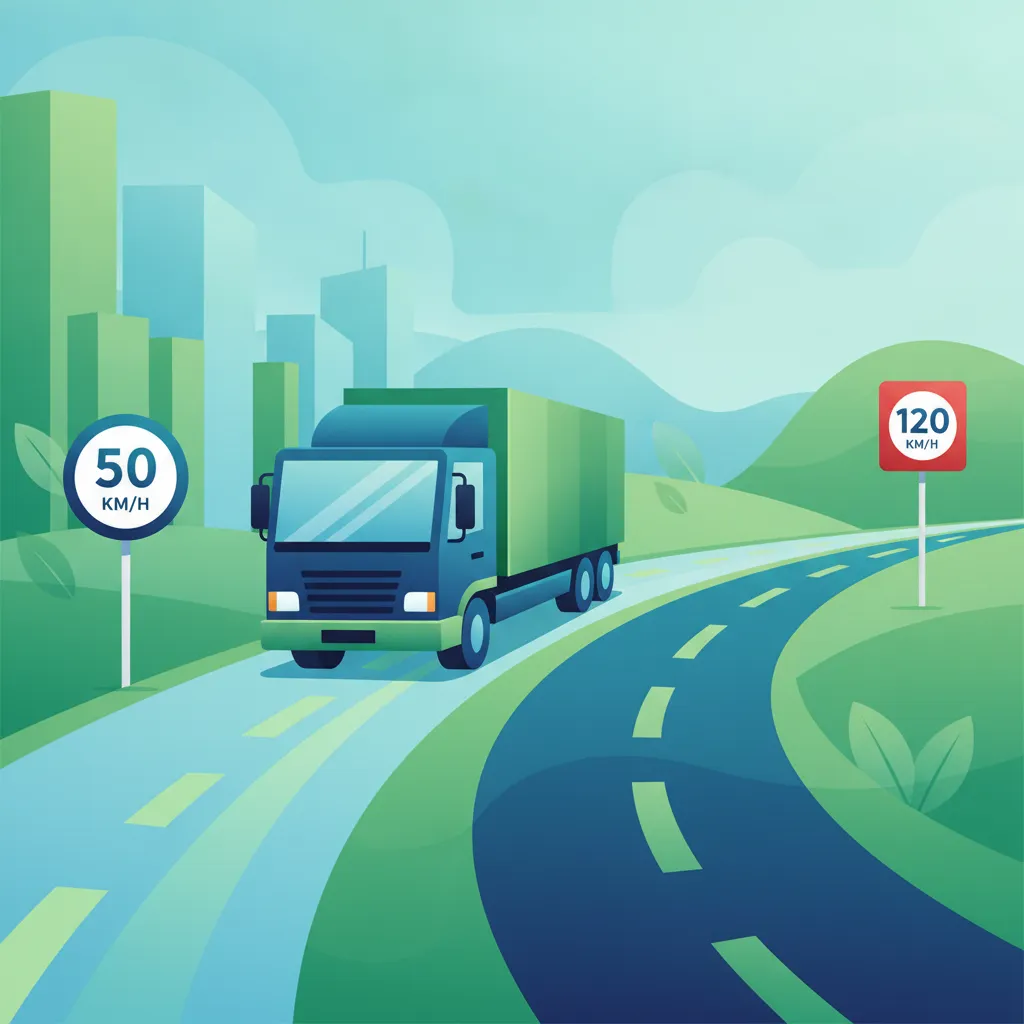
This lesson provides a clear breakdown of the legal speed limits for different categories of goods vehicles in Portugal. It covers the maximum speeds permitted on motorways, dual carriageways, rural roads, and within built-up areas. Adhering to these specific limits is a fundamental aspect of safe and legal professional driving.

This lesson focuses on the specific skills and regulations for motorway driving. It covers correct lane usage for HGVs, safe procedures for overtaking slower traffic, and the rules for using the hard shoulder or emergency refuge areas. Maintaining consistent speed and awareness of surrounding traffic is key to motorway safety.
This lesson emphasizes the importance of strict lane discipline for heavy vehicles. It covers how to maintain a central position in the lane, the correct procedure for signaling and checking before a lane change, and how to navigate multi-lane roundabouts. Proper lane discipline enhances safety and improves traffic flow for everyone.
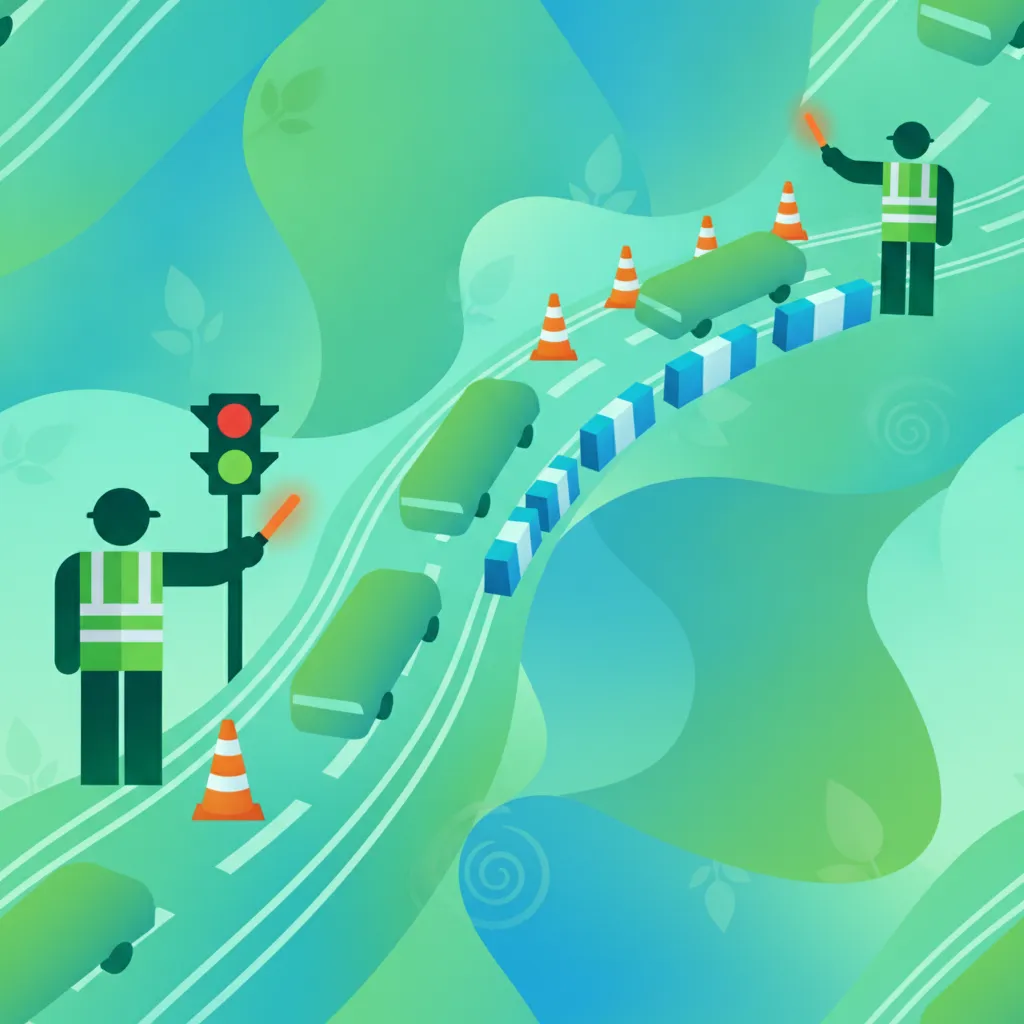
This lesson provides guidance on driving safely through roadwork zones. It covers the importance of obeying temporary speed limits, navigating narrow lanes and contraflow systems, and being highly aware of workers and machinery. A professional driver's vigilance is essential for preventing accidents in these potentially hazardous areas.

This lesson focuses on the critical importance of distributing weight correctly across the vehicle's axles. It explains how improper loading can negatively affect vehicle stability, handling, and braking effectiveness. Learners will understand how to comply with legal axle load limits to ensure safety and prevent excessive wear on the vehicle and roads.
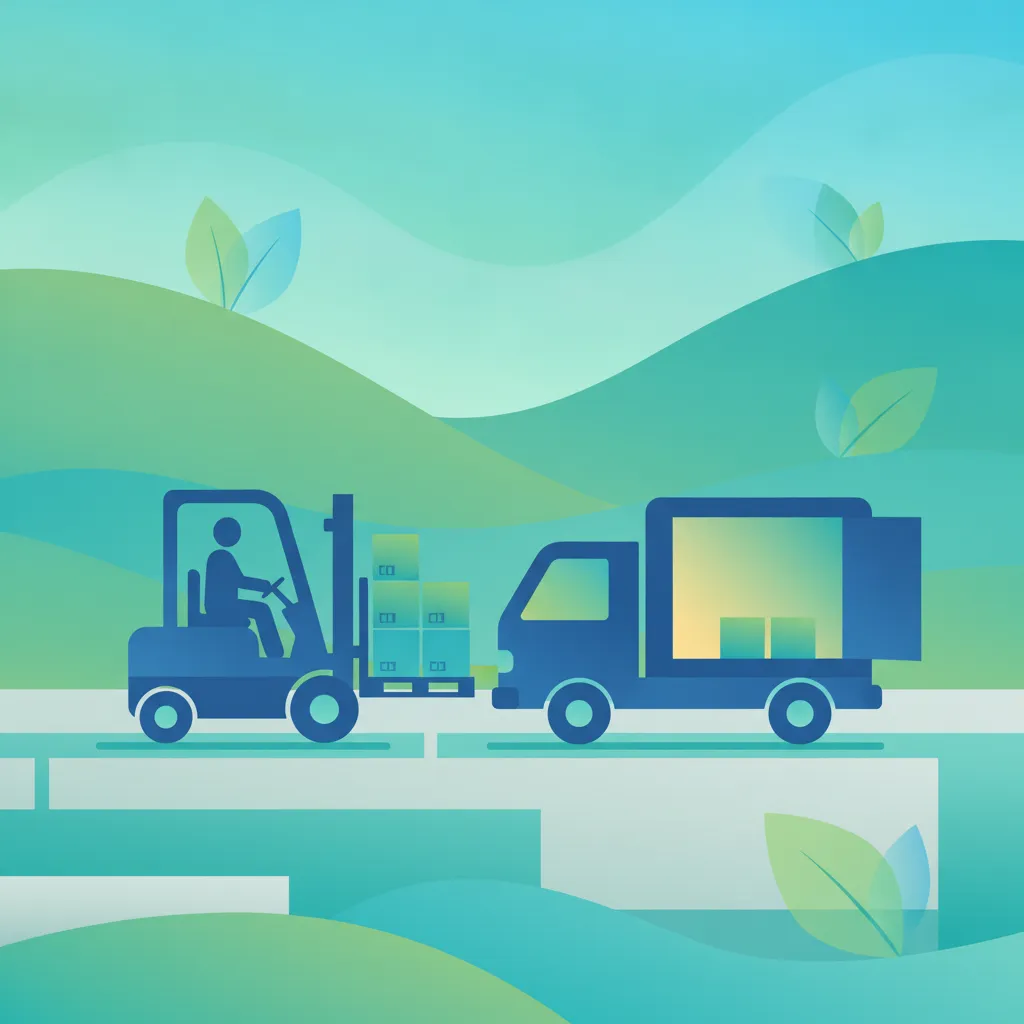
This lesson covers the specific rules and legal responsibilities that apply when a vehicle is in a loading or unloading zone. It details regulations regarding parking, time limits, and the driver's role in ensuring a safe environment for themselves and others during cargo handling. Compliance is key to efficient and lawful logistics operations.
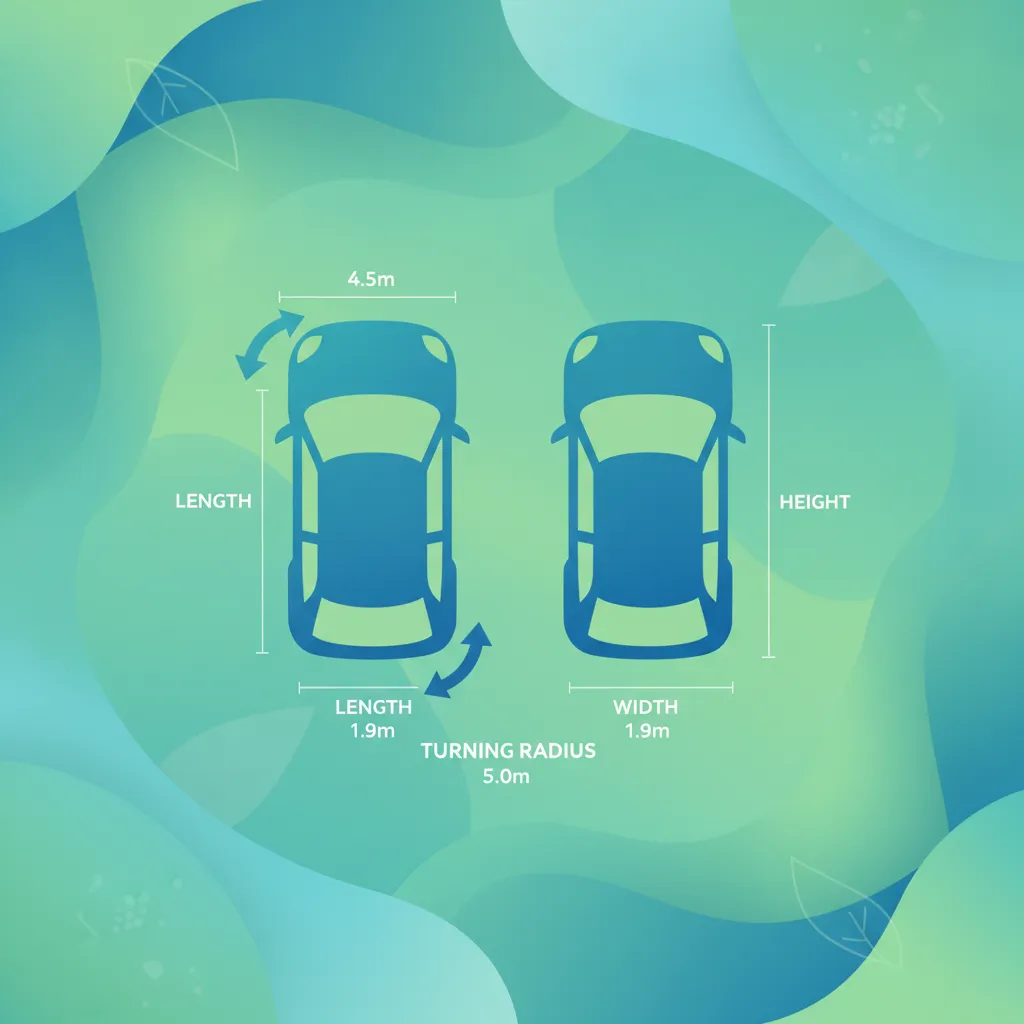
This lesson focuses on the physical dimensions of goods vehicles and their direct impact on driving. It covers legal limits for length, height, and width, and explains dynamic concepts like turning radius and off-tracking. A thorough understanding of these dimensions is essential for navigating urban areas and avoiding collisions.
Analyze practical case studies demonstrating complex route planning choices for HGVs. Learn how to navigate Low Emission Zones, manage toll costs, and meet delivery time windows effectively in challenging urban and rural environments.

This lesson addresses the challenges of operating a large vehicle in congested urban areas. It teaches techniques for navigating narrow streets, positioning for loading bays, and executing tight turns with minimal impact on other traffic. A high level of situational awareness and anticipation is required for these environments.
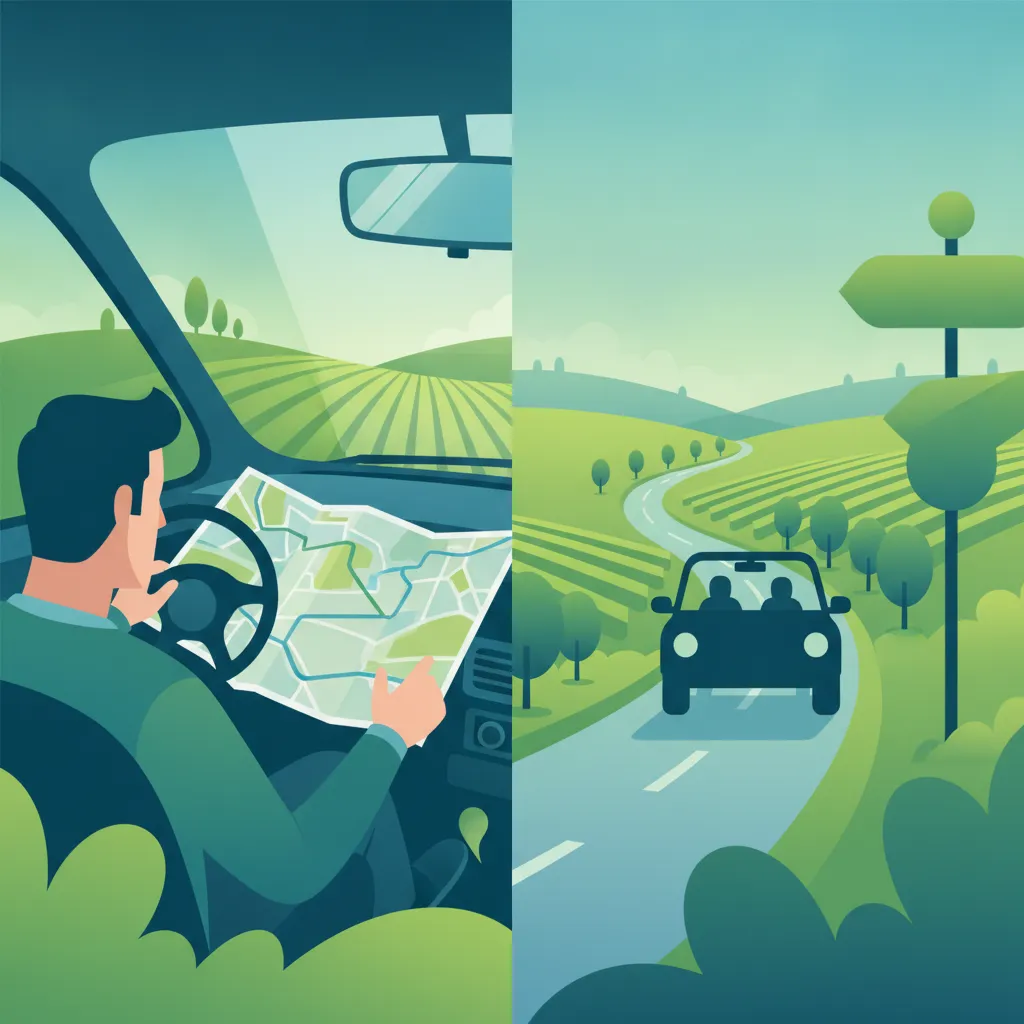
This lesson addresses the challenges of operating a large vehicle on rural roads, which often feature narrow lanes, sharp bends, and poor surfaces. It covers techniques for speed adaptation, gear selection for gradients, and maintaining lane position. The content emphasizes heightened awareness for hazards such as farm vehicles and animals.

This lesson prepares drivers for the challenges of operating in older urban areas with restricted road space. It teaches how to assess if a street is passable, techniques for negotiating tight spaces, and rules of priority when meeting other large vehicles. The importance of slow, careful maneuvering to avoid damage is emphasized.
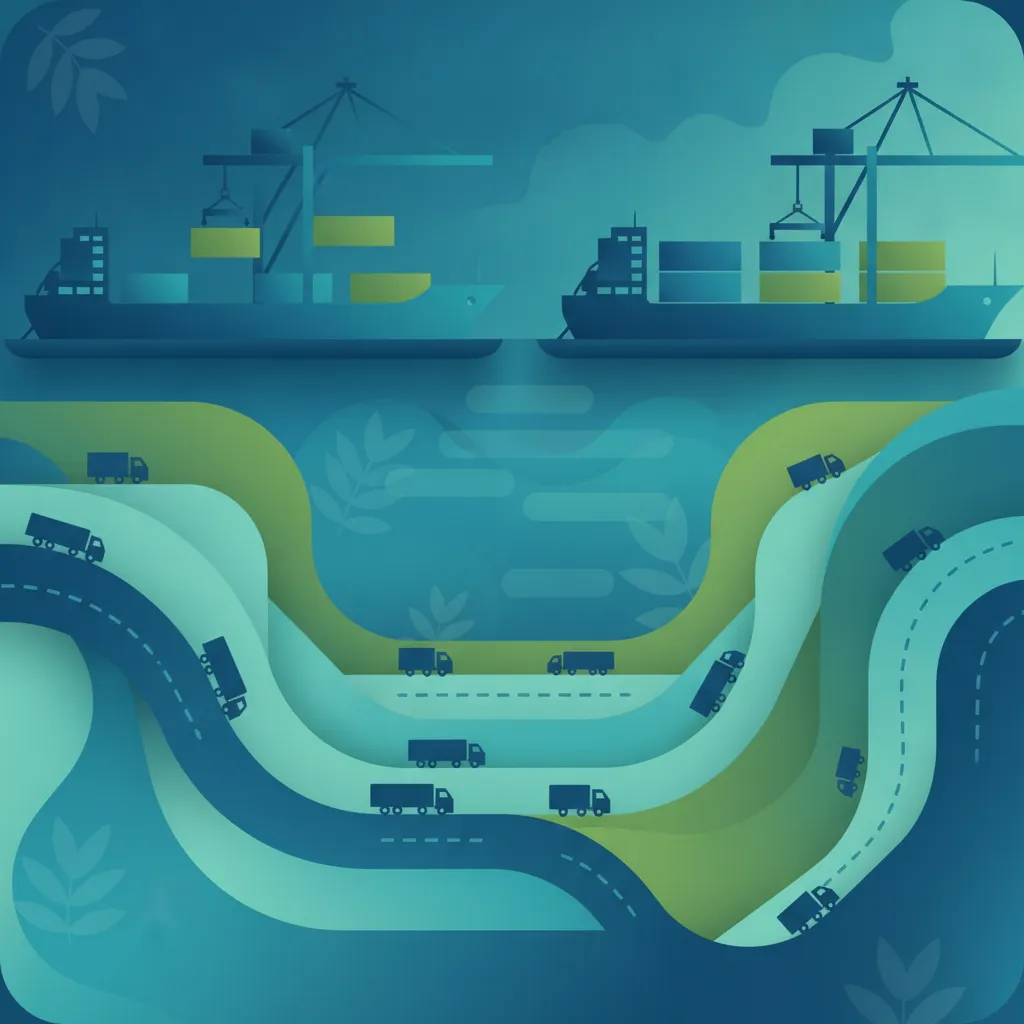
This lesson provides guidance on operating within non-public road networks such as industrial estates, ports, and distribution centers. It covers understanding site layouts, following specific traffic flow rules, and maneuvering safely around loading bays and other operational areas. Adherence to site-specific safety protocols is paramount in these environments.
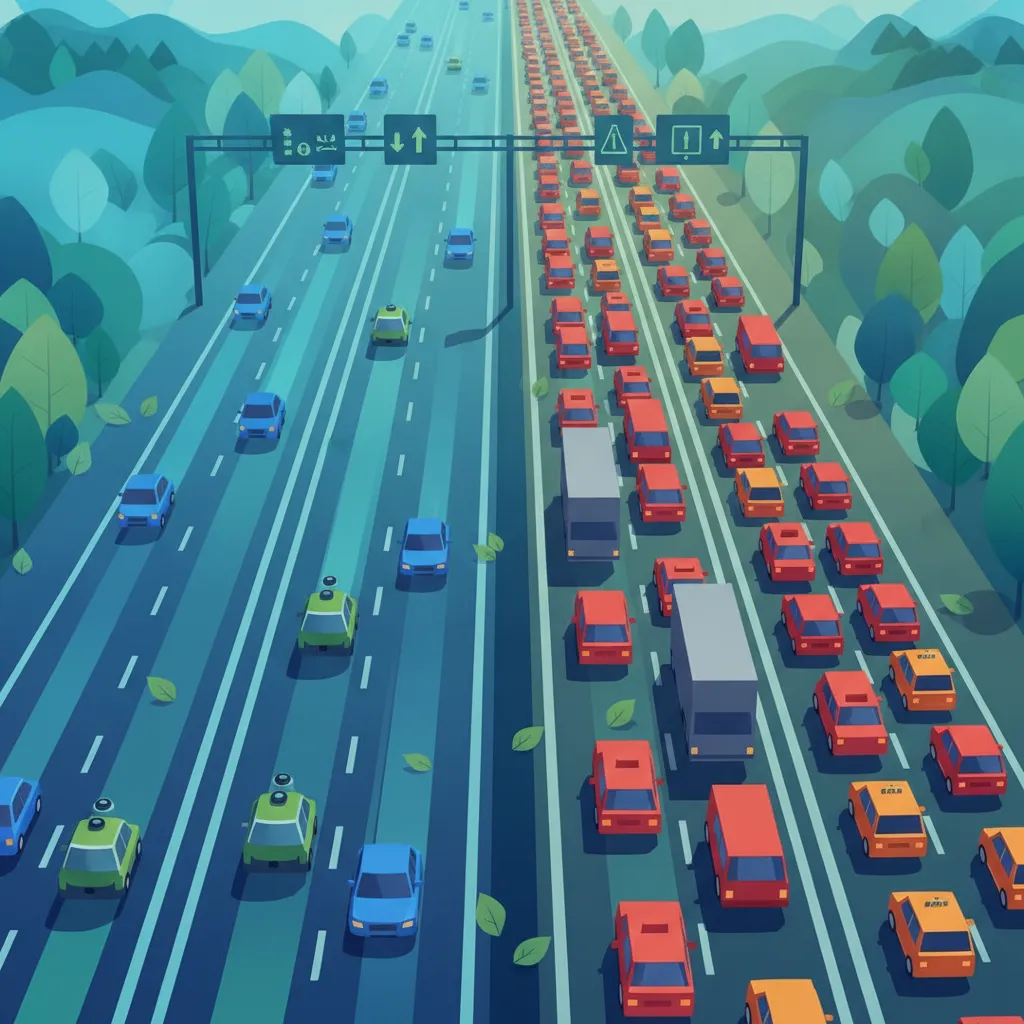
This lesson explores the significant road space occupied by a heavy goods vehicle and its effect on traffic dynamics. It discusses the importance of correct lane positioning, especially on multi-lane roads and roundabouts. Drivers will learn how their vehicle's presence impacts other road users and how to drive defensively to ensure smooth traffic flow.
This lesson provides guidance on driving safely through roadwork zones. It covers the importance of obeying temporary speed limits, navigating narrow lanes and contraflow systems, and being highly aware of workers and machinery. A professional driver's vigilance is essential for preventing accidents in these potentially hazardous areas.
This lesson maps out the significant blind spots—or 'no zones'—to the front, sides, and rear of a heavy goods vehicle. It explains how these blind spots change depending on the vehicle's configuration, such as when pulling a trailer. Proper mirror setup and scanning techniques are taught to minimize these areas of no visibility.
This lesson teaches drivers to recognize and adhere to access restrictions commonly found on the road network. It covers signs indicating weight, height, and width limits for structures like bridges and tunnels. Understanding these restrictions is vital for effective route planning and avoiding costly damage or fines.
This lesson emphasizes the importance of strict lane discipline for heavy vehicles. It covers how to maintain a central position in the lane, the correct procedure for signaling and checking before a lane change, and how to navigate multi-lane roundabouts. Proper lane discipline enhances safety and improves traffic flow for everyone.

This lesson covers the operational procedures within bus terminals, including safe maneuvering, parking, and managing passenger boarding. It also explores the planning required for long-distance routes, such as scheduling legally-mandated rest stops. The content highlights strategies for managing driver fatigue and ensuring passenger comfort over extended journeys.
Find clear answers to common questions learners have about Route Planning for Heavy Vehicles. Learn how the lesson is structured, which driving theory objectives it supports, and how it fits into the overall learning path of units and curriculum progression in Portugal. These explanations help you understand key concepts, lesson flow, and exam focused study goals.
Standard GPS often directs vehicles based on the fastest route for passenger cars, ignoring critical data like vehicle height, weight, or axle load limits. Using these can lead to hazardous situations like getting stuck under low bridges or on roads with weight restrictions.
Always account for height and width restrictions, as well as specific delivery time windows defined by local municipalities. Look for signs indicating weight limits and be aware of designated Low Emission Zones that may restrict access for older heavy vehicles.
If you are carrying a heavy load, you must avoid roads with structural weight limits for bridges or road surfaces. Even if a route is shorter, if it exceeds your MAM capacity, it is legally off-limits for your vehicle.
Yes, while safety and legality come first, professionals must account for costs. Exam questions may present scenarios where you must balance efficient routing with avoiding unnecessary tolls or accessing logistics hubs efficiently.
Utilize the powerful search tool to refine your Portuguese driving theory practice. Pinpoint questions related to specific traffic laws, road signs, or complex scenarios from the Código da Estrada. Begin targeted revision now to boost your understanding and confidently approach your IMT driving exam.