This lesson guides you through the complexities of operating heavy goods vehicles within non-public road networks such as industrial estates, ports, and distribution centers. It builds on your knowledge of vehicle dimensions and maneuvering to ensure you can navigate restricted operational areas safely and in full compliance with professional standards.

Lesson content overview
Explore all units and lessons included in this driving theory course.
Lesson content overview
Explore all units and lessons included in this driving theory course.
Explore search topics learners often look for when studying Navigation of Industrial Zones, Ports, and Logistics Centers. These topics reflect common questions about road rules, driving situations, safety guidance, and lesson level theory preparation for learners in Portugal.
Browse additional driving theory lessons that cover connected traffic rules, road signs, and common driving situations related to this topic. Improve your understanding of how different rules interact across everyday traffic scenarios.
Understand the unique traffic flow, right-of-way, and operational protocols specific to non-public road networks like industrial estates, ports, and distribution centers. Essential theory for professional drivers.

This lesson covers the specific rules and legal responsibilities that apply when a vehicle is in a loading or unloading zone. It details regulations regarding parking, time limits, and the driver's role in ensuring a safe environment for themselves and others during cargo handling. Compliance is key to efficient and lawful logistics operations.

This lesson emphasizes the importance of strict lane discipline for heavy vehicles. It covers how to maintain a central position in the lane, the correct procedure for signaling and checking before a lane change, and how to navigate multi-lane roundabouts. Proper lane discipline enhances safety and improves traffic flow for everyone.

This lesson focuses on the specific skills and regulations for motorway driving. It covers correct lane usage for HGVs, safe procedures for overtaking slower traffic, and the rules for using the hard shoulder or emergency refuge areas. Maintaining consistent speed and awareness of surrounding traffic is key to motorway safety.
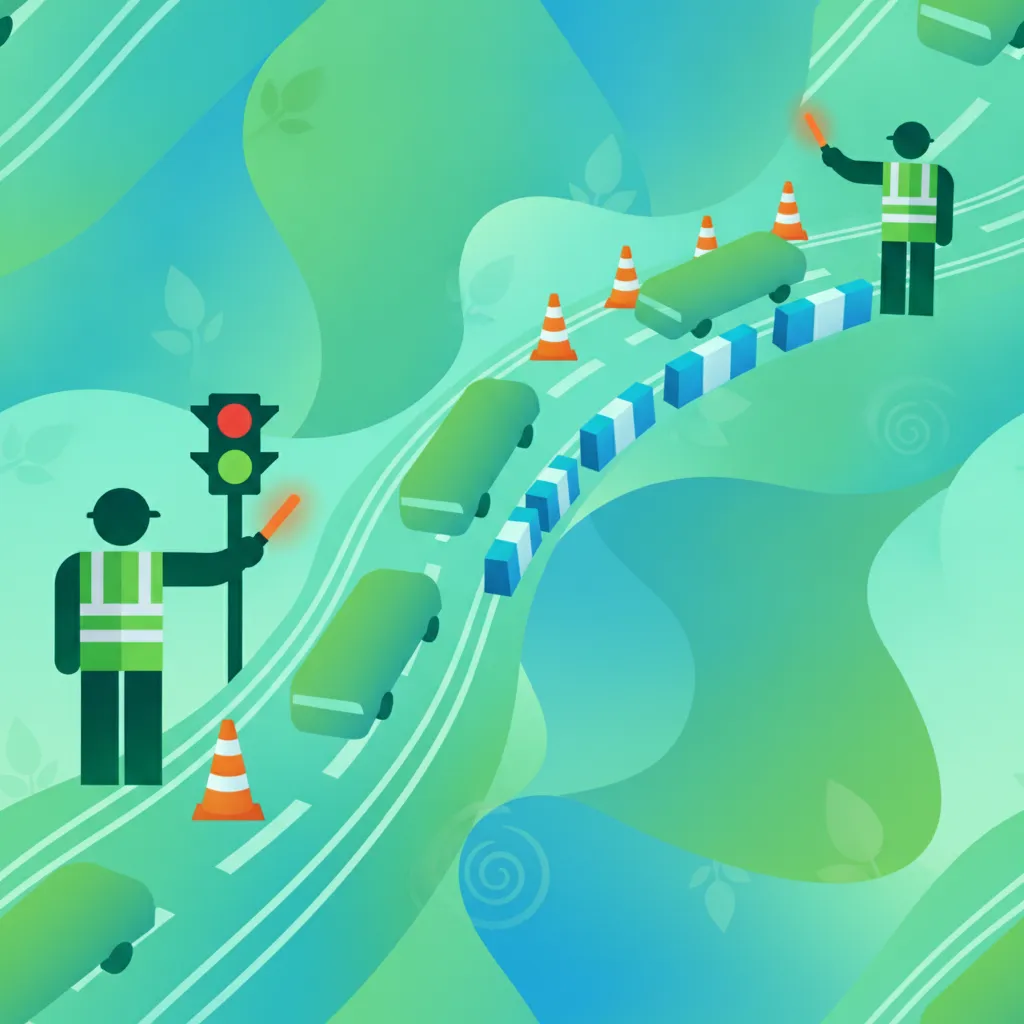
This lesson provides guidance on driving safely through roadwork zones. It covers the importance of obeying temporary speed limits, navigating narrow lanes and contraflow systems, and being highly aware of workers and machinery. A professional driver's vigilance is essential for preventing accidents in these potentially hazardous areas.

This lesson focuses on the specific skills required for driving on high-speed motorways. It details the procedures for safely merging onto and exiting the motorway, maintaining proper lane discipline, and adhering to variable speed limits. The content also provides rules for safe overtaking and managing the vehicle's stability at high speeds.
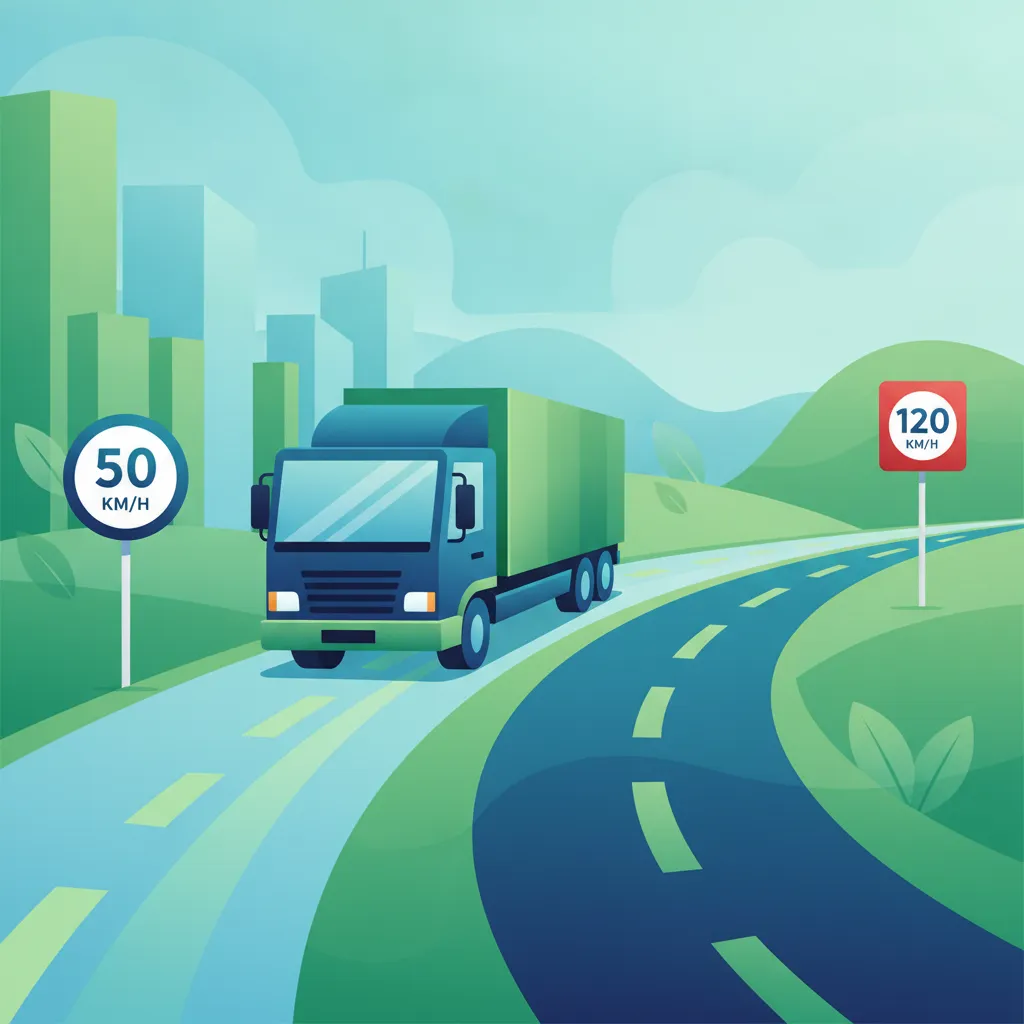
This lesson provides a clear breakdown of the legal speed limits for different categories of goods vehicles in Portugal. It covers the maximum speeds permitted on motorways, dual carriageways, rural roads, and within built-up areas. Adhering to these specific limits is a fundamental aspect of safe and legal professional driving.

This lesson provides a detailed overview of the legal requirements and safe driving practices for school zones and pedestrian crossings. It covers mandatory speed limits, the meaning of various signs and signals, and the importance of yielding to pedestrians. The content stresses heightened awareness due to the unpredictable nature of children's behavior near roads.

This lesson explains the regulations governing the use of dedicated bus lanes, including operational hours and priority rules at junctions. It clarifies which other vehicles may use these lanes and under what circumstances. The content also discusses traffic signal priority systems and the legal implications of improper bus lane usage.
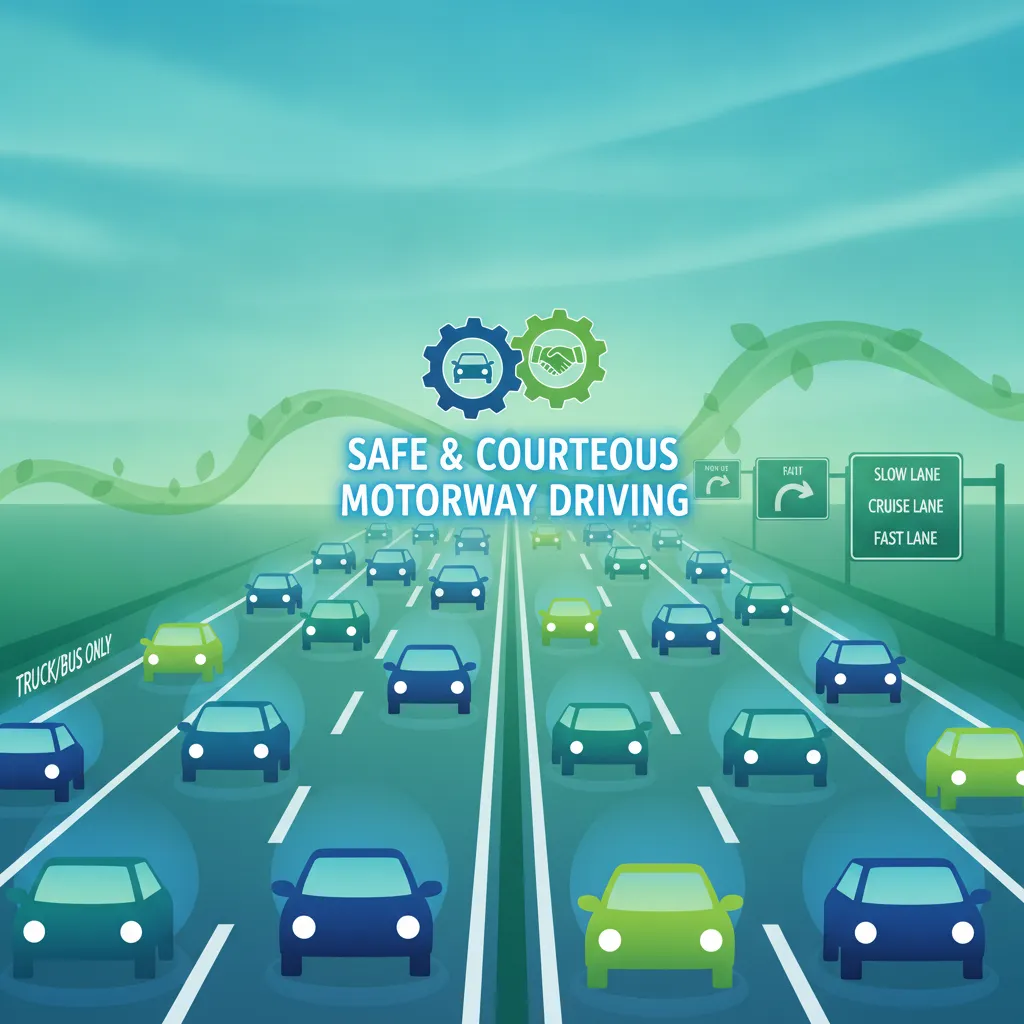
This lesson explains the unique set of rules that apply to motorway driving to facilitate safe, high-speed travel. It covers the correct procedure for entering and exiting the motorway, principles of lane discipline (keeping left unless overtaking), and the rules for safe overtaking. The lesson also clarifies the proper use of the hard shoulder or emergency lane for genuine emergencies only.
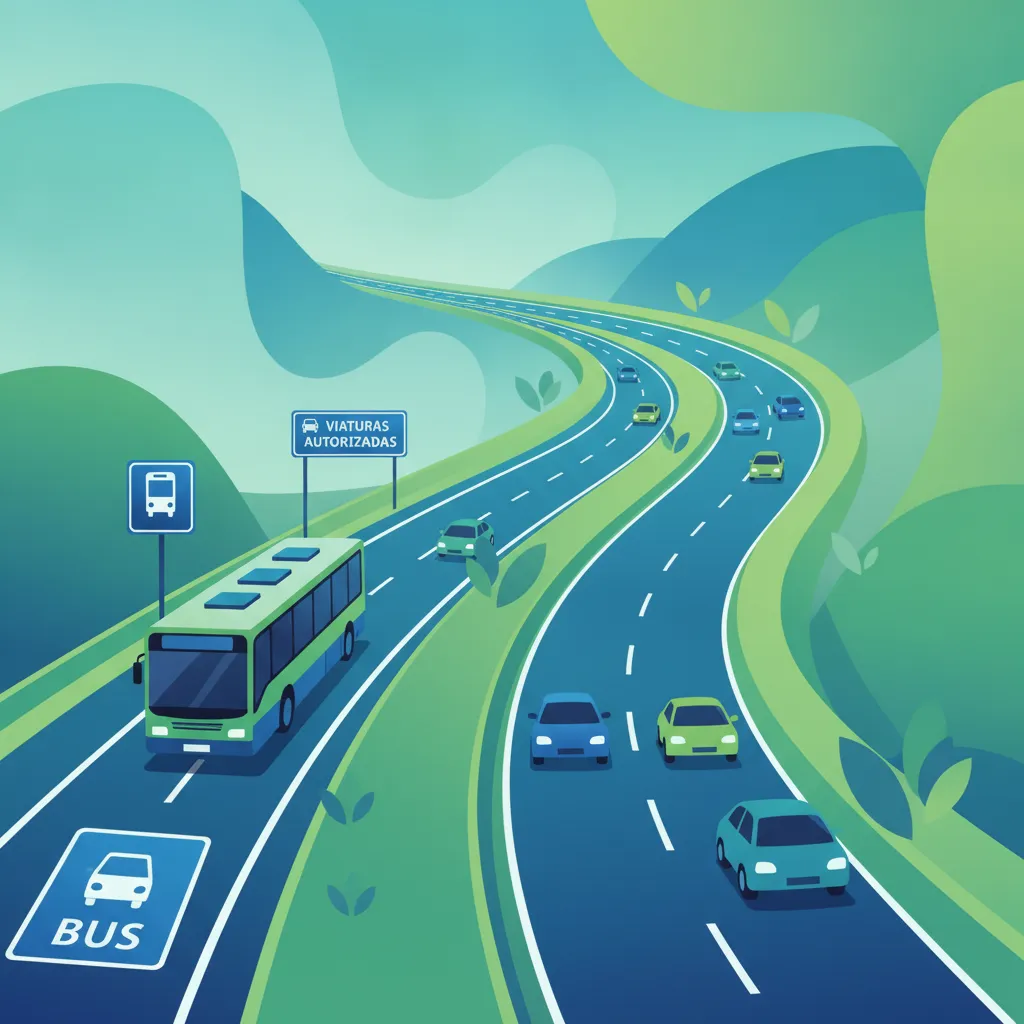
This lesson explains the purpose and rules of reserved lanes, such as those designated for buses, taxis, or cyclists. It covers how to identify these lanes through signage and road markings, and details the specific times they may be in operation. Drivers will learn when they are permitted to enter these lanes and the penalties for unauthorized use.
Learn critical safety principles, spatial awareness, and precise maneuvering techniques for goods vehicles within complex industrial sites, focusing on loading bays, visibility, and interaction with site equipment.

This lesson maps out the significant blind spots—or 'no zones'—to the front, sides, and rear of a heavy goods vehicle. It explains how these blind spots change depending on the vehicle's configuration, such as when pulling a trailer. Proper mirror setup and scanning techniques are taught to minimize these areas of no visibility.

This lesson addresses the challenges of operating a large vehicle in congested urban areas. It teaches techniques for navigating narrow streets, positioning for loading bays, and executing tight turns with minimal impact on other traffic. A high level of situational awareness and anticipation is required for these environments.

This lesson details the specific safety protocols for urban deliveries. It covers selecting a safe place to stop, using hazard warning lights correctly, and being highly aware of public movement around the vehicle. Procedures for safely reversing onto a loading dock, often with the help of a banksman, are also explained.

This lesson provides a structured approach to reversing, one of the highest-risk maneuvers. It covers the importance of a 360-degree check before starting, continuous observation using mirrors, and controlling speed. Specific techniques for reversing with a trailer, including steering inputs and correcting jack-knifing, are also detailed.

This lesson prepares drivers for the challenges of operating in older urban areas with restricted road space. It teaches how to assess if a street is passable, techniques for negotiating tight spaces, and rules of priority when meeting other large vehicles. The importance of slow, careful maneuvering to avoid damage is emphasized.

This lesson explains how to correctly set up and use the complex mirror systems on a modern HGV to minimize blind spots. It also covers the operation of technological aids like reversing cameras, proximity sensors, and blind spot information systems. Drivers learn that these systems are aids, not replacements for all-around observation.

This lesson explains how the large dimensions of passenger vehicles influence their handling and maneuverability. It details the concept of turning radius and identifies the significant blind spots around the vehicle. The content emphasizes the critical importance of correct mirror adjustment to maximize visibility and reduce operational risks.

This lesson examines how to manage space when riding near heavy vehicles such as trucks and buses. It covers creating and maintaining protective space, avoiding squeeze points, and accounting for wind turbulence. Appropriate lane positioning and awareness of truck turning paths are discussed to enhance safety in these situations.

This lesson explains the critical dynamic of off-tracking, where the rear wheels follow a tighter path than the front wheels in a turn. It also covers front-end swing-out on some vehicle types. Drivers will learn the techniques to safely navigate sharp corners and junctions without striking curbs, signs, or other vehicles.

This lesson provides essential safety guidance for interacting with large vehicles like buses and trucks. It emphasizes the importance of staying out of their extensive blind spots and allowing extra space due to their long stopping distances and wide turning circles. The content also offers advice on how to safely overtake such vehicles and navigate around public transport stops.
Find clear answers to common questions learners have about Navigation of Industrial Zones, Ports, and Logistics Centers. Learn how the lesson is structured, which driving theory objectives it supports, and how it fits into the overall learning path of units and curriculum progression in Portugal. These explanations help you understand key concepts, lesson flow, and exam focused study goals.
While the general principles of the Código da Estrada remain the foundation, private industrial zones often have site-specific rules, one-way systems, and proprietary signage. You must always prioritize local site instructions while maintaining professional driving standards.
The highest risks are interacting with pedestrians in high-traffic areas, limited sightlines due to stored goods, and maneuvering in tight spaces where off-tracking can cause collisions with infrastructure or other vehicles.
Always perform a visual inspection of the docking area before reversing. Use a banksman if available, maintain a very low speed, and account for your vehicle's swing-out and off-tracking characteristics to ensure you don't hit nearby structures or people.
Yes, the exam often tests your ability to apply safety principles to various environments, including industrial zones, focusing on hazard perception and understanding specialized signage found in professional driving contexts.
Utilize the powerful search tool to refine your Portuguese driving theory practice. Pinpoint questions related to specific traffic laws, road signs, or complex scenarios from the Código da Estrada. Begin targeted revision now to boost your understanding and confidently approach your IMT driving exam.