
This lesson provides a comprehensive guide on lane discipline for heavy vehicles, an essential skill for professional drivers in Portugal. It covers correct lane positioning, signaling protocols, and maneuvering techniques required to navigate multilane roads safely and comply with the Código da Estrada.

Lesson content overview
Driving a heavy goods vehicle (HGV) on roads with multiple lanes requires a high level of precision, foresight, and adherence to specific rules. Due to their significant size, weight, and unique maneuvering characteristics, Category C drivers must master advanced lane discipline and precise positioning to ensure safety for all road users and optimize traffic flow. This lesson explores the fundamental principles, essential techniques, and legal requirements for maintaining proper lane discipline, changing lanes safely, and navigating complex multi-lane roundabouts.
Lane discipline for heavy vehicles is not merely a suggestion; it is a fundamental requirement for safe and efficient operation. Incorrect positioning or uncontrolled lane changes can have severe consequences, including side-swipes, reduced clearance, and conflicts with other, often smaller, vehicles. For professional drivers of goods vehicles, meticulous lane discipline contributes significantly to preventing accidents, minimizing road wear, and ensuring predictable vehicle movements, which is vital for overall road safety in Portugal.
Heavy vehicles, by their nature, have larger blind spots, require longer braking distances, and exhibit different turning dynamics (such as off-tracking). These factors make strict adherence to lane rules even more crucial compared to passenger cars. Every maneuver must be carefully planned and executed, with clear communication to other road users.
Maintaining a central position within your lane is a cornerstone of safe driving for heavy goods vehicles. This practice ensures consistent clearance from other vehicles and roadside hazards, reducing the risk of accidental encroachments or side-on collisions.
Central lane positioning means maintaining your vehicle's longitudinal axis equidistant from both lane boundaries. For large vehicles, this is especially vital because:
Achieving and maintaining central lane positioning requires constant vigilance and practice:
When driving a heavy vehicle, especially a longer one, remember that your rear wheels will track differently from your front wheels on curves. This "off-tracking" makes central positioning even more challenging and important. Anticipate curves and adjust your initial position slightly to ensure the entire vehicle remains within its lane.
Changing lanes is a routine maneuver but one of the riskiest if not executed correctly, especially for heavy vehicles. A methodical, step-by-step approach is essential to communicate your intentions clearly and ensure the safety of everyone around you.
Signaling your intention to change lanes is your primary way of communicating with other road users. It allows them time to react, adjust their speed, or create space for your maneuver.
Activate the Signal: Switch on your indicator lights well in advance of the planned lane change. This should be done before you begin any other checks or start to move.
Allow Time for Reaction: The signal should be maintained for a sufficient period before the maneuver. This provides ample warning to surrounding traffic, particularly behind you and in the target lane.
Maintain Signal: Keep the signal active throughout the entire lane change until your vehicle is fully established in the new lane.
Late signaling, or failing to signal at all, is a common cause of accidents, as it can surprise other drivers and lead to sudden braking or evasive actions.
Heavy goods vehicles have significantly larger blind spots compared to passenger cars, making thorough blind spot management a non-negotiable step before any lane change. These areas, not visible in your mirrors, can hide entire vehicles.
Mirror Checks: Before signaling, check all your mirrors (main, wide-angle, and close-proximity mirrors if fitted) to assess the traffic situation around your vehicle. Pay close attention to vehicles approaching from behind in the target lane and those traveling alongside you.
Shoulder Check (Head Check): This is perhaps the most critical step for heavy vehicle drivers. After checking your mirrors and signaling, quickly turn your head to glance over your shoulder in the direction of the intended lane change. This direct visual check is the only way to confirm if a vehicle, motorcycle, or cyclist is hidden in your blind spot.
Extra Mirrors/Monitoring Systems: Many modern HGVs are equipped with additional convex mirrors or camera systems designed to reduce blind spots. Use these aids diligently, but never rely solely on them; a physical shoulder check remains paramount.
Adjusting Mirror Angles: Ensure your mirrors are always correctly adjusted for your driving position, providing the widest possible field of view.
Never initiate a lane change without performing a thorough shoulder check. Vehicles, especially smaller ones or motorcycles, can quickly enter your blind spot.
Once you have signaled, checked your mirrors, and confirmed your blind spot is clear, you can proceed with the lane change.
Smooth Steering: Apply gentle and smooth steering input to guide your vehicle into the new lane. Avoid abrupt movements.
Maintain Speed (or Adjust Safely): Generally, try to maintain your speed, or make small, safe adjustments to match the flow of traffic in the target lane. Avoid slowing down unnecessarily, which can impede traffic behind you.
Confirm Positioning: Once your entire vehicle is safely within the new lane, recenter yourself and switch off your indicator. Continue to monitor your mirrors.
Remember that heavy vehicles take up more space and time to complete a lane change. Always ensure you have sufficient gap and time to execute the maneuver without forcing other drivers to take evasive action.
Multi-lane roundabouts, common in urban and interurban areas across Portugal, can be particularly challenging for heavy vehicles due to off-tracking and the need to occupy specific lanes. Proper lane choice and adherence are crucial to avoid collisions and maintain smooth traffic flow.
The key to safe roundabout navigation begins before you even enter. You must select the appropriate lane based on your intended exit. Lane markings on approach to and within multi-lane roundabouts typically dictate which lanes serve which exits.
Once you have entered a multi-lane roundabout, it is imperative to remain in your chosen lane throughout the maneuver until you are ready to exit.
In some larger multi-lane roundabouts, specific markings may allow for lane changes for certain exits, but these are exceptions. Always prioritize staying in your lane and only change if explicitly permitted and safe.
As you approach your intended exit, signal your intention clearly and prepare to leave the roundabout.
Adherence to the Código da Estrada (Road Code) in Portugal is mandatory for all drivers, with specific considerations for heavy goods vehicles.
These rules are not merely guidelines; they are legal obligations intended to ensure the safety and fluidity of traffic. Violations can lead to fines and penalties.
Understanding common pitfalls can help Category C drivers avoid them.
Proper lane discipline also requires adapting your driving style to varying conditions.
Mastering lane discipline and positioning is a fundamental skill for every Category C driver. It’s a core component of defensive driving that not only protects you and your vehicle but also significantly enhances the safety and efficiency of traffic for all road users in Portugal. By consistently practicing central lane positioning, executing proper signaling and blind spot checks before every lane change, and navigating multi-lane roundabouts with precision, you contribute to a safer road environment. Always remember that due to the size and mass of your vehicle, the consequences of improper lane discipline are significantly amplified, making your adherence to these principles paramount.
Explore all units and lessons included in this driving theory course.
Lesson content overview
Explore all units and lessons included in this driving theory course.
Explore search topics learners often look for when studying Lane Discipline and Positioning on Multilane Roads. These topics reflect common questions about road rules, driving situations, safety guidance, and lesson level theory preparation for learners in Portugal.
Browse additional driving theory lessons that cover connected traffic rules, road signs, and common driving situations related to this topic. Improve your understanding of how different rules interact across everyday traffic scenarios.
Explore advanced strategies for lane discipline and precise vehicle positioning on multilane roads and complex roundabouts. Understand the critical factors for heavy vehicles, focusing on maintaining safety and traffic flow in challenging Portuguese driving conditions.
This lesson reinforces the importance of strict lane discipline for large vehicles. It details the rules for using dedicated bus lanes, including entry and exit points and operational time restrictions. The content also covers the procedures for safely changing lanes and overtaking in a multi-lane environment.

This lesson focuses on the specific skills and regulations for motorway driving. It covers correct lane usage for HGVs, safe procedures for overtaking slower traffic, and the rules for using the hard shoulder or emergency refuge areas. Maintaining consistent speed and awareness of surrounding traffic is key to motorway safety.

This lesson details the rules of lane discipline and the procedures for safe overtaking. It explains how to maintain correct lane positioning and how road markings and signs define where overtaking is allowed or forbidden. The lesson emphasizes the importance of the mirror-signal-manoeuvre routine and ensuring sufficient space and visibility before attempting to pass another vehicle.
This lesson explains the purpose and rules of reserved lanes, such as those designated for buses, taxis, or cyclists. It covers how to identify these lanes through signage and road markings, and details the specific times they may be in operation. Drivers will learn when they are permitted to enter these lanes and the penalties for unauthorized use.

This lesson provides a detailed explanation of longitudinal road markings, including solid, broken, and double lines. It clarifies the rules for each type, specifying when changing lanes or overtaking is permitted or prohibited. Additionally, the lesson covers markings for road edges, stop lines at intersections, and pedestrian crossings to ensure correct driver positioning and action.

This lesson explains the regulations governing the use of dedicated bus lanes, including operational hours and priority rules at junctions. It clarifies which other vehicles may use these lanes and under what circumstances. The content also discusses traffic signal priority systems and the legal implications of improper bus lane usage.
This lesson explains the unique set of rules that apply to motorway driving to facilitate safe, high-speed travel. It covers the correct procedure for entering and exiting the motorway, principles of lane discipline (keeping left unless overtaking), and the rules for safe overtaking. The lesson also clarifies the proper use of the hard shoulder or emergency lane for genuine emergencies only.

This lesson focuses on the specific skills required for driving on high-speed motorways. It details the procedures for safely merging onto and exiting the motorway, maintaining proper lane discipline, and adhering to variable speed limits. The content also provides rules for safe overtaking and managing the vehicle's stability at high speeds.
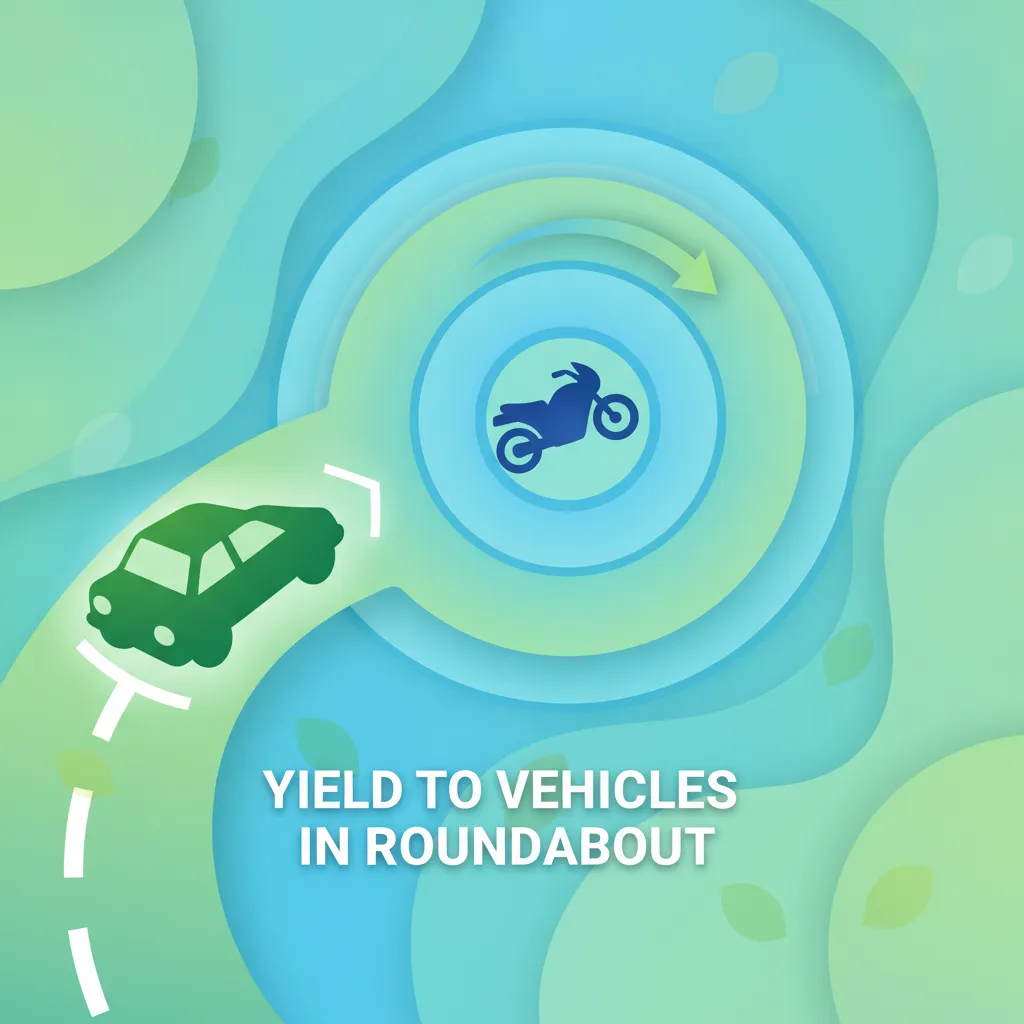
This lesson provides a step-by-step guide to navigating roundabouts in Portugal. It emphasizes the primary rule of yielding to traffic already circulating within the roundabout before entering. The content covers correct lane selection based on the intended exit, proper use of indicators for exiting, and managing the complexities of multi-lane roundabouts.

This lesson explores the significant road space occupied by a heavy goods vehicle and its effect on traffic dynamics. It discusses the importance of correct lane positioning, especially on multi-lane roads and roundabouts. Drivers will learn how their vehicle's presence impacts other road users and how to drive defensively to ensure smooth traffic flow.
Identify frequent mistakes and potential risks related to lane discipline and vehicle positioning for heavy goods vehicles. Learn how to avoid dangerous situations and improve your defensive driving techniques on Portuguese roads.
This lesson explores the significant road space occupied by a heavy goods vehicle and its effect on traffic dynamics. It discusses the importance of correct lane positioning, especially on multi-lane roads and roundabouts. Drivers will learn how their vehicle's presence impacts other road users and how to drive defensively to ensure smooth traffic flow.
This lesson reinforces the importance of strict lane discipline for large vehicles. It details the rules for using dedicated bus lanes, including entry and exit points and operational time restrictions. The content also covers the procedures for safely changing lanes and overtaking in a multi-lane environment.
This lesson focuses on the specific skills and regulations for motorway driving. It covers correct lane usage for HGVs, safe procedures for overtaking slower traffic, and the rules for using the hard shoulder or emergency refuge areas. Maintaining consistent speed and awareness of surrounding traffic is key to motorway safety.

This lesson examines how to manage space when riding near heavy vehicles such as trucks and buses. It covers creating and maintaining protective space, avoiding squeeze points, and accounting for wind turbulence. Appropriate lane positioning and awareness of truck turning paths are discussed to enhance safety in these situations.

This lesson prepares drivers for the challenges of operating in older urban areas with restricted road space. It teaches how to assess if a street is passable, techniques for negotiating tight spaces, and rules of priority when meeting other large vehicles. The importance of slow, careful maneuvering to avoid damage is emphasized.

This lesson examines the physics behind vehicle stability and the common causes of rollovers in heavy vehicles. It discusses the dangers of dynamic loads, such as liquids in tankers, and the importance of speed management in curves. Drivers will learn to recognize conditions that increase rollover risk and how to mitigate them.

This lesson addresses the challenges of operating a large vehicle in congested urban areas. It teaches techniques for navigating narrow streets, positioning for loading bays, and executing tight turns with minimal impact on other traffic. A high level of situational awareness and anticipation is required for these environments.
Find clear answers to common questions learners have about Lane Discipline and Positioning on Multilane Roads. Learn how the lesson is structured, which driving theory objectives it supports, and how it fits into the overall learning path of units and curriculum progression in Portugal. These explanations help you understand key concepts, lesson flow, and exam focused study goals.
Heavy goods vehicles have significantly larger dimensions and longer braking distances. Poor lane discipline forces you to make sharper movements, which can cause instability, trailer swing, or accidents due to restricted visibility and off-tracking.
You must choose the lane that corresponds to your exit destination early, while being mindful of your vehicle's turning radius. Often, you may need to occupy more than one lane for safety, signaling your intentions clearly to other drivers so they stay clear of your swing-out path.
The primary risk is the presence of significant blind spots, especially on the passenger side. Always ensure your mirrors are correctly adjusted and utilize cameras if available before signaling and initiating a move.
Yes, for heavy vehicles, you must signal your intention well in advance, giving other road users time to adjust to your slower acceleration and larger size before you commit to a lane change.
Utilize the powerful search tool to refine your Portuguese driving theory practice. Pinpoint questions related to specific traffic laws, road signs, or complex scenarios from the Código da Estrada. Begin targeted revision now to boost your understanding and confidently approach your IMT driving exam.