
Driving heavy vehicles through roadworks requires heightened vigilance and precise control. This lesson guides you through the legal requirements and safety procedures for navigating temporary traffic arrangements in Portugal, helping you manage the unique risks posed to Category C drivers.
Lesson content overview
Driving a heavy goods vehicle (Category C) presents unique challenges, especially when encountering roadworks and temporary traffic arrangements (TTAs). These zones are dynamic environments where standard road layouts are altered, introducing unexpected hazards and requiring heightened vigilance from professional drivers. Understanding and adhering to the specific rules and principles governing roadworks is crucial for ensuring the safety of yourself, your vehicle, road workers, and other road users. This lesson will equip you with the knowledge to safely navigate these complex areas, emphasizing the responsibilities of a professional goods vehicle driver in Portugal.
Roadwork zones are inherently hazardous areas. The presence of construction activity, machinery, and workers often leads to sudden changes in road conditions, traffic flow, and available space. For heavy goods vehicles, these changes are amplified due to their size, weight, and longer stopping distances. A momentary lapse in concentration can have severe consequences, ranging from minor vehicle damage to serious accidents involving injuries or fatalities.
Roadwork zones demand your absolute and undivided attention. Treat every temporary sign and marking as if it were a permanent regulation, as failure to comply can lead to significant penalties and dangerous situations.
Compliance with temporary traffic laws not only prevents accidents but also helps maintain the smooth flow of traffic, minimizing congestion and delays. Professional drivers are expected to demonstrate exemplary conduct and adaptability in these challenging conditions, setting an example for other road users.
Driving a goods vehicle through roadworks introduces several distinct difficulties compared to standard passenger vehicles:
Road authorities implement specific systems to manage traffic flow and ensure safety during construction. These systems often involve a combination of temporary signs, markings, and physical barriers.
One of the most critical aspects of roadwork navigation is strict adherence to temporary speed limits. These limits are almost always lower than the permanent limits for the section of road and are put in place for very specific reasons:
Temporary speed limits are clearly indicated by specific signage. In Portugal, these signs are typically rectangular with a yellow or orange background, or a white background with a red border indicating a regulatory speed limit.
Always assume that a temporary speed limit applies from the moment you see the sign until you pass a new sign indicating a different limit or the end of the work zone. Never accelerate until you are clear of the work area.
Temporary traffic signs and road markings are your primary source of information in a work zone. They take precedence over any permanent signs or markings that may be present.
It is common for drivers to misinterpret temporary signs, especially if they are distracted or travelling too fast. Always scan far ahead to anticipate changes and give yourself ample time to react.
Roadworks frequently necessitate the closure or narrowing of lanes, forcing traffic to merge. This can create bottlenecks and congestion, particularly for heavy vehicles.
Contraflow (or counterflow) systems are temporary arrangements where traffic is directed onto a lane normally used by traffic moving in the opposite direction. This is common on motorways or dual carriageways where one side is undergoing major repairs.
The immediate vicinity of workers and heavy machinery is arguably the most dangerous part of any roadwork zone. Your actions directly impact their safety.
When present, traffic controllers or flag persons (semaforeiros) have the authority to override standard traffic signals and signs. Their directions are legally binding and must be obeyed without question.
A person, often wearing high-visibility clothing, who uses flags or hand signals to direct traffic through a roadwork zone, overriding temporary traffic lights or permanent road rules.
Stop: If a flag person is holding a "STOP" sign or has their arm extended horizontally, you must stop immediately and await further instructions.
Proceed: If they wave you forward or turn their "STOP" sign to "GO", proceed cautiously at a reduced speed.
Slow Down: If they wave a flag gently or make a downward motion with their arm, it signals you to slow down.
Disobeying a flag person's direction is a serious traffic offence and can lead to dangerous situations. Always make eye contact if possible to ensure you understand their instructions.
The physical constraints of roadwork zones demand precise vehicle control from Category C drivers.
When lanes are narrowed, or temporary barriers create a confined space, maintaining correct lane positioning is paramount.
The stability of your load is critically important in roadwork zones where sudden stops, uneven surfaces, or sharp turns might be necessary.
Overtaking (ultrapassagem) is heavily restricted, if not entirely prohibited, within roadwork zones. This is due to several factors:
Never attempt to overtake in a roadwork zone unless a specific passing place is clearly provided, and it is explicitly safe and permitted by signage. Patience is paramount.
If you encounter slower traffic, such as a maintenance vehicle or another heavy goods vehicle, you must remain behind it until you exit the work zone or reach an area where overtaking is clearly permitted and safe.
Roadwork zones are already complex, but external factors can make them even more challenging. Professional drivers must adapt their approach to various conditions.
Roadworks at night present unique hazards, even in clear weather.
In urban or semi-urban roadwork zones, pedestrians and cyclists may be present.
Always anticipate the presence of vulnerable road users in roadwork zones, particularly in built-up areas. Their safety is your responsibility.
Compliance with the Código da Estrada and specific temporary regulations is mandatory for all drivers, especially those operating Category C vehicles.
To enhance safety, it's vital to address common errors drivers make in roadwork zones:
Consider these practical examples to reinforce your understanding:
Scenario: Approaching a Motorway Roadwork Diversion
Scenario: Single-Lane Section with a Flag Person
Scenario: Heavy Rain and Reduced Visibility in a Work Zone
The stringent rules and guidelines for navigating roadwork zones are not arbitrary; they are founded on fundamental principles of physics, human behavior, and risk management:
By understanding the underlying reasons for these rules, professional drivers can internalize the importance of safe practices and become more adaptable and responsible in all temporary traffic arrangements. Prioritizing safety over speed in these zones is not just about compliance; it's about protecting lives.
Explore all units and lessons included in this driving theory course.
Lesson content overview
Explore all units and lessons included in this driving theory course.
Explore search topics learners often look for when studying Managing Roadworks and Temporary Traffic Arrangements. These topics reflect common questions about road rules, driving situations, safety guidance, and lesson level theory preparation for learners in Portugal.
Browse additional driving theory lessons that cover connected traffic rules, road signs, and common driving situations related to this topic. Improve your understanding of how different rules interact across everyday traffic scenarios.
Understand the specific dangers within roadwork zones for heavy goods vehicles. Learn how to safely navigate these areas, prioritize worker safety, and interpret temporary traffic management systems according to Portuguese driving theory.
This lesson provides guidance for driving safely through areas of roadworks, where normal road layouts are altered. It stresses the importance of obeying all temporary signage, including reduced speed limits and lane guidance, to protect both drivers and road workers. Drivers will learn to anticipate sudden stops, narrowed lanes, and be aware of potential surface hazards within the construction zone.

This lesson focuses on the heightened duty of care professional drivers have towards vulnerable road users. It covers common conflict points, such as junctions and roundabouts, and teaches techniques for anticipating the actions of pedestrians, cyclists, and motorcyclists. Giving extra space and being prepared to stop are key themes.

This lesson addresses the unique challenges of driving a large vehicle on rural roads. It teaches how to approach sharp bends, position the vehicle for maximum visibility, and deal with poor or unpaved surfaces. Drivers will also learn how to interact safely with agricultural machinery and other common rural hazards.

This lesson provides a detailed overview of the legal requirements and safe driving practices for school zones and pedestrian crossings. It covers mandatory speed limits, the meaning of various signs and signals, and the importance of yielding to pedestrians. The content stresses heightened awareness due to the unpredictable nature of children's behavior near roads.
This lesson details the special precautions drivers must take when navigating school zones. It highlights the reduced speed limits that are often in effect during specific hours and the importance of being vigilant for children crossing the road. The content also covers the rules for stopping for school buses when their lights are flashing, to ensure the safety of boarding and alighting students.

This lesson focuses on the specific skills and regulations for motorway driving. It covers correct lane usage for HGVs, safe procedures for overtaking slower traffic, and the rules for using the hard shoulder or emergency refuge areas. Maintaining consistent speed and awareness of surrounding traffic is key to motorway safety.
This lesson focuses on identifying and responding to temporary signs commonly found in construction zones or during road incidents. It covers signage indicating detours, lane closures, temporary speed limits, and the presence of road workers. Adherence to these temporary instructions is critical for ensuring the safety of both drivers and on-site personnel.

This lesson covers the specific rules and legal responsibilities that apply when a vehicle is in a loading or unloading zone. It details regulations regarding parking, time limits, and the driver's role in ensuring a safe environment for themselves and others during cargo handling. Compliance is key to efficient and lawful logistics operations.

This lesson provides guidance on operating within non-public road networks such as industrial estates, ports, and distribution centers. It covers understanding site layouts, following specific traffic flow rules, and maneuvering safely around loading bays and other operational areas. Adherence to site-specific safety protocols is paramount in these environments.

This lesson introduces the principles of hazard perception, a key skill for proactive and defensive driving. It teaches techniques for systematically scanning the environment, identifying potential risks before they develop into immediate dangers, and planning escape routes. By improving their ability to anticipate the actions of others, drivers can significantly reduce their risk of being involved in a collision.
Master the theory behind complex roadwork arrangements like contraflow and lane reductions. This lesson covers interpreting temporary signs, maintaining vehicle control in narrow spaces, and adapting to altered road layouts for heavy goods vehicles.
This lesson provides guidance for driving safely through areas of roadworks, where normal road layouts are altered. It stresses the importance of obeying all temporary signage, including reduced speed limits and lane guidance, to protect both drivers and road workers. Drivers will learn to anticipate sudden stops, narrowed lanes, and be aware of potential surface hazards within the construction zone.
This lesson focuses on identifying and responding to temporary signs commonly found in construction zones or during road incidents. It covers signage indicating detours, lane closures, temporary speed limits, and the presence of road workers. Adherence to these temporary instructions is critical for ensuring the safety of both drivers and on-site personnel.

This lesson emphasizes the importance of strict lane discipline for heavy vehicles. It covers how to maintain a central position in the lane, the correct procedure for signaling and checking before a lane change, and how to navigate multi-lane roundabouts. Proper lane discipline enhances safety and improves traffic flow for everyone.
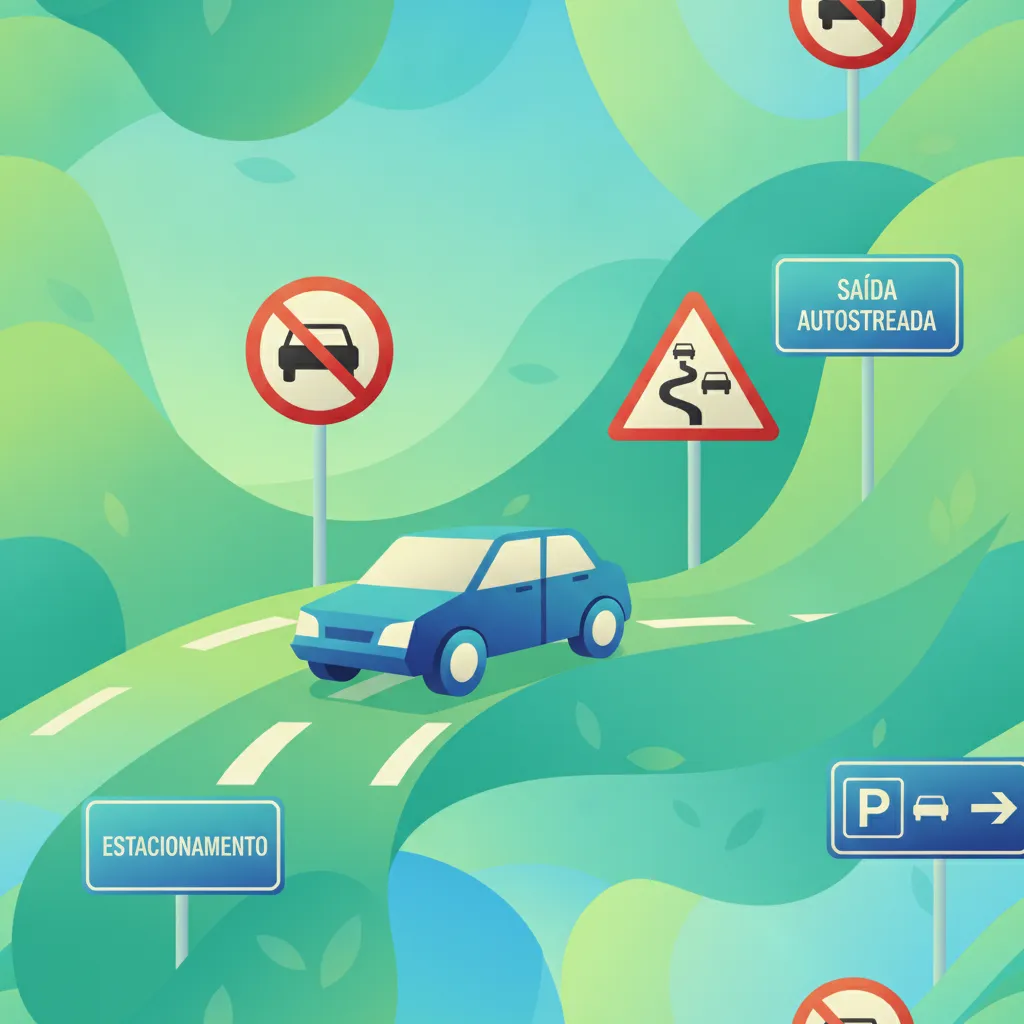
This lesson focuses on identifying and understanding road signs that directly impact passenger vehicle operation. It covers signage for bus lanes, height and weight restrictions, and prohibited movements. The content also explains the meaning of temporary signs used for diversions or roadworks that may affect planned routes.
This lesson focuses on the specific skills and regulations for motorway driving. It covers correct lane usage for HGVs, safe procedures for overtaking slower traffic, and the rules for using the hard shoulder or emergency refuge areas. Maintaining consistent speed and awareness of surrounding traffic is key to motorway safety.

This lesson explains the regulations governing the use of dedicated bus lanes, including operational hours and priority rules at junctions. It clarifies which other vehicles may use these lanes and under what circumstances. The content also discusses traffic signal priority systems and the legal implications of improper bus lane usage.
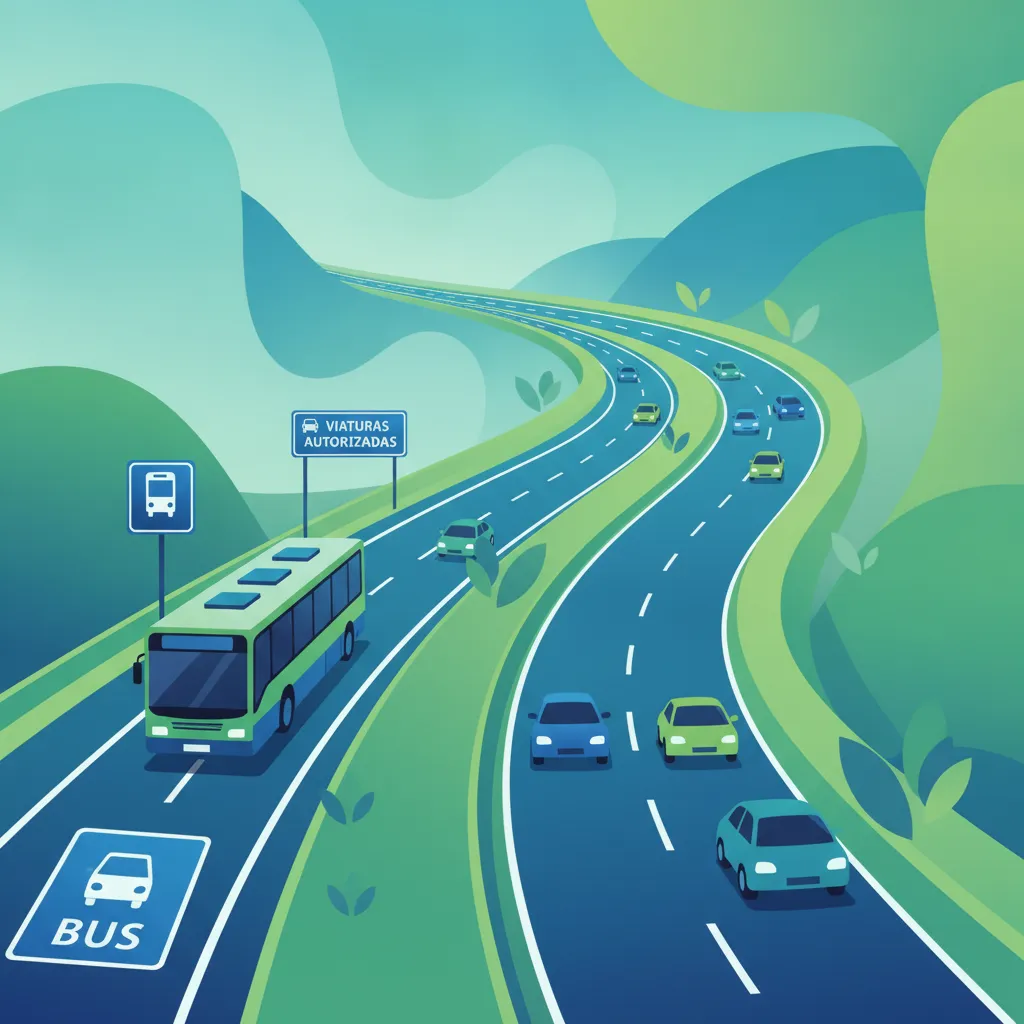
This lesson explains the purpose and rules of reserved lanes, such as those designated for buses, taxis, or cyclists. It covers how to identify these lanes through signage and road markings, and details the specific times they may be in operation. Drivers will learn when they are permitted to enter these lanes and the penalties for unauthorized use.
This lesson covers the specific rules and legal responsibilities that apply when a vehicle is in a loading or unloading zone. It details regulations regarding parking, time limits, and the driver's role in ensuring a safe environment for themselves and others during cargo handling. Compliance is key to efficient and lawful logistics operations.
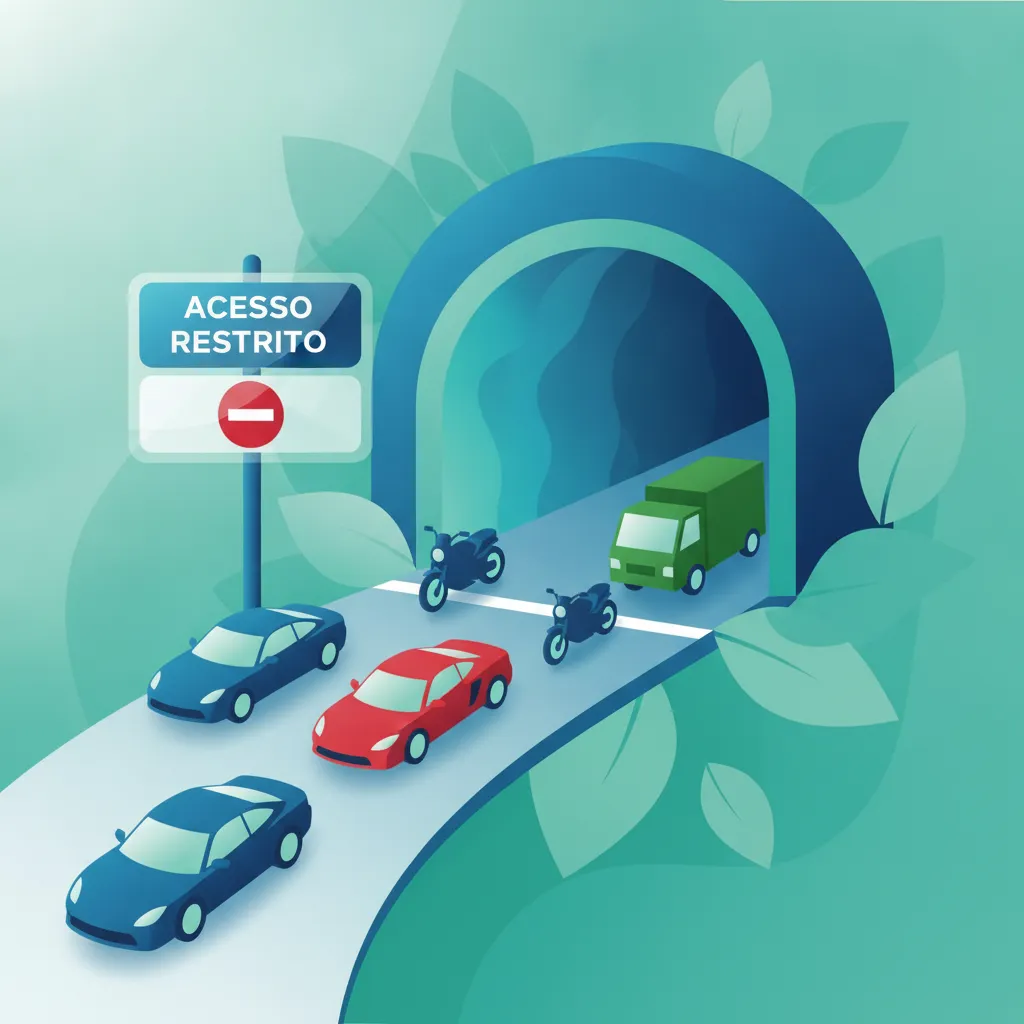
This lesson teaches drivers to recognize and adhere to access restrictions commonly found on the road network. It covers signs indicating weight, height, and width limits for structures like bridges and tunnels. Understanding these restrictions is vital for effective route planning and avoiding costly damage or fines.
This lesson provides a detailed overview of the legal requirements and safe driving practices for school zones and pedestrian crossings. It covers mandatory speed limits, the meaning of various signs and signals, and the importance of yielding to pedestrians. The content stresses heightened awareness due to the unpredictable nature of children's behavior near roads.
Find clear answers to common questions learners have about Managing Roadworks and Temporary Traffic Arrangements. Learn how the lesson is structured, which driving theory objectives it supports, and how it fits into the overall learning path of units and curriculum progression in Portugal. These explanations help you understand key concepts, lesson flow, and exam focused study goals.
Yes. Temporary speed limits in roadwork zones are mandatory for safety, often due to hidden hazards, narrow lanes, or workers present near the carriageway. Disregarding these limits is a traffic violation and significantly increases accident risk.
Always maintain a central position in your lane to account for the width of your vehicle. Avoid aggressive steering and maintain extra distance from the cones and barriers to prevent clipping them with your vehicle overhang.
Temporary road markings are typically yellow or orange, which override existing white markings. Always follow the temporary markings as they dictate the current, safe path through the construction zone.
Category C vehicles have greater width, length, and reduced maneuverability. You must pay closer attention to height/width restriction signs and account for increased off-tracking when navigating curves or lane shifts in roadwork zones.
Utilize the powerful search tool to refine your Portuguese driving theory practice. Pinpoint questions related to specific traffic laws, road signs, or complex scenarios from the Código da Estrada. Begin targeted revision now to boost your understanding and confidently approach your IMT driving exam.