
This lesson explores the essential protocols for securing passengers and cargo within passenger vehicles. It covers the correct application of restraints, child safety requirements, and the physics of load distribution to maintain vehicle stability during your professional service.

Lesson content overview
Operating a professional passenger vehicle, such as a bus or coach (Category D), demands an unwavering commitment to safety. This involves not only mastering driving techniques but also meticulously managing the vehicle's interior environment. This lesson delves into the crucial regulations and best practices concerning passenger seating, the proper application of restraint systems (seat belts, child safety seats, and standing passenger aids), and the critical principles of luggage and cargo management.
The correct implementation of these measures is fundamental to maintaining vehicle stability, ensuring passenger safety during routine transit, and mitigating potential injuries in emergency situations. A professional driver's vigilance in these areas directly impacts the well-being of every person on board and contributes significantly to overall road safety.
Passenger restraint systems are paramount for occupant safety in any vehicle. They are designed to secure individuals in their seats, limiting their movement during sudden braking, sharp turns, or collisions. For professional passenger vehicle operators, understanding and enforcing the use of these systems is a core responsibility.
Seat belts are the most fundamental safety device in a vehicle, acting as the primary restraint system for seated occupants. They consist of straps designed to fasten a passenger to their seat, preventing them from being thrown forward or sideways during abrupt vehicle movements or impacts.
Two common types of seat belts are found in passenger vehicles: the two-point (lap) belt, which secures across the lap, and the more common three-point (lap and shoulder) belt, which adds a diagonal strap across the chest. For Category D vehicles in Portugal, the use of seat belts is mandatory for all seated passengers at all times while the vehicle is in motion. There are generally no exemptions for adult passengers, even for short trips. Drivers must ensure passengers are aware of and comply with this regulation.
Always ensure seat belts are adjusted to fit snugly across the lap and shoulder. Loose belts significantly reduce their effectiveness in a crash, increasing the risk of injury.
A common misunderstanding among passengers is believing that seat belts are unnecessary for short distances or at low speeds. However, even a low-speed impact can generate significant forces, turning an unrestrained body into a projectile. Drivers have a legal and ethical obligation to ensure compliance, as failure to do so can result in penalties for both the passenger and, indirectly, the driver or operating company.
Children, due to their smaller size and developing bodies, require specialized restraint systems. Child safety seats are specifically designed to provide appropriate protection and support, ensuring the vehicle's seat belts fit them correctly and absorb crash forces effectively. These seats are categorized based on a child's age, weight, and height.
In Portugal, children under 12 years of age or shorter than 135 cm must be secured in an appropriate child safety seat. The primary categories are:
Proper installation of child safety seats is critical and must strictly follow the manufacturer's instructions, often using the vehicle's seat belts or ISOFIX anchor points. Common errors include incorrect belt routing, seats not being tightly secured, or using a forward-facing seat for an infant who should still be rear-facing. Professional drivers must be knowledgeable about these requirements and ensure that any children traveling in their vehicles are correctly restrained.
Never use a child safety seat that is not properly installed or that is inappropriate for the child's size and age. An incorrectly installed seat offers minimal protection and can even increase injury risk.
Unlike coaches or minibuses where all passengers typically have a seated position, city buses often accommodate standing passengers, particularly during peak hours. For these passengers, specific safety measures are required to prevent falls or injuries during vehicle movement, sudden stops, or evasive maneuvers.
Standing passenger restraints include a network of handrails, grab handles, and, in some cases, standing belts. These devices provide a stable point of contact for passengers to brace themselves against the vehicle's motion. While the bus is moving, standing passengers must hold onto these designated safety bars or belts.
The driver plays a crucial role in ensuring the safety of standing passengers. This includes smooth acceleration and braking, avoiding sudden turns, and allowing sufficient time for passengers to brace themselves. Furthermore, the driver must be aware if standing passengers are not using the provided restraints and, where appropriate, issue a reminder or warning before proceeding. Failure to ensure standing passengers are secured can result in significant safety risks and potential penalties.
Beyond passenger restraints, the correct management and stowage of luggage and cargo are equally vital for safety. Unsecured items, regardless of size or weight, can become hazardous projectiles during sudden vehicle movements, posing a severe threat to occupants and vehicle stability.
All passenger belongings and cargo must be secured to prevent movement during transport. The primary goal is to ensure that luggage does not obstruct the driver's view, impede access to vehicle controls, block emergency exits, or shift unpredictably.
Common storage areas in passenger vehicles include:
Never place heavy items on seatbacks, in overhead bins without proper security, or where they could fall and injure passengers or the driver. Loose items in the aisle create tripping hazards and can block evacuation routes.
Drivers must conduct a visual check before departure to ensure all luggage is correctly stored and secured. Overloading the vehicle with too much luggage or cargo is also prohibited, as it can exceed the vehicle's load capacity and negatively impact handling.
Load distribution refers to the arrangement of passengers and luggage within the vehicle to ensure that the total weight is evenly spread and respects the permissible load limits. This principle is critical for maintaining the vehicle's balance, handling characteristics, and overall stability.
The Gross Vehicle Weight Rating (GVWR) specifies the maximum permissible operating weight of the vehicle, including its own weight, fuel, passengers, and cargo. In addition, each axle has an Axle Load Limit, which dictates the maximum weight that can be safely supported by that specific axle. Exceeding either of these limits can have severe consequences:
To ensure proper load distribution:
The driver is ultimately responsible for verifying that the vehicle's load, including passengers and their belongings, complies with all weight restrictions and is correctly distributed before commencing any journey. This assessment is a vital part of pre-departure checks.
Compliance with the regulations governing passenger and luggage transport is not merely a recommendation; it is a legal requirement outlined in the Portuguese Código da Estrada and related legislation. Professional drivers, particularly those operating Category D vehicles, bear significant responsibility for upholding these laws.
The primary regulations and their implications are as follows:
Violations of these regulations carry specific penalties, which typically include monetary fines and the attribution of demerit points to the driver's license. Accumulated demerit points can lead to license suspension or revocation. These penalties underscore the seriousness with which authorities view compliance with passenger and load safety regulations. The driver is ultimately held accountable for ensuring these rules are followed, highlighting the professional responsibility inherent in operating passenger vehicles.
Despite clear regulations, certain violations related to passenger and luggage safety occur frequently. Understanding these common pitfalls can help professional drivers proactively prevent them.
Passenger Not Wearing a Seat Belt While Seated:
Child Under 12 Seated Without an Appropriate Child Safety Seat:
Standing Passenger Not Holding Onto Safety Bars:
Luggage Placed on Seats, in Aisles, or Obstructing the Driver's View:
Overloading the Vehicle Beyond GVWR or Axle Limits:
Understanding the underlying physics reinforces the critical importance of these safety regulations. The principles of inertia and force absorption directly explain why proper restraints and load management are non-negotiable.
The principles of passenger seating, restraints, and luggage management are not isolated; they are deeply interconnected with broader aspects of professional passenger vehicle operation, influencing overall safety, vehicle performance, and emergency preparedness.
Applying these safety principles in various real-world scenarios is critical for professional drivers.
Scenario: A city bus during morning rush hour with numerous standing passengers.
Scenario: A long-distance coach preparing to depart with families, including an infant and a 7-year-old child.
Scenario: A minibus loaded with tourists and their suitcases for an airport transfer, with concerns about weight.
The safe management of passenger seating, restraints, and luggage is a cornerstone of professional passenger transport. For Category D drivers in Portugal, this lesson has highlighted the critical importance of adhering to stringent regulations regarding seat belt use, child safety seats, and the securement of standing passengers and cargo.
By understanding the legal obligations, the physics behind safety measures, and the practical implications of proper load distribution, drivers can significantly mitigate risks, enhance vehicle stability, and protect every person on board. Upholding these standards is not only a matter of legal compliance but a fundamental aspect of professional duty and commitment to public safety.
Explore all units and lessons included in this driving theory course.
Lesson content overview
Explore all units and lessons included in this driving theory course.
Explore search topics learners often look for when studying Passenger Seating, Restraints and Luggage Management. These topics reflect common questions about road rules, driving situations, safety guidance, and lesson level theory preparation for learners in Portugal.
Browse additional driving theory lessons that cover connected traffic rules, road signs, and common driving situations related to this topic. Improve your understanding of how different rules interact across everyday traffic scenarios.
Understand the mandatory rules for passenger seating, seat belts, child safety seats, and standing passenger restraints. Learn how to manage luggage and distribute load correctly to maintain vehicle stability and comply with Portuguese driving laws for Category D vehicles.

This lesson explains the principles of safely loading a vehicle to avoid negatively impacting its stability and handling. It covers the importance of even weight distribution, respecting the vehicle's maximum load capacity, and properly securing all items. The dangers of unsecured loads, both inside the cabin and on external racks, are highlighted as significant safety hazards.

This lesson covers the legal and safety requirements for restraining occupants in a vehicle. It details the mandatory use of seatbelts for all passengers and explains the specific laws regarding child restraint systems. The content provides guidance on choosing and correctly installing the appropriate type of child seat—from rear-facing carriers to booster seats—based on a child's age, weight, and height.

This lesson focuses on the critical importance of distributing weight correctly across the vehicle's axles. It explains how improper loading can negatively affect vehicle stability, handling, and braking effectiveness. Learners will understand how to comply with legal axle load limits to ensure safety and prevent excessive wear on the vehicle and roads.

This lesson focuses on the legal and practical requirements for transporting passengers with reduced mobility and children. It explains the operation of accessibility features like wheelchair ramps and the importance of priority seating. The content also addresses the safe transport of children, including the use of appropriate restraints and collaboration with caregivers.

This lesson covers the specific rules and legal responsibilities that apply when a vehicle is in a loading or unloading zone. It details regulations regarding parking, time limits, and the driver's role in ensuring a safe environment for themselves and others during cargo handling. Compliance is key to efficient and lawful logistics operations.

This lesson provides a detailed breakdown of the professional licence categories for passenger transport in Portugal. It distinguishes between minibuses (D1), buses (D), and vehicles with trailers (D1E, DE). The content outlines the requirements for obtaining each licence, including medical certification, training, and passenger capacity limitations.

This lesson focuses on the legal concept of duty of care, detailing a professional driver's obligations to passengers and other road users. It examines how negligence and failure to comply with traffic laws can result in liability and legal penalties. The content also emphasizes adherence to safety regulations and proper incident reporting procedures.

This lesson provides practical guidance on the methods used to secure cargo effectively. It covers the correct application of tie-downs, restraints, and blocking materials to prevent any movement of the load while driving. Proper cargo security is a legal requirement and is fundamental to preventing accidents.
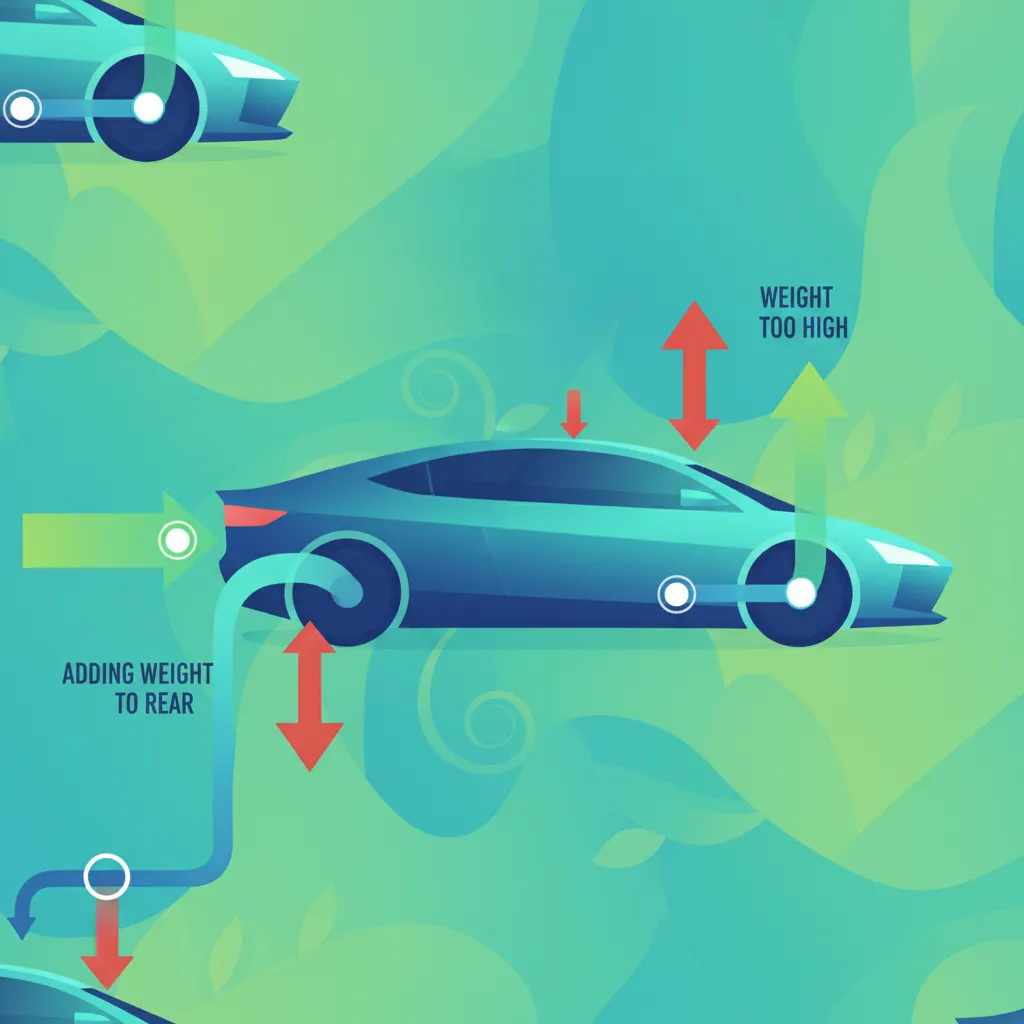
This lesson explains the fundamental principles of distributing a load to maintain a low center of gravity. It details how improper cargo placement can adversely affect vehicle handling, braking, and stability, increasing the risk of rollover. Applying these principles is essential for the safe transport of any goods.

This lesson focuses on identifying and understanding road signs that directly impact passenger vehicle operation. It covers signage for bus lanes, height and weight restrictions, and prohibited movements. The content also explains the meaning of temporary signs used for diversions or roadworks that may affect planned routes.
Explore the physics behind passenger safety, including inertia and force absorption by restraints. Understand how proper load distribution impacts vehicle dynamics, braking, and stability in Portuguese driving theory.

This lesson examines the physics behind vehicle stability and the common causes of rollovers in heavy vehicles. It discusses the dangers of dynamic loads, such as liquids in tankers, and the importance of speed management in curves. Drivers will learn to recognize conditions that increase rollover risk and how to mitigate them.
This lesson explains the fundamental principles of distributing a load to maintain a low center of gravity. It details how improper cargo placement can adversely affect vehicle handling, braking, and stability, increasing the risk of rollover. Applying these principles is essential for the safe transport of any goods.
This lesson explains the principles of safely loading a vehicle to avoid negatively impacting its stability and handling. It covers the importance of even weight distribution, respecting the vehicle's maximum load capacity, and properly securing all items. The dangers of unsecured loads, both inside the cabin and on external racks, are highlighted as significant safety hazards.

This lesson explains the relationship between vehicle dynamics and passenger comfort. It provides techniques for executing smooth maneuvers, including gentle acceleration, progressive braking, and stable cornering. The content emphasizes anticipatory driving to avoid sudden movements that could cause discomfort or injury to passengers.
This lesson focuses on the critical importance of distributing weight correctly across the vehicle's axles. It explains how improper loading can negatively affect vehicle stability, handling, and braking effectiveness. Learners will understand how to comply with legal axle load limits to ensure safety and prevent excessive wear on the vehicle and roads.
Find clear answers to common questions learners have about Passenger Seating, Restraints and Luggage Management. Learn how the lesson is structured, which driving theory objectives it supports, and how it fits into the overall learning path of units and curriculum progression in Portugal. These explanations help you understand key concepts, lesson flow, and exam focused study goals.
Regulations for seat belts depend on the vehicle type and passenger capacity. While most modern passenger vehicles require functional seat belts for every seat, you must know specific exceptions for urban transport or designated standing areas as defined in the Código da Estrada.
Poor load distribution shifts the vehicle's center of gravity, which can drastically impact handling, braking distance, and stability when cornering. As a professional driver, you are responsible for ensuring that luggage is stored within specified compartments to prevent it from sliding and affecting the vehicle's balance.
You must strictly adhere to the vehicle's maximum occupancy limits listed on the registration documents. Standing passengers should only be permitted in designated areas, and as a driver, you must adjust your braking and acceleration to account for their lack of physical restraints.
Passenger vehicles have specific regulations regarding the transportation of children. Depending on the bus category and route type, special adaptations or specific seating arrangements may be required to meet legal safety standards for young passengers.
Utilize the powerful search tool to refine your Portuguese driving theory practice. Pinpoint questions related to specific traffic laws, road signs, or complex scenarios from the Código da Estrada. Begin targeted revision now to boost your understanding and confidently approach your IMT driving exam.