
This lesson covers the essential regulations and best practices for transporting passengers with reduced mobility and children in professional passenger vehicles. As part of our Category D professional course, you will learn how to operate accessibility equipment and ensure child safety to meet Portuguese legal requirements.
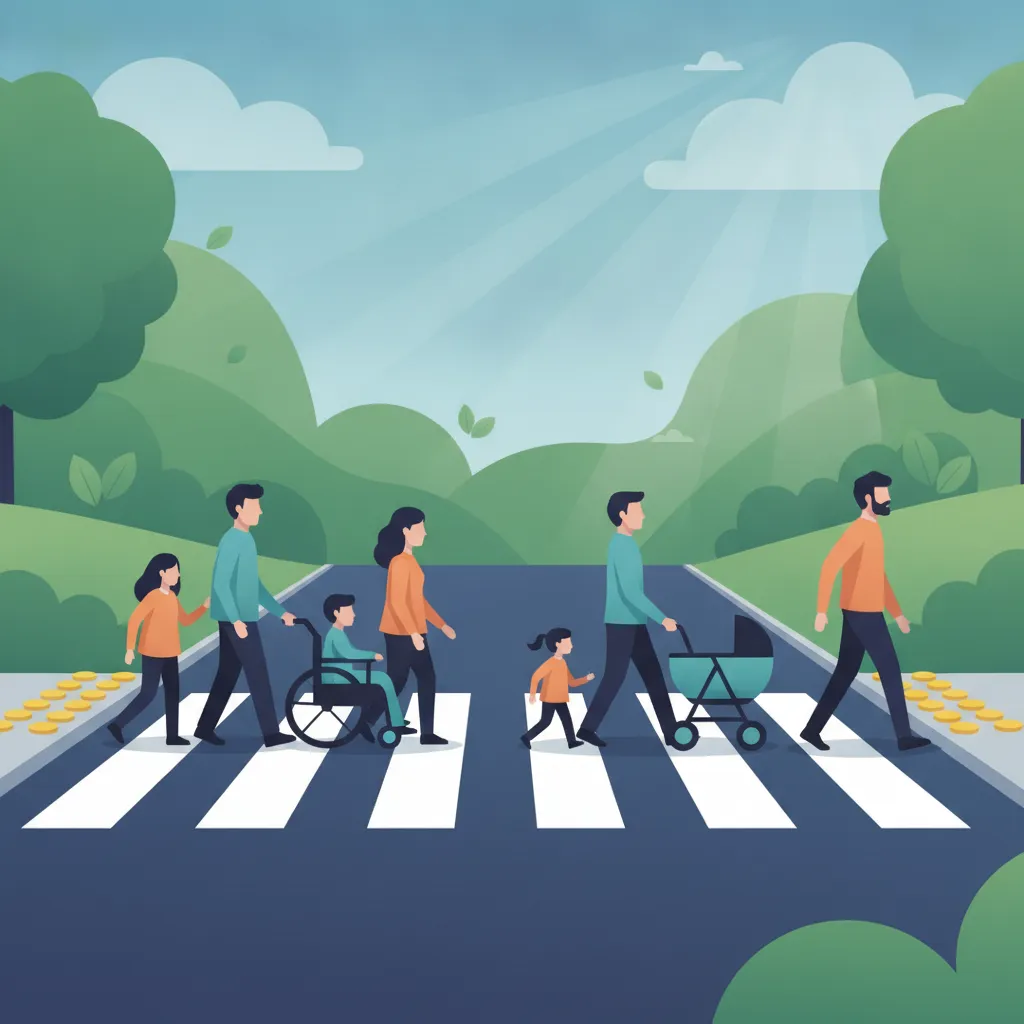
Lesson content overview
Providing safe, comfortable, and equitable transport for all passengers is a cornerstone of professional driving in the Category D license holder's remit. This lesson focuses on the specific legal and operational requirements for serving two crucial vulnerable groups: passengers with reduced mobility (PRM) and children. As a professional passenger vehicle operator, understanding and diligently applying these protocols is not merely about compliance; it's about upholding social inclusion, preventing injury, and ensuring a dignified travel experience for everyone.
The principles discussed herein are vital for any driver of buses or coaches, reflecting the commitment to universal design and stringent safety standards in public and commercial passenger transport. We will explore the specific needs of these passenger groups, the vehicle features designed to assist them, and the crucial responsibilities drivers bear to ensure their well-being.
Passengers with Reduced Mobility (PRM) are individuals who, due to any physical impairment (sensory or locomotory, permanent or temporary), intellectual disability or impairment, or any other cause of disability, or due to age, require special attention and adaptation of the service made available to all passengers. This definition encompasses a broad spectrum of individuals, from wheelchair users to those with walking difficulties, pregnant women, and the elderly. The goal is to eliminate barriers and ensure PRM can use passenger transport services reliably and safely.
PRM includes various subcategories, each with distinct needs. Wheelchair users, for instance, require dedicated spaces and specific securement. Passengers with limited walking ability may need easier access, closer proximity to doors, and stable handholds. The core practical meaning for drivers is recognizing that these passengers may require more time, direct assistance, and the proper utilization of vehicle accessibility features. Neglecting their specific requirements can lead to discomfort, delays, or, critically, serious injury.
Always assume a passenger identified as PRM may require assistance and be prepared to offer it, respecting their independence where possible.
Modern professional passenger vehicles are equipped with various accessibility features designed to facilitate the boarding and alighting of PRM, especially wheelchair users. These include:
The correct operation of these features is paramount for safety and preventing injury to passengers or damage to the vehicle. Drivers must be thoroughly trained in their use.
Position the Vehicle: Ensure the vehicle is fully stopped, stable, and as close to the curb or boarding area as safely possible to minimize the ramp/lift angle or gap.
Activate Hazard Lights and Parking Brake: Prioritize safety for both passengers and other road users.
Confirm Area is Clear: Before deployment, visually check that no pedestrians, cyclists, or obstacles are in the path of the ramp or lift.
Deploy Feature: Follow the manufacturer's specific instructions for your vehicle's equipment. This may involve pressing buttons, operating levers, or manually extending a ramp.
Verify Secure Deployment: Ensure the ramp is fully extended and locked in place, or the lift is stable and ready for use. It should bear weight safely.
Assist Passenger (if needed): Offer verbal or physical assistance as requested, guiding the PRM onto or off the feature.
Retract Feature: Once the passenger is safely on board or has alighted, retract the ramp/lift completely and secure it in its stowed position before moving the vehicle.
Failure to deploy these features correctly, or neglecting to retract and secure them before departure, can lead to serious accidents, mechanical damage, and legal penalties. Regular pre-trip inspections must include checking the functionality and safety mechanisms of all accessibility equipment.
Once a wheelchair user has boarded, securing their wheelchair is a critical safety step that must never be overlooked. Professional passenger vehicles are equipped with designated spaces for wheelchairs, often identified by specific markings, and fitted with securement systems.
These systems typically consist of strong straps or docking mechanisms that anchor the wheelchair firmly to the vehicle floor. The purpose is to prevent the wheelchair from moving, tipping, or rolling during braking, acceleration, or turns, which could cause severe injury to the occupant and other passengers.
Specialized belts or docking systems integrated into the vehicle floor, designed to firmly anchor a wheelchair in its designated space during transport.
Associated Rules: It is mandatory that all wheelchairs are secured before the vehicle begins to move. The driver is responsible for ensuring this rule is applied, often with the assistance of the PRM or their caregiver.
Priority seating refers to specific seats within a passenger vehicle that are designated for passengers with special needs, including PRM, pregnant women, the elderly, and often children. These seats are typically located near entry/exit doors to minimize walking distance and facilitate quicker, safer boarding and alighting. They are usually marked with clear signage.
Practical Meaning: Priority seats must be kept clear for those who need them. While able-bodied passengers may occupy these seats if they are otherwise empty, they are legally and ethically obligated to vacate them immediately if a PRM or other eligible passenger requires them. The driver has a responsibility to encourage and, if necessary, enforce this rule respectfully.
Associated Rules: Priority seats must be clearly labeled and their purpose communicated. Occupying these seats by able-bodied individuals when an eligible passenger needs them can be considered a breach of conduct and a barrier to accessibility.
Never start the journey if a PRM or child requires a priority seat or securement space, and it is occupied by an able-bodied passenger unwilling to move. Address the situation before departing.
The safe transport of children is another critical aspect of a professional passenger vehicle driver's duties. Children, due to their smaller size, developing bodies, and often unpredictable behavior, are particularly vulnerable in a moving vehicle. Specific regulations and equipment are therefore in place to protect them.
For the purpose of transport safety, children are generally defined as individuals under a certain legal age, typically under 12 years old or under a specific height (e.g., 135 cm or 150 cm, depending on national law). Their needs vary significantly by age and size:
Practical Meaning: Drivers must ensure that children are seated and restrained appropriately for their age, height, and weight before commencing the journey. This often involves coordination with parents or caregivers.
The use of appropriate child restraint systems is mandatory for specific age and size categories. These systems are designed to absorb crash forces and distribute them safely across the child's body, preventing ejection and serious injury during sudden stops or collisions.
Any device (e.g., infant carrier, child seat, booster seat) specifically designed to protect children in a vehicle by securing them in place and distributing impact forces.
Associated Rules: The primary rule is that children must be adequately restrained. Children under a certain age or height (e.g., under 12 years or 135 cm) should not sit in the front passenger seat if rear seats are available, and if they must, they require appropriate restraints and airbag deactivation if applicable. The driver must verify correct installation and usage where possible, coordinating with caregivers.
For children, especially those under a certain age, the presence of an adult caregiver is often a mandatory requirement. This caregiver plays a crucial role in ensuring the child's safety and proper conduct throughout the journey.
Practical Meaning: The caregiver must be seated in a position where they can effectively monitor the child, typically in an adjacent seat. Their responsibilities include ensuring the child remains properly restrained, follows safety instructions, and does not distract the driver or other passengers.
Associated Rules: If a child passenger falls into the category requiring supervision (e.g., under 12 years old), an adult must accompany them. Drivers must confirm this before departure. This rule reinforces the shared responsibility for child safety.
As with PRM, children are often beneficiaries of priority seating. These seats are advantageous for children because they are typically closer to exits, which is beneficial during boarding, alighting, or in emergency situations. They also often provide more space or specific features suitable for installing child restraint systems.
The same principles for PRM priority seating apply to children: these seats should be made available to them, especially younger children or those requiring specific restraints, and able-bodied adults should vacate them when needed.
The transport of PRM and children is not just a matter of good practice; it is governed by specific laws and regulations, particularly within the Professional Passenger Vehicle Theory Course for Portugal (Category D) curriculum. These laws ensure social inclusion and minimize risks.
Portuguese law, influenced by European directives, mandates several requirements:
Before each journey, the driver has a fundamental responsibility to ensure all safety and accessibility equipment is operational and in good condition.
Integrate these checks into your routine pre-departure vehicle inspection. A quick visual scan can prevent major issues.
While legal compliance is crucial, a professional driver's role extends to upholding the dignity and equality of all passengers. This means:
Professional drivers frequently encounter situations that test their knowledge and adherence to accessibility and child safety rules. Awareness of common pitfalls can prevent serious incidents and legal repercussions.
One of the most frequent challenges is the misuse of priority seating by able-bodied passengers who do not immediately vacate them when a PRM or child requires them.
Failing to properly secure a wheelchair is a grave safety violation with direct physical risks.
Improper use of child restraint systems significantly diminishes their protective capacity.
Mechanical issues with ramps or lifts can occur and must be managed effectively.
Operating a professional passenger vehicle means constantly adapting to dynamic conditions. This is particularly true when transporting PRM and children, where external factors can significantly impact safety and comfort.
The professional transport of passengers with reduced mobility and children is a multifaceted responsibility that requires diligence, empathy, and adherence to specific operational and legal standards. As a Category D license holder in Portugal, your role is pivotal in ensuring that these vulnerable passengers not only travel safely but also experience equal access and dignity.
By consistently:
You contribute significantly to a safe, inclusive, and professional passenger transport service. These practices are not just rules; they are the foundation of responsible and ethical professional driving.
Explore all units and lessons included in this driving theory course.
Lesson content overview
Explore all units and lessons included in this driving theory course.
Explore search topics learners often look for when studying Accessibility for Reduced Mobility and Children. These topics reflect common questions about road rules, driving situations, safety guidance, and lesson level theory preparation for learners in Portugal.
Browse additional driving theory lessons that cover connected traffic rules, road signs, and common driving situations related to this topic. Improve your understanding of how different rules interact across everyday traffic scenarios.
Learn how to effectively operate ramps, lifts, and securement systems for passengers with reduced mobility. Understand the legal requirements and practical methods for ensuring the safe transport of children, including restraint systems and caregiver roles in Portugal.

This lesson covers the legal and safety requirements for restraining occupants in a vehicle. It details the mandatory use of seatbelts for all passengers and explains the specific laws regarding child restraint systems. The content provides guidance on choosing and correctly installing the appropriate type of child seat—from rear-facing carriers to booster seats—based on a child's age, weight, and height.

This lesson details the regulations and proper application of passenger restraints, including seat belts and child safety seats. It explains the principles of safe luggage storage and how correct load distribution is critical for maintaining vehicle stability. The content also provides guidance on managing standing passengers to ensure their safety during transit.

This lesson provides a detailed overview of the legal requirements and safe driving practices for school zones and pedestrian crossings. It covers mandatory speed limits, the meaning of various signs and signals, and the importance of yielding to pedestrians. The content stresses heightened awareness due to the unpredictable nature of children's behavior near roads.
This lesson focuses on the specific skills required for driving on high-speed motorways. It details the procedures for safely merging onto and exiting the motorway, maintaining proper lane discipline, and adhering to variable speed limits. The content also provides rules for safe overtaking and managing the vehicle's stability at high speeds.

This lesson provides essential safety guidance for interacting with large vehicles like buses and trucks. It emphasizes the importance of staying out of their extensive blind spots and allowing extra space due to their long stopping distances and wide turning circles. The content also offers advice on how to safely overtake such vehicles and navigate around public transport stops.

This lesson explains the principles of safely loading a vehicle to avoid negatively impacting its stability and handling. It covers the importance of even weight distribution, respecting the vehicle's maximum load capacity, and properly securing all items. The dangers of unsecured loads, both inside the cabin and on external racks, are highlighted as significant safety hazards.

This lesson addresses the specific challenges of driving alongside motorcyclists and large vehicles such as trucks and buses. It highlights the reduced visibility of motorcyclists and the extensive blind spots (no-zones) around heavy vehicles. Drivers will learn to provide extra space, anticipate wide turns, and adjust for factors like spray and wind turbulence.
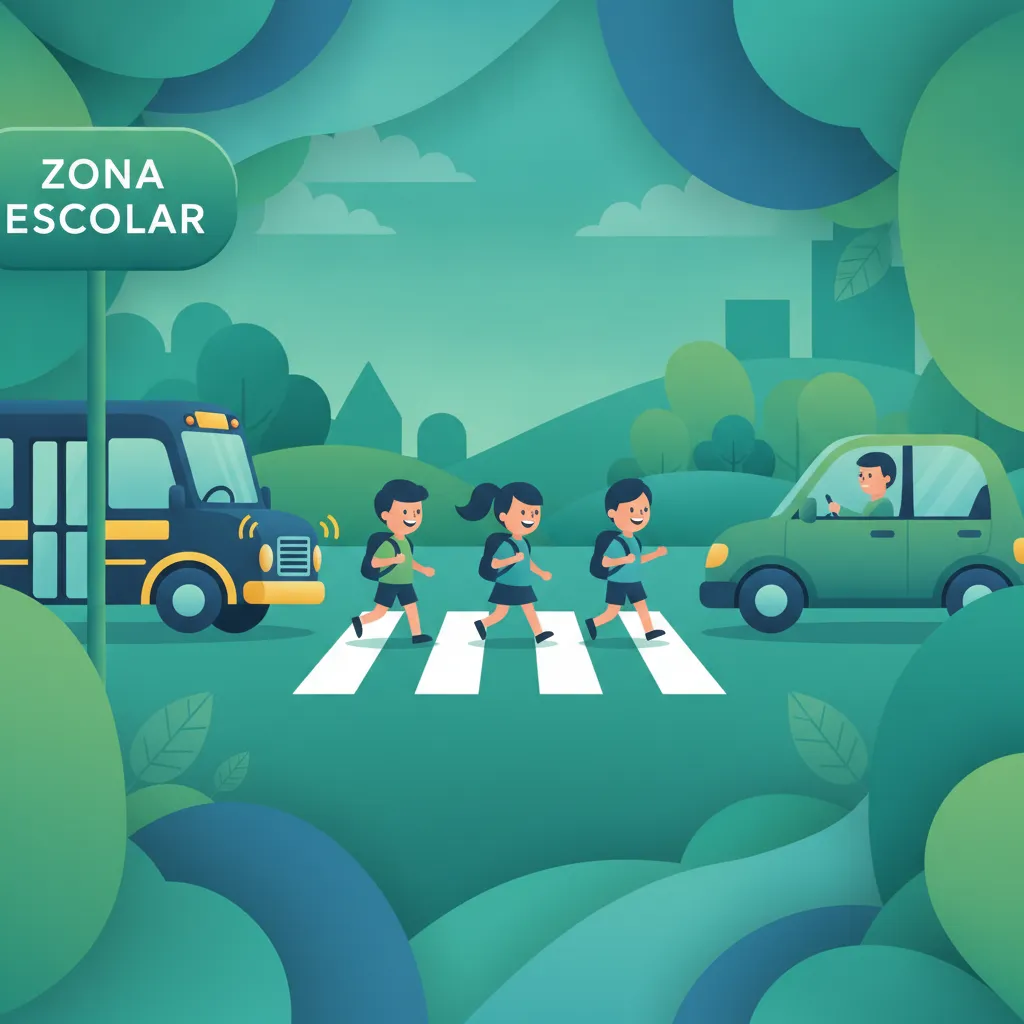
This lesson details the special precautions drivers must take when navigating school zones. It highlights the reduced speed limits that are often in effect during specific hours and the importance of being vigilant for children crossing the road. The content also covers the rules for stopping for school buses when their lights are flashing, to ensure the safety of boarding and alighting students.

This lesson explores the characteristics that define vulnerable road users, including children, the elderly, and cyclists. It explains how their physical and cognitive limitations can lead to unpredictable behavior on the road. The content focuses on developing a proactive mindset to identify and mitigate risks associated with these groups.

This lesson focuses on the legal concept of duty of care, detailing a professional driver's obligations to passengers and other road users. It examines how negligence and failure to comply with traffic laws can result in liability and legal penalties. The content also emphasizes adherence to safety regulations and proper incident reporting procedures.
Explore essential guidelines for drivers assisting passengers with reduced mobility and children. Covers operating accessibility equipment safely, understanding priority seating, and meeting legal responsibilities for vulnerable road users in Portugal's driving theory context.

This lesson details the special care required when transporting children and elderly passengers. It covers procedures for assisting with boarding and alighting, ensuring they are seated securely, and communicating clearly. The content also addresses allocating sufficient time for these passengers to move safely within and around the vehicle.
This lesson explores the characteristics that define vulnerable road users, including children, the elderly, and cyclists. It explains how their physical and cognitive limitations can lead to unpredictable behavior on the road. The content focuses on developing a proactive mindset to identify and mitigate risks associated with these groups.

This lesson focuses on the heightened duty of care professional drivers have towards vulnerable road users. It covers common conflict points, such as junctions and roundabouts, and teaches techniques for anticipating the actions of pedestrians, cyclists, and motorcyclists. Giving extra space and being prepared to stop are key themes.

This lesson highlights road markings specifically designed to enhance the safety of vulnerable road users. It focuses on pedestrian crossings (zebra crossings), markings indicating school zones, and symbols for bicycle lanes or shared routes. The content stresses the heightened duty of care and specific actions, such as yielding or stopping, that drivers must take in these designated areas.

This lesson focuses on the efficient and safe management of passengers entering and exiting the vehicle. It provides guidance on coordinating door operations, assisting passengers with mobility needs, and ensuring luggage is stowed correctly. The content aims to minimize dwell time at stops while prioritizing the safety of all passengers.
This lesson provides a detailed overview of the legal requirements and safe driving practices for school zones and pedestrian crossings. It covers mandatory speed limits, the meaning of various signs and signals, and the importance of yielding to pedestrians. The content stresses heightened awareness due to the unpredictable nature of children's behavior near roads.
This lesson provides essential safety guidance for interacting with large vehicles like buses and trucks. It emphasizes the importance of staying out of their extensive blind spots and allowing extra space due to their long stopping distances and wide turning circles. The content also offers advice on how to safely overtake such vehicles and navigate around public transport stops.
This lesson details the regulations and proper application of passenger restraints, including seat belts and child safety seats. It explains the principles of safe luggage storage and how correct load distribution is critical for maintaining vehicle stability. The content also provides guidance on managing standing passengers to ensure their safety during transit.
This lesson covers the legal and safety requirements for restraining occupants in a vehicle. It details the mandatory use of seatbelts for all passengers and explains the specific laws regarding child restraint systems. The content provides guidance on choosing and correctly installing the appropriate type of child seat—from rear-facing carriers to booster seats—based on a child's age, weight, and height.
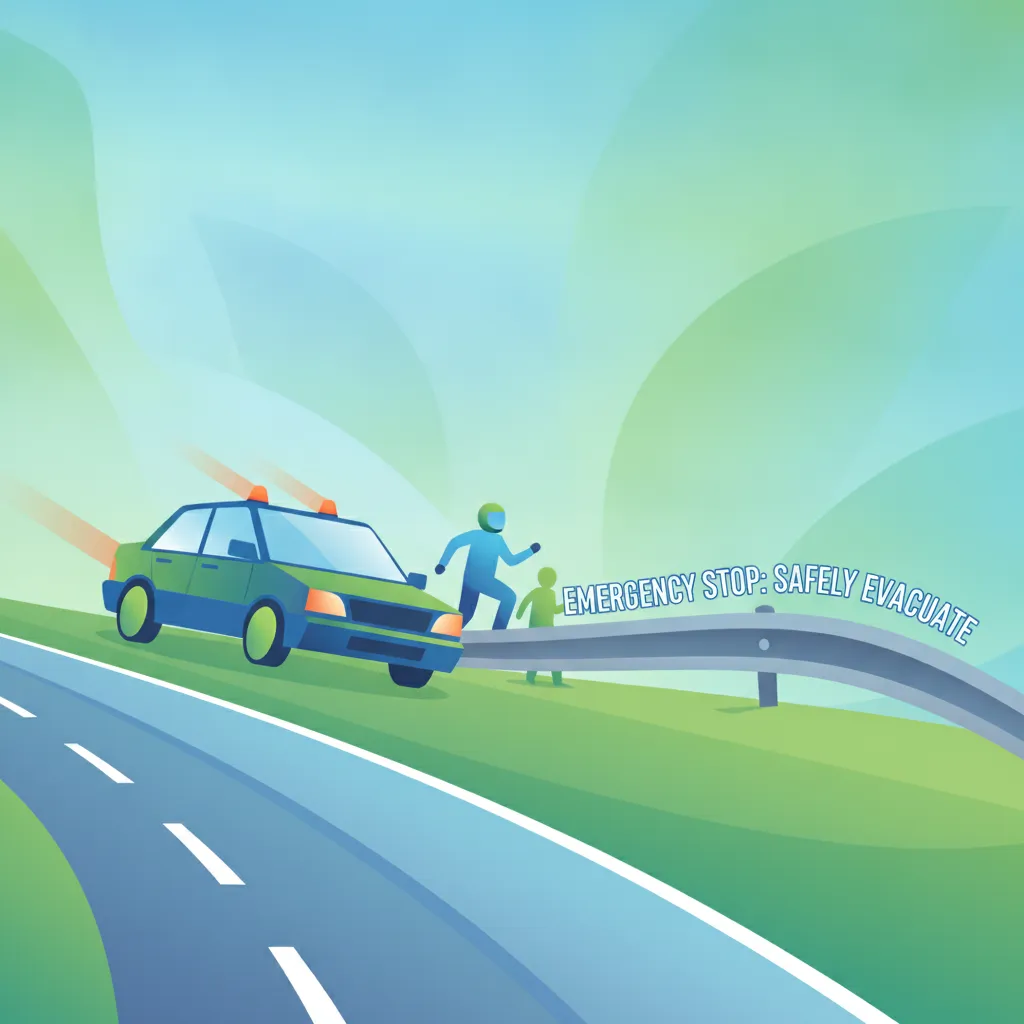
This lesson provides critical instructions for managing emergencies such as a fire or breakdown. It details the protocol for stopping the vehicle safely, alerting authorities, and communicating clearly with passengers. The content includes a step-by-step guide to vehicle evacuation, including the use of emergency exits and assisting vulnerable passengers.
Find clear answers to common questions learners have about Accessibility for Reduced Mobility and Children. Learn how the lesson is structured, which driving theory objectives it supports, and how it fits into the overall learning path of units and curriculum progression in Portugal. These explanations help you understand key concepts, lesson flow, and exam focused study goals.
Drivers must ensure that priority seating is clearly identified and reserved for passengers with reduced mobility. You are legally required to manage these spaces and assist passengers who need them to ensure accessibility and safety.
Yes, passenger transport regulations prioritize child safety. Drivers must be aware of the correct use of safety restraints provided and support caregivers in ensuring children are secured according to the vehicle's equipment standards.
The exam often uses situational scenarios asking you to identify the correct procedure for boarding a passenger with a wheelchair or handling a child safety issue, testing your knowledge of both the law and safe, courteous practice.
You should politely inform the passenger of the regulations regarding accessibility and the necessity of keeping the space available for those with reduced mobility, always maintaining a professional and firm tone.
Utilize the powerful search tool to refine your Portuguese driving theory practice. Pinpoint questions related to specific traffic laws, road signs, or complex scenarios from the Código da Estrada. Begin targeted revision now to boost your understanding and confidently approach your IMT driving exam.