
This lesson explores the vital interpersonal skills required for professional passenger transport under Portuguese regulations. It focuses on effective communication, maintaining professional conduct, and managing public expectations to ensure a safe and respectful environment for all passengers.

Lesson content overview
As a professional driver in the Professional Passenger Vehicle Theory Course for Portugal (Category D), your role extends far beyond operating a vehicle. You are a service provider, a safety guardian, and a representative of the transport service. Effective interaction with passengers and an understanding of public expectations are crucial for ensuring a safe, comfortable, and positive travel experience for everyone. This lesson explores the essential communication techniques, professional behaviors, and legal obligations that govern driver-passenger interactions.
Professional conduct is the cornerstone of responsible passenger transport. It defines the attitudes and behaviors expected of a driver, ensuring a respectful and safe environment for all passengers. Maintaining a high standard of professionalism helps build trust, prevents conflicts, and enhances the overall reputation of public transport services.
The set of behaviors and attitudes expected of a professional passenger vehicle driver, characterized by courtesy, neutrality, and respect for all individuals, regardless of their background or behavior.
Professional conduct encompasses both verbal and non-verbal communication. It means greeting passengers politely, maintaining a neutral and respectful tone even in challenging situations, and avoiding any form of aggressive or ego-driven responses. Your demeanor should convey competence, calmness, and a commitment to service. This includes maintaining personal hygiene and adhering to any specified dress code, which contributes significantly to a positive first impression.
Always strive for a calm and measured response. Even when faced with challenging passenger behavior, maintaining your composure is vital for de-escalating situations and upholding a professional image.
In Portugal, the Código da Estrada (Road Code) sets out fundamental requirements for driver conduct. Article 41.º – Professional Conduct mandates that drivers behave in a manner that does not endanger safety or the well-being of passengers. This legal obligation underscores the importance of a driver's actions and attitudes in contributing to a safe and respectful environment for everyone aboard the vehicle. Violations of this article can lead to disciplinary actions or legal penalties.
Consider these practical aspects of professional conduct:
Clear and timely communication is essential for passenger safety, comfort, and satisfaction. Drivers are responsible for delivering crucial information effectively, ensuring that all passengers are informed about their journey.
The practice of delivering information to passengers in an understandable, concise, and audible manner, ensuring all relevant details are conveyed effectively.
This includes providing updates on route changes, announcing stops, issuing safety instructions, and relaying emergency information. The goal is to inform passengers without overwhelming them, allowing them to prepare for upcoming events or understand changes to their journey.
The vehicle's Public Address (PA) system is your primary tool for communicating with passengers. It must be used effectively:
Portuguese regulations place specific obligations on drivers regarding passenger information:
Article 30.º of the Código da Estrada requires drivers to keep passengers informed about stops, route changes, and any relevant safety information. This is mandatory for all passenger transport services to ensure passenger safety and reduce confusion. For instance, announcing each upcoming stop well in advance helps passengers prepare to alight.
Additionally, for urban and intercity transport, RT 266 – Regulation on Public Transport Announcements (Portugal) stipulates that drivers must announce stops and important information at least 30 seconds before arrival. This timing allows passengers adequate time to gather their belongings and move towards the exit safely.
Failing to announce stops or inform passengers of delays can lead to missed stops, passenger frustration, and potential legal penalties for non-compliance.
Drivers should regularly communicate:
Even with the best service, complaints can arise. A professional driver must be equipped to handle passenger grievances efficiently and respectfully, turning a potentially negative experience into a manageable situation.
A structured approach for handling passenger complaints, involving listening, acknowledging, documenting, and resolving issues efficiently while maintaining driver composure and adhering to protocol.
Effective complaint management follows a systematic process:
Listen Actively: Allow the passenger to fully express their concern without interruption. Show you are paying attention.
Acknowledge and Empathize: Validate their feelings. Phrases like "I understand your concern" or "I hear what you're saying" can be very effective. This does not mean agreeing with the complaint, but acknowledging their experience.
Gather Information: Ask clarifying questions to fully understand the issue.
Offer a Solution (if possible): If the issue is within your control (e.g., adjusting temperature, assisting with luggage), take immediate appropriate action.
Explain Limitations: If you cannot resolve the issue directly, clearly and calmly explain why, and what alternative steps can be taken (e.g., reporting to dispatch, filing a formal complaint).
Document the Incident: Make a note of the complaint according to company policy. This is crucial for accountability and for identifying recurring issues.
It's natural to feel challenged by complaints, but it is vital not to take them personally. Maintain a calm, neutral, and professional tone throughout the interaction. Avoid arguing or raising your voice. Remember that your primary goal is to de-escalate the situation and ensure passenger comfort and safety.
Taking complaints personally or ignoring minor grievances can escalate conflict, damage the service's reputation, and lead to more serious official complaints against the driver.
Some regulations may require documenting incidents or complaints. While the Código da Estrada primarily focuses on driver behavior, service-specific regulations or company policies often mandate a record-keeping process for complaints. This ensures transparency and helps in continuous service improvement.
Passenger transport serves a diverse public. Professional drivers must be culturally sensitive, respecting varying backgrounds, languages, and social norms to ensure an inclusive and welcoming environment for everyone.
An awareness and respect for cultural differences, ensuring interactions are non-discriminatory, inclusive, and considerate of diverse passenger backgrounds, languages, and social norms.
Cultural sensitivity is about recognizing that not everyone shares the same customs, communication styles, or personal space boundaries. It involves adjusting your approach to avoid unintentional offense and to make all passengers feel equally valued.
When unsure, always err on the side of formality and neutrality. A polite, respectful, and straightforward approach is generally well-received across cultures.
The public holds specific expectations for passenger transport services. As a professional driver, understanding and striving to meet these expectations is crucial for maintaining public trust and ensuring passenger satisfaction.
Passengers generally expect:
The process of aligning passenger expectations with operational realities, such as schedules, stops, and vehicle policies, through clear communication and proactive information sharing.
Drivers can actively manage passenger expectations through:
Regulations, such as those related to Article 30.º of the Código da Estrada, reinforce the obligation to keep passengers informed of delays and route changes. This legal requirement is fundamental to managing expectations effectively and maintaining passenger trust.
Professional passenger vehicle drivers in Portugal operate under a strict framework of laws and regulations designed to ensure safety, efficiency, and high service quality. Adhering to these is not only a matter of legal compliance but also a professional responsibility.
The Código da Estrada outlines several critical articles directly impacting driver-passenger interaction:
Beyond the general Road Code, specific regulations govern day-to-day operations:
While not always directly applicable to daily interaction, drivers may encounter situations involving passenger personal data, such as ticketing systems or special assistance requests. In such cases, adherence to GDPR Guidelines is mandatory. This means handling any collected personal details responsibly and confidentially, ensuring privacy rights are protected. For example, driver logs or incident reports that might contain passenger names or contact information must be stored securely.
Professional drivers frequently encounter situations that test their communication skills and professionalism. Understanding common mistakes and implementing best practices can significantly improve service quality and driver effectiveness.
Preparation is key: Before starting a route, review stop names, potential diversions, and any known delays. This allows you to provide accurate and timely information to passengers.
Effective passenger interaction is not static; it requires adaptation based on various contextual factors. Adjusting your communication style and approach according to the environment, passenger demographics, and vehicle state ensures optimal service.
Understanding these key terms is fundamental for professional passenger vehicle drivers in Portugal.
Explore all units and lessons included in this driving theory course.
Lesson content overview
Explore all units and lessons included in this driving theory course.
Explore search topics learners often look for when studying Interaction with Passengers and Public Expectations. These topics reflect common questions about road rules, driving situations, safety guidance, and lesson level theory preparation for learners in Portugal.
Browse additional driving theory lessons that cover connected traffic rules, road signs, and common driving situations related to this topic. Improve your understanding of how different rules interact across everyday traffic scenarios.
Learn strategies for effective complaint management and conflict resolution with passengers. This lesson covers maintaining composure, de-escalating situations, and understanding passenger expectations in professional passenger transport.

This lesson explains the relationship between vehicle dynamics and passenger comfort. It provides techniques for executing smooth maneuvers, including gentle acceleration, progressive braking, and stable cornering. The content emphasizes anticipatory driving to avoid sudden movements that could cause discomfort or injury to passengers.

This lesson addresses the heightened risk of interaction with pedestrians and cyclists around bus stops. It explains right-of-way regulations and the importance of vigilance, particularly when turning or pulling away from the curb. The content provides strategies for anticipating the actions of vulnerable road users to prevent conflicts.
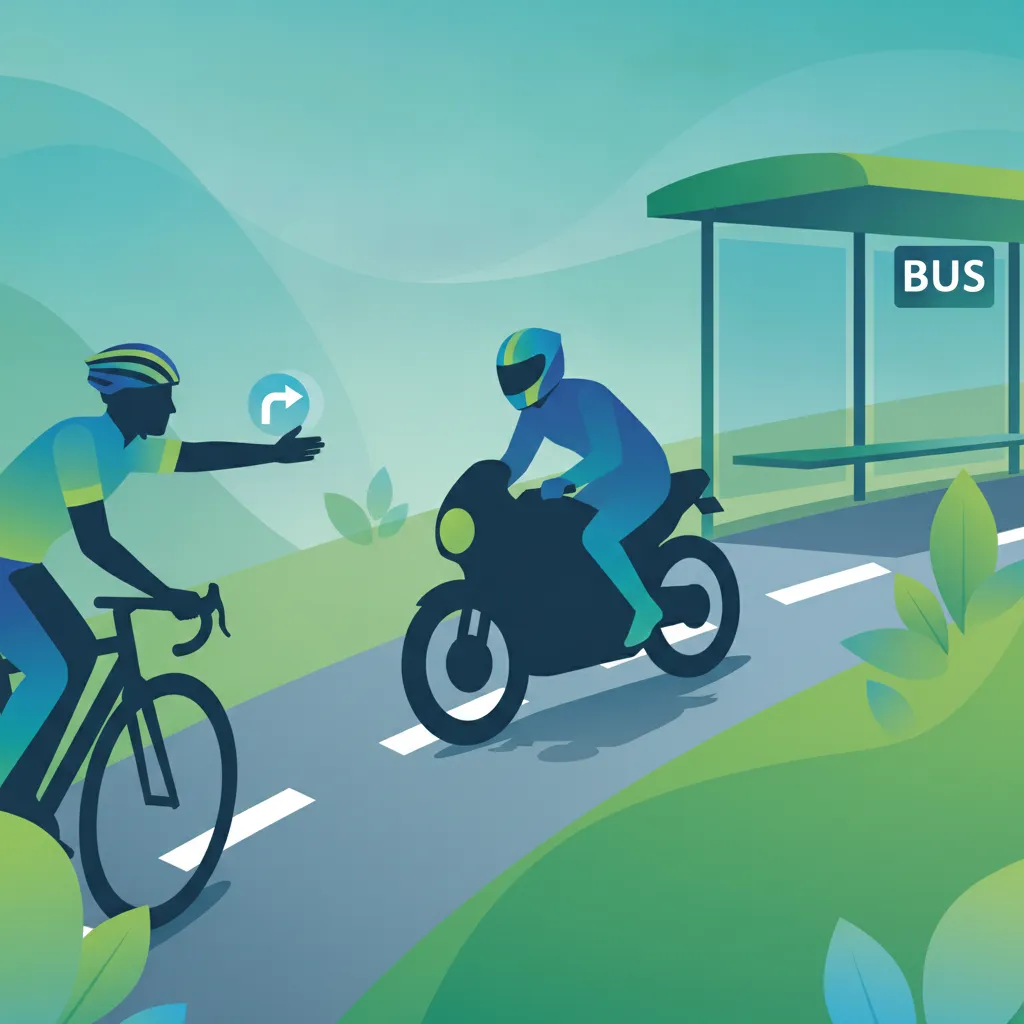
This lesson focuses on the specific challenges of sharing the road with two-wheeled vehicles. It highlights the importance of thorough blind spot checks before turning or changing lanes, particularly near bus stops where cyclists may pass. The content provides guidelines for safe overtaking and maintaining adequate separation to prevent conflicts.
This lesson covers the professional conduct expected of passenger vehicle drivers. It explains the importance of punctuality, clear communication, and effective conflict resolution to ensure a positive passenger experience. The content highlights the need to build public trust through reliable service and a professional demeanor at all times.

This final lesson reinforces the core principle of professionalism in passenger transport. It explains how consistent, reliable service and clear, respectful communication are essential for building and maintaining passenger trust. The content highlights the driver's role as a key representative of the transport service and a guardian of public safety.

This lesson focuses on the efficient and safe management of passengers entering and exiting the vehicle. It provides guidance on coordinating door operations, assisting passengers with mobility needs, and ensuring luggage is stowed correctly. The content aims to minimize dwell time at stops while prioritizing the safety of all passengers.

This lesson provides a comprehensive guide to understanding and mitigating the risks posed by blind spots. It details how to correctly adjust all mirrors to maximize the field of view. The content stresses the need for a continuous, systematic pattern of mirror checks combined with direct observation before any maneuver.

This lesson explains how the large dimensions of passenger vehicles influence their handling and maneuverability. It details the concept of turning radius and identifies the significant blind spots around the vehicle. The content emphasizes the critical importance of correct mirror adjustment to maximize visibility and reduce operational risks.

This lesson explains the rules and etiquette for sharing the road with public transport vehicles like buses and trams. It covers the requirement to be cautious around bus stops, especially when passengers are boarding or alighting. A key focus is the legal obligation to yield to buses indicating their intention to pull out from a designated stop into the flow of traffic.

This lesson provides essential safety guidance for interacting with large vehicles like buses and trucks. It emphasizes the importance of staying out of their extensive blind spots and allowing extra space due to their long stopping distances and wide turning circles. The content also offers advice on how to safely overtake such vehicles and navigate around public transport stops.
Understand the importance of cultural sensitivity and inclusive interactions with diverse passengers. This lesson details relevant Portuguese regulations like the Código da Estrada for professional drivers.

This lesson focuses on the legal concept of duty of care, detailing a professional driver's obligations to passengers and other road users. It examines how negligence and failure to comply with traffic laws can result in liability and legal penalties. The content also emphasizes adherence to safety regulations and proper incident reporting procedures.
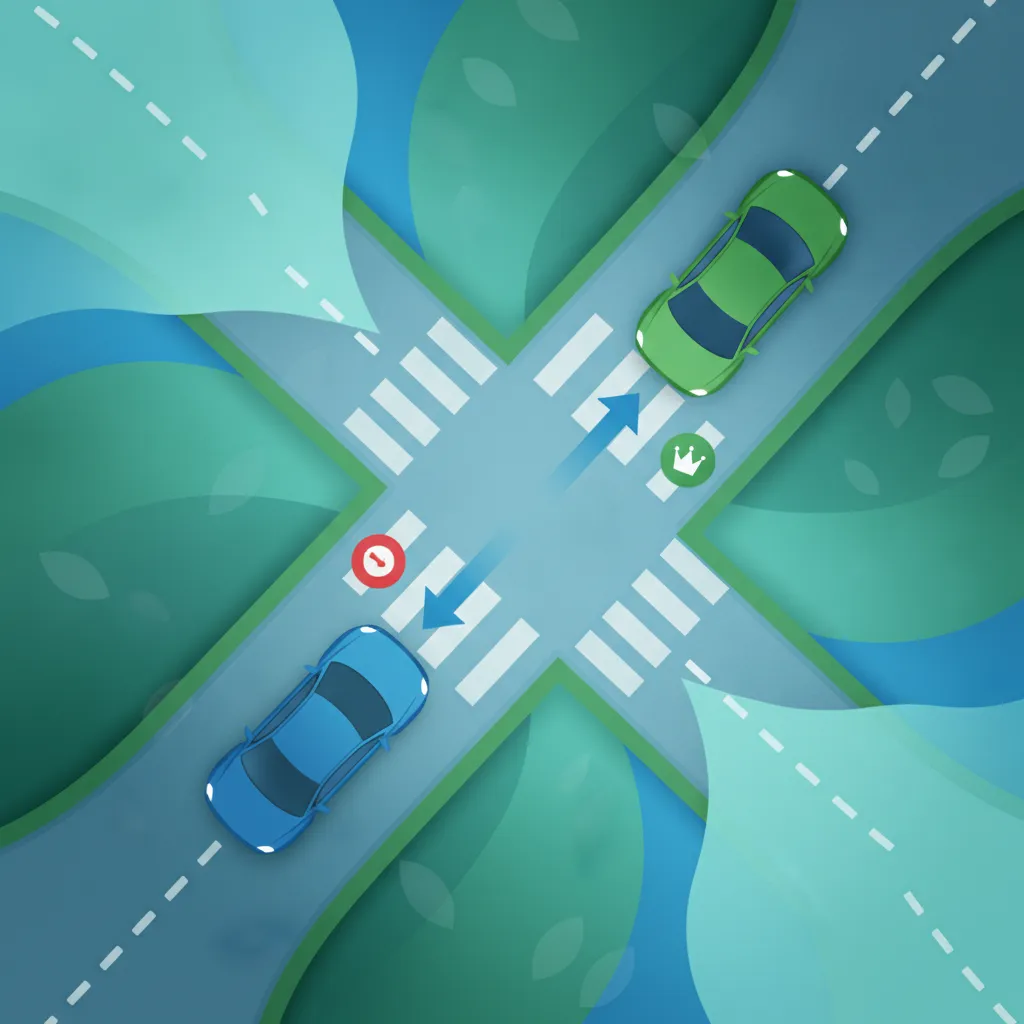
This lesson details the fundamental legal obligations every driver must follow under the Código da Estrada. It covers adherence to speed limits, traffic signals, and road signs, as well as the mandatory use of safety equipment like seatbelts and child restraints. The content also emphasizes the importance of maintaining driver attentiveness and the strict prohibition of using mobile phones while driving.
This lesson covers the professional conduct expected of passenger vehicle drivers. It explains the importance of punctuality, clear communication, and effective conflict resolution to ensure a positive passenger experience. The content highlights the need to build public trust through reliable service and a professional demeanor at all times.
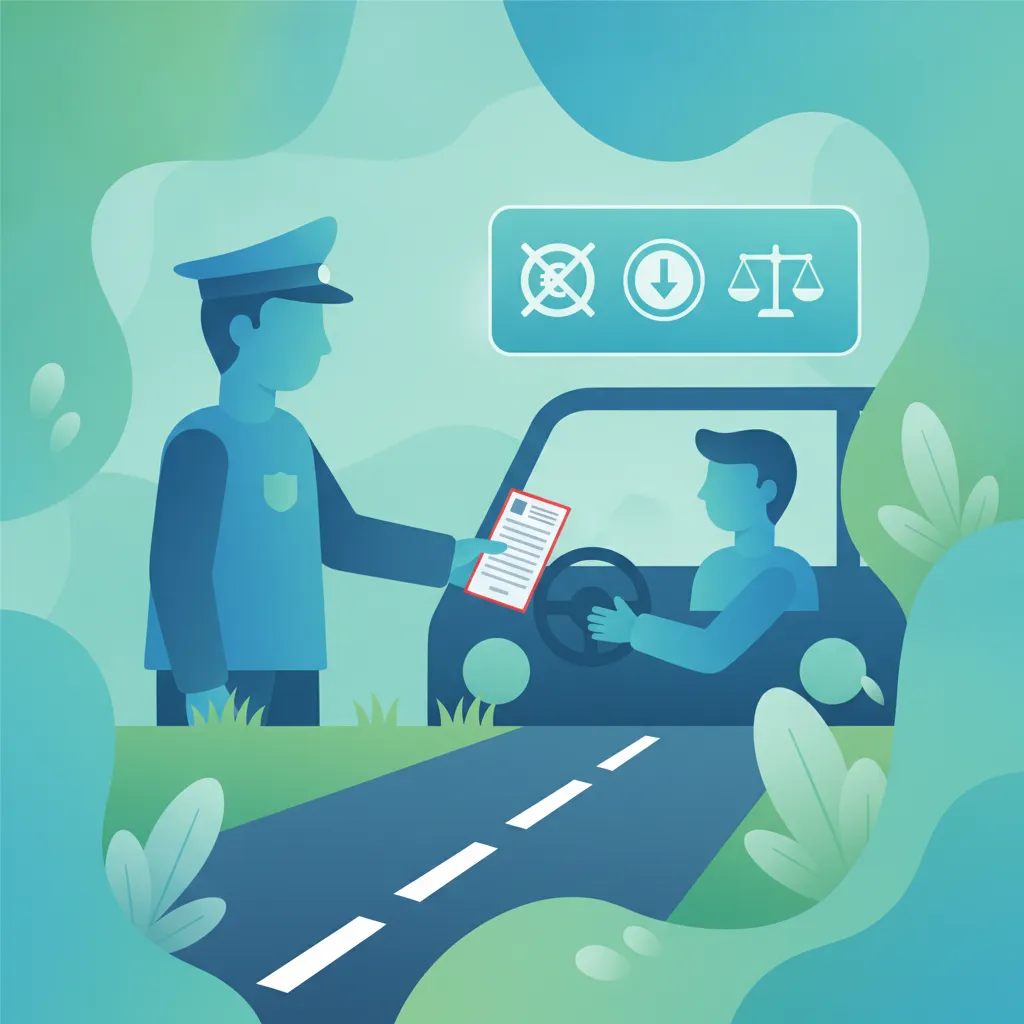
This lesson outlines the legal framework and penalties associated with traffic violations in Portugal for professional drivers. It covers the system of fines and penalty points that can lead to license suspension. The content reviews common infractions specific to passenger vehicles and emphasizes the importance of full compliance with the law.

This lesson focuses on the legal and practical requirements for transporting passengers with reduced mobility and children. It explains the operation of accessibility features like wheelchair ramps and the importance of priority seating. The content also addresses the safe transport of children, including the use of appropriate restraints and collaboration with caregivers.
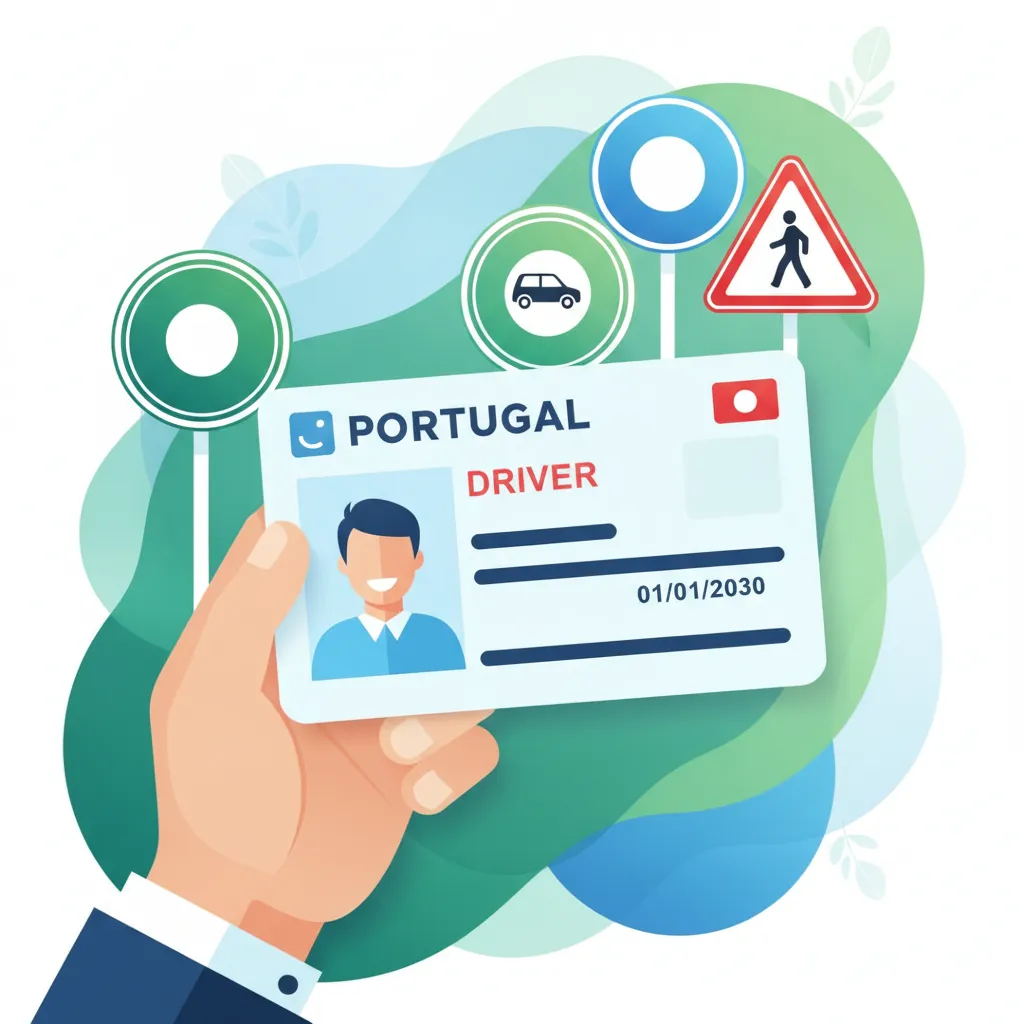
This lesson outlines the mandatory documentation that a driver must possess and be able to present upon request. It covers the driver's licence, vehicle registration document (Matrícula), proof of insurance, and the valid inspection sticker. The lesson also explains the validity periods for these documents and the procedures for renewal to ensure continuous legal compliance.

This lesson details the regulations and proper application of passenger restraints, including seat belts and child safety seats. It explains the principles of safe luggage storage and how correct load distribution is critical for maintaining vehicle stability. The content also provides guidance on managing standing passengers to ensure their safety during transit.

This lesson focuses on the specific skills required for driving on high-speed motorways. It details the procedures for safely merging onto and exiting the motorway, maintaining proper lane discipline, and adhering to variable speed limits. The content also provides rules for safe overtaking and managing the vehicle's stability at high speeds.

This lesson covers the specific rules and legal responsibilities that apply when a vehicle is in a loading or unloading zone. It details regulations regarding parking, time limits, and the driver's role in ensuring a safe environment for themselves and others during cargo handling. Compliance is key to efficient and lawful logistics operations.

This lesson covers the legal and safety requirements for restraining occupants in a vehicle. It details the mandatory use of seatbelts for all passengers and explains the specific laws regarding child restraint systems. The content provides guidance on choosing and correctly installing the appropriate type of child seat—from rear-facing carriers to booster seats—based on a child's age, weight, and height.
Find clear answers to common questions learners have about Interaction with Passengers and Public Expectations. Learn how the lesson is structured, which driving theory objectives it supports, and how it fits into the overall learning path of units and curriculum progression in Portugal. These explanations help you understand key concepts, lesson flow, and exam focused study goals.
You must prioritize safety, maintain a professional and calm demeanor, and de-escalate the situation without confrontation. If the safety of passengers or the vehicle is threatened, follow established internal procedures and contact the relevant authorities if necessary.
Announcements must be clear, audible, and informative, providing necessary travel data such as destination or stop information. Ensure the tone is polite and professional to maintain a positive travel environment.
Yes, professional drivers are expected to be courteous, punctual, and culturally sensitive. Providing helpful information while adhering to the Código da Estrada is fundamental to your role as a professional passenger transporter.
Yes, the theory exam may include situational questions about how a professional driver should respond to disputes or passenger needs while driving. It tests your ability to prioritize safety and legal compliance.
Utilize the powerful search tool to refine your Portuguese driving theory practice. Pinpoint questions related to specific traffic laws, road signs, or complex scenarios from the Código da Estrada. Begin targeted revision now to boost your understanding and confidently approach your IMT driving exam.