
This lesson guides you through the specific regulations for operating passenger vehicles in designated bus lanes across Portugal. Understanding these rules is essential for your Category D professional theory exam and for maintaining safety and efficiency in urban traffic environments.

Lesson content overview
For professional passenger vehicle drivers holding a Category D license in Portugal, understanding the specific rules governing bus lanes, priority at junctions, and associated restrictions is paramount. These regulations are designed to facilitate efficient public transport, reduce urban congestion, and ensure the safety of all road users. Incorrect use of these dedicated lanes can lead to significant delays, increased accident risk, and legal penalties under the Código da Estrada. This lesson provides a comprehensive overview to equip you with the knowledge needed for compliant and effective driving.
Dedicated bus lanes are a critical component of urban traffic management strategies, specifically designed to prioritize public transport. These lanes ensure that buses and coaches can maintain consistent schedules, thereby enhancing the reliability and attractiveness of public transit for passengers across Portugal.
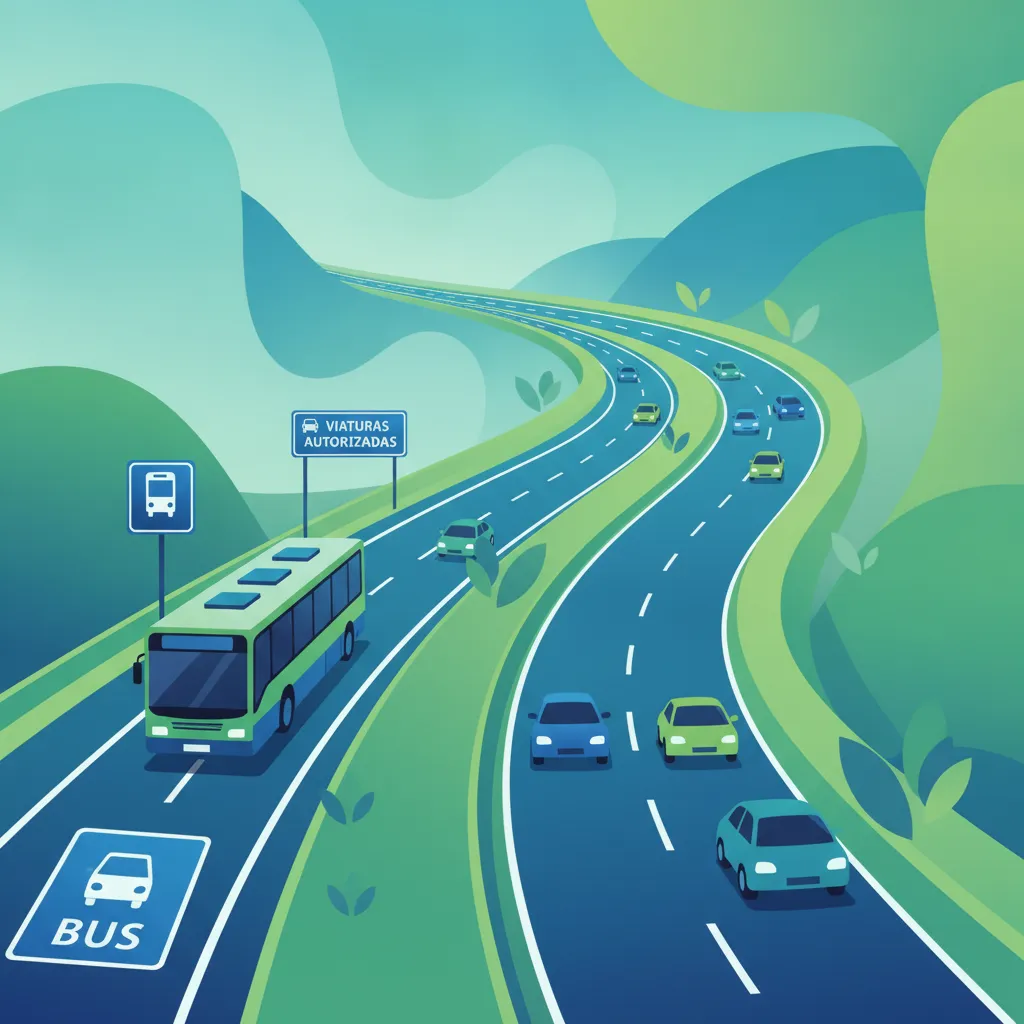
A dedicated bus lane is a section of the roadway exclusively designated for public transport buses during specified times. Its primary purpose is to allow buses to bypass general traffic congestion, improving journey times and operational efficiency. These lanes are clearly marked with distinctive road signs and specific road markings to differentiate them from regular traffic lanes. As a professional Category D driver, recognizing and respecting these lanes is a fundamental responsibility.
Bus lanes in Portugal can vary in their characteristics, primarily identified by their operational hours and the type of markings used. Key distinctions include:
Understanding these markings is essential, as they dictate permissible actions for all drivers.
Bus lanes are always accompanied by specific signage that communicates their presence, operational hours, and any exceptions. These signs are crucial for all drivers to observe and interpret correctly.
The D4 sign, typically a blue circle with a white bus symbol, marks the beginning of a dedicated bus lane. This sign will often be accompanied by supplementary panels that provide further details, such as:
Always look for these signs upon approaching any lane marked for buses.
The enforcement of bus lane regulations in Portugal is often tied to specific operational hours, which can significantly affect how other vehicles interact with these lanes. Misunderstanding these time restrictions is a common cause of violations.
Many dedicated bus lanes are only exclusive to buses during peak traffic hours, typically in the morning and late afternoon on weekdays, when public transport usage is highest. Outside these designated times, the lane may revert to being a regular traffic lane, open to all vehicles. This flexibility aims to optimize road space when bus priority is less critical.
For Category D drivers, it is crucial to pay close attention to the supplementary signs that display these operational hours. Failing to do so can result in unauthorized entry during restricted times, leading to penalties.
Always check the supplementary signage below the blue bus lane sign (D4). These signs clearly state the hours and days when the bus lane is active. If no hours are specified, the lane is generally considered active 24 hours a day.
Some bus lanes, particularly in highly congested urban centers or along critical public transport arteries, may be enforced 24 hours a day, seven days a week. These "permanent" bus lanes maintain their exclusivity at all times to ensure continuous priority for public transport.
In contrast, "variable" bus lanes switch between being exclusive and open to general traffic based on the time of day or day of the week. Understanding this distinction is vital for avoiding inadvertent violations. When a bus lane is not operational for exclusive bus use, it typically functions as a regular traffic lane, meaning all vehicles can use it, unless other restrictions apply.
Buses, as essential components of public transport, often receive preferential treatment at intersections to maintain their schedules and ensure efficient passenger flow. This priority is a key aspect of traffic management in Portugal and requires careful attention from all drivers.
At many junctions in Portugal, specific signs or road markings may indicate that buses have priority. This can manifest in several ways:
As a Category D driver, you must be acutely aware of these indicators and be prepared to yield when a bus or coach is granted priority.
When a bus has priority at a junction, other drivers are legally obligated to facilitate its movement. This means:
Failing to respect bus priority can not only lead to fines but also cause serious accidents or significant traffic disruptions.
Traffic Signal Priority (TSP) systems are advanced technological solutions implemented in many urban areas of Portugal to further enhance the efficiency of public transport. These systems actively manage traffic light cycles to favor buses, minimizing delays at intersections.
TSP systems work by detecting an approaching bus and adjusting the traffic light sequence to grant it an extended green light or to shorten a red light phase. This can be achieved through:
The primary goal of TSP is to improve bus punctuality, reduce fuel consumption, and enhance the overall attractiveness of public transport, contributing to reduced congestion and emissions.
While TSP directly benefits buses, all road users must understand its implications:
While the term "dedicated bus lane" implies exclusive use, there are specific exceptions where other vehicles may legally use these lanes under certain conditions in Portugal. These exceptions are always clearly indicated by supplementary signage.
The most common exceptions for bus lane usage in Portugal typically include:
Any vehicle other than a bus that is permitted to use a dedicated bus lane will have this exception explicitly stated on supplementary signs beneath the main D4 bus lane sign. For example, a sign might show the bus symbol alongside a taxi symbol or a motorcycle symbol. If no additional symbols or text are present, assume the lane is exclusively for buses.
It is crucial for Category D drivers to carefully read all associated signage, as rules can vary significantly between different locations and even along different sections of the same road.
Emergency Vehicles: Drivers of emergency vehicles must always prioritize responding to emergencies. Their use of bus lanes is a necessary measure to save lives and respond quickly. When driving a bus or coach, you must be prepared to yield to and facilitate the passage of emergency vehicles, even if they are using your dedicated lane.
Taxis: If taxis are permitted, it is usually under strict conditions. Taxi drivers must not impede the flow of buses and must still adhere to all other traffic laws. As a Category D driver, be aware that a taxi might legitimately be in a bus lane, but do not assume private vehicles are allowed just because you see a taxi there.
Unauthorized use or obstruction of dedicated bus lanes in Portugal carries significant legal consequences under the Código da Estrada. These penalties are designed to deter misuse and ensure the smooth operation of public transport.
Common violations related to bus lanes include:
Penalties for these violations can range from substantial fines to demerit points on your driving license. Repeated offenses or severe obstructions can lead to even stricter measures, potentially impacting your Category D license.
Enforcement of bus lane rules in Portugal is carried out through various methods:
As a professional driver, it is imperative to always adhere to bus lane regulations, as detection and penalties are often swift and automated.
Beyond the legal requirements, understanding the fundamental safety and efficiency reasons behind bus lane implementation provides a deeper appreciation for their importance.
Dedicated bus lanes contribute significantly to road safety by:
The core objective of bus lanes is to improve the efficiency and reliability of public transport.
For Category D drivers, facilitating these benefits by correctly using and respecting bus lanes is part of your professional responsibility to contribute to a more efficient and sustainable transport system in Portugal.
Mastering the rules surrounding bus lanes, priority, and restrictions is crucial for any professional Category D driver operating in Portugal. Adherence to these regulations ensures not only legal compliance but also contributes significantly to road safety and the efficiency of public transport.
By diligently applying these principles, you will operate your professional passenger vehicle in full compliance with Portuguese traffic law, enhance road safety, and contribute to the smooth flow of public transport.
Explore all units and lessons included in this driving theory course.
Lesson content overview
Explore all units and lessons included in this driving theory course.
Explore search topics learners often look for when studying Bus Lanes, Priority Rules and Restrictions. These topics reflect common questions about road rules, driving situations, safety guidance, and lesson level theory preparation for learners in Portugal.
Browse additional driving theory lessons that cover connected traffic rules, road signs, and common driving situations related to this topic. Improve your understanding of how different rules interact across everyday traffic scenarios.
Understand the specific regulations for using dedicated bus lanes in Portugal, including operational hours, priority at junctions, Traffic Signal Priority (TSP), and exceptions for other vehicles. Learn the legal consequences of misuse.

This lesson examines how bus priority measures, such as dedicated lanes and signal preemption, function in urban traffic. It teaches drivers how to utilize these systems effectively to maintain schedules and improve service reliability. The content also discusses how to navigate general traffic congestion when priority systems are not available.
This lesson explains the purpose and rules of reserved lanes, such as those designated for buses, taxis, or cyclists. It covers how to identify these lanes through signage and road markings, and details the specific times they may be in operation. Drivers will learn when they are permitted to enter these lanes and the penalties for unauthorized use.

This lesson focuses on the crucial 'priority from the right' rule, which applies at intersections lacking any signs or signals. It details the procedure for approaching such junctions, including reducing speed, performing visual checks, and being prepared to yield to traffic approaching from the right. Mastering this rule is essential for safety in residential areas and on rural roads.

This lesson explains how to recognize priority roads and understand the associated right-of-way privileges. It covers the specific diamond-shaped sign that indicates a priority road and the sign signaling its end. Drivers will learn their responsibilities when traveling on a priority road and the correct procedure for yielding when entering one from a secondary road.
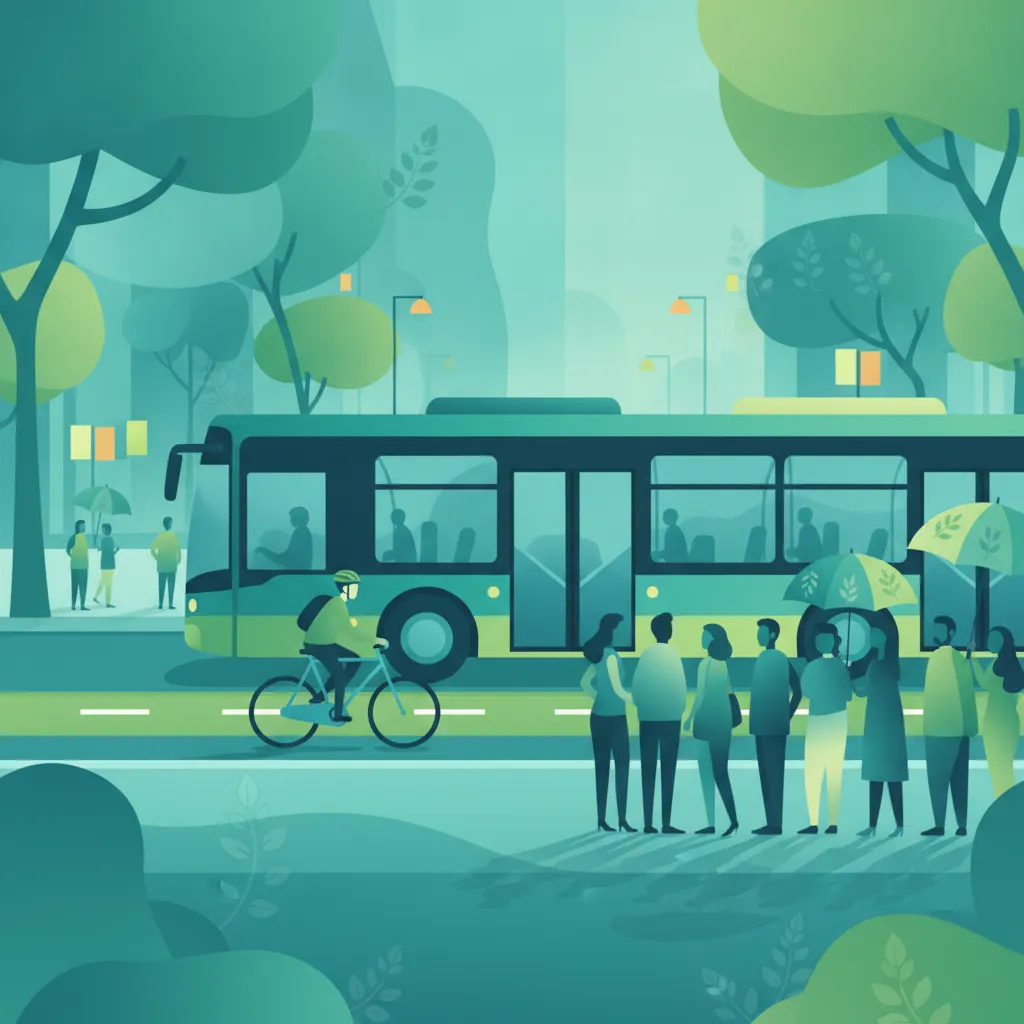
This lesson explains the rules and etiquette for sharing the road with public transport vehicles like buses and trams. It covers the requirement to be cautious around bus stops, especially when passengers are boarding or alighting. A key focus is the legal obligation to yield to buses indicating their intention to pull out from a designated stop into the flow of traffic.

This lesson establishes the essential priority rules for safely navigating intersections in Portugal. It explains the default 'priority to the right' rule applicable at uncontrolled junctions and clarifies the absolute requirements of stop and yield signs. The content also teaches riders how to recognize signs indicating a priority road, ensuring they can correctly determine who has the right of way.
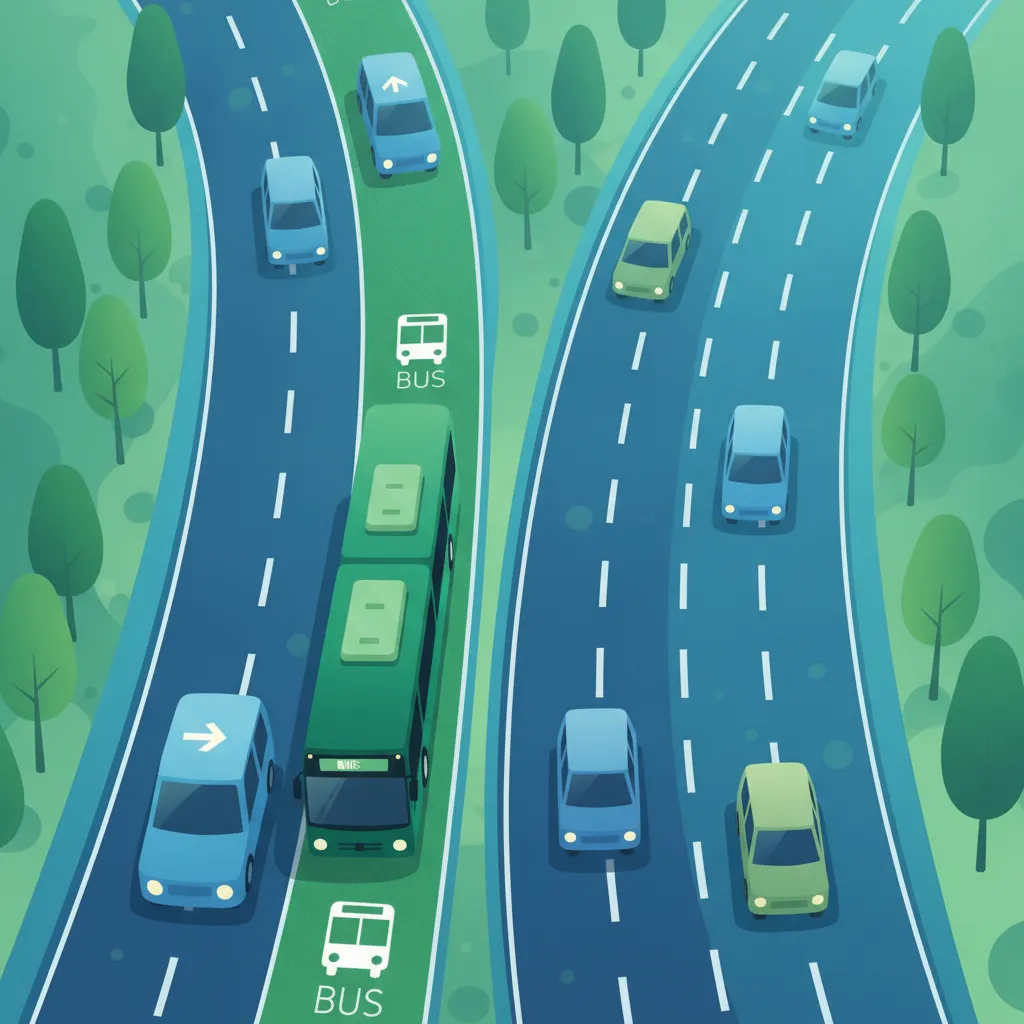
This lesson reinforces the importance of strict lane discipline for large vehicles. It details the rules for using dedicated bus lanes, including entry and exit points and operational time restrictions. The content also covers the procedures for safely changing lanes and overtaking in a multi-lane environment.
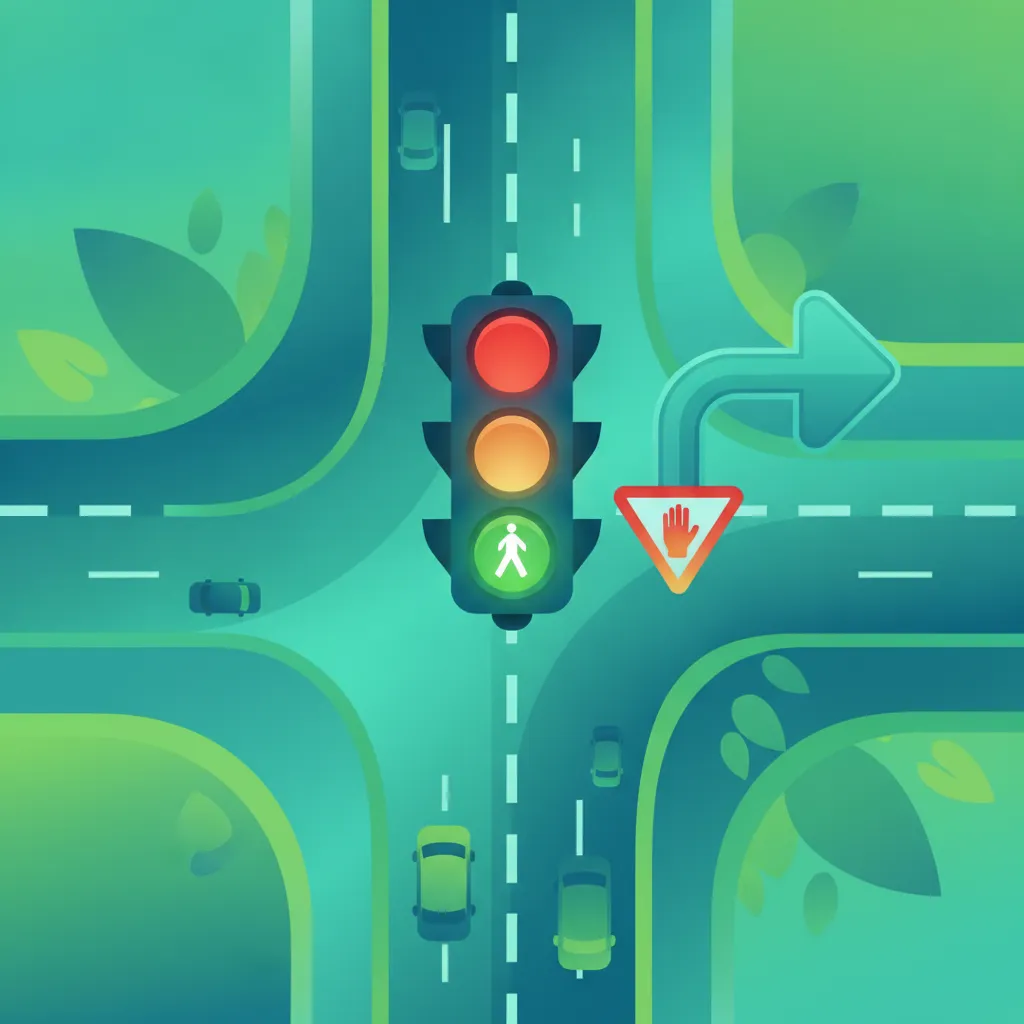
This lesson teaches riders to interpret traffic lights and signals, understanding their impact on priority and right-of-way. It covers standard traffic light phases, flashing amber situations, and pedestrian crossing signals. The lesson also explains how to respond to priority signs at intersections, ensuring compliance with Portuguese traffic signal standards.

This lesson details the universal system of traffic light signals and their specific applications in Portugal. It clarifies the meaning of red, amber, and green lights, as well as flashing signals and directional arrows that control turning movements. Correctly interpreting these signals is fundamental for safely navigating controlled intersections and ensuring smooth traffic flow.

This lesson establishes the foundational principles of right-of-way that govern traffic interactions. It explains the hierarchy of traffic control, where signals from a police officer override all other signs and rules. The content clarifies how to proceed at intersections controlled by stop signs, yield signs, and on priority roads, forming the basis for safe junction navigation.
Learn how buses receive priority at junctions in Portugal, including understanding TSP systems and safe driving practices when interacting with buses that have priority. Essential theory for professional drivers.
This lesson examines how bus priority measures, such as dedicated lanes and signal preemption, function in urban traffic. It teaches drivers how to utilize these systems effectively to maintain schedules and improve service reliability. The content also discusses how to navigate general traffic congestion when priority systems are not available.
This lesson explains the rules and etiquette for sharing the road with public transport vehicles like buses and trams. It covers the requirement to be cautious around bus stops, especially when passengers are boarding or alighting. A key focus is the legal obligation to yield to buses indicating their intention to pull out from a designated stop into the flow of traffic.

This lesson addresses the heightened risk of interaction with pedestrians and cyclists around bus stops. It explains right-of-way regulations and the importance of vigilance, particularly when turning or pulling away from the curb. The content provides strategies for anticipating the actions of vulnerable road users to prevent conflicts.
This lesson focuses on the crucial 'priority from the right' rule, which applies at intersections lacking any signs or signals. It details the procedure for approaching such junctions, including reducing speed, performing visual checks, and being prepared to yield to traffic approaching from the right. Mastering this rule is essential for safety in residential areas and on rural roads.
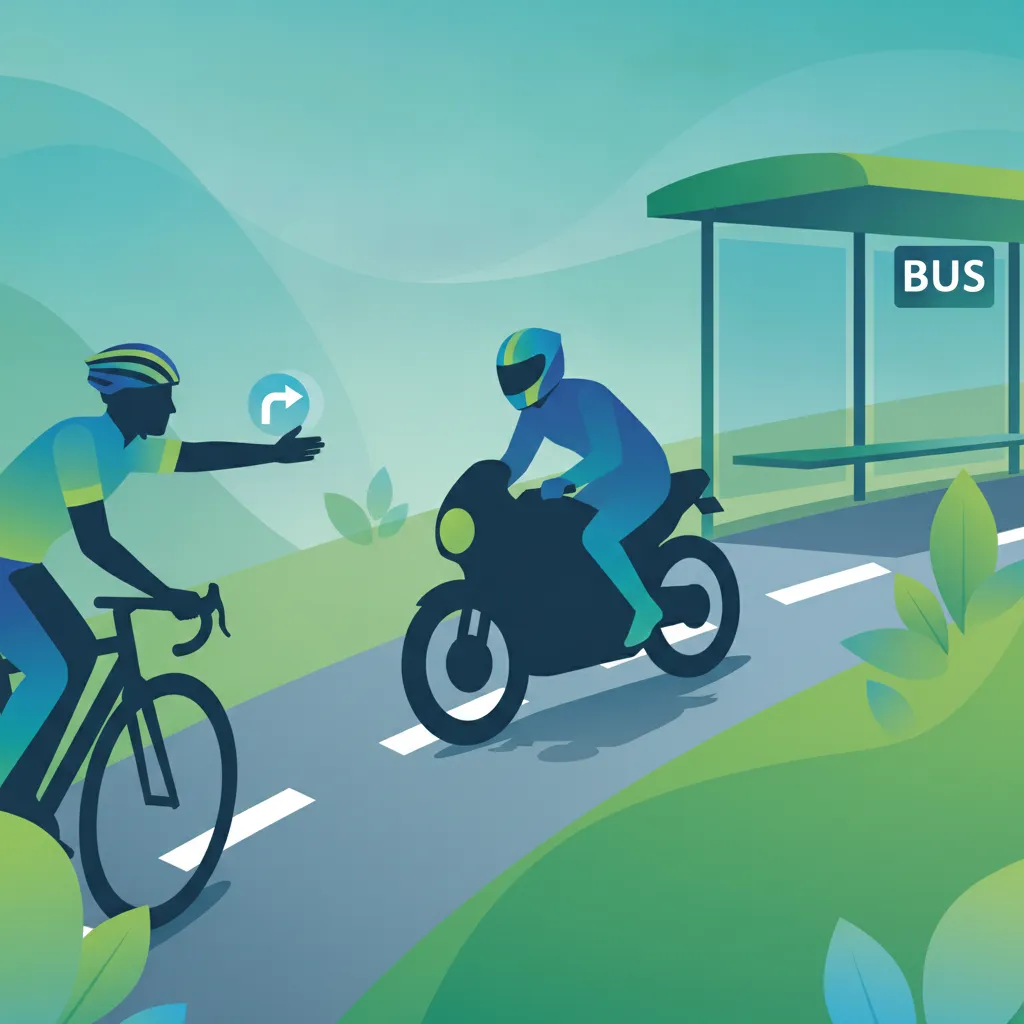
This lesson focuses on the specific challenges of sharing the road with two-wheeled vehicles. It highlights the importance of thorough blind spot checks before turning or changing lanes, particularly near bus stops where cyclists may pass. The content provides guidelines for safe overtaking and maintaining adequate separation to prevent conflicts.
This lesson establishes the essential priority rules for safely navigating intersections in Portugal. It explains the default 'priority to the right' rule applicable at uncontrolled junctions and clarifies the absolute requirements of stop and yield signs. The content also teaches riders how to recognize signs indicating a priority road, ensuring they can correctly determine who has the right of way.

This lesson outlines the step-by-step process for safely approaching a bus stop, emphasizing speed control and correct positioning. It covers the importance of ensuring the vehicle is fully stationary before operating the doors. The content also details the safety checks required before departing the stop and merging back into the flow of traffic.
This lesson explains the purpose and rules of reserved lanes, such as those designated for buses, taxis, or cyclists. It covers how to identify these lanes through signage and road markings, and details the specific times they may be in operation. Drivers will learn when they are permitted to enter these lanes and the penalties for unauthorized use.

This lesson serves as a summary of how to interpret various road signs that dictate right-of-way at intersections. It reinforces the distinct actions required for stop signs (complete stop) and yield signs (give way). The lesson also covers signs that illustrate the layout of a junction and indicate which direction the priority road follows, ensuring drivers can make correct and safe decisions.

This lesson focuses on the complexities of braking in dense urban environments. It explains how vehicle mass, passenger load, and road conditions influence the total stopping distance of a large vehicle. Learners will understand the importance of anticipatory driving and proactive speed management to ensure safe braking at all times.
Find clear answers to common questions learners have about Bus Lanes, Priority Rules and Restrictions. Learn how the lesson is structured, which driving theory objectives it supports, and how it fits into the overall learning path of units and curriculum progression in Portugal. These explanations help you understand key concepts, lesson flow, and exam focused study goals.
No. In Portugal, bus lanes are exclusively for public transport vehicles and other authorized vehicles specified by signs. Even with low traffic, entering these lanes without authorization constitutes a traffic violation.
Buses only have priority when signaled by specific road markings or traffic lights. Drivers must always follow the standard priority rules of the Código da Estrada unless a specific sign or signal dictates otherwise for the bus lane.
You must check the supplementary plates underneath the mandatory bus lane sign. If the times are specified, you can only use that lane if you are an authorized vehicle or if the current time falls outside of those regulated operational hours.
Yes, the theory exam tests your knowledge of the penalties associated with improper lane use. Misusing a bus lane is a serious violation that can lead to fines and, in some cases, points deducted from your professional license standing.
Utilize the powerful search tool to refine your Portuguese driving theory practice. Pinpoint questions related to specific traffic laws, road signs, or complex scenarios from the Código da Estrada. Begin targeted revision now to boost your understanding and confidently approach your IMT driving exam.