
This lesson provides essential training for managing the safe boarding and alighting of passengers, a critical skill for any professional Category D driver. You will learn to coordinate door operations, assist passengers with diverse needs, and ensure efficient stop management to meet professional standards in Portugal.

Lesson content overview
Operating a professional passenger vehicle, such as a bus or coach, involves more than just driving. A critical aspect of a professional driver's role is the safe and efficient management of passengers as they enter (board) and exit (alight) the vehicle. This process, often overlooked, significantly impacts passenger safety, operational efficiency, and adherence to schedules within the Professional Passenger Vehicle Theory Course for Portugal (Category D).
This lesson provides comprehensive guidance on coordinating door operations, assisting passengers with mobility needs, and ensuring luggage is correctly stowed. By mastering these procedures, drivers can minimize the time spent stationary at stops (dwell time) while always prioritizing the well-being of every passenger.
Effective management of boarding and alighting is founded on several core principles that guide every action a professional driver takes at a designated stop. These principles ensure not only compliance with regulations but also foster a safe, inclusive, and efficient service.
At the heart of all operations is the unwavering commitment to passenger safety. This principle dictates that every action, from approaching a stop to departing, must consider the protection of passengers' physical well-being. It is paramount in preventing injuries during the dynamic process of entering and exiting the vehicle. Passenger safety influences decisions regarding vehicle speed, precision in stopping, and the careful timing of door operations.
Minimizing the time a vehicle spends stationary at a stop is crucial for maintaining schedule adherence and contributing to the smooth flow of urban traffic. Efficient dwell time management requires a coordinated approach to door operation, proactive passenger assistance, and clear communication. However, efficiency must never compromise safety; speed is always secondary to security.
Professional drivers have a legal and ethical obligation to provide necessary help to all passengers, especially those with reduced mobility, visual or auditory impairments, or those managing significant luggage. This principle promotes inclusivity and ensures that everyone can use public transport comfortably and safely. Drivers must be proficient in operating accessibility equipment like ramps and lifts and be prepared to allocate sufficient time for assistance.
The control over when and how passenger doors are opened and closed is a fundamental safety measure. Strict adherence to door operation protocols prevents accidental opening while the vehicle is in motion and safeguards passengers from hazards outside the vehicle. This includes clear signaling, awareness of surrounding traffic, and following precise stopping and departure procedures.
Loose or improperly stowed luggage can pose a significant hazard to passengers and the driver, especially during sudden braking or turns. This principle involves guiding passengers to store their belongings securely in designated areas before the vehicle moves. Drivers must actively check that no items obstruct aisles or exits, ensuring a safe environment for all occupants.
Managing the interaction between the vehicle and its passengers at designated stopping points involves several specific concepts and practical procedures that professional drivers must master.
The systematic control of opening and closing passenger doors is vital for safety and efficiency. This involves understanding and correctly operating the vehicle's door systems, whether they are automatic or manual. Automatic systems typically respond to a driver's command via a dashboard control, while manual controls require physical manipulation.
Doors must always be closed and securely locked before the vehicle begins to move. Before departing, the driver must verify that the vehicle's path is clear and that all passengers have safely boarded or alighted. A common error is assuming doors will remain open automatically or failing to confirm they are fully closed and locked, which can lead to serious safety risks.
Providing dedicated help to passengers who require extra support due to disabilities, age, or temporary conditions is a cornerstone of professional passenger transport. This often involves the use of specialized equipment such as ramps for wheelchair access or powered lift systems, which may be present on multi-level vehicles.
Drivers must be thoroughly trained in operating all assistive equipment, ensuring ramps are deployed fully and safely, and lift systems are used correctly. Crucially, any mobility aid, such as a wheelchair, must be properly secured using dedicated restraints before the vehicle moves. Failure to do so can result in severe injury to the passenger if the vehicle brakes or swerves unexpectedly. Compliance with national and EU accessibility regulations, such as EU Directive 2001/85/EC, is mandatory.
Bring the vehicle to a complete stop, ensuring a stable and level surface.
Activate the parking brake and open the relevant passenger door.
Carefully deploy the accessibility ramp or activate the lift system according to the vehicle's specific instructions.
Assist the passenger onto the ramp or lift, offering verbal guidance and physical support as needed.
Once the passenger and wheelchair are inside the vehicle, position the wheelchair in the designated securement area.
Utilize the vehicle's wheelchair securement system (belts, clamps) to firmly immobilize the wheelchair. Confirm all restraints are tight and the passenger is secure.
Retract the ramp or lift fully and securely, then close the passenger door.
Before departure, visually confirm the securement and check door closure indicators.
The process of guiding passengers to store their luggage correctly and verifying its secure placement is essential for passenger safety. Luggage must be placed in designated areas, such as overhead compartments or underseat storage, and never be allowed to obstruct aisles or emergency exits.
Drivers have a responsibility to communicate these requirements to passengers and to perform a visual check before departure. Assuming passengers will secure items themselves or ignoring luggage that poses an obstruction can lead to serious hazards if the vehicle makes a sudden stop or maneuver. For example, a heavy bag left in the aisle could become a projectile, causing injury or blocking an emergency path.
Minimizing the duration a vehicle remains stationary at stops is critical for maintaining schedule adherence and reducing traffic congestion, particularly in urban environments. This can be achieved through several strategies, provided they do not compromise passenger safety.
The period during which a professional passenger vehicle remains stationary at a stop, encompassing the time taken for passenger boarding, alighting, and any necessary assistance.
Pre-emptive announcements informing passengers of upcoming stops allow them to prepare to alight, speeding up the process. Organizing passenger movement, such as guiding passengers to use specific doors for boarding and alighting, can also create a more efficient flow. However, the driver must never prioritize speed over ensuring every passenger has safely completed their action and all doors are securely closed.
A professional driver must expertly manage the vehicle's position and door operation in relation to other traffic and vulnerable road users. This involves making a full, safe stop at the designated point, ensuring the vehicle is positioned far enough from the curb to avoid collision with street furniture but close enough for safe access.
Doors must only be opened once the vehicle has come to a complete halt. Drivers must be particularly vigilant for pedestrians and cyclists in the vicinity of the stop, always yielding right-of-way to pedestrians crossing the stop area, even if they are not directly boarding or alighting. Opening doors while the vehicle is still in motion or on the roadside (away from the curb) are dangerous practices that can lead to accidents involving passengers or other road users.
Adhering to the specific rules and regulations governing passenger boarding and alighting is not only about best practice but also a legal requirement for professional drivers in Portugal. These regulations are primarily found within the Código da Estrada (Road Code) and other specific legislation concerning public passenger transport and accessibility.
Complete Stop Requirement: The driver must bring the vehicle to a complete stop at designated stops before opening any passenger doors. This rule is mandatory under national passenger transport regulations in Portugal and aims to prevent accidents caused by moving doors or passengers losing balance while the vehicle is in motion.
Incorrect Practice: Opening doors while the vehicle is still rolling, even slowly, is a serious violation and highly dangerous.
Doors Closed Before Movement: All passenger doors must be securely closed and locked before the vehicle resumes motion. This is a mandatory safety measure to prevent doors from opening unexpectedly during transit and ensuring passenger containment. Drivers must always check door closure indicators before engaging gear.
Secure Luggage Policy: All luggage must be stored in designated compartments, and the driver is responsible for ensuring that no items obstruct emergency exits or aisles. This mandatory safety rule prevents obstructions during an emergency evacuation and reduces the risk of injury from shifting cargo.
Assistance for Reduced Mobility Passengers: When passengers with reduced mobility board or alight, drivers are legally mandated to provide appropriate assistance, including the correct use of ramps or lifts, and ensuring all mobility aids (e.g., wheelchairs) are securely fastened before departure. This complies with national accessibility laws and safeguards vulnerable passengers.
Curb-Side Door Opening Only: Drivers must never open doors on the roadside (towards active traffic lanes) or where visibility is compromised. Doors should only be opened on the curb side, after ensuring a clear and safe path for passengers to alight onto a pavement or safe area. This minimizes the risk of passengers stepping directly into traffic.
Always consult the latest version of the Código da Estrada and specific national and European Union regulations applicable to Category D professional passenger vehicle operations in Portugal for precise legal requirements and potential penalties.
Understanding common violations and their consequences helps professional drivers cultivate best practices and avoid situations that compromise safety or lead to legal penalties.
Opening Doors While Moving: A frequent violation is when a driver begins to open passenger doors before the vehicle has come to a complete stop.
Failing to Close Doors Before Departure: Driving away with doors partially open or ajar is extremely dangerous.
Inadequate Assistance for Passengers with Reduced Mobility: Neglecting to deploy ramps, improperly operating lift systems, or failing to secure wheelchairs are serious breaches.
StepList for deploying equipment and securing passengers. Always verify restraints are tight and functional.Luggage Blocking Exits or Aisles: Allowing passengers to leave bags in critical pathways compromises emergency egress.
Opening Doors on the Road Side: This occurs when doors are opened directly into a lane of traffic rather than towards the curb.
The safe management of boarding and alighting is not a static procedure; it requires constant adaptation to varying conditions and environments. A professional driver must always exercise situational awareness.
Every action, or inaction, during boarding and alighting has a direct consequence. Recognizing these relationships reinforces the importance of meticulous adherence to procedures.
This lesson on managing boarding and alighting does not exist in isolation. It builds upon foundational knowledge and prepares drivers for more complex scenarios.
Managing the boarding and alighting of passengers is a multifaceted skill that demands vigilance, precision, and empathy. For professional passenger vehicle drivers in Portugal, a structured approach is paramount:
Explore all units and lessons included in this driving theory course.
Lesson content overview
Explore all units and lessons included in this driving theory course.
Explore search topics learners often look for when studying Managing Boarding and Alighting of Passengers. These topics reflect common questions about road rules, driving situations, safety guidance, and lesson level theory preparation for learners in Portugal.
Browse additional driving theory lessons that cover connected traffic rules, road signs, and common driving situations related to this topic. Improve your understanding of how different rules interact across everyday traffic scenarios.
Learn the mandatory procedures for safely managing passengers entering and exiting vehicles. Covers door operations, assisting passengers with reduced mobility (PMR), and secure luggage stowage as per Portuguese traffic law.
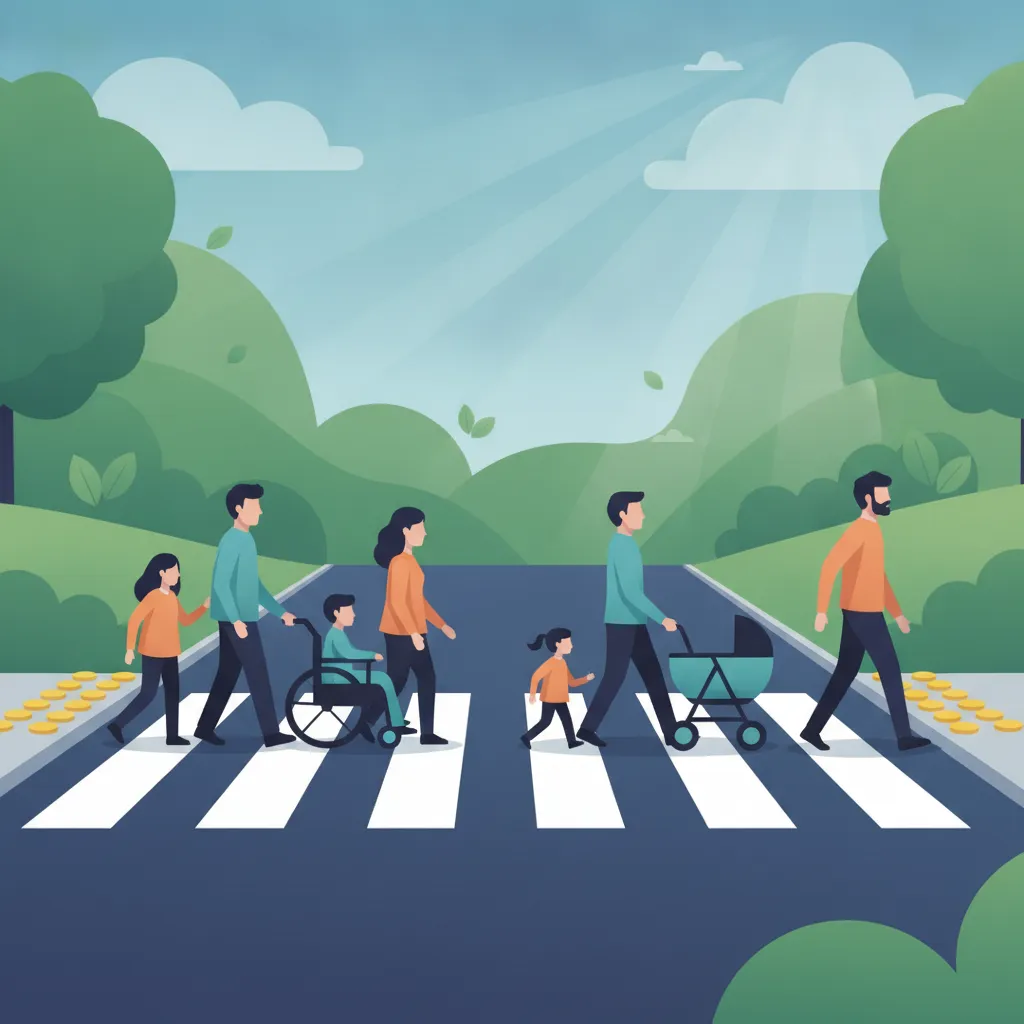
This lesson focuses on the legal and practical requirements for transporting passengers with reduced mobility and children. It explains the operation of accessibility features like wheelchair ramps and the importance of priority seating. The content also addresses the safe transport of children, including the use of appropriate restraints and collaboration with caregivers.

This lesson details the regulations and proper application of passenger restraints, including seat belts and child safety seats. It explains the principles of safe luggage storage and how correct load distribution is critical for maintaining vehicle stability. The content also provides guidance on managing standing passengers to ensure their safety during transit.
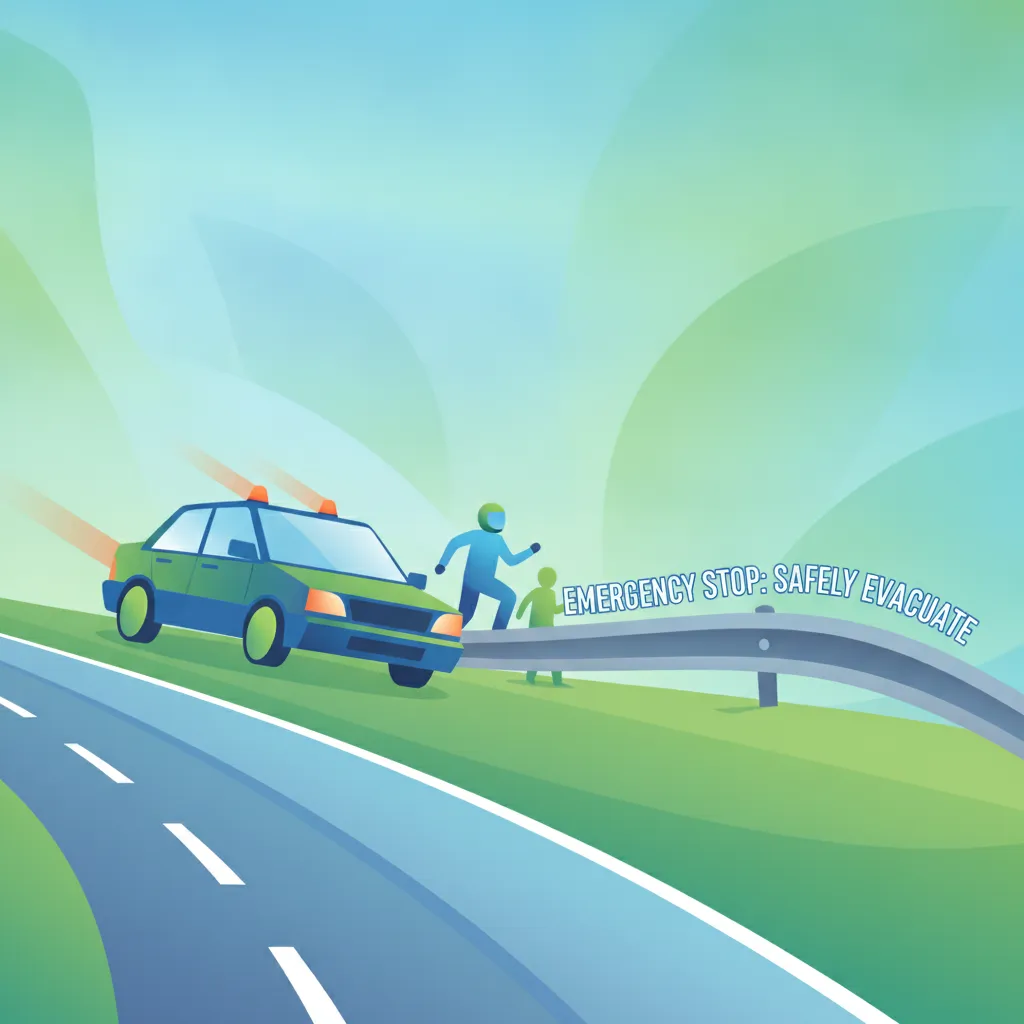
This lesson provides critical instructions for managing emergencies such as a fire or breakdown. It details the protocol for stopping the vehicle safely, alerting authorities, and communicating clearly with passengers. The content includes a step-by-step guide to vehicle evacuation, including the use of emergency exits and assisting vulnerable passengers.

This lesson covers the operational procedures within bus terminals, including safe maneuvering, parking, and managing passenger boarding. It also explores the planning required for long-distance routes, such as scheduling legally-mandated rest stops. The content highlights strategies for managing driver fatigue and ensuring passenger comfort over extended journeys.

This lesson outlines the step-by-step process for safely approaching a bus stop, emphasizing speed control and correct positioning. It covers the importance of ensuring the vehicle is fully stationary before operating the doors. The content also details the safety checks required before departing the stop and merging back into the flow of traffic.

This lesson provides a detailed breakdown of the professional licence categories for passenger transport in Portugal. It distinguishes between minibuses (D1), buses (D), and vehicles with trailers (D1E, DE). The content outlines the requirements for obtaining each licence, including medical certification, training, and passenger capacity limitations.

This lesson details the special care required when transporting children and elderly passengers. It covers procedures for assisting with boarding and alighting, ensuring they are seated securely, and communicating clearly. The content also addresses allocating sufficient time for these passengers to move safely within and around the vehicle.

This lesson focuses on the legal concept of duty of care, detailing a professional driver's obligations to passengers and other road users. It examines how negligence and failure to comply with traffic laws can result in liability and legal penalties. The content also emphasizes adherence to safety regulations and proper incident reporting procedures.
This lesson focuses on the specific skills required for driving on high-speed motorways. It details the procedures for safely merging onto and exiting the motorway, maintaining proper lane discipline, and adhering to variable speed limits. The content also provides rules for safe overtaking and managing the vehicle's stability at high speeds.

This lesson covers the specific rules and legal responsibilities that apply when a vehicle is in a loading or unloading zone. It details regulations regarding parking, time limits, and the driver's role in ensuring a safe environment for themselves and others during cargo handling. Compliance is key to efficient and lawful logistics operations.
Understand how to efficiently manage vehicle stop times to adhere to schedules and improve urban traffic flow. Focuses on safe door operations and awareness of surrounding traffic when stationary at bus stops.
This lesson outlines the step-by-step process for safely approaching a bus stop, emphasizing speed control and correct positioning. It covers the importance of ensuring the vehicle is fully stationary before operating the doors. The content also details the safety checks required before departing the stop and merging back into the flow of traffic.

This lesson addresses the heightened risk of interaction with pedestrians and cyclists around bus stops. It explains right-of-way regulations and the importance of vigilance, particularly when turning or pulling away from the curb. The content provides strategies for anticipating the actions of vulnerable road users to prevent conflicts.
This lesson focuses on the complexities of braking in dense urban environments. It explains how vehicle mass, passenger load, and road conditions influence the total stopping distance of a large vehicle. Learners will understand the importance of anticipatory driving and proactive speed management to ensure safe braking at all times.
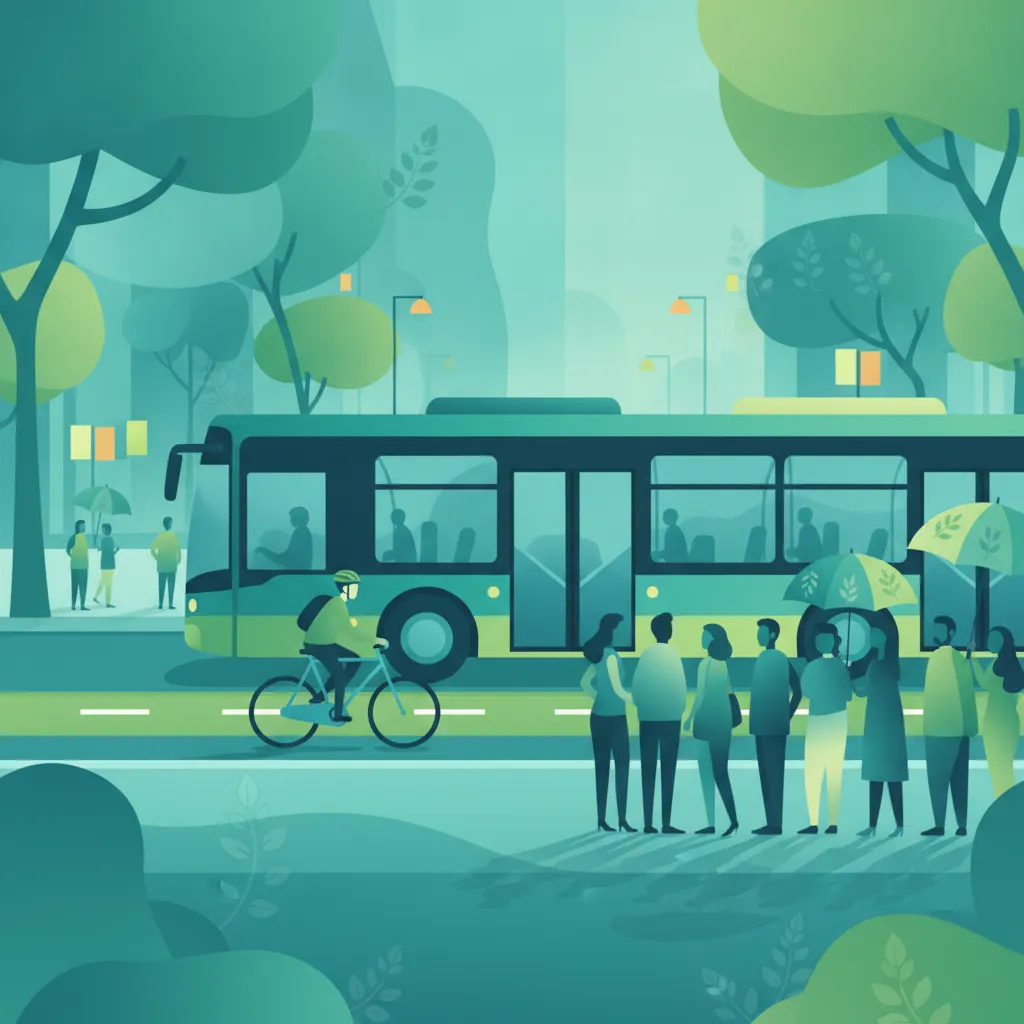
This lesson explains the rules and etiquette for sharing the road with public transport vehicles like buses and trams. It covers the requirement to be cautious around bus stops, especially when passengers are boarding or alighting. A key focus is the legal obligation to yield to buses indicating their intention to pull out from a designated stop into the flow of traffic.
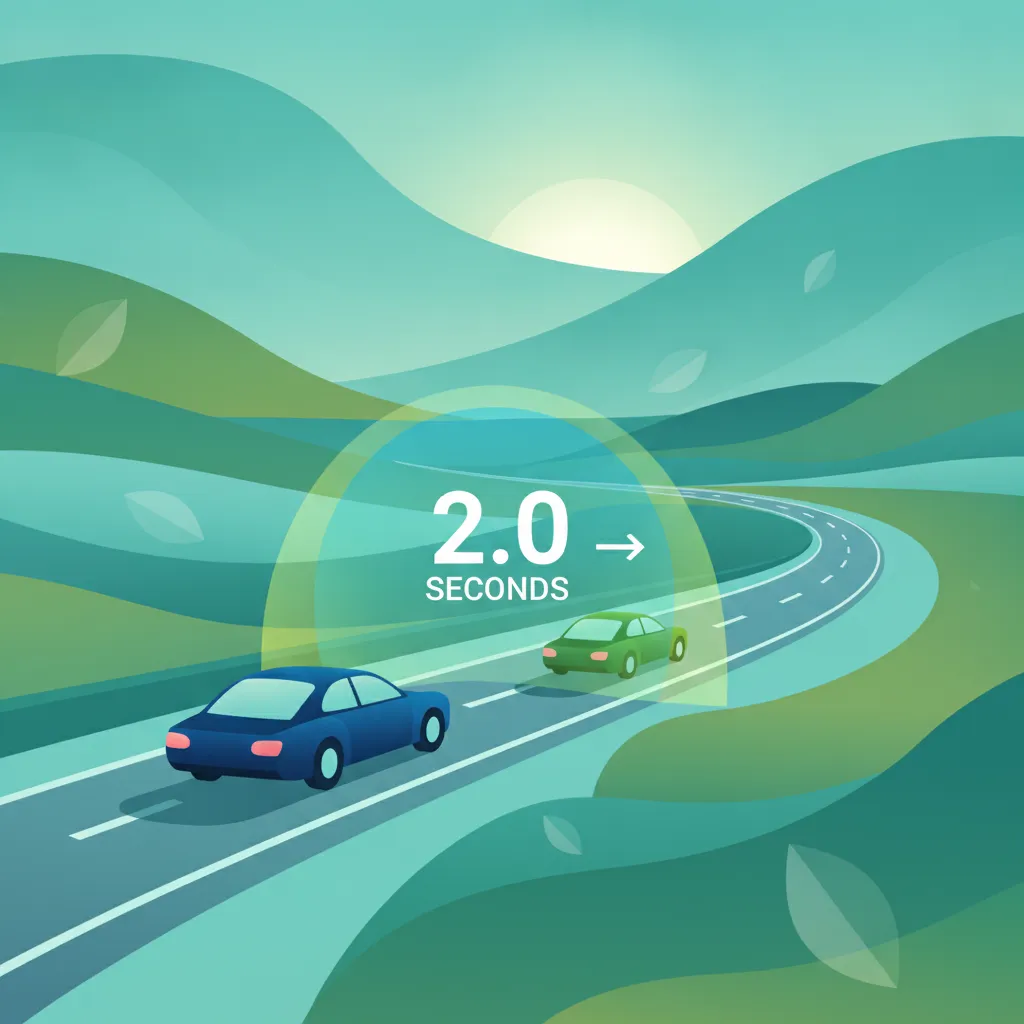
This lesson explains the critical need for maintaining a safe following distance to compensate for the longer stopping time of a heavy vehicle. It introduces time-based following distance rules and describes how to adapt them for different speeds, road conditions, and weather. The content highlights the dangers of tailgating and provides strategies for proactive collision avoidance.

This lesson examines how bus priority measures, such as dedicated lanes and signal preemption, function in urban traffic. It teaches drivers how to utilize these systems effectively to maintain schedules and improve service reliability. The content also discusses how to navigate general traffic congestion when priority systems are not available.
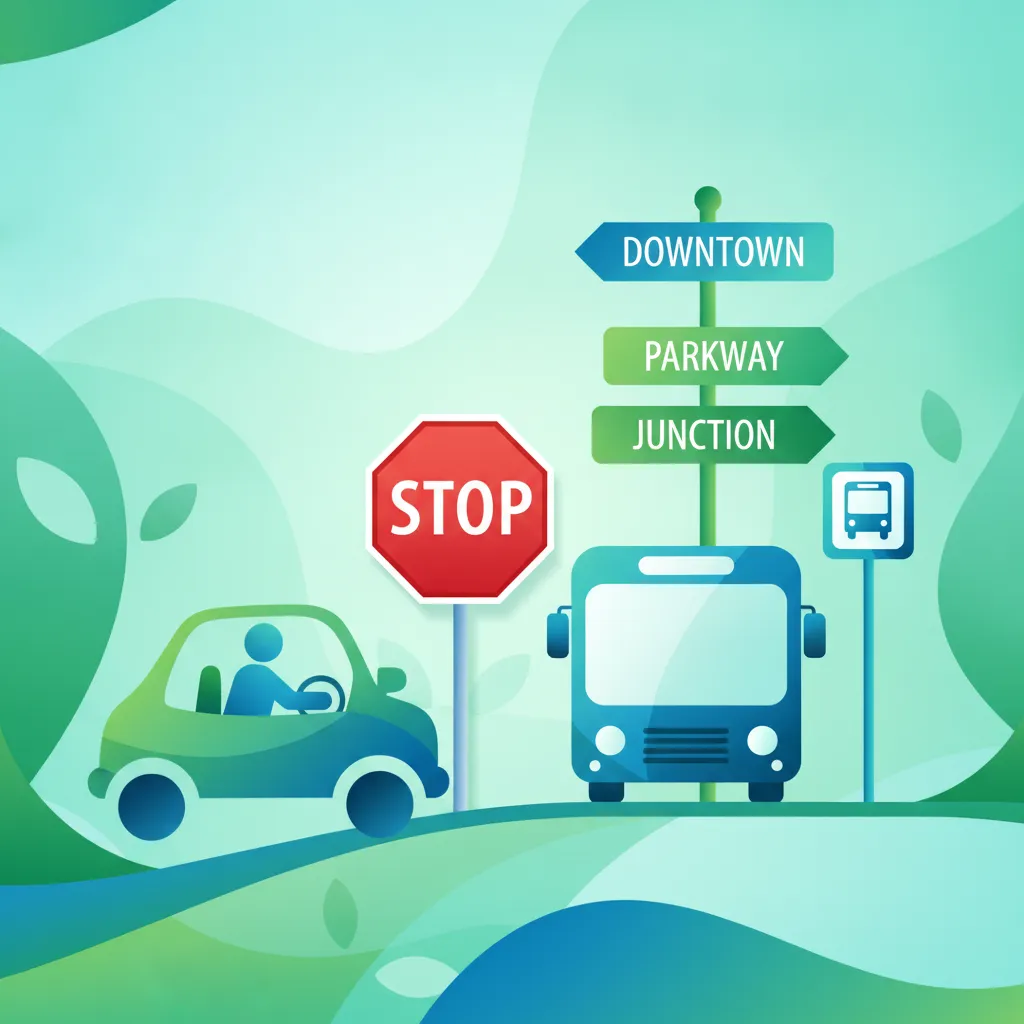
This lesson covers the identification of official bus stop signage and the procedures for stopping at designated locations. It explains the importance of precise positioning to ensure passenger safety during boarding and alighting. The content also links the placement of bus stops to route planning and maintaining a consistent timetable.
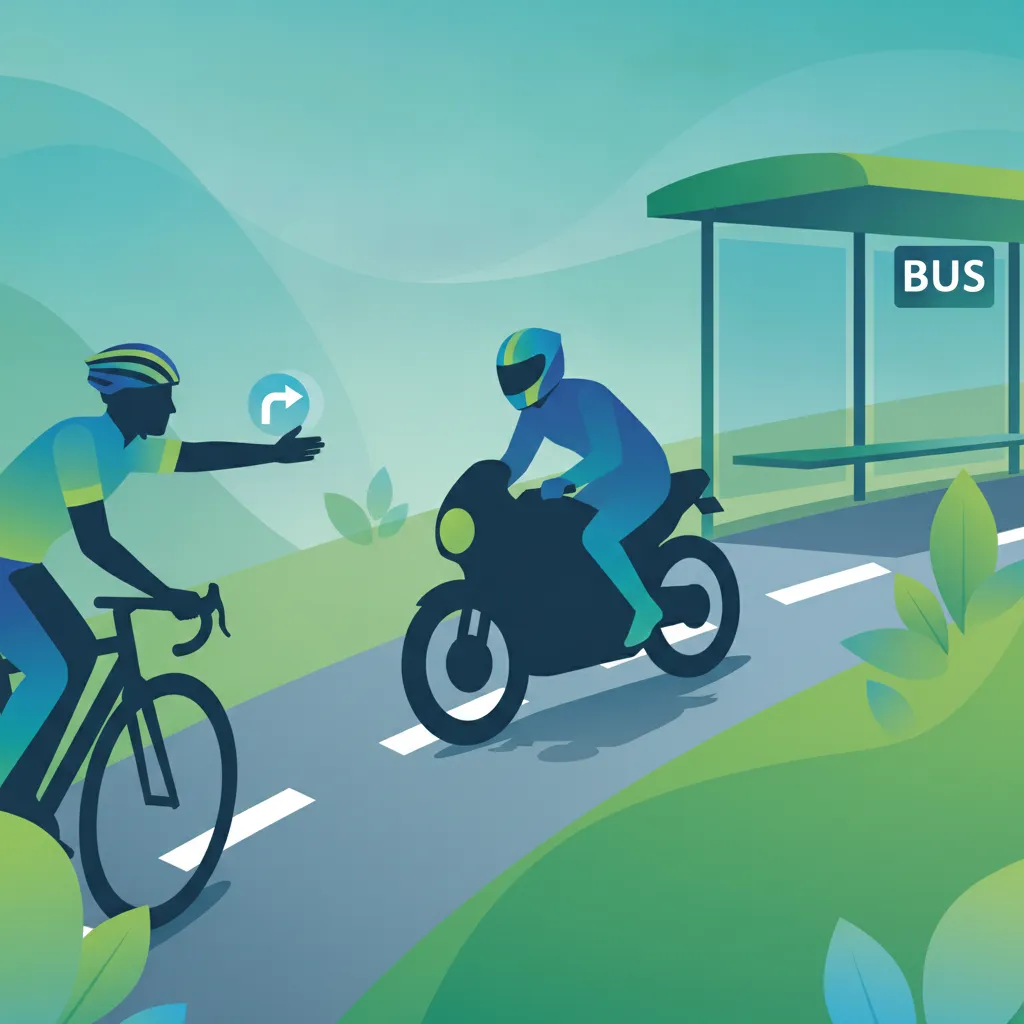
This lesson focuses on the specific challenges of sharing the road with two-wheeled vehicles. It highlights the importance of thorough blind spot checks before turning or changing lanes, particularly near bus stops where cyclists may pass. The content provides guidelines for safe overtaking and maintaining adequate separation to prevent conflicts.

This lesson provides essential safety guidance for interacting with large vehicles like buses and trucks. It emphasizes the importance of staying out of their extensive blind spots and allowing extra space due to their long stopping distances and wide turning circles. The content also offers advice on how to safely overtake such vehicles and navigate around public transport stops.

This lesson explains the regulations governing the use of dedicated bus lanes, including operational hours and priority rules at junctions. It clarifies which other vehicles may use these lanes and under what circumstances. The content also discusses traffic signal priority systems and the legal implications of improper bus lane usage.
Find clear answers to common questions learners have about Managing Boarding and Alighting of Passengers. Learn how the lesson is structured, which driving theory objectives it supports, and how it fits into the overall learning path of units and curriculum progression in Portugal. These explanations help you understand key concepts, lesson flow, and exam focused study goals.
You must ensure the vehicle is completely stationary and the parking brake is engaged before opening any doors. Opening doors prematurely is a serious safety violation in the Portuguese theory exam.
You must ensure the vehicle is close enough to the curb to minimize the gap and, if available, deploy ramps or kneeling systems safely. Always ensure the passenger is securely positioned before moving off.
Always check all mirrors and blind spots thoroughly before moving away from a stop. Cyclists can be easily missed in the vehicle's blind spots during boarding and alighting operations.
Yes, you must ensure that luggage is stored so it does not obstruct exits or aisleways. Improper luggage storage is a common cause of accidents and delay in passenger transport.
Utilize the powerful search tool to refine your Portuguese driving theory practice. Pinpoint questions related to specific traffic laws, road signs, or complex scenarios from the Código da Estrada. Begin targeted revision now to boost your understanding and confidently approach your IMT driving exam.