This lesson explores the physical and cognitive characteristics of vulnerable road users, a key area of the Category D professional theory course. You will learn to identify potential hazards early to ensure the safety of pedestrians, cyclists, and the elderly during your bus or coach operations.

Lesson content overview
As a professional driver operating passenger vehicles in Portugal, you frequently navigate complex environments shared by diverse road users. Among these, certain groups are classified as Vulnerable Road Users (VRUs) due to their increased risk of injury in the event of a collision. This lesson delves into the characteristics and limitations of these groups – children, the elderly, cyclists, and pedestrians – and examines how these factors can lead to unpredictable behaviors on the road.
Recognizing the vulnerabilities of these road users is not merely a legal requirement; it is a fundamental aspect of proactive risk assessment and safe vehicle operation. Professional passenger vehicle drivers, in particular, bear a heightened responsibility to anticipate and mitigate risks, ensuring the safety of everyone sharing the road. This foundational knowledge is crucial for safe maneuvering, especially in urban and interurban settings where interactions with VRUs are frequent and varied.
Operating a professional passenger vehicle demands a constant state of awareness and adherence to key safety principles, especially concerning VRUs. These principles guide decision-making to prevent incidents and ensure the well-being of all individuals on the road.
This principle requires drivers to actively predict the potential actions of VRUs based on their known vulnerabilities and common behaviors. Instead of merely reacting to events, a professional driver must anticipate what might happen next, especially in environments where VRUs are likely to be present. The purpose is to identify and mitigate risks before a VRU's behavior escalates into a hazardous situation. This often implies adjusting your speed, increasing your following distances, and preparing for sudden or unexpected movements from pedestrians, cyclists, or children.
When sharing the road with VRUs, particularly in high-density areas like city centers, school zones, or residential streets, a heightened level of awareness is non-negotiable. VRUs can be less predictable than motorized traffic, often acting on impulse or with limited understanding of traffic dynamics. This principle underscores the need for frequent and thorough scanning of your surroundings, especially at intersections, near bus stops, and around pedestrian facilities, to detect VRUs who may not be immediately obvious.
Adjusting your vehicle speed to the specific environment and the presence of VRUs is a critical safety measure. The primary purpose of speed adaptation is to allow sufficient time for you to react to unexpected situations and to significantly reduce the severity of a collision should one occur. Lower speeds are imperative near schools, residential zones, cycling lanes, and any area where VRU activity is high. Your large passenger vehicle requires greater stopping distances, making speed adaptation even more vital.
Vulnerable road users share a common trait: a lack of protective enclosure, which makes them highly susceptible to severe injury in a collision. However, each group also possesses unique characteristics that influence their behavior and necessitate specific precautions from drivers.
Children, typically those under 12 years of age, are defined by their developing cognitive abilities, limited judgment, and often impulsive behavior. Their smaller physical stature also makes them harder to see in traffic.
Practical Implications for Drivers: Children may dart into traffic, stop suddenly, or become easily distracted by their surroundings. Professional drivers must exercise extreme caution near schools, parks, and residential areas, adhering strictly to reduced speed limits. Never assume a child will look both ways or behave predictably.
Elderly individuals, generally those over 65, often experience diminished sensory perception (sight, hearing), slower reaction times, and reduced physical mobility. These changes can significantly affect their ability to navigate complex traffic environments safely.
Practical Implications for Drivers: Elderly road users may take longer to cross the street, struggle with rapid lane changes, or have difficulty perceiving fast-approaching vehicles. It is crucial to give them ample time and space, especially at crossings, and to be prepared for slower movements or hesitation. Avoid honking unnecessarily, as it can startle them.
Cyclists, operating bicycles, are highly vulnerable due to the low mass of their vehicle and the complete lack of protective enclosure. Even minor collisions can result in serious injuries.
Practical Implications for Drivers: Cyclists can be difficult to spot, especially in blind spots or at night. They may signal turns late or not at all, and their speed can be misjudged. Drivers of large vehicles must maintain significant lateral clearance when overtaking and be particularly careful near intersections, where cyclists might make unexpected turns or movements.
Pedestrians are individuals traveling on foot and represent the most exposed category of road users, having no protection against impact.
Practical Implications for Drivers: Pedestrians can make spontaneous movements, step into the road unexpectedly, or be obscured by parked vehicles or street furniture. Professional drivers must always be prepared to yield, especially at crosswalks and in areas with high pedestrian activity. Maintaining low speeds and actively scanning for pedestrians are critical to their safety.
Always assume the VRU has not seen you. This mindset promotes a proactive, defensive driving approach, ensuring you take the necessary precautions even if you believe you have the right-of-way.
The Código da Estrada (Portuguese Highway Code) contains specific rules designed to protect vulnerable road users. Adherence to these regulations is mandatory for all drivers, but particularly critical for professional passenger vehicle operators due to the size and weight of their vehicles.
Drivers are legally obliged to yield to pedestrians at all marked crosswalks (passadeiras). This means stopping to allow pedestrians to cross safely. The obligation extends even to unmarked crossings where a pedestrian has already stepped onto the roadway or clearly intends to cross.
When overtaking a cyclist, maintaining a safe lateral distance is paramount to prevent side-swipe collisions or causing the cyclist to lose balance.
Specific areas are designated with reduced speed limits to enhance the safety of vulnerable road users, particularly children and the elderly.
While not always a distinct legal "rule," the Código da Estrada implies a greater duty of care towards vulnerable individuals. For elderly pedestrians, this translates into recommended practices with strong safety justifications.
Ensuring your large vehicle is highly visible is crucial, especially when interacting with VRUs.
Beyond adhering to specific rules, professional drivers must adopt a holistic, proactive approach to minimize risks associated with VRUs.
Children are known for their impulsivity; they might chase a ball into the street or dart out from between parked cars without looking. Elderly individuals might stop unexpectedly mid-crossing or take longer to react to traffic changes. Cyclists can merge suddenly or disregard signals. A proactive driver continuously scans the environment, particularly where VRUs are likely, and mentally prepares for these abrupt actions. This involves covering the brake pedal, adjusting foot position to be ready to slow down or stop, and choosing a safe speed.
Urban areas, residential streets, and areas around schools and public transport stops are prime examples of mixed-traffic environments where VRUs are prevalent. In these settings, drivers must maintain heightened vigilance. This means:
Speed adaptation is a dynamic process. It's not just about obeying posted limits but adjusting your speed based on real-time conditions.
Heavy passenger vehicles have significantly longer stopping distances. A bus or coach, particularly when fully loaded, cannot stop as quickly as a passenger car. This inherent characteristic means you must initiate braking much earlier when VRUs are present or anticipated.
The sheer size and weight of a professional passenger vehicle introduce specific challenges when interacting with VRUs.
Even experienced drivers can make mistakes, but for professional passenger vehicle drivers, these errors can have severe consequences when interacting with VRUs. Awareness of these common pitfalls can help prevent them.
A frequent error is assuming pedestrians must always use marked crosswalks or wait for a signal. In Portugal, drivers must yield to pedestrians who are already on the roadway or clearly showing intent to cross, even at unmarked locations. Failure to do so can lead to dangerous confrontations and potential collisions. Always prioritize the safety of the pedestrian.
Cutting too close to a cyclist, especially when turning or around bends, is a significant hazard. Many drivers underestimate the 1.5-meter minimum clearance rule in urban areas, or they might not account for sudden swerves by the cyclist due to road imperfections or gusts of wind. This can cause the cyclist to lose control and suffer severe injuries.
Despite clear signage and the presence of children, some drivers exceed the reduced speed limits in school zones. This increases both the likelihood and severity of a collision, as children's unpredictable behavior combines with the reduced reaction time of the driver. Strict adherence to these limits is non-negotiable for the safety of young VRUs.
Elderly pedestrians may exhibit hesitation or make slower, less assertive movements. A common mistake is for drivers to assume they will wait or hurry, leading the driver to proceed without granting sufficient time. This can force elderly individuals into dangerous situations or cause them to fall. Always give the elderly extra time and clear signals of your intent to yield.
Not using hazard lights when stopped in areas where VRUs are present or visibility is limited (e.g., a bus stop near a blind corner) reduces the conspicuity of your large vehicle. VRUs might not see your stopped vehicle until it's too late, leading to unexpected movements from them or other vehicles. Hazard lights serve as an important signal, especially for your vulnerable surroundings.
The environment and conditions under which you operate your passenger vehicle constantly change, and these variations significantly impact VRU safety.
In adverse weather, always allow for extra stopping distance. For a heavy passenger vehicle, this means multiplying your usual safe distance by a factor of two or more, depending on the conditions.
Your large passenger vehicle's weight and size mean it has considerably longer stopping distances compared to smaller vehicles. This is magnified when the vehicle is fully loaded with passengers.
Your actions as a professional driver have direct and significant consequences for the safety of vulnerable road users.
The Código da Estrada imposes strict penalties for infractions that endanger VRUs, reflecting the high value placed on their safety in Portuguese traffic law.
Understanding theory is critical, but applying it in real-world scenarios is what makes a safe professional driver.
You are driving your passenger vehicle approaching a zona escolar during pick-up time. The posted speed limit is 30 km/h. You spot several children playing near the curb, some seemingly engrossed in a game, not looking at the road. A parent is walking a bit ahead, talking on their phone.
You are on a two-lane city street, and ahead of you, a cyclist is riding steadily. The road has parked cars on the right, and the cyclist is riding a bit further from the curb to avoid car doors. You need to overtake.
You are driving on a residential street. Ahead, an elderly pedestrian, carrying bags, hesitates at the curb, looking left and right, appearing to consider crossing the street where there is no marked passadeira.
The responsibility of a professional passenger vehicle driver extends far beyond operating the vehicle efficiently; it encompasses the proactive protection of all road users, especially the vulnerable.
Explore all units and lessons included in this driving theory course.
Lesson content overview
Explore all units and lessons included in this driving theory course.
Explore search topics learners often look for when studying Understanding Vulnerabilities of Road Users. These topics reflect common questions about road rules, driving situations, safety guidance, and lesson level theory preparation for learners in Portugal.
Browse additional driving theory lessons that cover connected traffic rules, road signs, and common driving situations related to this topic. Improve your understanding of how different rules interact across everyday traffic scenarios.
Learn advanced strategies for interacting with vulnerable road users in Portugal. This lesson focuses on detailed risk mitigation techniques for drivers, including understanding unpredictable behavior and adapting to various traffic environments.
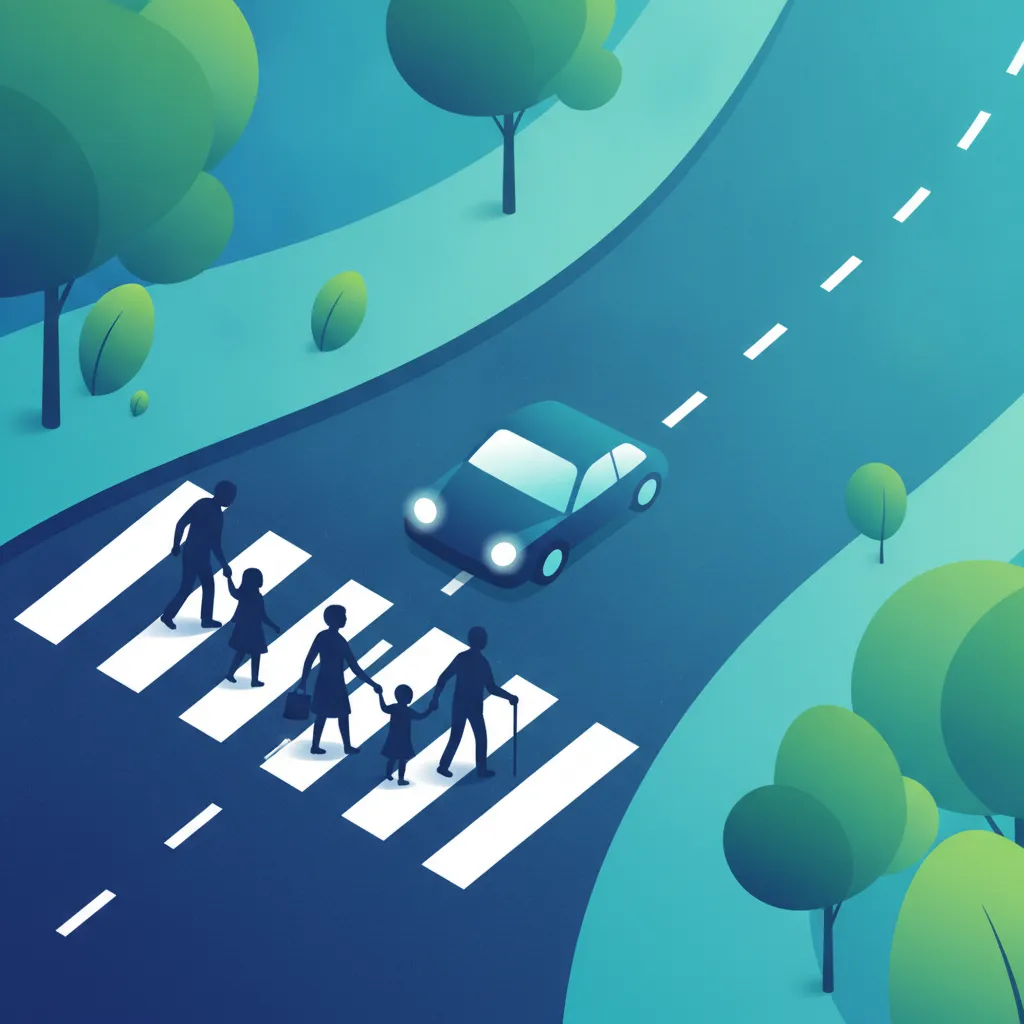
This lesson explores the various types of pedestrian crossings found in Portuguese urban areas, such as zebra crossings. It emphasizes the rider’s responsibility to yield to pedestrians, the importance of reducing speed, and maintaining a safe passing distance. Strategies for anticipating pedestrian behavior and ensuring visibility are discussed to prevent incidents.
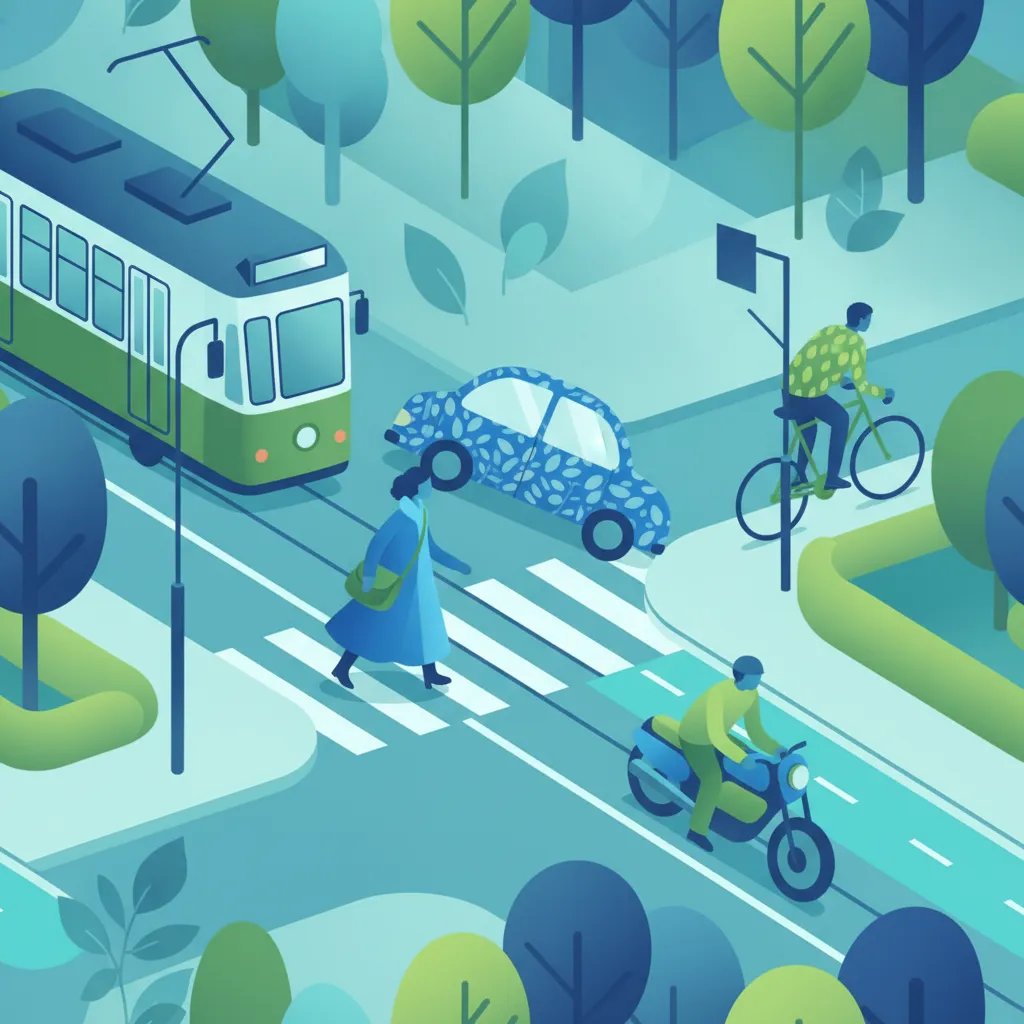
This lesson focuses on the heightened duty of care professional drivers have towards vulnerable road users. It covers common conflict points, such as junctions and roundabouts, and teaches techniques for anticipating the actions of pedestrians, cyclists, and motorcyclists. Giving extra space and being prepared to stop are key themes.
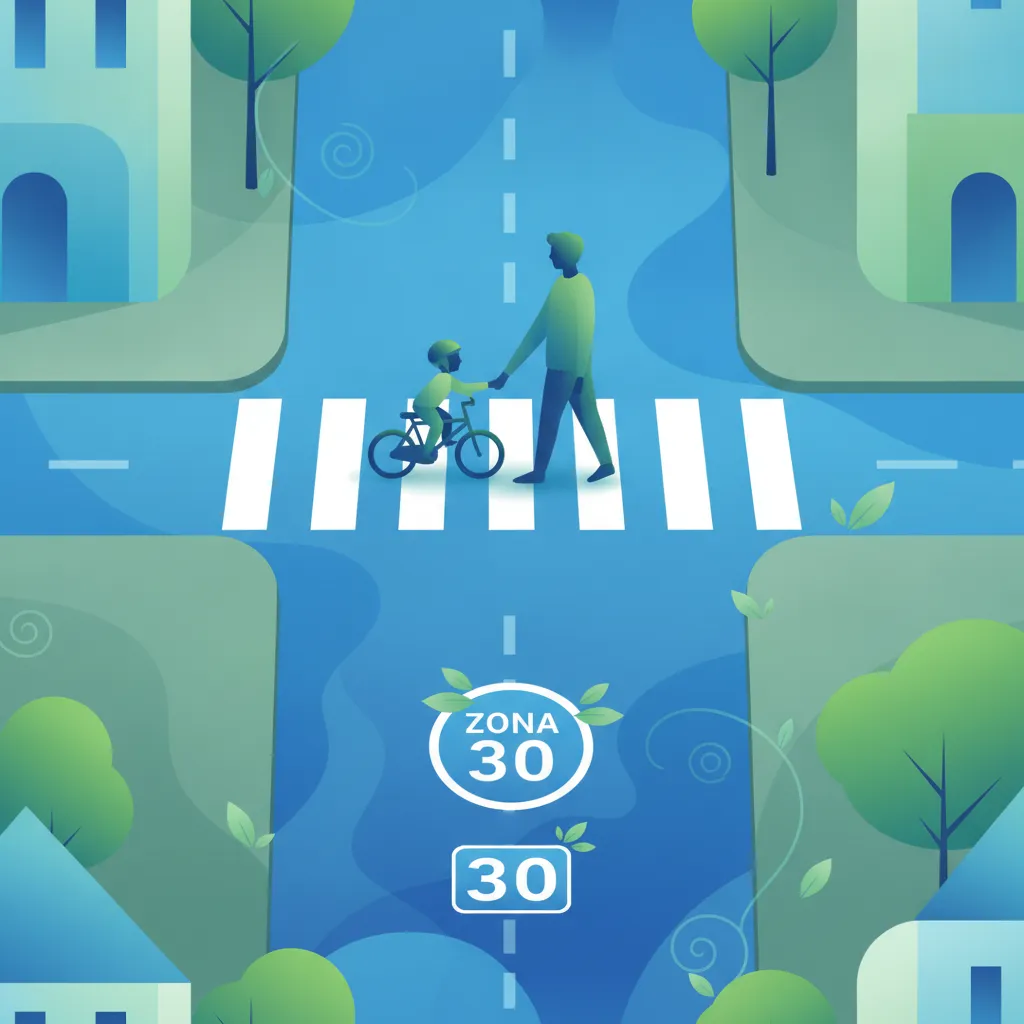
This lesson highlights road markings specifically designed to enhance the safety of vulnerable road users. It focuses on pedestrian crossings (zebra crossings), markings indicating school zones, and symbols for bicycle lanes or shared routes. The content stresses the heightened duty of care and specific actions, such as yielding or stopping, that drivers must take in these designated areas.
This lesson focuses on the rider's responsibilities at designated pedestrian crossings. It clarifies the legal requirement to give way to pedestrians on or about to step onto a zebra crossing. The content emphasizes the need to approach all crossings with caution, be prepared to stop, and scan for pedestrians to ensure their safety as vulnerable road users.
This lesson addresses the heightened risk of interaction with pedestrians and cyclists around bus stops. It explains right-of-way regulations and the importance of vigilance, particularly when turning or pulling away from the curb. The content provides strategies for anticipating the actions of vulnerable road users to prevent conflicts.
This lesson focuses on the specific challenges of sharing the road with two-wheeled vehicles. It highlights the importance of thorough blind spot checks before turning or changing lanes, particularly near bus stops where cyclists may pass. The content provides guidelines for safe overtaking and maintaining adequate separation to prevent conflicts.
This lesson focuses on the psychological aspects of safe riding, helping riders recognize and manage high-risk behaviors. It discusses the dangers of distraction, particularly from mobile phones, and the influence of peer pressure and overconfidence. The content encourages the development of a mature risk assessment mindset and emphasizes the importance of riding only when physically and mentally fit.

This lesson addresses the specific challenges of driving alongside motorcyclists and large vehicles such as trucks and buses. It highlights the reduced visibility of motorcyclists and the extensive blind spots (no-zones) around heavy vehicles. Drivers will learn to provide extra space, anticipate wide turns, and adjust for factors like spray and wind turbulence.
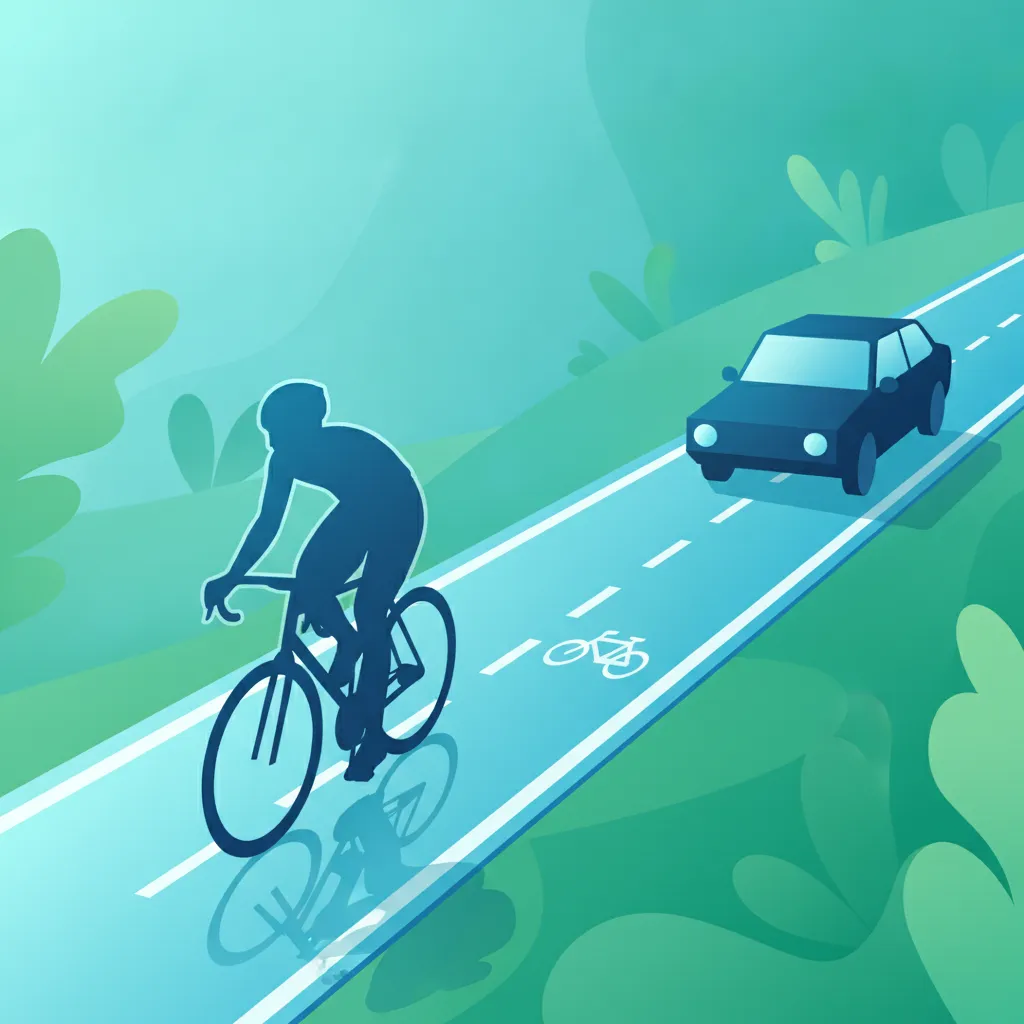
This lesson focuses on safe interaction with cyclists on the road. It covers the identification of dedicated bicycle lanes and the rules regarding cyclist priority in various situations. Key topics include maintaining a safe lateral distance when overtaking cyclists and the importance of checking blind spots for them before turning or changing lanes.
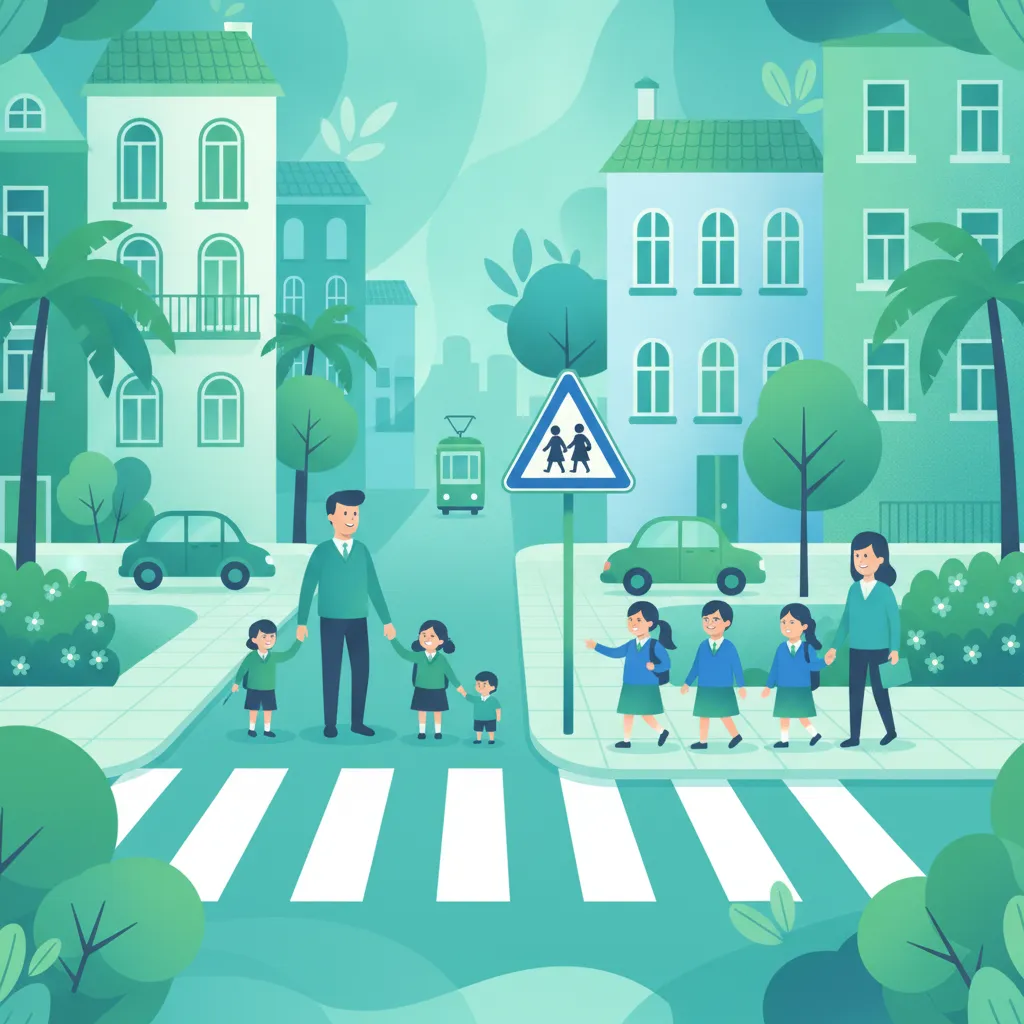
This lesson provides a detailed overview of the legal requirements and safe driving practices for school zones and pedestrian crossings. It covers mandatory speed limits, the meaning of various signs and signals, and the importance of yielding to pedestrians. The content stresses heightened awareness due to the unpredictable nature of children's behavior near roads.
Explore the specific factors that make elderly individuals and children more vulnerable on the road. This lesson provides essential driving theory insights into their needs and how to ensure their safety in traffic.

This lesson details the special care required when transporting children and elderly passengers. It covers procedures for assisting with boarding and alighting, ensuring they are seated securely, and communicating clearly. The content also addresses allocating sufficient time for these passengers to move safely within and around the vehicle.
This lesson addresses the serious risks of driving while fatigued, distracted, or stressed. It teaches drivers to recognize the early warning signs and explains the legal regulations regarding driving hours and rest periods. The content offers practical strategies for managing stress and minimizing distractions to maintain focus on the driving task.
This lesson focuses on the heightened duty of care professional drivers have towards vulnerable road users. It covers common conflict points, such as junctions and roundabouts, and teaches techniques for anticipating the actions of pedestrians, cyclists, and motorcyclists. Giving extra space and being prepared to stop are key themes.
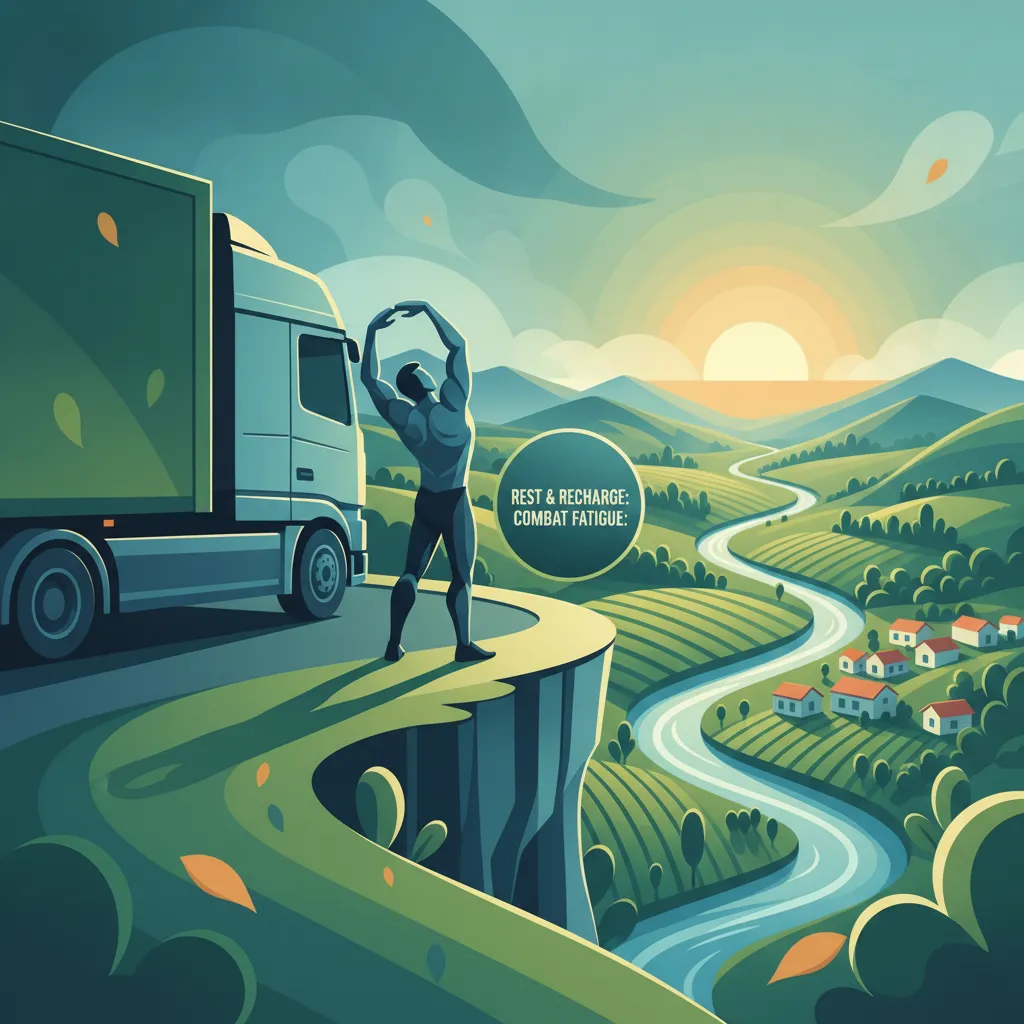
This lesson highlights the serious danger of driving while fatigued, which can be as impairing as alcohol. It teaches drivers to recognize the early warning signs of tiredness, such as yawning, heavy eyelids, and difficulty concentrating. The importance of proper journey planning, including scheduling regular rest breaks, is emphasized as the primary strategy for preventing fatigue-related accidents.

This lesson highlights the distinct risks associated with driving on rural roads, which often lack the safety features of major routes. It prepares drivers to anticipate and manage hazards such as sharp bends, limited visibility, poor road surfaces, and encounters with slow-moving agricultural vehicles or animals. Adapting speed and road positioning are emphasized as key defensive techniques.
This lesson explains how adverse weather conditions like rain and fog compromise visibility and vehicle control. It provides clear guidance on reducing speed, increasing following distance, and using lights and wipers effectively. The content also covers the phenomenon of hydroplaning and how to prevent loss of traction on wet roads.
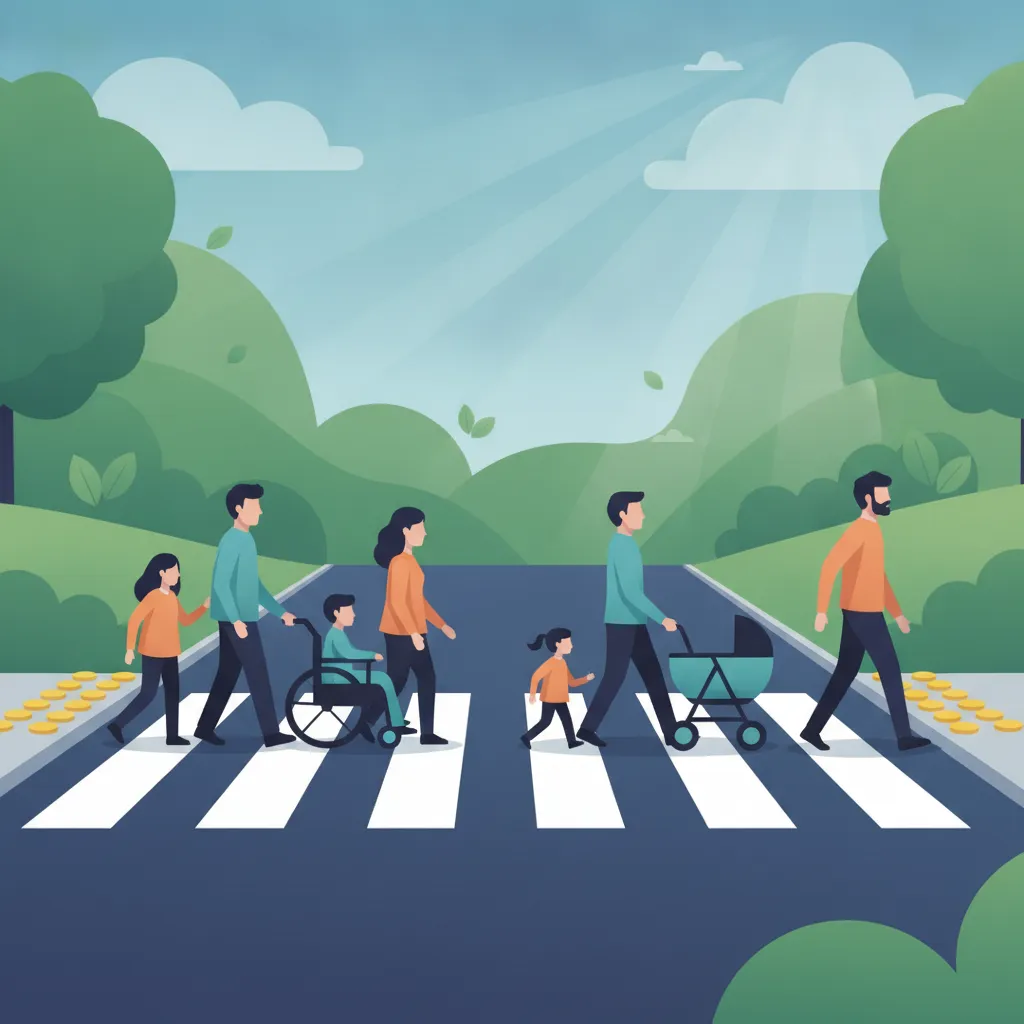
This lesson focuses on the legal and practical requirements for transporting passengers with reduced mobility and children. It explains the operation of accessibility features like wheelchair ramps and the importance of priority seating. The content also addresses the safe transport of children, including the use of appropriate restraints and collaboration with caregivers.
This lesson focuses on the specific challenges of sharing the road with two-wheeled vehicles. It highlights the importance of thorough blind spot checks before turning or changing lanes, particularly near bus stops where cyclists may pass. The content provides guidelines for safe overtaking and maintaining adequate separation to prevent conflicts.
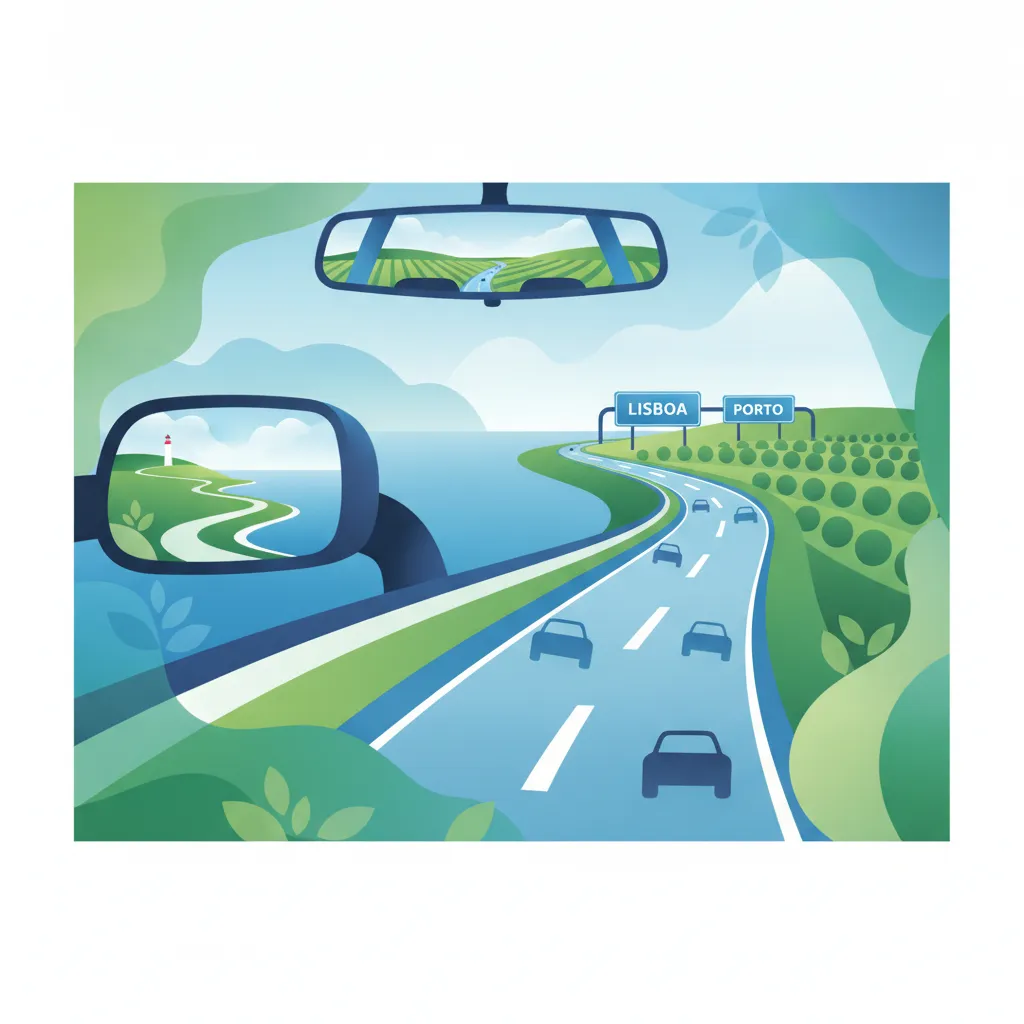
This lesson provides a comprehensive guide to understanding and mitigating the risks posed by blind spots. It details how to correctly adjust all mirrors to maximize the field of view. The content stresses the need for a continuous, systematic pattern of mirror checks combined with direct observation before any maneuver.
This lesson explains how the large dimensions of passenger vehicles influence their handling and maneuverability. It details the concept of turning radius and identifies the significant blind spots around the vehicle. The content emphasizes the critical importance of correct mirror adjustment to maximize visibility and reduce operational risks.
Find clear answers to common questions learners have about Understanding Vulnerabilities of Road Users. Learn how the lesson is structured, which driving theory objectives it supports, and how it fits into the overall learning path of units and curriculum progression in Portugal. These explanations help you understand key concepts, lesson flow, and exam focused study goals.
Children often have limited height, making them harder to see from a bus driver's seat, and they have less developed cognitive awareness of traffic dangers. In the exam, you must demonstrate the ability to anticipate unpredictable behavior near schools and crossings.
When a bus is pulling into or departing from a stop, cyclists remain vulnerable due to their speed and lack of protection. Always maintain a safe side distance and use mirrors repeatedly to account for blind spots before executing any maneuver.
While the law applies to all pedestrians, it emphasizes the duty of care towards vulnerable users who may have reduced mobility or slower reaction times. Professional drivers must provide extra time and space for these individuals to complete their crossing.
Utilize the powerful search tool to refine your Portuguese driving theory practice. Pinpoint questions related to specific traffic laws, road signs, or complex scenarios from the Código da Estrada. Begin targeted revision now to boost your understanding and confidently approach your IMT driving exam.