Logo
Portuguese Driving Theory Courses

Lesson 2 of the Vulnerable Road Users, Pedestrians, Cyclists and School Areas unit

Portuguese Driving Theory D: Pedestrian Crossings and School Zones

This lesson details the critical safety requirements and legal obligations when driving a passenger vehicle through pedestrian crossings and school zones. As a professional driver, you will learn how to anticipate hazards, manage speed, and protect vulnerable road users to meet Portuguese traffic law standards.
pedestrian safetyschool zonesprofessional drivingCategory Dtraffic law
Portuguese Driving Theory D: Pedestrian Crossings and School Zones

Lesson content overview

Portuguese Driving Theory D

Driving Safely Near Pedestrian Crossings and School Zones in Portugal

As a professional passenger vehicle operator in Portugal, understanding and strictly adhering to regulations concerning pedestrian crossings and school zones is paramount. These areas present unique challenges due to the heightened presence and vulnerability of non-motorized road users, particularly children. This lesson provides an in-depth guide to navigating these critical zones, ensuring compliance with the Código da Estrada and promoting the highest standards of safety for all.

Our focus is on equipping you with the knowledge to anticipate potential hazards, maintain appropriate speeds, and prioritize pedestrian safety, which is a core responsibility for all drivers, especially those transporting passengers. Mastering these rules is essential not only for passing your professional passenger vehicle theory exam (Category D) but also for the daily safe operation of buses and coaches on Portuguese roads.

The Critical Importance of Vigilance in Vulnerable Areas

Operating a professional passenger vehicle demands an elevated level of vigilance, especially when traversing areas where vulnerable road users, such as pedestrians and children, are frequently present. Pedestrian crossings and school zones are specifically designed to protect these users, and consequently, they impose stricter rules and require increased driver attention. The larger size and mass of buses and coaches mean that any collision with a pedestrian carries a significantly higher risk of severe injury or fatality. Therefore, a proactive and defensive driving approach is not merely recommended but legally mandated and ethically imperative.

Ignoring the specific regulations in these areas not only incurs severe legal penalties, including fines and license points, but also gravely endangers lives and compromises the trust placed in professional drivers. This section delves into the legal requirements, safety considerations, and best practices for navigating these sensitive environments effectively and safely.

Understanding Pedestrian Crossings in Portugal

Pedestrian crossings are designated points on the road network where individuals on foot have priority to cross. These areas are specifically marked and often equipped with signals to enhance safety. As a professional driver, recognizing the different types of crossings and their associated rules is crucial for preventing accidents and ensuring smooth traffic flow.

Types of Pedestrian Crossings and Right-of-Way Rules

In Portugal, pedestrian crossings are categorized based on their markings and control mechanisms. Each type dictates specific driver responsibilities regarding yielding and stopping.

Zebra Crossings (Passadeiras de Peões)

Definition

Zebra Crossing (Passadeira de Peões)

A pedestrian crossing marked by white longitudinal stripes on the road, indicating that pedestrians have absolute right-of-way.

Zebra crossings are the most common type of uncontrolled pedestrian crossing. They are easily identifiable by their characteristic white stripes painted across the road surface. At these crossings, pedestrians who are already on the crossing or clearly intending to cross have absolute priority. This means that as a driver, you must stop before the white stop line (or at the crossing itself if no stop line is present) to allow pedestrians to cross safely. It is an offense to proceed if a pedestrian is on the crossing, regardless of their speed or direction.

Warning

Always be prepared to stop at a zebra crossing, even if no pedestrian is immediately visible. Pedestrians, especially children, can emerge suddenly or step onto the crossing without prior warning.

Signal-Controlled Crossings (Passadeiras com Sinalização Luminosa)

Definition

Signal-Controlled Crossing

A pedestrian crossing regulated by traffic lights, where pedestrians cross when the pedestrian signal (typically a green figure) permits, and vehicles stop when the vehicle signal (red light) is illuminated.

These crossings are equipped with traffic lights for both vehicles and pedestrians (sometimes referred to as Pelican or Macadam crossings in other contexts). Pedestrians press a button to request a green light, which then turns the vehicle traffic light to red. Drivers must obey the vehicle traffic signals, stopping completely when the light is red. Even on a green light, drivers should remain alert for pedestrians who might disregard their signal, especially in busy urban areas or near schools.

Uncontrolled Crossings Without Specific Markings

In some areas, particularly in residential zones or less trafficked streets, there might be points where pedestrians commonly cross, but there are no specific zebra stripes or traffic signals. While these are not formal pedestrian crossings, the general rules of yielding to pedestrians who are already on the roadway or clearly intending to cross still apply. Drivers must exercise extreme caution and be prepared to stop, understanding that pedestrians in such areas might not anticipate vehicle traffic as readily.

Driver Obligations at Pedestrian Crossings

Your responsibilities as a professional Category D driver at pedestrian crossings are strict and non-negotiable:

  • Anticipation and Speed Reduction: Always approach a pedestrian crossing with reduced speed and be ready to stop. This is critical for managing the significant stopping distance of a fully loaded bus.
  • Stopping Before the Stop Line: You must stop completely before the white stop line (linha de paragem) painted on the road. If no stop line is present, stop before the crossing itself, ensuring you do not obstruct it.
  • Yielding Priority: Give way to any pedestrian who is on the crossing or clearly indicates their intention to cross, even if they are still on the pavement.
  • No Overtaking: It is strictly prohibited to overtake another vehicle that has stopped or is slowing down to yield to pedestrians at a crossing. This is to prevent potentially fatal "double-threat" accidents where a pedestrian crosses in front of a stopped vehicle only to be hit by an overtaking one.
  • Visibility: Be acutely aware of your vehicle's blind spots. Always assume there might be a pedestrian you cannot see, especially smaller individuals or children.
  • Signaling: Clearly indicate your intentions to stop or slow down using your brake lights, giving following vehicles ample warning.

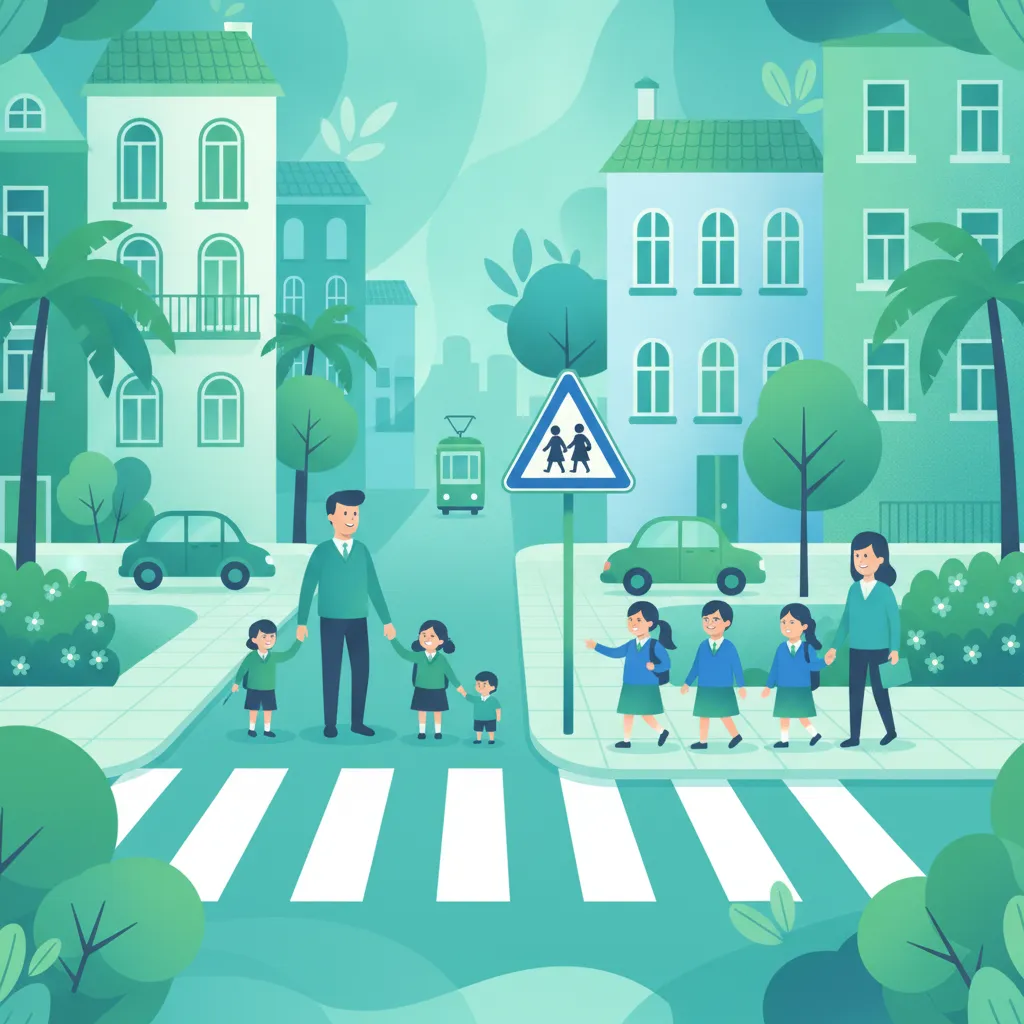
School zones are critical areas that demand the highest level of driver attention due to the unpredictable presence and behavior of children. These zones are specifically designated to safeguard students traveling to and from educational establishments. As a professional passenger vehicle operator, your role in protecting these vulnerable road users is paramount.

Definition and Purpose of School Zones

Definition

School Zone (Zona Escolar)

A designated road section near a school where specific, often reduced, speed limits and additional safety rules apply to protect children.

School zones are typically established around primary and secondary schools. Their primary purpose is to create a safer environment for children who may be walking, cycling, or being dropped off or picked up. Children, due to their developing cognitive abilities, limited peripheral vision, and potential for distraction, often do not fully comprehend traffic risks. They may dart into the road unexpectedly, play near traffic, or misjudge vehicle speeds. Therefore, the onus is entirely on the driver to compensate for these vulnerabilities.

Key Signage and Mandatory Speed Limits

Identifying a school zone is usually straightforward due to specific signage prescribed by the Código da Estrada.

  • School Zone Signs: These are typically rectangular signs, often blue or white, depicting a school symbol (e.g., children walking or a schoolhouse silhouette). Crucially, these signs are almost always accompanied by a mandatory reduced speed limit, typically 30 km/h in Portugal.
  • Flashing Beacons: In many school zones, you will find flashing yellow or orange beacons. These lights are usually active during school start and end times, holidays, or specific school events, signaling heightened pedestrian activity. Their activation mandates strict adherence to the reduced speed limit.
  • Road Markings: In addition to vertical signs, school zones may feature specific road markings such as "SCHOOL" painted on the asphalt, or visual cues like colored pavements to draw driver attention.

Tip

Even if no children are immediately visible, you must adhere to the posted speed limit in a school zone. The potential for sudden appearance is always high.

Time-Bounded Restrictions in School Zones

Some school zone speed limits or restrictions may be time-specific, meaning they apply only during certain hours (e.g., 7:00-9:00 AM and 3:00-5:00 PM on weekdays) when children are most likely to be present. These temporal restrictions are usually indicated on supplemental plates below the main school zone sign or through the activation of flashing beacons. As a professional driver, it is your responsibility to be aware of and comply with these time frames. If no specific times are indicated, the reduced speed limit applies at all times.

Rules and Prohibitions Within School Zones

Beyond the reduced speed limit, several other rules govern driver behavior within school zones:

  • No Overtaking: Overtaking other vehicles within a school zone is generally prohibited unless a specific overtaking lane is clearly marked and it is safe to do so. This rule is crucial as overtaking maneuvers reduce visibility and reaction time, creating extreme danger for children.
  • No Stopping or Parking: Parking or stopping within a designated school zone, especially near the school entrance or pedestrian crossings, is typically prohibited unless in clearly marked drop-off/pick-up areas. Stopping in prohibited areas can obstruct visibility for other drivers and pedestrians, creating hazardous conditions.
  • Increased Alertness for Children: Always anticipate unpredictable behavior from children. Be prepared for them to run into the street, chase a ball, or fail to look before crossing. Maintain constant visual scanning of sidewalks, parked cars, and potential entry points to the road.

Verifying Local Regulations

Mandatory Speed Limits and Driver Responsibilities

Adherence to mandatory speed limits, especially in vulnerable areas like pedestrian crossings and school zones, is not merely a suggestion but a legal obligation with profound safety implications for professional drivers.

The relationship between a vehicle's speed and its stopping distance is not linear; it is exponential. A small increase in speed results in a significantly larger increase in the distance required to bring a vehicle to a complete stop. This is particularly crucial for Category D vehicles, which are heavier and require longer stopping distances than passenger cars, even under ideal conditions.

  • Reduced Speed Requirement: The mandatory lower speed limits (e.g., 30 km/h in school zones) are imposed to drastically reduce stopping distances and provide drivers with more time to react to unexpected events.
  • Reaction Time: Lower speeds allow more precious seconds for a driver to perceive a hazard (like a child running into the street), process the information, and initiate braking. At higher speeds, these critical seconds are lost, often making the difference between avoiding an accident and an unavoidable collision.
  • Impact Severity: The kinetic energy of a moving vehicle increases exponentially with speed. Even a modest reduction in speed can dramatically decrease the force of impact in a collision, significantly reducing the severity of injuries for pedestrians, particularly children, who are more fragile.

Professional Driver's Enhanced Duty of Care

As a professional passenger vehicle operator, you carry an enhanced duty of care. Your responsibilities extend beyond merely obeying the law; they encompass proactive safety measures that anticipate the unpredictable nature of human behavior, especially among children. This includes:

  • Defensive Driving: Always drive defensively, assuming other road users or pedestrians might make mistakes.
  • Scanning the Environment: Continuously scan the road ahead, to the sides, and through your mirrors for potential hazards, particularly in high-risk areas.
  • Maintaining Safe Following Distance: Ensure you maintain a sufficient following distance, especially when approaching crossings or school zones, to allow for sudden braking if necessary.
  • Communication: Use your vehicle's signals appropriately to communicate your intentions to other drivers and pedestrians.

Common Violations and Their Consequences

Understanding common mistakes and their severe consequences is vital for avoiding legal infractions and, more importantly, preventing accidents. Professional drivers must be acutely aware of these pitfalls.

  1. Exceeding the Speed Limit in a School Zone:
    • Mistake: Driving at the standard urban speed (e.g., 50 km/h) instead of the reduced school zone speed (e.g., 30 km/h).
    • Why Wrong: This significantly increases stopping distance and reduces reaction time, making it nearly impossible to avoid a collision if a child suddenly enters the roadway.
    • Consequence: Substantial fines, points on your driving license, and a heightened risk of causing a severe accident.
  2. Failing to Yield to Pedestrians at a Zebra Crossing:
    • Mistake: Continuing to drive through a pedestrian crossing while a pedestrian is already on it or clearly about to enter it.
    • Why Wrong: Pedestrians have absolute priority at zebra crossings under Portuguese law. Failing to yield is a direct violation of their right-of-way.
    • Consequence: High collision risk, severe legal penalties including fines and potential license suspension.
  3. Overtaking Within a School Zone (Prohibited):
    • Mistake: Attempting to pass another vehicle within the confines of a school zone where overtaking is expressly forbidden.
    • Why Wrong: Overtaking maneuvers are inherently risky and can obscure vision, preventing you from seeing a child who might step into the road from between vehicles.
    • Consequence: Fines, points, and a significant increase in accident potential.
  4. Ignoring Flashing School Zone Beacons:
    • Mistake: Not reducing speed or exercising extra caution when flashing beacons indicate active school hours.
    • Why Wrong: These beacons are specific alerts to increased pedestrian activity and mandate heightened vigilance and adherence to reduced speed limits.
    • Consequence: Legal penalties and putting children at extreme risk.
  5. Stopping After the Stop Line at a Pedestrian Crossing:
    • Mistake: Bringing the bus to a halt with part of the vehicle extending over the white stop line or onto the pedestrian crossing itself.
    • Why Wrong: This obstructs the crossing, forcing pedestrians to walk around your vehicle and potentially into traffic, creating a hazard.
    • Consequence: Fine, safety hazard, and poor professional conduct.
  6. Parking or Stopping Illegally in a School Zone:
    • Mistake: Leaving the bus parked or stopped in a prohibited area within a school zone, such as directly in front of an entrance or on a restricted curb.
    • Why Wrong: Such actions can block visibility for other drivers, create blind spots, and impede the safe movement of children and emergency vehicles.
    • Consequence: Fine, potential vehicle removal, and safety obstruction.

Adapting to Situational Variables

Driving conditions are rarely constant. Professional drivers must dynamically adjust their behavior in school zones and near pedestrian crossings based on various environmental and vehicle-specific factors.

Environmental Conditions

  • Weather Conditions:
    • Rain or Fog: Significantly reduces visibility for both drivers and pedestrians. Wet roads also dramatically increase stopping distances. In such conditions, you must reduce your speed even further than the posted limit, increase your following distance, and use appropriate lighting (e.g., dipped headlights).
    • Glare (Sun or Headlights): Can temporarily blind drivers, making it difficult to spot pedestrians. Slow down, use sun visors, and be extra cautious.
  • Lighting Conditions:
    • Nighttime/Dawn/Dusk: Reduced natural light makes pedestrians less visible. Flashing school zone lights become even more critical during these times. Adhere strictly to reduced speed limits and be prepared for less visible pedestrians.
  • Road Type and Traffic Density:
    • Residential Streets: Often have lower inherent speed limits, but school zone rules still apply. Higher density of parked cars and children playing means even greater caution is required.
    • Main Arterials: While typically having higher speed limits, school zones on these roads still mandate reduction. Increased traffic means higher risk of multi-vehicle incidents if not careful.

Vehicle State and Operational Considerations

  • Vehicle Load: A fully loaded bus has a significantly longer stopping distance compared to an empty one. Drivers must compensate for this by maintaining even greater following distances and reducing speed earlier when approaching vulnerable zones.
  • Brakes and Tires: Ensure your vehicle's brakes are in optimal condition and tires have adequate tread. Worn components compromise stopping capability, especially in adverse conditions. Regular pre-trip inspections are critical.
  • Blind Spots: Larger Category D vehicles have substantial blind spots. Before proceeding after yielding at a crossing, double-check these areas, especially for smaller children who may be hidden from view. Use mirrors and, if equipped, blind spot monitoring systems.

Interaction with Vulnerable Road Users

  • Children: Never assume children will obey traffic signals or rules. They are prone to impulsive behavior. Maintain eye contact if possible, and be prepared for sudden movements.
  • Elderly or Impaired Pedestrians: These individuals may take longer to cross, have reduced mobility, or impaired hearing/vision. Grant them extra time and space.
  • Cyclists: Cyclists may use pedestrian crossings or ride on sidewalks. Treat them with the same caution as pedestrians, anticipating their movements.

Key Takeaways for Professional Drivers

To excel in your role as a professional passenger vehicle operator in Portugal, always remember these core principles when navigating pedestrian crossings and school zones:

  • Mandatory Speed Limits: Always reduce your speed to the limit indicated by school zone signs, typically 30 km/h in Portugal, and be vigilant for time-bounded restrictions or flashing beacons.
  • Yielding is Compulsory: At all pedestrian crossings, including zebra, signal-controlled, and even unmarked areas where pedestrians are present, you must yield to pedestrians who are on or about to enter the crossing. Stop completely before the white stop line.
  • Prohibition of Overtaking and Parking: Avoid overtaking other vehicles and refrain from stopping or parking in designated school zones unless specifically allowed. These actions increase risk and obstruct visibility.
  • Enhanced Vigilance: Children behave unpredictably. Adopt a defensive driving posture, anticipating sudden movements and scanning your environment continuously.
  • Adjust for Conditions: Modify your speed and driving behavior based on weather, lighting, traffic density, and the loaded state of your bus or coach.
  • Legal and Ethical Responsibility: Compliance with these rules is not only a legal requirement but also a fundamental ethical duty to protect vulnerable road users and ensure the safety of your passengers.

By internalizing and consistently applying these guidelines, you will contribute significantly to road safety in Portugal and demonstrate the professionalism expected of Category D license holders.

Learn more with these articles

Check out these practice sets


Search topics related to Pedestrian Crossings and School Zones

Explore search topics learners often look for when studying Pedestrian Crossings and School Zones. These topics reflect common questions about road rules, driving situations, safety guidance, and lesson level theory preparation for learners in Portugal.

pedestrian crossing rules Portuguese driving theoryschool zone speed limits Portugal bus driver exampriority to pedestrians at crosswalks Portugal theoryCategory D driving theory exam pedestrian safetypassing school zones in passenger vehicle Portugal lawvulnerable road users category D theory test

Related driving theory lessons for Pedestrian Crossings and School Zones

Browse additional driving theory lessons that cover connected traffic rules, road signs, and common driving situations related to this topic. Improve your understanding of how different rules interact across everyday traffic scenarios.

Driving Safely in Portuguese School Zones and Near Pedestrian Crossings

Understand the critical importance of reduced speed limits and heightened awareness in Portuguese school zones. Learn essential rules for navigating pedestrian crossings safely, focusing on protecting vulnerable road users like children.
school zonespedestrian crossingsvulnerable road userssafety rulesdriving theory portugal
School Zones and Children Safety lesson image

School Zones and Children Safety

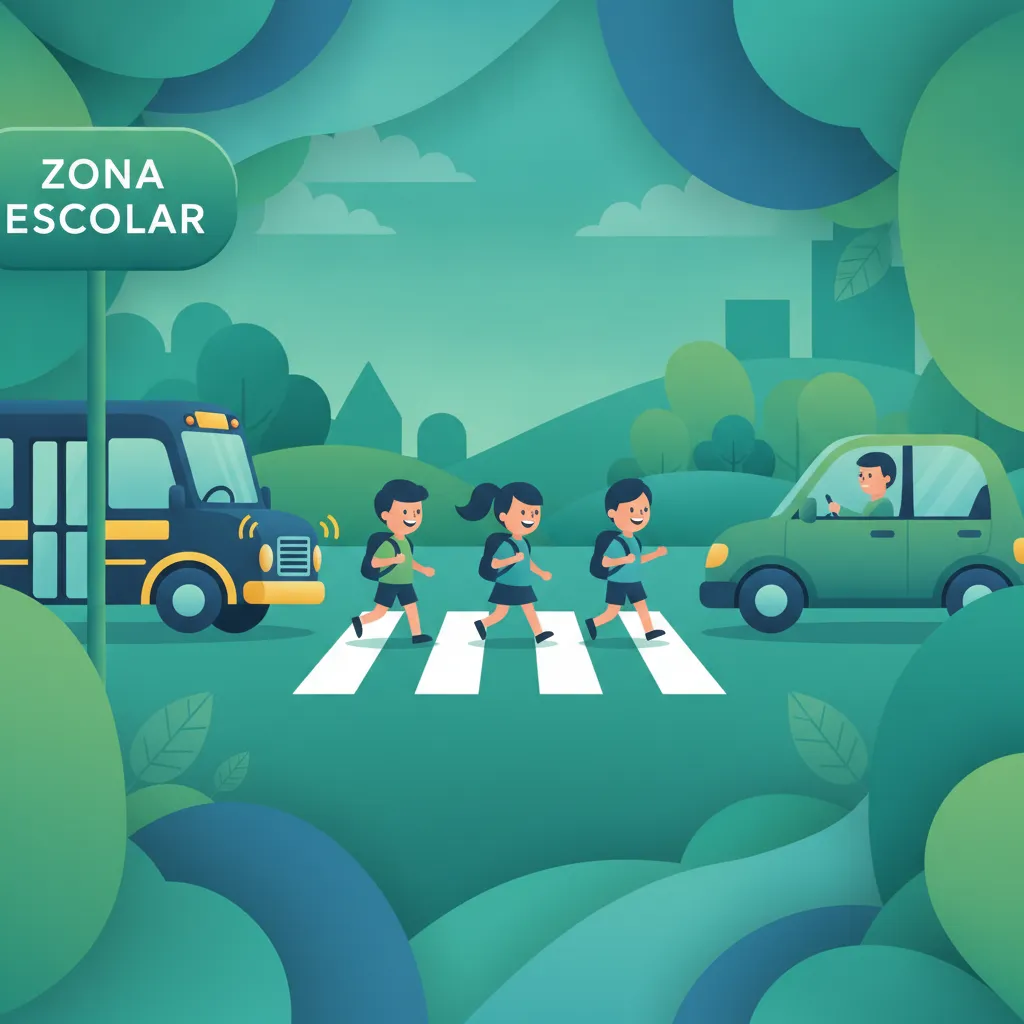
This lesson details the special precautions drivers must take when navigating school zones. It highlights the reduced speed limits that are often in effect during specific hours and the importance of being vigilant for children crossing the road. The content also covers the rules for stopping for school buses when their lights are flashing, to ensure the safety of boarding and alighting students.
Portuguese Driving Theory BPedestrians, Crossings, Cyclists and Vulnerable Road Users
View lesson
Special Markings for Vulnerable Road Users lesson image

Special Markings for Vulnerable Road Users

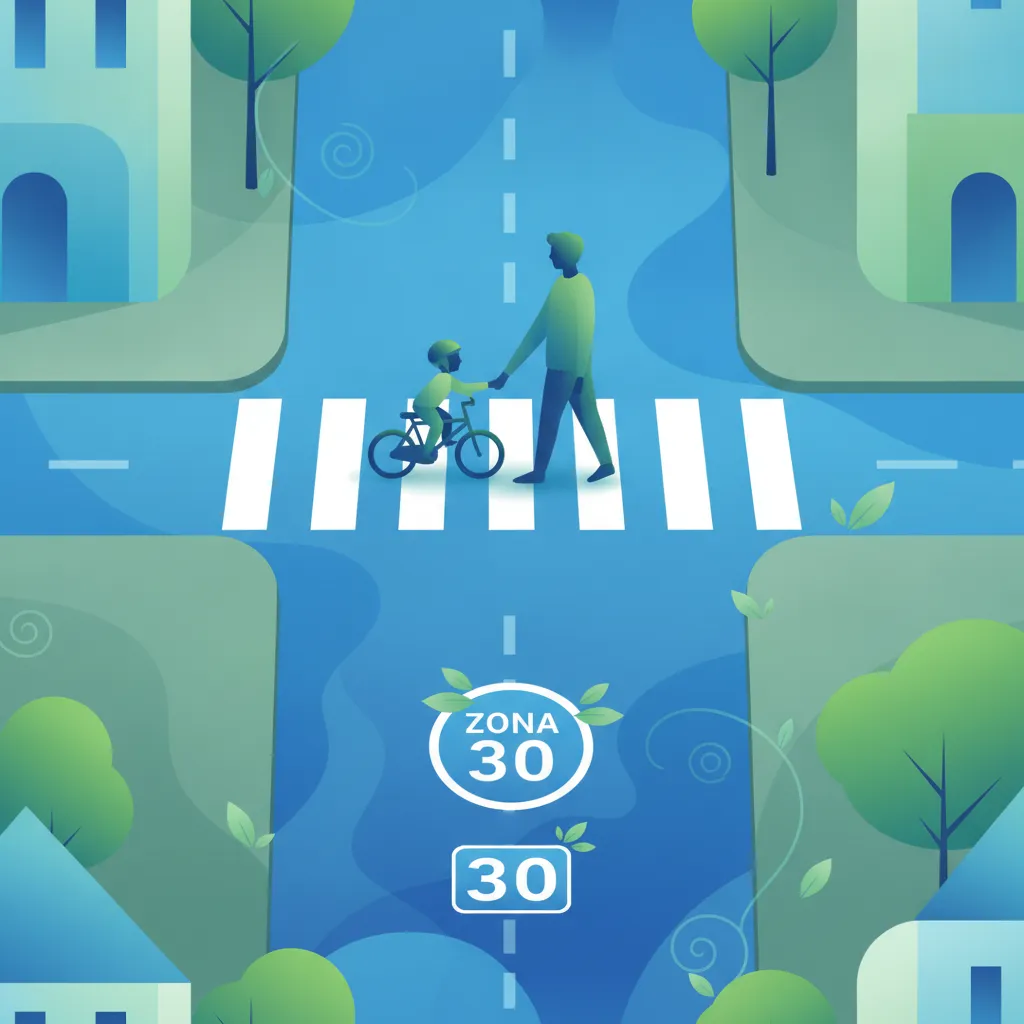
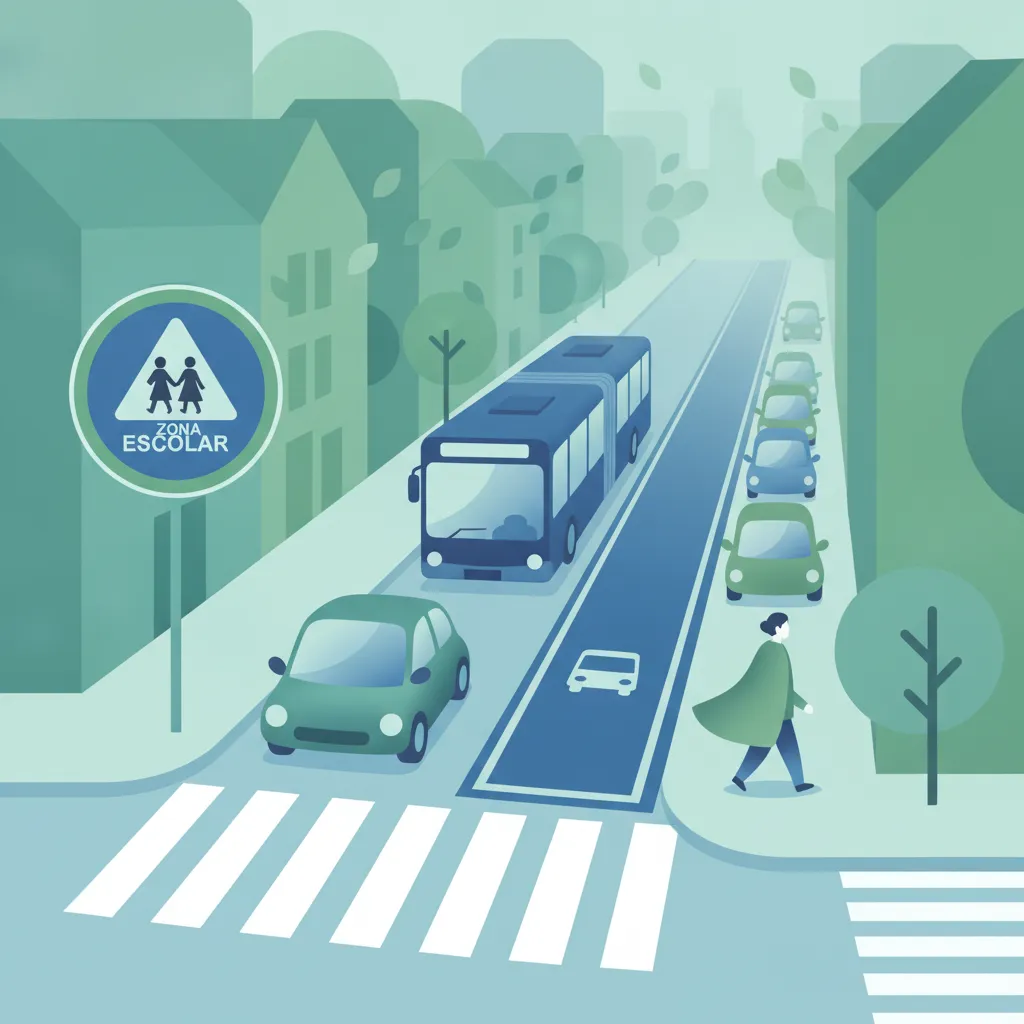
This lesson highlights road markings specifically designed to enhance the safety of vulnerable road users. It focuses on pedestrian crossings (zebra crossings), markings indicating school zones, and symbols for bicycle lanes or shared routes. The content stresses the heightened duty of care and specific actions, such as yielding or stopping, that drivers must take in these designated areas.
Portuguese Driving Theory BRoad Markings, Lane Use and Traffic Directions
View lesson
Special Zones: School Areas, Bus Lanes, and Residential Streets lesson image

Special Zones: School Areas, Bus Lanes, and Residential Streets

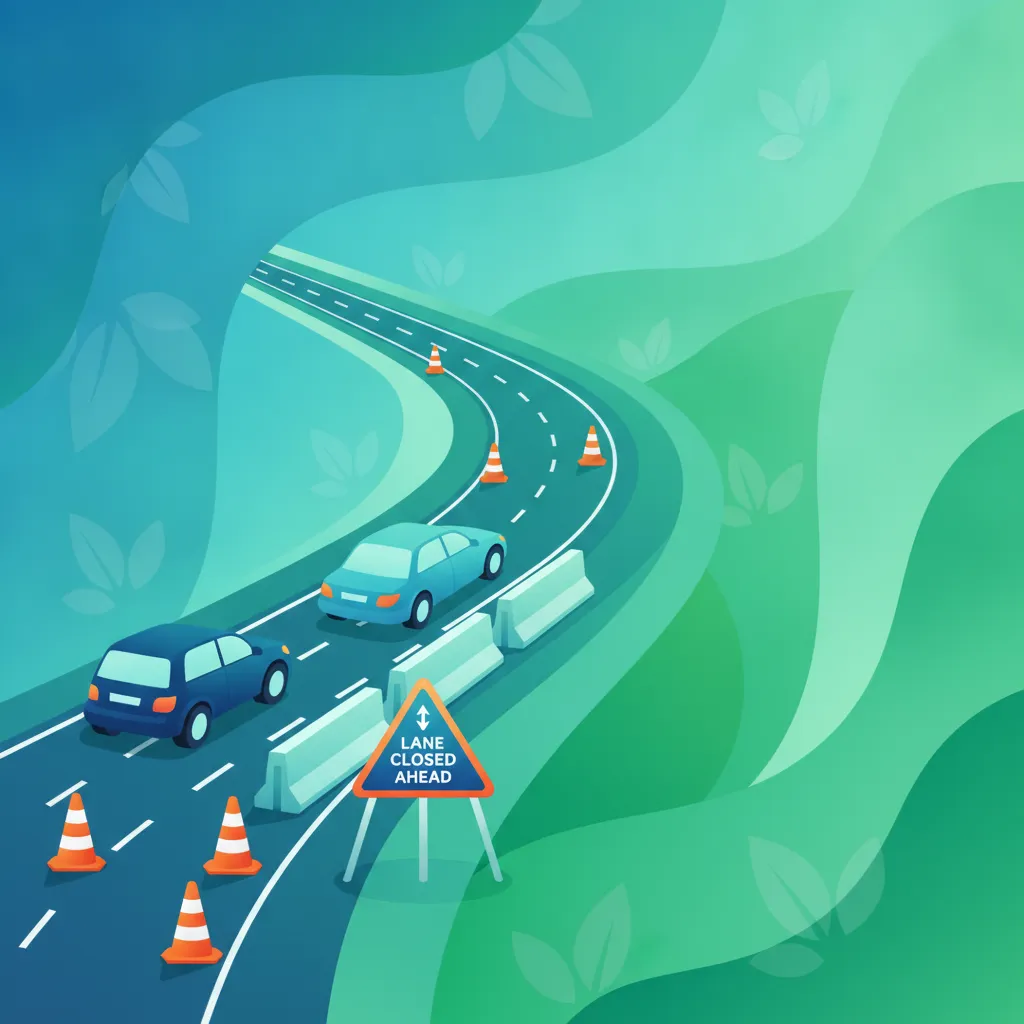
This lesson focuses on special zones within urban environments, such as school areas, bus lanes, and residential streets, where specific traffic rules apply. It covers reduced speed limits, restricted lane usage, and heightened pedestrian activity. Riders learn to recognize these zones and adjust their riding behavior to ensure safety for themselves and others.
Portuguese Motorcycle Theory AIntersections, Roundabouts, Crossings and Urban Riding
View lesson
Safe Behaviour Around Roadworks lesson image

Safe Behaviour Around Roadworks

This lesson provides guidance for driving safely through areas of roadworks, where normal road layouts are altered. It stresses the importance of obeying all temporary signage, including reduced speed limits and lane guidance, to protect both drivers and road workers. Drivers will learn to anticipate sudden stops, narrowed lanes, and be aware of potential surface hazards within the construction zone.

Portuguese Driving Theory BWeather, Night Driving, Motorways, Rural Roads and Roadworks
View lesson
Understanding Vulnerabilities of Road Users lesson image

Understanding Vulnerabilities of Road Users

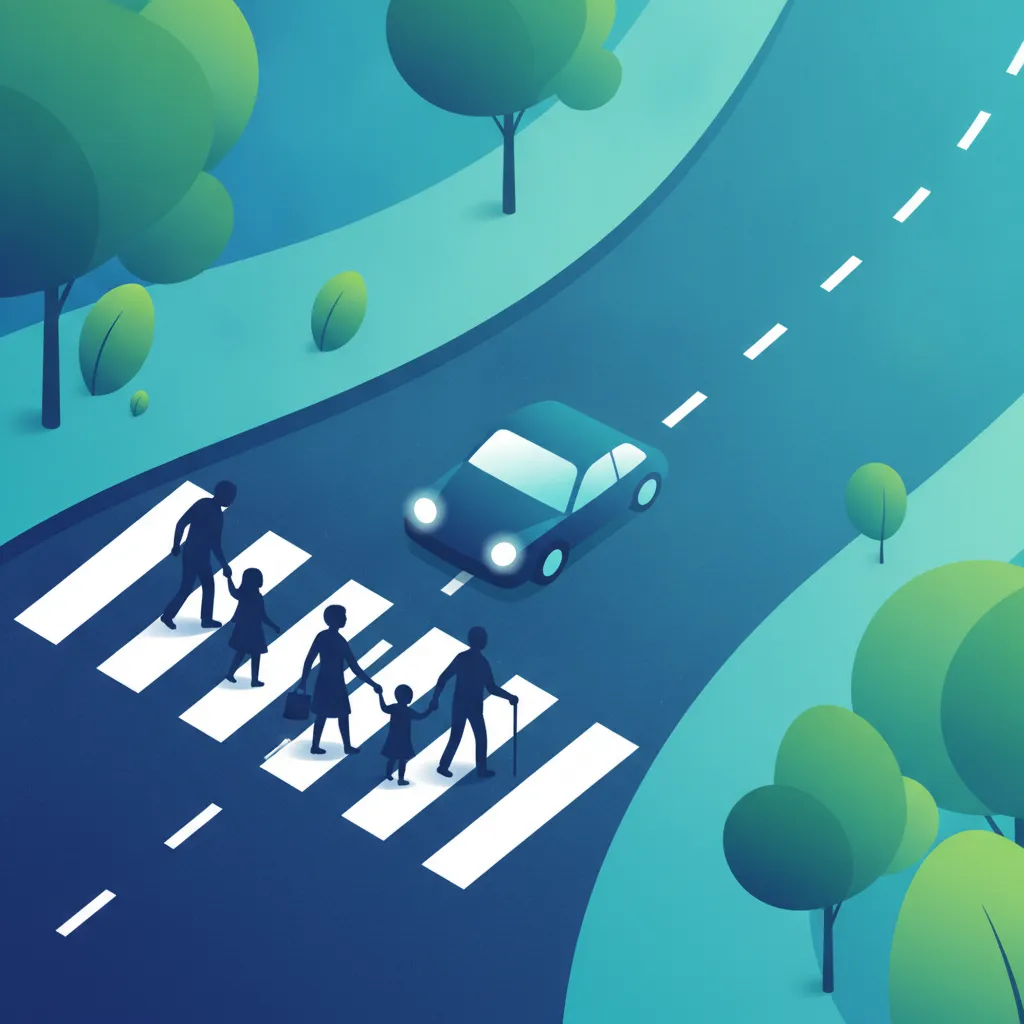
This lesson explores the characteristics that define vulnerable road users, including children, the elderly, and cyclists. It explains how their physical and cognitive limitations can lead to unpredictable behavior on the road. The content focuses on developing a proactive mindset to identify and mitigate risks associated with these groups.
Portuguese Driving Theory DVulnerable Road Users, Pedestrians, Cyclists and School Areas
View lesson
Pedestrian Crossings and Interactions with Vulnerable Users lesson image

Pedestrian Crossings and Interactions with Vulnerable Users

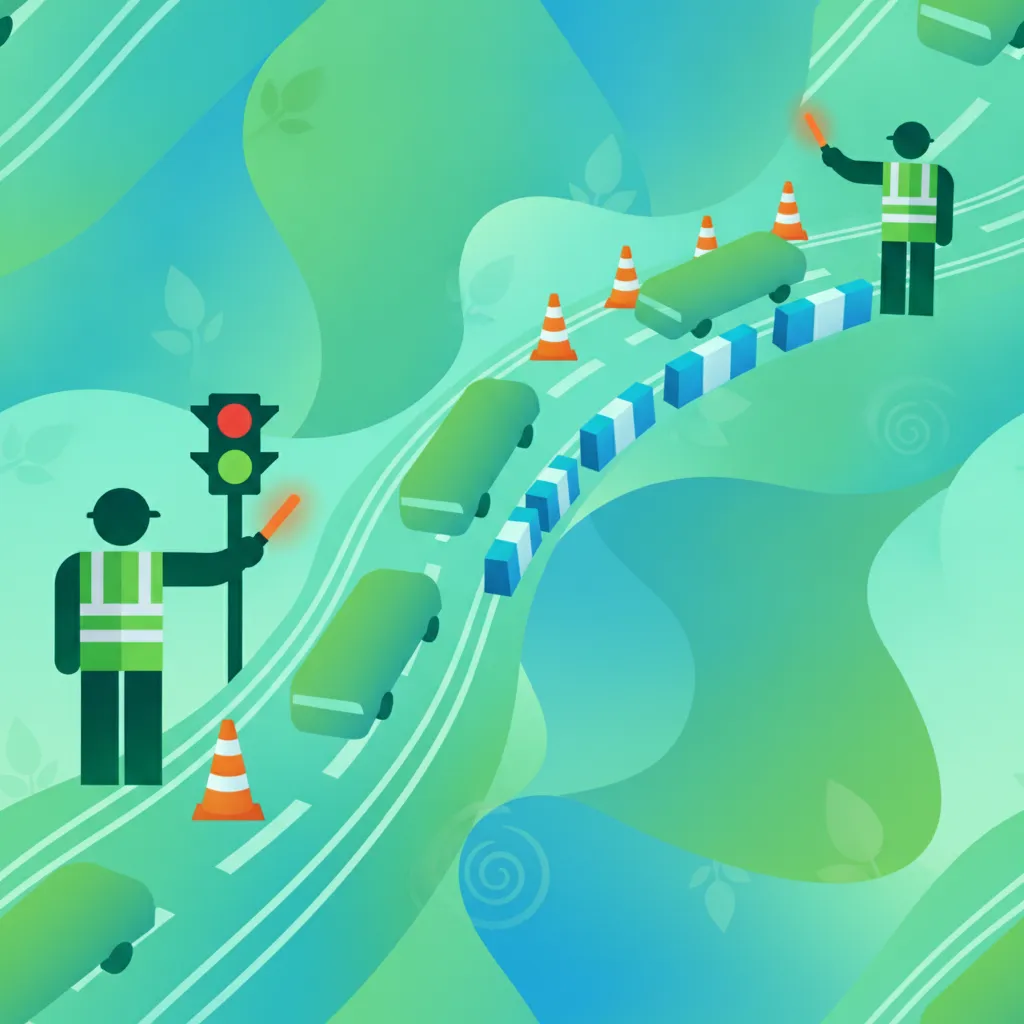
This lesson explores the various types of pedestrian crossings found in Portuguese urban areas, such as zebra crossings. It emphasizes the rider’s responsibility to yield to pedestrians, the importance of reducing speed, and maintaining a safe passing distance. Strategies for anticipating pedestrian behavior and ensuring visibility are discussed to prevent incidents.
Portuguese Motorcycle Theory AIntersections, Roundabouts, Crossings and Urban Riding
View lesson
Managing Roadworks and Temporary Traffic Arrangements lesson image

Managing Roadworks and Temporary Traffic Arrangements

This lesson provides guidance on driving safely through roadwork zones. It covers the importance of obeying temporary speed limits, navigating narrow lanes and contraflow systems, and being highly aware of workers and machinery. A professional driver's vigilance is essential for preventing accidents in these potentially hazardous areas.

Portuguese Driving Theory CWeather, Motorways, Rural Roads, Roadworks and Emergency Situations
View lesson
Pedestrian Crossings and Yielding Obligations lesson image

Pedestrian Crossings and Yielding Obligations

This lesson focuses on the rider's responsibilities at designated pedestrian crossings. It clarifies the legal requirement to give way to pedestrians on or about to step onto a zebra crossing. The content emphasizes the need to approach all crossings with caution, be prepared to stop, and scan for pedestrians to ensure their safety as vulnerable road users.
Portuguese Driving Theory AMIntersections, Roundabouts, Crossings and Road Positioning
View lesson
Pedestrian Crossings Types lesson image

Pedestrian Crossings Types

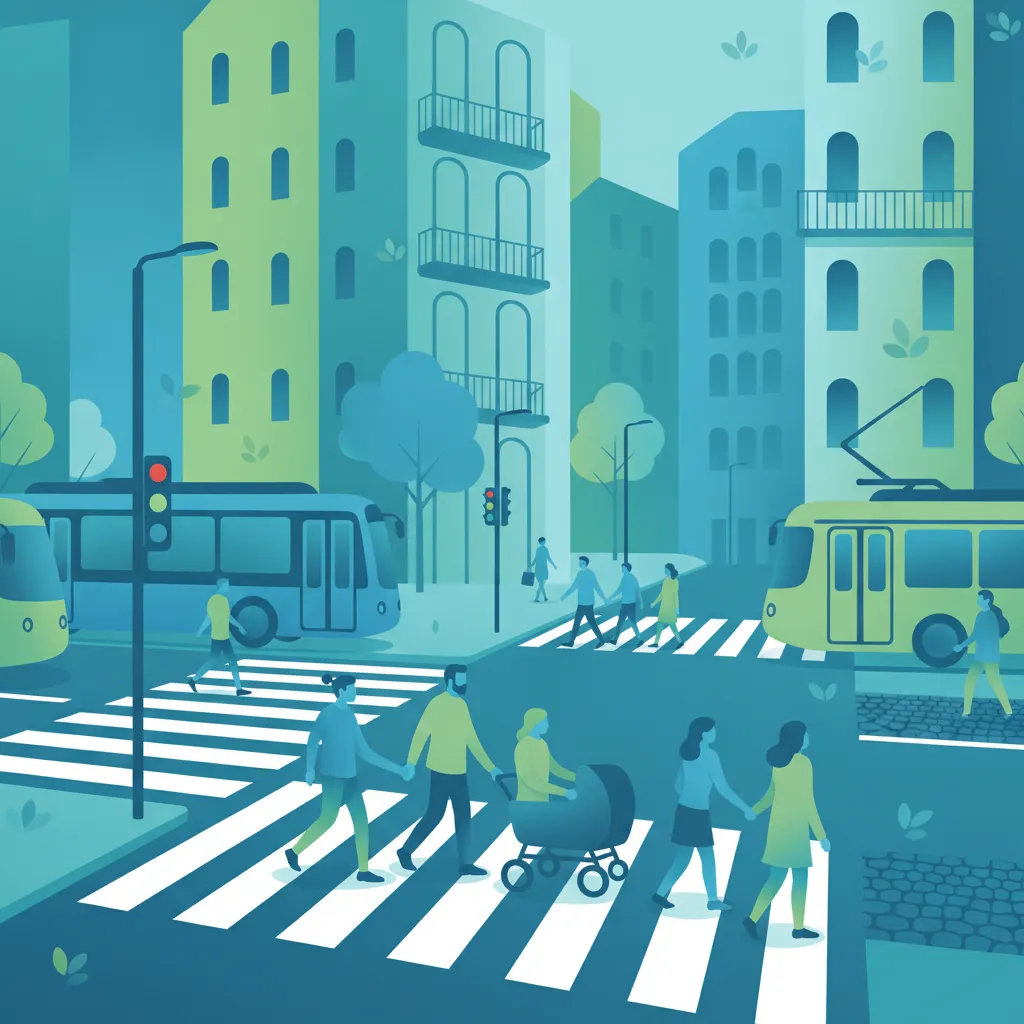
This lesson explains the different types of pedestrian crossings and the specific legal obligations for drivers at each one. It emphasizes the requirement to stop for pedestrians at marked zebra crossings and to obey signals at light-controlled crossings. The content also provides guidance on anticipating pedestrian movements to ensure their safety in all situations.
Portuguese Driving Theory BPedestrians, Crossings, Cyclists and Vulnerable Road Users
View lesson
Cyclists and Bicycle Lanes lesson image

Cyclists and Bicycle Lanes

This lesson focuses on safe interaction with cyclists on the road. It covers the identification of dedicated bicycle lanes and the rules regarding cyclist priority in various situations. Key topics include maintaining a safe lateral distance when overtaking cyclists and the importance of checking blind spots for them before turning or changing lanes.

Portuguese Driving Theory BPedestrians, Crossings, Cyclists and Vulnerable Road Users
View lesson

Understanding Pedestrian Crossing Priority Rules in Portugal

Learn the specific rules for right-of-way at various types of pedestrian crossings in Portugal. This lesson clarifies driver obligations, stop lines, and how to safely yield to pedestrians, essential for Category D drivers.

pedestrian crossingspriority rulesright-of-waytraffic legislationdriving theory portugal
Pedestrian Crossings Types lesson image

Pedestrian Crossings Types

This lesson explains the different types of pedestrian crossings and the specific legal obligations for drivers at each one. It emphasizes the requirement to stop for pedestrians at marked zebra crossings and to obey signals at light-controlled crossings. The content also provides guidance on anticipating pedestrian movements to ensure their safety in all situations.
Portuguese Driving Theory BPedestrians, Crossings, Cyclists and Vulnerable Road Users
View lesson
Right-of-Way Principles lesson image

Right-of-Way Principles

This lesson establishes the foundational principles of right-of-way that govern traffic interactions. It explains the hierarchy of traffic control, where signals from a police officer override all other signs and rules. The content clarifies how to proceed at intersections controlled by stop signs, yield signs, and on priority roads, forming the basis for safe junction navigation.

Portuguese Driving Theory BPriority Rules, Intersections and Roundabouts
View lesson
Pedestrian Crossings and Yielding Obligations lesson image

Pedestrian Crossings and Yielding Obligations

This lesson focuses on the rider's responsibilities at designated pedestrian crossings. It clarifies the legal requirement to give way to pedestrians on or about to step onto a zebra crossing. The content emphasizes the need to approach all crossings with caution, be prepared to stop, and scan for pedestrians to ensure their safety as vulnerable road users.

Portuguese Driving Theory AMIntersections, Roundabouts, Crossings and Road Positioning
View lesson
Basic Priority Rules at Intersections lesson image

Basic Priority Rules at Intersections

This lesson establishes the essential priority rules for safely navigating intersections in Portugal. It explains the default 'priority to the right' rule applicable at uncontrolled junctions and clarifies the absolute requirements of stop and yield signs. The content also teaches riders how to recognize signs indicating a priority road, ensuring they can correctly determine who has the right of way.
Portuguese Driving Theory AMRoad Signs, Markings, Lights and Priority Basics
View lesson
Approaching and Navigating Intersections lesson image

Approaching and Navigating Intersections

This lesson teaches a systematic approach to safely navigating intersections. It covers the importance of reducing speed on approach, conducting thorough visual checks (observation), and selecting the appropriate lane for the intended direction. The content also details how to assess gaps in traffic before proceeding and correctly apply priority rules to avoid conflicts with other vehicles.

Portuguese Driving Theory AMIntersections, Roundabouts, Crossings and Road Positioning
View lesson
Pedestrian Crossings and Interactions with Vulnerable Users lesson image

Pedestrian Crossings and Interactions with Vulnerable Users

This lesson explores the various types of pedestrian crossings found in Portuguese urban areas, such as zebra crossings. It emphasizes the rider’s responsibility to yield to pedestrians, the importance of reducing speed, and maintaining a safe passing distance. Strategies for anticipating pedestrian behavior and ensuring visibility are discussed to prevent incidents.

Portuguese Motorcycle Theory AIntersections, Roundabouts, Crossings and Urban Riding
View lesson
Priority at Uncontrolled Intersections lesson image

Priority at Uncontrolled Intersections

This lesson focuses on the crucial 'priority from the right' rule, which applies at intersections lacking any signs or signals. It details the procedure for approaching such junctions, including reducing speed, performing visual checks, and being prepared to yield to traffic approaching from the right. Mastering this rule is essential for safety in residential areas and on rural roads.

Portuguese Driving Theory BPriority Rules, Intersections and Roundabouts
View lesson
Special Markings for Vulnerable Road Users lesson image

Special Markings for Vulnerable Road Users

This lesson highlights road markings specifically designed to enhance the safety of vulnerable road users. It focuses on pedestrian crossings (zebra crossings), markings indicating school zones, and symbols for bicycle lanes or shared routes. The content stresses the heightened duty of care and specific actions, such as yielding or stopping, that drivers must take in these designated areas.
Portuguese Driving Theory BRoad Markings, Lane Use and Traffic Directions
View lesson
Priority Roads and Signage lesson image

Priority Roads and Signage

This lesson explains how to recognize priority roads and understand the associated right-of-way privileges. It covers the specific diamond-shaped sign that indicates a priority road and the sign signaling its end. Drivers will learn their responsibilities when traveling on a priority road and the correct procedure for yielding when entering one from a secondary road.
Portuguese Driving Theory BPriority Rules, Intersections and Roundabouts
View lesson
Lane Discipline and Overtaking Rules lesson image

Lane Discipline and Overtaking Rules

This lesson details the rules of lane discipline and the procedures for safe overtaking. It explains how to maintain correct lane positioning and how road markings and signs define where overtaking is allowed or forbidden. The lesson emphasizes the importance of the mirror-signal-manoeuvre routine and ensuring sufficient space and visibility before attempting to pass another vehicle.

Portuguese Driving Theory BRoad Markings, Lane Use and Traffic Directions
View lesson

Frequently asked questions about Pedestrian Crossings and School Zones

Find clear answers to common questions learners have about Pedestrian Crossings and School Zones. Learn how the lesson is structured, which driving theory objectives it supports, and how it fits into the overall learning path of units and curriculum progression in Portugal. These explanations help you understand key concepts, lesson flow, and exam focused study goals.

Must I stop for every pedestrian waiting near a crossing in a bus?

Yes, if a pedestrian has clearly signalled their intention to cross or is already on the crossing, you are legally required to stop. As a professional driver, you should anticipate these scenarios early to allow for smooth, controlled braking that does not discomfort your passengers.

Do speed limits in school zones apply during weekends?

Always check the specific signage, as some zones are time-restricted. However, as a professional operator, maintaining reduced speed in areas where children are present is a best practice for passenger safety and professional liability, regardless of time or day.

How should I handle a pedestrian crossing that is partially obscured by my bus?

Always approach with caution and ensure you have full visibility. If your size obscures the view for other drivers, ensure you stop well before the crossing lines to avoid encouraging pedestrians to walk into the path of traffic behind you.

What is the primary risk factor when driving near schools in Category D vehicles?

The primary risk is the unpredictable behavior of children who may not perceive the speed or distance of a large bus. Drivers must maintain an increased following distance and scan wider fields of vision to identify movement from behind parked cars or obstacles.

Ready to Find Your Next Targeted Practice Session?

Utilize the powerful search tool to refine your Portuguese driving theory practice. Pinpoint questions related to specific traffic laws, road signs, or complex scenarios from the Código da Estrada. Begin targeted revision now to boost your understanding and confidently approach your IMT driving exam.

Search Practice Questions by Topic

Continue your Portuguese driving theory learning journey

Portuguese road signsPortuguese article topicsSearch Portuguese road signsPortuguese driving theory homePortuguese road sign categoriesPortuguese driving theory topicsSearch Portuguese theory articlesPortuguese driving theory coursesPortuguese Driving Theory B coursePortuguese Driving Theory C coursePortuguese Driving Theory D coursePortuguese driving theory articlesPortuguese driving theory practicePortuguese practice set categoriesPortuguese Driving Theory AM coursePortuguese Motorcycle Theory A coursePortuguese driving licence proceduresSearch Portuguese driving theory practicePortuguese driving theory terminology A–ZPortuguese driving theory terms and glossaryBraking, Cornering, Grip and Motorcycle Control unit in Portuguese Motorcycle Theory AMotorcycle Licence Basics and Rider Responsibility unit in Portuguese Motorcycle Theory ASigns, Restrictions, Route Planning and Access Limits unit in Portuguese Driving Theory CIntersections, Roundabouts, Crossings and Urban Riding unit in Portuguese Motorcycle Theory AWeather, Road Surfaces, Night Riding and Motorway Riding unit in Portuguese Motorcycle Theory AGoods Vehicle Licence Scope and Professional Responsibility unit in Portuguese Driving Theory CRisk Behaviour, Emergencies, Penalties and Defensive Riding unit in Portuguese Motorcycle Theory APassenger Vehicle Licence Scope and Professional Responsibility unit in Portuguese Driving Theory DLane Positioning, Blind Spots, Overtaking and Space Management unit in Portuguese Motorcycle Theory AAlcohol, Drugs, Fatigue, Penalties, Emergencies and Responsible Driving unit in Portuguese Driving Theory BPedestrian Crossings and School Zones lesson in Vulnerable Road Users, Pedestrians, Cyclists and School AreasUnderstanding Vulnerabilities of Road Users lesson in Vulnerable Road Users, Pedestrians, Cyclists and School AreasCyclist and Motorcyclist Interaction Near Stops lesson in Vulnerable Road Users, Pedestrians, Cyclists and School AreasSpecial Considerations for Children and Elderly lesson in Vulnerable Road Users, Pedestrians, Cyclists and School Areas