
This lesson focuses on the unique challenges of operating large passenger vehicles on rural roads. You will learn how to adapt your driving style to narrow lanes and changing gradients to ensure passenger safety and professional efficiency.
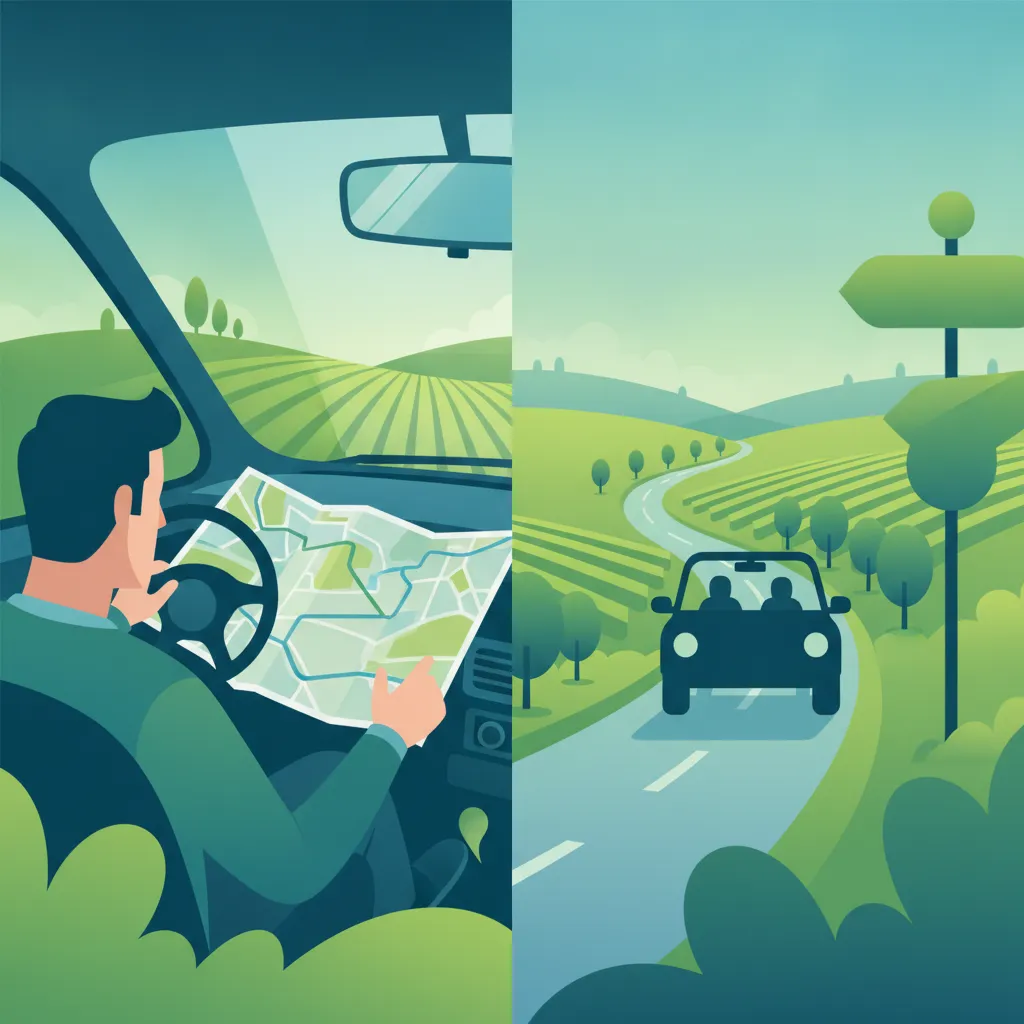
Lesson content overview
Driving a large passenger vehicle, such as a bus or coach, on rural roads in Portugal presents a unique set of challenges compared to urban or motorway environments. These routes often feature narrow lanes, unpredictable bends, steep gradients, and varying surface conditions. For professional Category D drivers, mastering the specific techniques and considerations for rural road operation is crucial for ensuring passenger safety, maintaining comfort, and adhering to legal requirements outlined in the Código da Estrada (Portuguese Highway Code).
This lesson will equip you with the knowledge and strategies necessary to navigate rural landscapes efficiently and safely. We will explore essential driving principles, hazard anticipation, and effective route planning, all tailored to the specific demands of operating a professional passenger vehicle.
Rural roads are defined by their distinct physical characteristics, often differing significantly from their urban or motorway counterparts. For a professional passenger vehicle driver, recognizing these differences is the first step towards safe operation. These roads typically have lower traffic volumes but a greater diversity of road users and potential hazards.
One of the most prominent features of rural roads in Portugal is their limited width. Narrow lanes require precise vehicle positioning to ensure adequate clearance from road edges, oncoming traffic, and roadside obstacles. These lanes might not be designed to comfortably accommodate the full width of a bus or coach, necessitating careful judgment.
Sharp bends, or curves with a small radius, are common on winding rural routes. These bends demand a significant reduction in speed before entry to prevent loss of control and excessive lateral forces on the vehicle and passengers. Misjudging the severity of a bend can lead to dangerous situations, especially given the high center of gravity and weight of a large passenger vehicle.
Many rural routes traverse hilly or mountainous terrain, resulting in frequent steep gradients. Ascending these inclines requires careful gear selection to maintain engine power and momentum without over-revving the engine. Conversely, descending steep slopes demands effective engine braking to control speed and prevent the service brakes from overheating, a dangerous condition known as brake fade.
The surface conditions on rural roads can vary significantly. You might encounter stretches of smooth asphalt, but also areas with rough pavement, gravel, potholes, mud, or even fallen debris. These changes in surface quality directly impact tire grip and vehicle stability, requiring constant attention and speed adjustment. Wet leaves or patches of damp earth can also dramatically reduce traction, especially in shaded areas.
Mastering specific driving techniques is fundamental to safe and efficient operation of a large passenger vehicle on rural roads. These techniques focus on proactive control and constant adaptation to the changing environment.
Speed adaptation is the process of adjusting your traveling speed in response to the prevailing road conditions, geometry, traffic, and vehicle load. On rural roads, this principle is paramount. You must anticipate required speed reductions well in advance, rather than reacting abruptly.
Proper gear selection is critical for managing engine power and vehicle speed, particularly on undulating rural terrain. Incorrect gear usage can lead to engine strain, excessive fuel consumption, or, critically, brake failure on descents.
Lane positioning involves maintaining a consistent and safe lateral distance from road edges and other vehicles, critically considering the substantial width and length of your professional passenger vehicle. On narrow rural roads, this often means adopting a central or slightly left-of-center position within your lane to maximize clearance on both sides.
Hazard anticipation is a continuous, proactive process of identifying potential dangers and predicting their likely behavior to enable timely preventative actions. Rural roads present a distinct set of hazards that professional drivers must be constantly aware of.
Effective route planning for professional passenger transport on rural routes goes beyond simply finding the shortest path. It involves systematically selecting the safest, most comfortable, and most efficient journey, considering the unique demands of a large passenger vehicle and its occupants.
The Código da Estrada (Portuguese Highway Code) provides the legal framework for all road users in Portugal. Several articles are particularly pertinent to operating a professional passenger vehicle on rural roads. Adherence to these rules is not only a legal obligation but also a fundamental aspect of safe driving.
Artigo 20: Limites de Velocidade (Speed Limits) stipulates that drivers must adjust their speed not only to posted limits but also to prevailing road conditions, visibility, and vehicle load. On rural roads, this means:
Artigo 24: Manobras de Ultrapassagem (Overtaking Maneuvers) governs when and how overtaking can be safely performed. On rural roads:
Artigo 32: Distância de Segurança (Safety Distance) mandates that vehicles must maintain a safe distance from the vehicle ahead, allowing them to stop safely within the available distance. This is especially crucial on rural roads where hazards can appear suddenly.
Artigo 38: Distância Lateral e Posição na Faixa de Rodagem (Lateral Distance and Lane Position) requires drivers to maintain a safe lateral distance from the edge of the road and other vehicles.
Artigo 54: Prioridade dos Veículos Agrícolas (Priority of Agricultural Vehicles) addresses specific situations where agricultural vehicles may have priority or require special consideration.
Understanding common mistakes can help professional drivers avoid them and reinforce best practices for safety and efficiency on rural roads.
Common Errors:
Best Practices:
Driving conditions on rural roads can change rapidly, and a professional driver must be prepared to adapt their techniques accordingly.
Operating a professional passenger vehicle on Portugal's rural roads demands a heightened level of skill, awareness, and planning. By understanding the unique challenges of road geometry, mastering adaptive driving techniques for speed and gear selection, maintaining precise lane positioning, and diligently anticipating hazards, you can ensure the safety and comfort of your passengers. Adhering to the Código da Estrada and adapting your driving to varying conditions are not merely legal requirements but fundamental principles for becoming a highly competent and responsible Category D driver. Proactive route planning further enhances service reliability and operational efficiency, making every rural journey a safe and smooth experience.
Explore all units and lessons included in this driving theory course.
Lesson content overview
Explore all units and lessons included in this driving theory course.
Explore search topics learners often look for when studying Rural Road Driving and Route Planning. These topics reflect common questions about road rules, driving situations, safety guidance, and lesson level theory preparation for learners in Portugal.
Browse additional driving theory lessons that cover connected traffic rules, road signs, and common driving situations related to this topic. Improve your understanding of how different rules interact across everyday traffic scenarios.
Learn to identify and safely navigate common hazards like farm vehicles, animals, and poor road surfaces on rural routes. Covers essential maneuvers and positioning for large passenger vehicles in Portugal.

This lesson highlights the distinct risks associated with driving on rural roads, which often lack the safety features of major routes. It prepares drivers to anticipate and manage hazards such as sharp bends, limited visibility, poor road surfaces, and encounters with slow-moving agricultural vehicles or animals. Adapting speed and road positioning are emphasized as key defensive techniques.

This lesson addresses the unique challenges of driving a large vehicle on rural roads. It teaches how to approach sharp bends, position the vehicle for maximum visibility, and deal with poor or unpaved surfaces. Drivers will also learn how to interact safely with agricultural machinery and other common rural hazards.

This lesson focuses on riding safely on two-way roads and narrow lanes where space is limited. It emphasizes maintaining lane discipline, using the road edge when appropriate, and anticipating oncoming traffic. Techniques for safe passing, speed control, and positioning to maximize visibility and minimize collision risk are provided.

This lesson addresses the specific challenges of driving alongside motorcyclists and large vehicles such as trucks and buses. It highlights the reduced visibility of motorcyclists and the extensive blind spots (no-zones) around heavy vehicles. Drivers will learn to provide extra space, anticipate wide turns, and adjust for factors like spray and wind turbulence.

This lesson focuses on the specific skills and regulations for motorway driving. It covers correct lane usage for HGVs, safe procedures for overtaking slower traffic, and the rules for using the hard shoulder or emergency refuge areas. Maintaining consistent speed and awareness of surrounding traffic is key to motorway safety.

This lesson provides essential safety guidance for interacting with large vehicles like buses and trucks. It emphasizes the importance of staying out of their extensive blind spots and allowing extra space due to their long stopping distances and wide turning circles. The content also offers advice on how to safely overtake such vehicles and navigate around public transport stops.

This lesson provides guidance on driving safely through roadwork zones. It covers the importance of obeying temporary speed limits, navigating narrow lanes and contraflow systems, and being highly aware of workers and machinery. A professional driver's vigilance is essential for preventing accidents in these potentially hazardous areas.

This lesson prepares drivers for the challenges of operating in older urban areas with restricted road space. It teaches how to assess if a street is passable, techniques for negotiating tight spaces, and rules of priority when meeting other large vehicles. The importance of slow, careful maneuvering to avoid damage is emphasized.

This lesson emphasizes the importance of strict lane discipline for heavy vehicles. It covers how to maintain a central position in the lane, the correct procedure for signaling and checking before a lane change, and how to navigate multi-lane roundabouts. Proper lane discipline enhances safety and improves traffic flow for everyone.

This lesson focuses on the specific skills required for driving on high-speed motorways. It details the procedures for safely merging onto and exiting the motorway, maintaining proper lane discipline, and adhering to variable speed limits. The content also provides rules for safe overtaking and managing the vehicle's stability at high speeds.
Understand strategic route planning and key articles from the Código da Estrada relevant to professional passenger vehicles operating on rural roads, including speed adaptation and safe distances.

This lesson explains the regulations governing the use of dedicated bus lanes, including operational hours and priority rules at junctions. It clarifies which other vehicles may use these lanes and under what circumstances. The content also discusses traffic signal priority systems and the legal implications of improper bus lane usage.
This lesson focuses on the specific skills required for driving on high-speed motorways. It details the procedures for safely merging onto and exiting the motorway, maintaining proper lane discipline, and adhering to variable speed limits. The content also provides rules for safe overtaking and managing the vehicle's stability at high speeds.
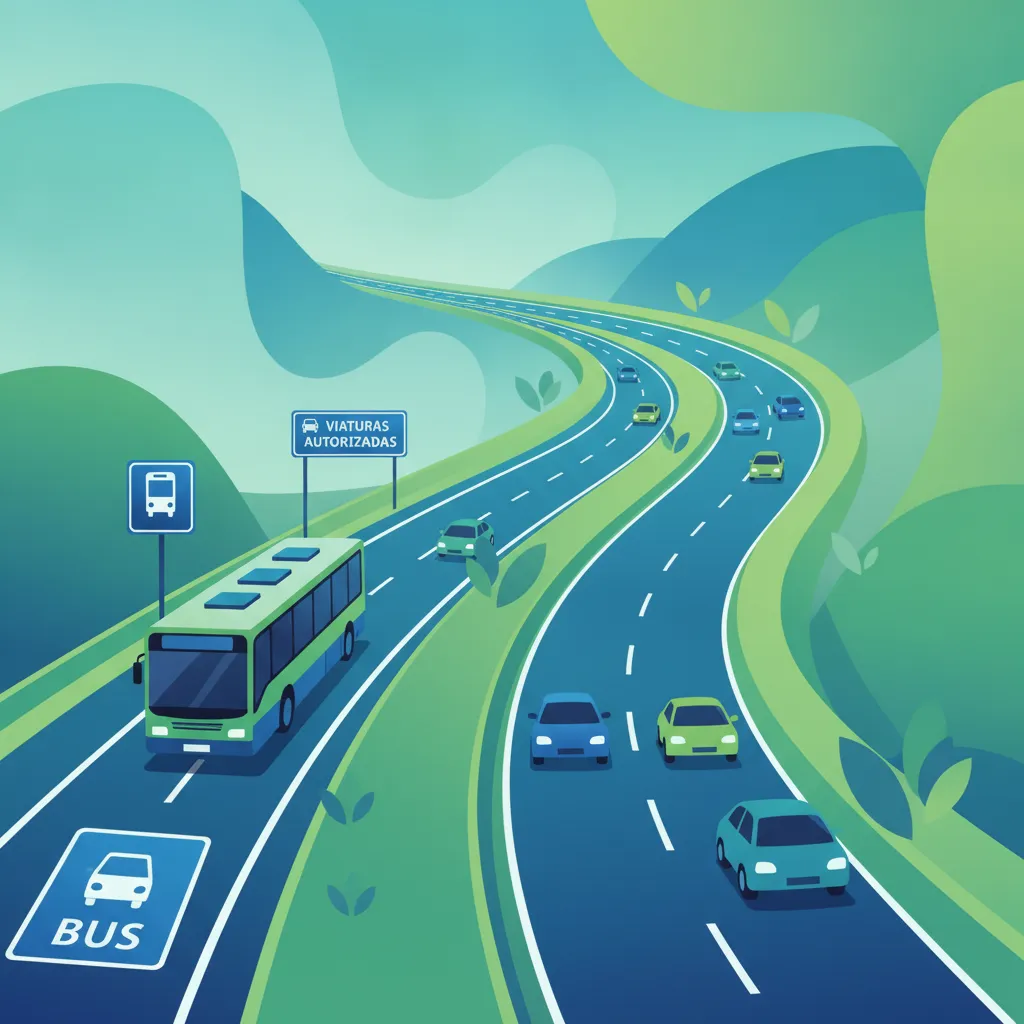
This lesson explains the purpose and rules of reserved lanes, such as those designated for buses, taxis, or cyclists. It covers how to identify these lanes through signage and road markings, and details the specific times they may be in operation. Drivers will learn when they are permitted to enter these lanes and the penalties for unauthorized use.
This lesson highlights the distinct risks associated with driving on rural roads, which often lack the safety features of major routes. It prepares drivers to anticipate and manage hazards such as sharp bends, limited visibility, poor road surfaces, and encounters with slow-moving agricultural vehicles or animals. Adapting speed and road positioning are emphasized as key defensive techniques.
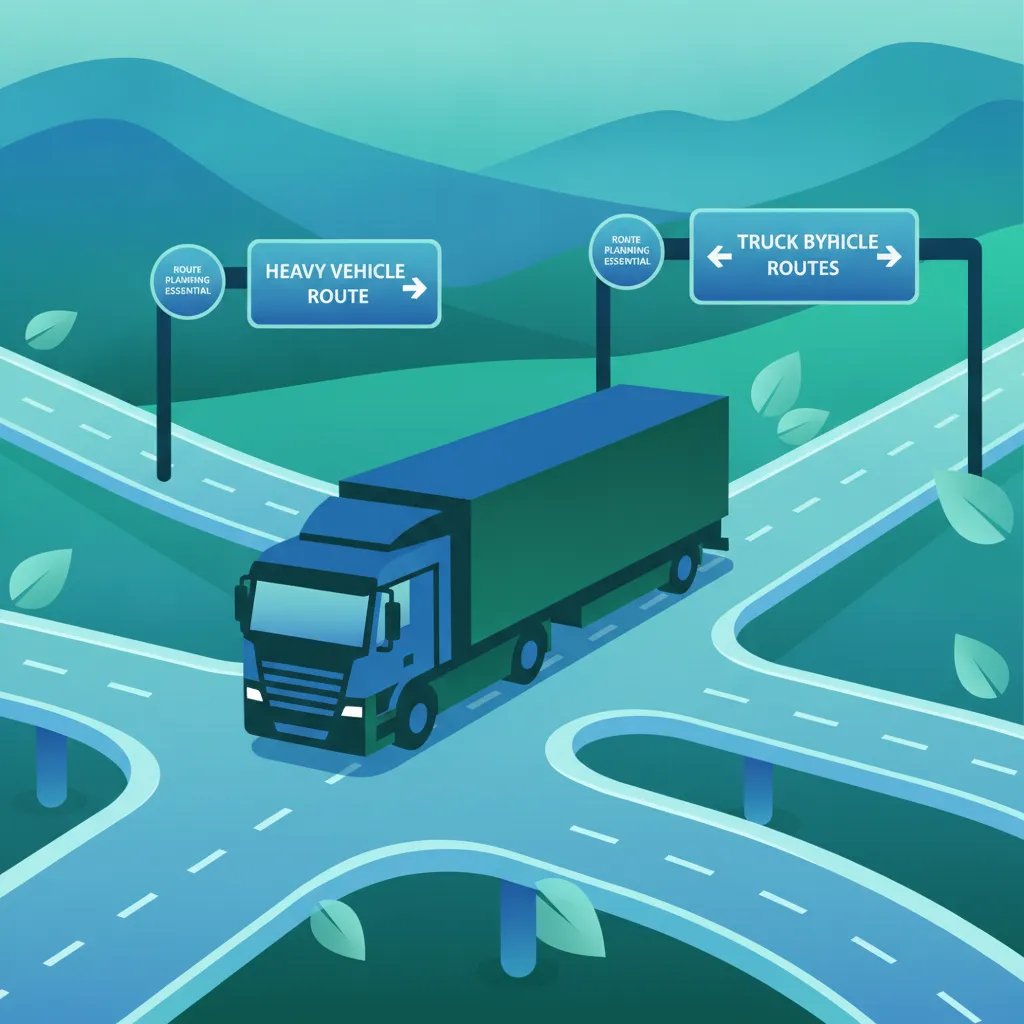
This lesson teaches the process of planning a route from start to finish for a heavy vehicle. It covers using specialized HGV navigation systems, considering factors like road restrictions, toll costs, low emission zones, and delivery time windows. Effective route planning improves efficiency, saves fuel, and enhances safety.
This lesson addresses the unique challenges of driving a large vehicle on rural roads. It teaches how to approach sharp bends, position the vehicle for maximum visibility, and deal with poor or unpaved surfaces. Drivers will also learn how to interact safely with agricultural machinery and other common rural hazards.

This lesson focuses on identifying and understanding road signs that directly impact passenger vehicle operation. It covers signage for bus lanes, height and weight restrictions, and prohibited movements. The content also explains the meaning of temporary signs used for diversions or roadworks that may affect planned routes.

This lesson outlines the step-by-step process for safely approaching a bus stop, emphasizing speed control and correct positioning. It covers the importance of ensuring the vehicle is fully stationary before operating the doors. The content also details the safety checks required before departing the stop and merging back into the flow of traffic.
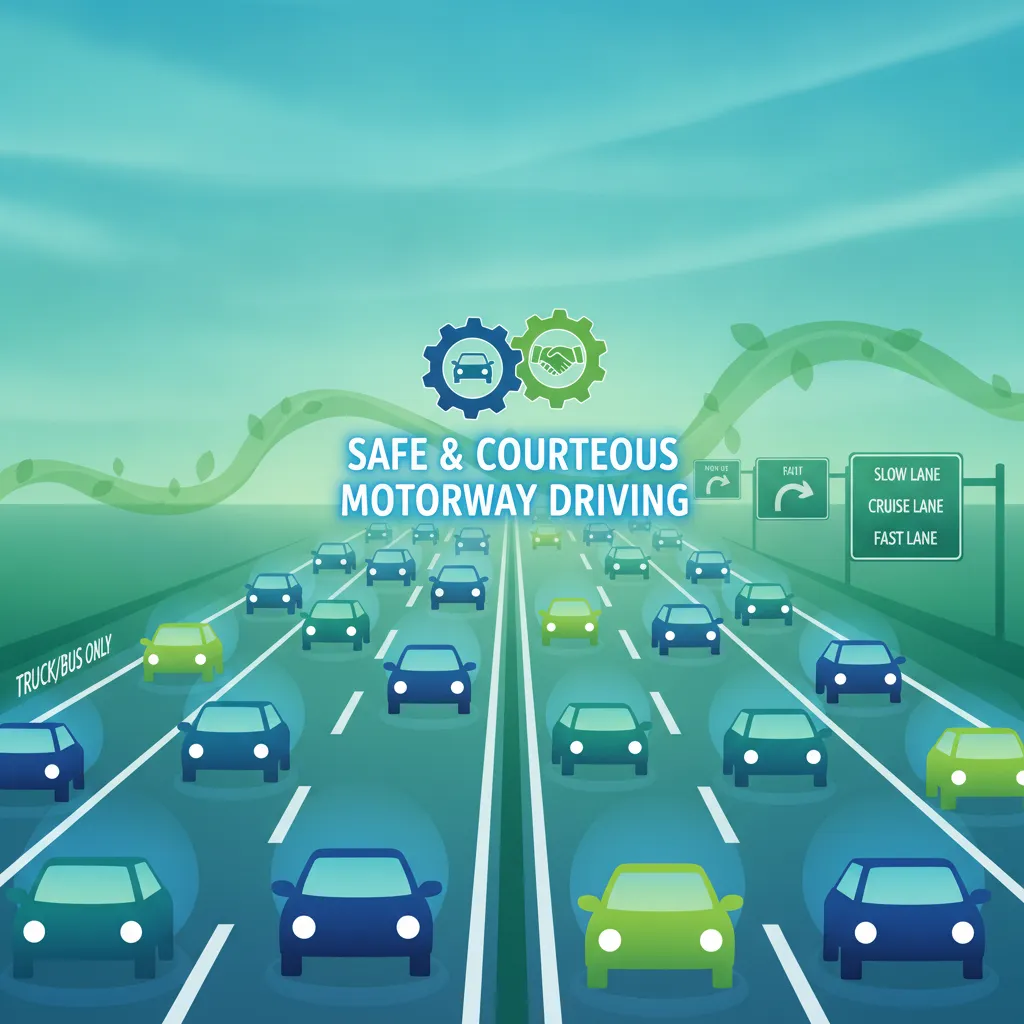
This lesson explains the unique set of rules that apply to motorway driving to facilitate safe, high-speed travel. It covers the correct procedure for entering and exiting the motorway, principles of lane discipline (keeping left unless overtaking), and the rules for safe overtaking. The lesson also clarifies the proper use of the hard shoulder or emergency lane for genuine emergencies only.

This lesson examines how bus priority measures, such as dedicated lanes and signal preemption, function in urban traffic. It teaches drivers how to utilize these systems effectively to maintain schedules and improve service reliability. The content also discusses how to navigate general traffic congestion when priority systems are not available.
Find clear answers to common questions learners have about Rural Road Driving and Route Planning. Learn how the lesson is structured, which driving theory objectives it supports, and how it fits into the overall learning path of units and curriculum progression in Portugal. These explanations help you understand key concepts, lesson flow, and exam focused study goals.
The primary challenge is managing the vehicle's width and turning radius. Unlike smaller vehicles, you must carefully monitor both your lane position and the 'off-track' of the rear wheels when negotiating sharp bends to avoid obstacles and verges.
On steep rural gradients, selecting the appropriate gear before beginning a climb or descent is crucial. It maintains optimal engine braking for descents and ensures sufficient power for climbs, preventing the vehicle from struggling or losing momentum, which could impede traffic flow.
Route planning allows drivers to identify potential conflicts with road dimensions, weight limits, or restricted access areas that might not be suitable for large passenger vehicles. It ensures you reach your destination safely without needing to perform difficult reversing maneuvers in confined spaces.
In rural settings, be extra vigilant for slow-moving agricultural machinery, crossing animals, and cyclists. Always reduce speed when visibility is limited by bends or foliage and ensure you have enough space to stop if an obstacle appears suddenly.
Utilize the powerful search tool to refine your Portuguese driving theory practice. Pinpoint questions related to specific traffic laws, road signs, or complex scenarios from the Código da Estrada. Begin targeted revision now to boost your understanding and confidently approach your IMT driving exam.