
This lesson explores the operational demands of professional passenger transport, focusing on terminal safety and long-distance route management. It builds on previous units by addressing the logistical challenges of scheduling, fatigue, and passenger service protocols.

Lesson content overview
Professional passenger vehicle operators, particularly those driving buses and coaches in Portugal, must master a diverse set of skills beyond mere driving. This lesson delves into the intricacies of managing operations within busy terminals and planning for the unique demands of long-distance passenger services. It encompasses precise maneuvering, adherence to legal rest periods, effective passenger management, and ensuring comfort and safety over extended journeys.
Bus terminals are dynamic environments characterized by frequent vehicle movements, high pedestrian traffic, and often confined spaces. Safe and efficient operation within these areas is paramount for passenger safety, schedule adherence, and preventing damage to vehicles or infrastructure.
Operating a large passenger vehicle within a terminal requires a heightened level of skill and vigilance. Drivers must consistently adjust their approach to account for various factors such as other vehicles, pedestrians, and fixed structures.
Entry into a terminal often involves transitioning from public roads with varying traffic conditions to a more controlled, but equally complex, private environment. Drivers must signal clearly, reduce speed well in advance, and observe all posted signs and ground markings indicating specific entry lanes or waiting areas.
Parking within designated bays requires precise judgment and control. Bays are typically designed for specific vehicle lengths, and incorrect positioning can obstruct adjacent bays or traffic lanes. Reversing maneuvers are particularly challenging due to the significant blind spots inherent in large vehicles. Drivers must utilize all available mirrors, including convex and blind-spot mirrors, and may need to seek assistance from ground staff, if available, or rely on reversing cameras.
Assess the area for pedestrians, other vehicles, and obstacles before beginning the maneuver.
Signal your intention to reverse well in advance to alert others.
Reduce speed significantly (e.g., to no more than 5 km/h) and ensure all passengers are safely seated or have fully alighted.
Use all mirrors and, if equipped, a reversing camera. If sight lines are obstructed, consider seeking external guidance or disembarking to check.
Execute the reverse slowly and smoothly, making small steering adjustments. Be prepared to stop immediately if an unforeseen hazard appears.
Once parked, apply the parking brake, neutralize the transmission, and ensure the vehicle is stable and secure.
Exiting a terminal requires careful observation for merging traffic and pedestrians. Drivers must ensure their vehicle can safely integrate into the flow of traffic on public roads, always yielding when required and signaling intentions clearly and in good time.
Speed control is a non-negotiable aspect of terminal operations. Due to the proximity of people, other vehicles, and fixed structures, even minor errors at higher speeds can lead to serious incidents. Terminals often have specific, very low-speed limits that must be strictly observed.
Always operate at a speed that allows you to stop safely within the distance you can clearly see, especially in areas with high pedestrian density or limited visibility.
Blind spots are a critical concern for bus and coach drivers. Large vehicles inherently have areas around them that are not visible through mirrors. When maneuvering in terminals, these blind spots are magnified by tight turns and reversing. Drivers must regularly scan all mirrors, make head checks, and anticipate the presence of pedestrians or smaller vehicles that might be hidden.
The safe and efficient handling of passengers is a core responsibility at every terminal stop. This includes clear communication, proper use of vehicle features, and attentive assistance, particularly for vulnerable users.
Boarding Procedures: Passengers typically board through designated doors, often the front door for fare collection and initial interaction. Drivers must ensure the vehicle is fully stopped, the parking brake is engaged, and the doors are safely opened. Clear announcements regarding destinations or routes help direct passengers.
Alighting Procedures: Similarly, passengers alight at designated exits, usually the middle or rear doors. Drivers must ensure the bus is fully stationary at the designated stop before opening doors. It is crucial to monitor passengers as they alight, ensuring they move away from the vehicle safely before preparing to depart.
Accessibility and Vulnerable Users:
Compliance with accessibility laws (like Lei n.º 46/2006 in Portugal) is mandatory. This means providing assistance to passengers with reduced mobility, including those using wheelchairs, individuals with visual or hearing impairments, the elderly, and pregnant women.
Position the vehicle precisely at the equipped terminal stop to allow safe deployment of the accessibility ramp or lift.
Ensure the vehicle is stable and the parking brake is engaged before activating the ramp/lift.
Deploy the ramp/lift smoothly and verify it is securely in place and level.
Assist the passenger in boarding, guiding them onto the vehicle.
Once inside, secure the wheelchair using designated restraints to prevent movement during transit.
Stow the ramp/lift safely and ensure all doors are closed before preparing to depart.
Failing to properly secure wheelchairs or not deploying ramps correctly can lead to serious injury and legal repercussions. Clear communication is vital to inform passengers about accessible features and to offer assistance.
Long-distance passenger service demands meticulous planning and strict adherence to regulations, primarily to ensure driver well-being and consistent service quality.
Professional passenger transport in Portugal, like much of Europe, is governed by EU Regulation No 561/2006 concerning driving times, breaks, and rest periods, often supplemented by national adaptations (Regulamento (CE) n.º 561/2006). These rules are designed to prevent driver fatigue, which is a major contributor to road accidents.
The total accumulated time spent driving the vehicle.
Any period during which a driver may not drive or carry out any other work and which is used exclusively for recuperation.
A period during which a driver may freely dispose of their time.
Key Regulations:
Failure to comply with these regulations carries significant fines for both the driver and the transport operator in Portugal, and can lead to severe safety risks.
Drivers are responsible for accurately recording their driving and rest times, typically through a tachograph (digital or analogue).
Effective route planning for long-distance services goes beyond simply mapping the fastest route. It involves a strategic assessment of travel duration, driver duty limits, and potential disruptions.
Key Elements of Route Planning:
Driver fatigue is a silent and dangerous threat on long journeys. Proactive strategies are essential to mitigate its risks. While legal rest periods are the foundation, personal responsibility and additional measures are crucial.
Strategies for Drivers:
If you feel signs of extreme fatigue, it is always safer to pull over at the nearest safe location and rest, even if it means a slight delay to the schedule. Your safety and the safety of your passengers are paramount.
Passenger satisfaction on long-distance journeys is heavily influenced by the level of comfort provided. A professional driver plays a key role in maintaining a pleasant environment throughout the trip.
Temperature Control (HVAC): The Heating, Ventilation, and Air Conditioning (HVAC) system is crucial for maintaining a comfortable cabin temperature, regardless of external weather conditions. Drivers must be proficient in operating the system, adjusting settings based on passenger feedback and external factors. On hot days, sufficient cooling is essential, while on cold days, effective heating prevents discomfort. Proper ventilation also ensures fresh air circulation and reduces stuffiness.
Seating and Space: While drivers cannot alter the physical seating, they can contribute to comfort by ensuring passengers utilize seats correctly, stow luggage appropriately (e.g., in overhead bins or under seats), and keep aisles clear. Passengers should be encouraged to stretch and move during rest stops.
Noise Reduction: Minimizing unnecessary noise contributes significantly to passenger comfort. This includes smooth driving, avoiding sudden braking or acceleration, and ensuring any onboard entertainment systems are at an appropriate volume.
Sanitation: Maintaining a clean environment throughout the journey is vital for passenger health and comfort. Drivers should ensure waste bins are available and emptied at scheduled stops. Any spills or messes should be addressed promptly. The coach should be thoroughly cleaned before and after each long trip.
Clear and regular communication from the driver can significantly enhance the passenger experience. Informing passengers about the route, estimated arrival times, scheduled stops (including duration and facilities available), and any delays helps manage expectations.
Drivers should be approachable and willing to assist passengers with reasonable requests, such as adjusting air vents, providing information about amenities at rest stops, or helping with luggage, while always maintaining focus on driving duties. For passengers requiring special assistance, the driver's role extends to ensuring their needs are met safely and respectfully.
Adherence to specific rules and regulations is not just about avoiding penalties; it's fundamental to safe and professional operation.
Portuguese law, primarily through the Código da Estrada and specific regulations for public passenger transport, reinforces the principles outlined in EU directives.
Beyond the EU regulations for driving and rest times, national rules often specify details such as:
Código da Estrada).Ignorance of the law is no excuse. Professional drivers are expected to be fully conversant with all relevant regulations.
An electronic or mechanical device that records a vehicle's speed, distance, and driver's activity, used to monitor compliance with driving time regulations.
Common Violations and Their Consequences:
The ability to adapt to varying conditions is a hallmark of a professional driver.
Safety and Reasoning Insights:
Explore all units and lessons included in this driving theory course.
Lesson content overview
Explore all units and lessons included in this driving theory course.
Explore search topics learners often look for when studying Terminal Operations and Long-Distance Passenger Service. These topics reflect common questions about road rules, driving situations, safety guidance, and lesson level theory preparation for learners in Portugal.
Browse additional driving theory lessons that cover connected traffic rules, road signs, and common driving situations related to this topic. Improve your understanding of how different rules interact across everyday traffic scenarios.
Understand the operational procedures for bus terminals, including safe maneuvering and passenger management. Learn about planning long-distance routes, scheduling rest stops, and managing driver fatigue according to Portuguese traffic law.

This lesson explains the regulations governing the use of dedicated bus lanes, including operational hours and priority rules at junctions. It clarifies which other vehicles may use these lanes and under what circumstances. The content also discusses traffic signal priority systems and the legal implications of improper bus lane usage.

This lesson outlines the step-by-step process for safely approaching a bus stop, emphasizing speed control and correct positioning. It covers the importance of ensuring the vehicle is fully stationary before operating the doors. The content also details the safety checks required before departing the stop and merging back into the flow of traffic.

This lesson focuses on the specific skills required for driving on high-speed motorways. It details the procedures for safely merging onto and exiting the motorway, maintaining proper lane discipline, and adhering to variable speed limits. The content also provides rules for safe overtaking and managing the vehicle's stability at high speeds.
This lesson covers the identification of official bus stop signage and the procedures for stopping at designated locations. It explains the importance of precise positioning to ensure passenger safety during boarding and alighting. The content also links the placement of bus stops to route planning and maintaining a consistent timetable.

This lesson focuses on the efficient and safe management of passengers entering and exiting the vehicle. It provides guidance on coordinating door operations, assisting passengers with mobility needs, and ensuring luggage is stowed correctly. The content aims to minimize dwell time at stops while prioritizing the safety of all passengers.
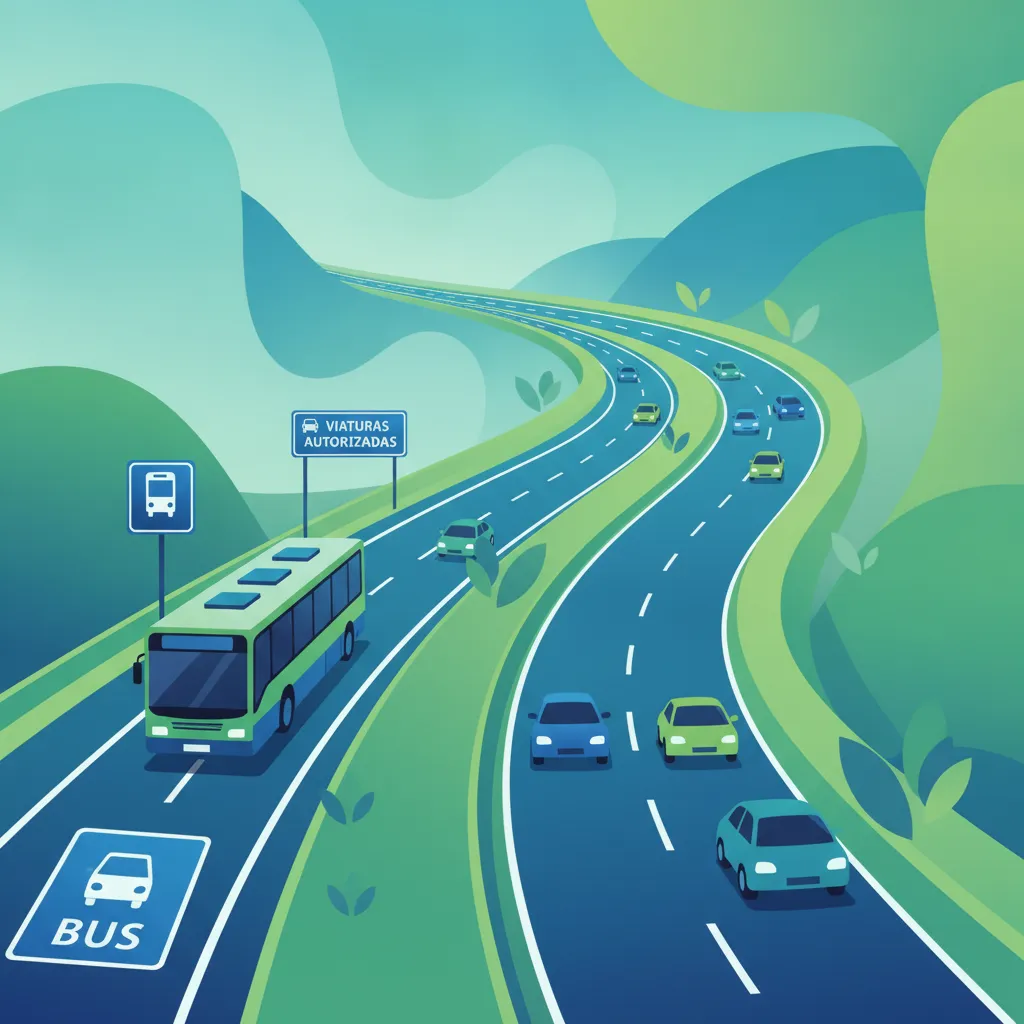
This lesson explains the purpose and rules of reserved lanes, such as those designated for buses, taxis, or cyclists. It covers how to identify these lanes through signage and road markings, and details the specific times they may be in operation. Drivers will learn when they are permitted to enter these lanes and the penalties for unauthorized use.
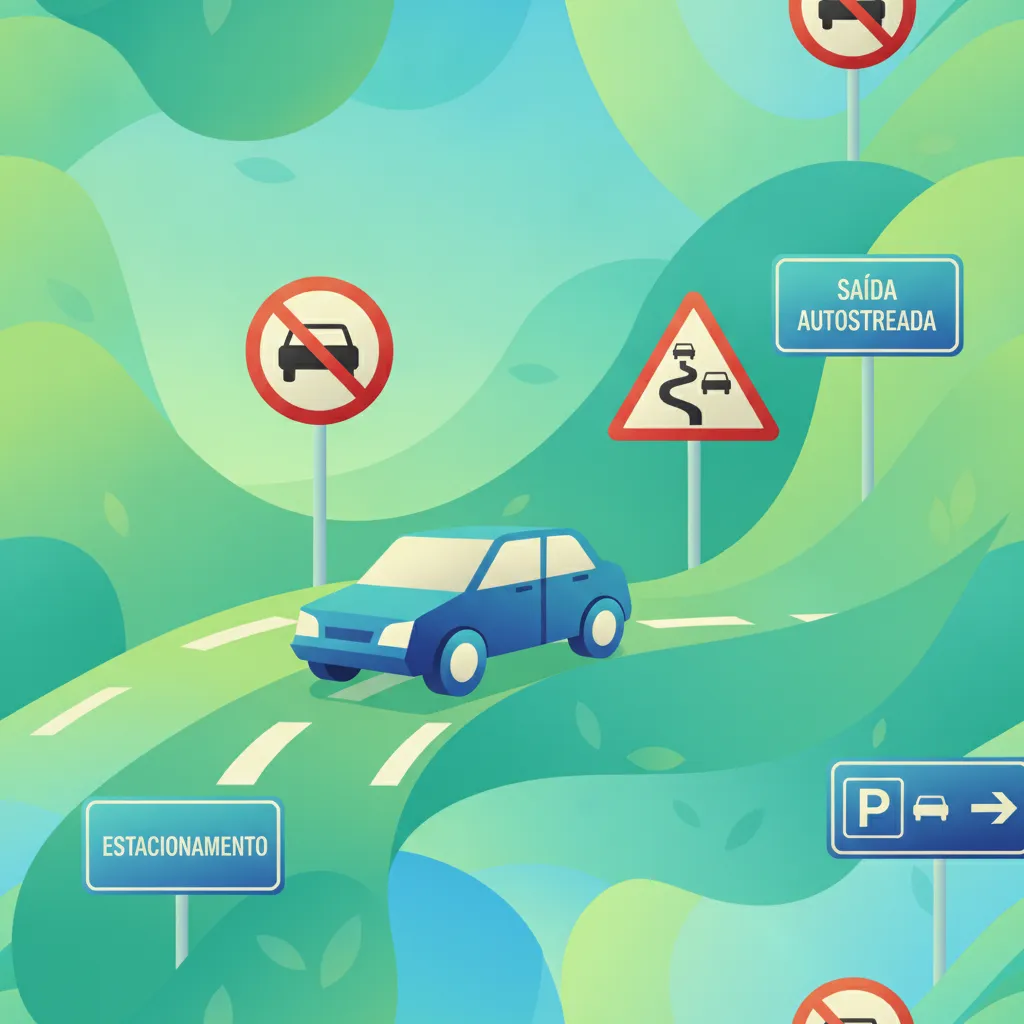
This lesson focuses on identifying and understanding road signs that directly impact passenger vehicle operation. It covers signage for bus lanes, height and weight restrictions, and prohibited movements. The content also explains the meaning of temporary signs used for diversions or roadworks that may affect planned routes.

This lesson examines how bus priority measures, such as dedicated lanes and signal preemption, function in urban traffic. It teaches drivers how to utilize these systems effectively to maintain schedules and improve service reliability. The content also discusses how to navigate general traffic congestion when priority systems are not available.

This lesson explains the rules and etiquette for sharing the road with public transport vehicles like buses and trams. It covers the requirement to be cautious around bus stops, especially when passengers are boarding or alighting. A key focus is the legal obligation to yield to buses indicating their intention to pull out from a designated stop into the flow of traffic.

This lesson details the regulations and proper application of passenger restraints, including seat belts and child safety seats. It explains the principles of safe luggage storage and how correct load distribution is critical for maintaining vehicle stability. The content also provides guidance on managing standing passengers to ensure their safety during transit.
Explore strategies for proactive fatigue management on extended journeys. Learn how to maintain passenger comfort through HVAC, seating, and cleanliness, while adhering to strict Portuguese regulations on driving and rest times.

This lesson addresses the serious risks of driving while fatigued, distracted, or stressed. It teaches drivers to recognize the early warning signs and explains the legal regulations regarding driving hours and rest periods. The content offers practical strategies for managing stress and minimizing distractions to maintain focus on the driving task.

This lesson highlights the serious danger of driving while fatigued, which can be as impairing as alcohol. It teaches drivers to recognize the early warning signs of tiredness, such as yawning, heavy eyelids, and difficulty concentrating. The importance of proper journey planning, including scheduling regular rest breaks, is emphasized as the primary strategy for preventing fatigue-related accidents.

This lesson explains the European regulations governing drivers' hours and the mandatory rest periods. It covers how to use both analogue and digital tachographs to accurately record driving, work, and rest times. Understanding and adhering to these rules is a legal requirement and is crucial for preventing fatigue-related accidents.
This lesson details the regulations and proper application of passenger restraints, including seat belts and child safety seats. It explains the principles of safe luggage storage and how correct load distribution is critical for maintaining vehicle stability. The content also provides guidance on managing standing passengers to ensure their safety during transit.

This lesson focuses on the legal concept of duty of care, detailing a professional driver's obligations to passengers and other road users. It examines how negligence and failure to comply with traffic laws can result in liability and legal penalties. The content also emphasizes adherence to safety regulations and proper incident reporting procedures.
This lesson focuses on the efficient and safe management of passengers entering and exiting the vehicle. It provides guidance on coordinating door operations, assisting passengers with mobility needs, and ensuring luggage is stowed correctly. The content aims to minimize dwell time at stops while prioritizing the safety of all passengers.
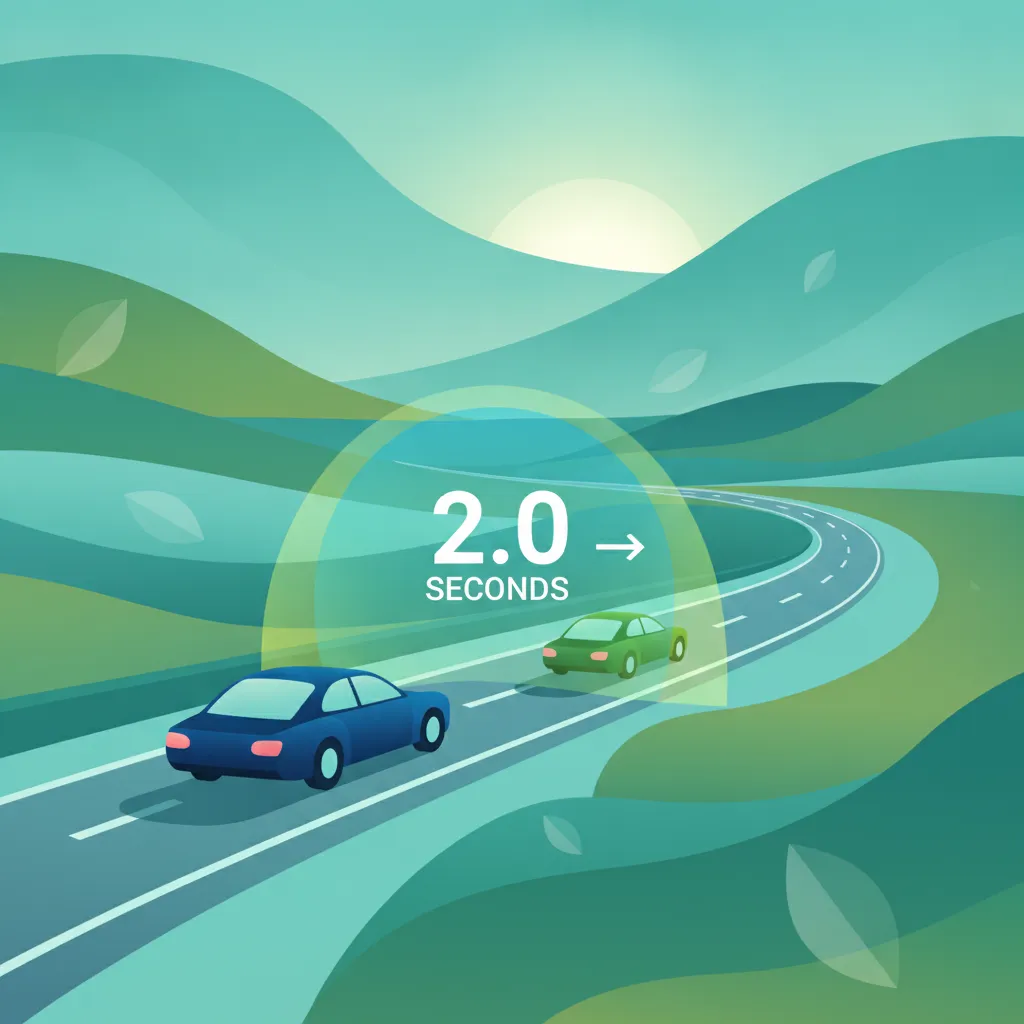
This lesson explains the critical need for maintaining a safe following distance to compensate for the longer stopping time of a heavy vehicle. It introduces time-based following distance rules and describes how to adapt them for different speeds, road conditions, and weather. The content highlights the dangers of tailgating and provides strategies for proactive collision avoidance.
This lesson focuses on identifying and understanding road signs that directly impact passenger vehicle operation. It covers signage for bus lanes, height and weight restrictions, and prohibited movements. The content also explains the meaning of temporary signs used for diversions or roadworks that may affect planned routes.
This lesson explains the regulations governing the use of dedicated bus lanes, including operational hours and priority rules at junctions. It clarifies which other vehicles may use these lanes and under what circumstances. The content also discusses traffic signal priority systems and the legal implications of improper bus lane usage.
This lesson focuses on the specific skills required for driving on high-speed motorways. It details the procedures for safely merging onto and exiting the motorway, maintaining proper lane discipline, and adhering to variable speed limits. The content also provides rules for safe overtaking and managing the vehicle's stability at high speeds.
Find clear answers to common questions learners have about Terminal Operations and Long-Distance Passenger Service. Learn how the lesson is structured, which driving theory objectives it supports, and how it fits into the overall learning path of units and curriculum progression in Portugal. These explanations help you understand key concepts, lesson flow, and exam focused study goals.
The primary responsibility is to ensure safe maneuvering of the large vehicle, adhering to terminal signage, and maintaining orderly passenger boarding to prevent injuries or incidents.
Drivers must integrate mandatory rest periods into their route plans as defined by law. Proper planning ensures the driver remains alert, which is critical for safety and compliance during the theory exam.
Yes, drivers must follow terminal-specific signs and markings. Always prioritize passenger safety and accessibility when positioning the vehicle for alighting and boarding.
Utilize the powerful search tool to refine your Portuguese driving theory practice. Pinpoint questions related to specific traffic laws, road signs, or complex scenarios from the Código da Estrada. Begin targeted revision now to boost your understanding and confidently approach your IMT driving exam.