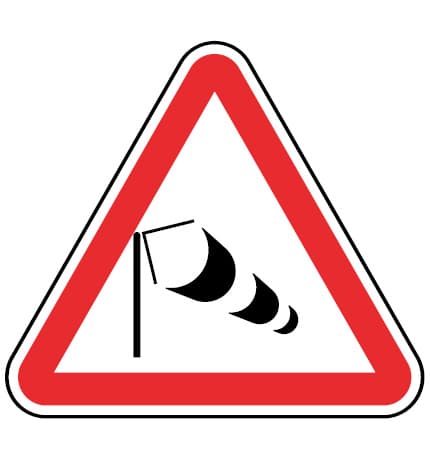
The A12 sign, officially 'Vento Lateral', warns you about upcoming stretches of road where strong side winds are common. This is a crucial Portuguese warning sign, part of the triangular red-bordered family, indicating a potential hazard. Drivers must reduce speed significantly before the affected area, increase their following distance, and be extra vigilant for sudden steering adjustments needed to maintain control. It's essential to prepare for potential risks like swerving vehicles, unpredictable pedestrians, or even animals appearing due to the wind's effect.
Recognise the A12 Vento Lateral sign to prepare for strong side winds on Portuguese roads. This critical road sign explanation is vital for your theory test revision, helping you understand and react safely to crosswinds.
A12 - Vento lateral (Vento lateral) belongs to the Portuguese warning signs category in the Regulamento de Sinalização do Trânsito. Visually, this belongs to the triangular red-bordered warning family used in Portugal, with the internal symbol identifying the specific hazard. The official wording is: vento lateral: indicação da proximidade de um troço de via em que é frequente a acção de vento lateral bastante intenso; a orientação do símbolo representado no sinal indica o sentido predominante do vento. Its purpose is to warn early enough for the driver to adapt before the danger point. For theory preparation, connect the sign to a concrete driving decision: where to look, when to slow, whether to stop or yield, which route or lane to choose, and whether any panel changes the scope of the rule. On the road, interpret it together with markings, traffic lights, police directions, temporary works signs, and any additional panel placed with it. A strong exam answer explains both recognition and behaviour: not only what the sign is called, but what a safe and lawful driver must do next.
A12 - Vento lateral (Vento lateral) means that the driver must understand and apply this official Portuguese instruction: vento lateral: indicação da proximidade de um troço de via em que é frequente a acção de vento lateral bastante intenso; a orientação do símbolo representado no sinal indica o sentido predominante do vento. In practical terms, you should reduce speed before the hazard, scan further ahead, increase following distance, and be ready for braking, steering, pedestrians, animals, traffic queues, or poor surface conditions.
Get clear, practical answers to the most common questions about the A12 - A12 - Vento lateral (Vento lateral) road sign. Learn how the sign works, what rules it represents, and how it affects real driving situations. This FAQ strengthens your understanding and supports accurate decision making for the Portuguese driving theory exam in Portugal.
The A12 'Vento Lateral' sign is a warning sign in Portugal indicating that you are approaching a section of road where strong lateral (side) winds are frequently encountered. The arrow on the sign indicates the predominant direction of the wind.
Upon seeing the A12 sign, you should immediately prepare for strong side winds. This means reducing your speed before you reach the hazard area, increasing your distance from the vehicle in front, and being ready to make steering adjustments to keep your vehicle in its lane. Look further ahead to anticipate potential issues caused by the wind.
A common exam trap is simply identifying the sign without knowing the correct driving behaviour. Learners might forget to slow down sufficiently or increase their following distance. The exam will test your understanding of proactive measures, such as preparing for the hazard before you reach it, rather than reacting only when the wind affects your vehicle.
No, the A12 sign does not require you to stop. It's a warning sign to alert you to a potential hazard, prompting you to adjust your driving. You should slow down and increase vigilance, but stopping is only necessary if traffic conditions or the severity of the wind demand it.
Yes, always interpret the A12 sign in conjunction with other traffic control devices. This includes road markings, traffic lights, additional panels placed below the A12 sign which might specify the distance or intensity of the wind hazard, and instructions from traffic police. Poor road surfaces or other warning signs seen simultaneously can further necessitate caution.
A clear reference image of the A12 - A12 - Vento lateral (Vento lateral) road sign used in Portugal.
The A12 - A12 - Vento lateral (Vento lateral) road sign may also be known by these alternative names or terms.
The A12 - A12 - Vento lateral (Vento lateral) road sign is part of the Warning Signs category, which groups together signs with similar rules and functions.
Comparing related road signs like the A12 helps solidify your understanding for the Portuguese theory test. Reviewing similar traffic signs and their distinctions improves sign recognition and reduces errors, crucial for exam preparation.
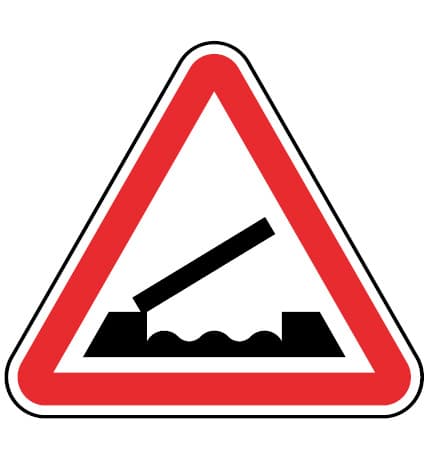
Warning: You are approaching a Movable Bridge (Ponte Móvel)!
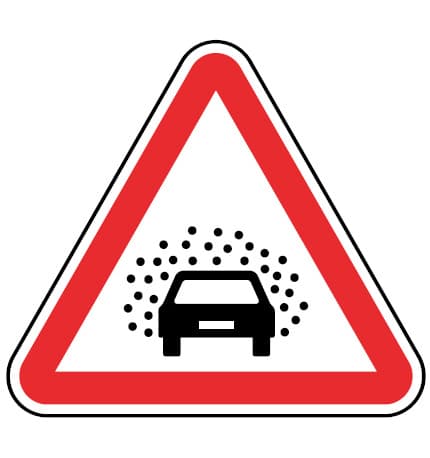
Prepare for reduced visibility with the Portuguese A13 Insufficient Visibility warning sign.
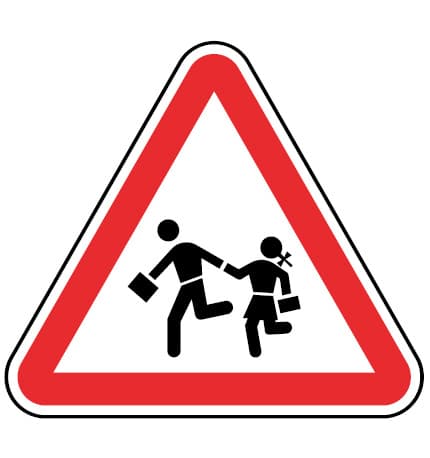
Watch out for Children: The A14 Warning Sign in Portugal
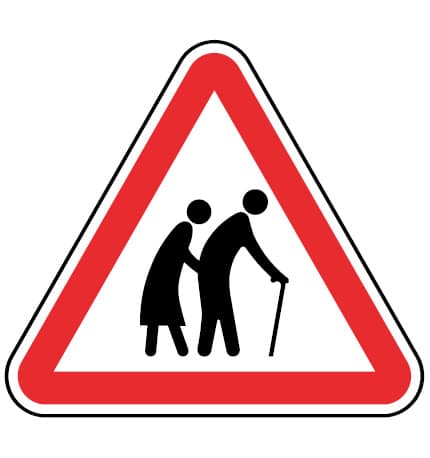
Slow Down: The A15 'Idosos' Sign Warns of Elderly Pedestrians Ahead
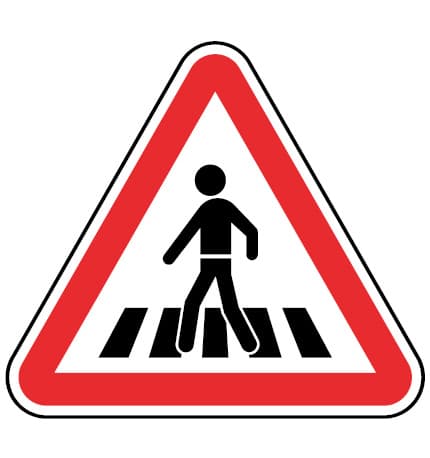
Prepare for Pedestrians: The A16a Warning Sign for Crossings
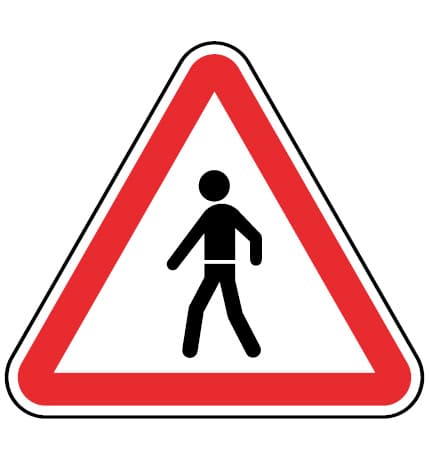
Prepare to yield for pedestrians with the A16b Pedestrian Crossing warning sign.
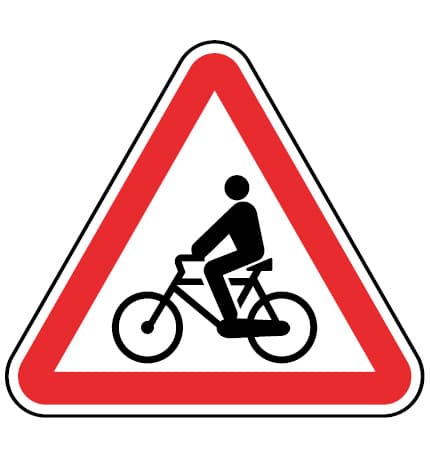
Watch out for cyclists exiting the road with the A17 warning sign
After reviewing the full list, explore signs by specific categories such as warning, regulatory, or informational to deepen your understanding. Practise recognizing signs in context and prepare effectively for your Portuguese driving licence theory test.
All Portuguese Road Signs List