The A9 'Queda de Pedras' road sign, meaning 'Falling Rocks', is a crucial warning sign in Portugal. It alerts you to the potential danger of stones falling onto the road ahead, often found in mountainous or rocky areas. When you see this triangular, red-bordered sign, it's essential to reduce your speed well before the hazard zone, increase your observation distance, and be prepared to brake or steer to avoid falling debris.
Master the A9 'Queda de Pedras' warning sign to prepare for your Portuguese theory test. This specific road sign explanation helps you recognise potential falling rocks and adapt your driving behaviour accordingly.
A9 - Queda de pedras (Queda de pedras) belongs to the Portuguese warning signs category in the Regulamento de Sinalização do Trânsito. Visually, this belongs to the triangular red-bordered warning family used in Portugal, with the internal symbol identifying the specific hazard. The official wording is: queda de pedras: indicação da proximidade de um local onde há perigo de ocorrência de queda de pedras. Its purpose is to warn early enough for the driver to adapt before the danger point. For theory preparation, connect the sign to a concrete driving decision: where to look, when to slow, whether to stop or yield, which route or lane to choose, and whether any panel changes the scope of the rule. On the road, interpret it together with markings, traffic lights, police directions, temporary works signs, and any additional panel placed with it. A strong exam answer explains both recognition and behaviour: not only what the sign is called, but what a safe and lawful driver must do next.
A9 - Queda de pedras (Queda de pedras) means that the driver must understand and apply this official Portuguese instruction: queda de pedras: indicação da proximidade de um local onde há perigo de ocorrência de queda de pedras. In practical terms, you should reduce speed before the hazard, scan further ahead, increase following distance, and be ready for braking, steering, pedestrians, animals, traffic queues, or poor surface conditions.
Get clear, practical answers to the most common questions about the A9 - A9 - Queda de pedras (Queda de pedras) road sign. Learn how the sign works, what rules it represents, and how it affects real driving situations. This FAQ strengthens your understanding and supports accurate decision making for the Portuguese driving theory exam in Portugal.
The A9 'Queda de Pedras' sign, which translates to 'Falling Rocks', warns you that there is a risk of stones falling onto the road ahead. You should immediately be more vigilant and prepare to adjust your speed and position.
Upon seeing the A9 sign, you must slow down before reaching the danger area. Increase your following distance from the vehicle in front and scan further ahead for any falling rocks or traffic issues. Be ready to brake or make steering adjustments if necessary.
The A9 sign itself does not specify a speed limit but indicates a hazard that requires you to reduce your speed accordingly. You must drive at a speed that allows you to stop safely if rocks fall onto the road or if traffic conditions demand it. Always prioritize safety over speed.
A common mistake is failing to slow down sufficiently in advance of the potential hazard. Learners might also forget to increase their observation and following distance. Exam questions often test your understanding that proactive behaviour, not just recognition of the sign, is required.
Yes, the A9 sign can be accompanied by additional panels that provide more specific information, such as the length of the hazardous section or specific times when the danger is greater. Always pay attention to any accompanying signs or road markings, and follow any directions from traffic police.
A clear reference image of the A9 - A9 - Queda de pedras (Queda de pedras) road sign used in Portugal.
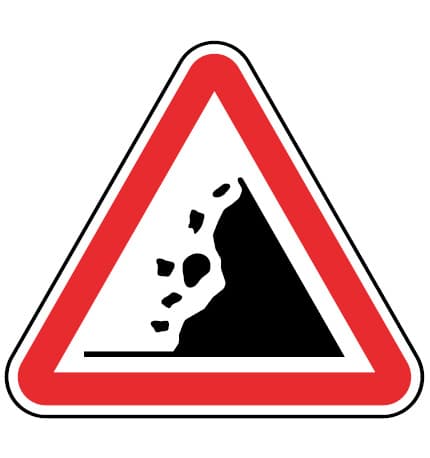
The A9 - A9 - Queda de pedras (Queda de pedras) road sign may also be known by these alternative names or terms.
The A9 - A9 - Queda de pedras (Queda de pedras) road sign is part of the Warning Signs category, which groups together signs with similar rules and functions.
Master Portuguese road signs by reviewing visually similar warnings like 'A9 - Queda de pedras'. Comparing these signs aids in quicker identification and reduces errors for your theory test revision. Explore more traffic sign comparisons to improve your overall sign recognition.
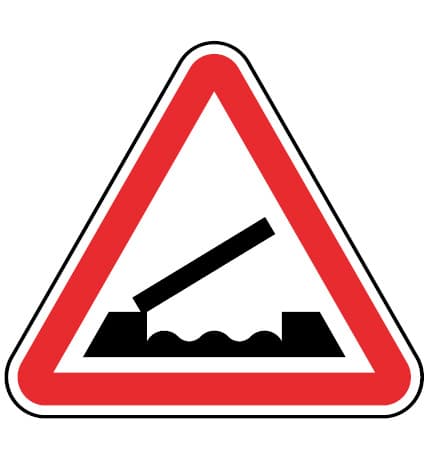
Warning: You are approaching a Movable Bridge (Ponte Móvel)!
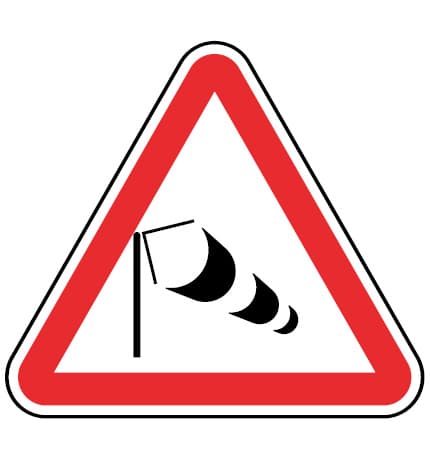
Beware of Strong Lateral Winds with the A12 Warning Sign
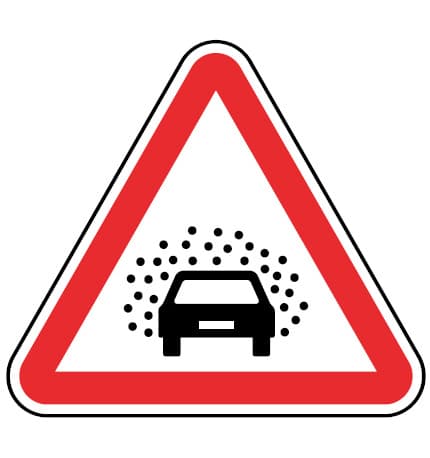
Prepare for reduced visibility with the Portuguese A13 Insufficient Visibility warning sign.
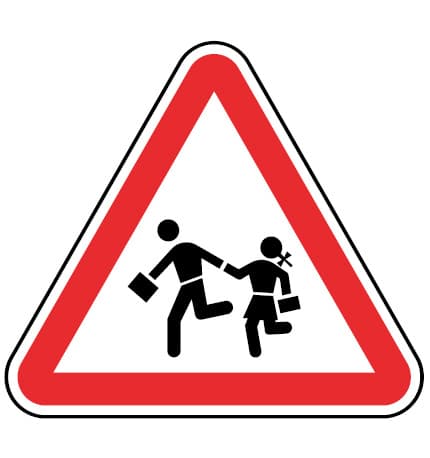
Watch out for Children: The A14 Warning Sign in Portugal
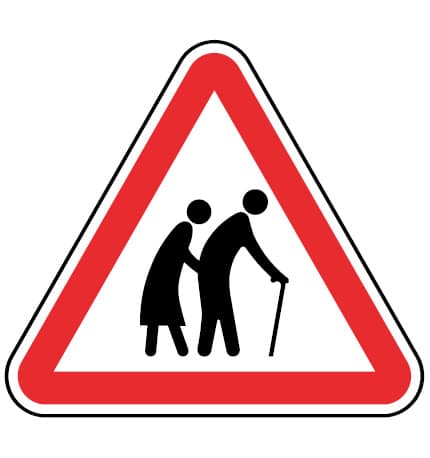
Slow Down: The A15 'Idosos' Sign Warns of Elderly Pedestrians Ahead
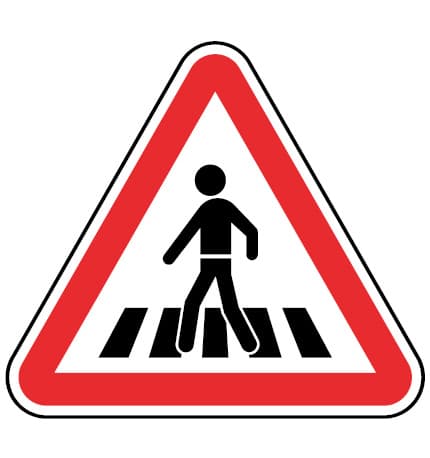
Prepare for Pedestrians: The A16a Warning Sign for Crossings
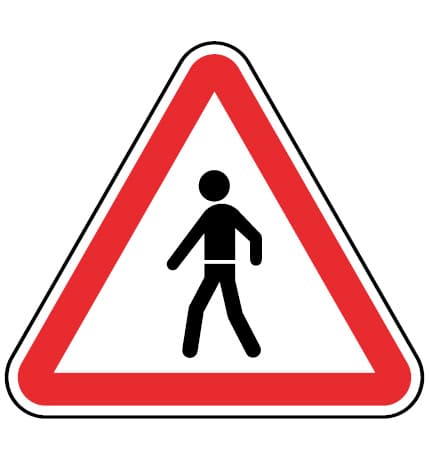
Prepare to yield for pedestrians with the A16b Pedestrian Crossing warning sign.
After reviewing the full list, explore signs by specific categories such as warning, regulatory, or informational to deepen your understanding. Practise recognizing signs in context and prepare effectively for your Portuguese driving licence theory test.
All Portuguese Road Signs List