Lane assignment signs are crucial for preparing you for upcoming road layouts, especially before complex junctions or changes in road conditions. They tell you in advance which lane you should be in, helping you avoid sudden maneuvers and ensure smooth traffic flow. Understanding these signs is vital for both passing your theory exam and driving safely on busy roads.
An explanation of how Lane Assignment Signs road signs apply in real traffic situations in Portugal. Learn where these signs are typically placed, what drivers are expected to do when they appear, and how correct reactions help you stay safe, avoid fines, and succeed in your Portuguese driving theory exam.
You will encounter lane assignment signs most frequently as you approach junctions, exits, or areas where road lanes change their configuration. These signs are typically placed in advance of the situation they describe, giving you time to adjust your position. For example, before a junction where one lane continues straight and another turns right, lane assignment signs will clearly indicate which lane is for which direction. You might also see them before a lane narrows or closes, or where a lane is reserved exclusively for buses or trams, requiring other vehicles to use adjacent lanes. It's crucial to read these signs well in advance to position your vehicle correctly and avoid dangerous last-minute decisions or forcing your way into a lane.
An overview of the key learning outcomes when studying the Lane Assignment Signs road sign category. Understand the main concepts, sign meanings, and traffic situations covered here so you can recognise patterns, answer theory questions more confidently, and build a solid foundation for safe driving in Portugal.
Study Portugal's lane assignment signs to understand pre-junction lane allocation and develop crucial lane discipline. Recognizing these traffic signs early helps you choose the correct lane, avoid weaving, and prepare for lane changes or closures, aiding your theory test revision.
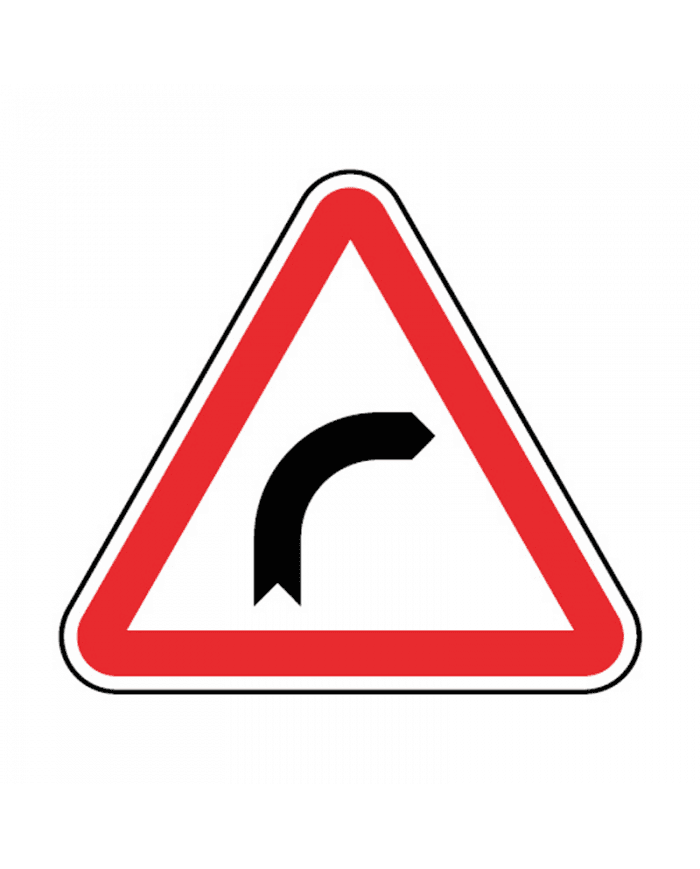
F1a: Understanding Lane Assignment Instructions in Portugal
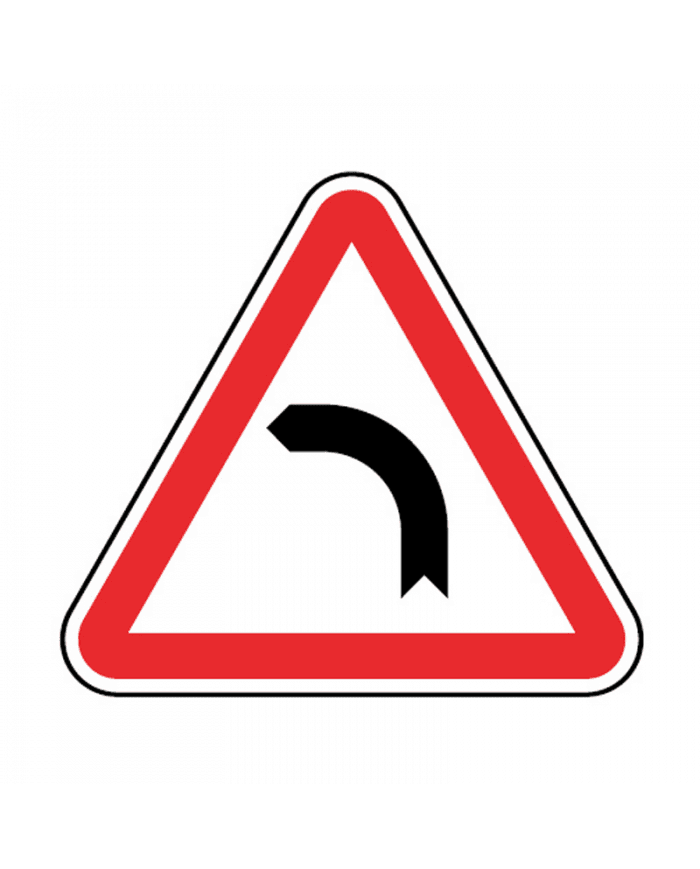
F1b: Apply Prescribed Rules to Your Specific Lane
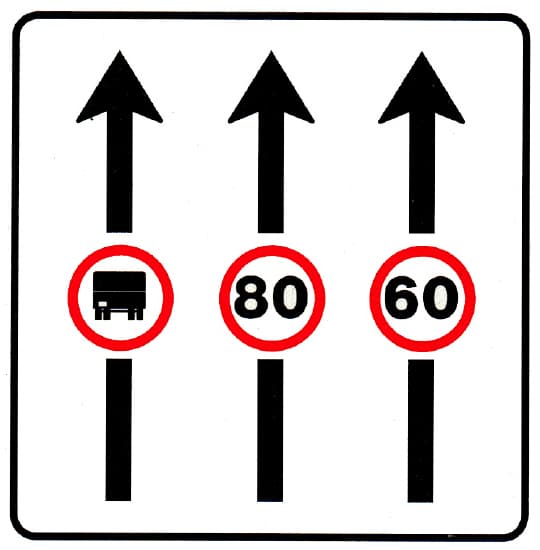
F1c: Applying Lane-Specific Instructions in Portugal
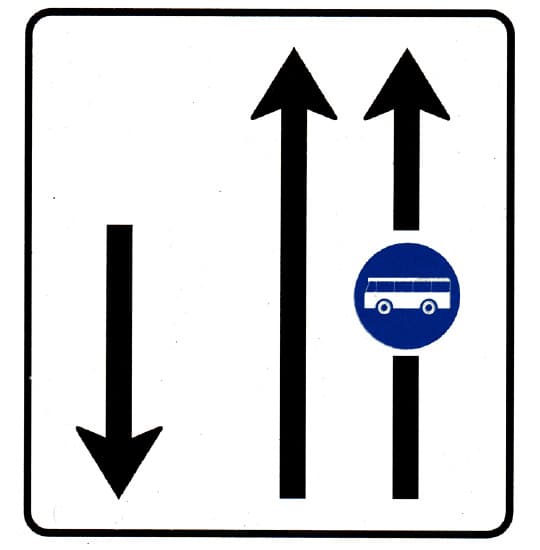
F2 Road Sign: Understanding the Lane Reserved for Public Transport
Clear answers to common questions about the Lane Assignment Signs road sign category. Use this FAQ to review tricky rules, understand how these signs appear in exam scenarios, and remove confusion that often leads to mistakes in the Portuguese driving theory exam in Portugal.
The main purpose of lane assignment signs is to inform drivers about how lanes are designated before a junction, intersection, or road layout change. They help drivers select the correct lane in advance, improving traffic flow and road safety by preventing sudden lane changes and confusion.
While both types of signs provide guidance, lane assignment signs specifically dictate the use of lanes relative to upcoming maneuvers or restrictions. Directional signs might simply indicate destinations, whereas lane assignment signs tell you *which lane* to use for a specific direction or purpose, often accompanied by arrows indicating lane usage.
If you realize you're in the wrong lane after passing a lane assignment sign, it's generally safest to continue in your current lane if it's possible to do so without causing danger or significant disruption. Making a sudden lane change can be more hazardous than proceeding. If there is an immediate need to change lanes (e.g., you are in a lane that is closing), do so with extreme caution, checking your mirrors and blind spots carefully.
Yes, lane assignment signs are almost always accompanied by arrows. These arrows are critical as they visually reinforce the direction or purpose associated with each specific lane. They might show arrows pointing straight, turning left, turning right, or a combination, often depicted over the lanes themselves.
A lane reserved for public transport, often indicated by a specific sign and symbols like a bus, means that only those designated vehicles (like buses or trams) are permitted to use that lane during the times specified or generally. Other vehicles must not use this lane, even if it appears less congested, and should use adjacent lanes.
Deepen your understanding of Portuguese road signs by exploring each category. This structured approach helps reinforce knowledge of specific sign types and their implications on the road, crucial for effective preparation for the IMT driving theory exam. Systematically review sign groups.
Browse Road Sign Categories